
Treehopper
Membracidae spp.
A small, oddly shaped sap-feeding bug best known for an enlarged, often bizarre pronotum extending backward over its body, sometimes shaped like a thorn, leaf, or spike.
- Size
- 6–13 mm
- Habitat
- Tree and shrub branches, woody plant stems, forest edges and gardens
- Danger
- Harmless
Spotted a bug like this?
Identify any bug or insect from a photo, free.
Overview
Treehoppers are a diverse family of true bugs, Membracidae, within the order Hemiptera, renowned among entomologists for the extraordinary variety of shapes formed by their enlarged pronotum, the plate covering the thorax. This structure can be extended into spines, horns, or thorn-like projections that give many species remarkable camouflage on woody plant stems.
As sap-feeding insects, treehoppers use piercing-sucking mouthparts to draw fluids from the stems and twigs of trees and shrubs, and many species have evolved close associations with ants, which tend them for their honeydew secretions in a manner reminiscent of aphid-ant mutualisms.
The family is found worldwide, with especially high diversity in tropical regions, and treehoppers are considered an interesting example of extreme morphological diversification driven by camouflage and, in some hypotheses, sexual selection.
How to Identify
- Small, wedge- or hump-backed body dominated by an enlarged pronotum extending over the abdomen and sometimes the head.
- Pronotum shape varies dramatically by species, resembling thorns, leaves, ant mimics, or elaborate horns.
- Coloration ranges from cryptic browns and greens to more vivid patterns, usually matching the host plant's bark or thorns.
- Piercing-sucking mouthparts positioned beneath the body for feeding on plant stems.
- Lookalikes: often mistaken for actual plant thorns or buds due to their camouflage; distinguished on close inspection by visible legs, antennae, and eyes beneath the pronotum.
Habitat & Range
Treehoppers occur worldwide, with greatest diversity in tropical and subtropical forests, though many species are common in temperate gardens and woodlands. They are typically found on the stems and twigs of trees, shrubs, and sometimes herbaceous plants, most active and visible during the warmer growing season.
Behavior & Diet
Treehoppers feed by piercing plant stems to withdraw sap, often remaining stationary on the same branch for extended periods, relying on camouflage rather than flight to avoid predators. Many species exhibit maternal care, with females guarding egg masses or nymph clusters against predators. A number of species also form mutualistic relationships with ants, which protect the treehoppers in exchange for honeydew secretions produced during feeding.
Life Cycle
Treehoppers undergo incomplete metamorphosis. Eggs are typically inserted into plant tissue or laid in clusters on stems, hatching into nymphs that resemble small, spinier versions of the adult without functional wings. Nymphs pass through several instars, often remaining gregarious on the host plant, before molting into the winged adult form. Depending on species and climate, one or more generations may occur per year, with eggs or adults overwintering depending on the region.
Frequently asked questions
Why does it look like a thorn on the stem?
Many treehopper species have an enlarged pronotum shaped like a thorn, spike, or leaf, providing camouflage against predators on woody stems.
Is a treehopper the same as a leafhopper?
No, though related, treehoppers are set apart by their greatly enlarged pronotum, which leafhoppers lack.
Do treehoppers harm the plants they feed on?
They feed on plant sap through piercing mouthparts, but light feeding by small numbers is generally not significant to an established plant's health.
Why are ants sometimes near treehoppers?
Ants are often attracted to the honeydew treehoppers excrete while feeding, and in exchange may help protect the treehoppers from predators.
Treehopper guides
In-depth guides for identifying, understanding, and living alongside Treehopper.
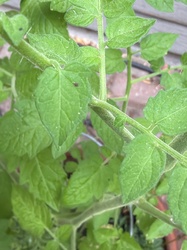
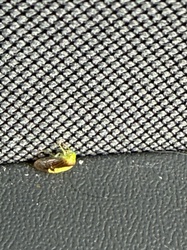
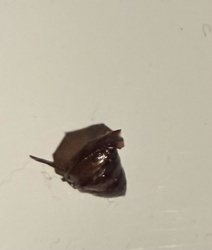
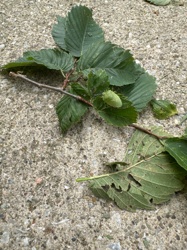
Treehopper identified by the community
Real finds identified with Bug Identifier.
Other bugs you may enjoy
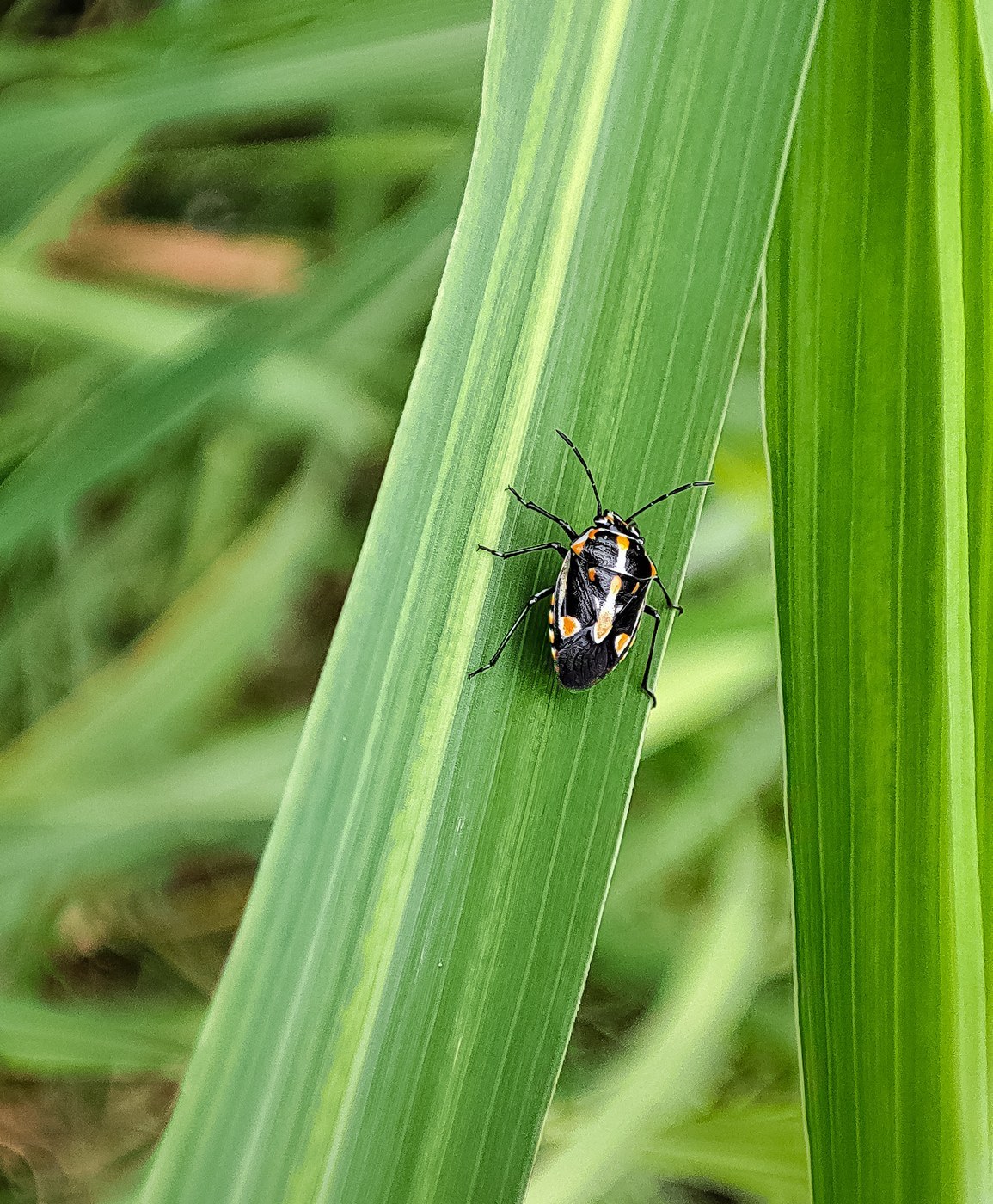
Bagrada Bug
Arid gardens, crucifer fields, desert-adjacent croplands
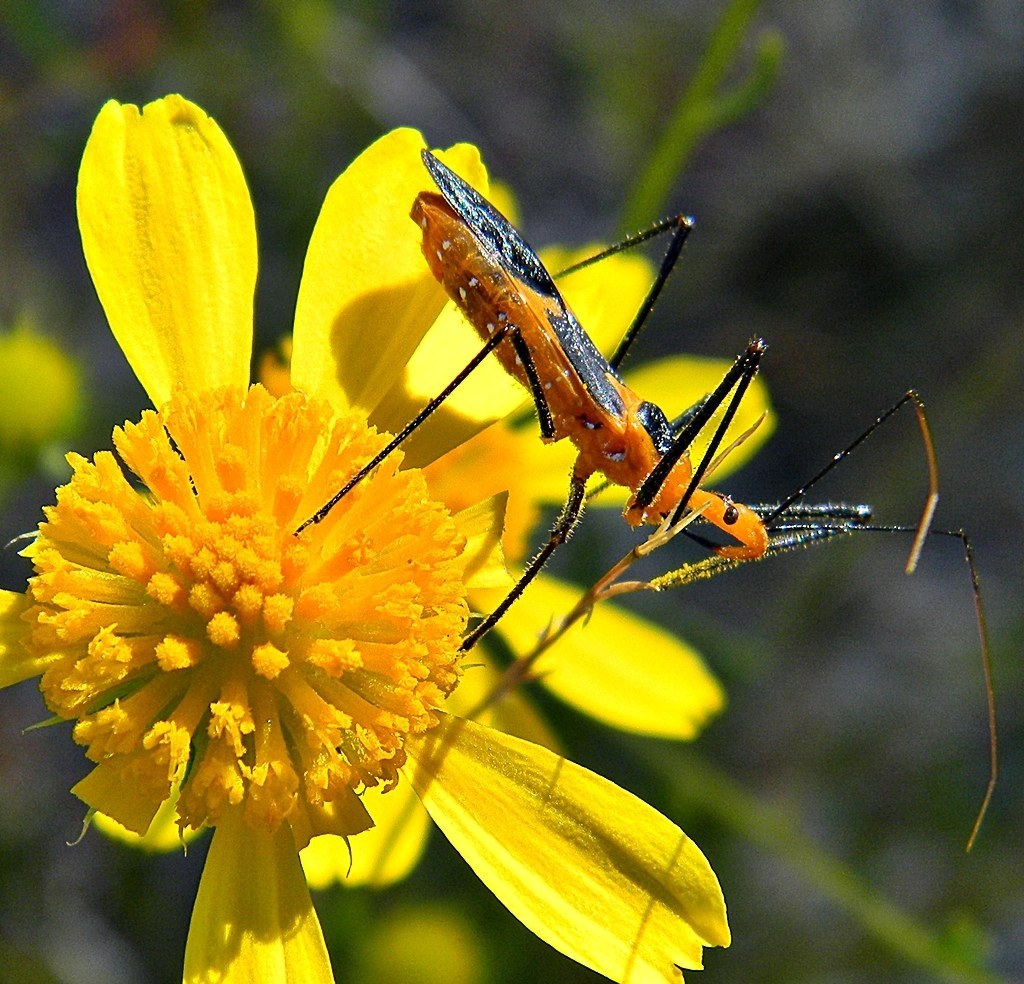
Assassin Bug
Gardens, meadows, and vegetation worldwide
Water Boatman Bug
Ponds, lakes, and slow-moving freshwater
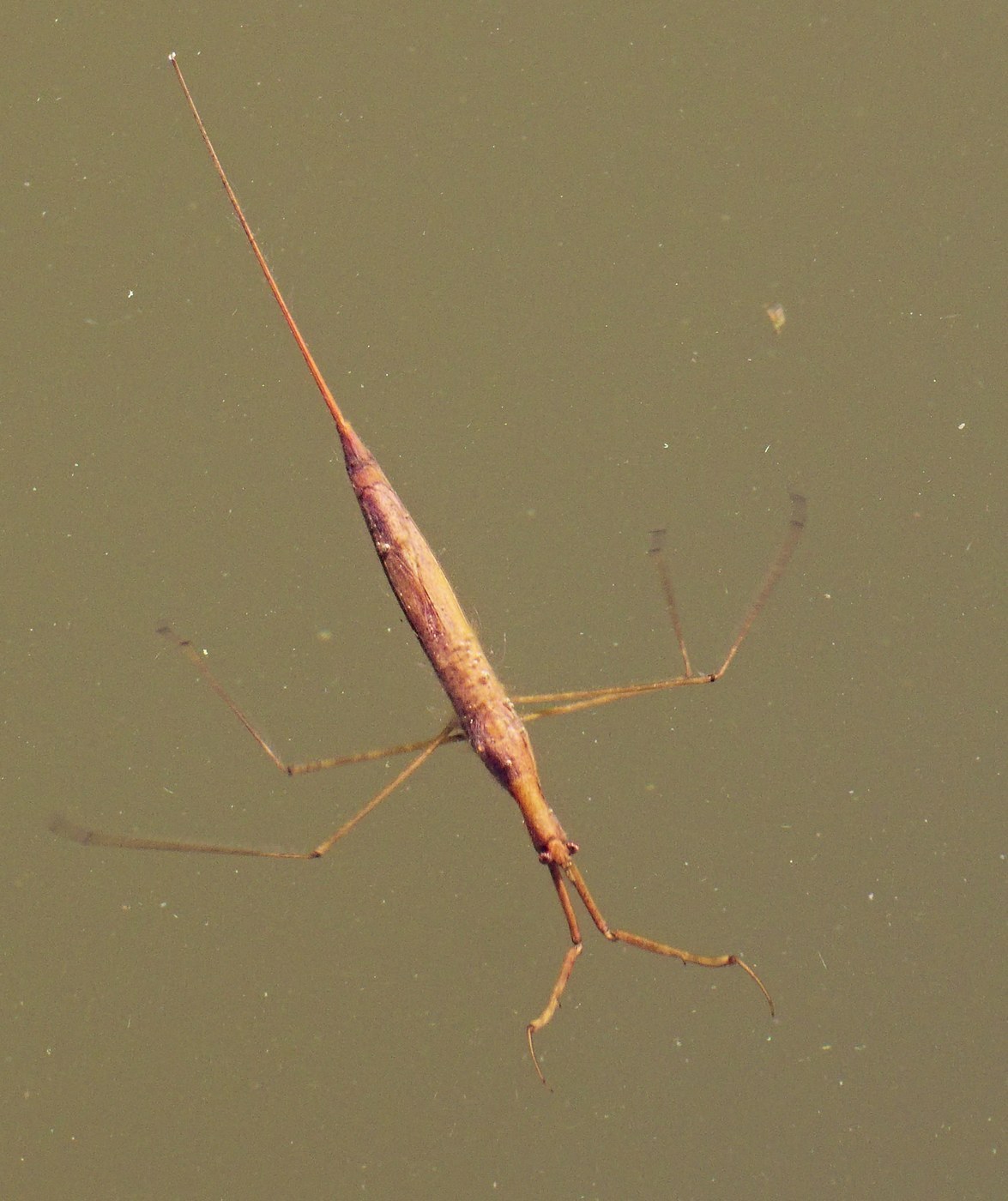
Water Stick Insect
Still and slow-moving water with dense submerged vegetation
Rough Stink Bug
Tree bark, woodlands, orchards, and shrubby vegetation
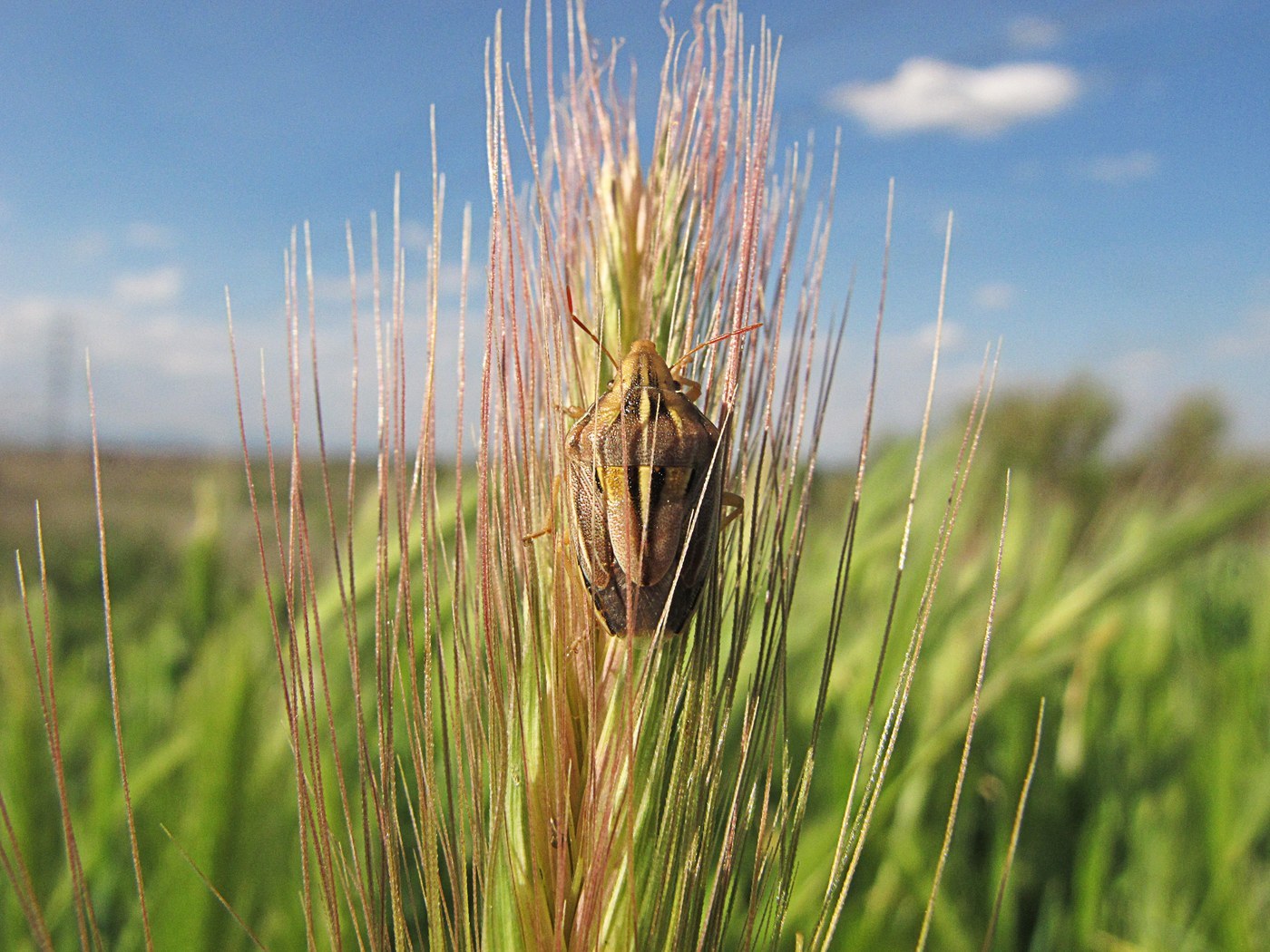
Stink Bug
Gardens, crop fields, and woodlands across temperate and subtropical regions
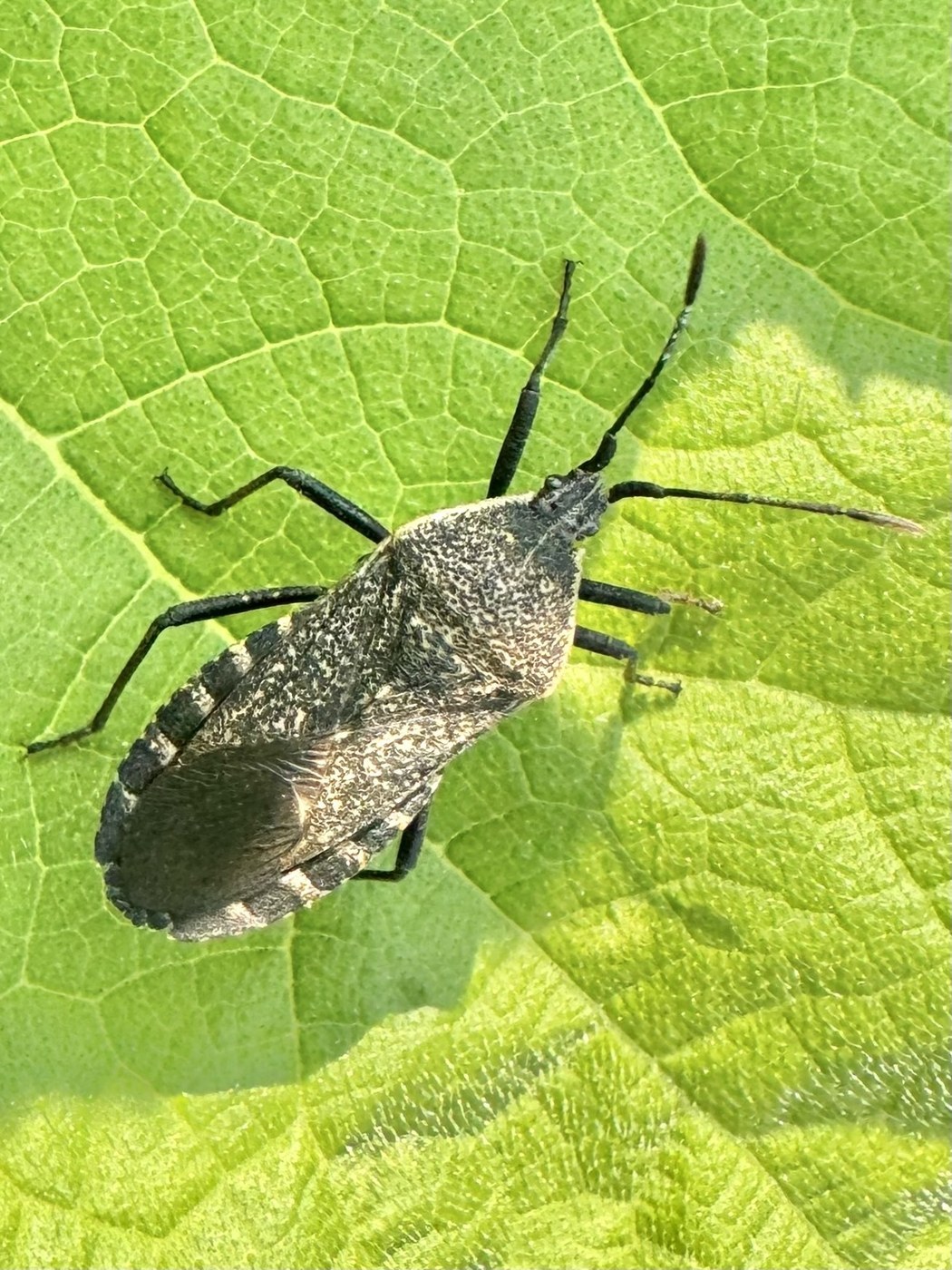
Squash Bug
Vegetable gardens and farm fields growing squash, pumpkin, and other cucurbits
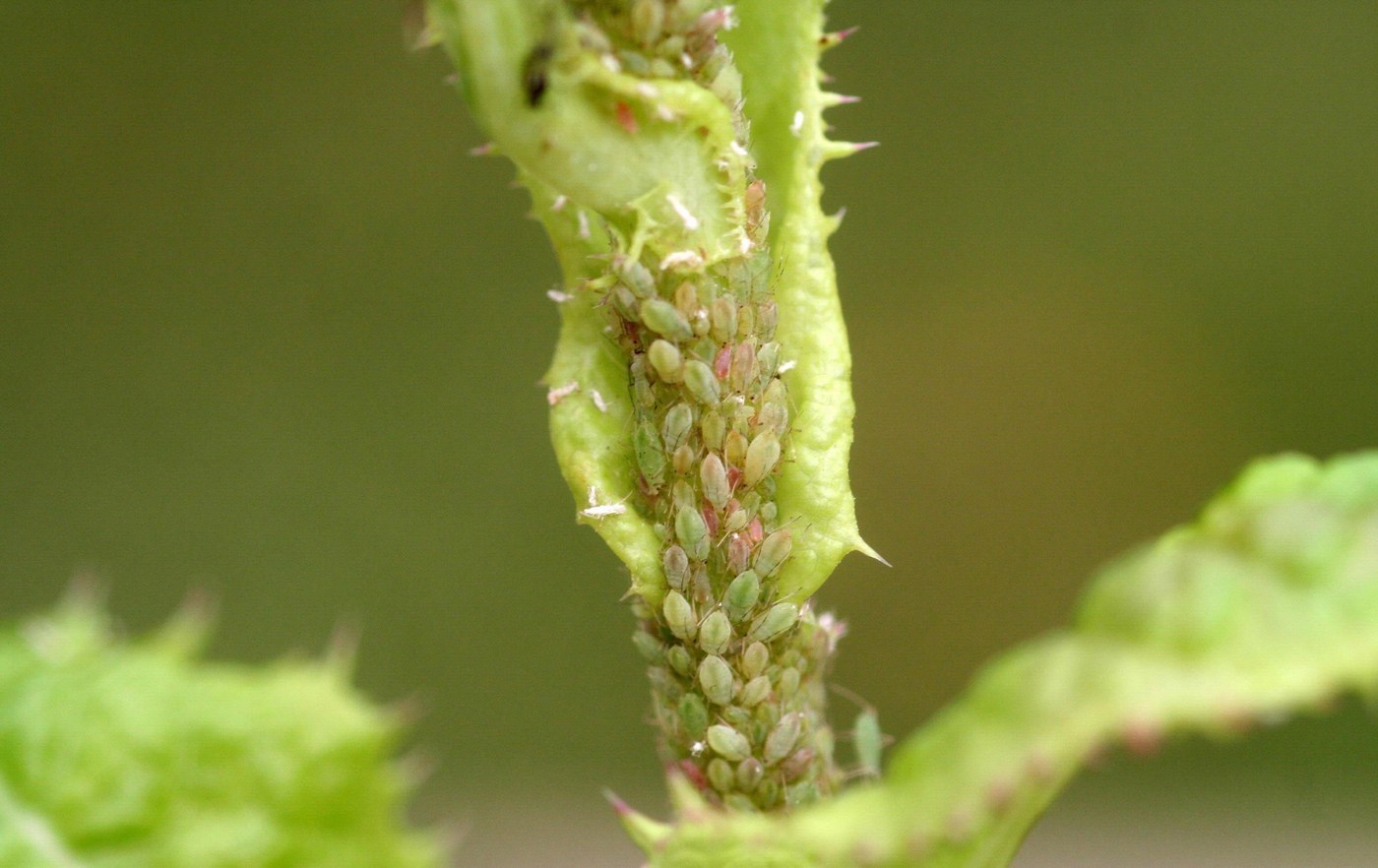
Aphid
On stems, leaves, and buds of a very wide range of host plants
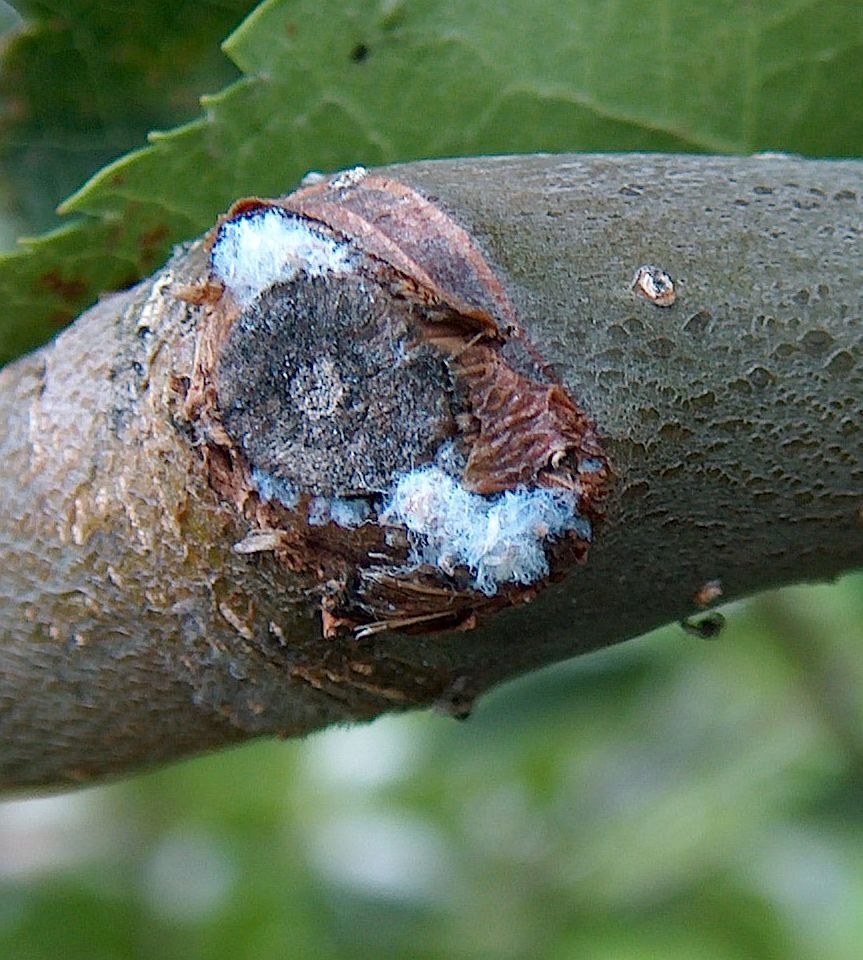
Woolly Aphid
Bark crevices, root collars, and twigs of apple, elm, and alder trees
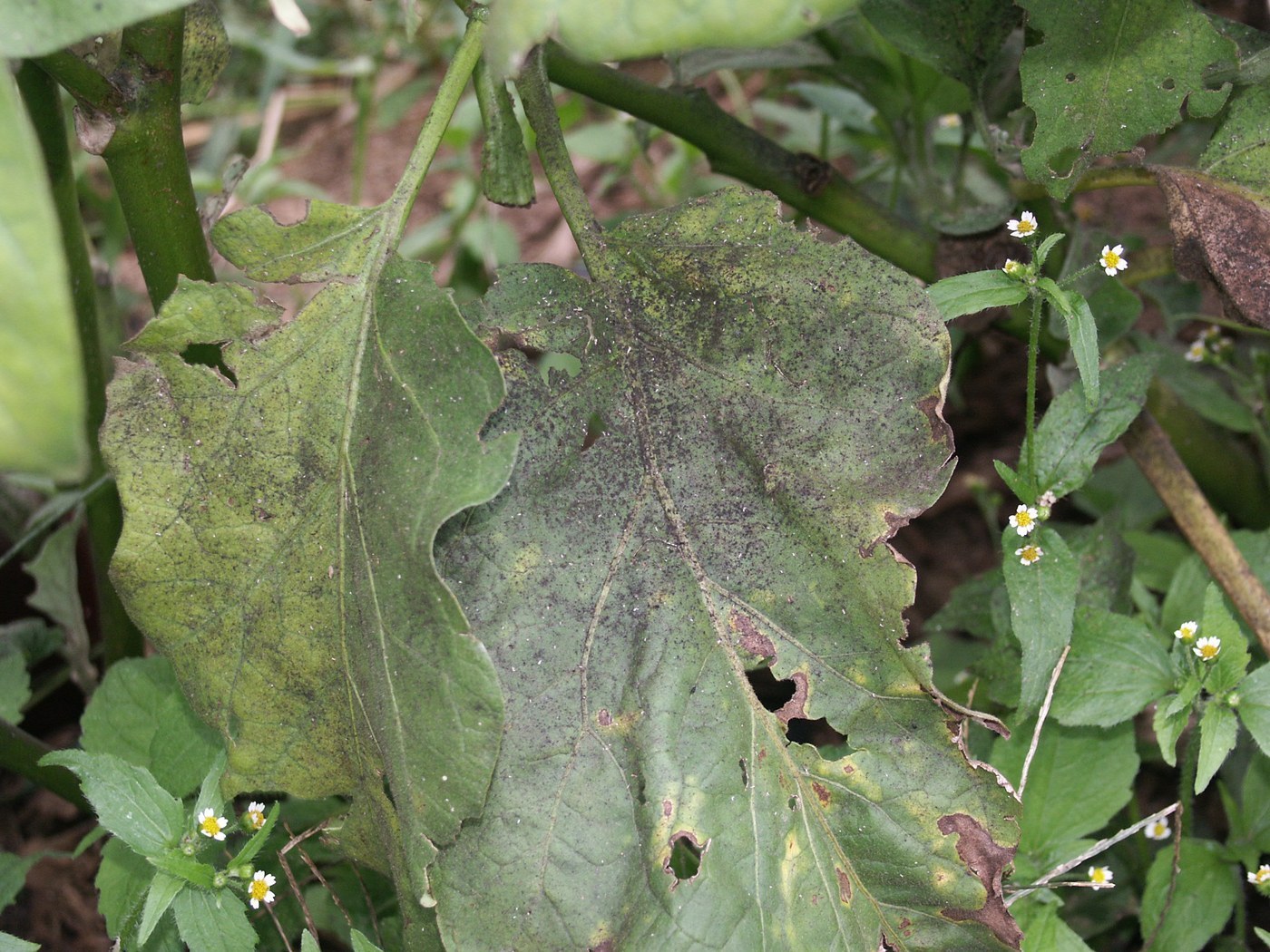
Whitefly
Greenhouses, gardens, and undersides of leaves on host plants
Water Measurer
Quiet edges of ponds, marshes, and slow streams
Two-Spotted Stink Bug
Gardens and fields with potato and nightshade-family plants