
Vapourer Moth
Orgyia antiqua
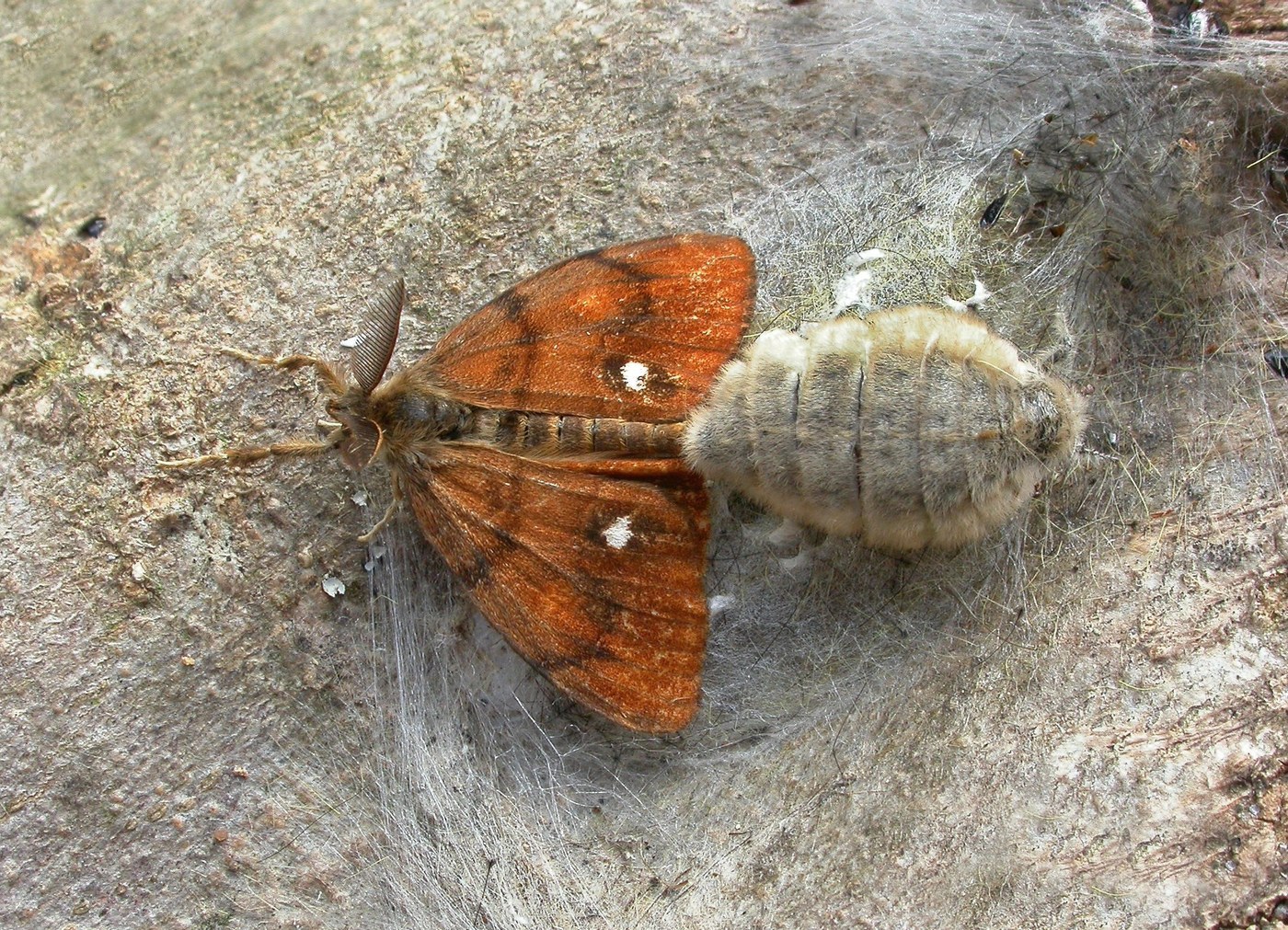
A small tussock moth with striking sexual dimorphism: rusty-orange, day-flying males with feathery antennae contrast with flightless, grub-like grey females that never leave their cocoon to lay eggs.
- Size
- 20–30 mm wingspan (males); females wingless
- Habitat
- Gardens, parks, woodland, urban street trees
- Danger
- Harmless
Spotted a bug like this?
Identify any bug or insect from a photo, free.
Overview
The Vapourer Moth is a member of the tussock moth subfamily Lymantriinae, notable for one of the most extreme examples of sexual dimorphism among common moths. Males are fully winged, brightly colored, and fly actively by day, while females are wingless, sedentary, and remain on or near their cocoon for their entire adult life.
The species is a familiar sight in urban and suburban green spaces, where the fast, erratic daytime flight of males searching for females is often the first clue to its presence. Its caterpillars are equally distinctive, brightly colored and adorned with dense tufts of hair-like bristles arranged in a characteristic pattern along the back.
Ecologically the Vapourer Moth is highly adaptable, tolerating pollution and urban conditions better than many moths, and it is often one of the more visible moth species in city parks and gardens due to the caterpillars' conspicuous coloring and the males' daytime activity.
How to Identify
- Males have rusty-orange to chestnut-brown forewings with a small white spot near the trailing edge, and strongly feathery (bipectinate) antennae.
- Females are wingless, plump, and greyish, resembling a small furry grub rather than a typical moth, and remain attached to their cocoon.
- Male flight is fast, erratic, and typically occurs in daylight, unlike most moths.
- The caterpillar is boldly patterned with a black body, orange spots, and distinctive tufts of hair including two long forward-pointing "pencils" near the head and a row of dense brush-like tufts along the back.
- Lookalikes among tussock moth caterpillars exist, but the specific arrangement of hair tufts and bright coloring is fairly distinctive.
Habitat & Range
Widespread across Europe, North Africa, temperate Asia, and introduced to North America, thriving in gardens, parks, hedgerows, woodland edges, and notably urban and suburban street trees, showing good tolerance of built-up environments. Adults, particularly males, are seen flying in sunshine from summer into autumn, with caterpillars conspicuous from spring through summer feeding openly on foliage.
Behavior & Diet
Male Vapourer Moths fly rapidly and erratically during the day, especially in sunny weather, searching for the scent of flightless females that remain on tree bark, fences, or walls near their cocoon. Females never fly and lay their entire egg batch on or near the now-empty cocoon shortly after mating. The caterpillars feed on the foliage of a wide range of deciduous trees and shrubs, sometimes in loose groups when young, and their bristly hair tufts likely serve as a deterrent to predators, while the species overall is notably tolerant of urban pollution and disturbed habitats.
Life Cycle
Females lay eggs directly on the outside of their cocoon rather than dispersing them, and these eggs typically overwinter in place. Caterpillars hatch in spring and feed through late spring and summer on a wide variety of trees and shrubs, then spin a cocoon in which they pupate. There are commonly one to two generations per year depending on climate, with the flightless female's inability to disperse meaning that egg-laying sites, and therefore local populations, can persist in the same trees for many years.
Frequently asked questions
Why do I only ever see the male flying?
Females are wingless and never fly; they remain on or near their cocoon their whole adult life, so only the fast-flying, orange-brown males are typically seen on the wing.
What does the caterpillar look like?
It has a black body with orange spots and distinctive tufts of hair, including two forward-pointing hair "pencils" near the head and dense brush-like tufts along its back.
Where does the female lay her eggs?
She lays her entire egg batch directly on or near the empty cocoon from which she emerged, since she is unable to fly or move far.
Is it common in cities?
Yes, it is notably tolerant of urban conditions and is often found on street trees, in parks, and in gardens within built-up areas.
Vapourer Moth guides
In-depth guides for identifying, understanding, and living alongside Vapourer Moth.
Other bugs you may enjoy
Bagworm Moth
Coniferous and deciduous trees, shrubs, hedges
Antheraea Silkmoth
Deciduous forests, woodland edges, orchards
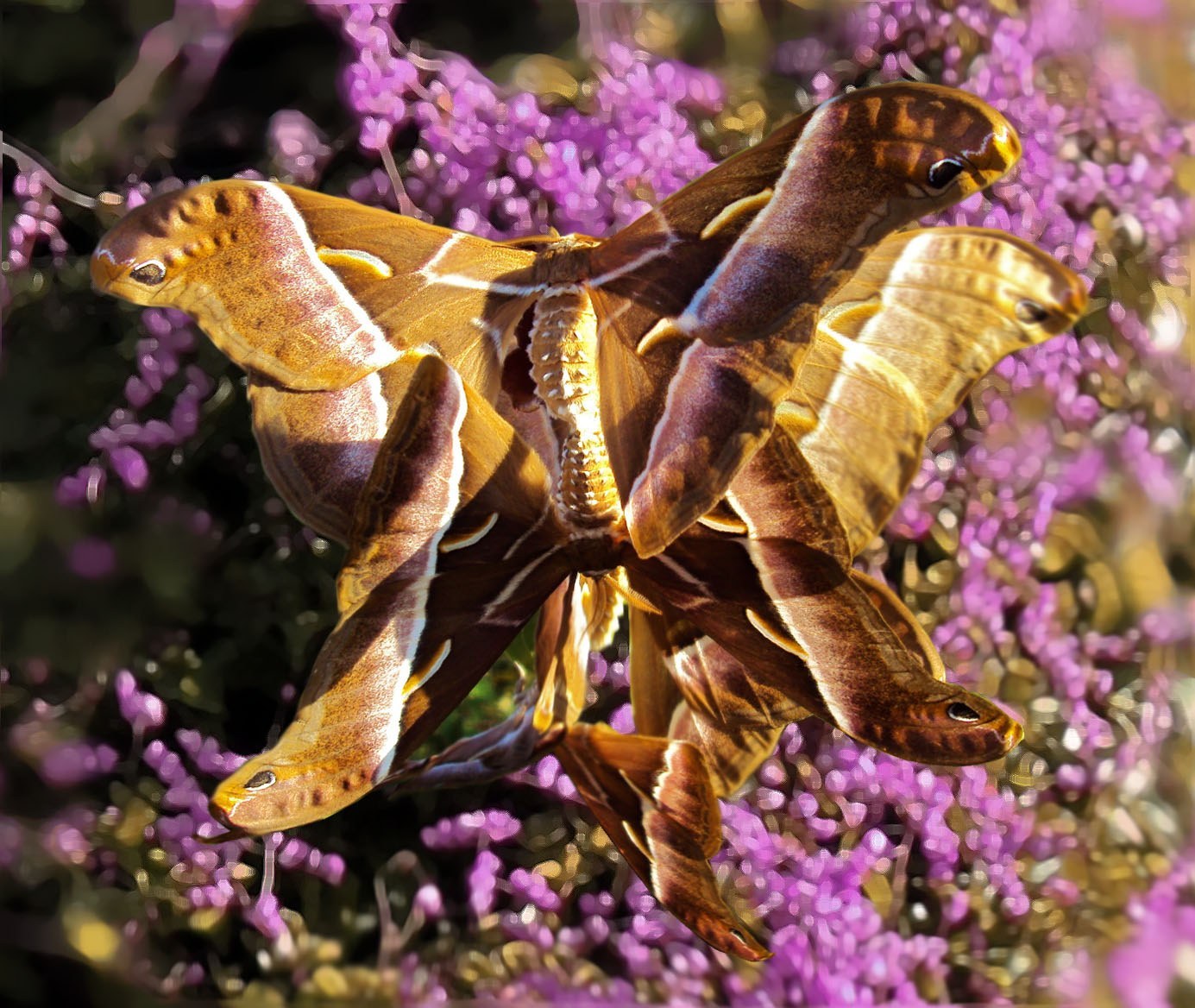
Ailanthus Silkmoth (Cynthia Moth)
Urban parks, wastelands, and woodland edges with tree-of-heaven; native to Asia, introduced in North America and Europe
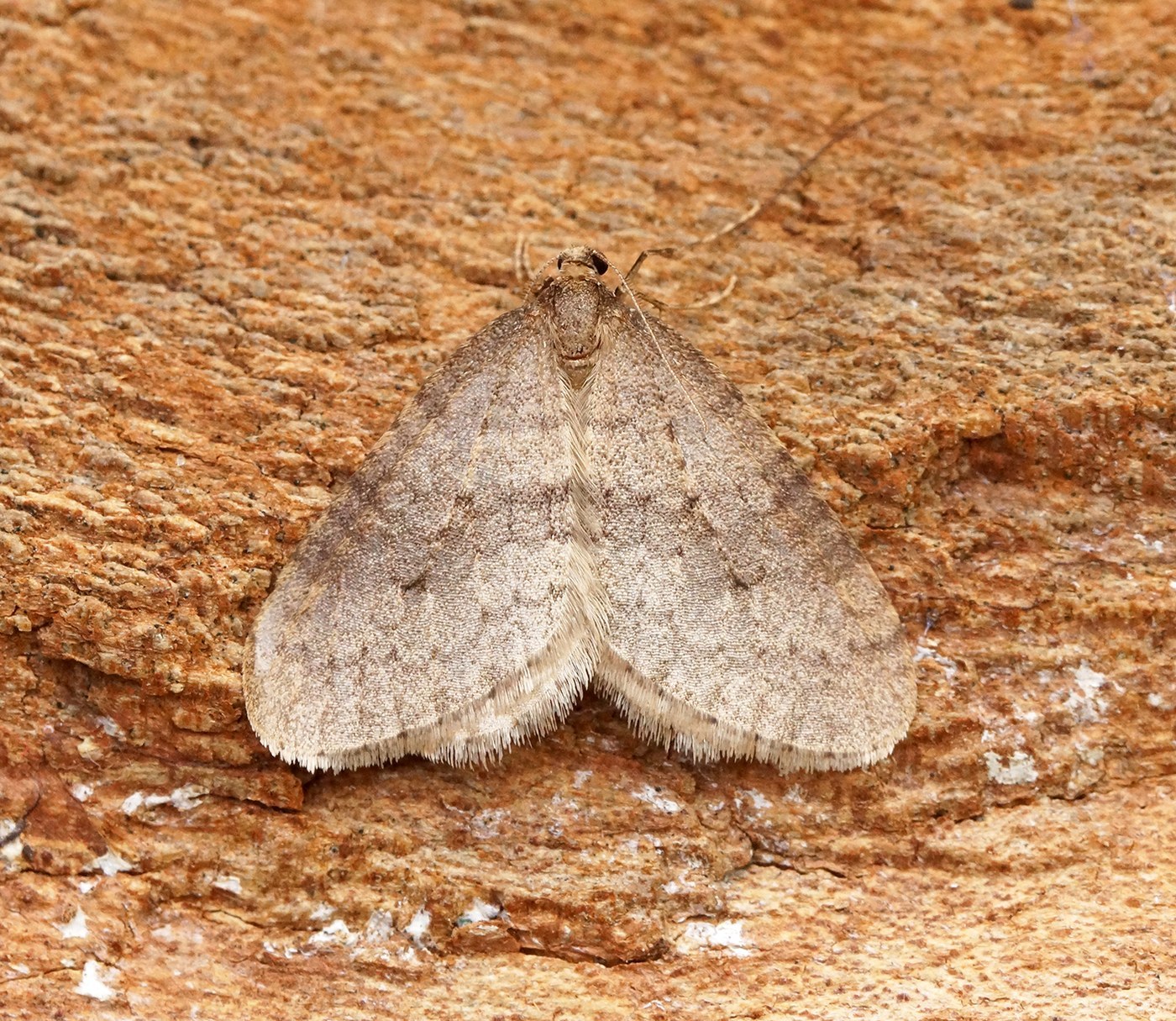
Winter Moth
Deciduous woodland, orchards, gardens, hedgerows
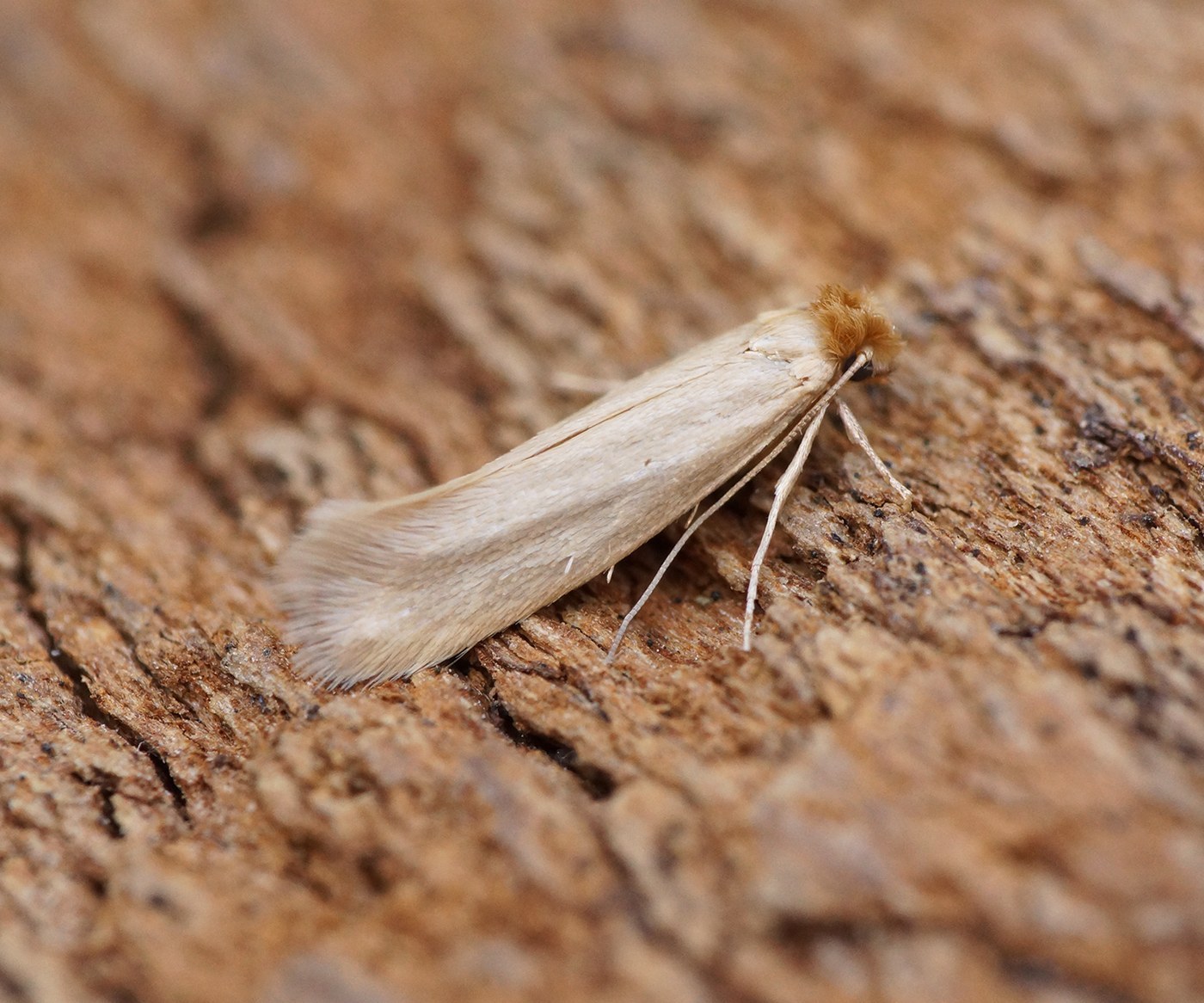
Webbing Clothes Moth
Dark closets, storage areas, and animal nests worldwide
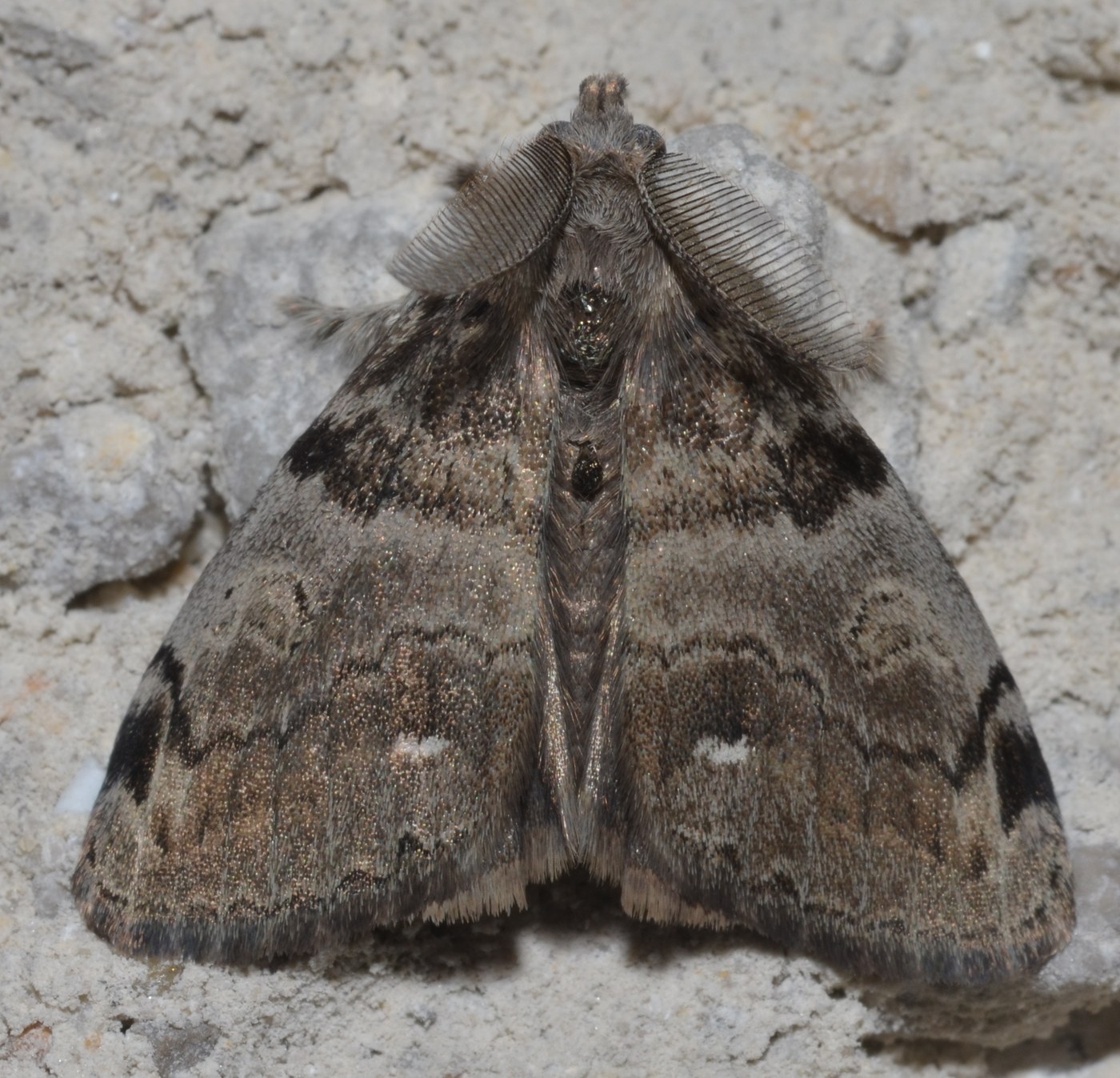
Tussock Moth
Deciduous forests, parks, gardens
Wax Moth
Beehives, apiaries, stored beeswax and comb
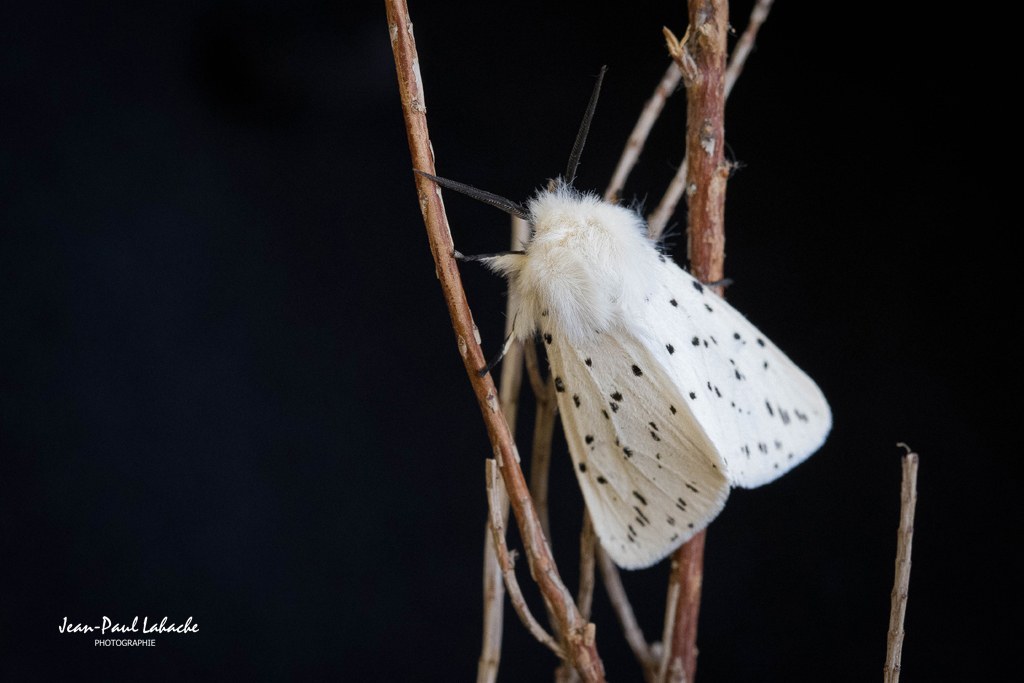
White Ermine Moth
Gardens, meadows, hedgerows
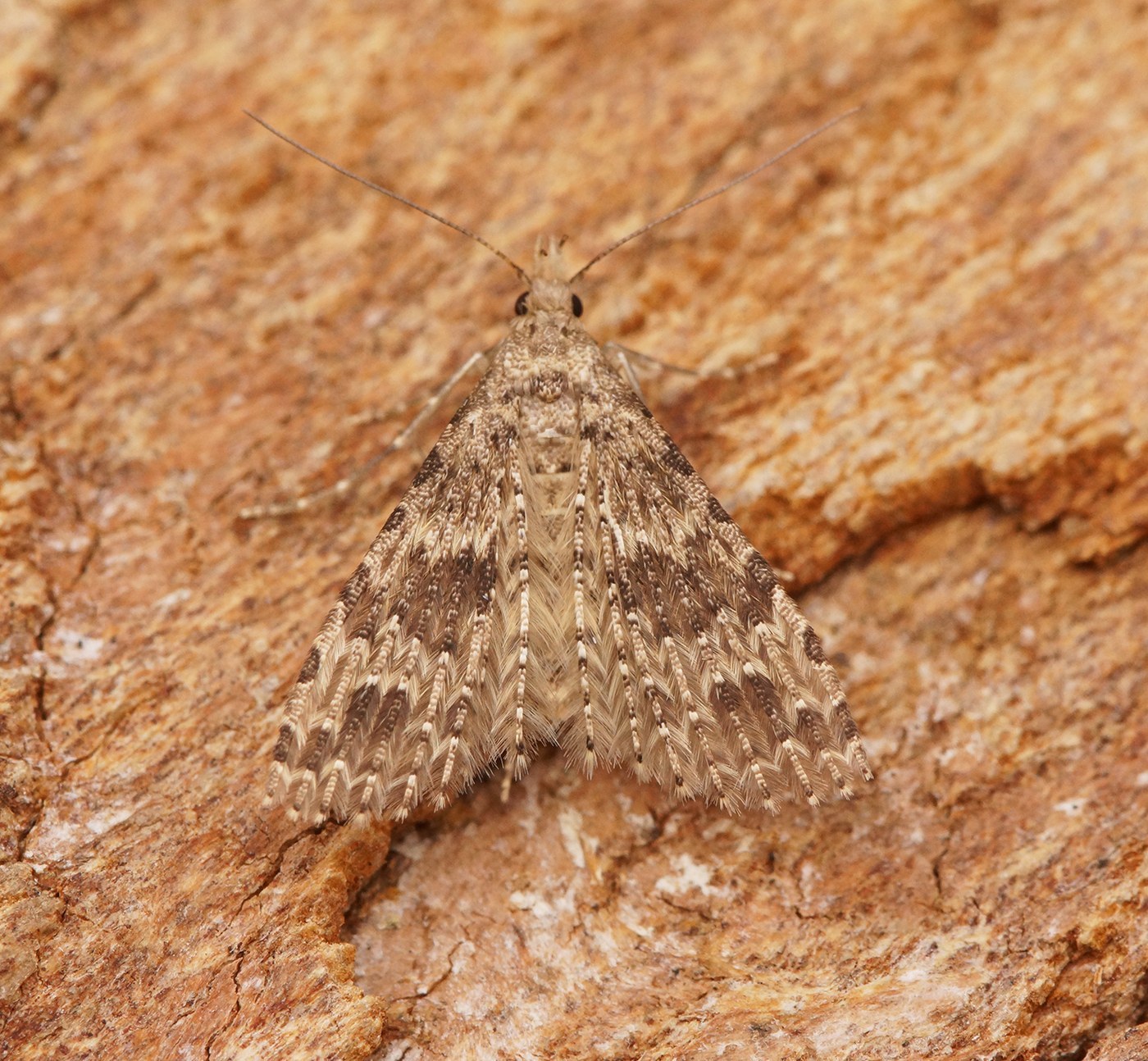
Twenty-plume Moth
Gardens, hedgerows, near honeysuckle
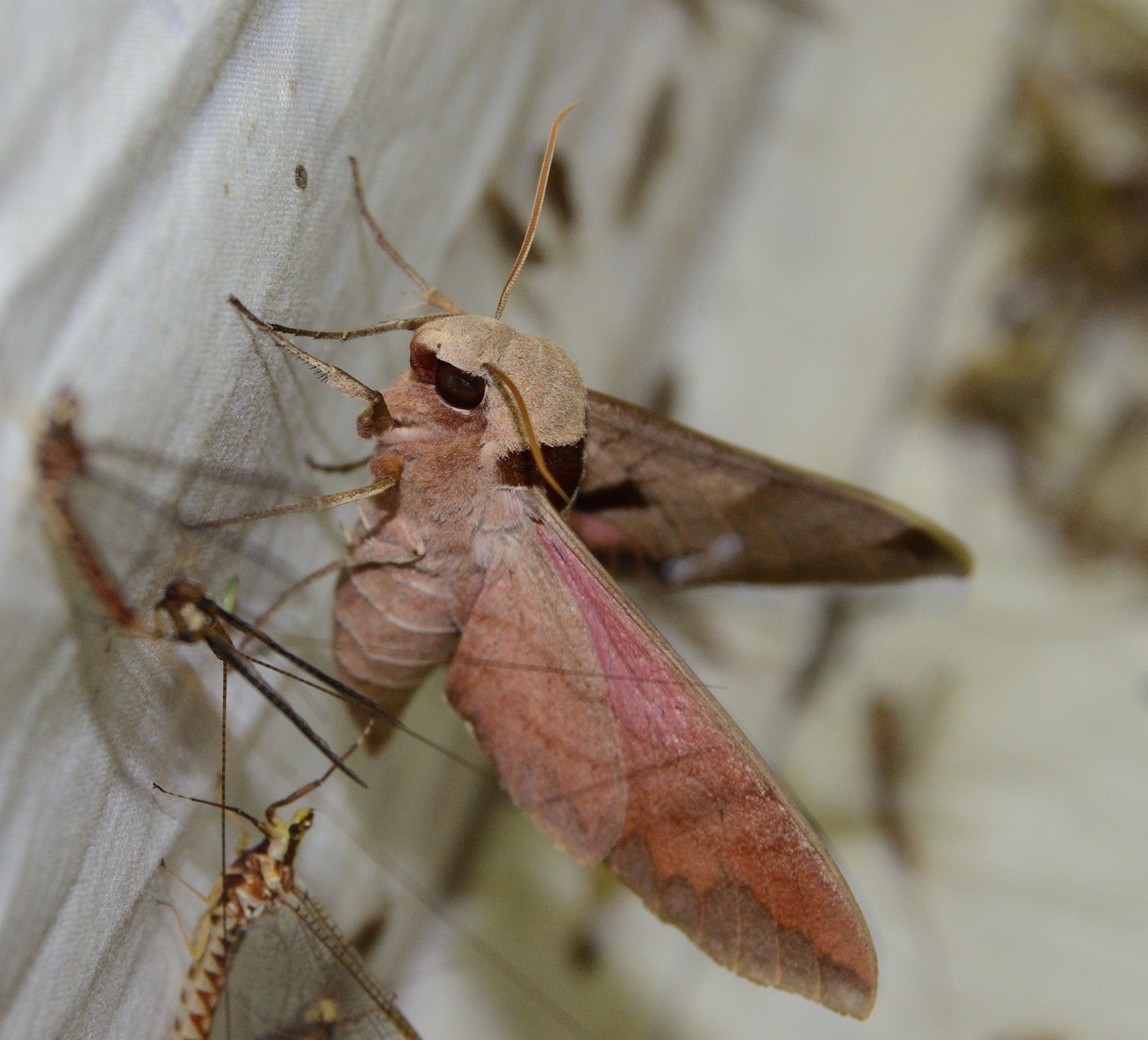
Achemon Sphinx Moth
Vineyards, woodland edges, gardens with wild grape
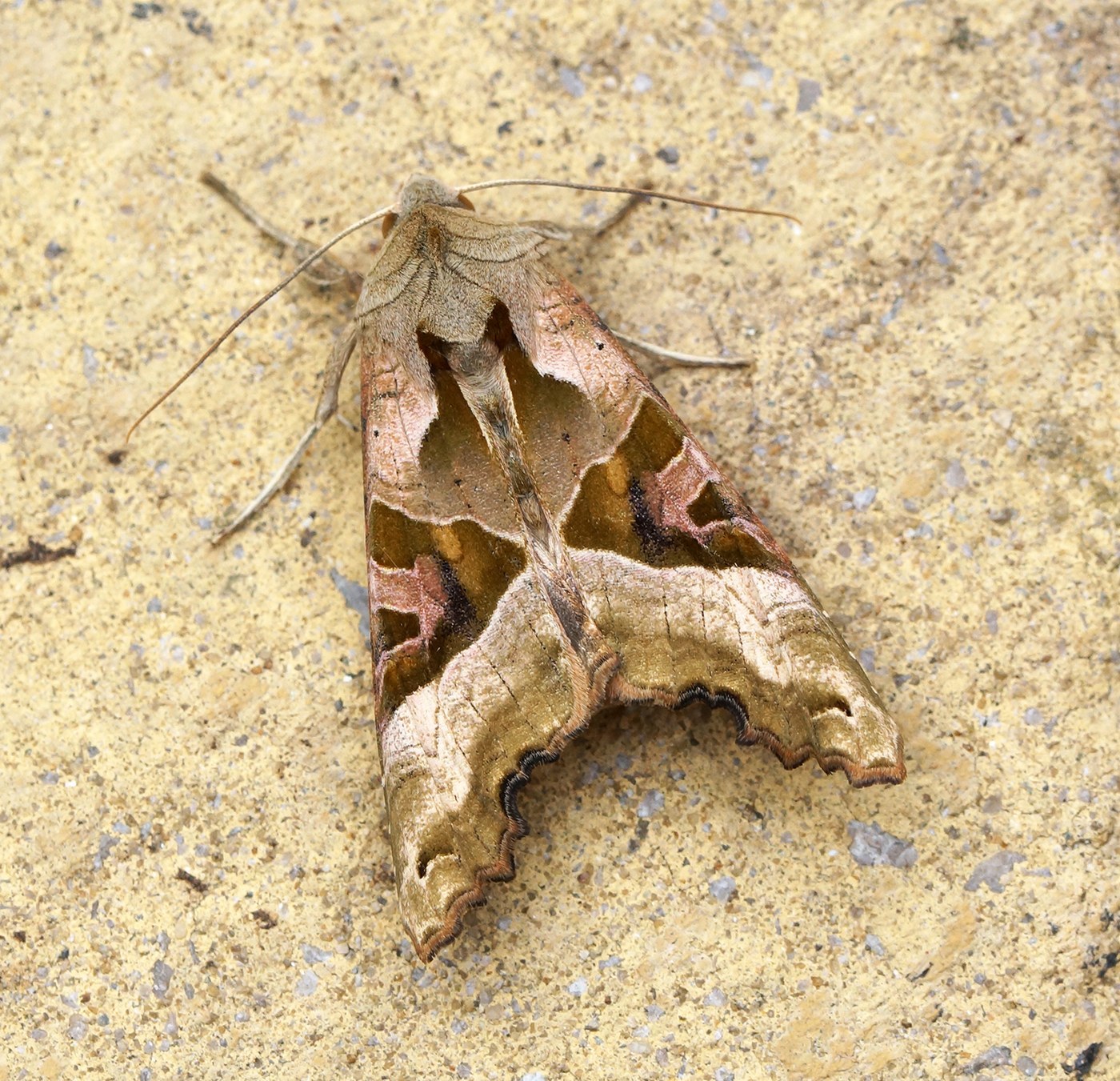
Angle Shades Moth
Gardens, hedgerows, woodland edges, urban parks
Atlas Moth
Tropical and subtropical lowland forests of Southeast Asia