
Wall Spider
Oecobius spp.
A tiny, flattened spider that spins a small disc-shaped web hugging the surface of a wall and darts sideways in a quick, erratic dash when disturbed.
- Size
- 0.08-0.16 in (2-4 mm) body length
- Habitat
- Cracks and crevices on exterior and interior walls
- Danger
- Harmless
Spotted a bug like this?
Identify any bug or insect from a photo, free.
Overview
Wall spiders, genus Oecobius, are small members of the family Oecobiidae, a group distributed almost worldwide, particularly in warm and arid regions. They are named for their strong association with vertical surfaces, especially the base of exterior and interior walls, where they spin a distinctive, low-profile web.
Unlike the tangled cobweb or the geometric orb of many other spider families, a wall spider's web is a small, flat disc of fine silk pressed directly against the wall surface, usually near a crack, corner, or gap where the spider can retreat instantly. The spider itself is flattened and fringed with fine hairs around the edge of its abdomen, an adaptation that helps it stay concealed against the textured surface it inhabits.
When disturbed, wall spiders are known for an unusually quick, darting escape, sometimes running in short zig-zag bursts rather than a straight line, which can make them appear to disappear and reappear as they scurry along the wall.
How to Identify
- Very small, flattened body that sits close to the surface it rests on
- Fine fringe of hairs around the margin of the abdomen
- Pale to grayish coloration that blends with stucco, brick, or stone
- Web is a small, flat silk disc built directly against a wall surface, often near a crack or corner
- Extremely fast, erratic, zig-zag movement when disturbed
- Lookalikes include other tiny wall-dwelling spiders, but the flat disc web and darting escape behavior are distinctive
Habitat & Range
Wall spiders are found on the exterior and interior walls of buildings, stone structures, and rock faces, favoring warm, dry climates worldwide. They are especially common around window frames, door corners, and masonry cracks in Mediterranean, subtropical, and arid regions, and are active mainly during warmer months, though indoor populations may persist year-round in heated structures.
Behavior & Diet
These spiders wait at the edge of their disc-shaped web for small insects, particularly ants and other tiny crawling arthropods, to wander close enough to be caught. Once prey is detected, the spider moves quickly to subdue it before retreating to a nearby crack. Because much of their diet consists of ants and other small pests, wall spiders can contribute to keeping populations of these insects in check around building exteriors.
Life Cycle
Females attach a small egg sac to the wall surface near the disc web, and spiderlings disperse after hatching to establish their own tiny webs on nearby wall surfaces. Development proceeds through several molts over a period of months, with multiple generations possible per year in warm climates. Adults can persist through mild winters in sheltered wall crevices in many parts of their range.
Frequently asked questions
What does a wall spider's web look like?
A small, flat disc of fine silk pressed directly against a wall surface, usually near a crack or corner, quite different from a tangled or spiral web.
Why do wall spiders move so erratically?
Their quick, zig-zag dashes are an escape response that helps them evade predators by making their movement harder to track.
Where are wall spiders commonly found?
On exterior and interior walls near cracks, window frames, and masonry joints, especially in warm, dry climates.
What do wall spiders eat?
Mainly ants and other tiny crawling insects that pass close to their disc-shaped web.
Wall Spider guides
In-depth guides for identifying, understanding, and living alongside Wall Spider.
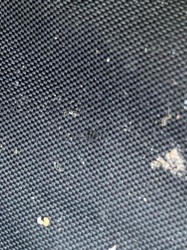
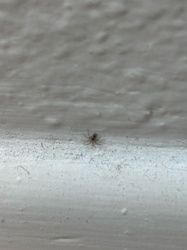
Wall Spider identified by the community
Real finds identified with Bug Identifier.
Other bugs you may enjoy
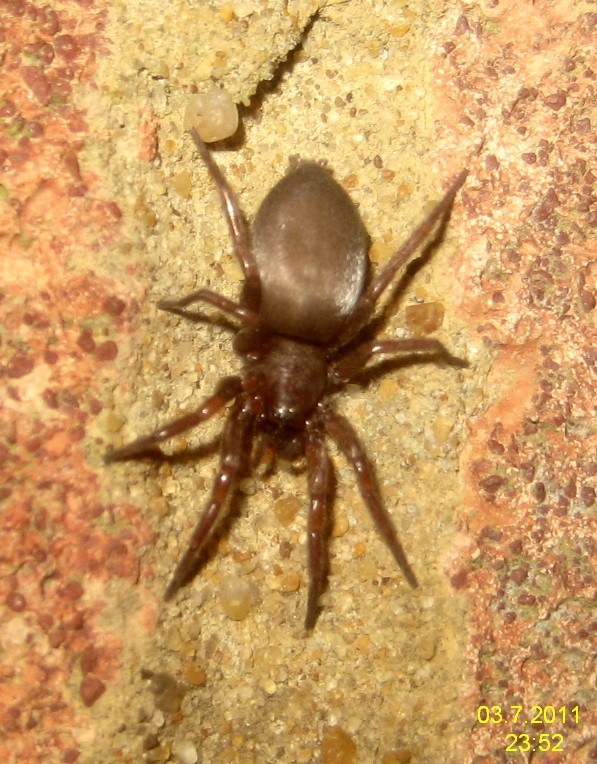
Woodlouse Spider
Damp leaf litter, under logs, stones, and mulch
Wolf Spider
Gardens, grasslands, forests, leaf litter, ground burrows
Wandering Spider
Tropical and subtropical forest floor, foliage, and banana plants
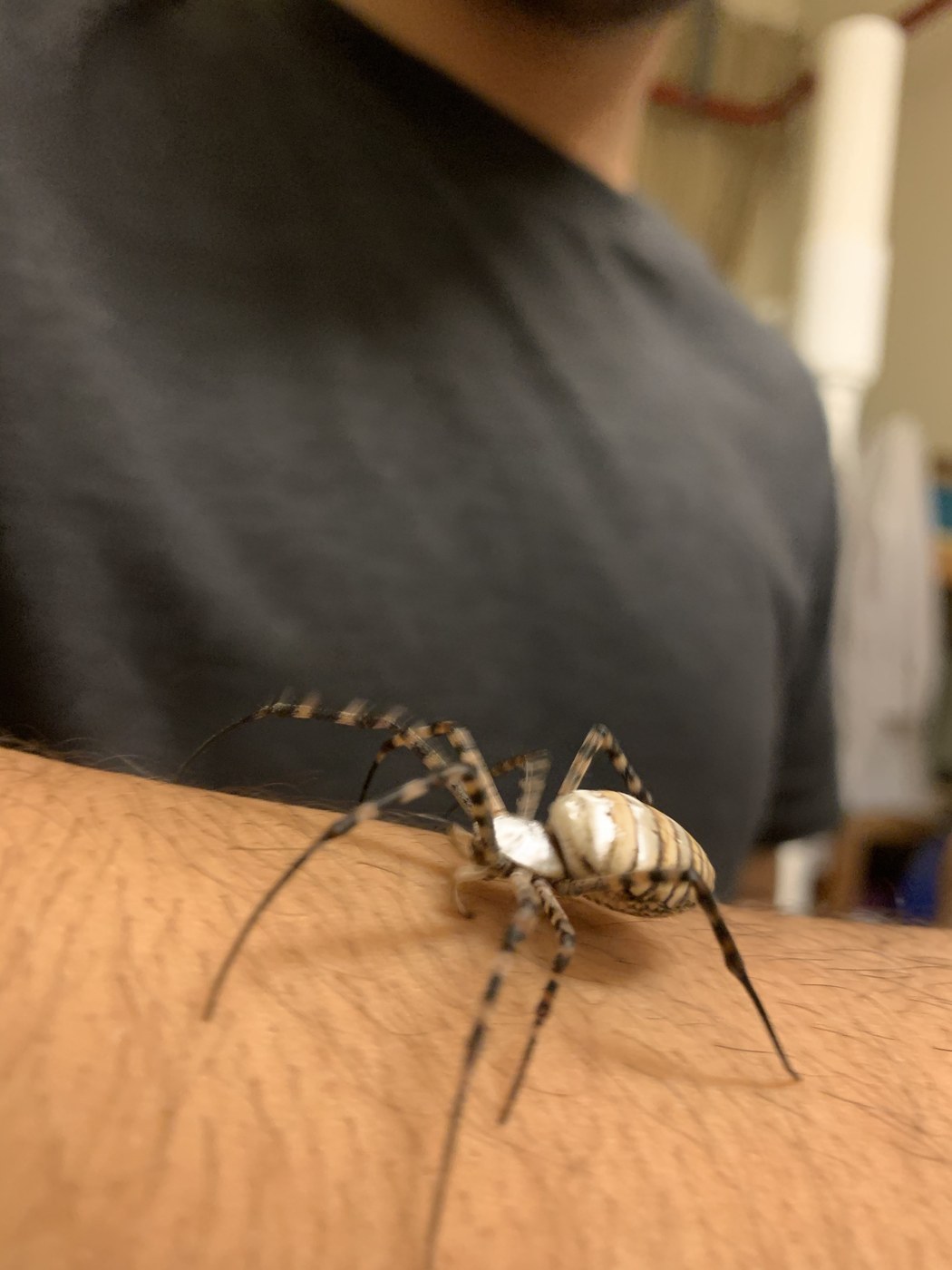
Banded Garden Spider
Tall grass, meadows, and gardens with open sunny vegetation
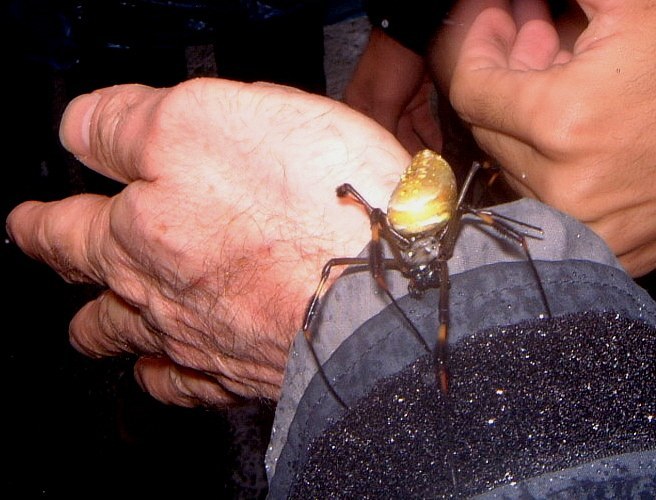
Banana Spider
Wooded trails, forest edges, and gardens across the southeastern U.S. and the American tropics
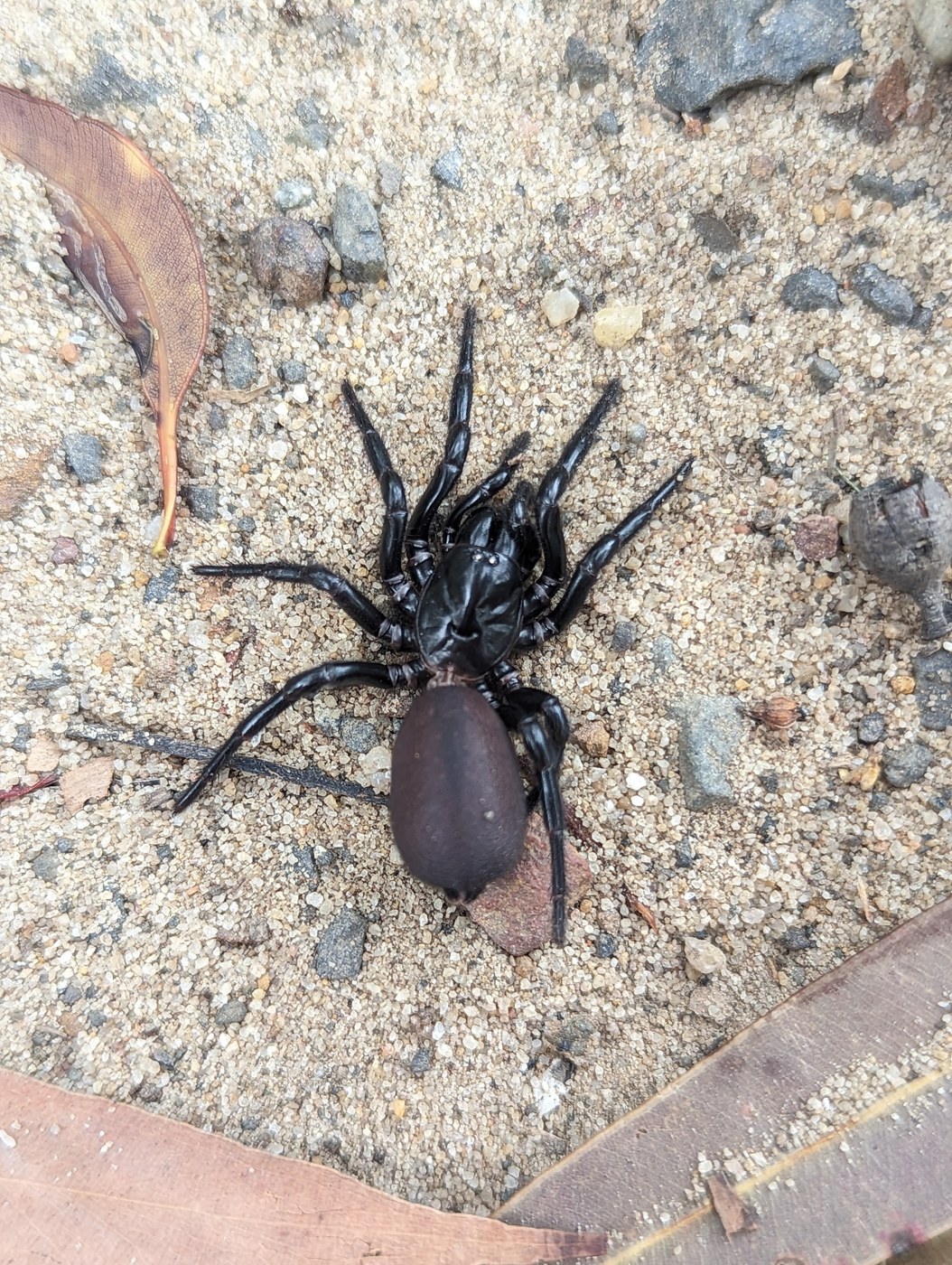
Sydney Funnel-web Spider
Burrows in moist soil, gardens, and forested gullies around the Sydney basin of eastern Australia
Trapdoor Spider
Self-dug silk-lined burrows with a camouflaged door, in dry, well-drained soil worldwide
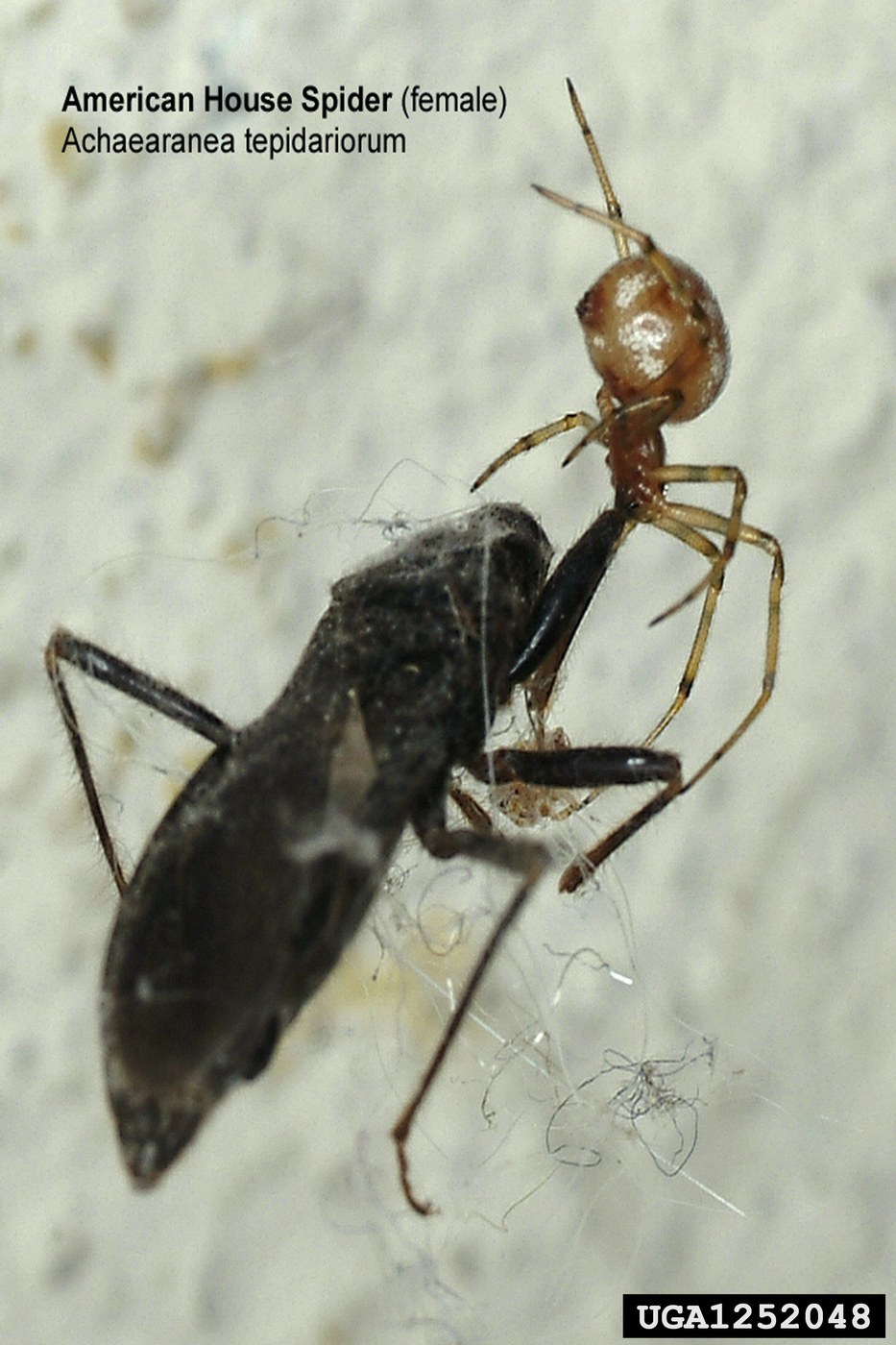
American House Spider
Corners, basements, garages, and outbuildings worldwide
Tube Web Spider
Wall crevices, bark, rockeries, and masonry
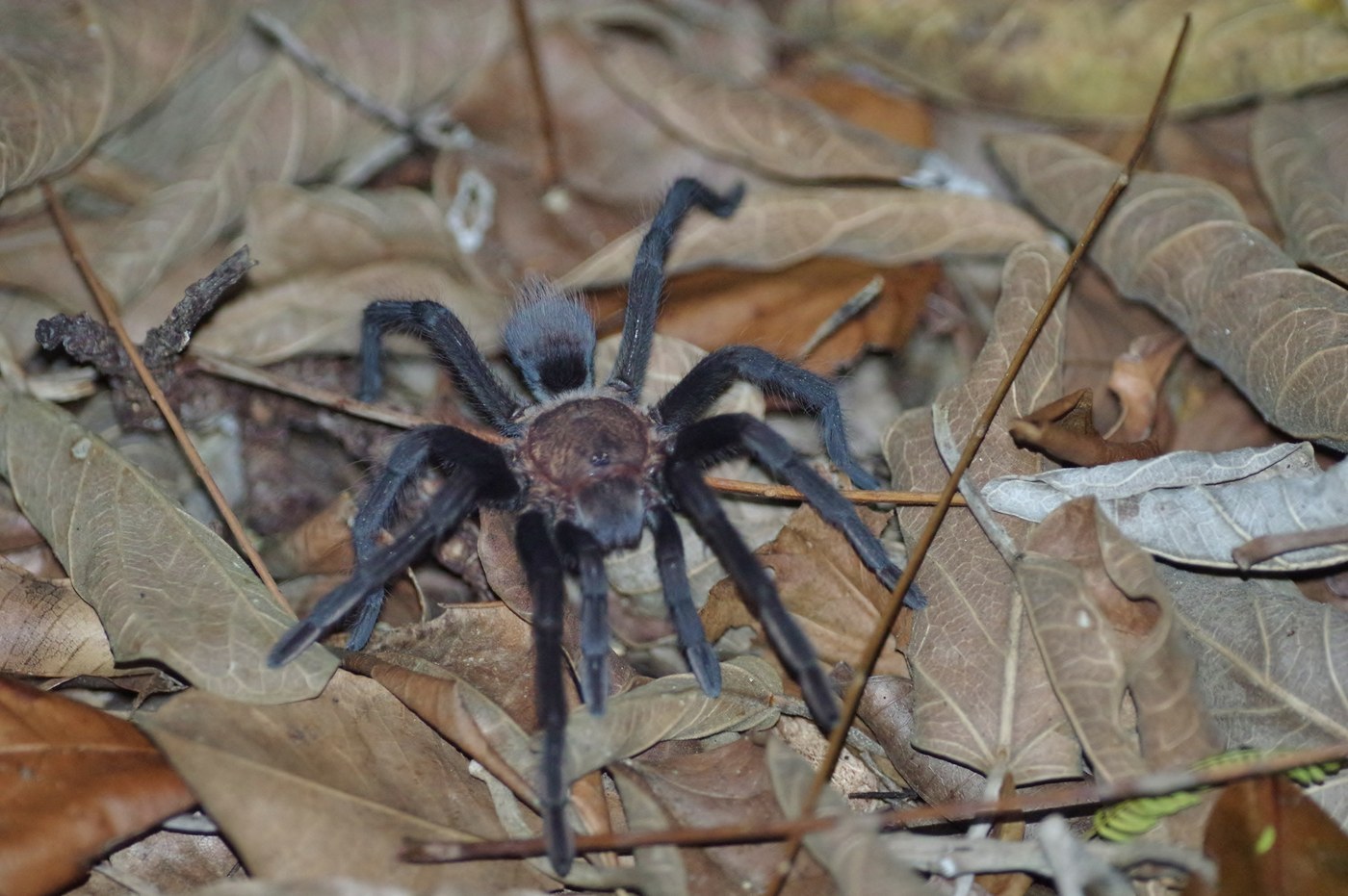
Tarantula
Burrows, rock crevices, and tree hollows in deserts, grasslands, and tropical forests worldwide
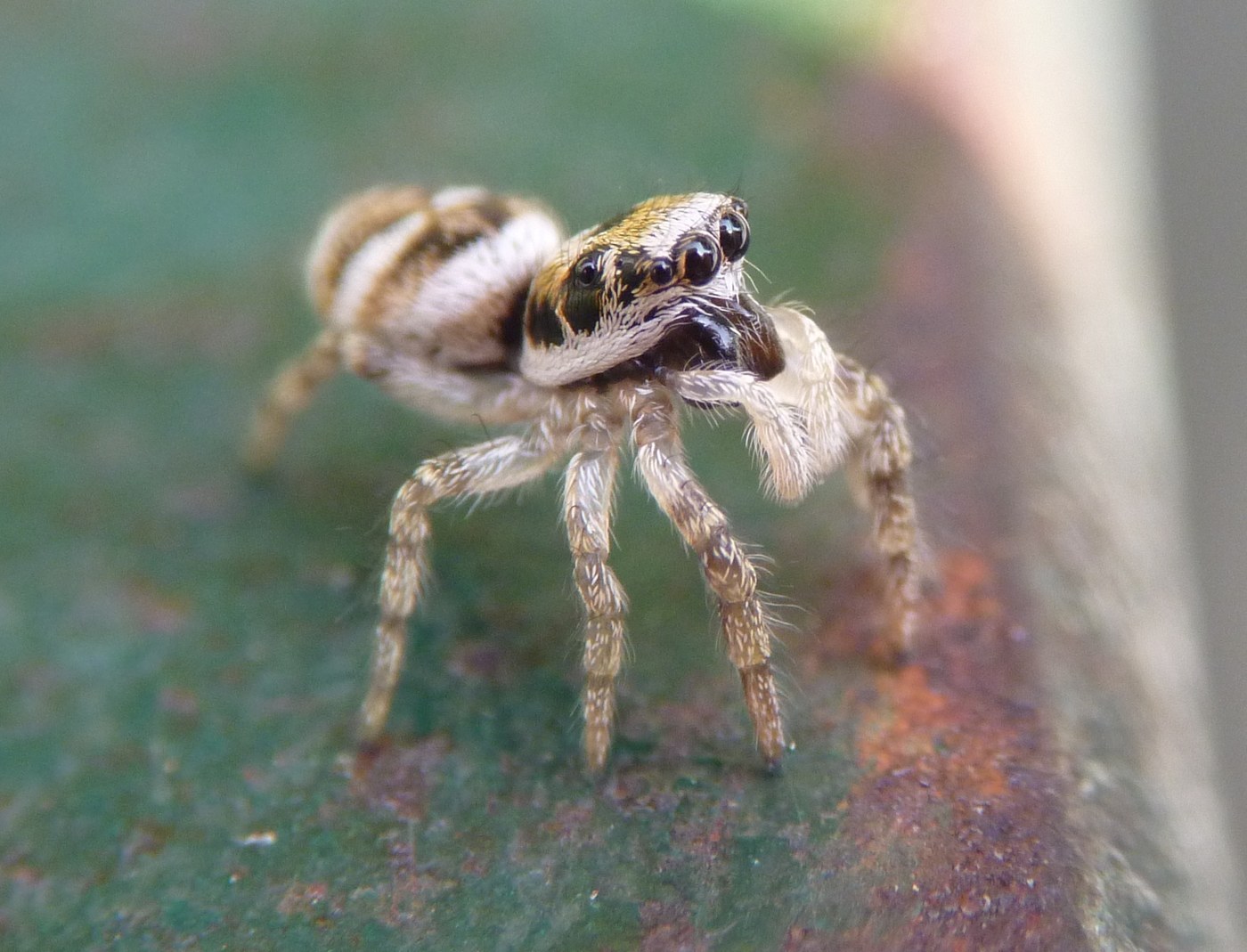
Zebra Jumping Spider
Sunny walls, fences, tree bark, and building exteriors
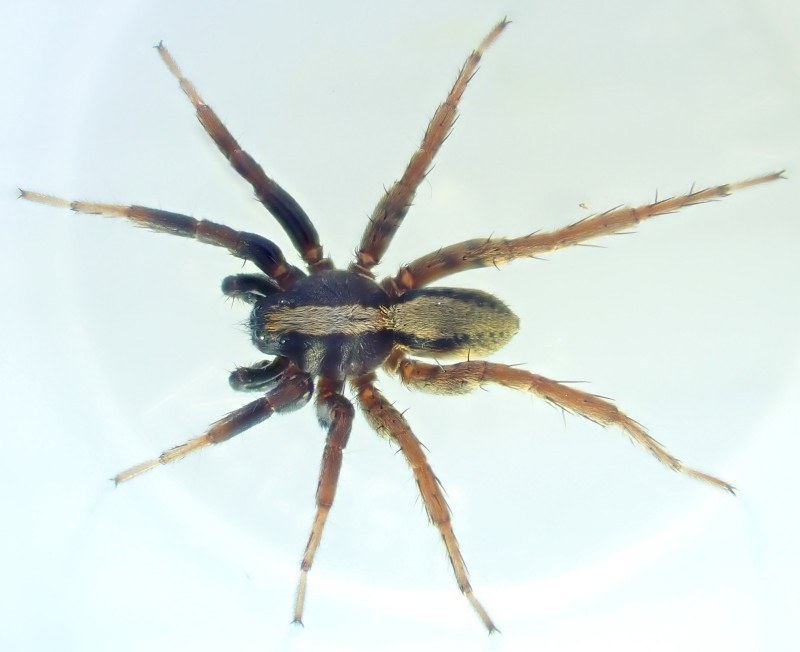
Wolf Spiderling
Grasslands, gardens, leaf litter and bare ground