
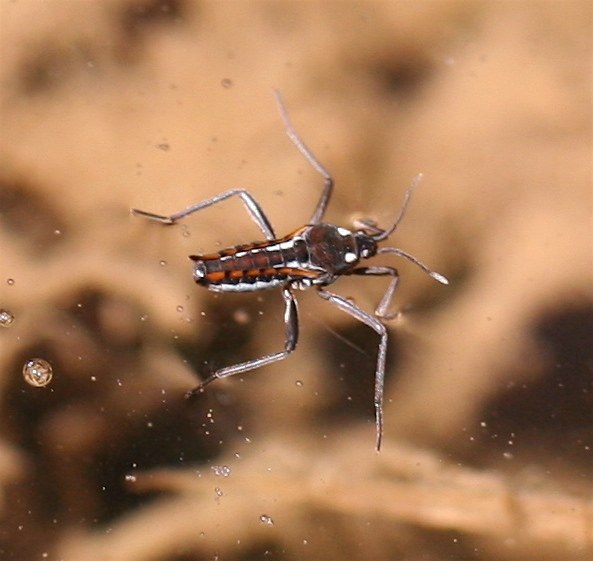
Water Cricket
Velia caprai
Despite its name, the water cricket is not a cricket at all but a compact, velvety true bug that skates over the swirling surfaces of streams and riffles in search of trapped prey.
- Size
- 6-8 mm
- Habitat
- Fast-flowing streams and stream-fed pond margins
- Danger
- Harmless
Spotted a bug like this?
Identify any bug or insect from a photo, free.
Overview
The water cricket is a small, robust true bug related to water striders, named for its cricket-like dark coloring and compact shape rather than any relation to actual crickets. It is well adapted to life on flowing water, often found gathered in numbers on the swirling surfaces of streams, riffles, and stream-fed pond edges where prey tends to accumulate.
Like other surface-dwelling bugs in its family, the water cricket uses water-repellent hairs on its legs and body to stand atop the surface film, and it relies on its legs to detect the vibrations of struggling insects nearby. Its shorter, sturdier build compared to a water strider suits it to more turbulent water, allowing it to maintain footing where currents and eddies would sweep a more delicate insect away.
As a predatory true bug, the water cricket has piercing-sucking mouthparts and undergoes incomplete metamorphosis. It is often found in loose aggregations and contributes to the natural control of small insects that fall onto flowing water.
How to Identify
- Compact, oval to elongate body 6-8 mm long, dark brown to blackish, often with a velvety appearance
- Shorter and stockier than a water strider, with relatively shorter legs proportional to body size
- Body and legs covered in fine water-repellent hairs enabling it to stand on the surface film
- Often found gathered in small groups on turbulent or swirling water where prey collects
- Many populations are wingless, though winged forms occur
- Distinguished from water striders by its shorter, stouter proportions and preference for faster, more turbulent water
Habitat & Range
Water crickets are typically found on fast-flowing streams, riffles, waterfalls, and the turbulent margins of stream-fed ponds across Europe, often in the splash zones where currents create swirling eddies that concentrate floating debris and trapped insects. They are active from spring through autumn and tend to shelter under stones or debris near the water during colder periods.
Behavior & Diet
Water crickets hunt cooperatively in loose groups, gathering wherever currents concentrate insects and debris on the water's surface. They detect the vibrations of struggling prey through the surface film and rush over to seize it with their front legs before piercing it with their beak to feed. Their sturdier build and shorter legs, compared to water striders, help them maintain footing and stability in the more turbulent water they favor. They serve as a minor predator of small insects within stream ecosystems, helping to recycle organic material that falls onto the water.
Life Cycle
Females lay eggs on stones, vegetation, or debris near the water's edge. Nymphs hatch resembling miniature wingless adults and progress through several nymphal instars in the gradual, incomplete metamorphosis typical of true bugs, with no pupal stage. Depending on region and climate, there may be one or more generations annually, and adults typically overwinter in sheltered spots near the stream, becoming active again once temperatures rise in spring.
Frequently asked questions
Is a water cricket actually a type of cricket?
No, it is a true bug in the Hemiptera order related to water striders; the name refers to its cricket-like coloring and compact shape, not any true relationship to crickets.
Where do water crickets live?
They favor fast-flowing streams, riffles, and turbulent stream-fed pond edges rather than the calm open water preferred by water striders.
How does a water cricket stay on the water's surface?
Fine, water-repellent hairs on its legs and body let it distribute its weight across the surface tension, similar to other surface-dwelling bugs.
What do water crickets eat?
They are predators of small insects trapped on the water surface, which they pierce with their beak to feed on.
Water Cricket guides
In-depth guides for identifying, understanding, and living alongside Water Cricket.
Other bugs you may enjoy
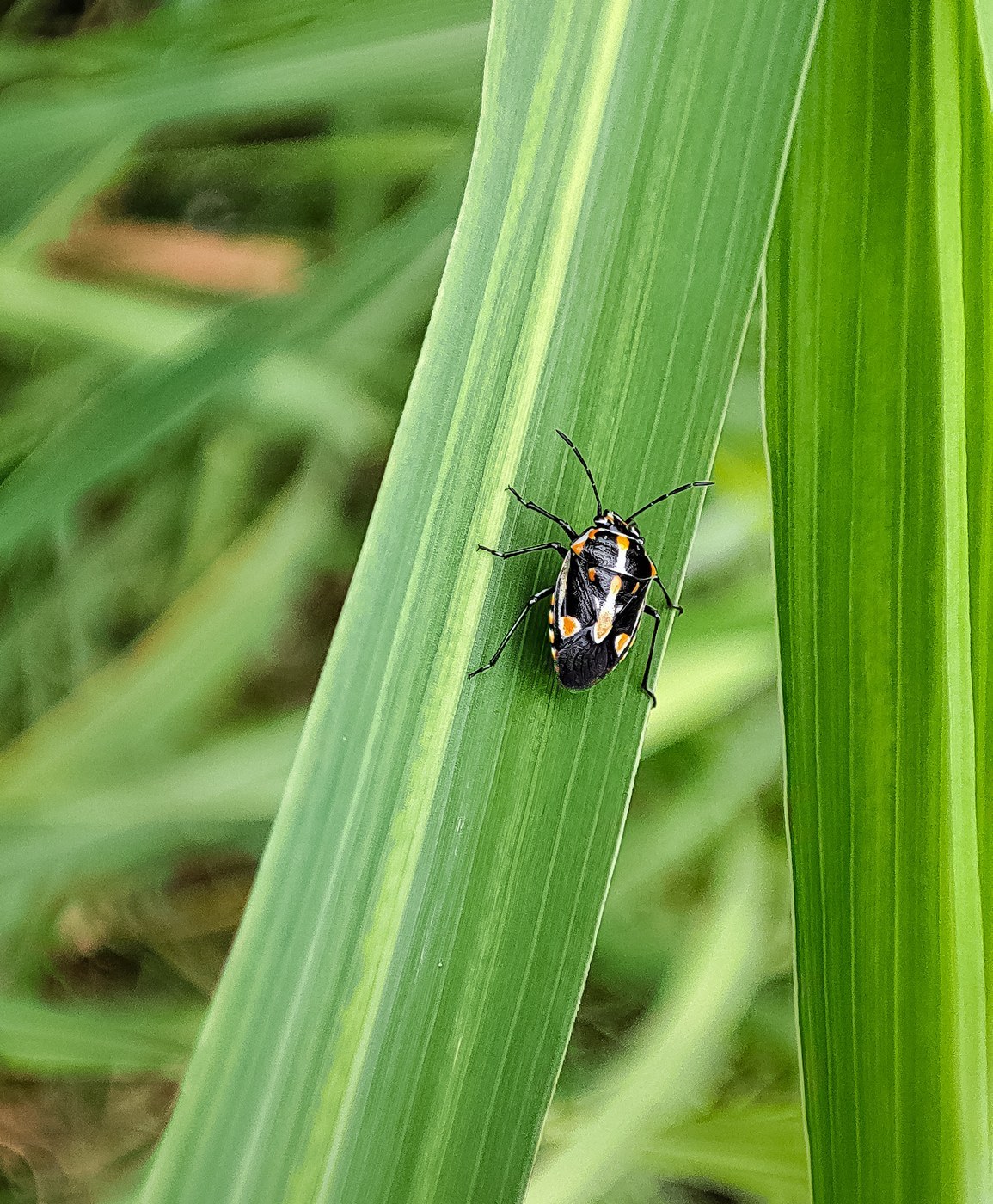
Bagrada Bug
Arid gardens, crucifer fields, desert-adjacent croplands
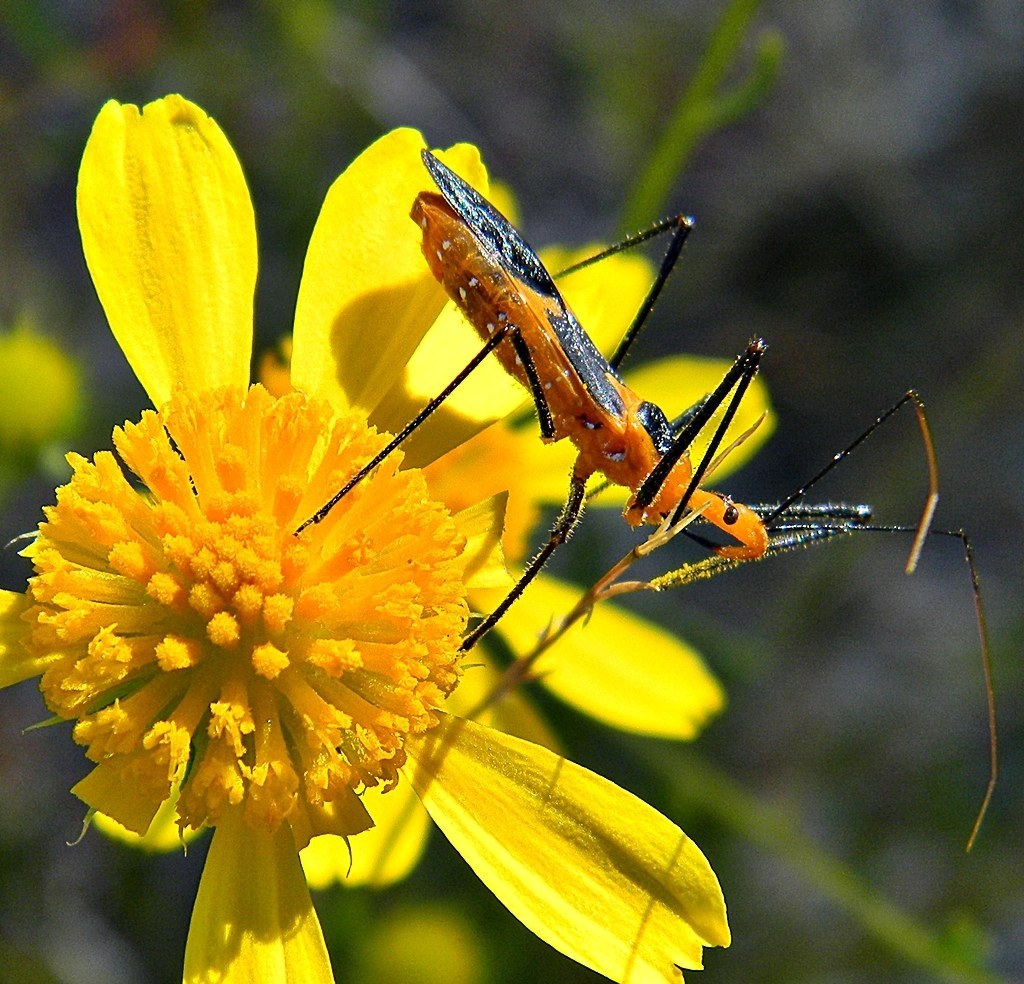
Assassin Bug
Gardens, meadows, and vegetation worldwide
Water Boatman Bug
Ponds, lakes, and slow-moving freshwater
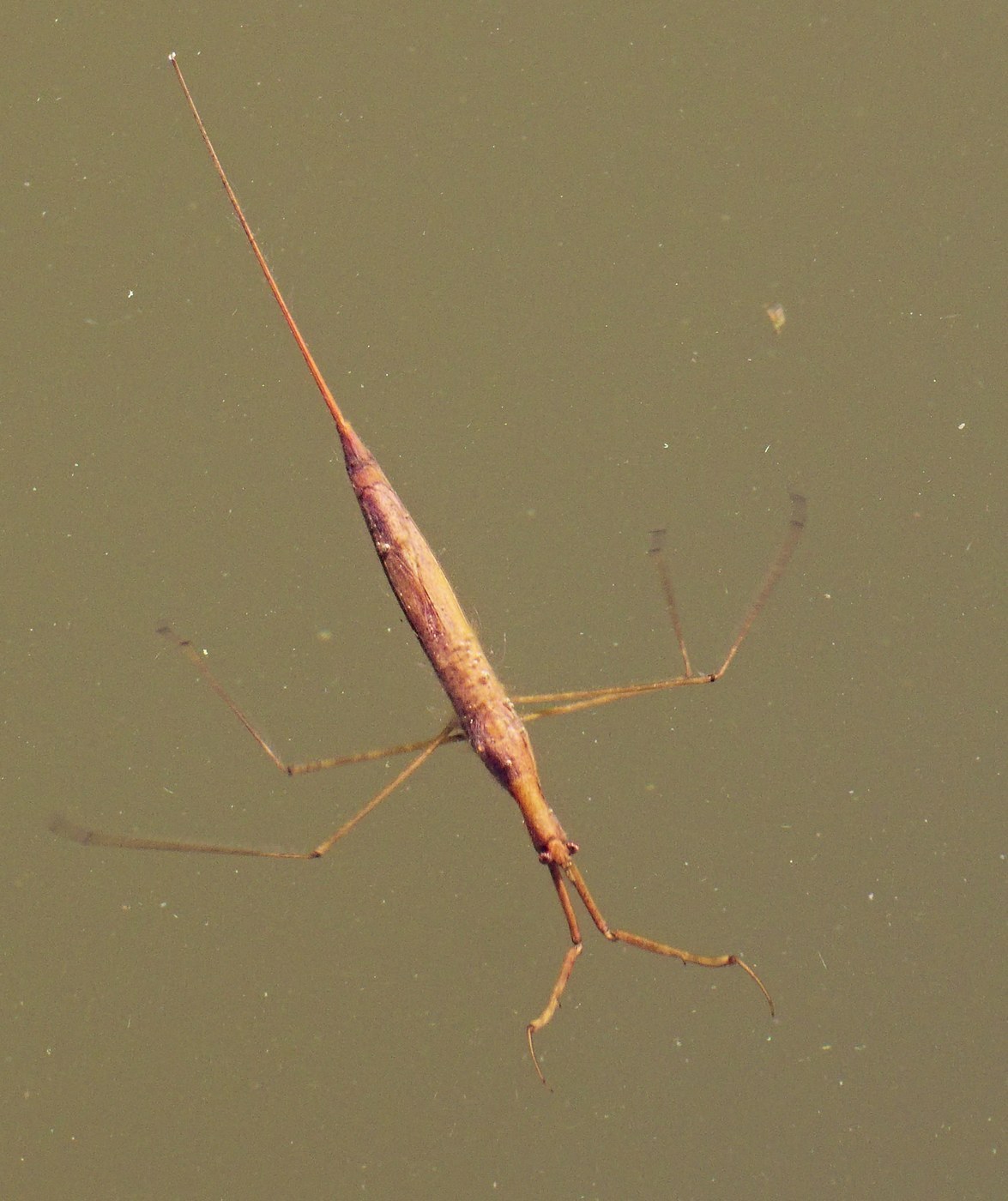
Water Stick Insect
Still and slow-moving water with dense submerged vegetation
Rough Stink Bug
Tree bark, woodlands, orchards, and shrubby vegetation
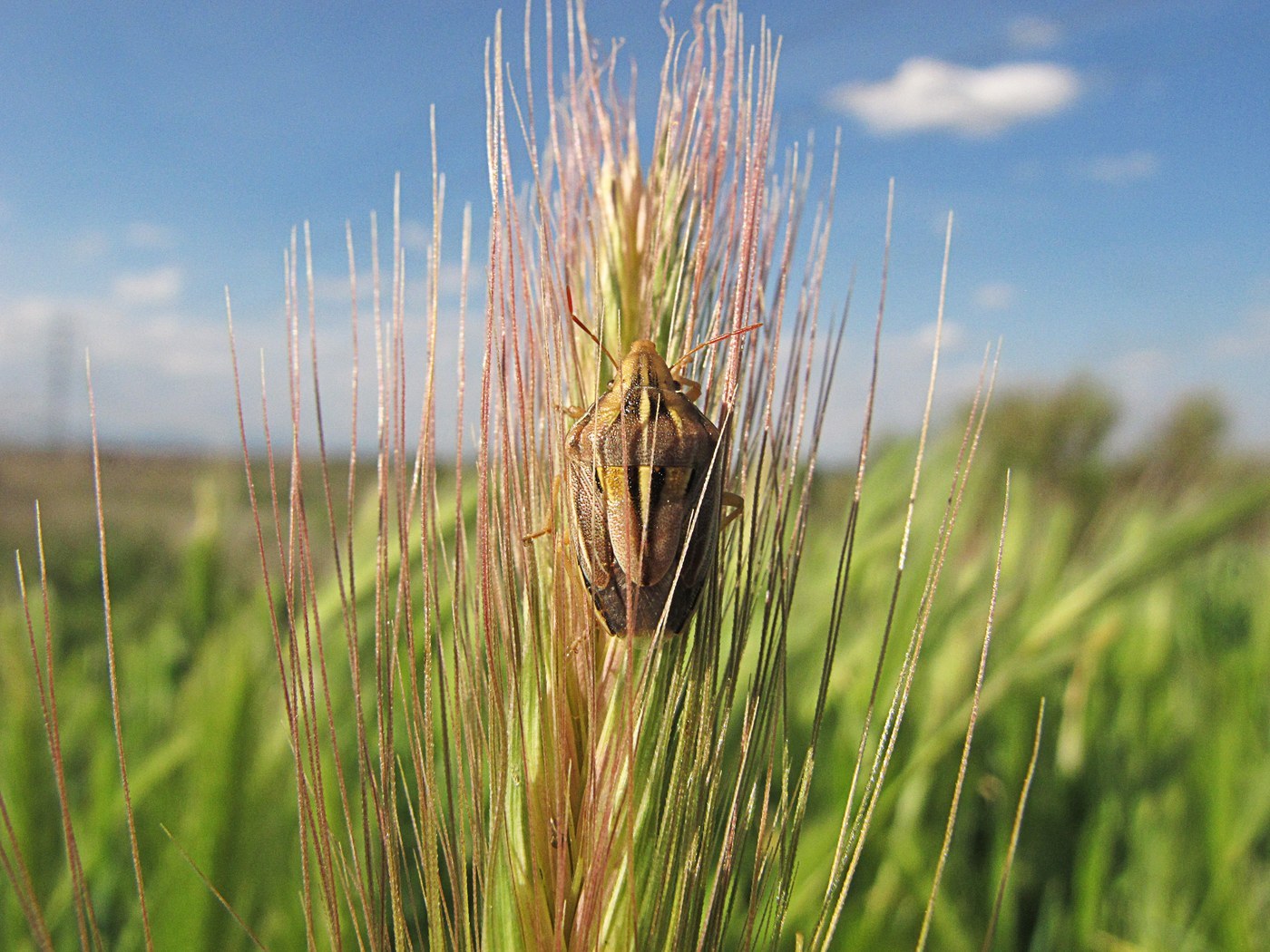
Stink Bug
Gardens, crop fields, and woodlands across temperate and subtropical regions
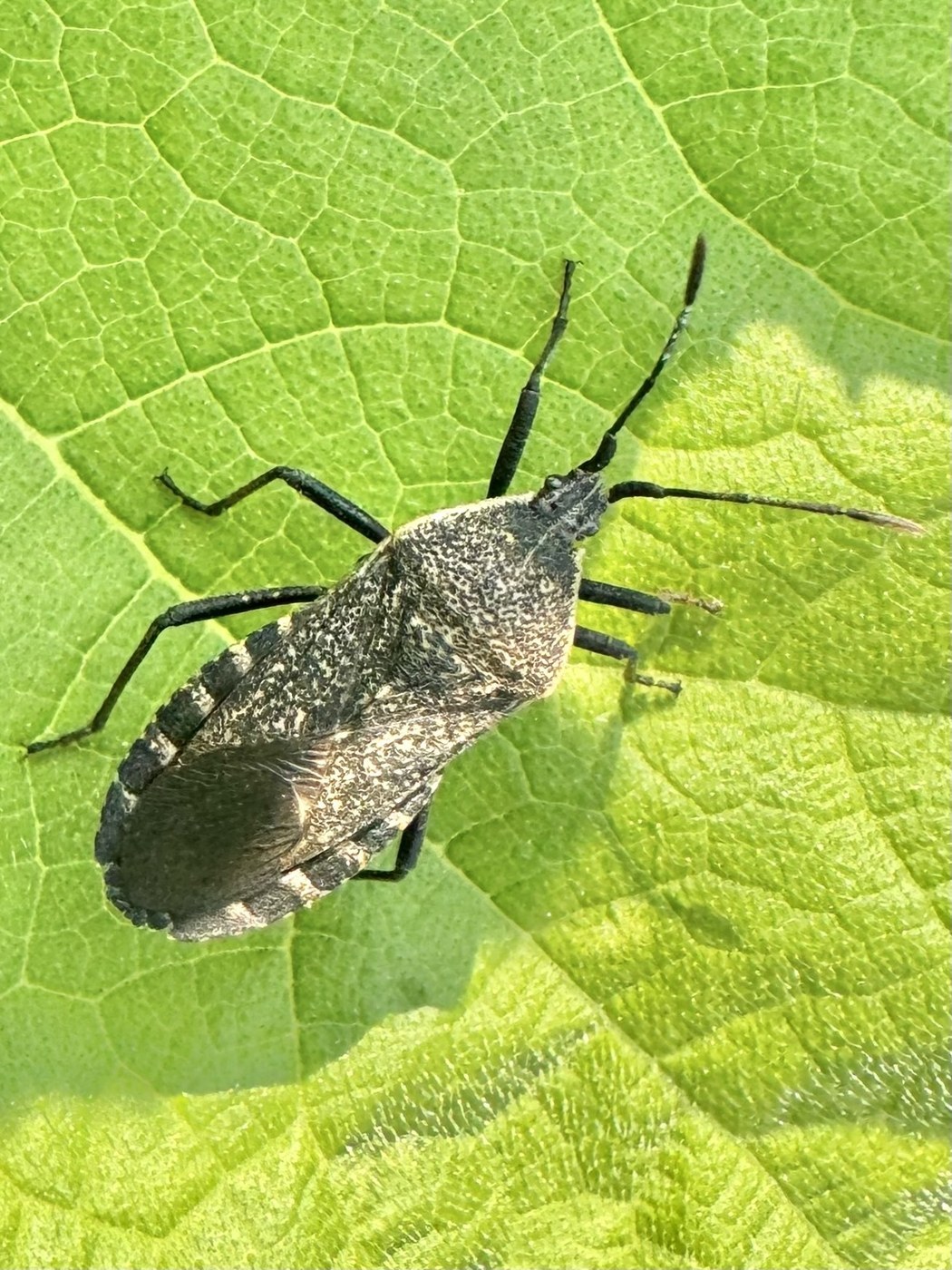
Squash Bug
Vegetable gardens and farm fields growing squash, pumpkin, and other cucurbits
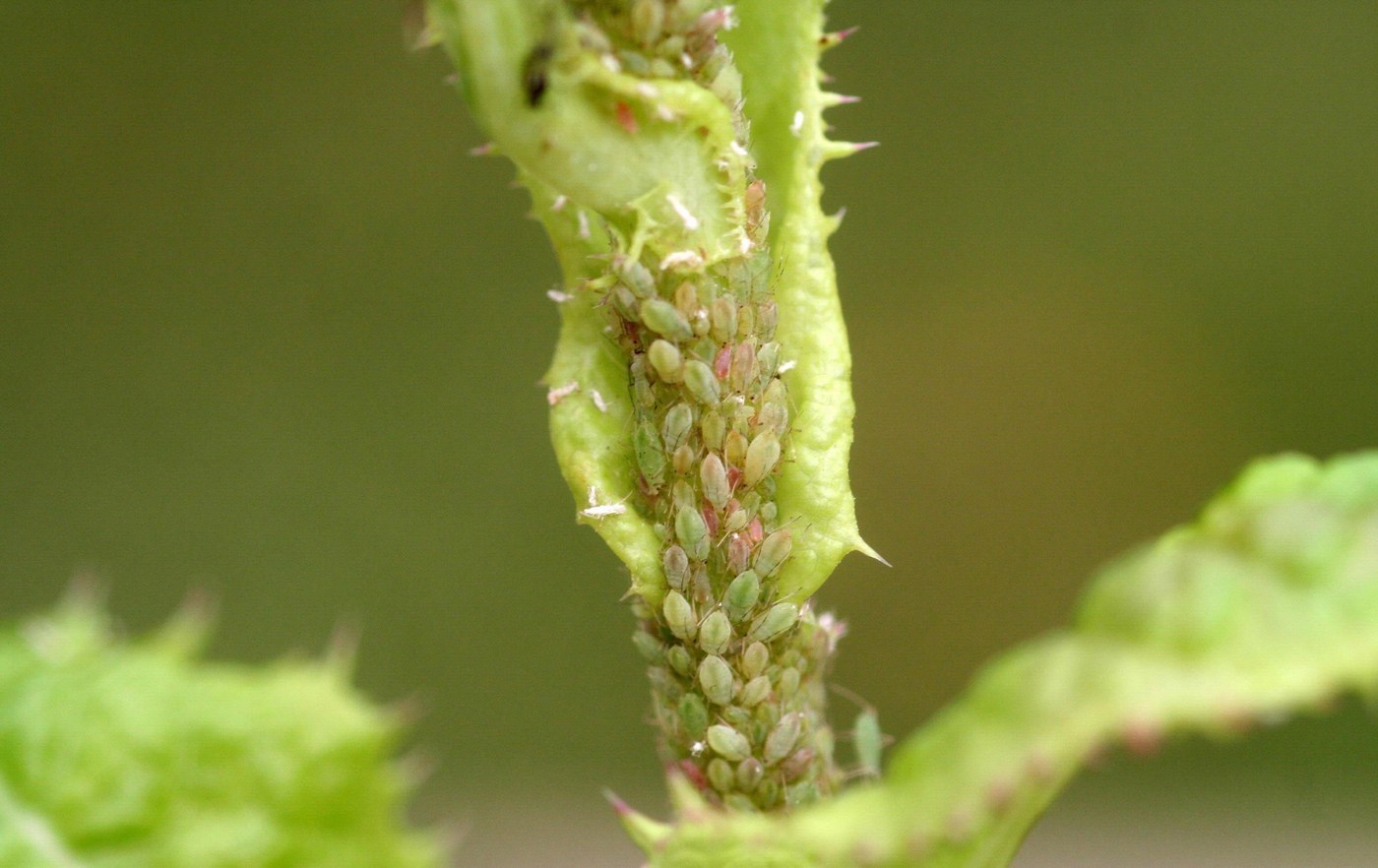
Aphid
On stems, leaves, and buds of a very wide range of host plants
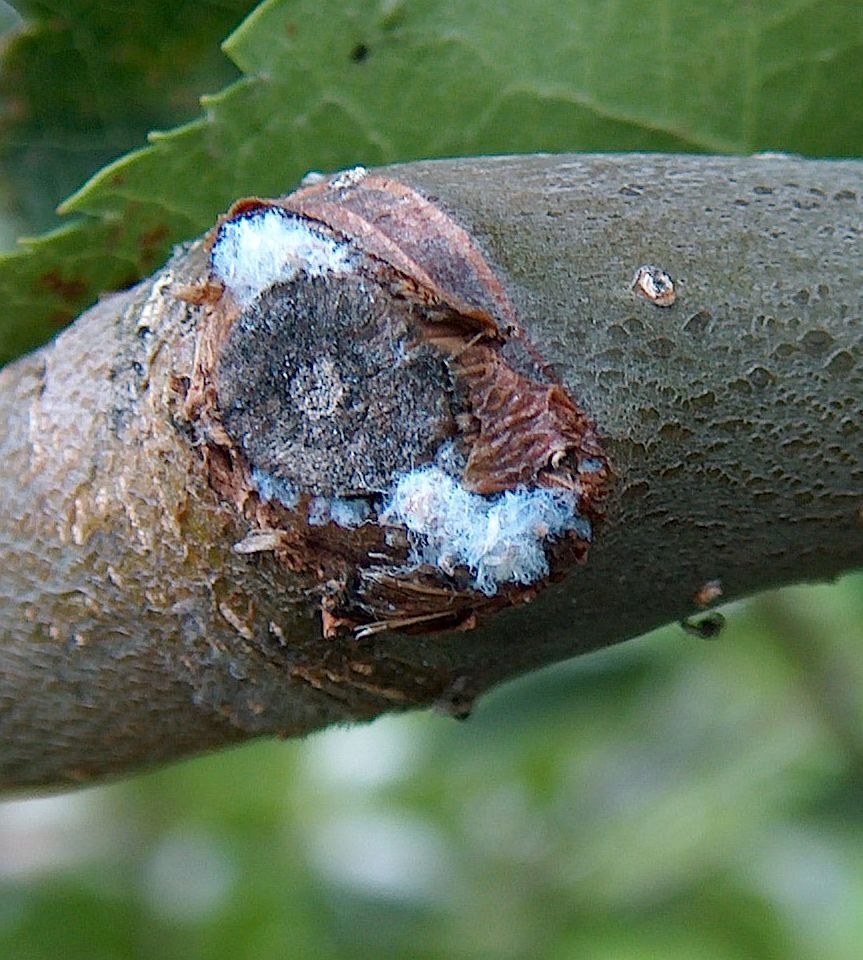
Woolly Aphid
Bark crevices, root collars, and twigs of apple, elm, and alder trees
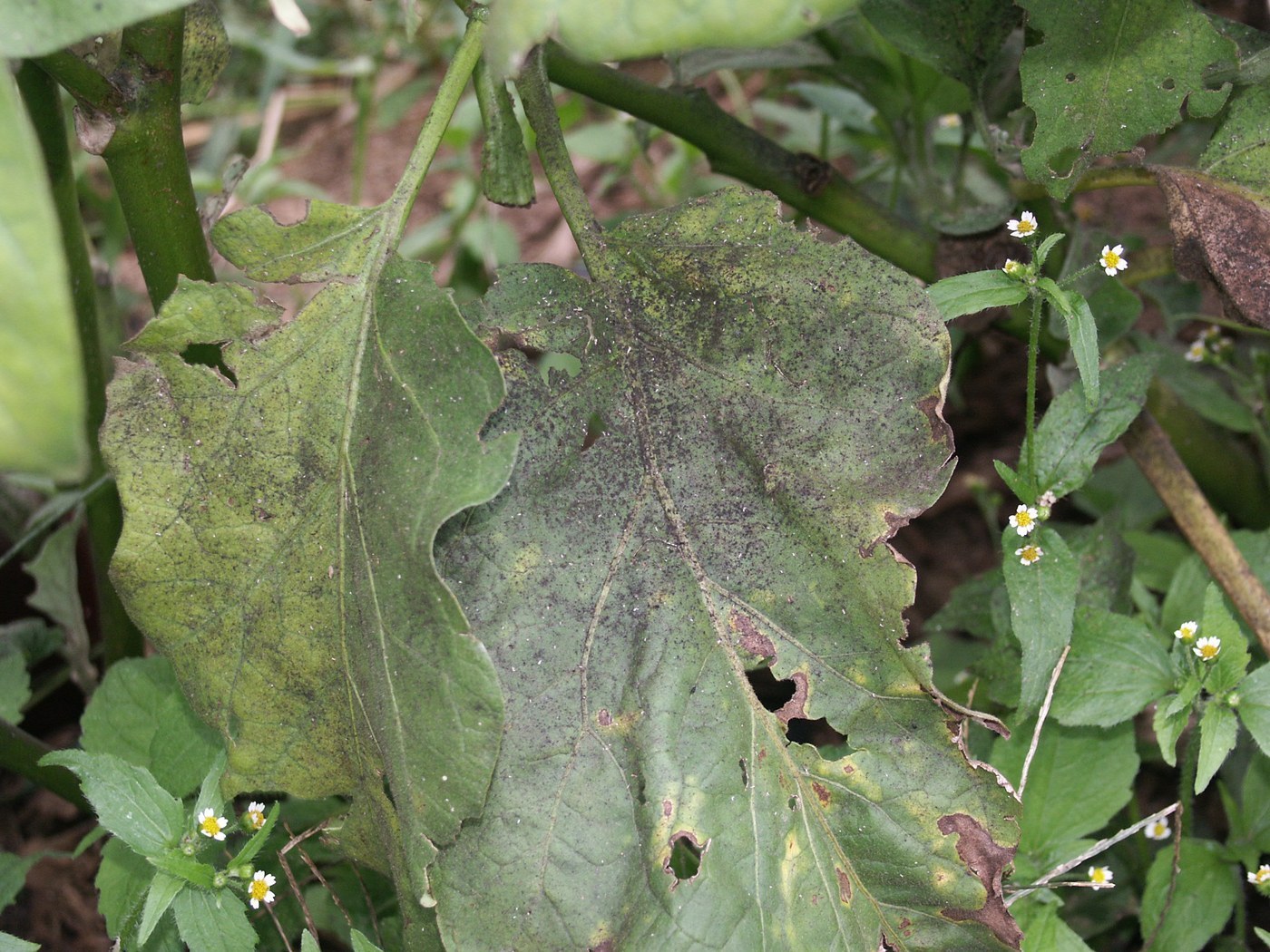
Whitefly
Greenhouses, gardens, and undersides of leaves on host plants
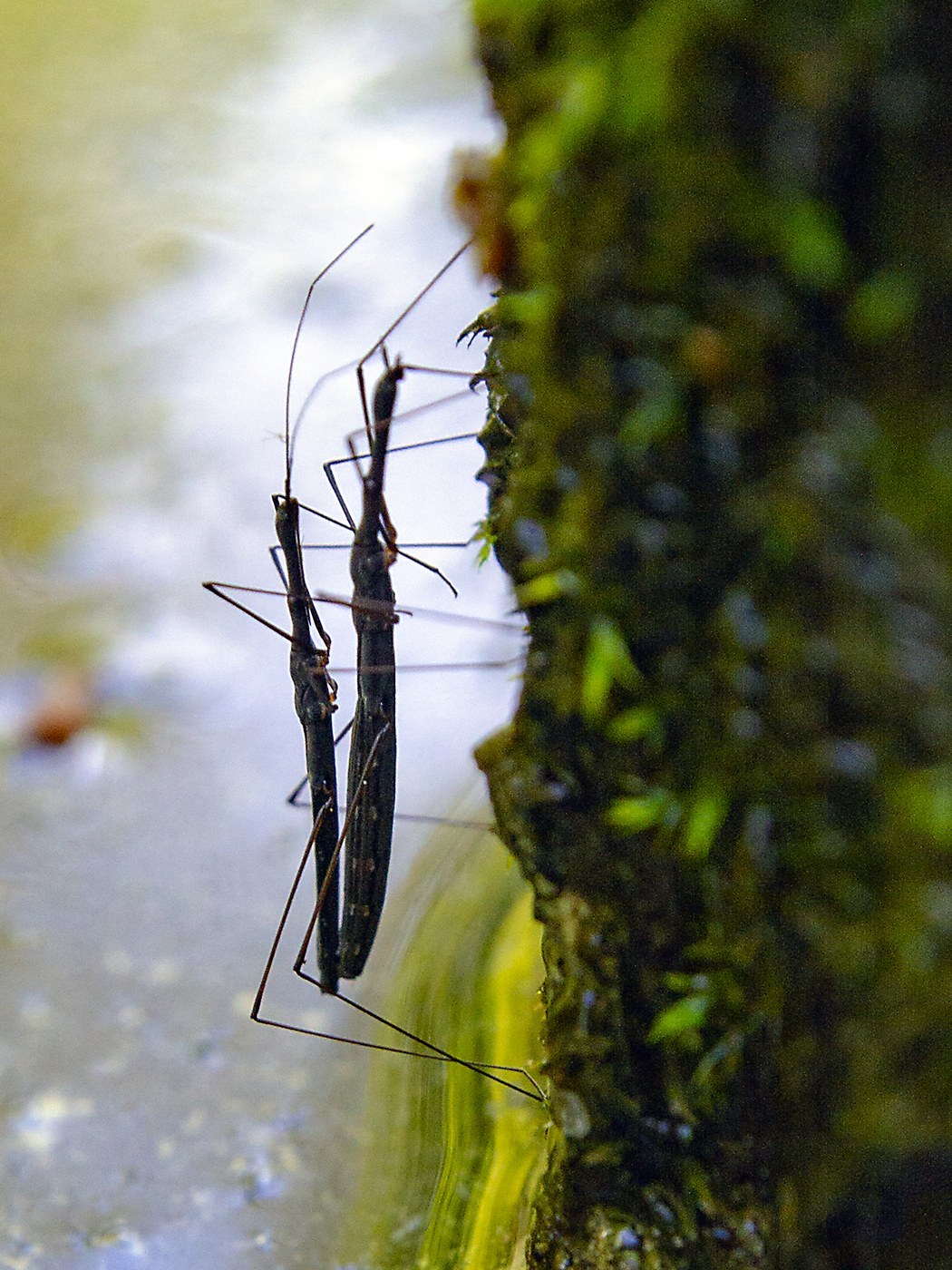
Water Measurer
Quiet edges of ponds, marshes, and slow streams
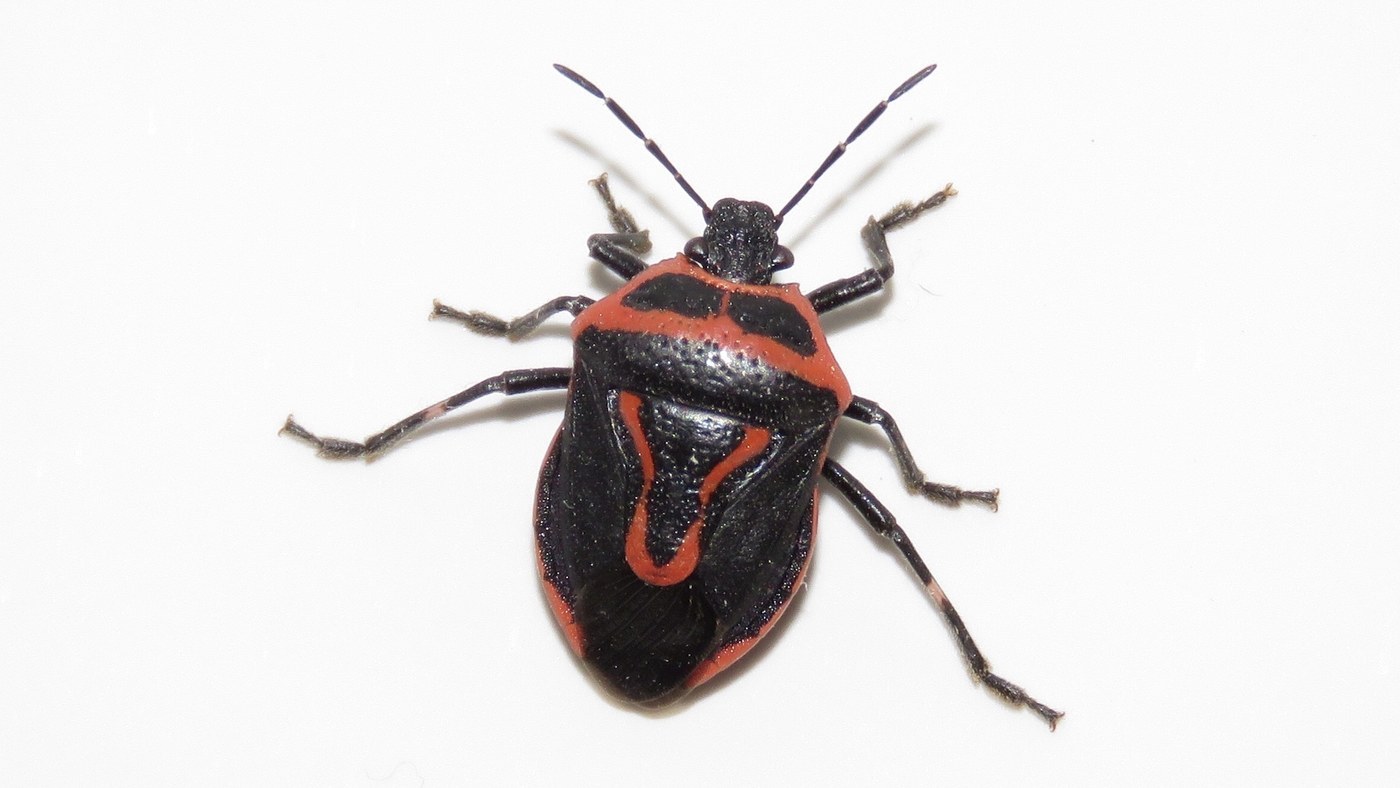
Two-Spotted Stink Bug
Gardens and fields with potato and nightshade-family plants