
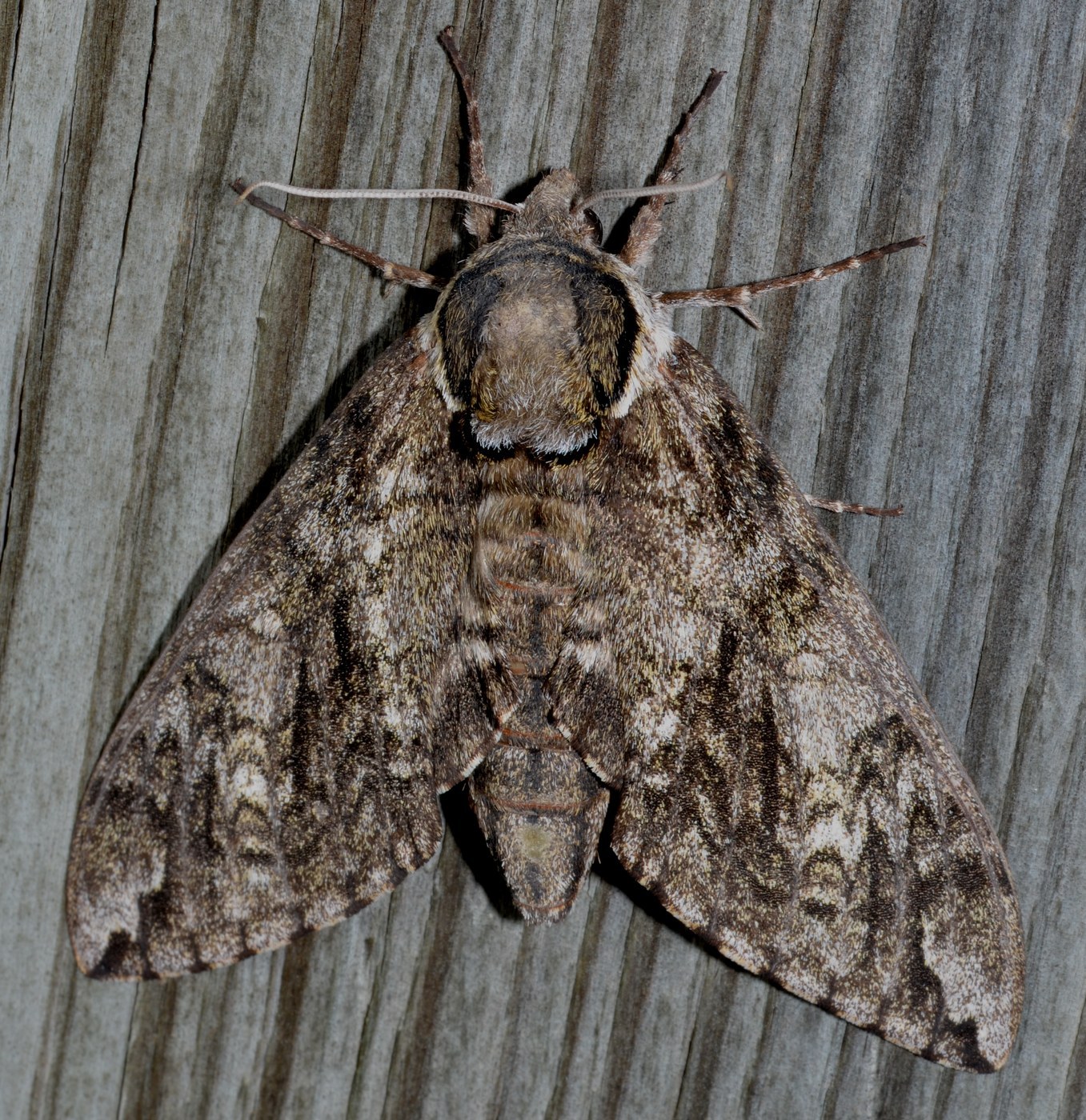
Waved Sphinx Moth
Ceratomia undulosa
A large gray-brown sphinx moth with fine wavy dark lines across the forewings and a scalloped outer wing margin, closely resembling a piece of weathered tree bark when at rest.
- Size
- 2.5–3.5 in wingspan
- Habitat
- Deciduous woodlands, orchards, suburban trees
- Danger
- Harmless
Spotted a bug like this?
Identify any bug or insect from a photo, free.
Overview
The waved sphinx moth is a large hawk moth of the family Sphingidae, widespread across eastern and central North America. It is named for the series of fine, undulating dark lines that cross its otherwise plain gray-brown forewings, a subtle pattern that gives outstanding camouflage against bark and dry leaves.
As a member of the sphinx moth family, it shares the group's characteristic robust, torpedo-shaped body and powerful, direct flight, though it is generally more muted in color than some of its more boldly marked relatives. Its caterpillars feed on the foliage of trees such as ash, privet, and other related woody plants, tying the species closely to deciduous forest and landscaped tree habitats.
The waved sphinx moth is ecologically significant as both a nectar-feeding pollinator in its adult stage and a folivore in its larval stage, contributing to nutrient cycling in forest and orchard ecosystems while also serving as prey for birds and bats.
How to Identify
- Forewings are pale gray to brownish-gray, crossed by numerous fine, wavy, dark lines running roughly parallel to the wing margin.
- Outer edge of the forewing often appears slightly scalloped or notched rather than perfectly smooth.
- Hindwings are plainer, generally pale gray-brown with faint darker banding.
- Body is thick and tapered, typical of sphinx moths, with a pointed abdomen and swept-back wing posture at rest.
- Lookalikes include other Ceratomia species and gray-toned sphinx moths; the dense network of fine wavy lines across the forewing is the best distinguishing feature.
Habitat & Range
Found throughout much of the eastern and central United States and adjacent Canada in deciduous woodlands, orchards, hedgerows, and suburban areas with host trees such as ash, privet, and lilac. Adults are active at night from late spring through summer and are attracted to lights, while caterpillars feed on foliage from summer into early fall.
Behavior & Diet
Adults are strictly nocturnal, resting motionless on tree trunks or fences by day where their bark-like pattern provides camouflage, and becoming active fliers after dark to feed on nectar from tubular flowers using their long proboscis. Caterpillars are solitary leaf-feeders that rest along leaf midribs or stems during the day, relying on cryptic green coloring and a posture that breaks up their outline. Both stages contribute to the food web, with caterpillars in particular being an important food source for nesting birds.
Life Cycle
Eggs are laid singly on host tree leaves. Caterpillars grow through several instars, developing diagonal side stripes and a curved posterior horn typical of sphinx moth larvae, before dropping to the ground and burrowing into soil to pupate in an underground chamber. The pupa overwinters below ground, and adults emerge the following late spring to early summer, with generally one generation per year in the northern part of its range and potentially a partial second generation farther south.
Frequently asked questions
Why is it called the waved sphinx?
It is named for the fine, undulating dark lines that run across its gray-brown forewings, giving a wavy pattern.
What trees do the caterpillars feed on?
They commonly feed on ash, privet, lilac, and related woody plants.
How can I tell it from other gray sphinx moths?
The dense network of fine wavy lines across the forewing, combined with a slightly scalloped wing edge, helps separate it from similar species.
Is it active during the day?
No, it is nocturnal and rests motionless, camouflaged against bark, during daylight hours.
Waved Sphinx Moth guides
In-depth guides for identifying, understanding, and living alongside Waved Sphinx Moth.
Other bugs you may enjoy
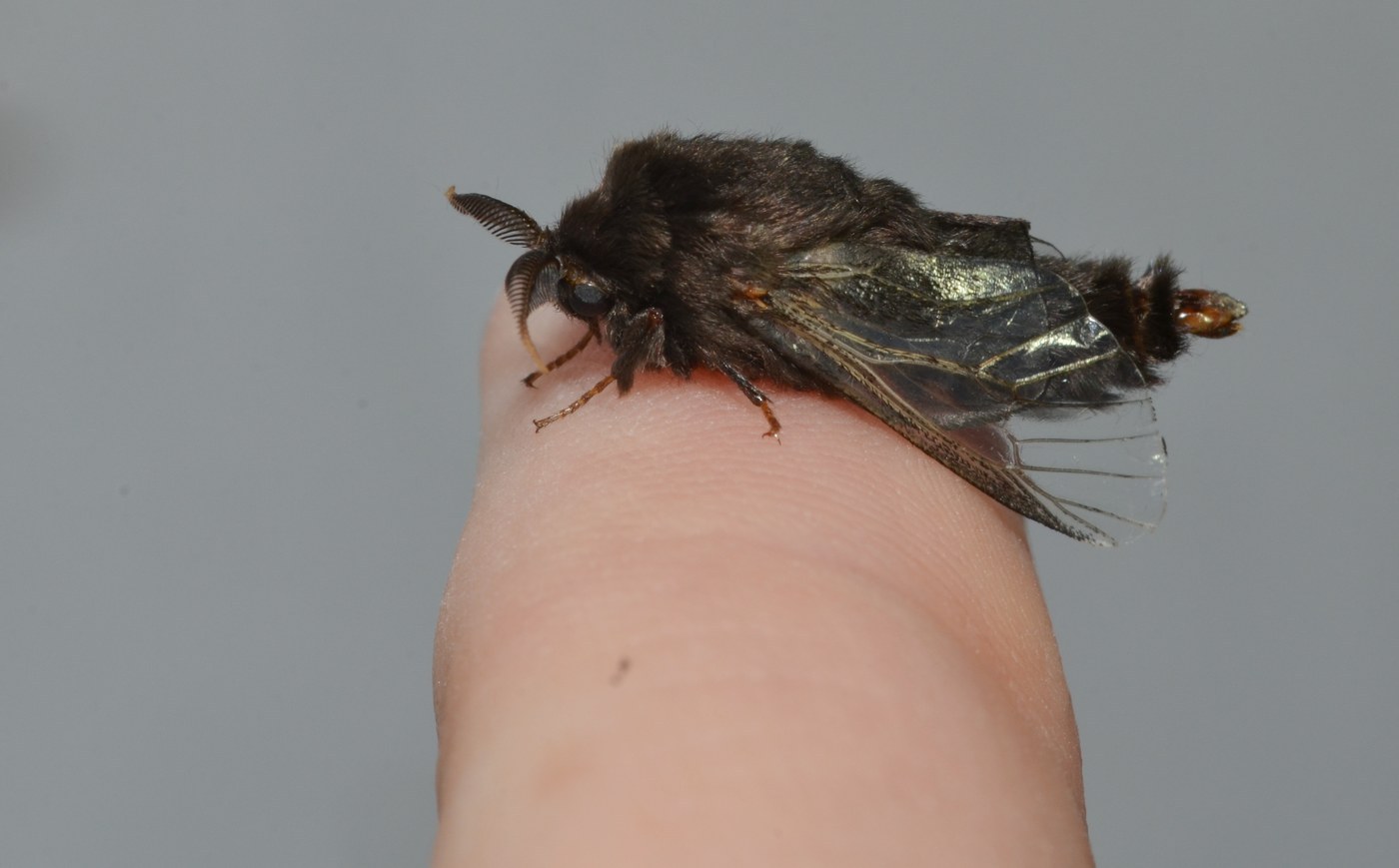
Bagworm Moth
Coniferous and deciduous trees, shrubs, hedges
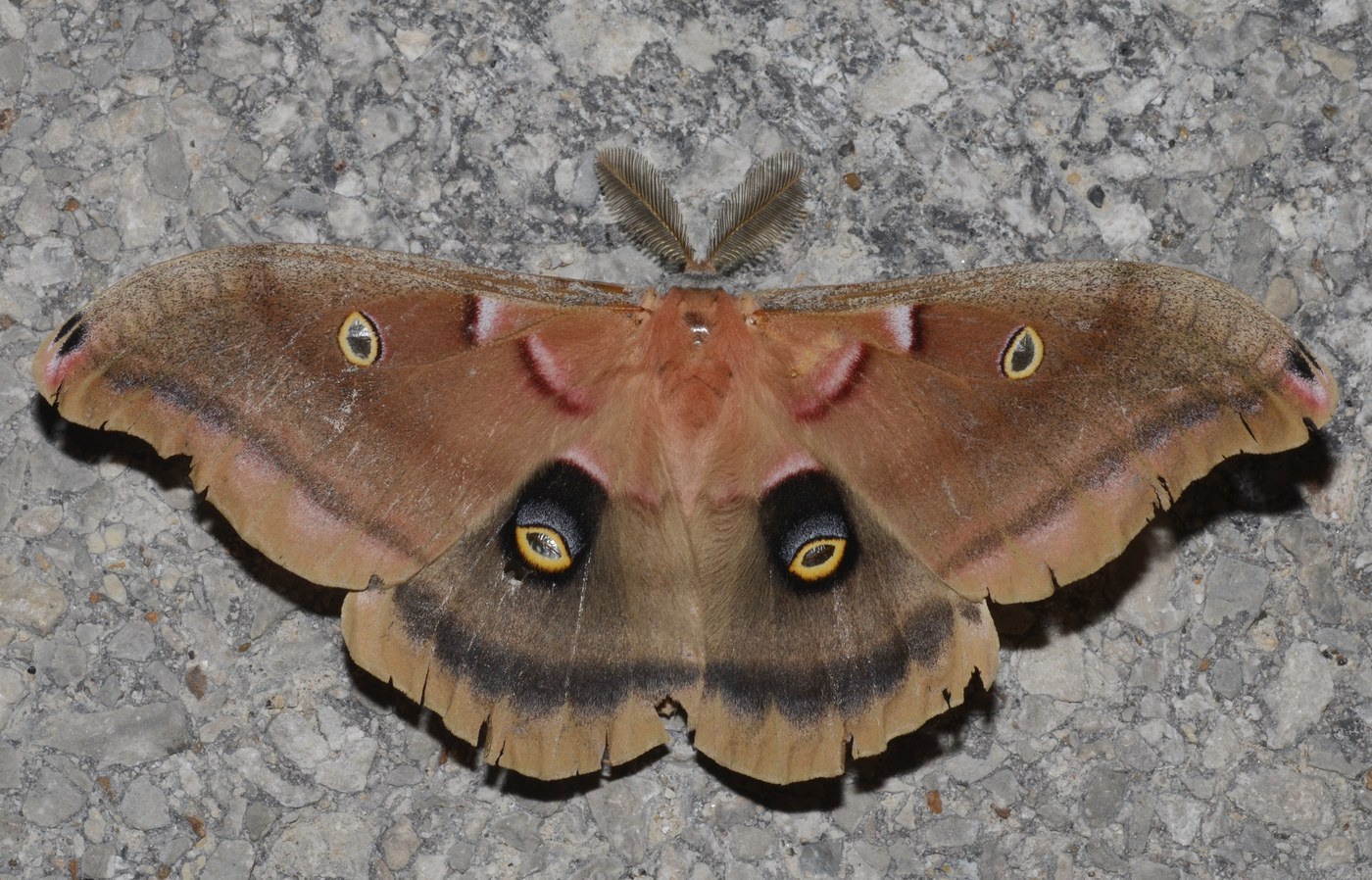
Antheraea Silkmoth
Deciduous forests, woodland edges, orchards
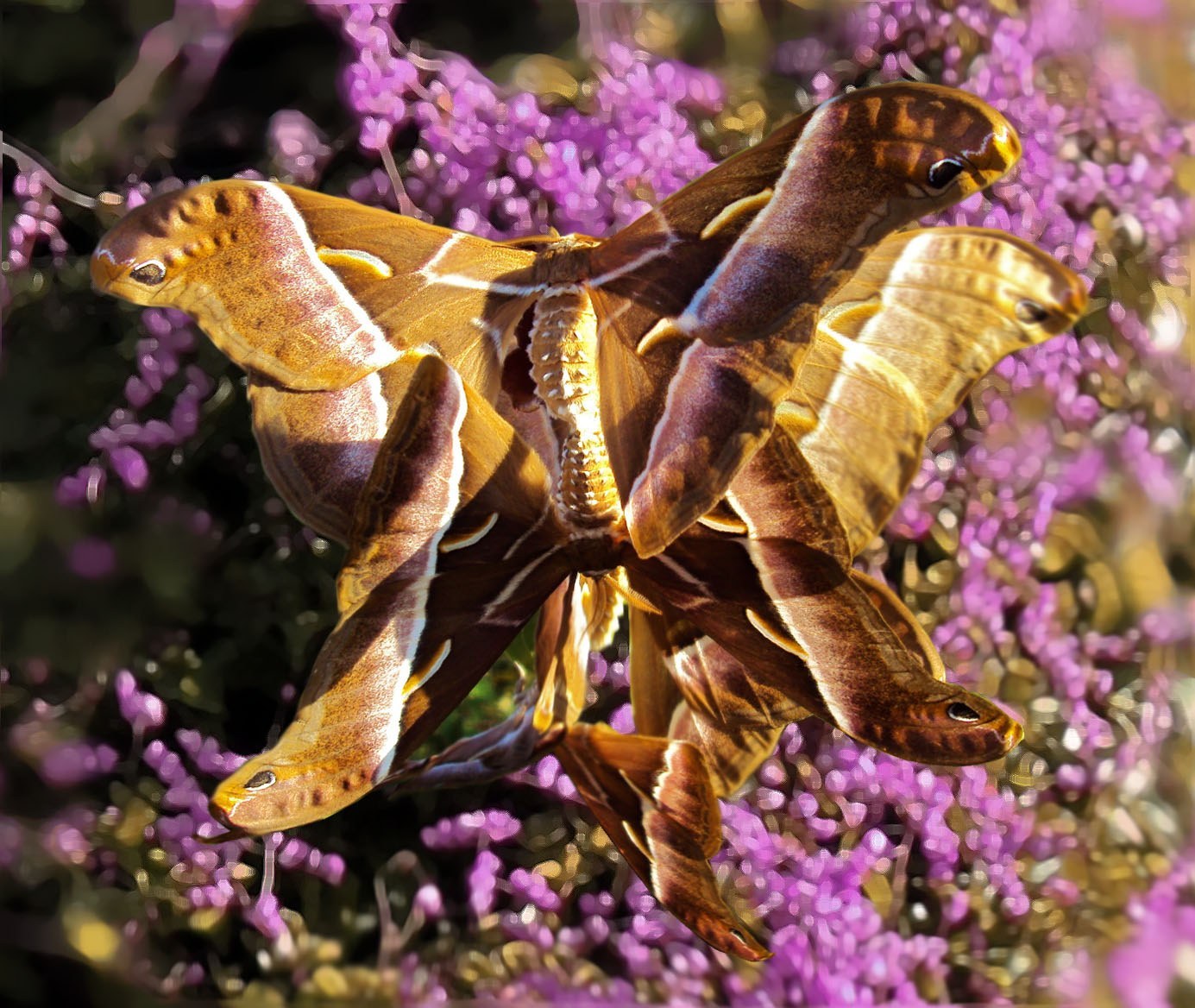
Ailanthus Silkmoth (Cynthia Moth)
Urban parks, wastelands, and woodland edges with tree-of-heaven; native to Asia, introduced in North America and Europe
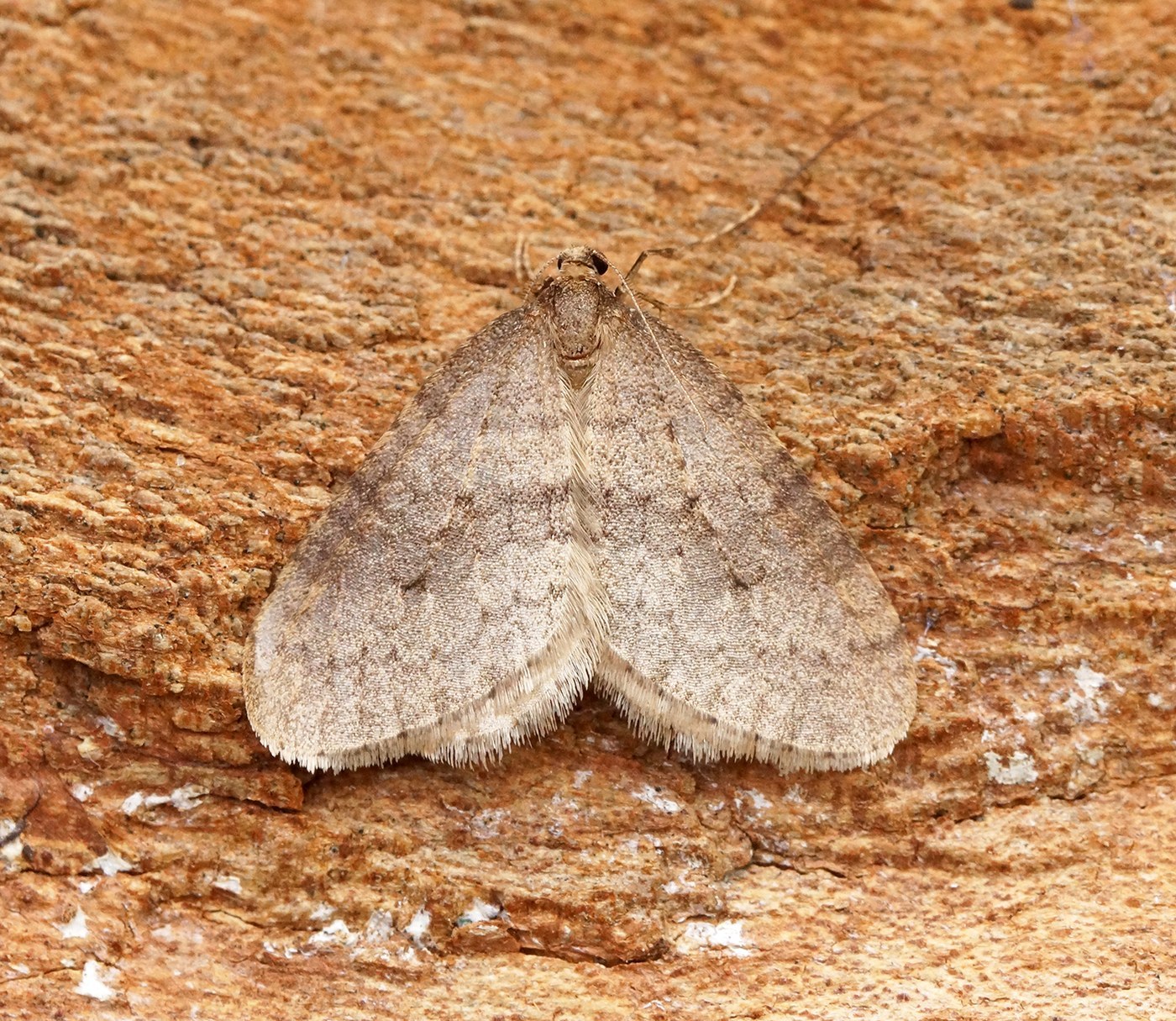
Winter Moth
Deciduous woodland, orchards, gardens, hedgerows
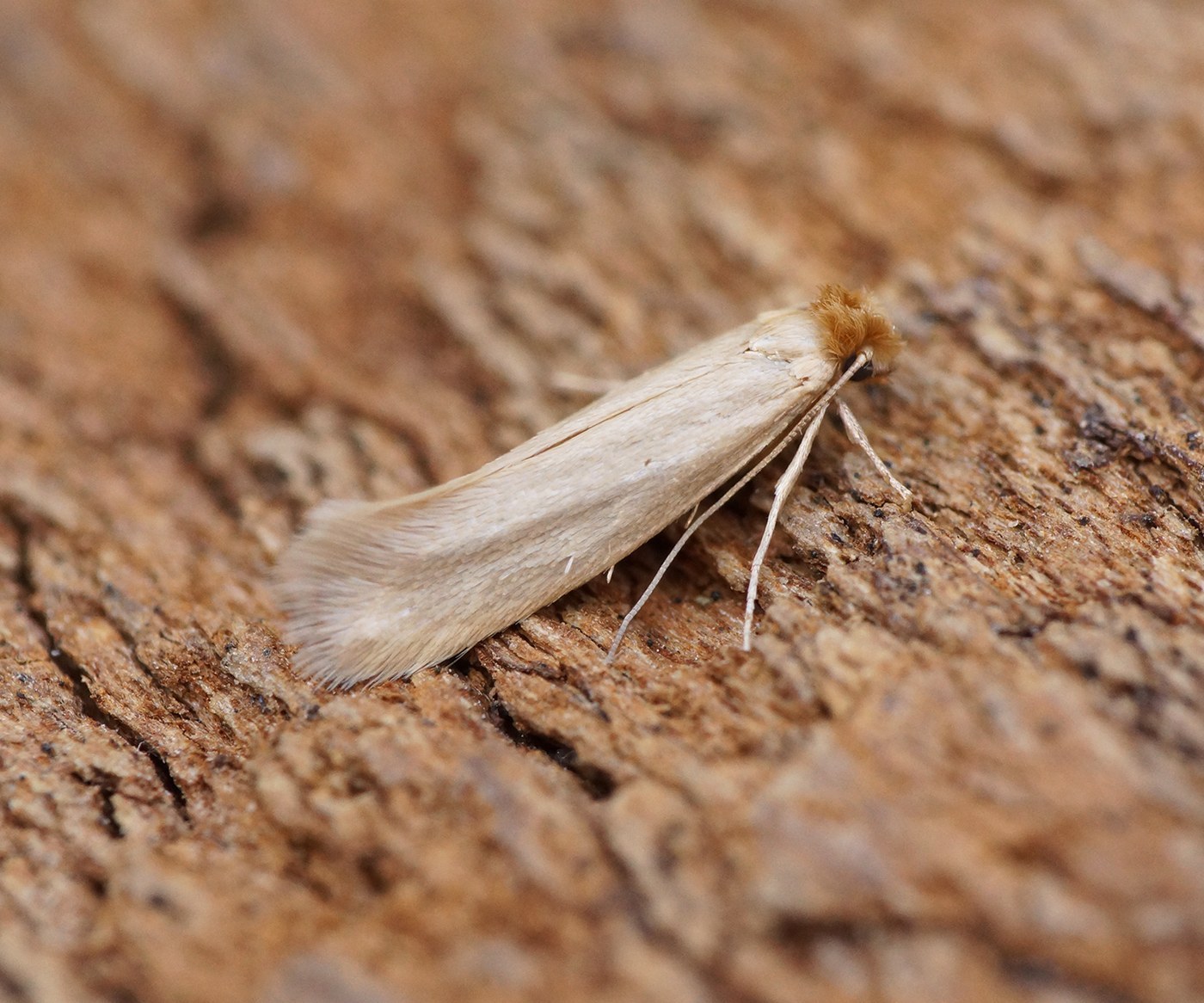
Webbing Clothes Moth
Dark closets, storage areas, and animal nests worldwide
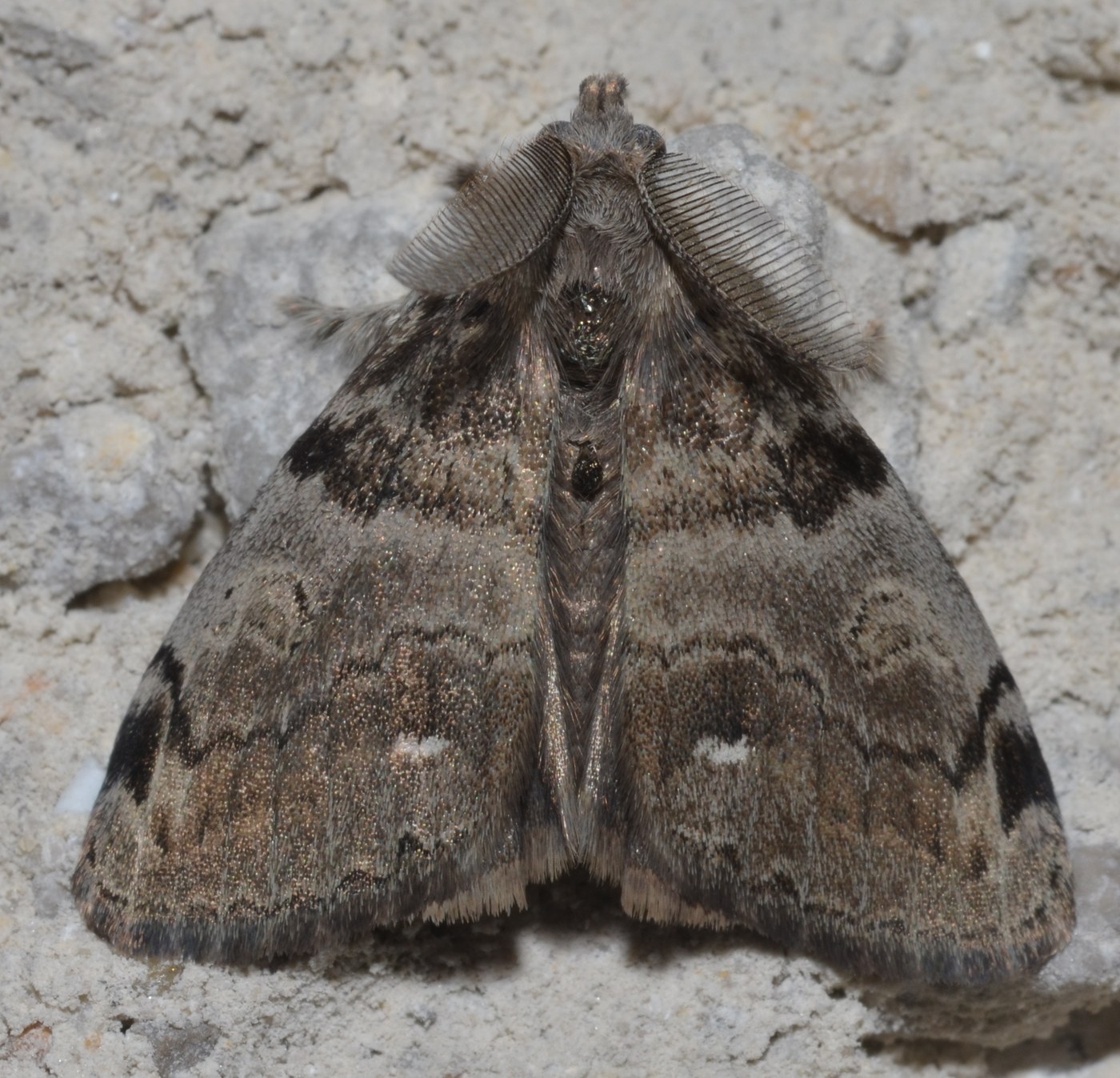
Tussock Moth
Deciduous forests, parks, gardens
Wax Moth
Beehives, apiaries, stored beeswax and comb
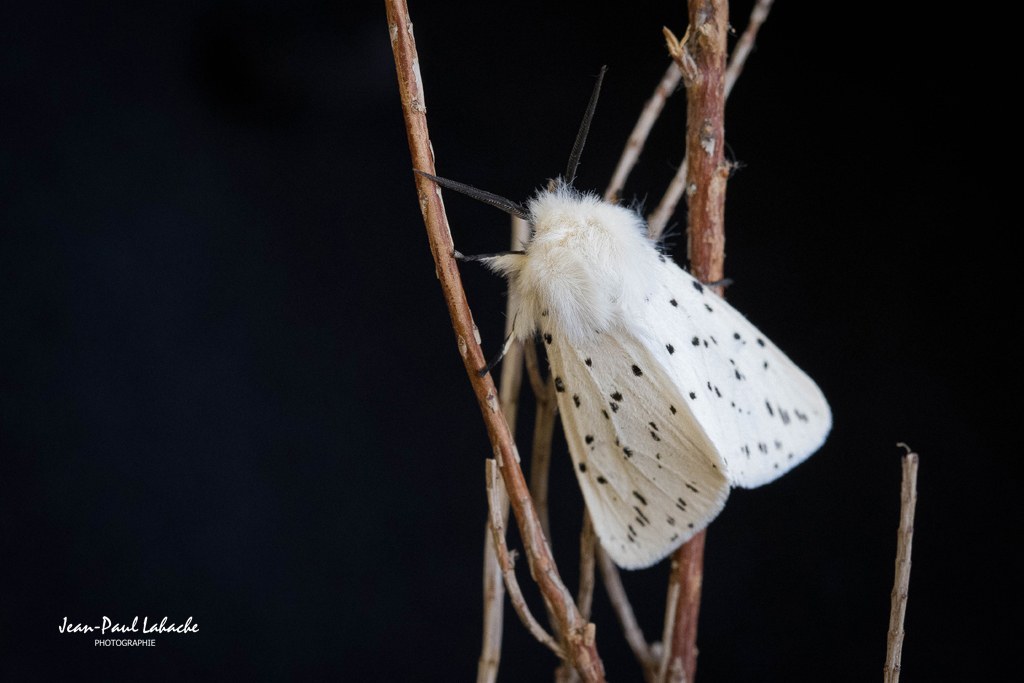
White Ermine Moth
Gardens, meadows, hedgerows
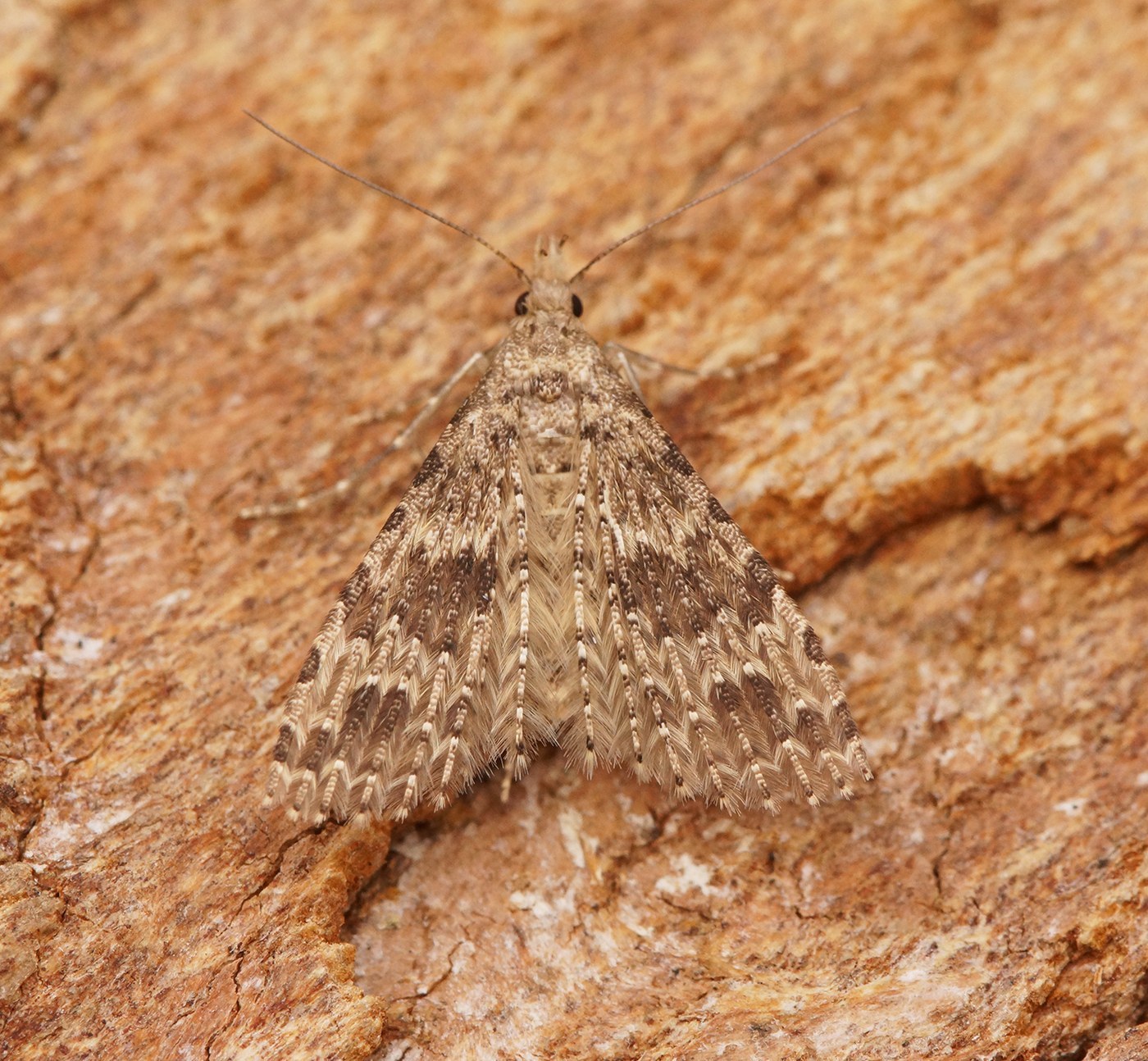
Twenty-plume Moth
Gardens, hedgerows, near honeysuckle
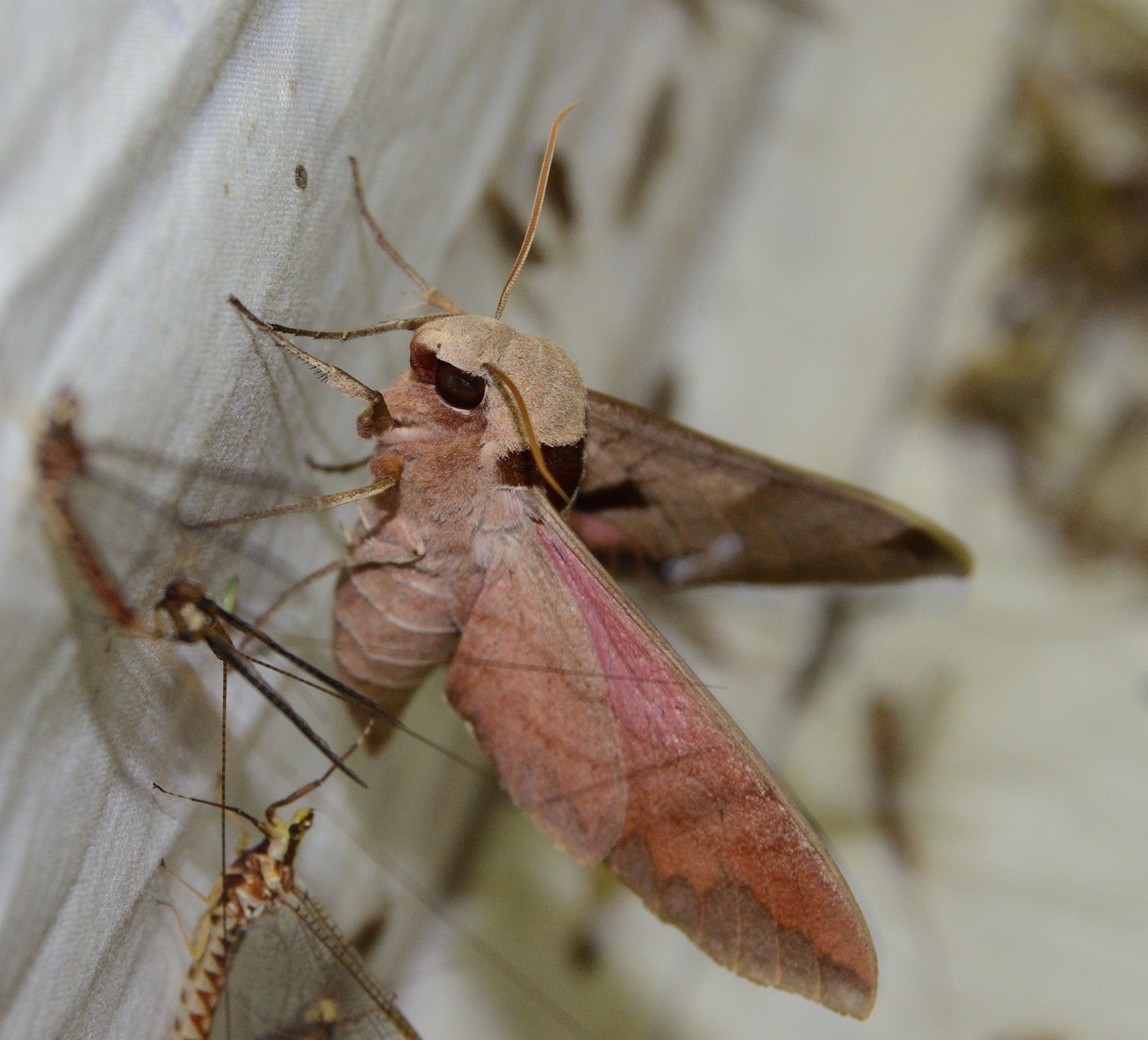
Achemon Sphinx Moth
Vineyards, woodland edges, gardens with wild grape
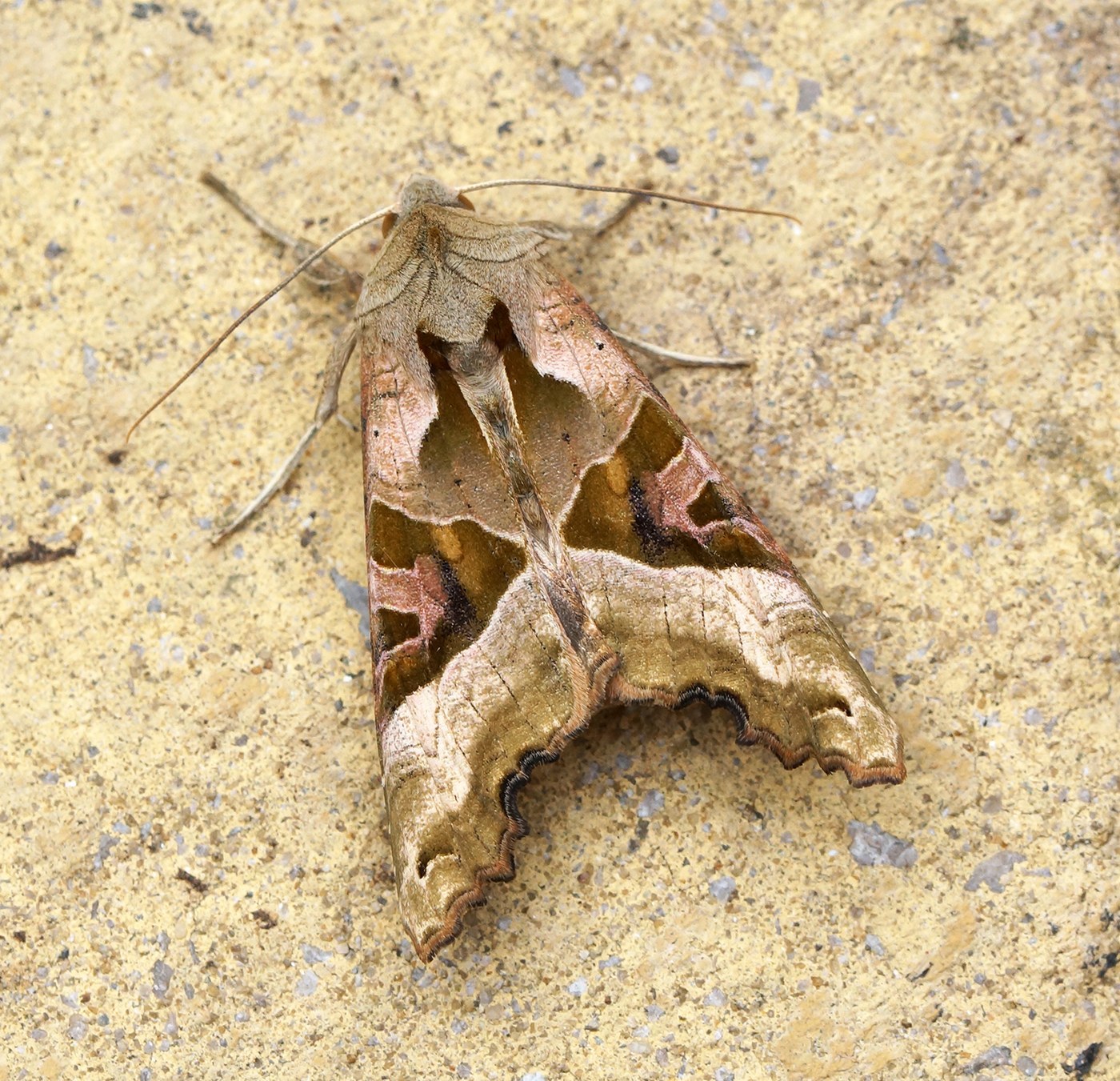
Angle Shades Moth
Gardens, hedgerows, woodland edges, urban parks
Atlas Moth
Tropical and subtropical lowland forests of Southeast Asia