
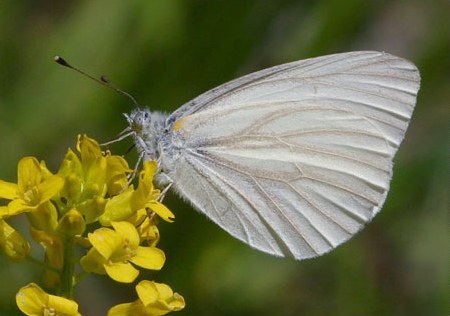
West Virginia White
Pieris virginiensis
A delicate, pure-white spring butterfly of eastern hardwood forests with faint gray veining on the underside, flying only for a few weeks each year before its short-lived toothwort host plants fade.
- Size
- 1.4–1.75 in wingspan
- Habitat
- Rich deciduous forest floors, especially near seeps and streams
- Danger
- Harmless
Spotted a bug like this?
Identify any bug or insect from a photo, free.
Overview
The West Virginia White is a small member of the whites-and-sulphurs family (Pieridae) found in mature deciduous forests of the Appalachian region and parts of the Great Lakes and Northeast. It is one of the few North American butterflies restricted almost entirely to forest-interior habitat rather than open fields, making it a useful indicator of undisturbed woodland conditions.
As a spring ephemeral flier, it emerges for a brief window in April and May, timed precisely to the blooming of its native host plants. Its populations have become increasingly localized in recent decades as forest understories have changed, giving it particular interest among naturalists tracking regional woodland health.
Within the genus Pieris it is a close relative of the more familiar, widespread Cabbage White, but unlike that common garden visitor, the West Virginia White never strays from shaded forest habitat.
How to Identify
- Wings are translucent, chalky white above with little to no dark patterning, giving a soft, almost see-through appearance in flight.
- The underside of the hindwing shows faint gray-green shading along the veins, a subtle marbled effect visible when the butterfly is at rest with wings closed.
- Body is slender and dark, antennae short and clubbed.
- Flight is slow, low, and fluttery, close to the forest floor.
- Lookalikes: the Cabbage White is similar in size but has bold black wingtip patches and dark spots, and prefers open sunny areas rather than forest interior; the Falcate Orangetip female is also white but has a hooked forewing tip and mottled green (not gray) underside marbling.
Habitat & Range
Found in mature, undisturbed deciduous and mixed forests across the Appalachian Mountains, southern Great Lakes states, and parts of the Northeast and southern Ontario. It favors cool, moist forest floors near streams, seeps, or ravines where its spring wildflower host plants grow in abundance. Adults are active for only a few weeks in early spring, roughly April into May depending on latitude and elevation, coinciding with the brief bloom period of toothworts.
Behavior & Diet
Adults fly low and slowly through dappled forest light, visiting spring wildflowers such as toothwort, spring beauty, and violets for nectar. Females lay single eggs on the undersides of toothwort leaves, and the resulting caterpillars feed exclusively on this narrow group of woodland mustards before the plants die back for the season. As with other whites, adults play a minor pollination role in the early spring forest understory while caterpillars serve as a food source for birds and predatory insects.
Life Cycle
Eggs are laid singly on toothwort foliage in early spring. Caterpillars are pale green and blend closely with the host leaves, feeding for several weeks until the plant senesces. Pupation occurs on nearby vegetation or leaf litter, and the pupa (chrysalis) enters a dormant state that persists through summer, fall, and winter. There is a single generation (univoltine) per year, with the long-lived pupal stage overwintering until adults emerge the following spring.
Frequently asked questions
How is the West Virginia White different from the common Cabbage White?
The West Virginia White lacks the bold black wingtip patches and spots of the Cabbage White, appears more translucent, and is restricted to shaded forest interiors rather than open gardens and fields.
When and where would I actually see one?
Look in mature Appalachian or Great Lakes-region deciduous forests during a narrow window in April and May, especially near streams where toothwort wildflowers grow.
Why is it only seen for a few weeks each year?
It is a spring ephemeral specialist tied to the brief blooming and leaf-out period of its toothwort host plants, and spends the rest of the year as a dormant pupa.
Does it visit gardens like other white butterflies?
No, it stays within forest habitat and does not typically wander into open gardens or agricultural areas the way the Cabbage White does.
West Virginia White guides
In-depth guides for identifying, understanding, and living alongside West Virginia White.
Other bugs you may enjoy
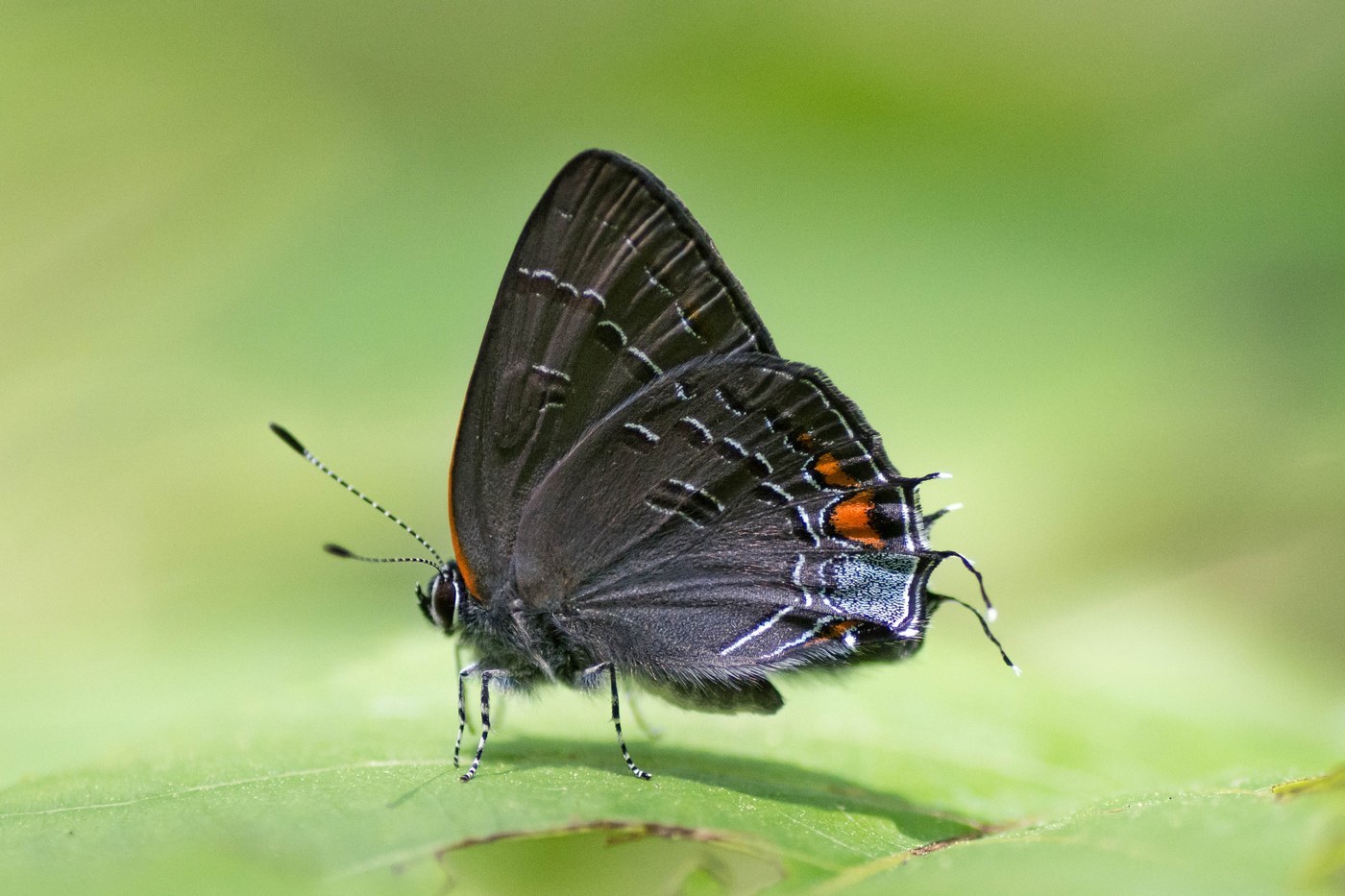
Banded Hairstreak
Deciduous woodlands and edges with oaks and hickories
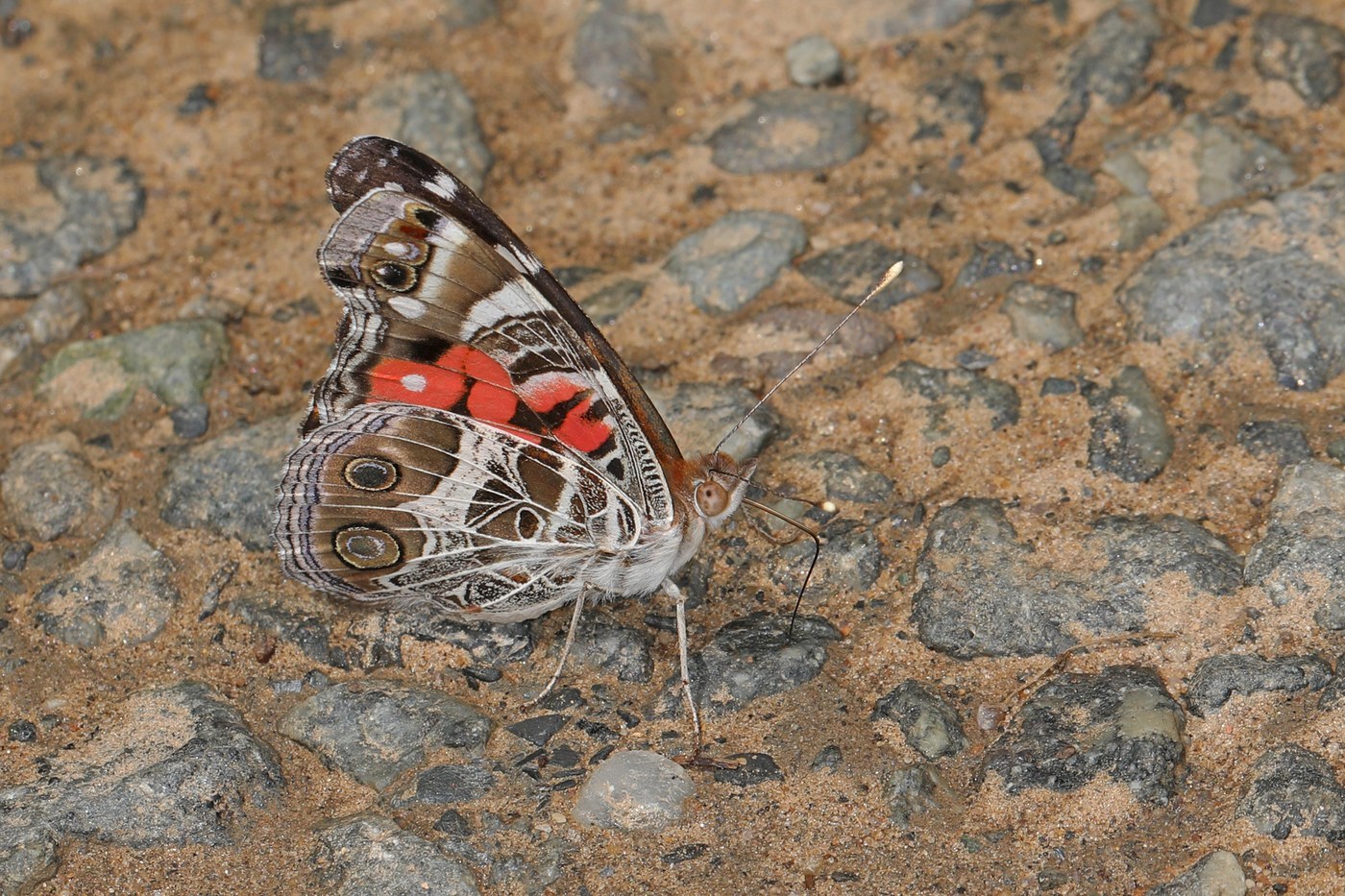
American Lady
Open fields, meadows, gardens, roadsides
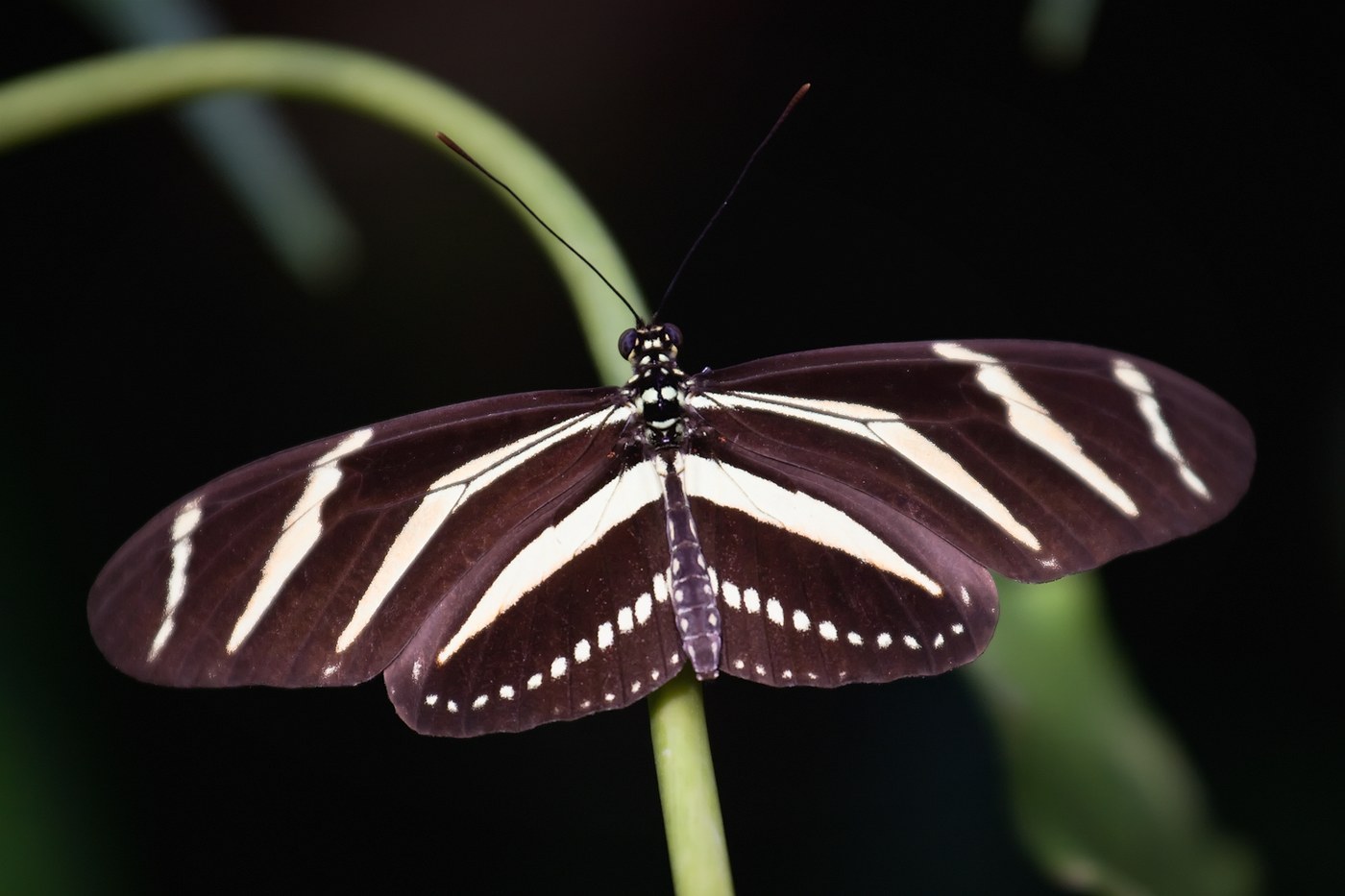
Zebra Longwing
Tropical hammocks, gardens, forest edges
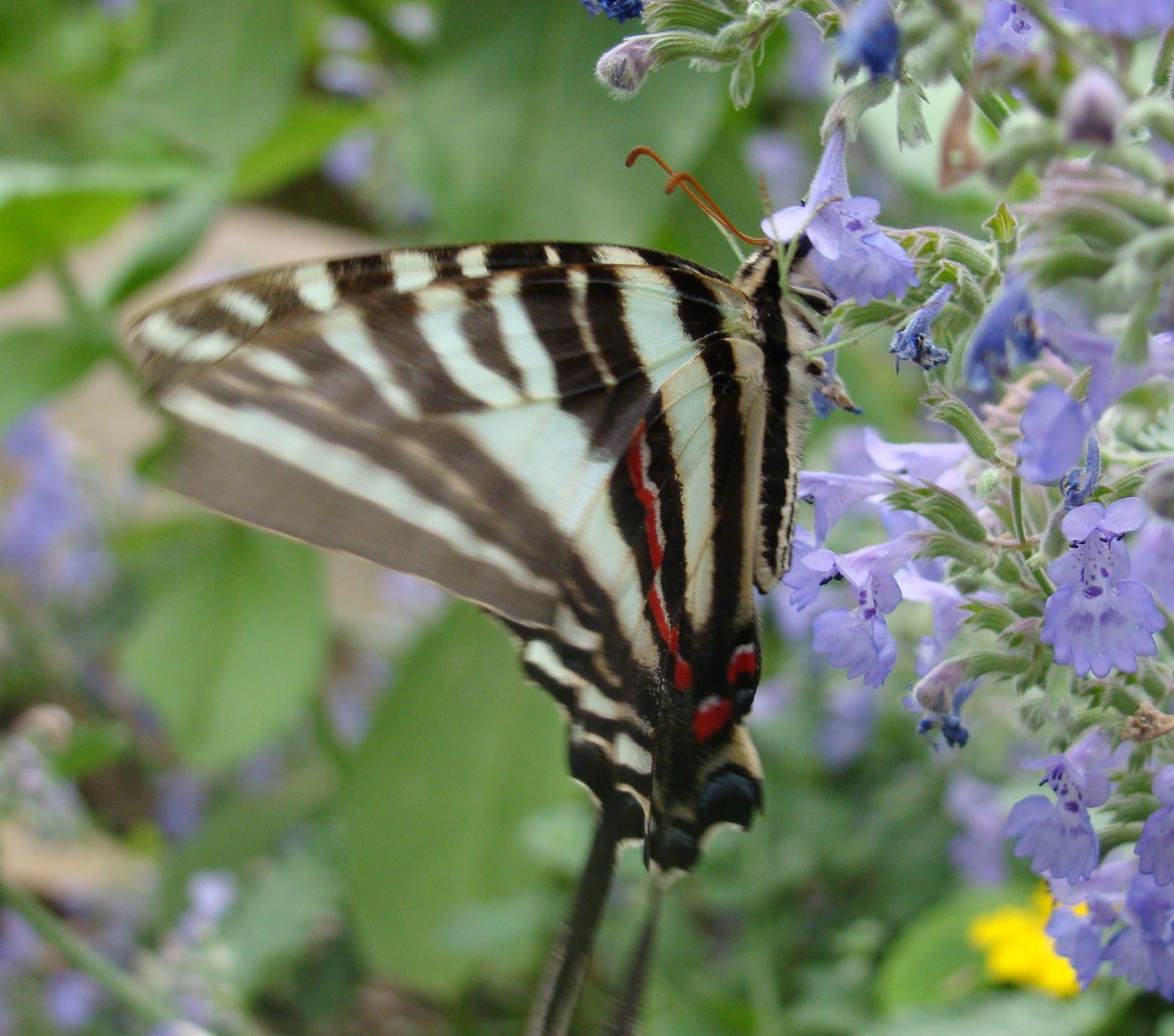
Zebra Swallowtail
Woodlands, floodplains, forest edges near pawpaw
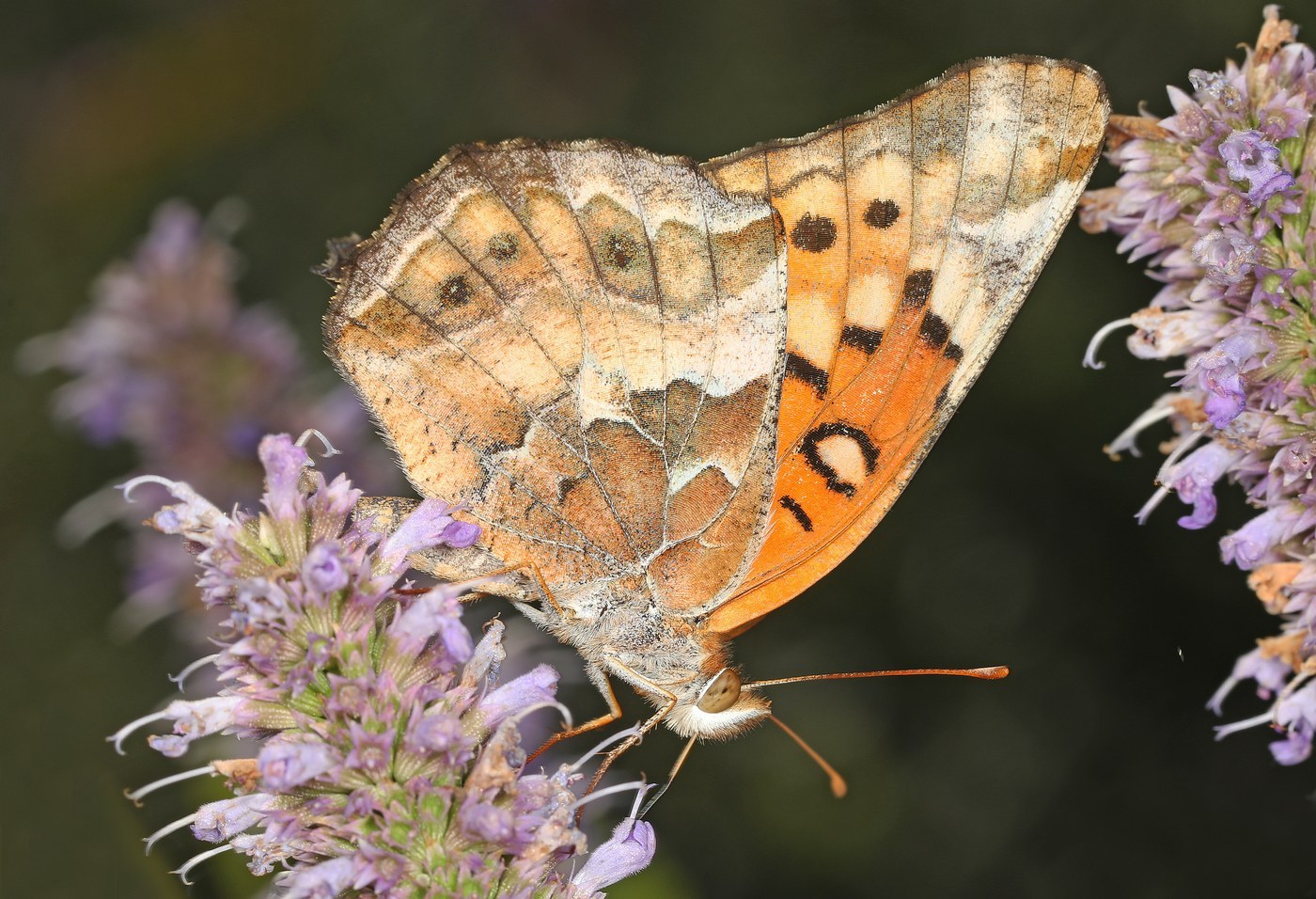
Variegated Fritillary
Open fields, prairies, roadsides, and disturbed ground across most of the United States
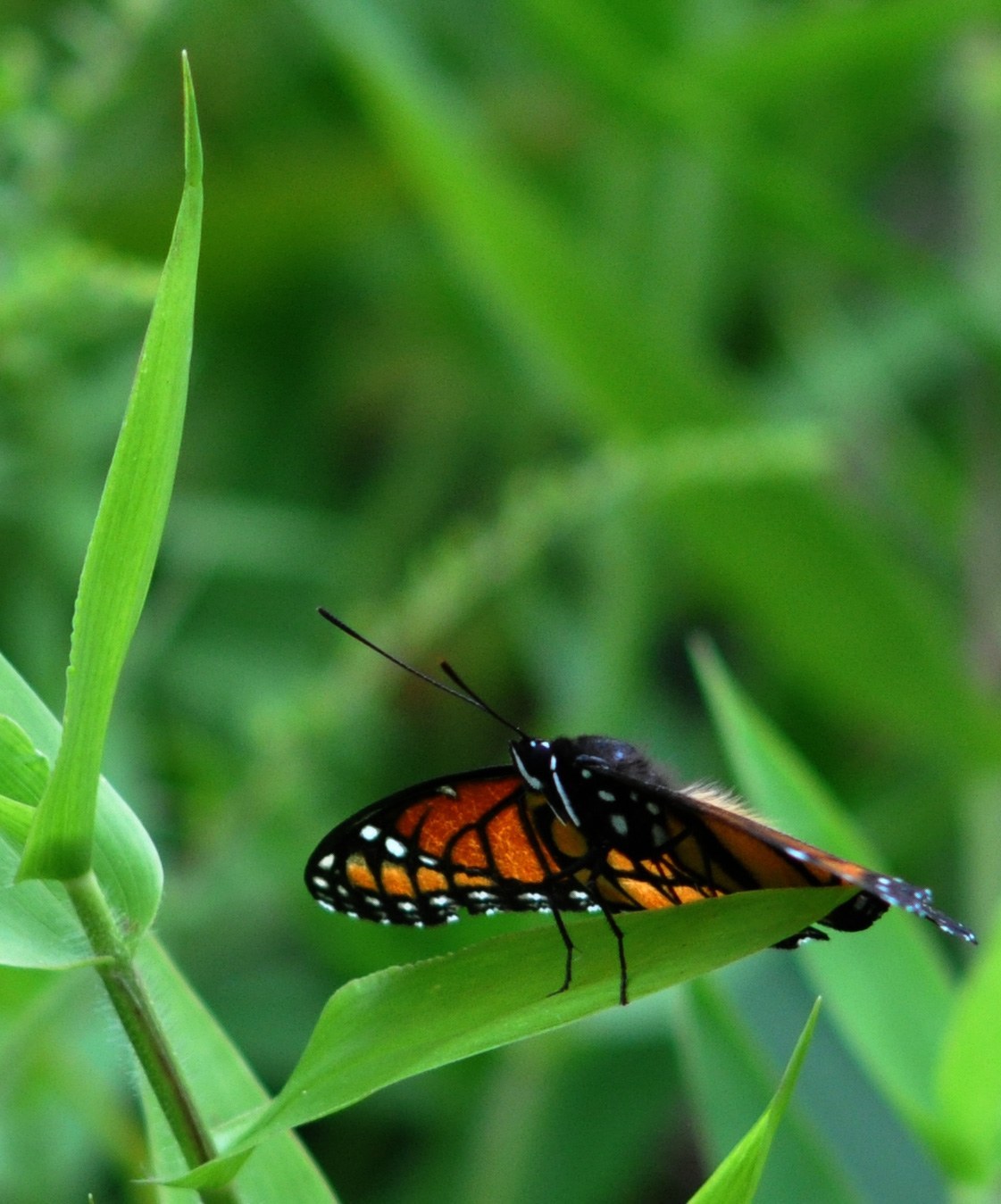
Viceroy Butterfly
Wetlands, meadows, riverbanks, willow thickets (North America)
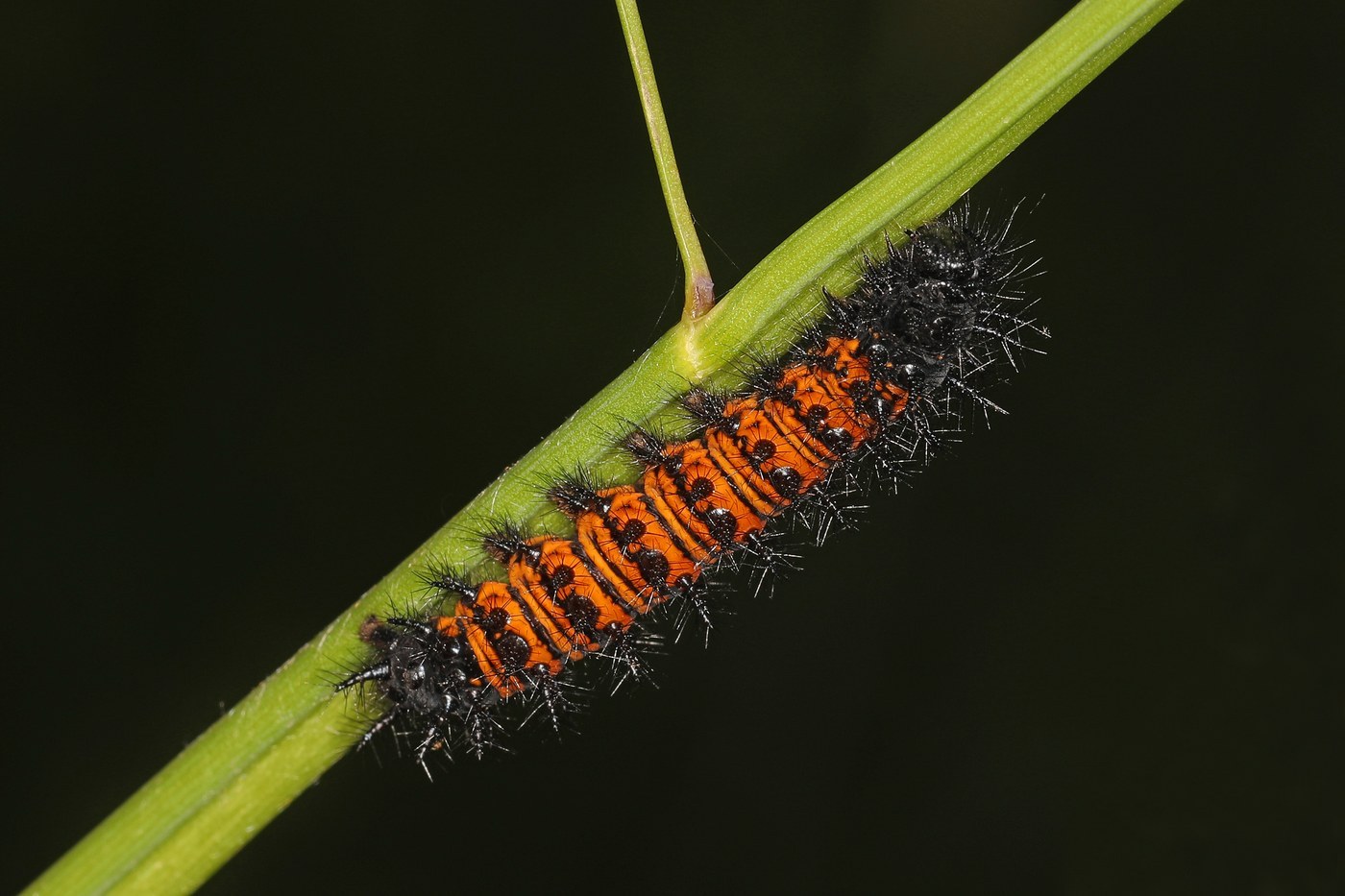
Baltimore Checkerspot
Wet meadows, bogs, and marshy fields in the northeastern and Appalachian US
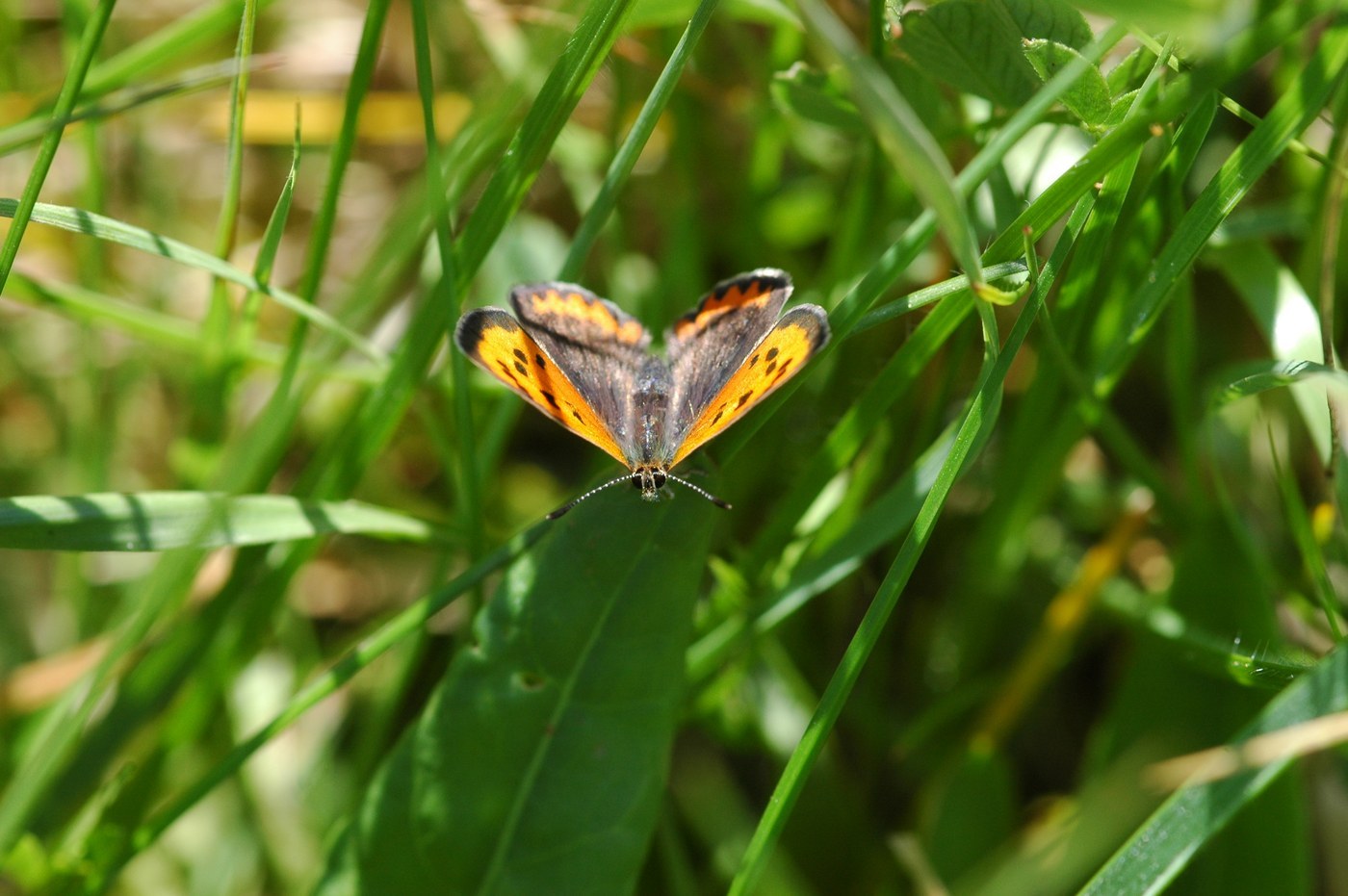
American Copper
Old fields, roadsides, and disturbed open ground with sorrel or dock
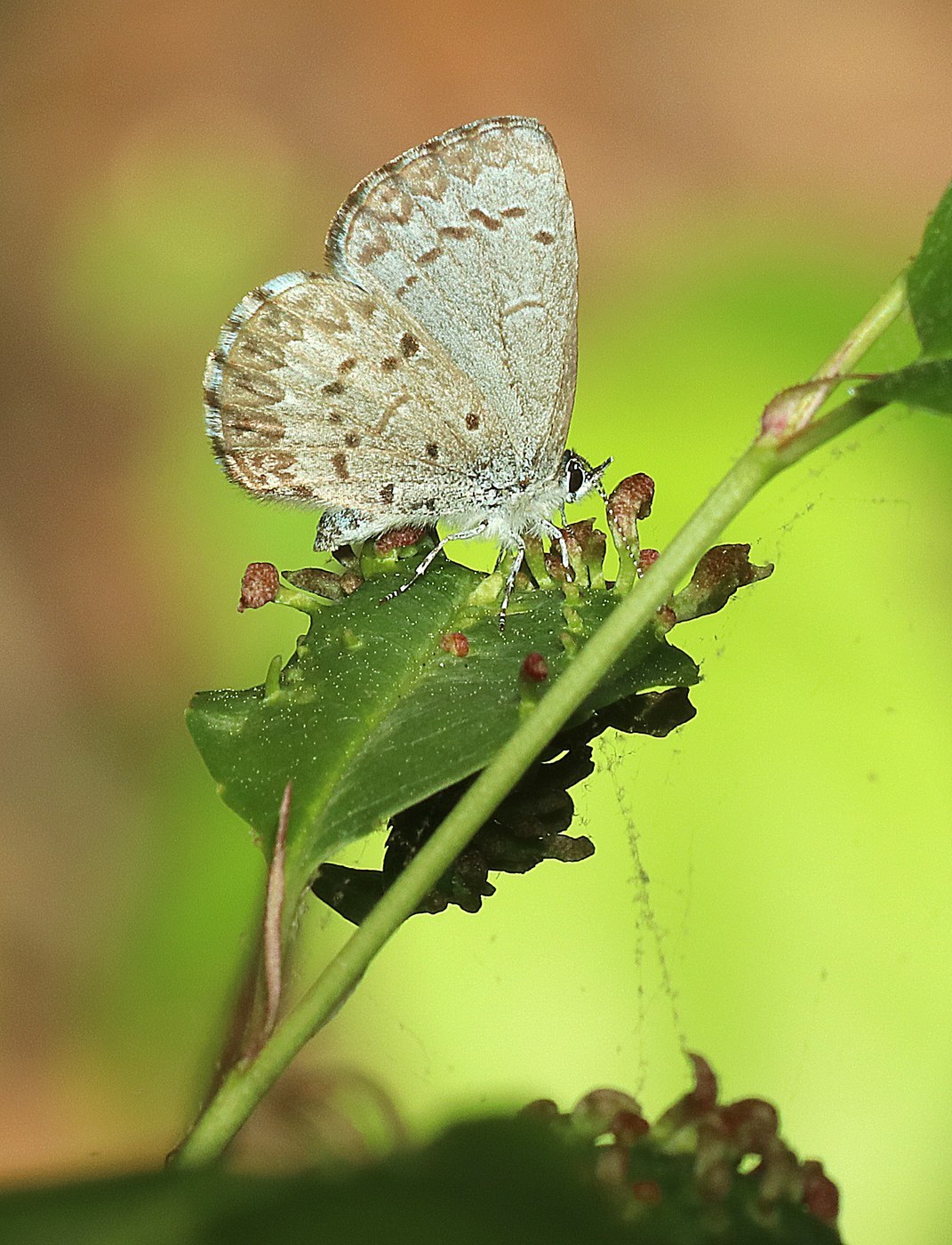
Spring Azure
Woodland edges, gardens, shrubby clearings
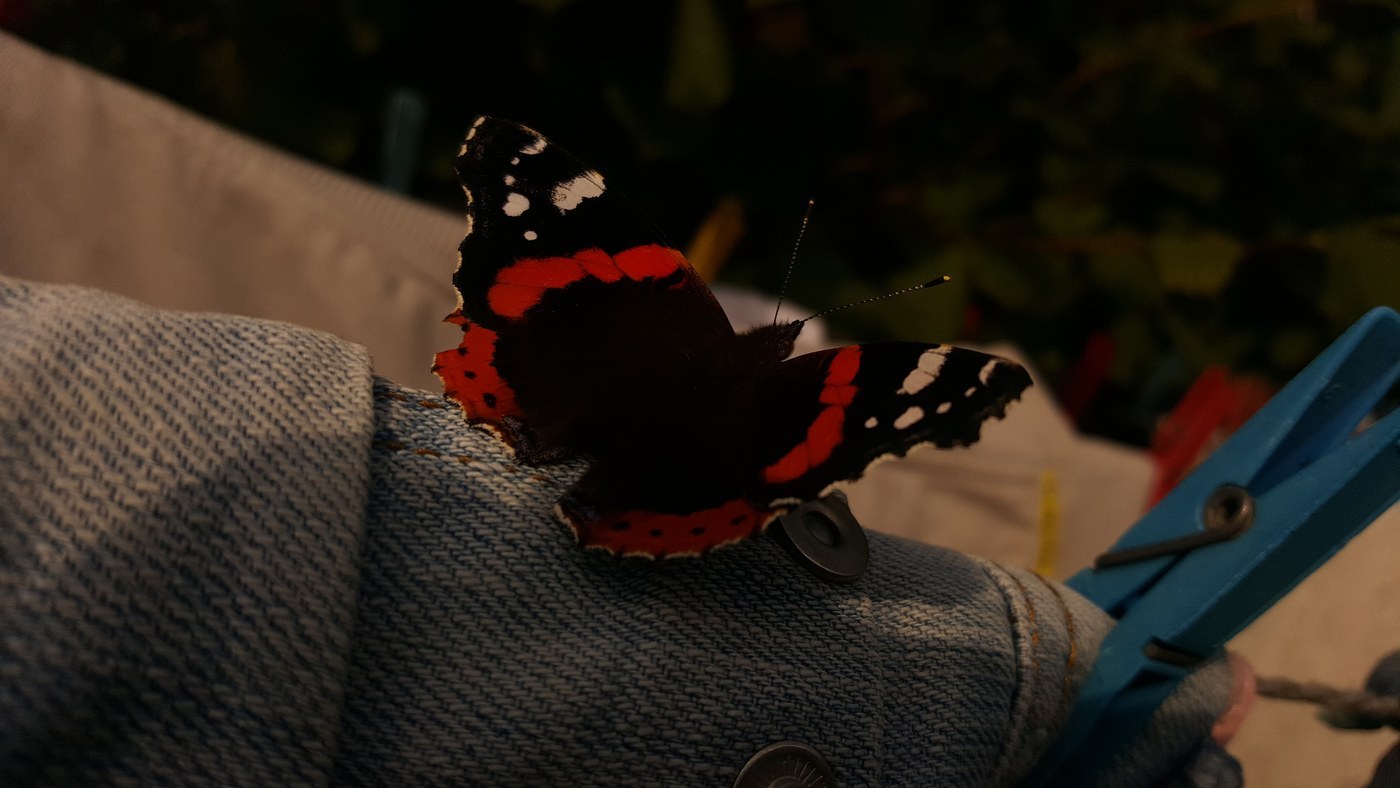
Red Admiral
Gardens, woodland edges, parks, meadows
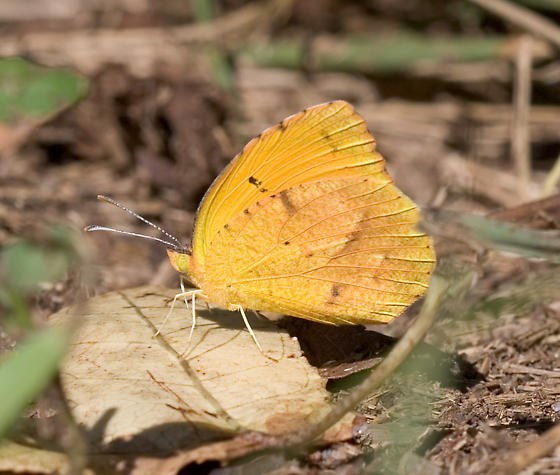
Sleepy Orange
Open woodland, fields, roadsides, and disturbed ground
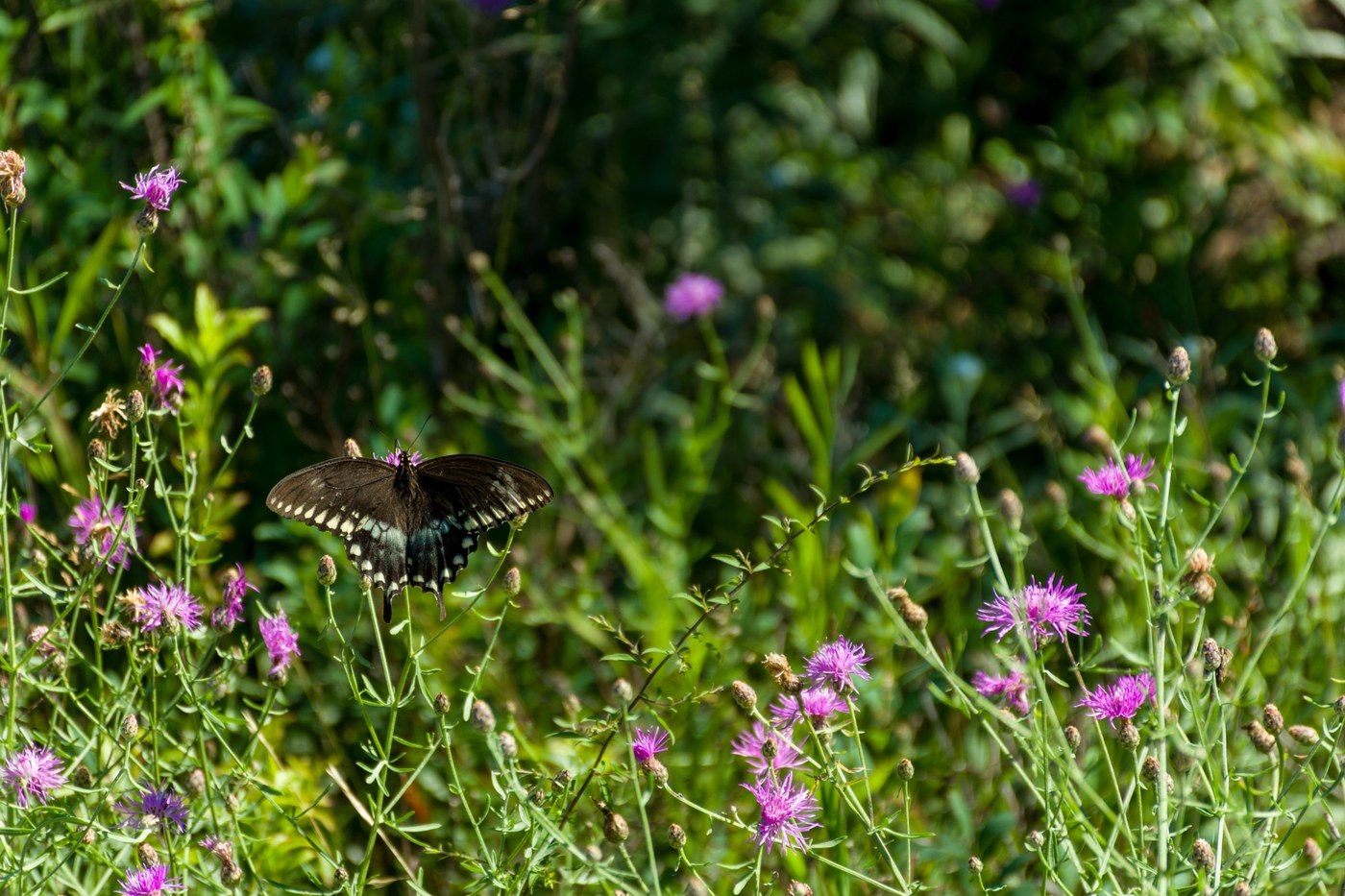
Spicebush Swallowtail
Deciduous forests, woodland edges, gardens