
Yellow Garden Spider
Argiope aurantia
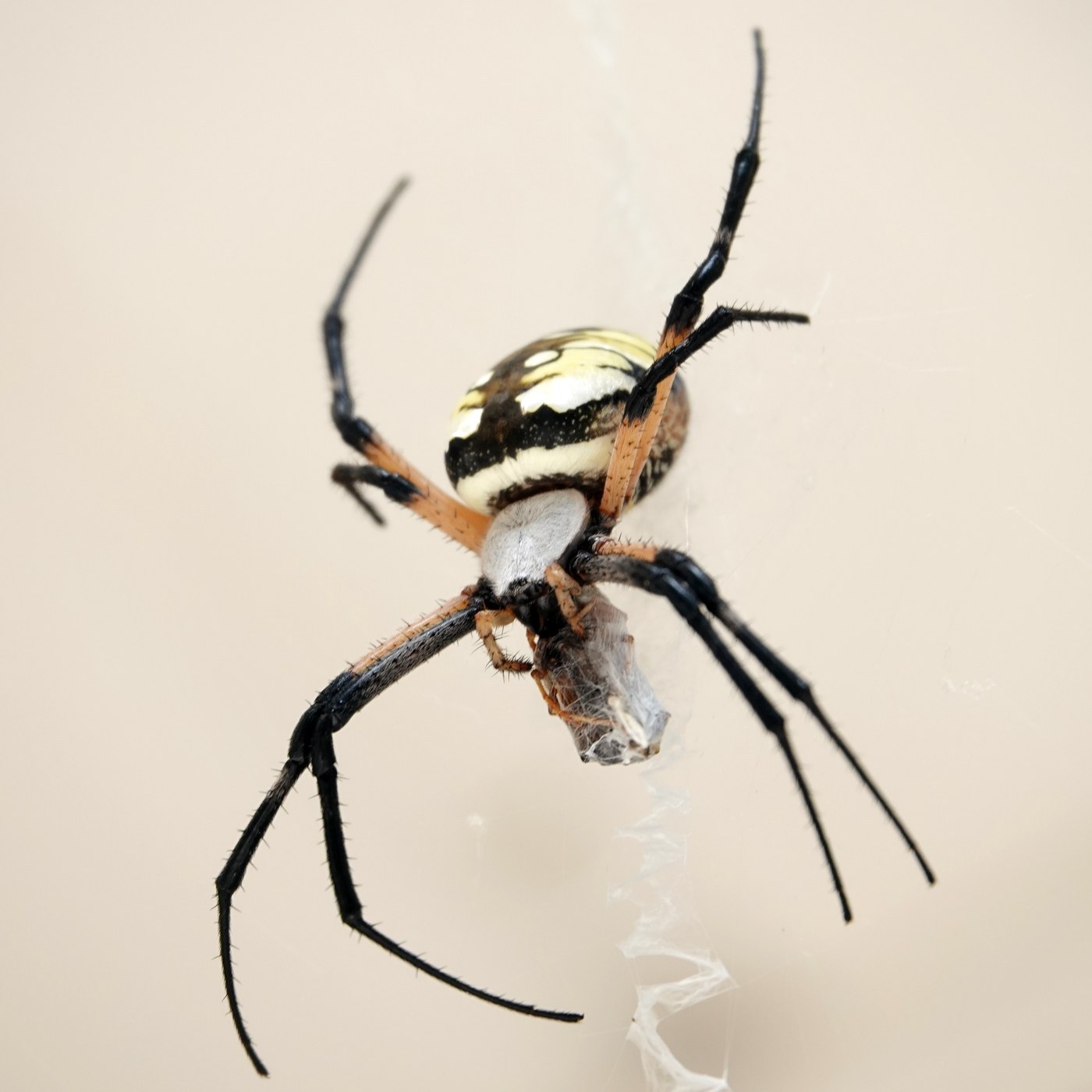
Bold black and yellow markings, a large orb web anchored with a bright zigzag of silk, and a habit of sitting in plain view make the yellow garden spider one of the most eye-catching and recognizable spiders in North American backyards.
- Size
- Female body 0.75-1.1 in (19-28 mm); males much smaller at 0.2-0.3 in (5-8 mm)
- Habitat
- Gardens, meadows, and tall vegetation with full sun across North America
- Danger
- Bites
Spotted a bug like this?
Identify any bug or insect from a photo, free.
Overview
The yellow garden spider, Argiope aurantia, is a large and strikingly patterned orb weaver found throughout much of North America. Females display a bold black and yellow pattern on an elongated abdomen and are considerably larger than the plain, comparatively drab males. The species is perhaps best known for the thick zigzag band of silk, called a stabilimentum, that it often weaves through the center of its web, giving rise to the folk name "writing spider."
Unlike many spiders that hide during the day, yellow garden spiders typically sit motionless at the center of their web in plain sight, head-down, making them one of the more frequently observed large spiders in gardens, meadows, and along the edges of fields during the summer and fall.
As voracious predators of flying and jumping insects, yellow garden spiders provide meaningful natural pest suppression in gardens, and their large webs are a familiar and often admired sight for gardeners and naturalists alike.
How to Identify
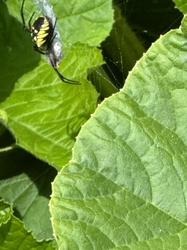
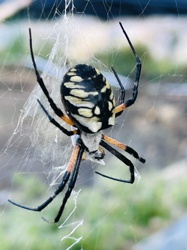
- Females have a bold black abdomen marked with bright yellow or orange patches and silvery hairs on the cephalothorax
- Elongated, somewhat egg-shaped abdomen with pointed rear end
- Males are much smaller, brownish, and rarely noticed compared to the conspicuous females
- Legs are long and banded with black and yellow-brown segments
- Web often features a thick, zigzag band of white silk (stabilimentum) running vertically through the center
- Lookalikes include the banded garden spider (Argiope trifasciata), which has more horizontal banding on the abdomen rather than bold yellow patches
Habitat & Range
Yellow garden spiders favor sunny, open habitats with tall grass, shrubs, or garden plants where they can anchor a large web between supports. They are common in vegetable and flower gardens, meadows, roadside vegetation, and field edges across the continental United States and southern Canada, generally most visible from mid-summer through the first frost.
Behavior & Diet
This species builds a large, vertical orb web, often anchored between plant stalks, and characteristically adds a dense zigzag of silk through the hub, the function of which is thought to relate to web visibility or stability. The spider sits head-down at the center of the web throughout the day, in contrast to many orb weavers that hide during daylight hours, making it easy to spot. When prey becomes entangled, the spider quickly wraps it in silk before feeding, and if disturbed at the web, it may vigorously shake the entire web as a startle response rather than fleeing immediately. As a predator of grasshoppers, flies, wasps, and other flying insects, it plays a useful role in regulating insect populations in gardens and open fields.
Life Cycle
After mating in late summer, females produce one or more large, papery brown egg sacs, often attached to nearby plant stems, each containing hundreds of eggs, and typically die as cold weather arrives. The eggs overwinter in place, with spiderlings hatching the following spring and dispersing widely, often by ballooning on silk threads carried by the wind. Spiderlings molt numerous times over the summer, with females reaching their large, colorful adult size by late summer, when the cycle of mating and egg-laying begins again; most populations complete one generation per year.
Frequently asked questions
Why is it called the writing spider?
The thick, zigzag band of silk many individuals weave through the center of their web resembles handwriting, giving rise to this folk name.
Why does the yellow garden spider sit in plain sight during the day?
Unlike many orb weavers that hide, this species typically rests head-down at the center of its web throughout the day rather than retreating to cover.
What do yellow garden spiders eat?
They prey on flying and jumping insects such as grasshoppers, flies, wasps, and moths that become trapped in their web.
How long do yellow garden spiders live?
Most complete a single generation per year, with adults appearing by mid-summer, mating and laying eggs in fall, and dying with the onset of cold weather.
Yellow Garden Spider guides
In-depth guides for identifying, understanding, and living alongside Yellow Garden Spider.
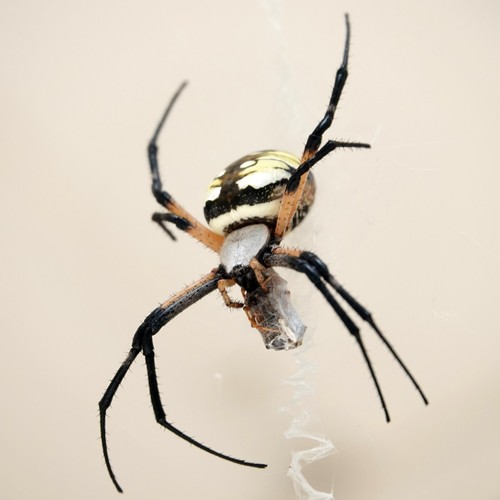
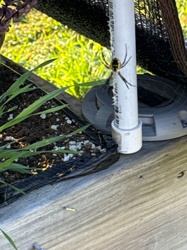
Yellow Garden Spider identified by the community
Real finds identified with Bug Identifier.

Other bugs you may enjoy
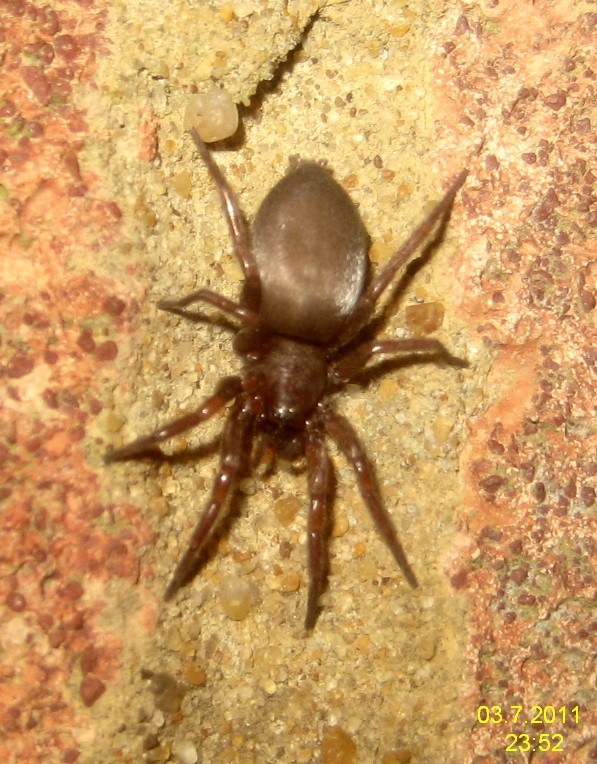
Woodlouse Spider
Damp leaf litter, under logs, stones, and mulch
Wolf Spider
Gardens, grasslands, forests, leaf litter, ground burrows
Wandering Spider
Tropical and subtropical forest floor, foliage, and banana plants
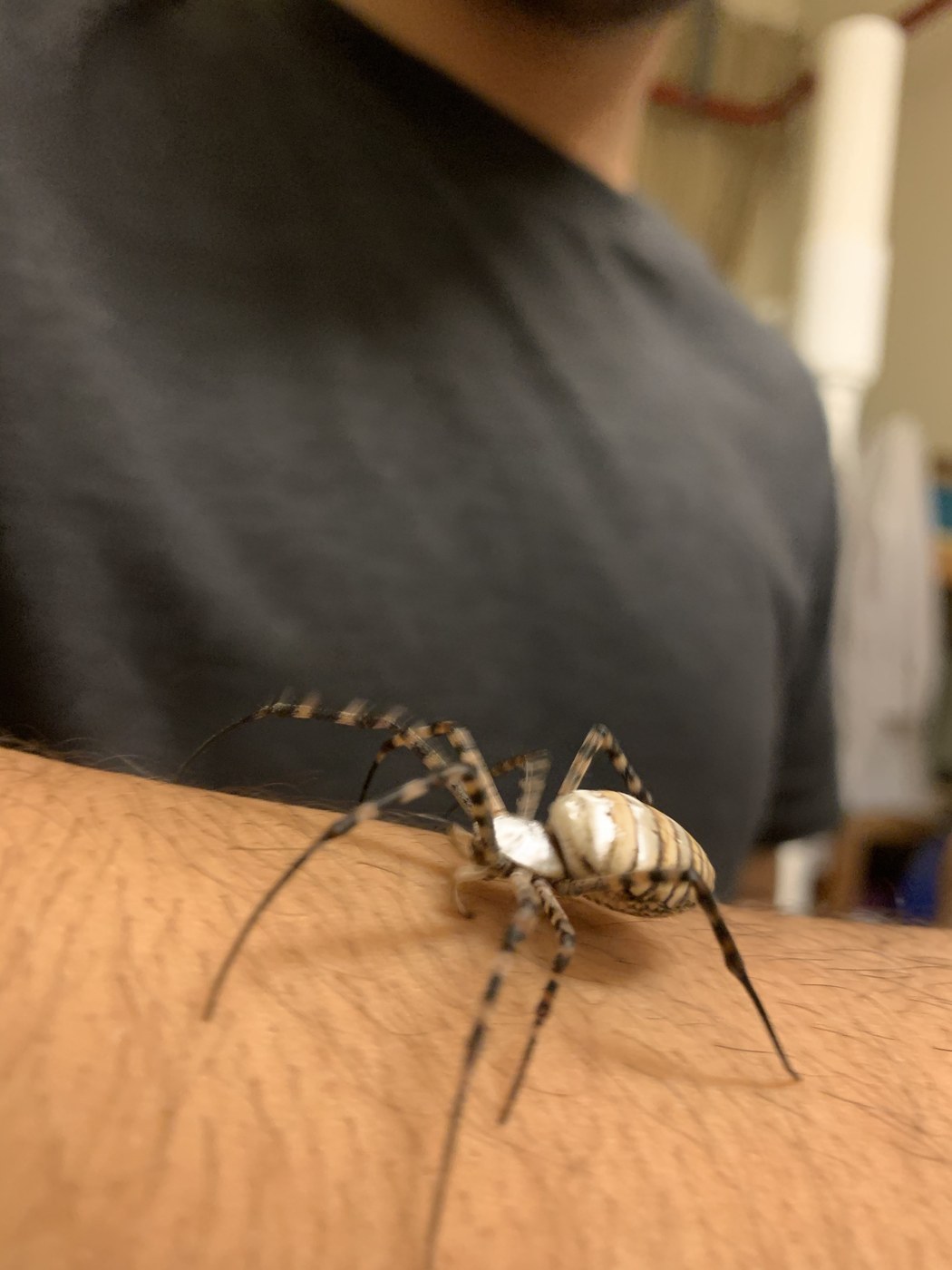
Banded Garden Spider
Tall grass, meadows, and gardens with open sunny vegetation
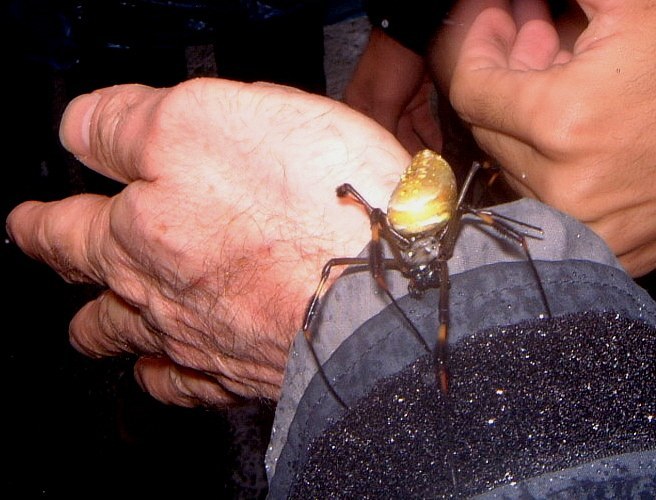
Banana Spider
Wooded trails, forest edges, and gardens across the southeastern U.S. and the American tropics
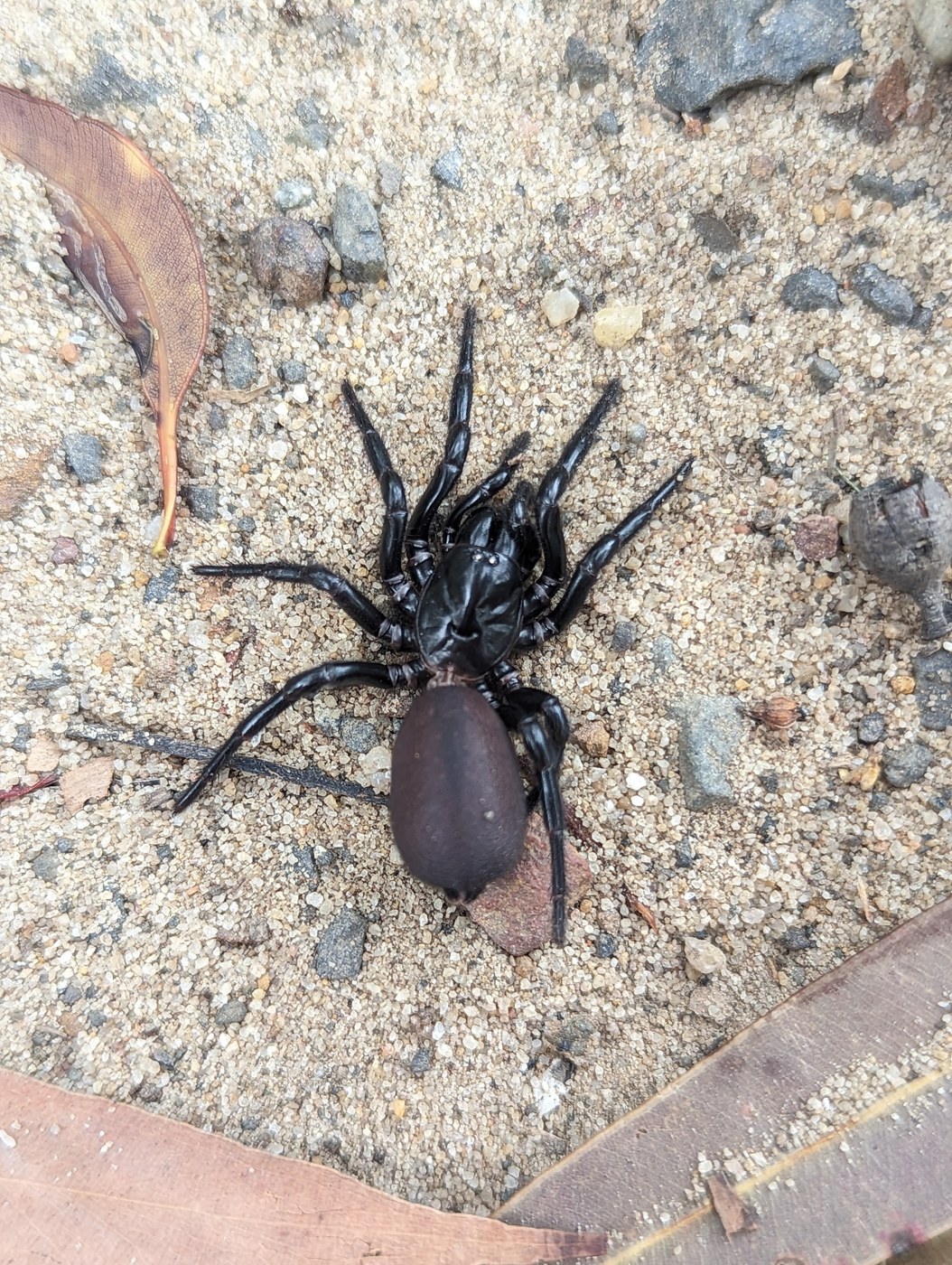
Sydney Funnel-web Spider
Burrows in moist soil, gardens, and forested gullies around the Sydney basin of eastern Australia
Trapdoor Spider
Self-dug silk-lined burrows with a camouflaged door, in dry, well-drained soil worldwide
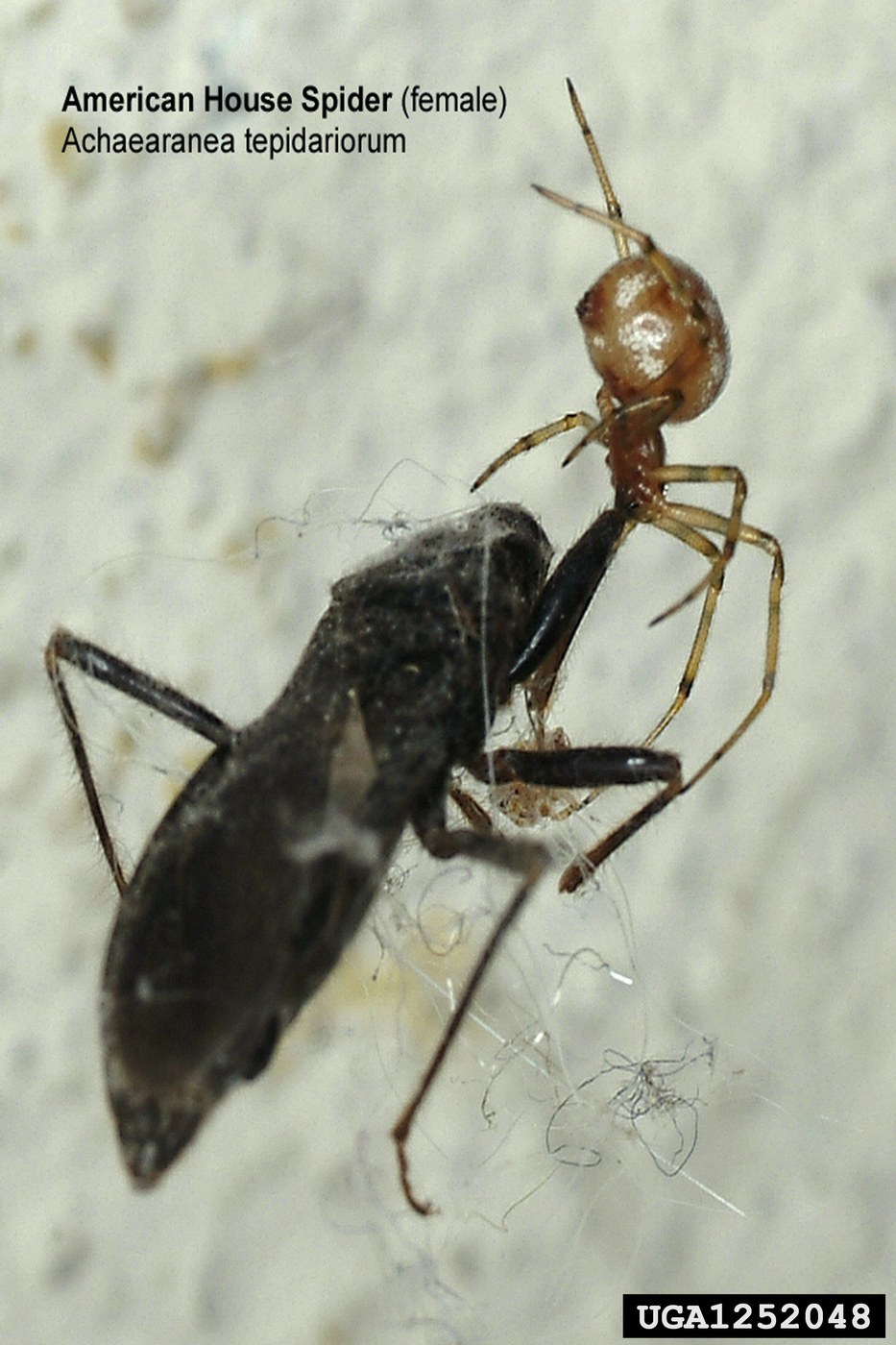
American House Spider
Corners, basements, garages, and outbuildings worldwide
Tube Web Spider
Wall crevices, bark, rockeries, and masonry
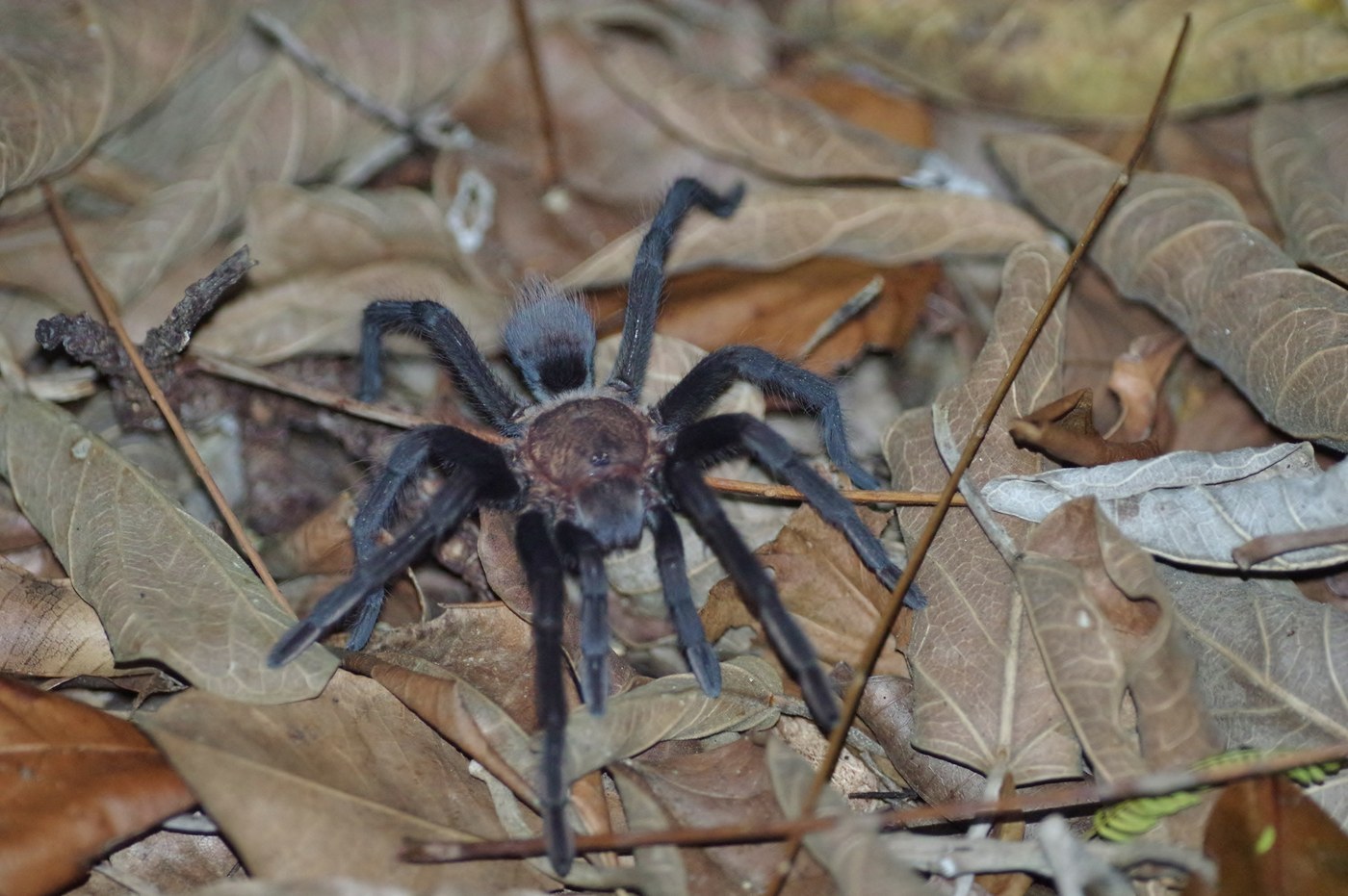
Tarantula
Burrows, rock crevices, and tree hollows in deserts, grasslands, and tropical forests worldwide
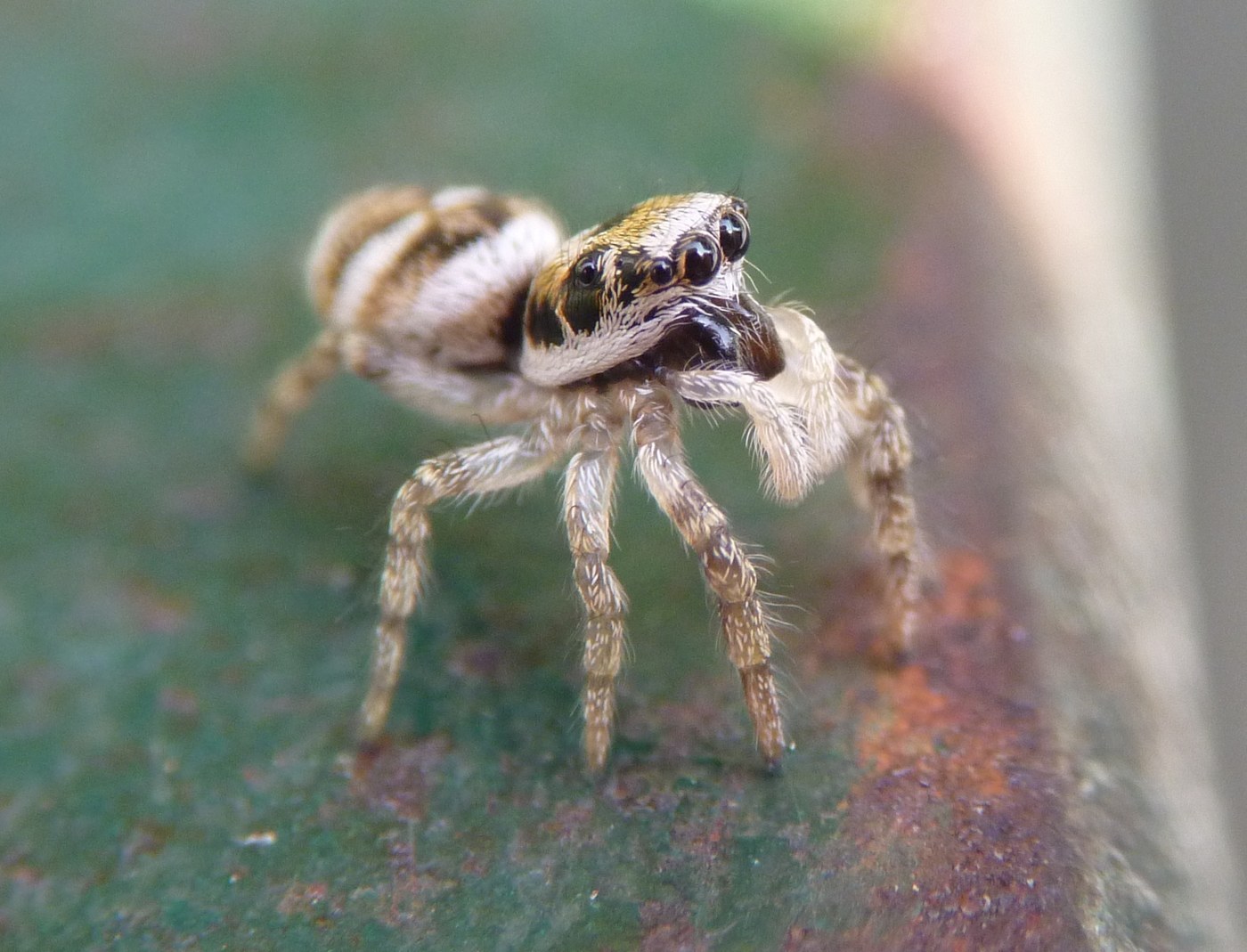
Zebra Jumping Spider
Sunny walls, fences, tree bark, and building exteriors
Wall Spider
Cracks and crevices on exterior and interior walls