
Bug Encyclopedia
Search and identify bugs & insects — beetles, butterflies, moths, ants, bees, spiders and more — with size, habitat, danger, behavior, and how to tell them apart.
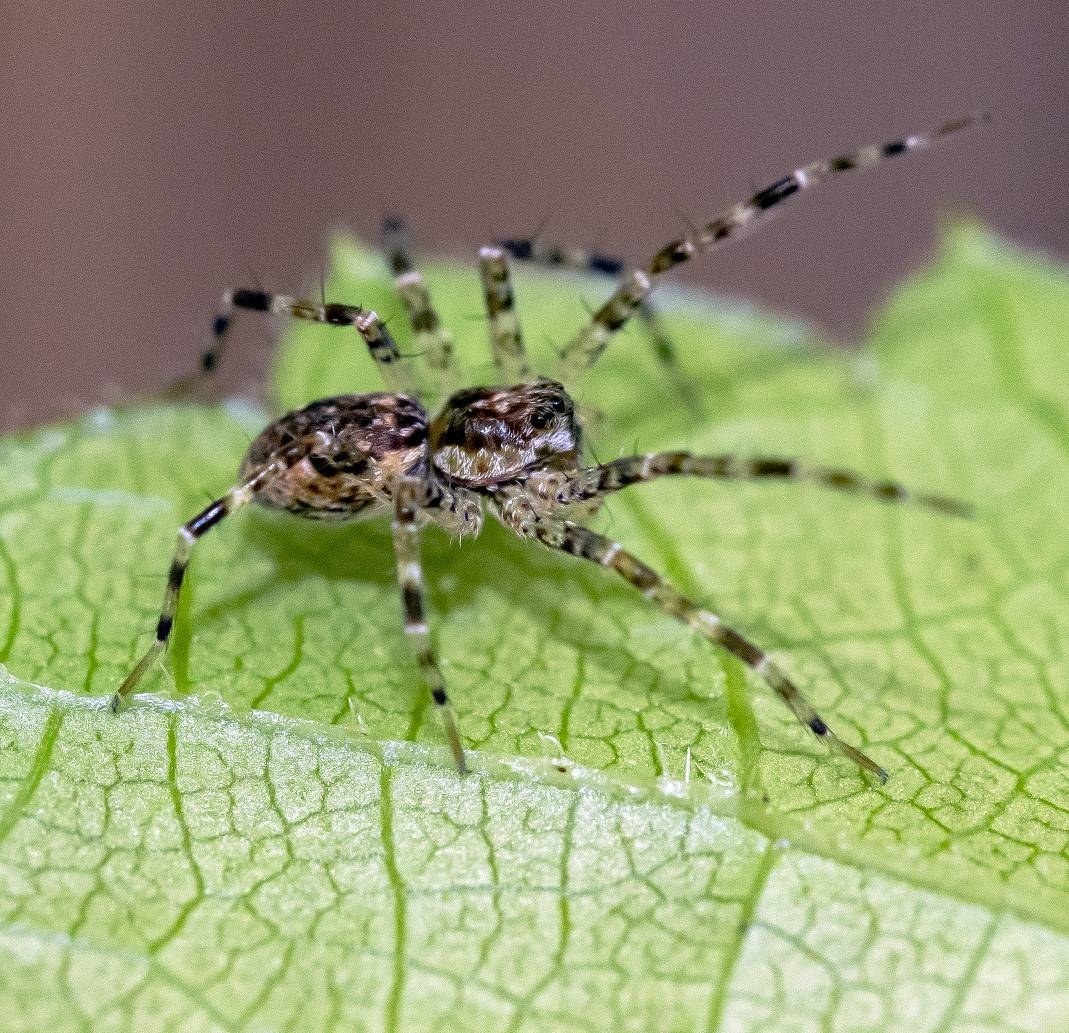
Fishing Spider
One of the largest spiders in North America, the fishing spider can walk on water, dive beneath the surface to escape danger, and ambush small fish and tadpoles with its front legs from the water's edge.
spider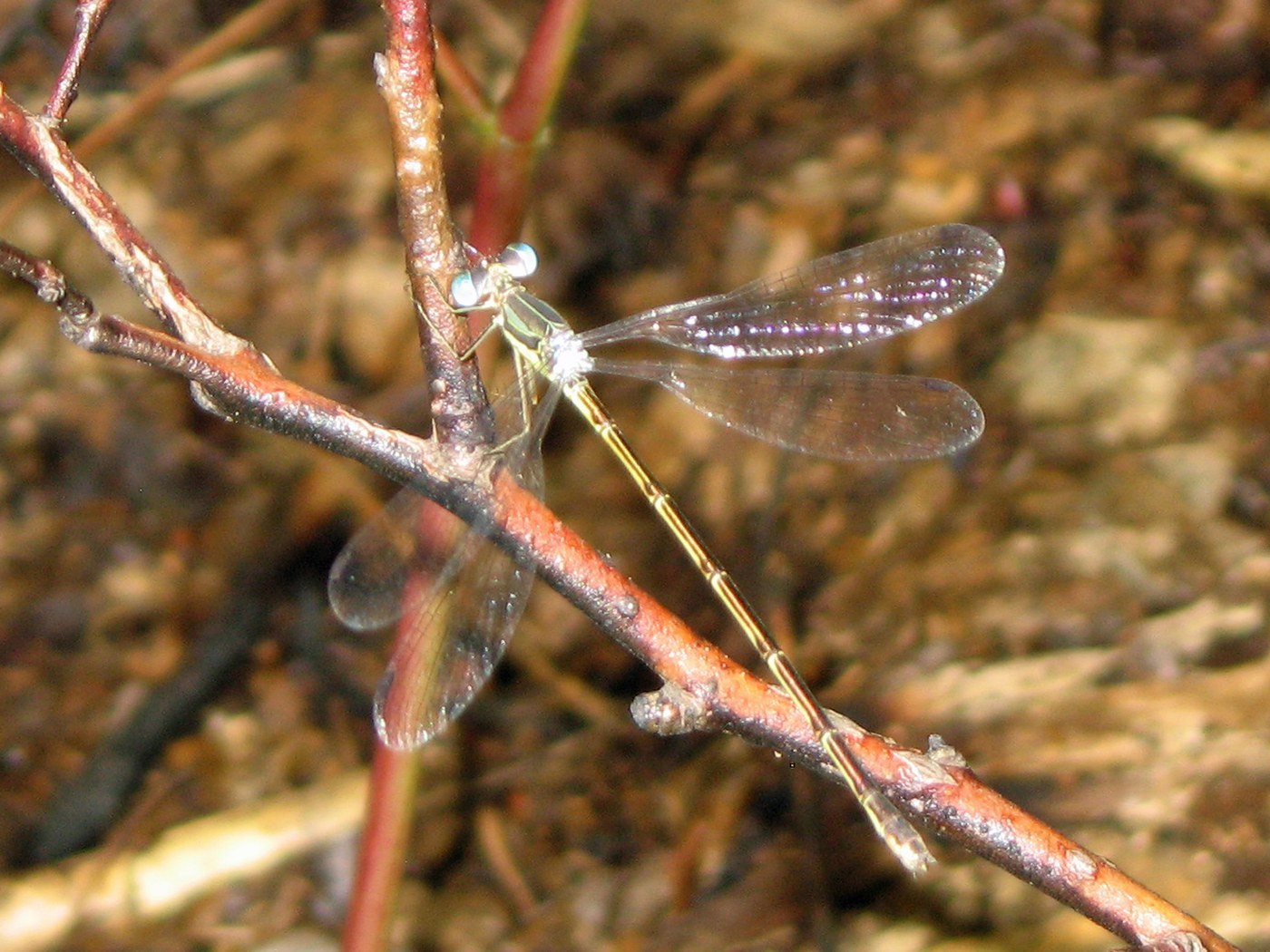
Common Spreadwing
True to its family name, the Common Spreadwing perches with its wings held out at an angle rather than folded together, setting it apart from most other damselflies.
dragonflyLanternfly (Spotted Lanternfly)
A strikingly patterned planthopper with grey, spotted forewings that flash to reveal crimson hindwings when it leaps, now notorious as an invasive agricultural pest far from its native range.
true-bug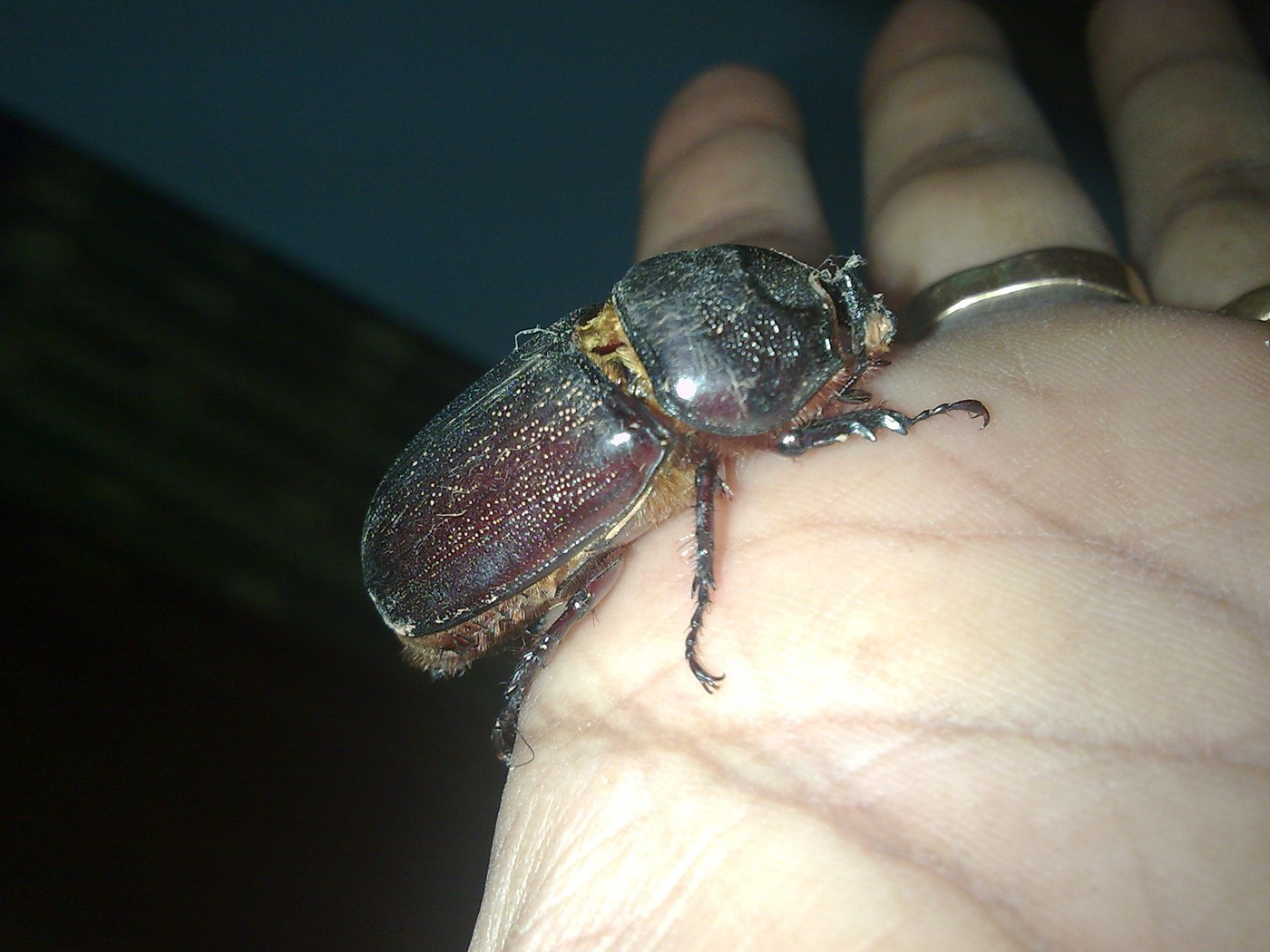
Rhinoceros Beetle
A massive, heavily armored beetle whose males sport a single large, curved horn projecting forward from the head, used to shove and flip rival males in contests of strength.
beetleFireflies (Lightning Bug)
A soft-bodied beetle that turns summer evenings magical by flashing rhythmic patterns of cold light from its abdomen to attract mates across meadows and forest edges.
beetle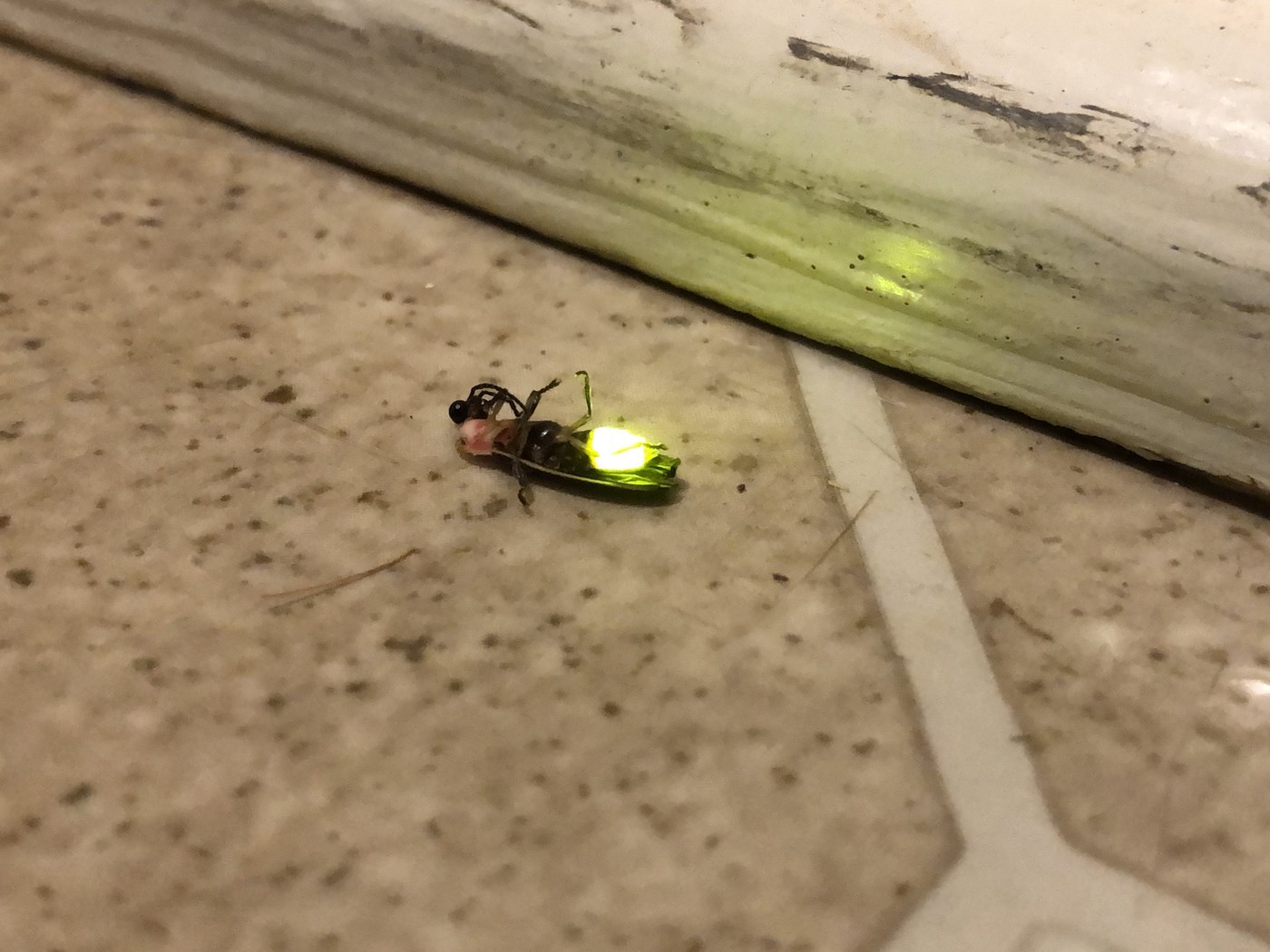
Firefly Beetle
A soft-bodied, dark beetle famous for producing rhythmic flashes of light from its abdomen at dusk, using bioluminescence to attract mates on warm summer evenings.
beetle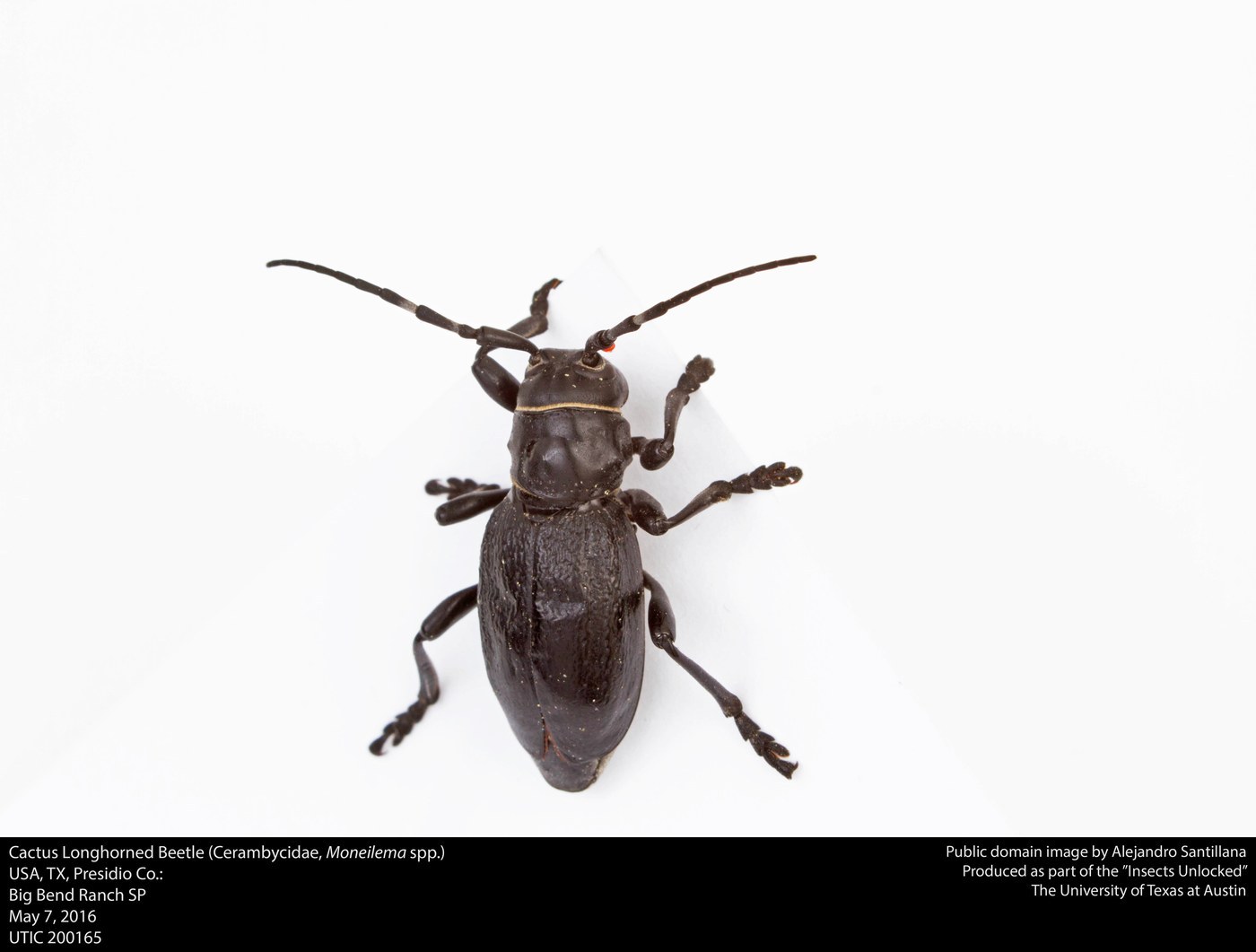
Longhorn Beetle
A beetle instantly recognizable by antennae often longer than its own body, ranging from small woodland species to large, dramatically patterned tropical and temperate forms.
beetle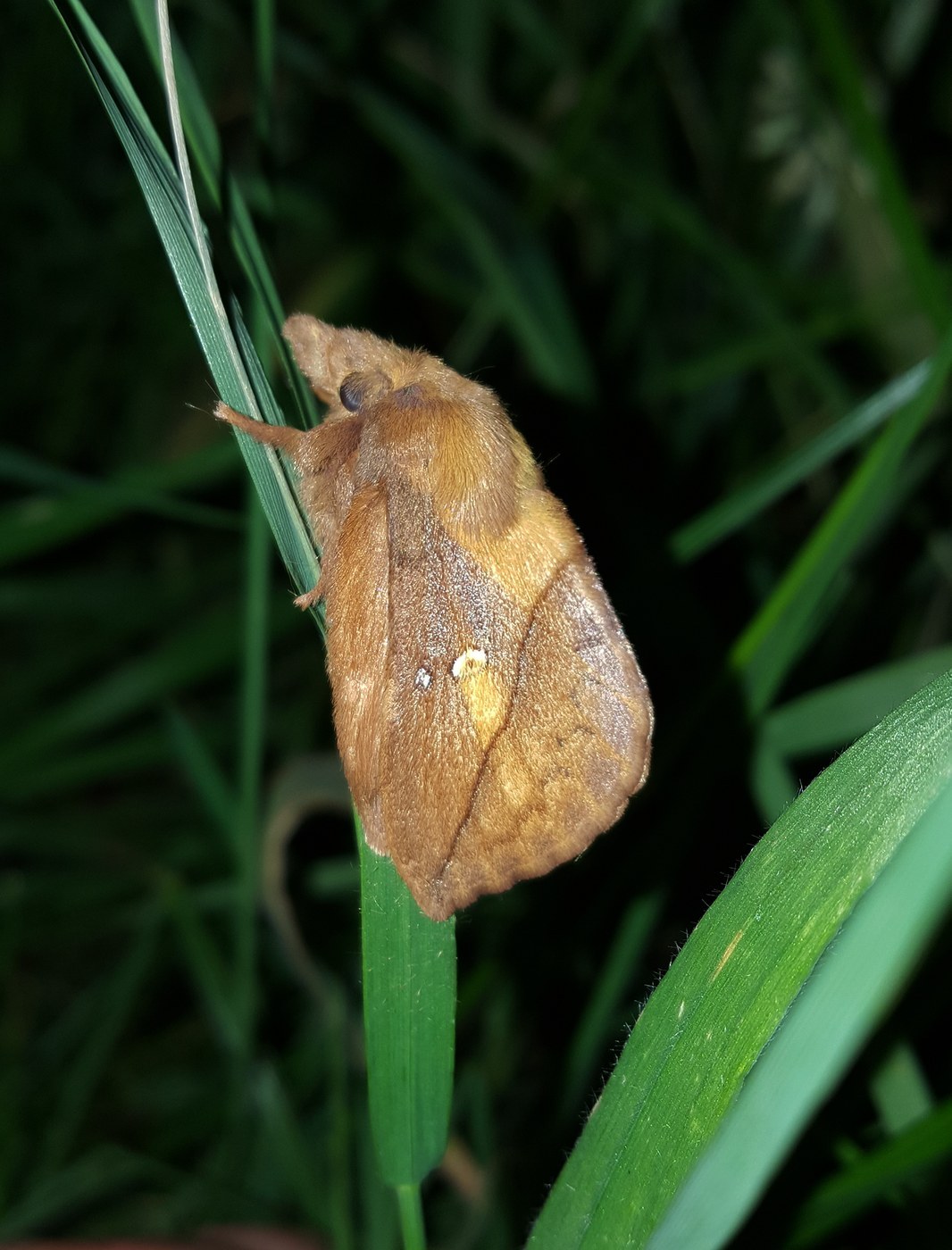
Drinker Moth
A stout, furry moth with warm tawny-orange to buff-brown wings marked by two small white spots on each forewing, named for its caterpillar's habit of drinking water droplets from grass blades.
mothAmerican Dagger Moth Caterpillar
A pale, sulfur-yellow to cream fuzzball bristling with dense tufts of hair and long black 'pencils' projecting from both ends, the American dagger moth caterpillar is one of the most recognizable hairy caterpillars on hardwood trees in fall.
caterpillar-larva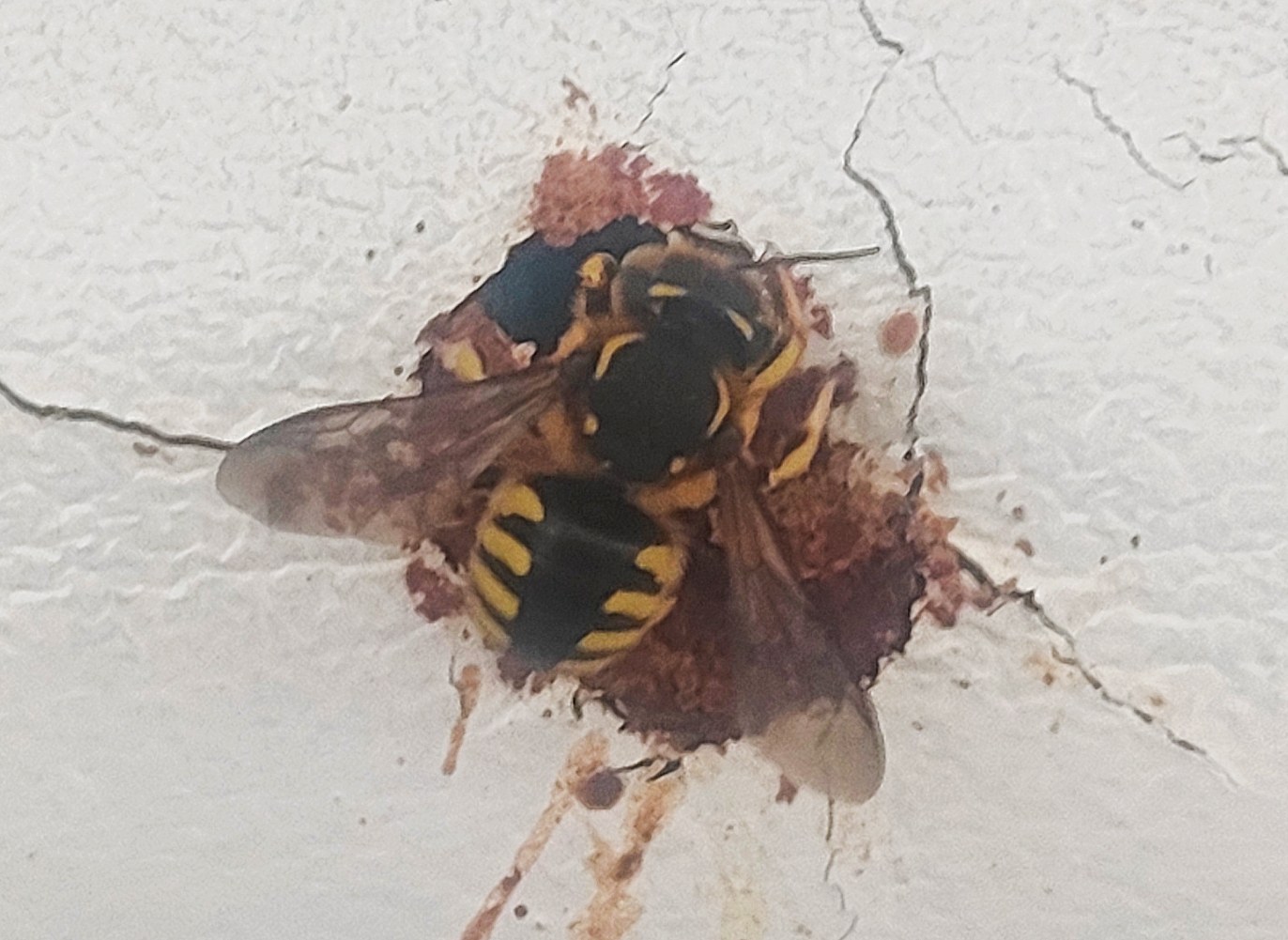
Wool Carder Bee
A stocky, yellow-and-black solitary bee named for its habit of scraping soft plant fibers from fuzzy leaves to line its nest, with territorial males that aggressively patrol and defend flower patches.
bee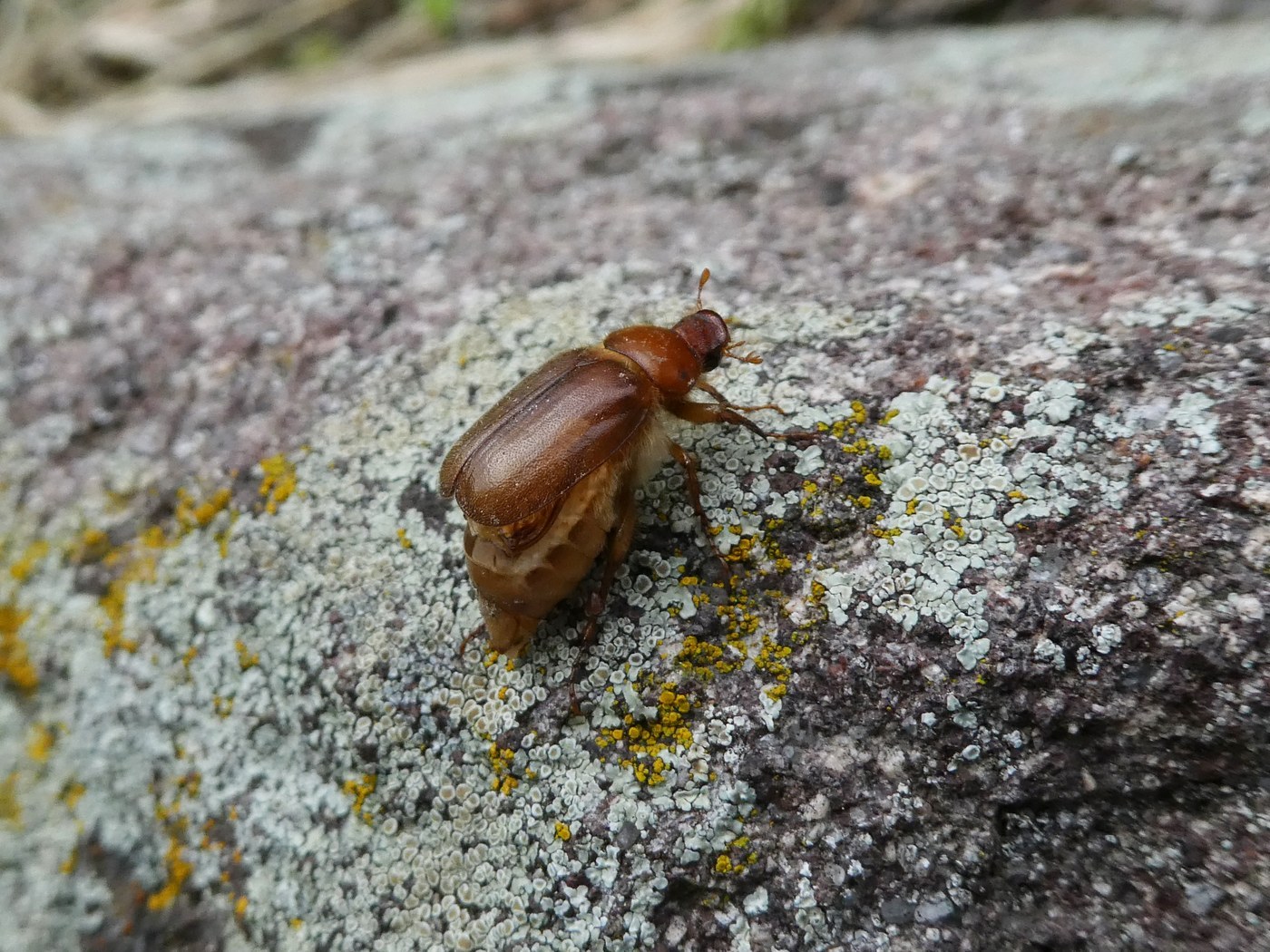
Scarab Beetle
A broad, often glossy beetle family recognized by its distinctive fan-like clubbed antennae, ranging from tiny dung-rollers to massive horned giants, found on every continent except Antarctica.
beetle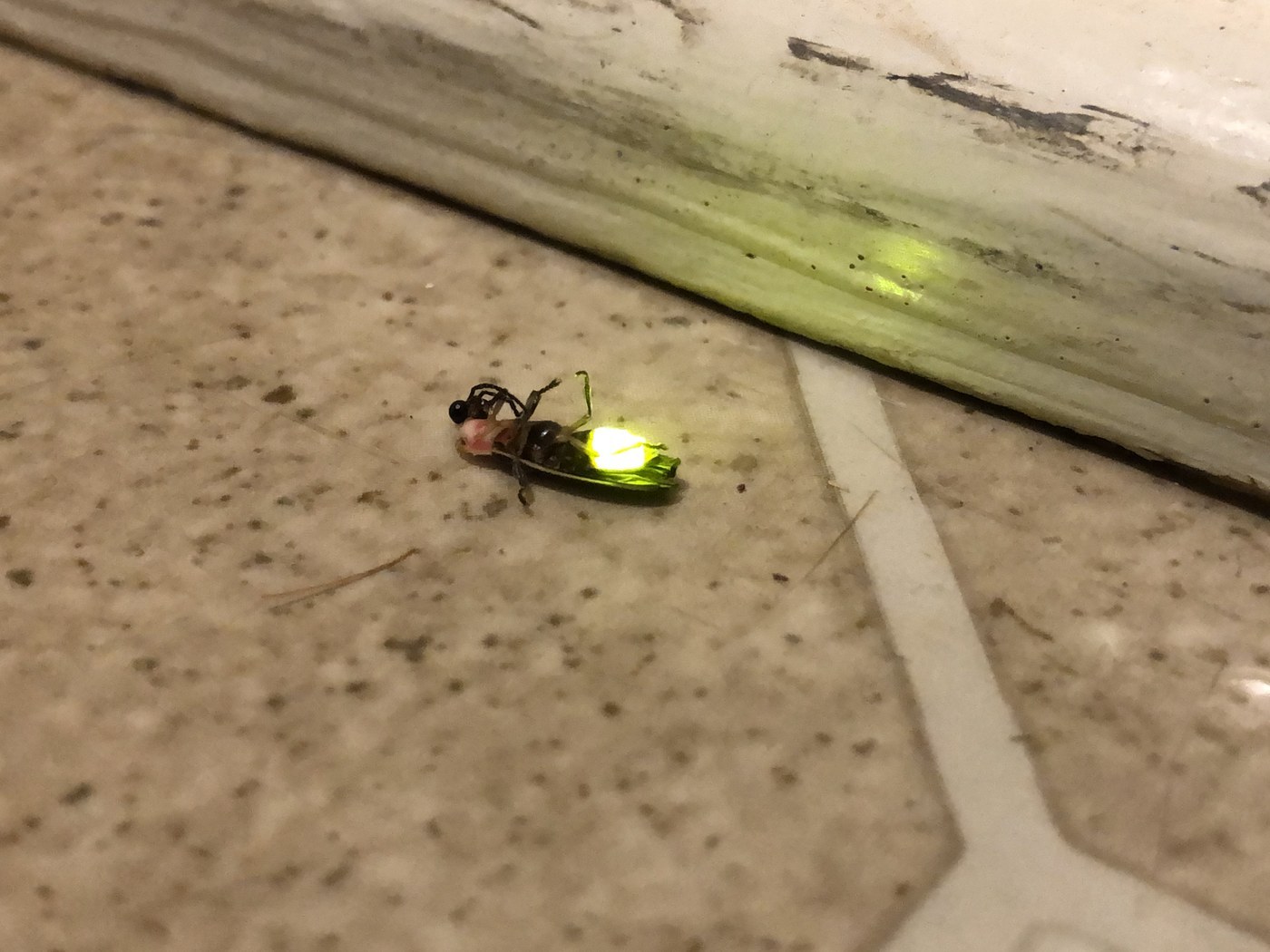
Fireflies
A soft-bodied beetle famous for producing rhythmic, glowing flashes of light from its abdomen at dusk, used to signal and attract mates across meadows and gardens on warm summer evenings.
beetle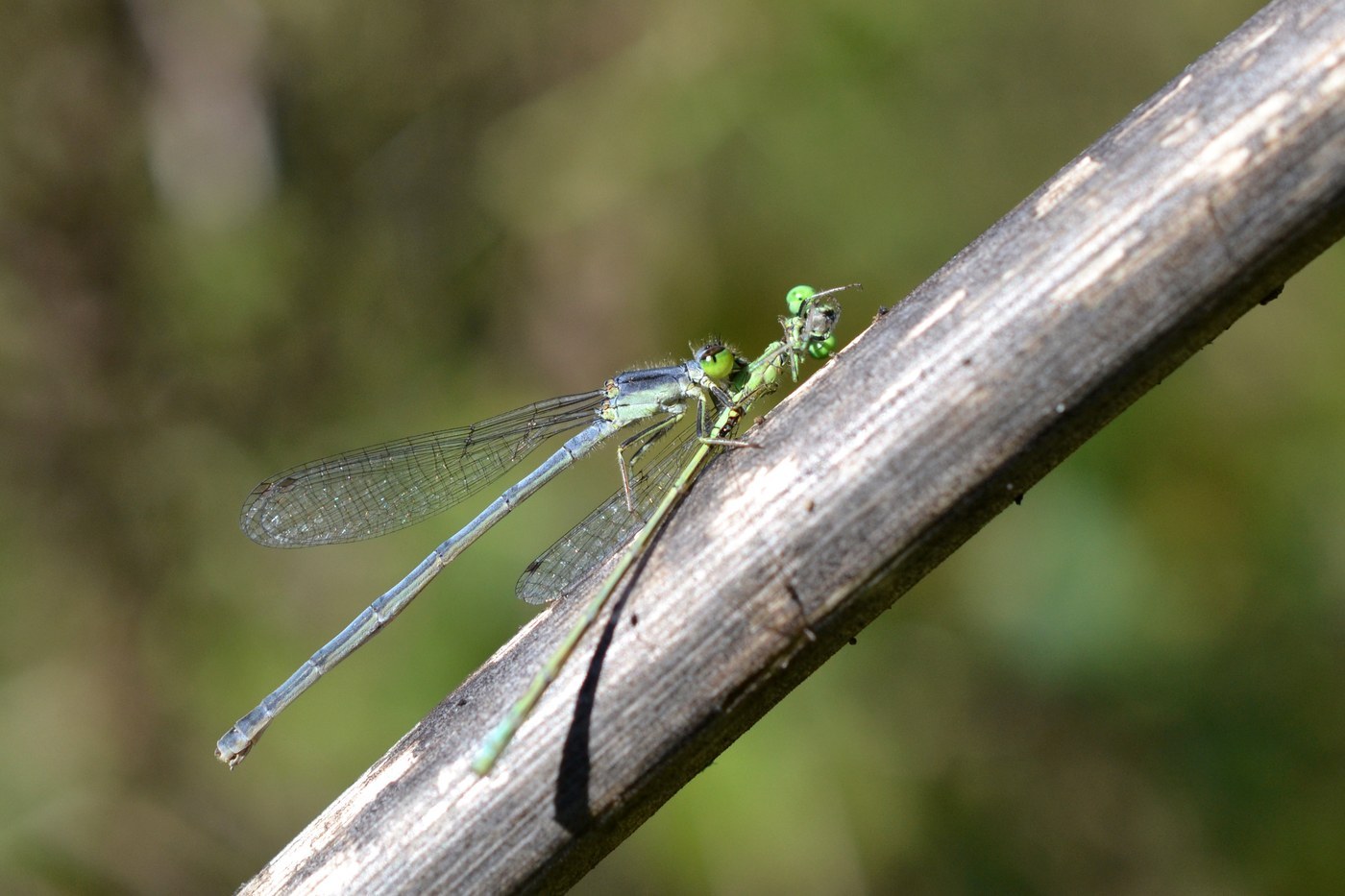
Eastern Forktail
One of the smallest and most adaptable damselflies in eastern North America, the Eastern Forktail thrives in everything from wild marshes to roadside ditches, with bright green-and-black males and color-changing females.
otherBombardier Beetle
A dark, quick-moving ground beetle famous for firing a hot, audible chemical spray from its abdomen when disturbed, using two-tone coloring of a reddish head and thorax against blue-black wing covers as a warning signal.
beetleScabies Mite
A microscopic, eyeless mite that spends its entire life cycle burrowed within the outer layer of a mammal's skin, among the smallest arachnids known to science. Unlike free-living mites, it has no independent existence away from a host and is studied primarily through microscopic examination rather than direct observation.
arachnid