
Bombardier Beetle
Brachinus spp.
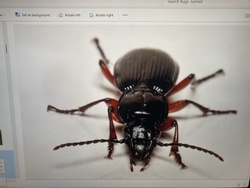
A dark, quick-moving ground beetle famous for firing a hot, audible chemical spray from its abdomen when disturbed, using two-tone coloring of a reddish head and thorax against blue-black wing covers as a warning signal.
- Size
- 8–15 mm
- Habitat
- Under stones, logs, and leaf litter in moist soil near water
- Danger
- Harmless
Spotted a bug like this?
Identify any bug or insect from a photo, free.
Overview
The bombardier beetle is a member of the ground beetle family (Carabidae), placed in the subfamily Brachininae. It is best known not for its appearance but for a remarkable chemical defense mechanism that has made it one of the most studied insects in the animal kingdom.
Like other ground beetles, it is a fast, low-slung predator that spends most of its life on or under the soil surface. What sets it apart is a pair of internal glands at the tip of the abdomen that mix reactive chemical precursors on demand, producing a defensive spray that is ejected with an audible pop.
Bombardier beetles are found on most continents, with dozens of Brachinus species recognized across North America, Europe, Asia, and Africa. They are a favorite subject in discussions of insect chemical ecology because of the sheer speed and precision of their defense.
How to Identify
- Elongated, somewhat flattened ground-beetle body typical of Carabidae, with long thread-like antennae and long running legs.
- Head, pronotum (the plate behind the head), and legs are reddish-orange to tan, contrasting sharply with dark metallic blue-black or greenish-black elytra (wing covers).
- Elytra often show faint longitudinal grooves.
- Lookalikes: other ground beetles lack the two-tone reddish/dark color split and the characteristic rapid-fire clicking spray when handled.
Habitat & Range
Bombardier beetles favor damp microhabitats — under flat stones, logs, bark, and leaf litter — usually within reach of streams, ponds, or other moist ground. They are found worldwide in temperate and tropical regions, with many species concentrated in North America and the Mediterranean. They are most active at night and tend to hide by day, emerging to hunt after dark or when their cover is disturbed.
Behavior & Diet
This beetle is a nocturnal predator and scavenger, feeding on small soft-bodied invertebrates and organic debris it finds among ground litter. Its defining behavior is its defense: specialized glands store hydroquinone compounds and hydrogen peroxide separately, and when threatened the beetle combines them in a reaction chamber where enzymes trigger a fast exothermic reaction, ejecting a hot chemical spray in rapid pulses aimed with a rotating abdominal tip. The beetle can redirect this spray toward an attacker from almost any angle and fire it repeatedly in quick succession.
Life Cycle
Bombardier beetles undergo complete metamorphosis: egg, larva, pupa, and adult. Females lay eggs in soil or moist litter, and the predatory larvae develop through several instars while hunting or scavenging small prey in the same ground habitats as adults. After pupating in the soil, adults emerge to continue the cycle, typically with one generation produced per year in temperate climates, with adults overwintering under cover until conditions warm.
Frequently asked questions
Why is it called a bombardier beetle?
The name refers to its defensive spray, which is expelled with an audible popping sound reminiscent of a small explosion.
What color is a bombardier beetle?
Most species show a reddish-orange head, thorax, and legs contrasting with dark blue-black or greenish elytra.
Where would I find one?
Look under stones, logs, and leaf litter in damp soil near streams or ponds, usually after dark.
Is it the same as other ground beetles?
It belongs to the same family (Carabidae) as many common ground beetles, but is distinguished by its two-tone coloring and rapid defensive spray.
Bombardier Beetle guides
In-depth guides for identifying, understanding, and living alongside Bombardier Beetle.
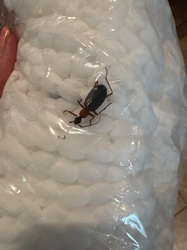
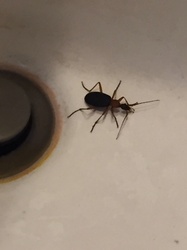
Bombardier Beetle identified by the community
Real finds identified with Bug Identifier.
Other bugs you may enjoy
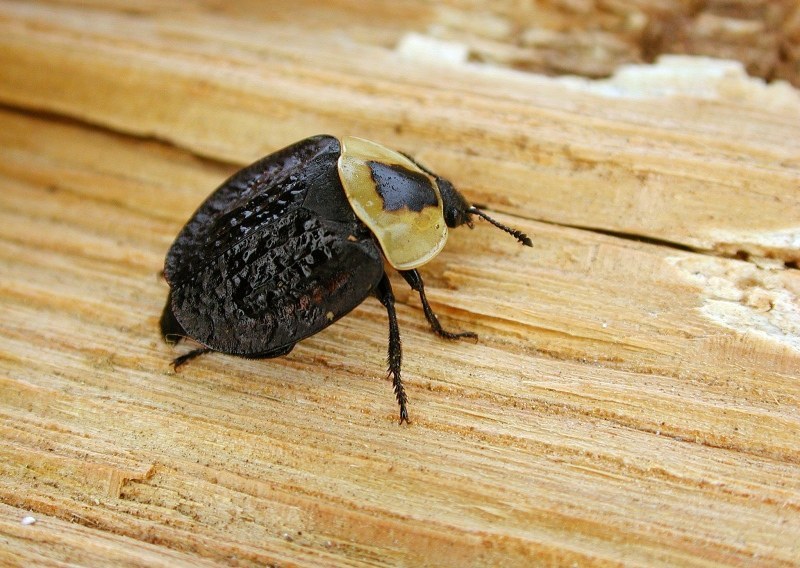
American Carrion Beetle
Forests, fields, and roadsides across North America, near decaying animal carcasses
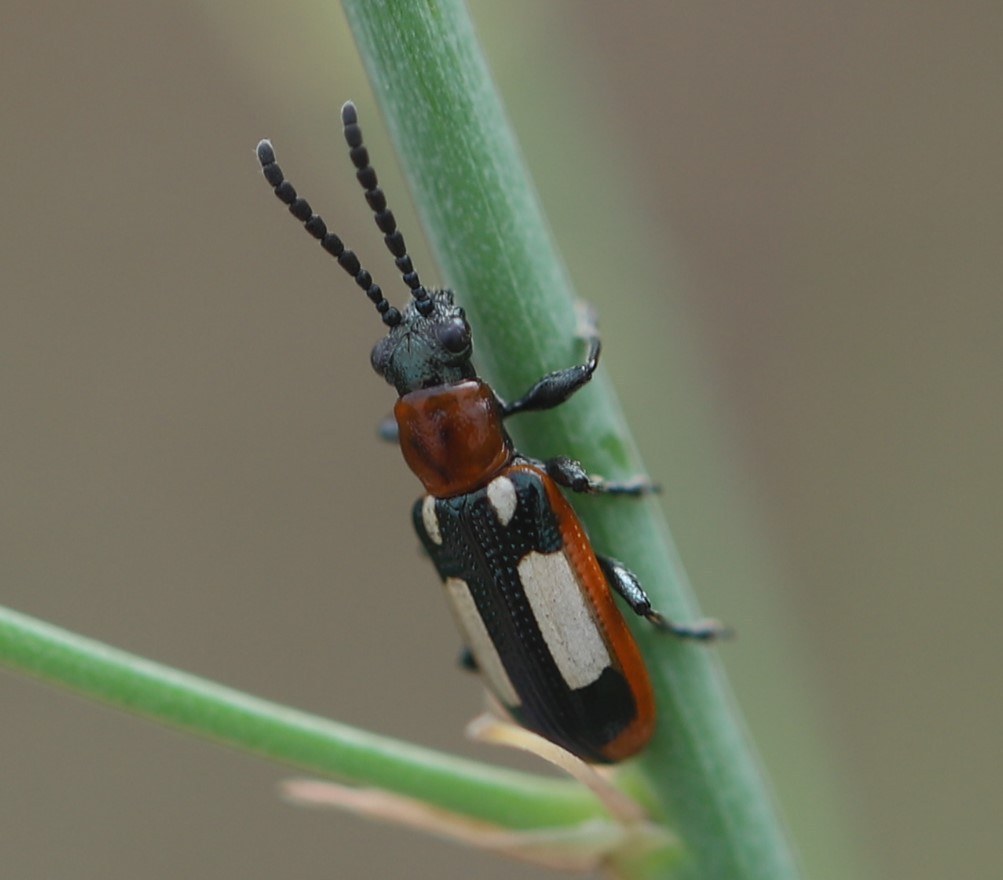
Asparagus Beetle
Asparagus patches, gardens, and farm fields
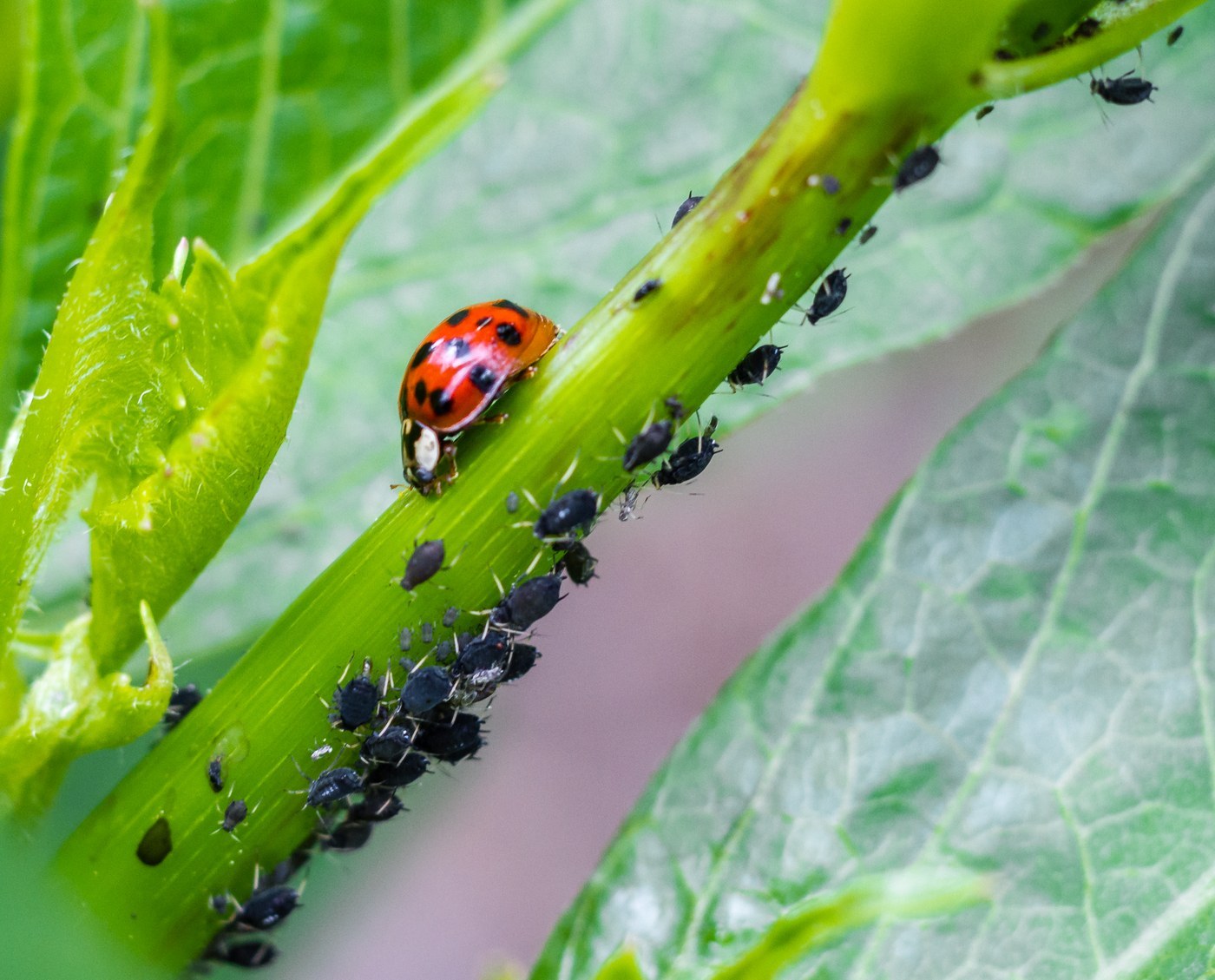
Asian Lady Beetle
Gardens, crop fields, woodlands, buildings
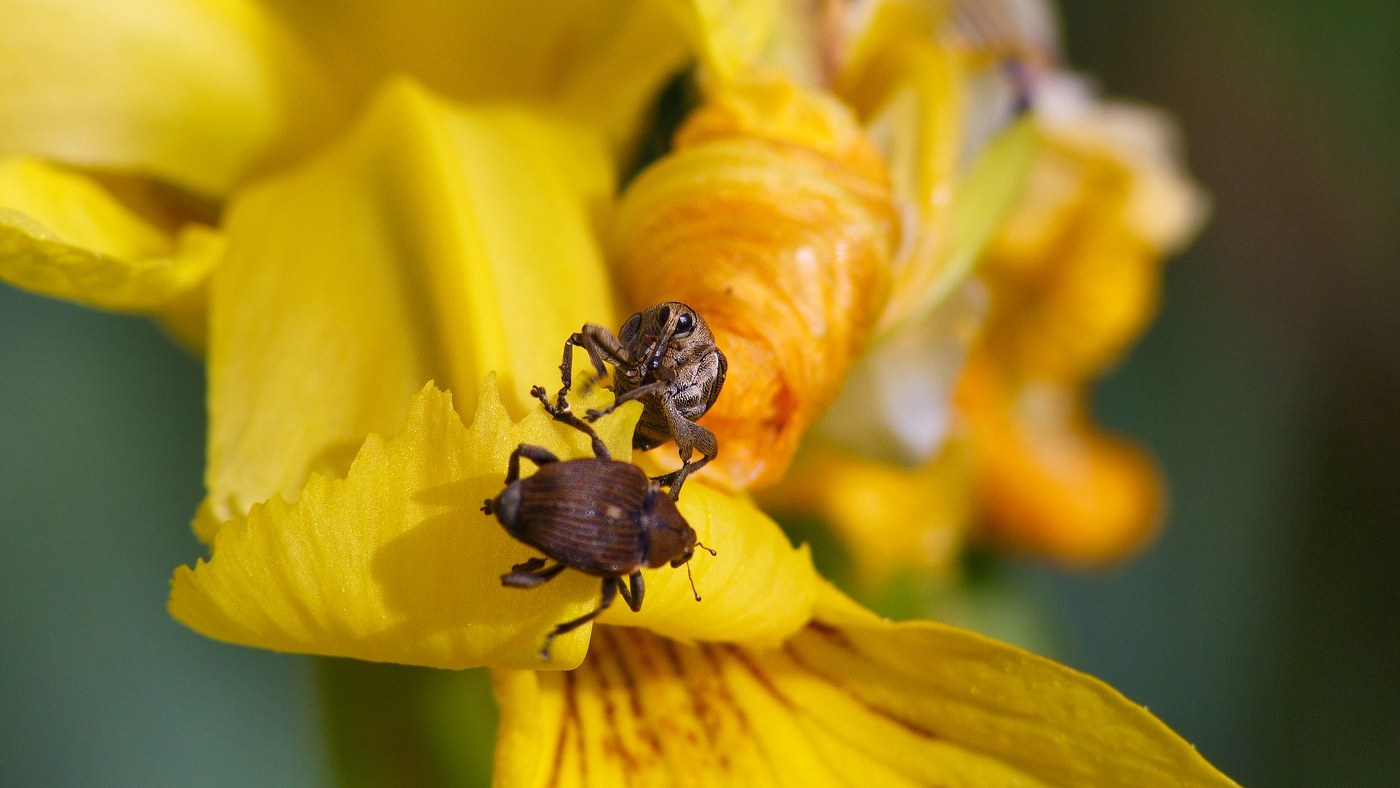
Acorn Weevil
Oak woodlands and forests, on and beneath oak trees
Wireworm
Soil of grasslands, gardens, and cultivated fields worldwide
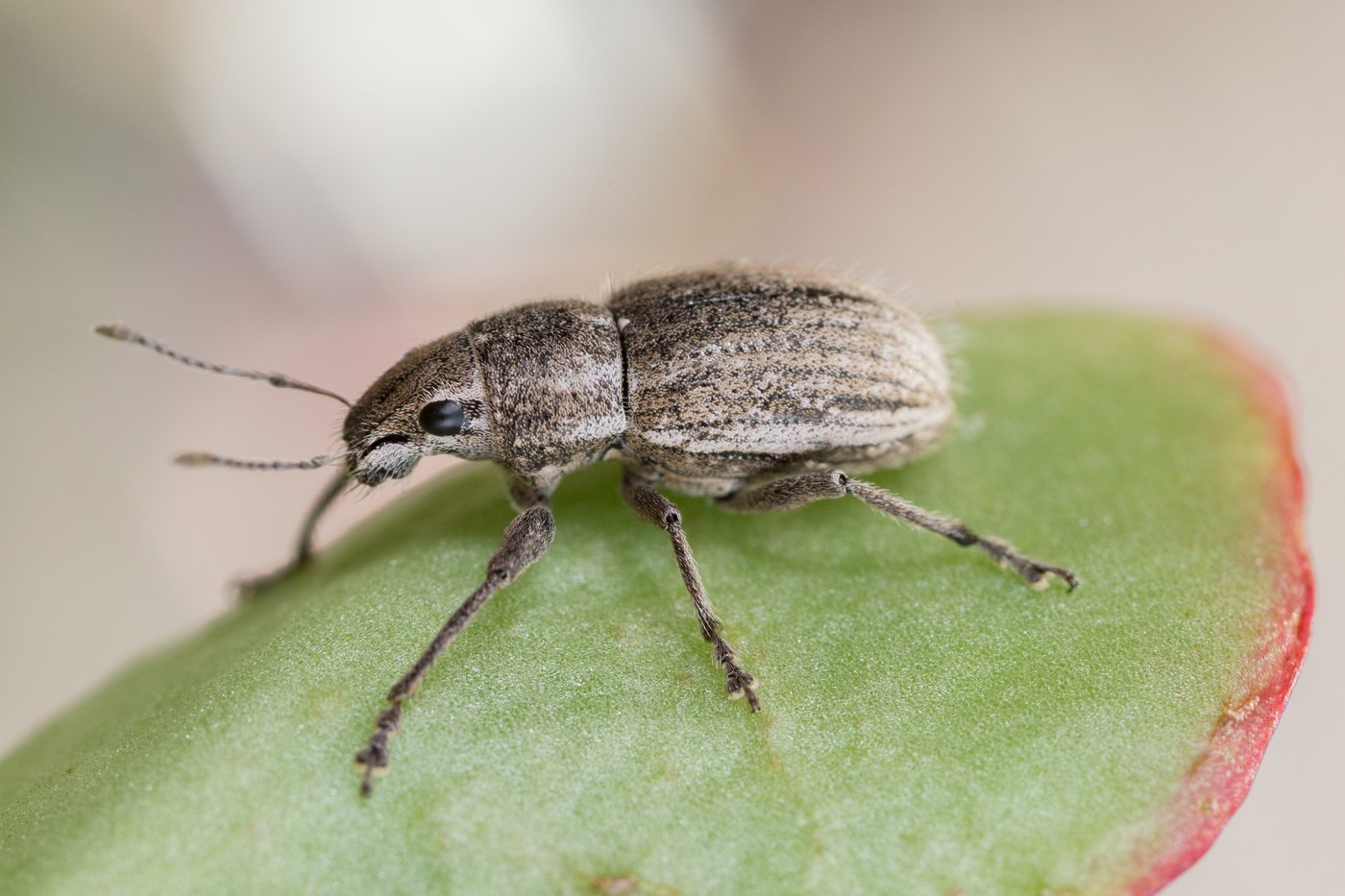
Whitefringed Beetle
Pastures, row crops, lawns, disturbed soils
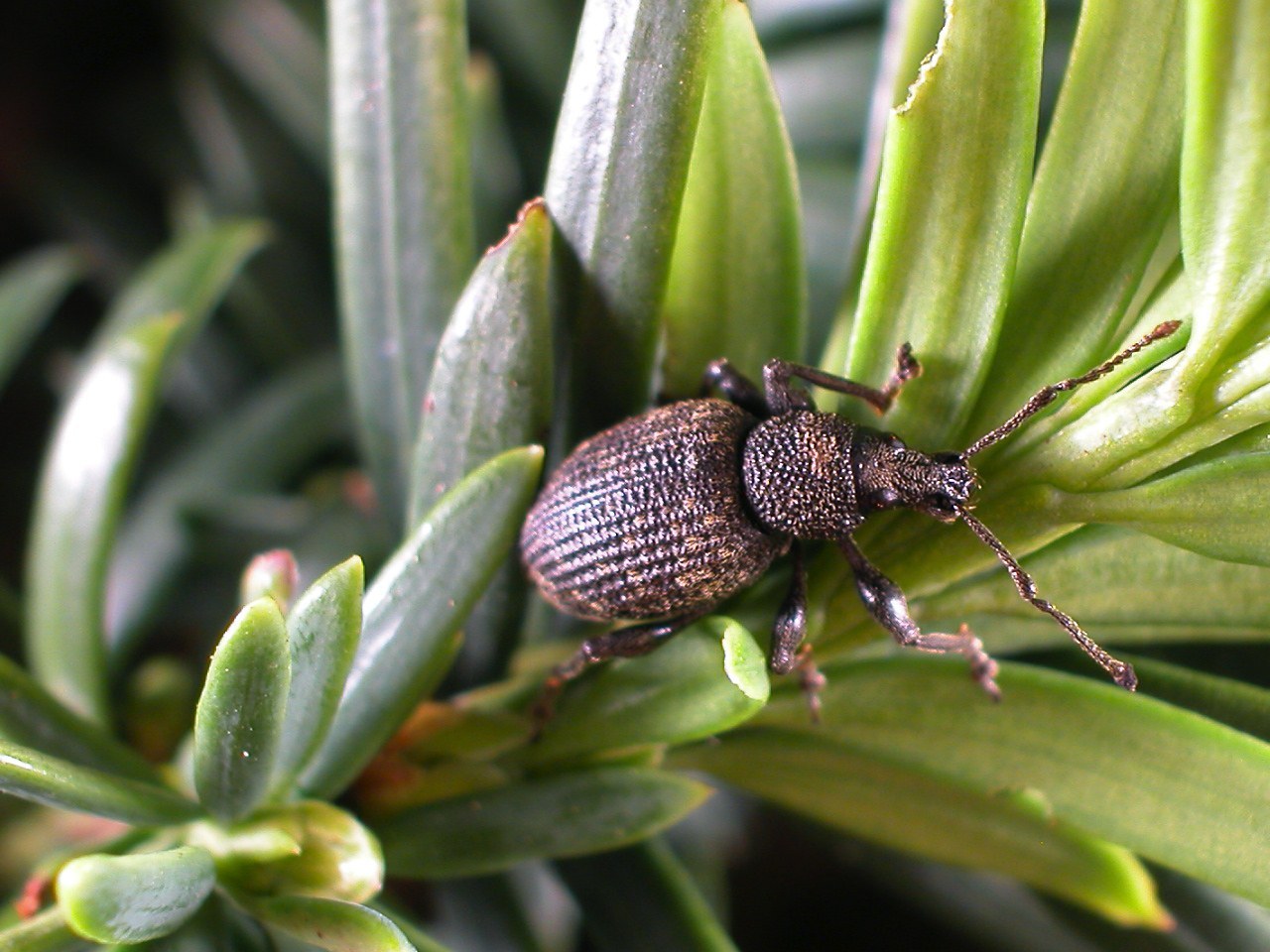
Vine Weevil
Gardens, nurseries, greenhouses, and container plantings
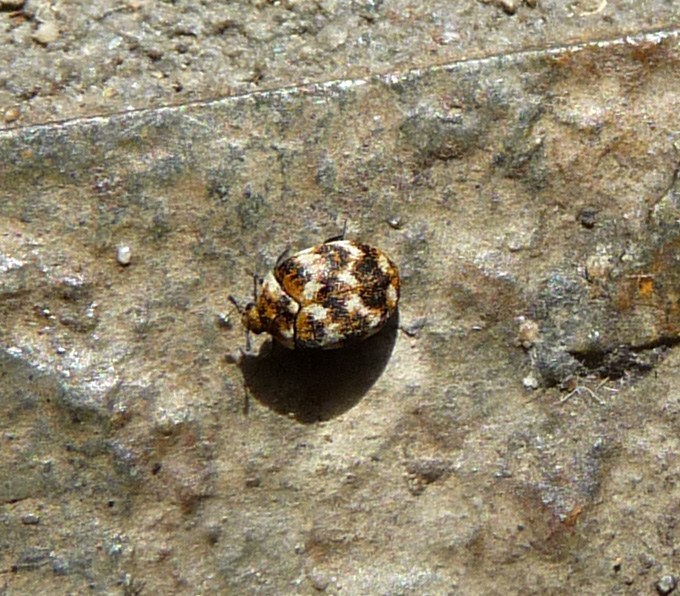
Varied Carpet Beetle
Homes, nests of birds and mammals, and flowers outdoors
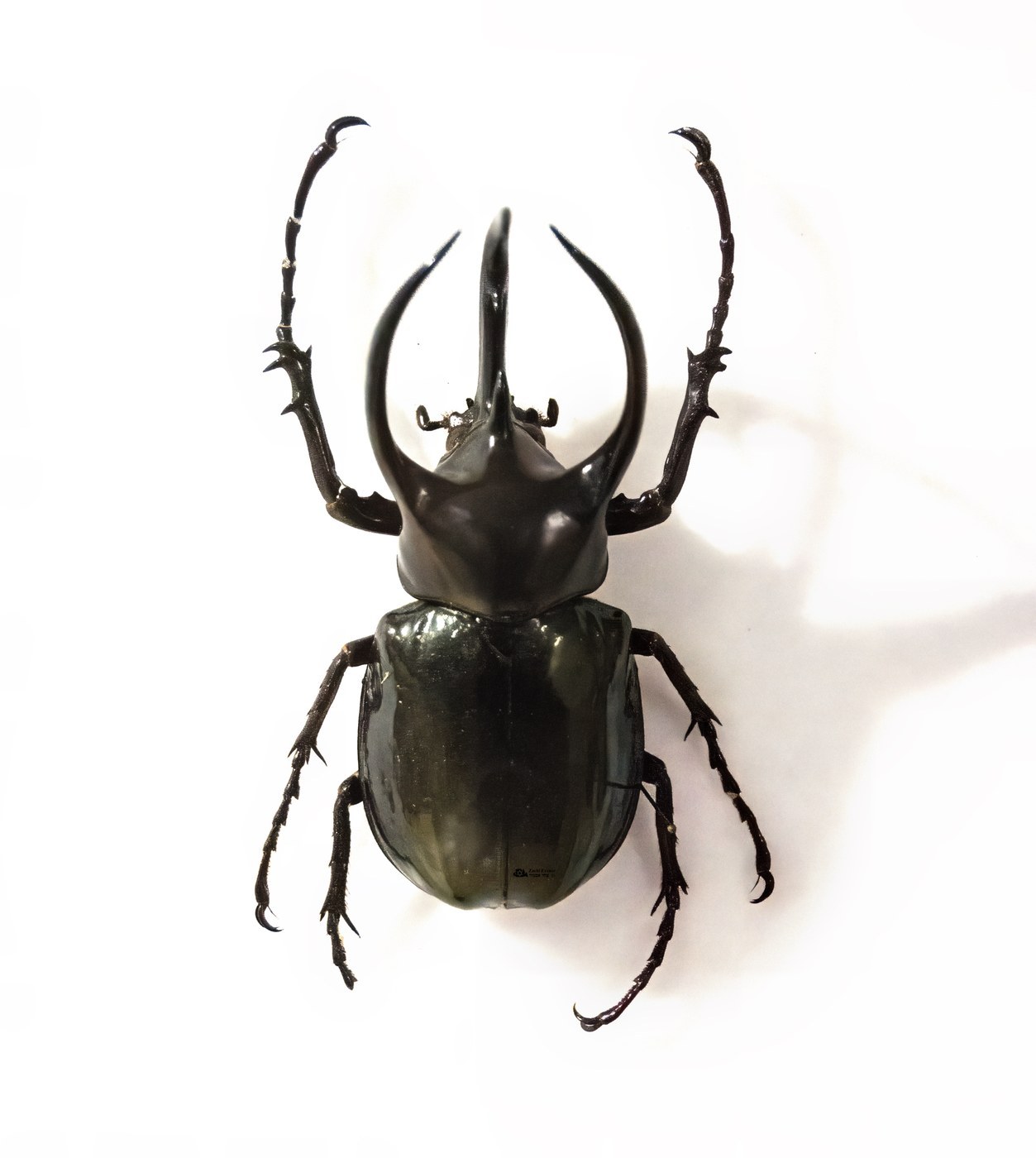
Atlas Beetle
Tropical forests of Southeast Asia
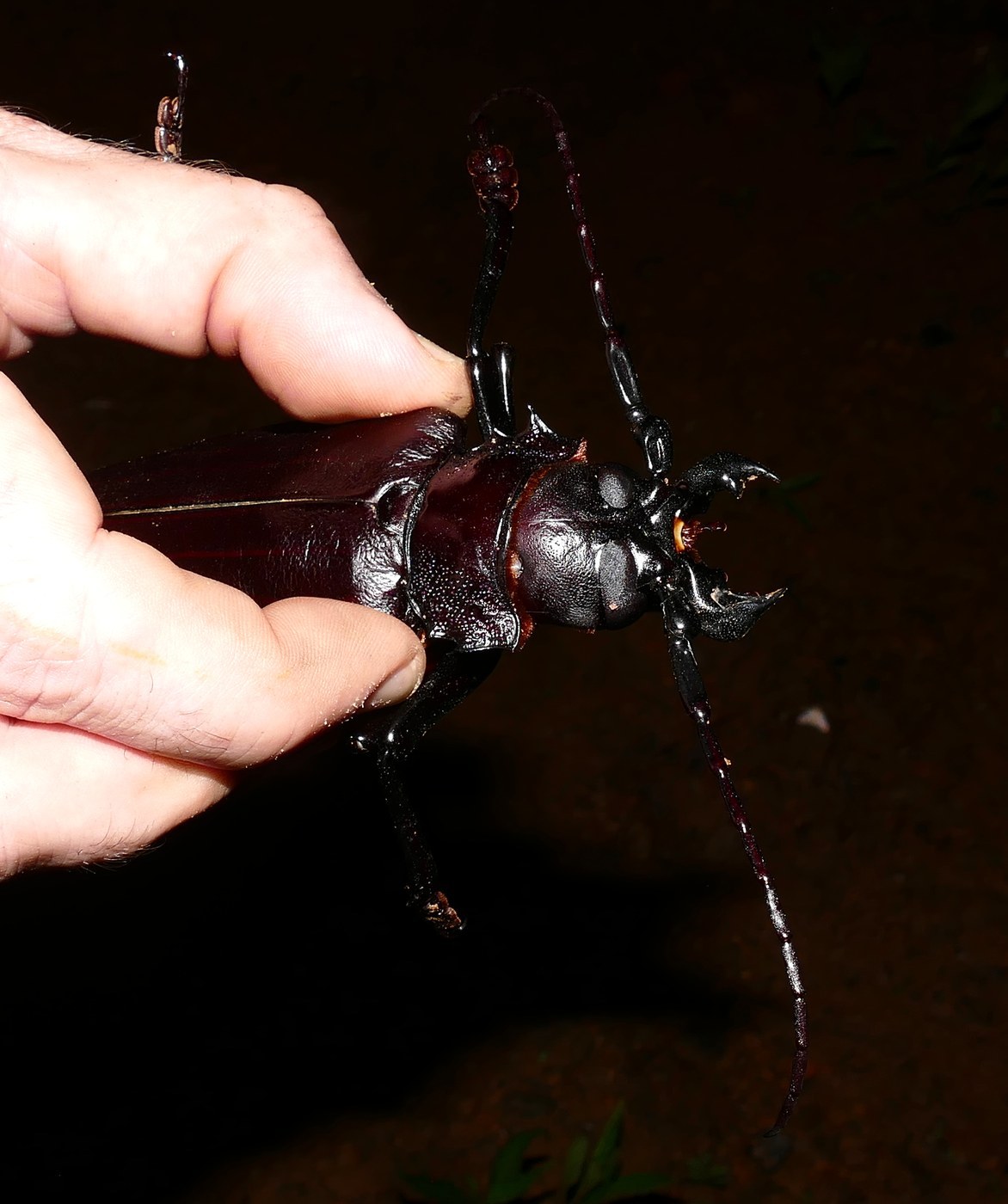
Titan Beetle
Amazon rainforest of South America
Ten-lined June Beetle
Sandy soils, pine forests, and orchards of western North America
Squash Beetle
Vegetable gardens and fields growing squash, pumpkin, and other cucurbits