
American Dagger Moth Caterpillar
Acronicta americana
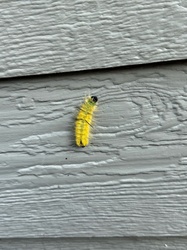
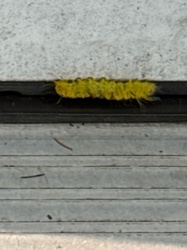
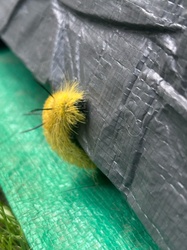
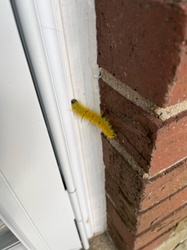
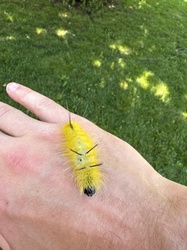
A pale, sulfur-yellow to cream fuzzball bristling with dense tufts of hair and long black 'pencils' projecting from both ends, the American dagger moth caterpillar is one of the most recognizable hairy caterpillars on hardwood trees in fall.
- Size
- Up to 5 cm (2 in) long
- Habitat
- Deciduous forests, woodlots, and shade trees across eastern North America
- Danger
- Mildly venomous
Spotted a bug like this?
Identify any bug or insect from a photo, free.
Overview
The American dagger moth caterpillar is the larval stage of Acronicta americana, a night-flying moth in the family Noctuidae found throughout much of the eastern and central United States and southeastern Canada. Its thick coat of yellow-white setae (hairs) gives it a soft, almost toy-like appearance, but the long black hair pencils projecting from the front and rear of the body set it apart from most other hairy caterpillars.
This species is most often noticed in late summer and early autumn, when full-grown larvae leave their host trees in search of a sheltered spot to spin a cocoon. Because they wander across sidewalks, patios, and tree trunks during this dispersal phase, they are one of the more commonly photographed caterpillars of the season.
Despite the conspicuous hair pencils, the caterpillar itself plays a modest ecological role as a folivore of deciduous trees, and its presence rarely causes lasting harm to a healthy, well-established tree.
How to Identify
- Body densely covered in soft, pale yellow to cream-white hairs (setae)
- Four to six long, black 'hair pencils' project forward and backward from the body, with two extra-long black tufts near the middle of the back
- Body length reaches about 5 cm (2 in) at maturity
- Head is small and dark, mostly hidden beneath the hair coat
- Lookalikes include other tussock and dagger moth caterpillars, but few combine yellow fuzz with black pencil tufts at both ends
Habitat & Range
Found across the eastern two-thirds of the United States and adjacent Canada, this caterpillar feeds on a wide range of deciduous hardwoods including maple, oak, elm, birch, willow, and ash. It occurs in forests, woodlots, parks, and shade trees in suburban yards, with larvae most visible from midsummer through fall as they finish feeding and begin to wander.
Behavior & Diet
Caterpillars feed alone rather than in groups, chewing irregular holes in the leaves of their host tree. When fully grown they descend from the canopy and search out bark crevices, leaf litter, or other sheltered surfaces to spin a grayish silk cocoon incorporating their own body hairs. As a folivore, the species contributes to nutrient cycling in forest canopies and serves as a food source for birds and predatory insects able to handle its hairy defenses.
Life Cycle
Adult moths lay eggs on host leaves in late spring or early summer. Larvae hatch and pass through several instars over the growing season, growing progressively hairier and developing their signature black pencils. In fall, mature larvae spin cocoons in bark crevices or leaf litter and overwinter as pupae, with a single generation completed per year across most of the range.
Frequently asked questions
What tree is the American dagger moth caterpillar most often found on?
It feeds on a variety of deciduous hardwoods, with maple, oak, elm, and willow among its most common hosts.
Why do these caterpillars show up on sidewalks and patios in fall?
Once larvae finish feeding, they leave the tree canopy to search for a sheltered spot to spin a cocoon, which brings them down to ground level and across open surfaces.
How can I tell an American dagger moth caterpillar from other hairy caterpillars?
Look for its pale yellow to cream fuzz combined with long black hair pencils projecting from both the front and back of the body, a combination few other species share.
What does the adult American dagger moth look like?
The adult is a grayish-brown, medium-sized moth with subtle dark dagger-shaped markings on its forewings, active at night and rarely noticed compared to its conspicuous larva.
American Dagger Moth Caterpillar guides
In-depth guides for identifying, understanding, and living alongside American Dagger Moth Caterpillar.
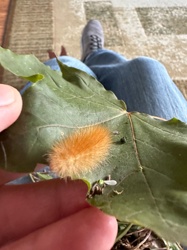
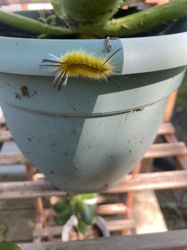
American Dagger Moth Caterpillar identified by the community
Real finds identified with Bug Identifier.


Other bugs you may enjoy
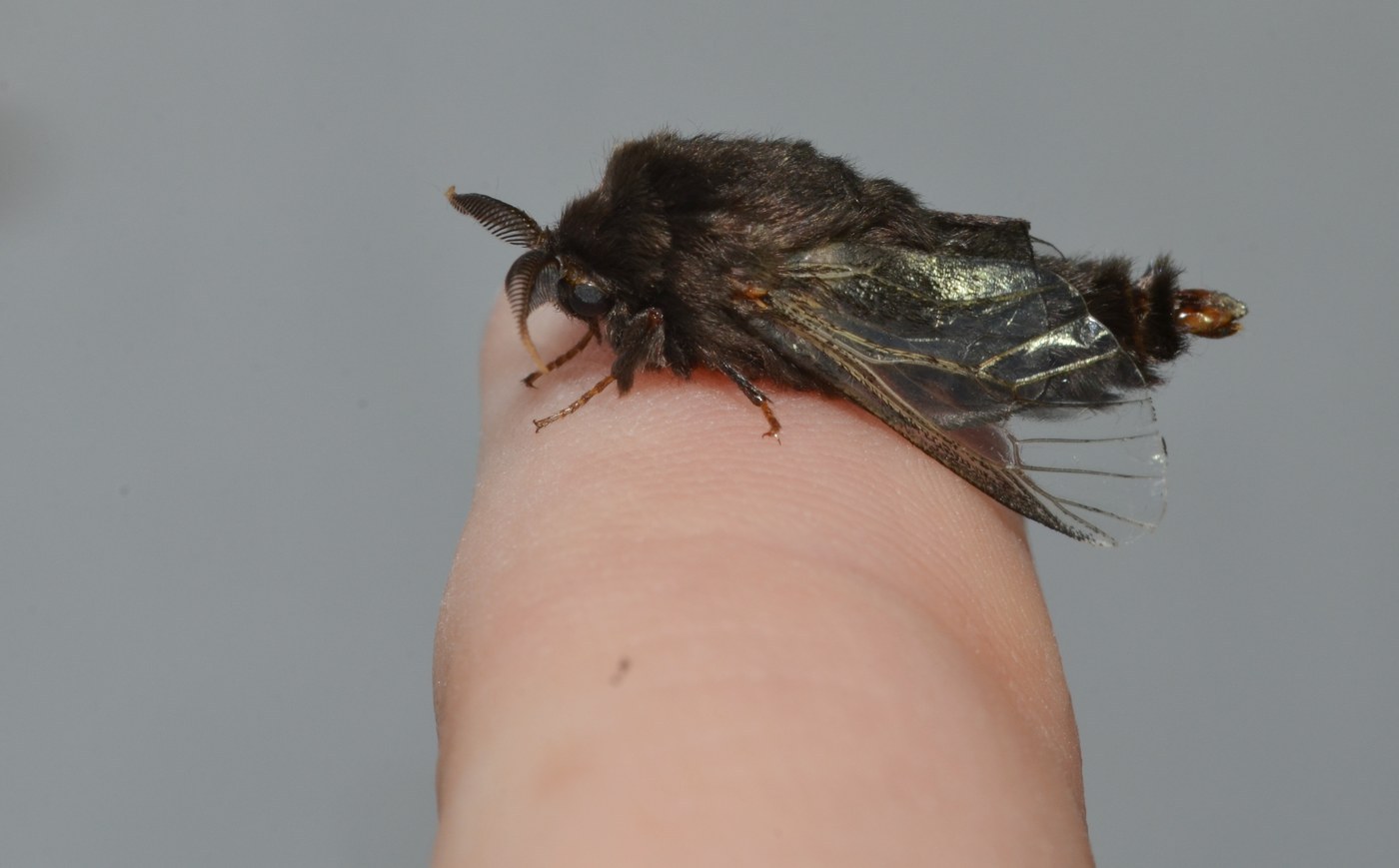
Bagworm
Trees and shrubs, especially conifers and ornamental landscaping
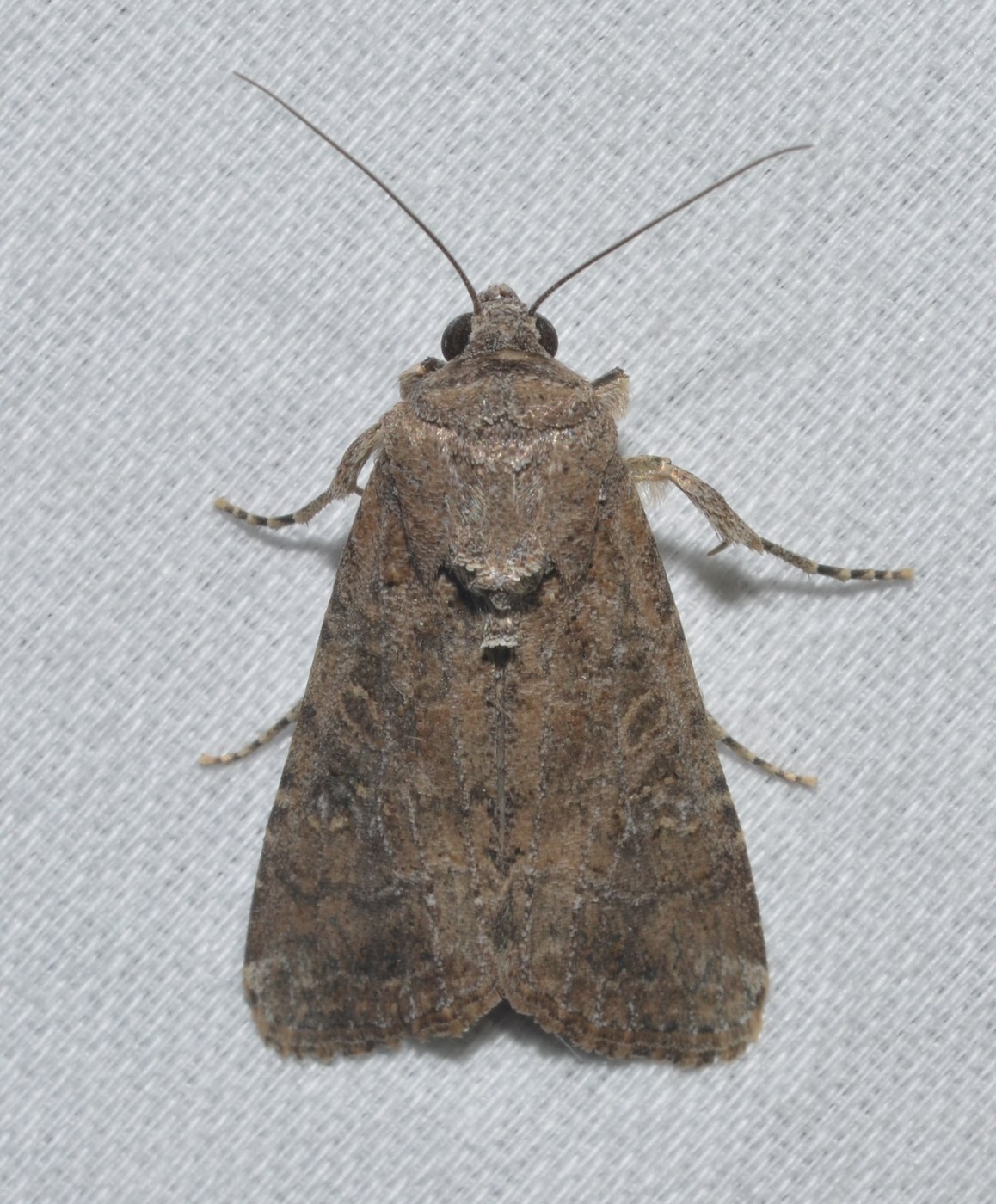
Armyworm
grasslands, pastures, and cereal crop fields
Zebra Longwing Caterpillar
Tropical and subtropical hammocks with passionflower vines
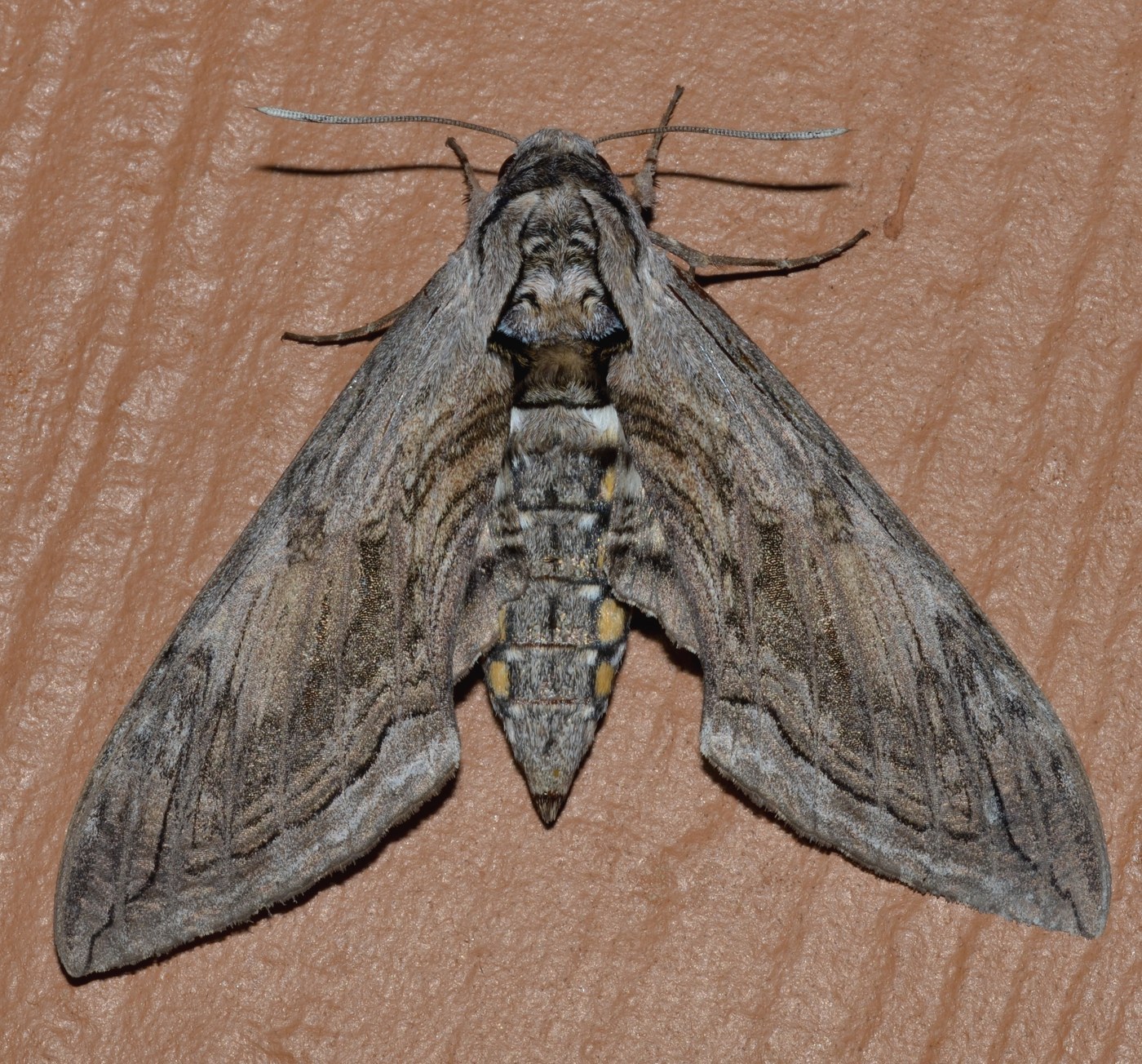
Tomato Hornworm
Gardens and fields with tomato, pepper, and other nightshade plants
Tent Caterpillar
Deciduous trees such as cherry, apple, and other rosaceous species
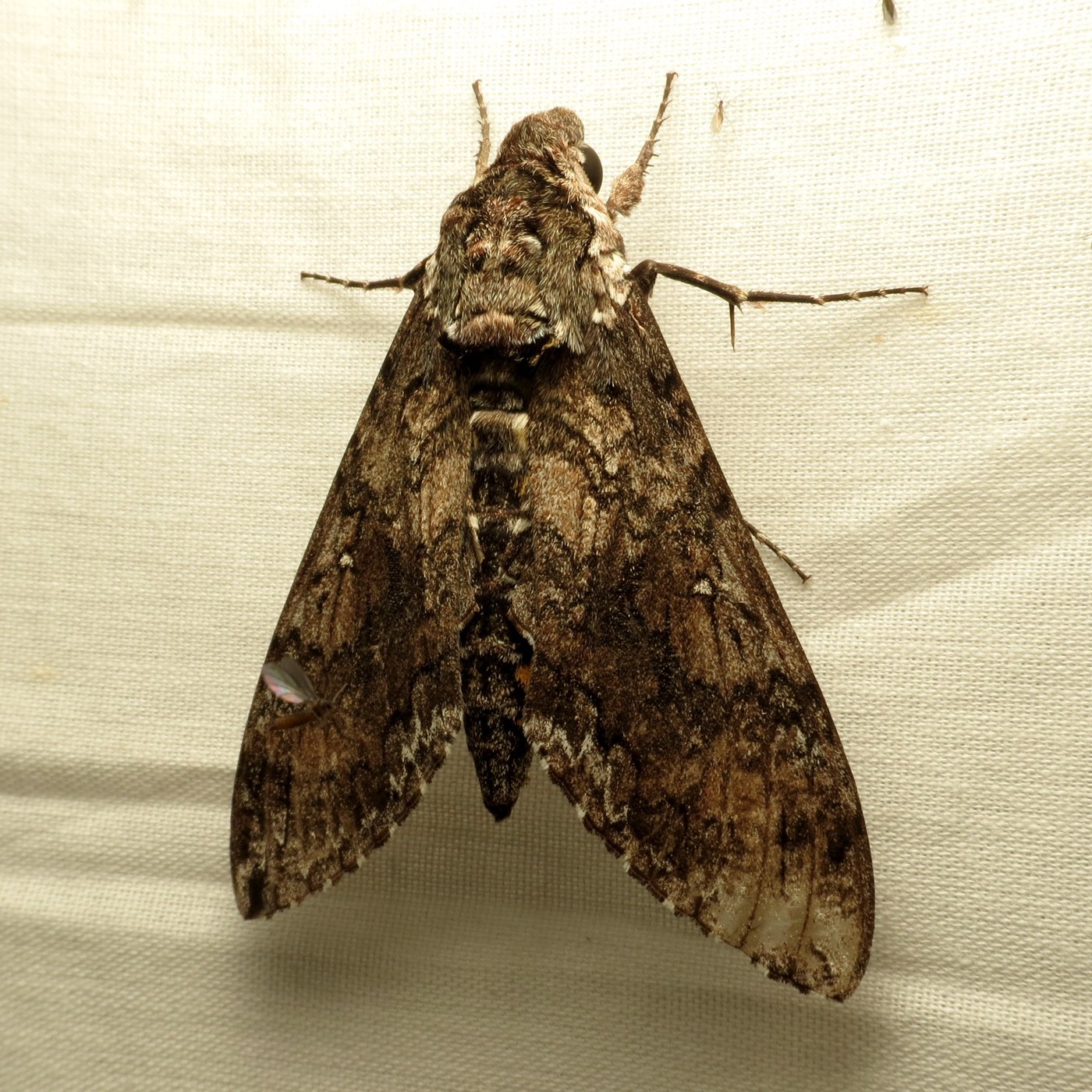
Tobacco Hornworm
tobacco, tomato, and pepper plants in gardens and fields
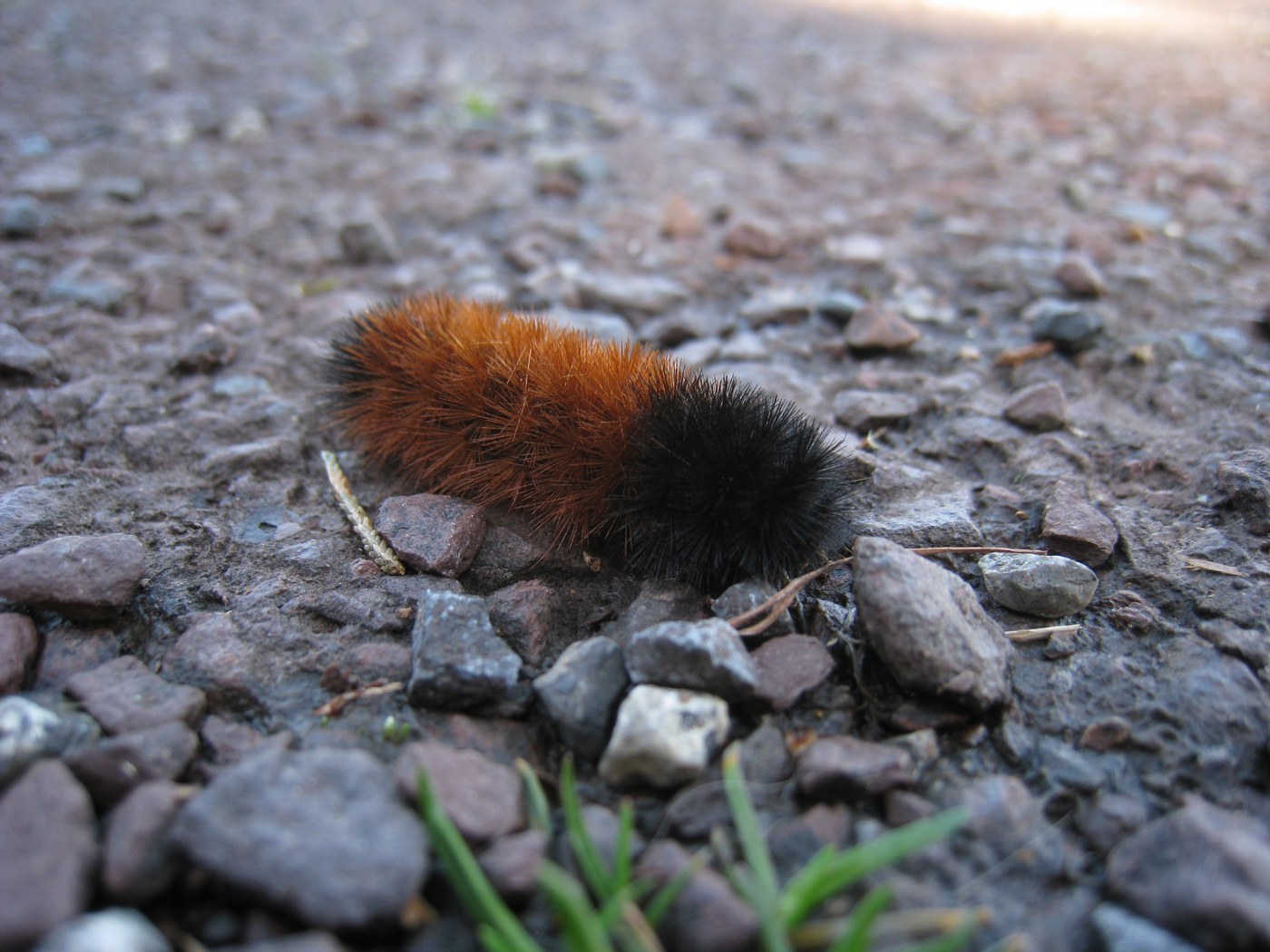
Woolly Bear Caterpillar
Gardens, meadows, roadsides, and woodland edges across North America
Sod Webworm
Turfgrass lawns, golf courses, pastures
Spiny Oak-slug Caterpillar
Deciduous forests and woodland edges with oak and other hardwoods
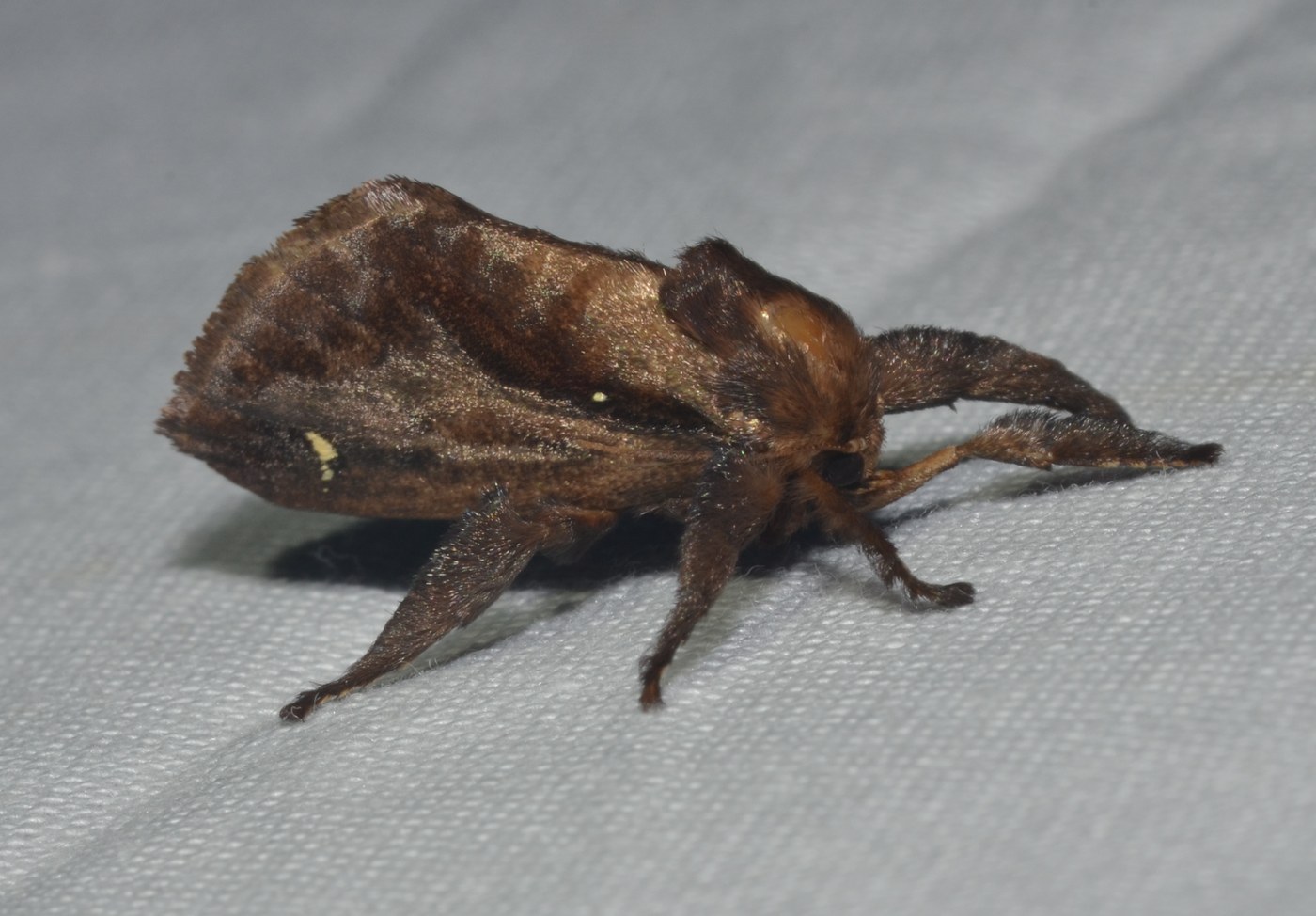
Saddleback Caterpillar
Deciduous trees and shrubs in eastern and southern North America
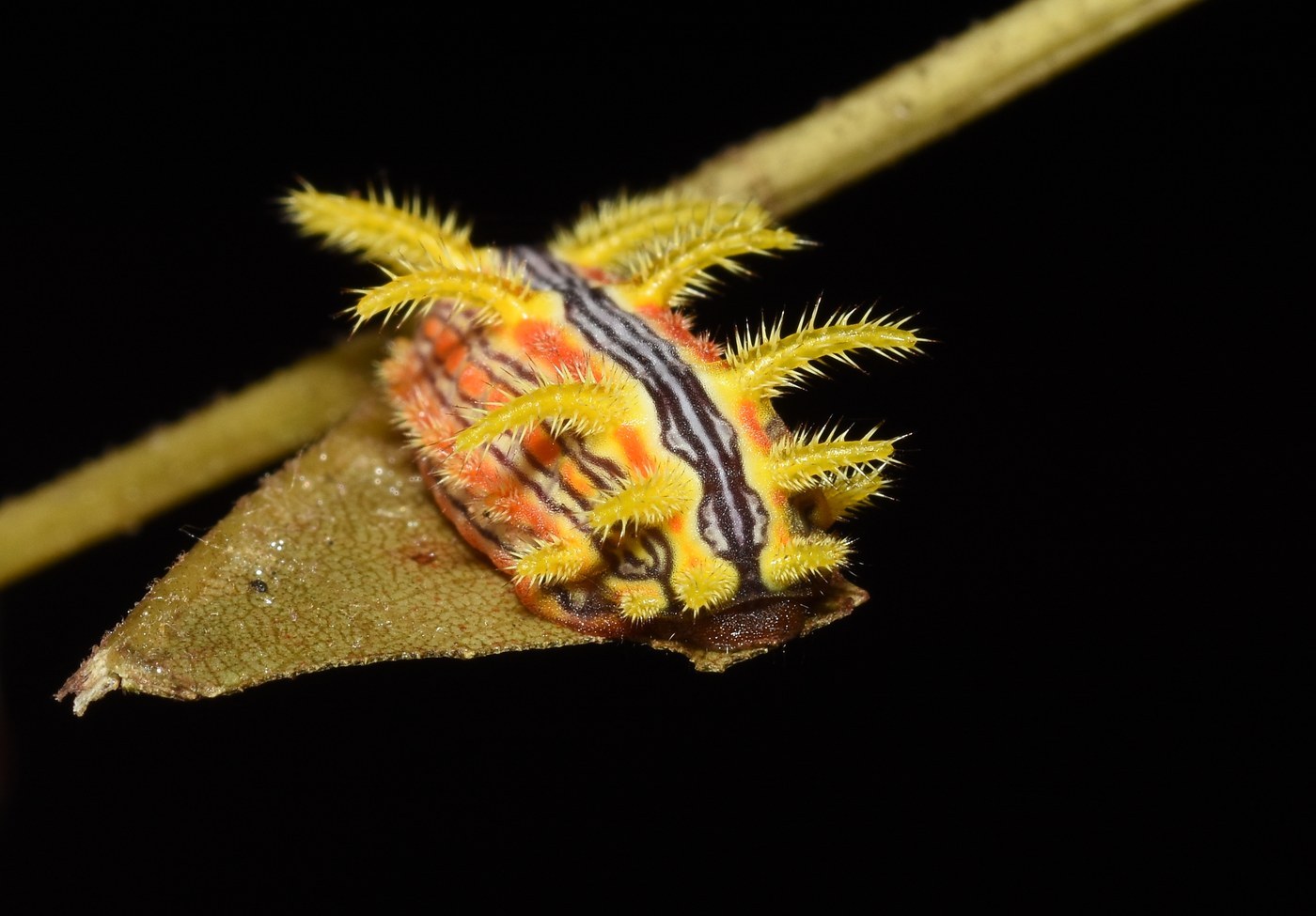
Stinging Rose Caterpillar
Gardens and woodlands with rose, dogwood, or oak
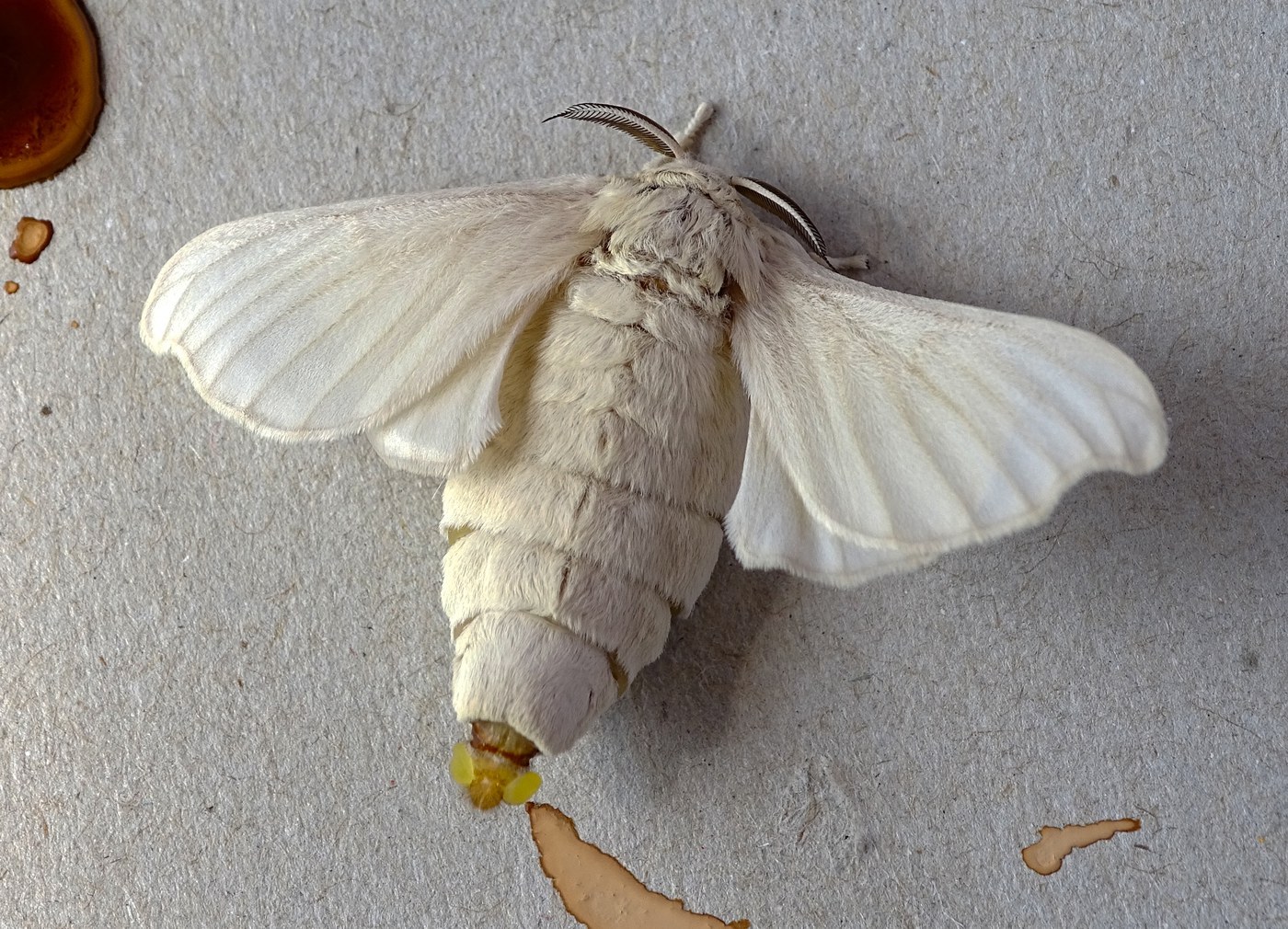
Silkworm
Reared exclusively in captivity on mulberry leaves; no independent wild population