
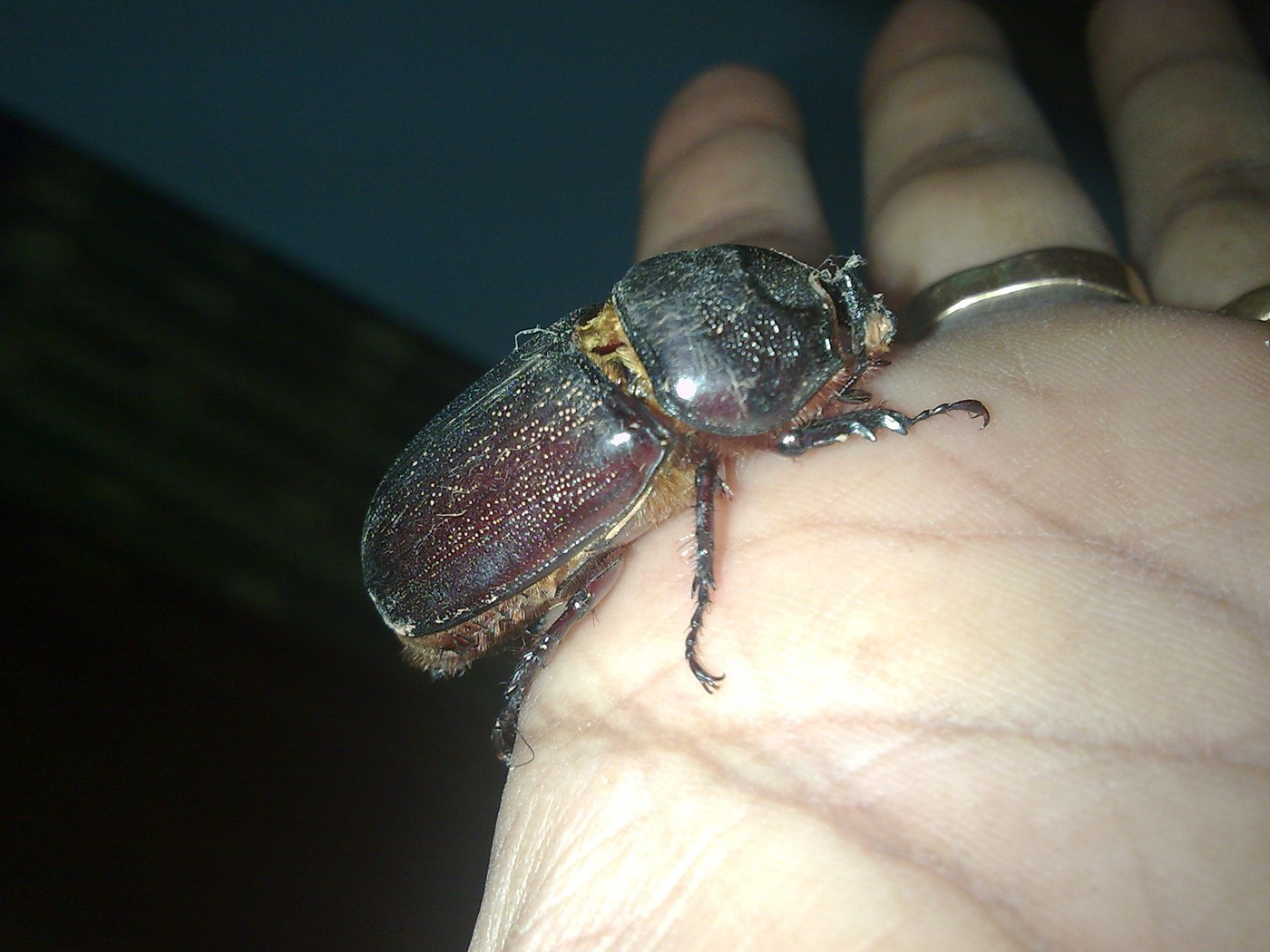
Rhinoceros Beetle
Oryctes rhinoceros
A massive, heavily armored beetle whose males sport a single large, curved horn projecting forward from the head, used to shove and flip rival males in contests of strength.
- Size
- 20–60 mm
- Habitat
- Tropical and subtropical forests, decaying wood, palm plantations
- Danger
- Harmless
Spotted a bug like this?
Identify any bug or insect from a photo, free.
Overview
Rhinoceros beetles are members of the subfamily Dynastinae within the scarab beetle family (Scarabaeidae), and they are among the largest and most powerful beetles relative to their size found anywhere in the world, capable of lifting many times their own body weight. Their name comes from the prominent horn or horns carried by males, which project from the head and sometimes the thorax, evoking the horn of a rhinoceros.
These horns are used not for feeding but as leverage in pushing contests between rival males, who wrestle to flip one another off logs, branches, or mating sites in competition for females. Females typically lack horns or have only small bumps, making the sexes easy to tell apart.
Rhinoceros beetles are found throughout tropical and subtropical regions worldwide, and their larvae play an important ecological role by breaking down decaying wood and organic matter, though some species, such as the coconut rhinoceros beetle, are also recognized as significant pests of palm trees in parts of their range.
How to Identify
- Very large, heavily armored, robust body, typically glossy black, dark brown, or reddish-brown.
- Males bear a prominent single horn curving up and forward from the head, sometimes paired with smaller horns on the thorax, depending on species.
- Females are hornless or have only a small ridge, with a smoother, rounder head.
- Short, clubbed antennae and thick, strong legs adapted for digging and gripping.
- Lookalikes include stag beetles, which have enlarged branching mandibles instead of a head horn, and Hercules beetles, close relatives with even longer twin horns.
Habitat & Range
Rhinoceros beetles are found throughout the tropics and subtropics of Africa, Asia, and the Americas, inhabiting forests, palm groves, and agricultural areas with abundant decaying wood or organic debris. Adults are most active at night during warm, humid months, often attracted to lights, while larvae live underground or within rotting logs, compost, and leaf litter for extended periods.
Behavior & Diet
Adult rhinoceros beetles feed on plant sap, fruit, and nectar, though many adults feed only lightly during their relatively short winged life stage. Males use their horns in pushing and shoving contests, wedging beneath rival males to flip them over in competitions for mates, a dramatic but ritualized display of strength rather than an offensive weapon. Larvae are detritivores, feeding on decaying wood, compost, and leaf litter, and in doing so contribute significantly to nutrient cycling and organic matter breakdown in tropical ecosystems.
Life Cycle
Females lay eggs in decaying logs, compost, or rich organic soil, and the larvae that hatch are large, C-shaped, cream-colored grubs that feed on decomposing plant material for many months as they grow through several molts. After reaching full size, the larva constructs an underground pupal cell and undergoes complete metamorphosis, emerging as a fully formed adult beetle. Depending on climate and species, development from egg to adult can take roughly six months to two years, with the larval stage making up the majority of the beetle's life.
Frequently asked questions
What is the horn on a rhinoceros beetle used for?
Males use it as leverage in pushing contests with rival males, competing to flip one another over rather than for feeding or defense against other animals.
How is a rhinoceros beetle different from a Hercules beetle?
Hercules beetles are close relatives with two long, forceps-like horns and typically a more elongated body, while rhinoceros beetles usually have a single prominent curved horn.
Do female rhinoceros beetles have horns?
Most females are hornless or have only a small ridge on the head, making them visually distinct from the horned males.
What do rhinoceros beetle larvae eat?
They feed on decaying wood, compost, and other organic plant matter as they develop underground or within rotting logs.
Rhinoceros Beetle guides
In-depth guides for identifying, understanding, and living alongside Rhinoceros Beetle.
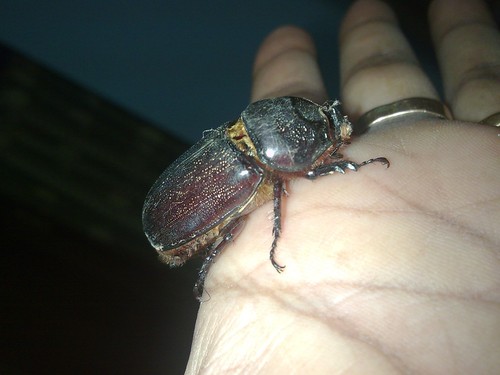
Rhinoceros Beetle identified by the community
Real finds identified with Bug Identifier.
Other bugs you may enjoy
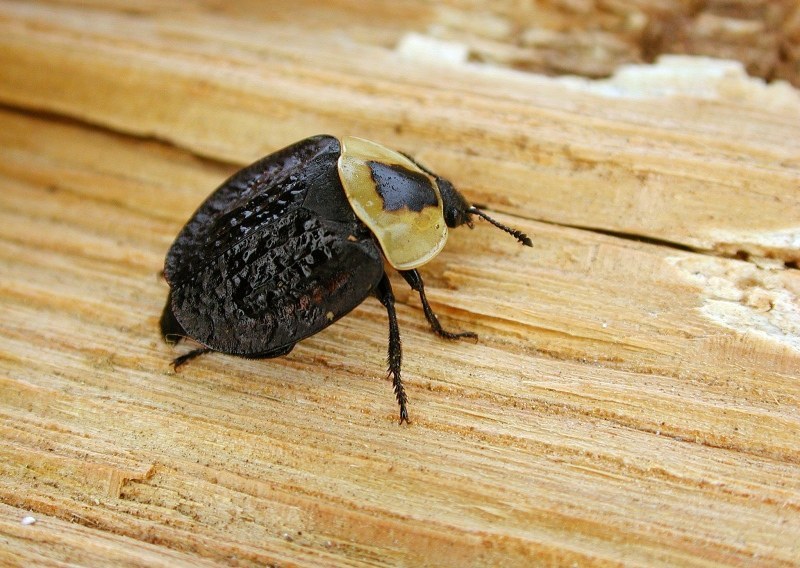
American Carrion Beetle
Forests, fields, and roadsides across North America, near decaying animal carcasses
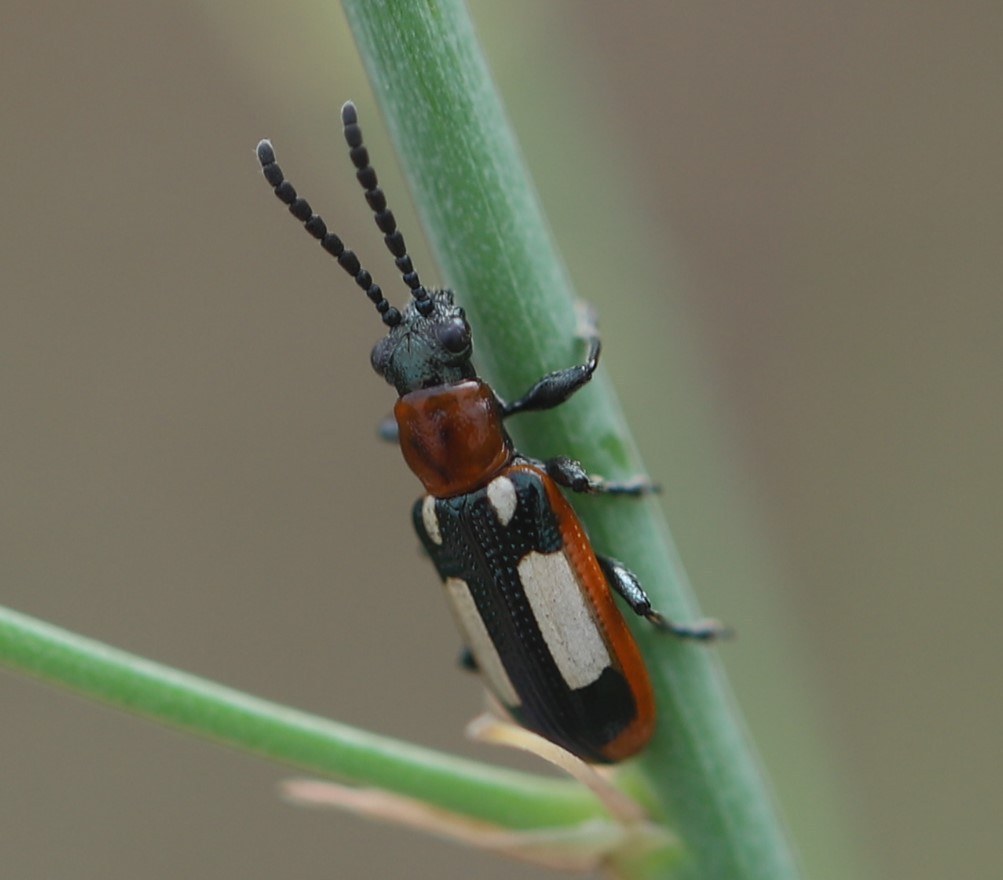
Asparagus Beetle
Asparagus patches, gardens, and farm fields
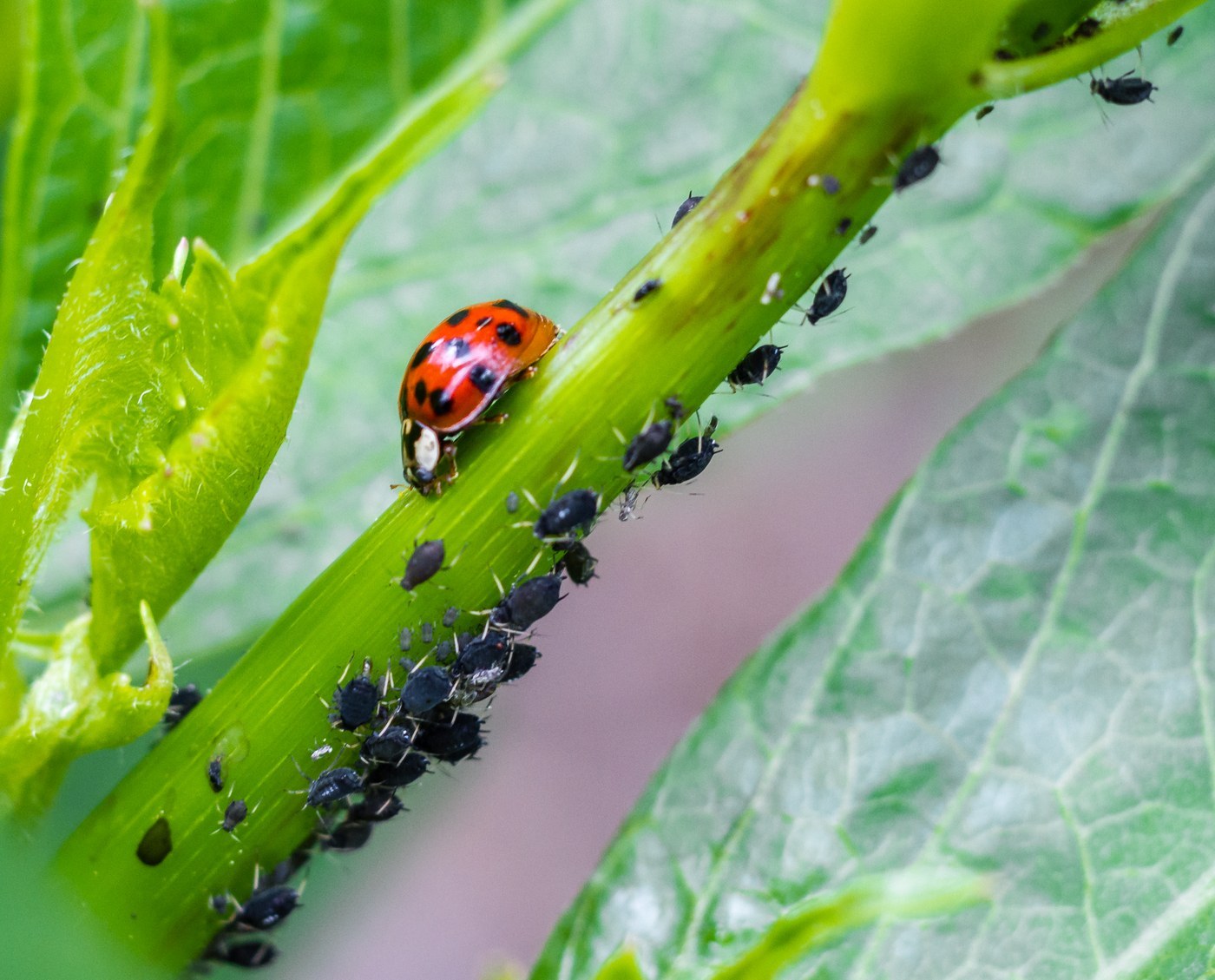
Asian Lady Beetle
Gardens, crop fields, woodlands, buildings
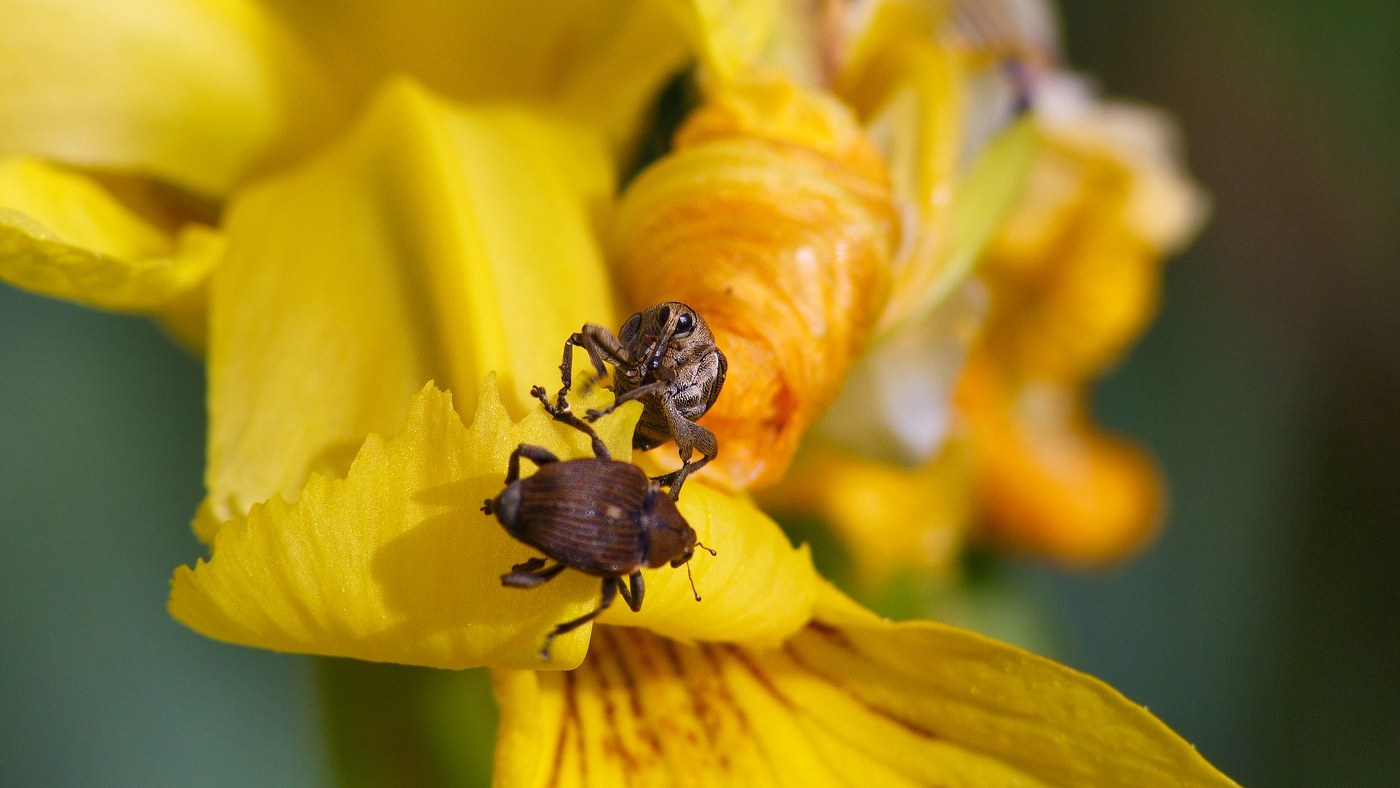
Acorn Weevil
Oak woodlands and forests, on and beneath oak trees
Wireworm
Soil of grasslands, gardens, and cultivated fields worldwide
Whitefringed Beetle
Pastures, row crops, lawns, disturbed soils
Vine Weevil
Gardens, nurseries, greenhouses, and container plantings
Varied Carpet Beetle
Homes, nests of birds and mammals, and flowers outdoors
Atlas Beetle
Tropical forests of Southeast Asia
Titan Beetle
Amazon rainforest of South America
Ten-lined June Beetle
Sandy soils, pine forests, and orchards of western North America
Squash Beetle
Vegetable gardens and fields growing squash, pumpkin, and other cucurbits