
Bug Encyclopedia
Search and identify bugs & insects — beetles, butterflies, moths, ants, bees, spiders and more — with size, habitat, danger, behavior, and how to tell them apart.
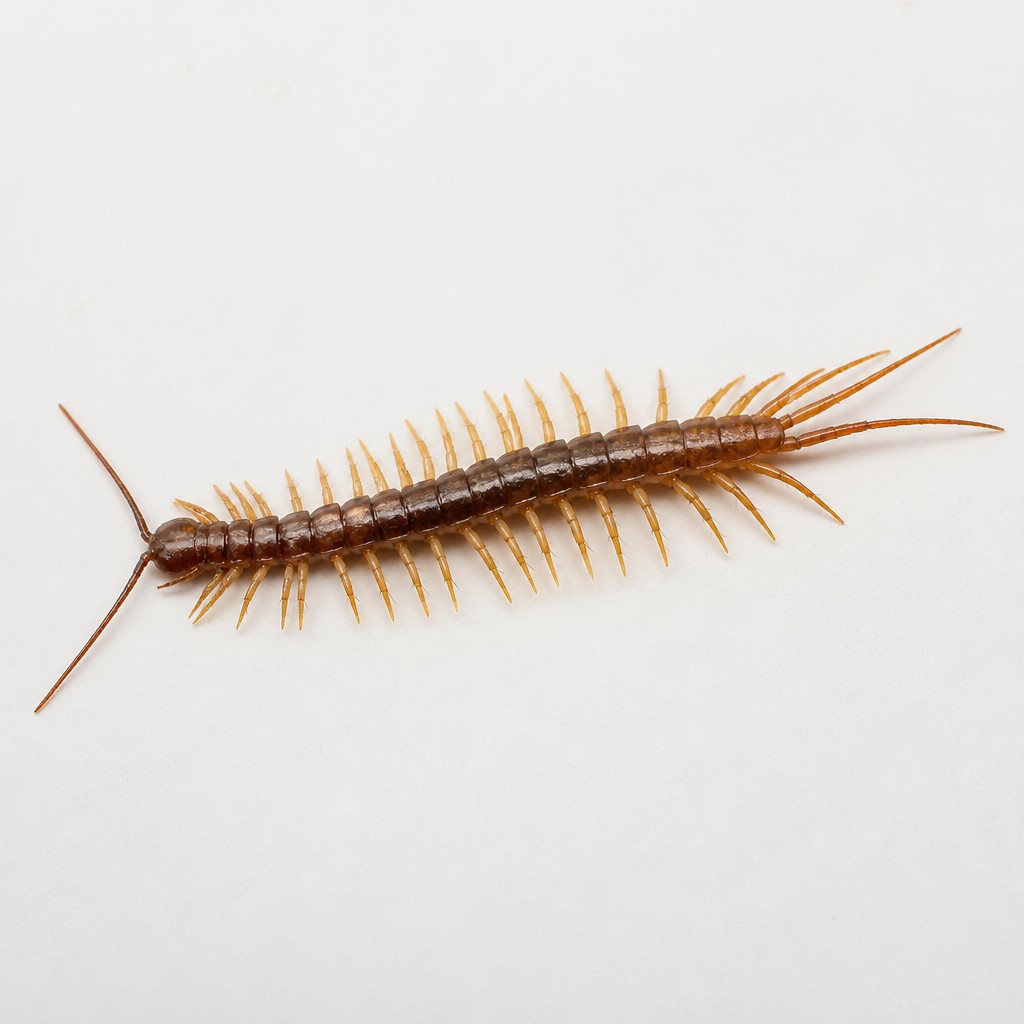
Stone Centipede
A quick, flattened, reddish-brown centipede that darts for cover the instant its stone or log shelter is lifted, one of the most commonly seen centipedes in temperate gardens.
myriapod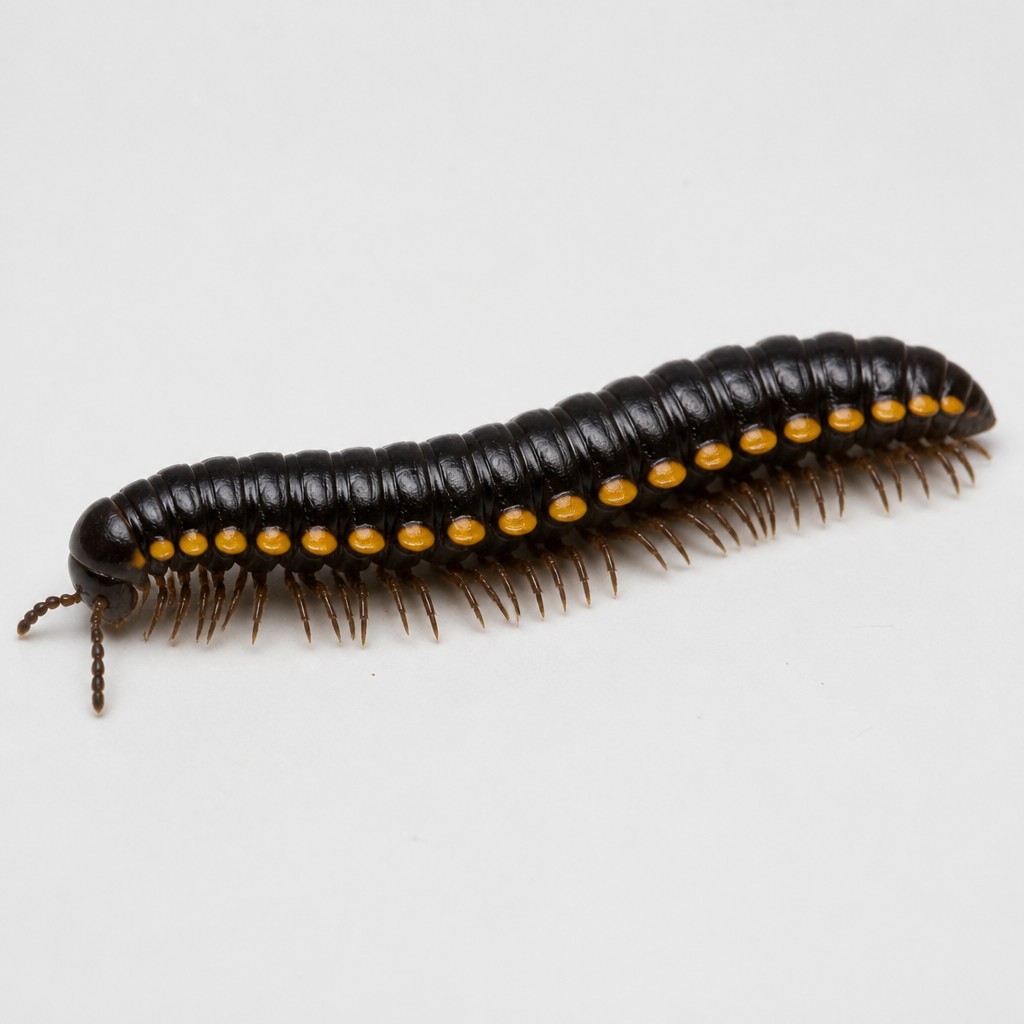
Yellow-spotted Millipede
A striking black millipede lined with bright yellow-orange spots along its flanks, one of the most recognizable invertebrates of the Pacific coast's damp forest floors.
myriapodAsian Longhorned Beetle
A large, glossy black longhorn beetle patterned with irregular white spots and boldly banded blue-white antennae, notable as one of the largest and most eye-catching wood-boring beetles seen in temperate hardwood trees.
beetle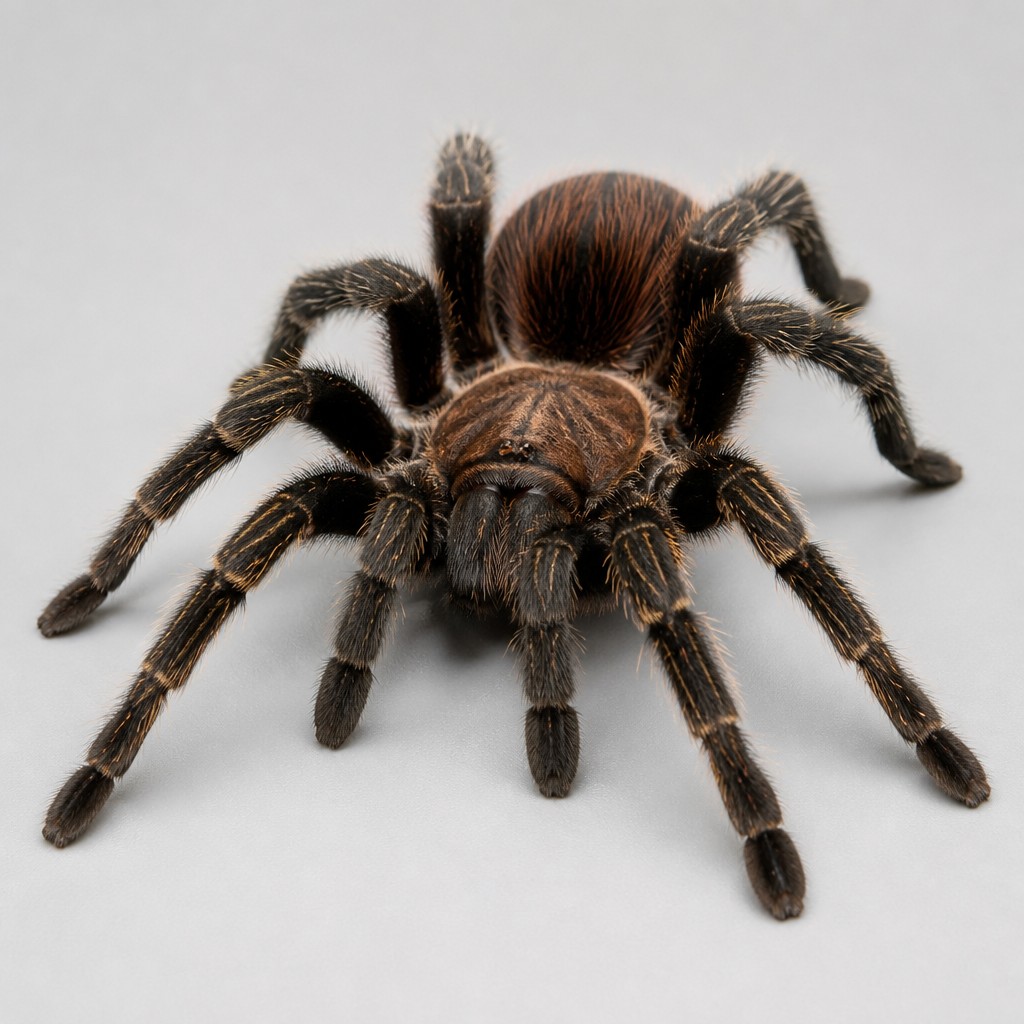
Tarantula
The tarantula is the heavyweight of the spider world, a densely furred, ground-hugging hunter that spends most of its long life waiting in a silk-lined burrow for prey to wander past.
spider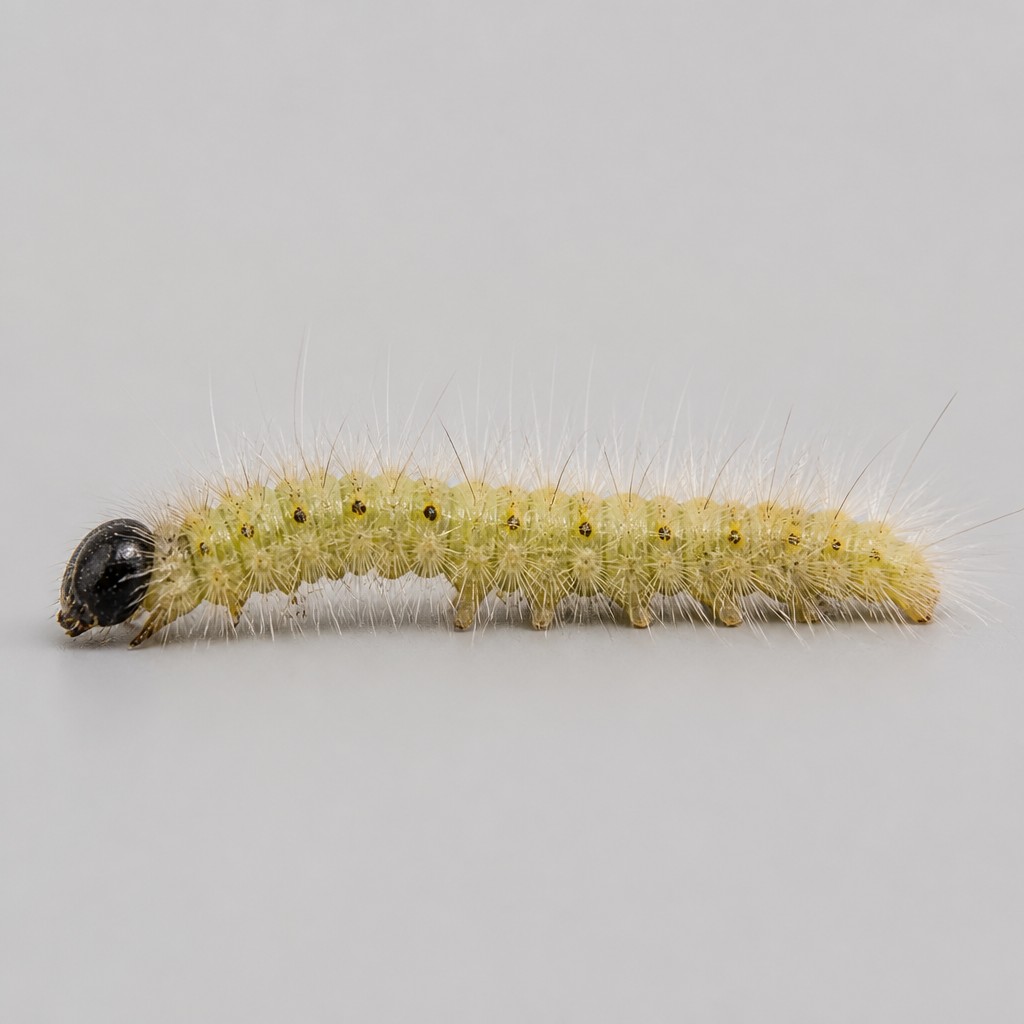
Fall Webworm
A pale, hairy caterpillar that spins loose, messy silk webs enclosing entire leaf clusters at the tips of tree branches, becoming especially noticeable in late summer and fall.
caterpillar-larva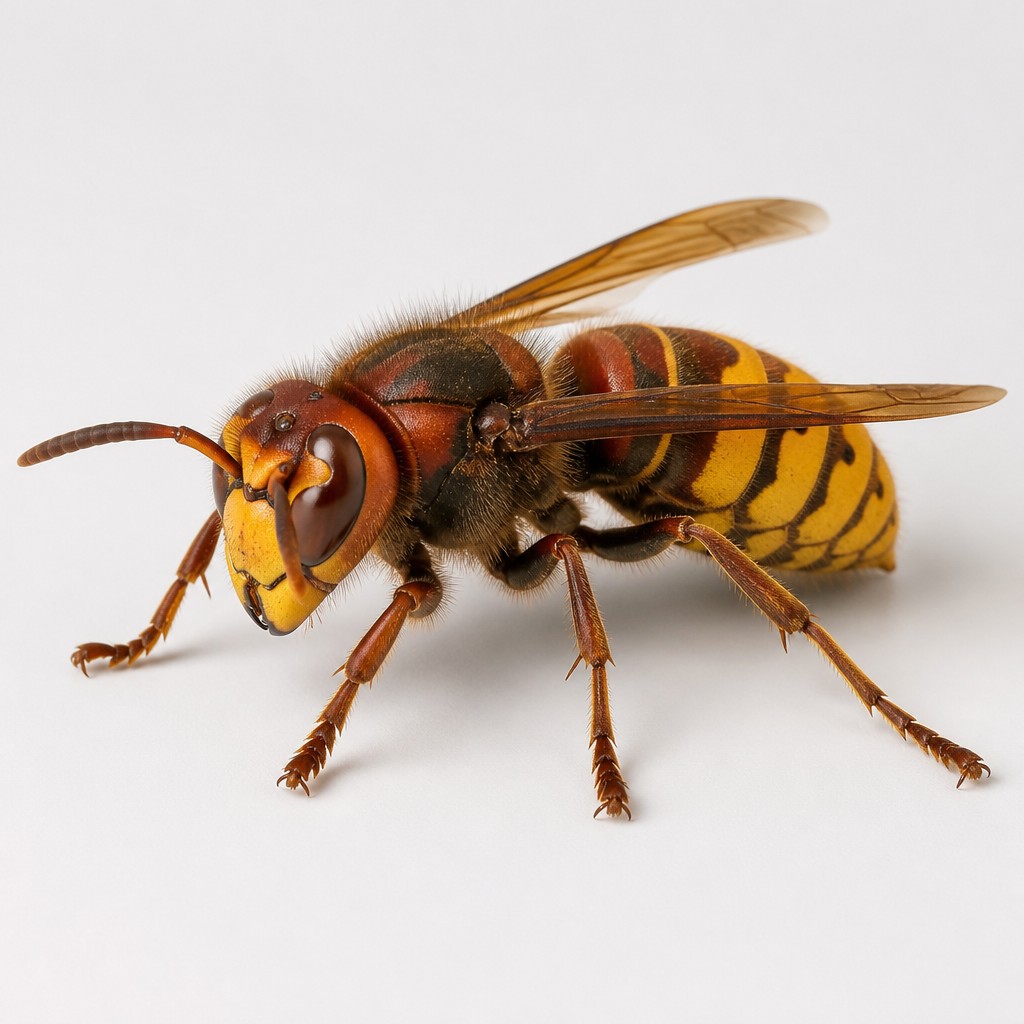
Hornet
A large, robust social wasp with a reddish-brown and yellow patterned body, notably bigger than yellowjackets, building enclosed papery nests often high in tree cavities or wall voids.
wasp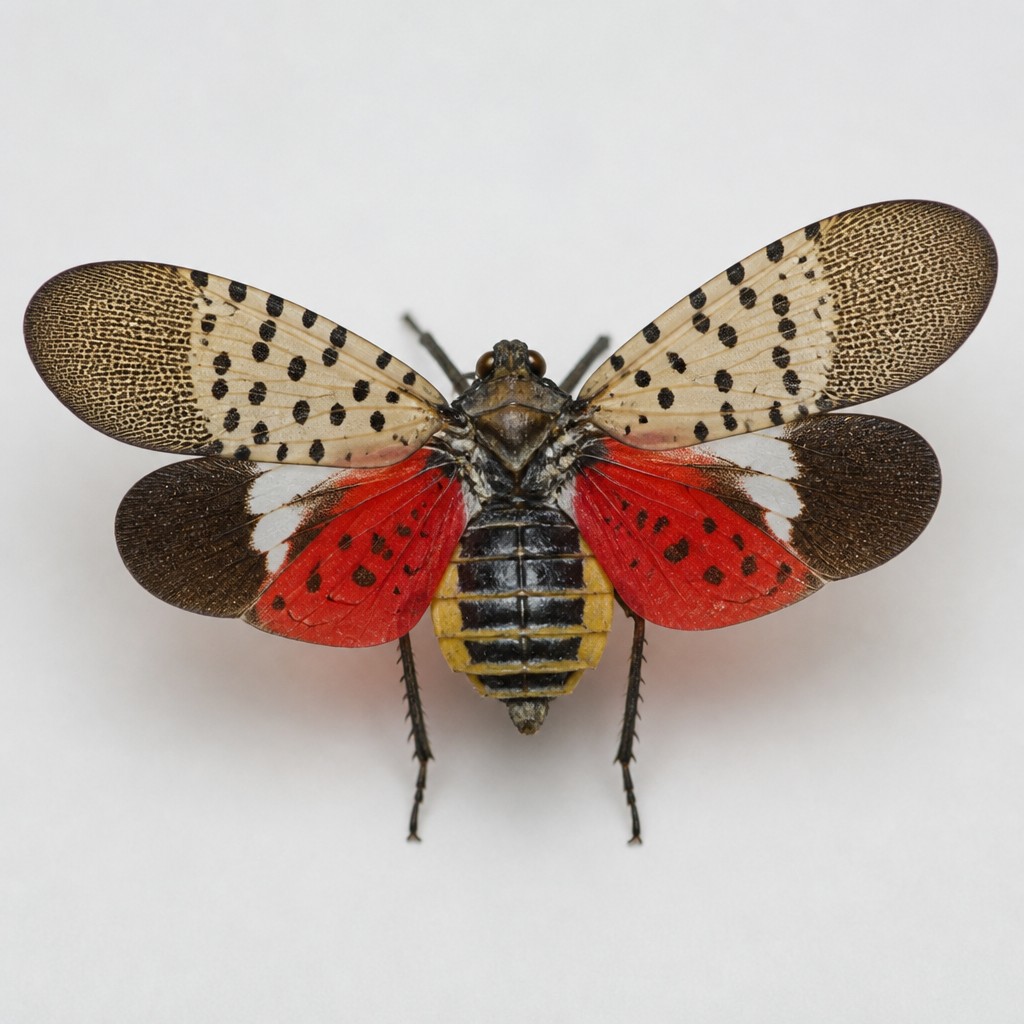
Lanternfly (Spotted Lanternfly)
A strikingly patterned planthopper with grey, spotted forewings that flash to reveal crimson hindwings when it leaps, now notorious as an invasive agricultural pest far from its native range.
true-bug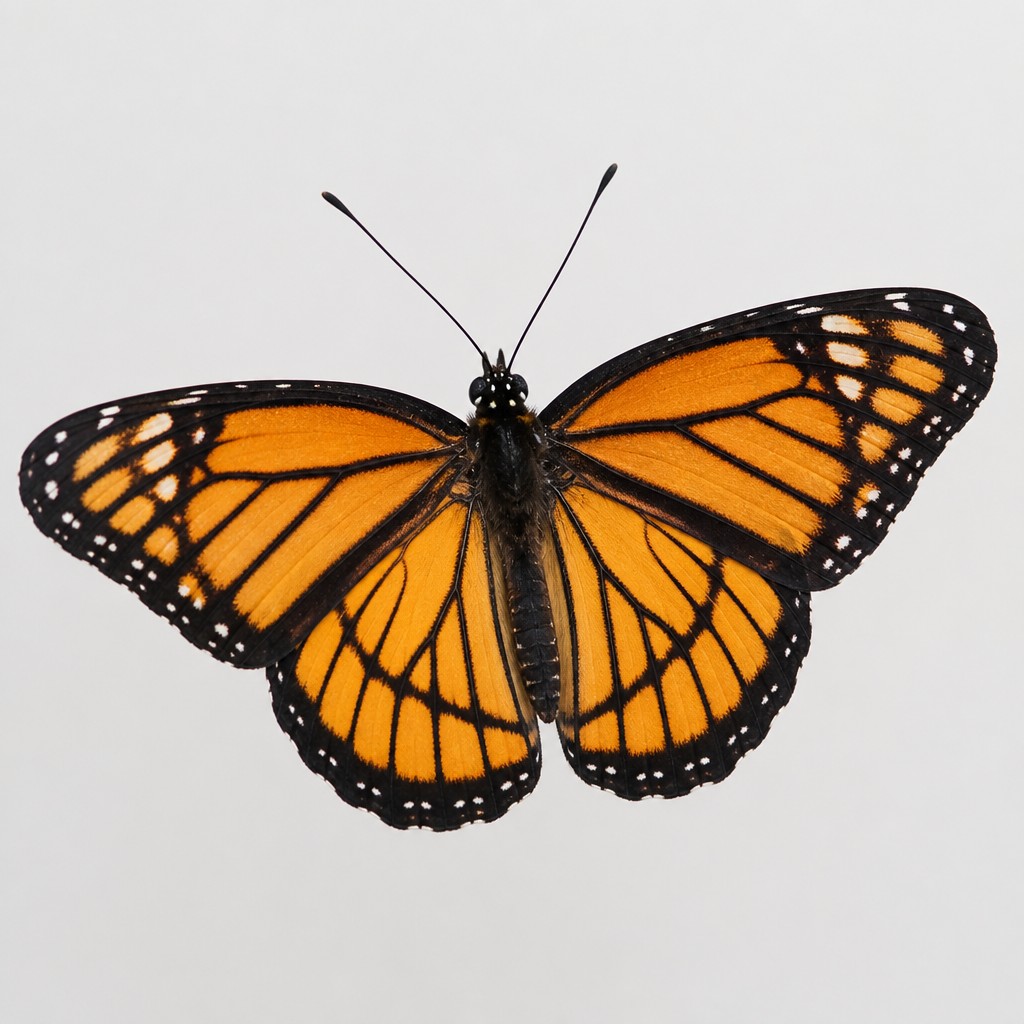
Viceroy Butterfly
An orange-and-black butterfly closely resembling the monarch, distinguished by a smaller size and a distinctive black line crossing the veins of the hindwing, and long cited as a classic example of mimicry between two unrelated species.
butterfly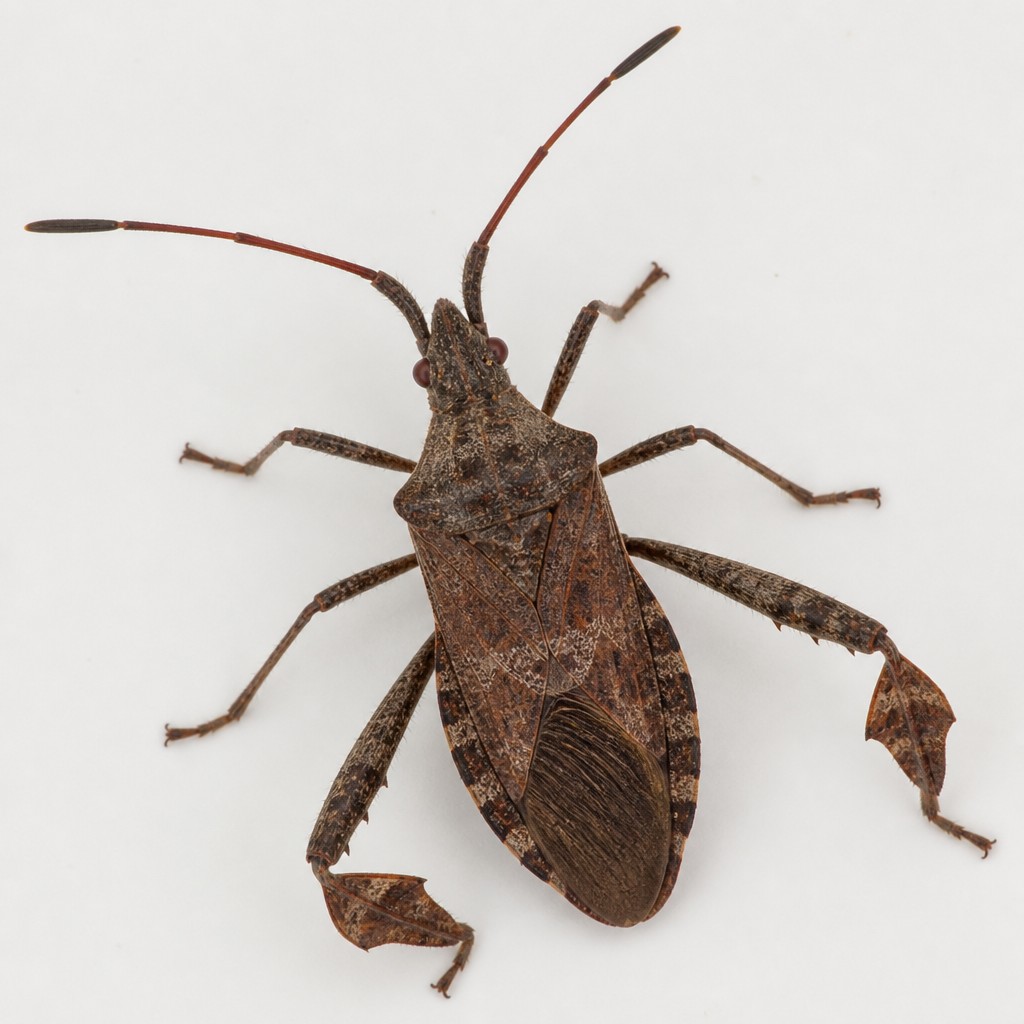
Western Conifer Seed Bug
A large brown true bug with flattened, leaf-shaped hind legs, native to conifer forests of the western United States but now widespread and notorious for gathering on and inside buildings as cooler weather approaches.
true-bug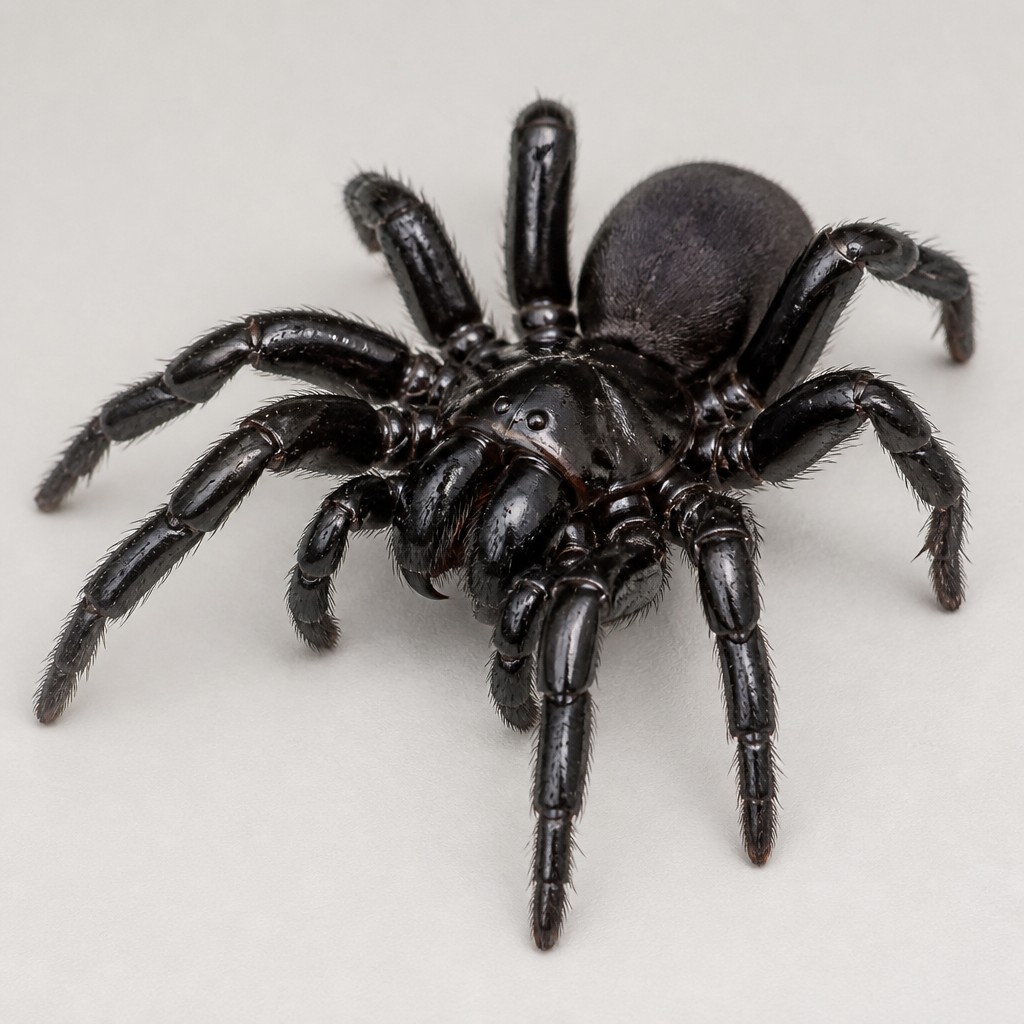
Sydney Funnel-web Spider
Glossy black and heavily built, with large fangs held ready in front of its face, the Sydney funnel-web spider shelters in a silk-lined burrow in moist, shaded ground across the Sydney region, one of Australia's most distinctive ground-dwelling spiders.
spider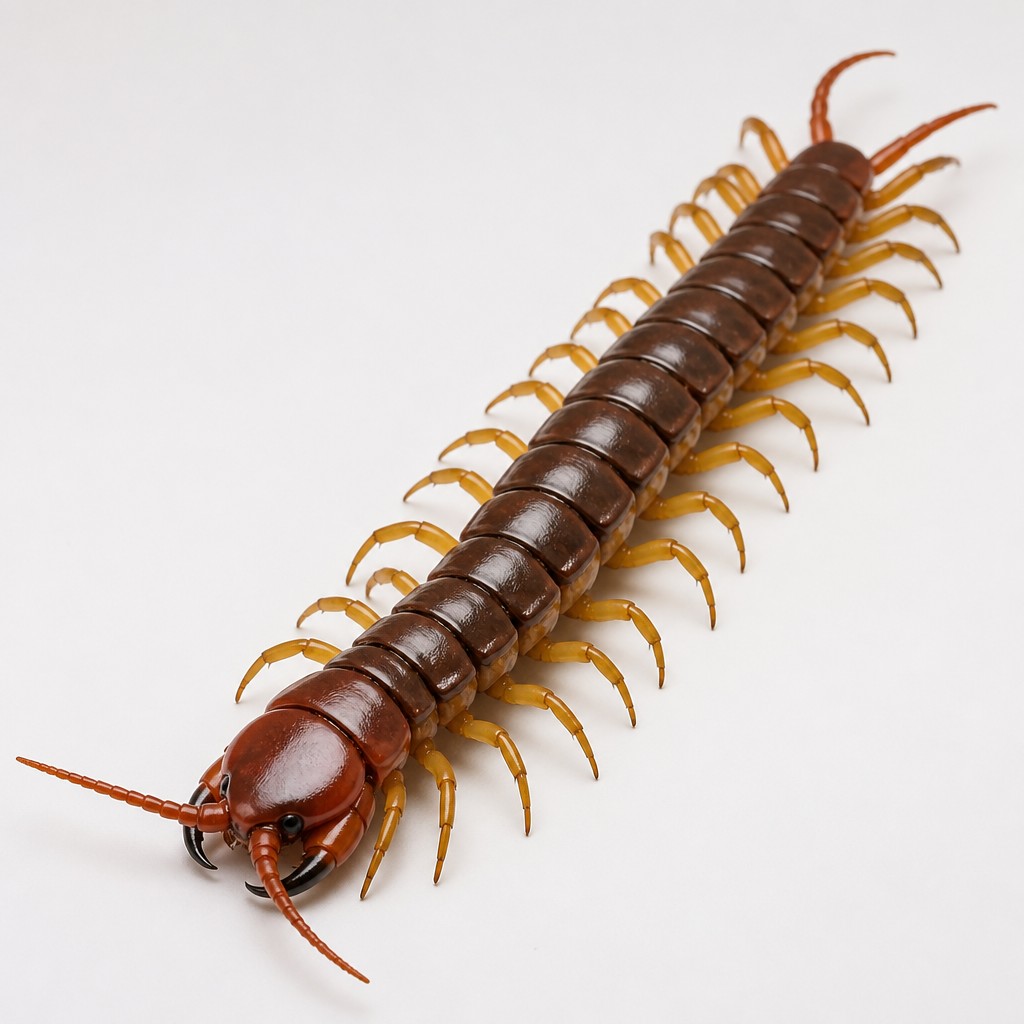
Giant Centipede
A long, fast-moving, many-legged predator with a hardened segmented body and a pair of venom-injecting claws behind the head that it uses to overpower prey far larger than itself.
myriapod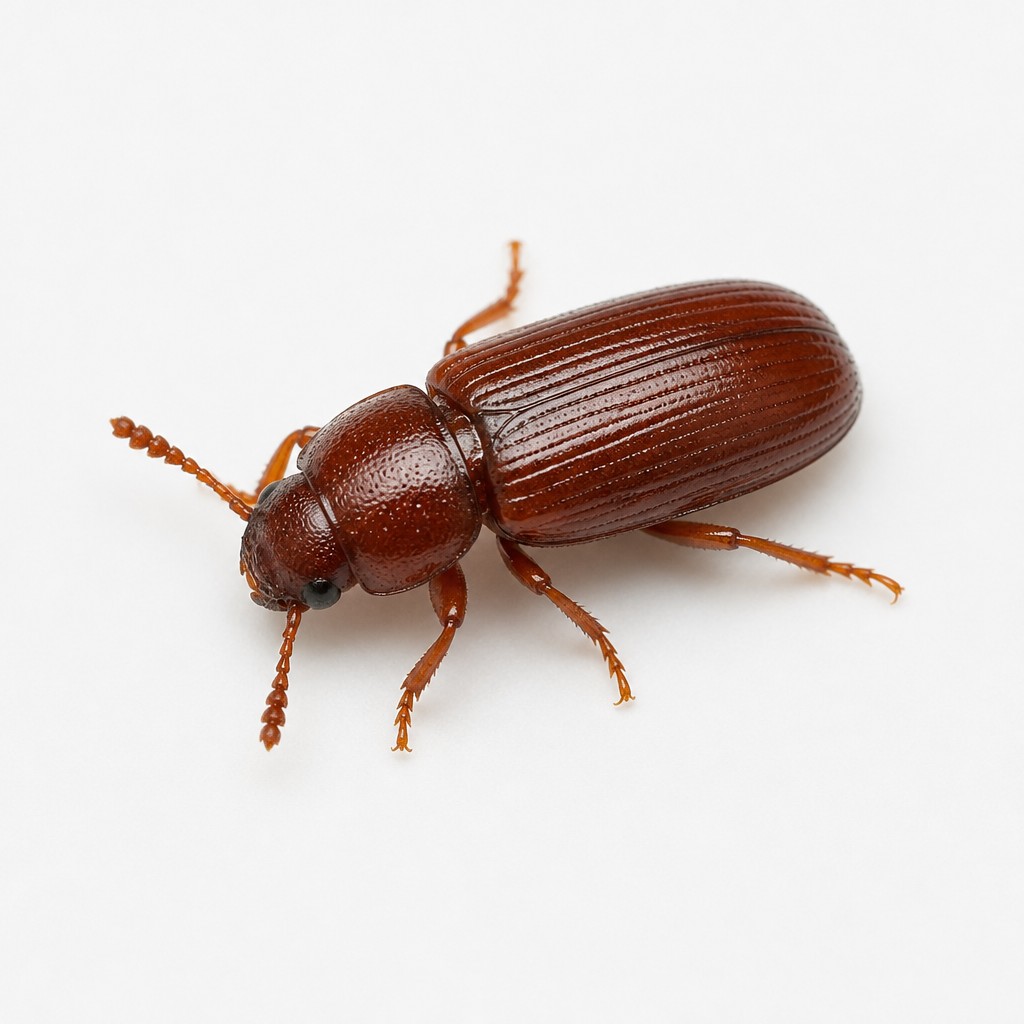
Flour Beetle
A tiny, shiny reddish-brown beetle that infests flour, cereal, and other dry stored foods, often found in dense clustered populations.
beetle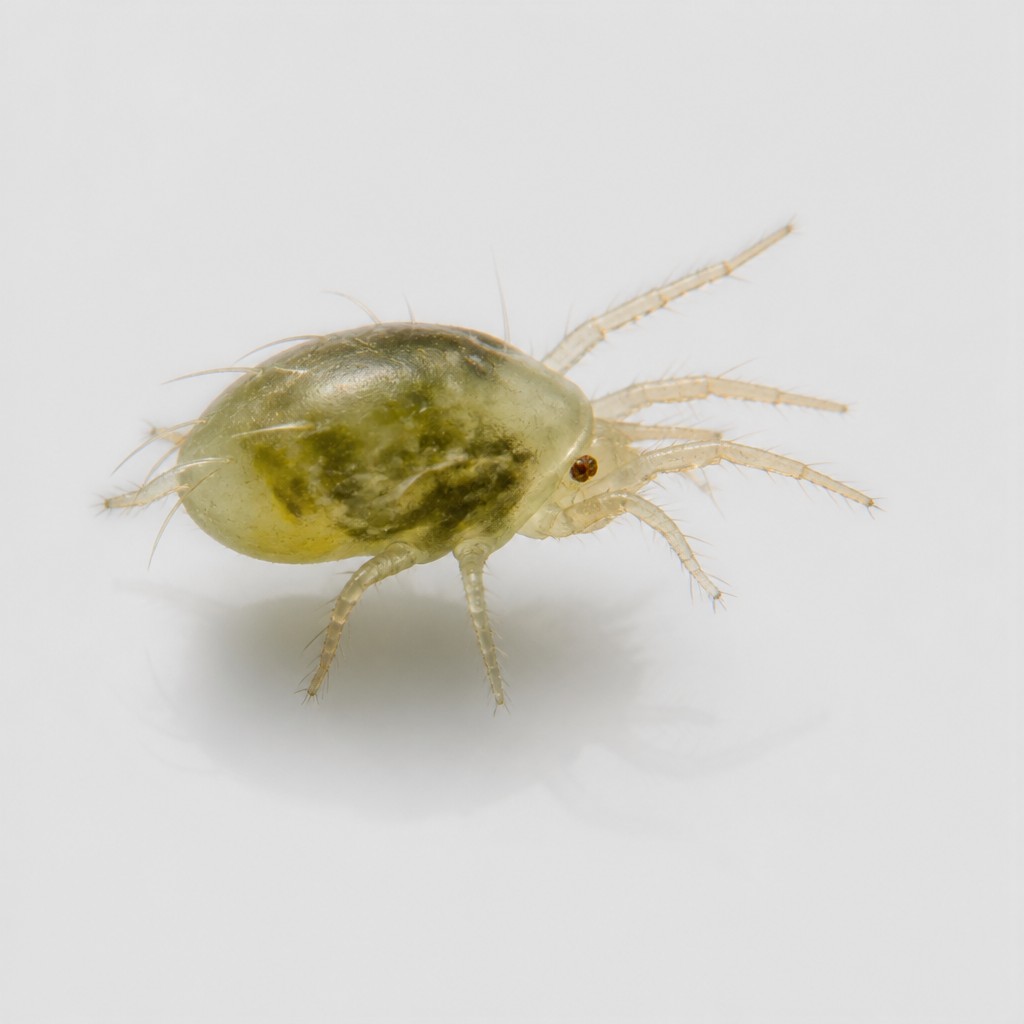
Spider Mite
A speck-sized arachnid that spins fine silk webbing across infested leaves as it pierces plant cells for their contents, leaving behind a telltale stippled, bronzed appearance. Populations can explode rapidly in hot, dry weather, making it a familiar garden and greenhouse pest.
arachnid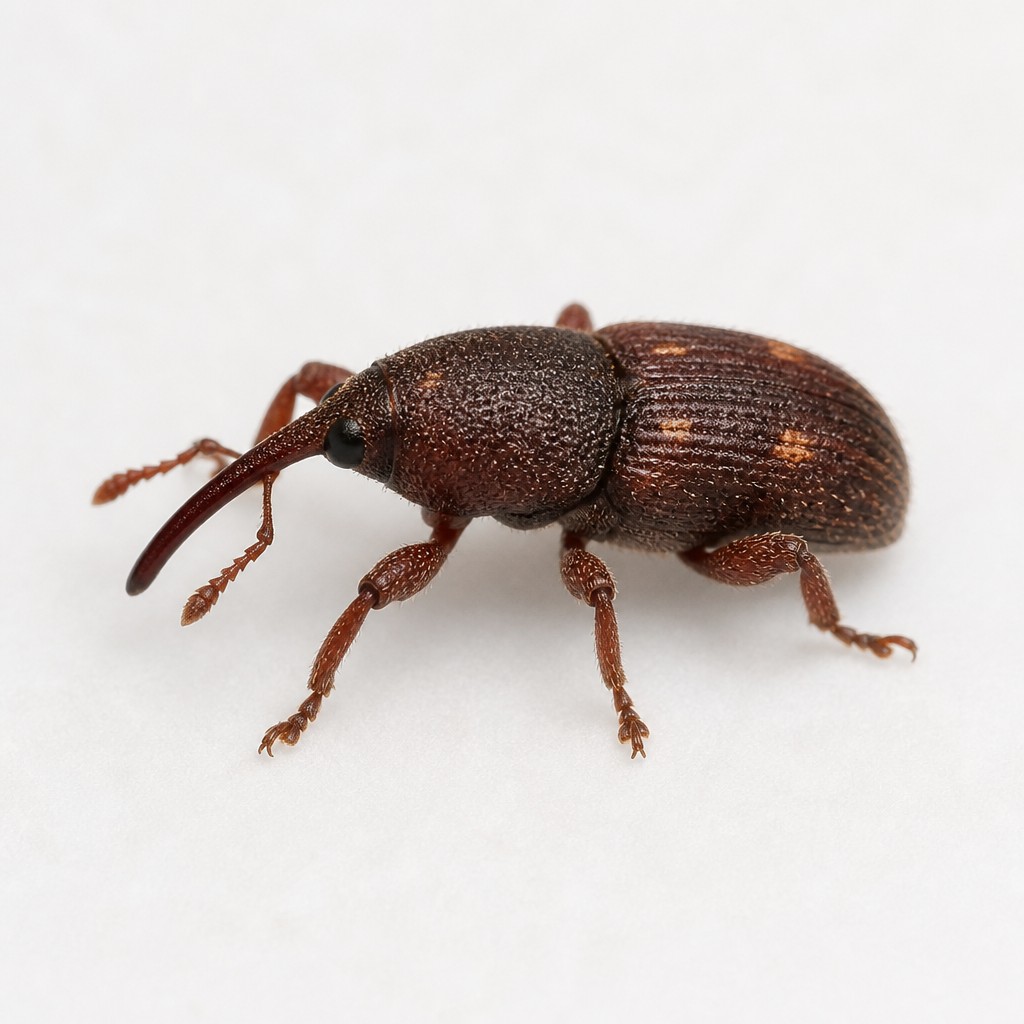
Rice Weevil
A tiny reddish-brown weevil with a long curved snout and four faint pale spots on its wing covers, commonly found infesting stored rice, wheat, and other grain products.
beetle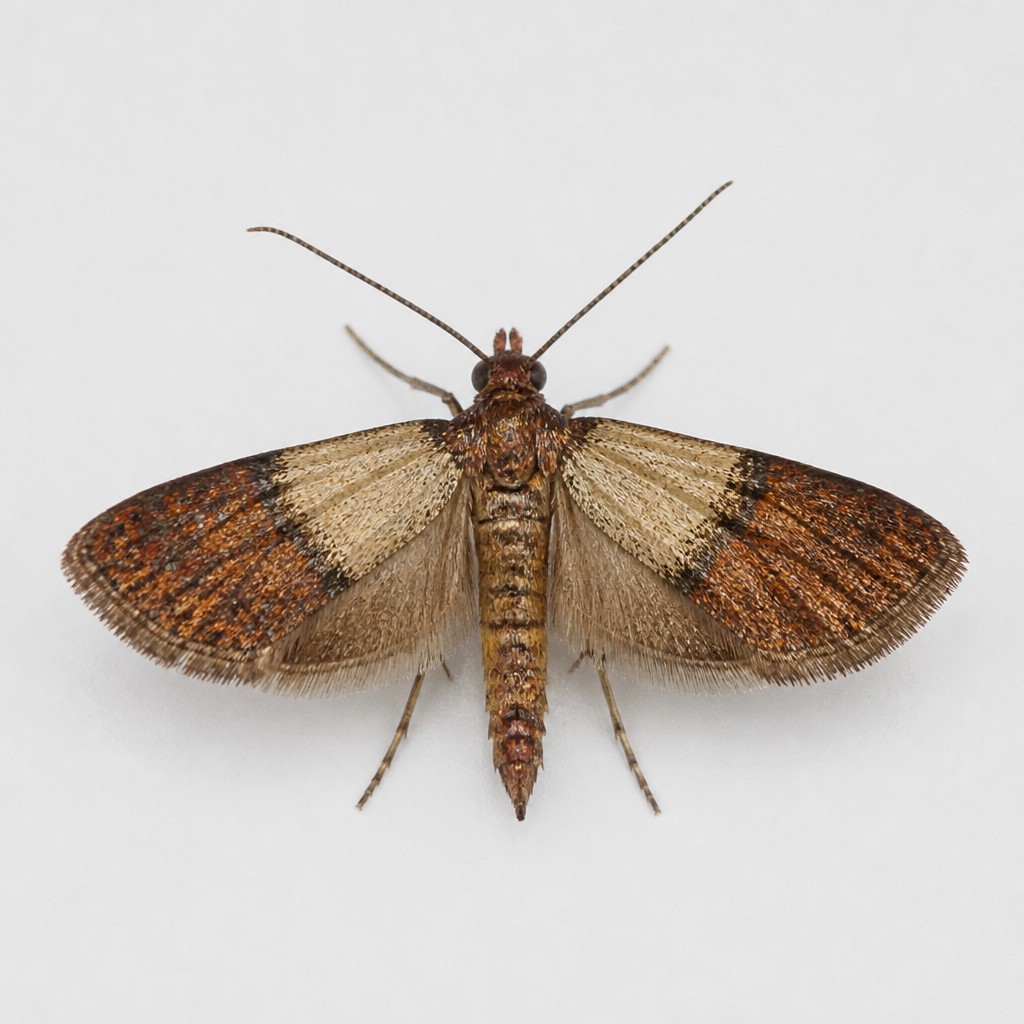
Indian Meal Moth
A small, distinctively two-toned moth with pale grey-tan inner wings and coppery-reddish outer wings, widely recognized as the most common moth found infesting stored dry food products in homes.
moth