
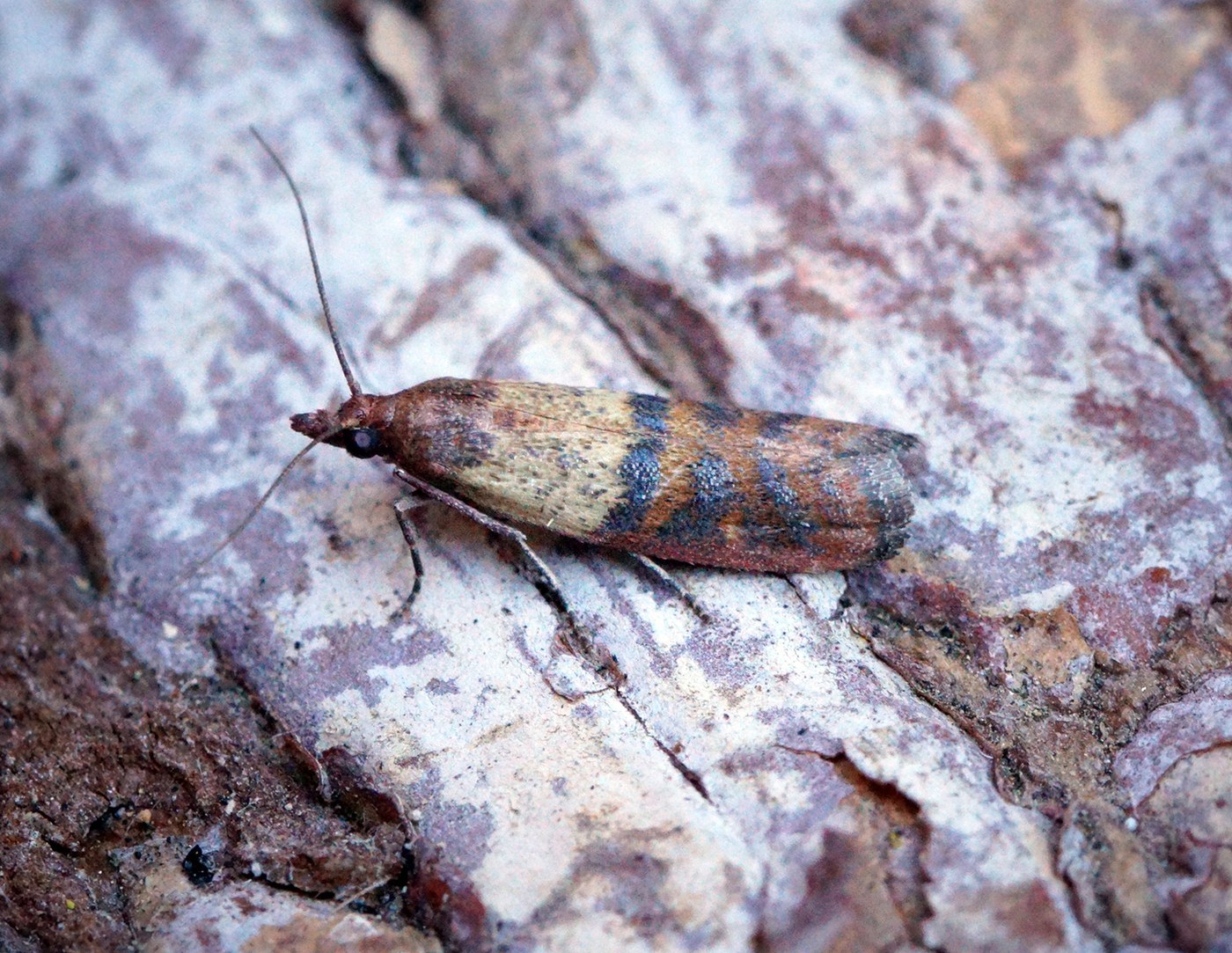
Indian Meal Moth
Plodia interpunctella
A small, distinctively two-toned moth with pale grey-tan inner wings and coppery-reddish outer wings, widely recognized as the most common moth found infesting stored dry food products in homes.
- Size
- 0.55–0.8 in wingspan
- Habitat
- Pantries, stored grain, and food storage facilities worldwide
- Danger
- Nuisance pest
Spotted a bug like this?
Identify any bug or insect from a photo, free.
Overview
The Indian meal moth is a small moth in the family Pyralidae, the snout moths, a large and diverse group that includes many species specialized in feeding on stored plant products. Despite its common name referencing 'Indian meal' (an old term for cornmeal), the species is not native to India but rather earned its name from its early association with cornmeal in North America; it is now found essentially worldwide due to global trade in dried food products.
It has become one of the most familiar household insects associated with stored food, closely tied to human food storage and distribution networks. Its wild ancestral niche would likely have involved feeding on dried seeds and plant material in nests or natural caches, a habit easily transferred to bags of grain, cereal, and dried fruit in pantries.
How to Identify
- Small moth with a wingspan of roughly 14–20 mm.
- Forewings show a distinctive bicolor pattern: the basal (inner) two-fifths is pale grey-tan, sharply contrasting with a reddish-brown to coppery-bronze outer two-thirds.
- Hindwings are a plain pale grey, mostly hidden at rest.
- Rests with wings folded in a narrow, roof-like posture, often on walls or ceilings near food storage areas.
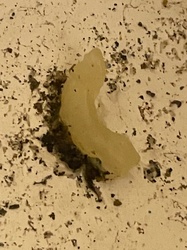
- The larva is a small, cream-colored to pale pinkish caterpillar found in infested grain products, often producing visible silken webbing.
Habitat & Range
Found worldwide in association with stored food products, including homes, pantries, grain elevators, food processing plants, and warehouses. Because indoor environments provide stable warmth, it can be active year-round rather than following a strict outdoor season, though populations may build up more quickly in warmer months.
Behavior & Diet
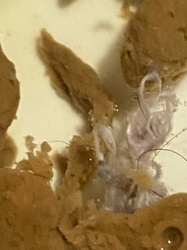
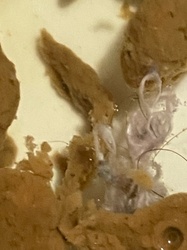
Adults do not feed and are short-lived, existing mainly to mate and disperse to new food sources; they are often first noticed fluttering weakly near ceilings or lights at night. Larvae feed on a wide variety of dried plant-based foods including grains, cereal, dried fruit, nuts, and pet food, spinning silk webbing through the material as they feed and move. This webbing and the presence of small caterpillars or cast skins are often the first visible signs of an infestation in stored food.
Life Cycle
Eggs are laid directly on or near a suitable food source and hatch within a few days into small larvae that begin feeding and spinning silk immediately. Larvae pass through several instars over a few weeks, often wandering away from the food source when mature to find a sheltered spot, such as a wall crevice or ceiling corner, to pupate. Adults emerge from the cocoon after one to two weeks and live only a short time as short-lived, non-feeding moths. Under warm indoor conditions, multiple overlapping generations can occur throughout the year with no true diapause.
Frequently asked questions
Is this the same moth found in closets eating clothes?
No, that's the common clothes moth, a different species entirely; the Indian meal moth targets dried food rather than fabric.
What does the silk webbing in my food mean?
Silken webbing strands running through grain, cereal, or dried fruit are a typical sign of larval feeding activity from this species.
How can I identify the adult moth?
Look for the sharp two-tone wing pattern — pale grey-tan near the body and coppery-reddish-brown toward the wingtips — which is unique among common household moths.
Why does it appear year-round instead of seasonally?
Because it develops inside stored food kept at stable indoor temperatures, it isn't limited by outdoor seasons and can produce generations continuously indoors.
Indian Meal Moth guides
In-depth guides for identifying, understanding, and living alongside Indian Meal Moth.
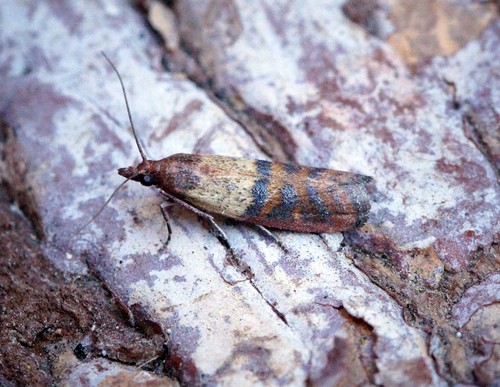
Indian Meal Moth identified by the community
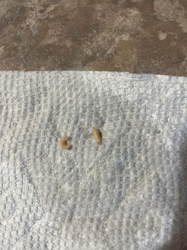
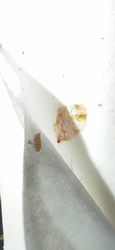
Real finds identified with Bug Identifier.
Other bugs you may enjoy
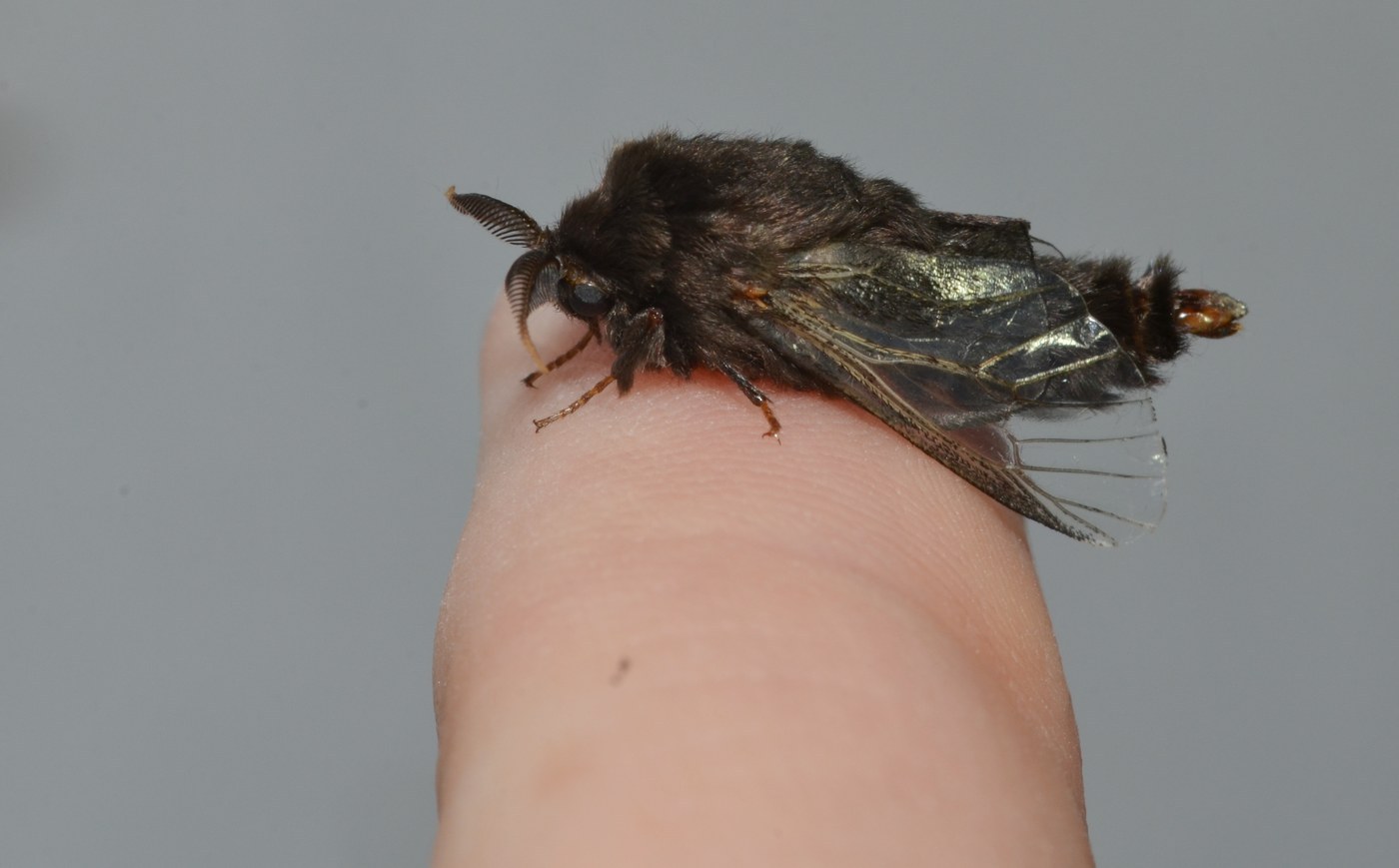
Bagworm Moth
Coniferous and deciduous trees, shrubs, hedges
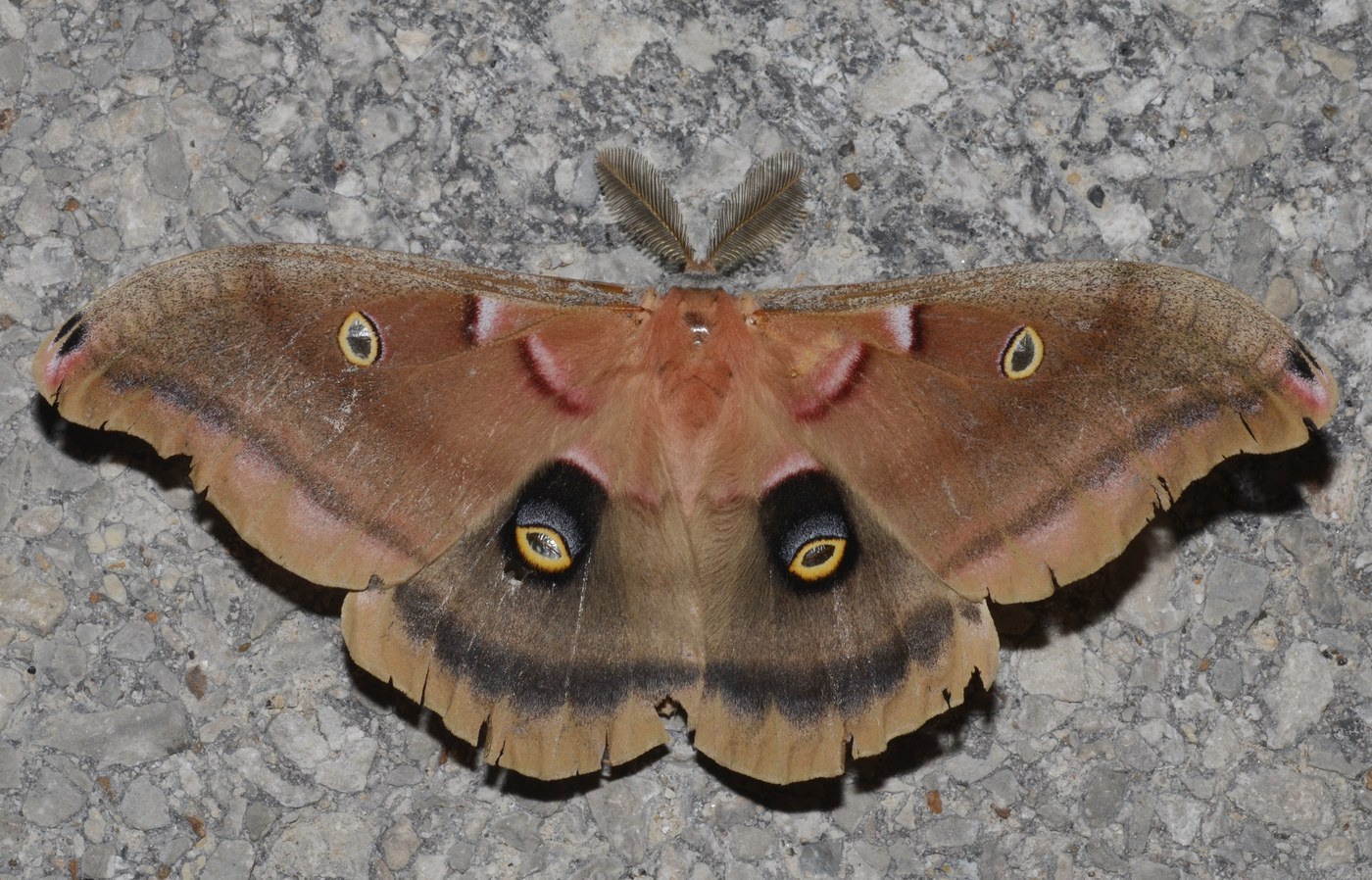
Antheraea Silkmoth
Deciduous forests, woodland edges, orchards
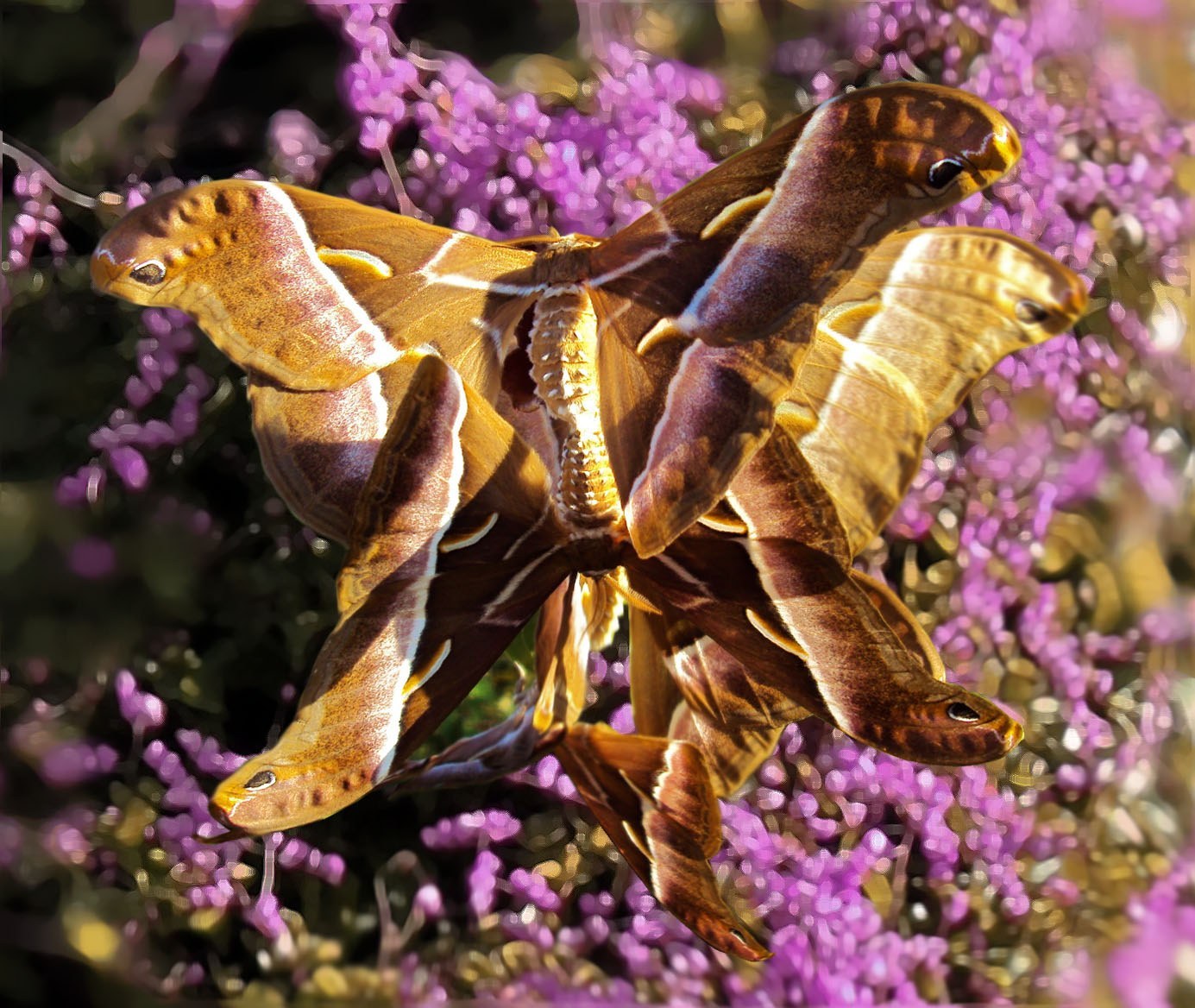
Ailanthus Silkmoth (Cynthia Moth)
Urban parks, wastelands, and woodland edges with tree-of-heaven; native to Asia, introduced in North America and Europe
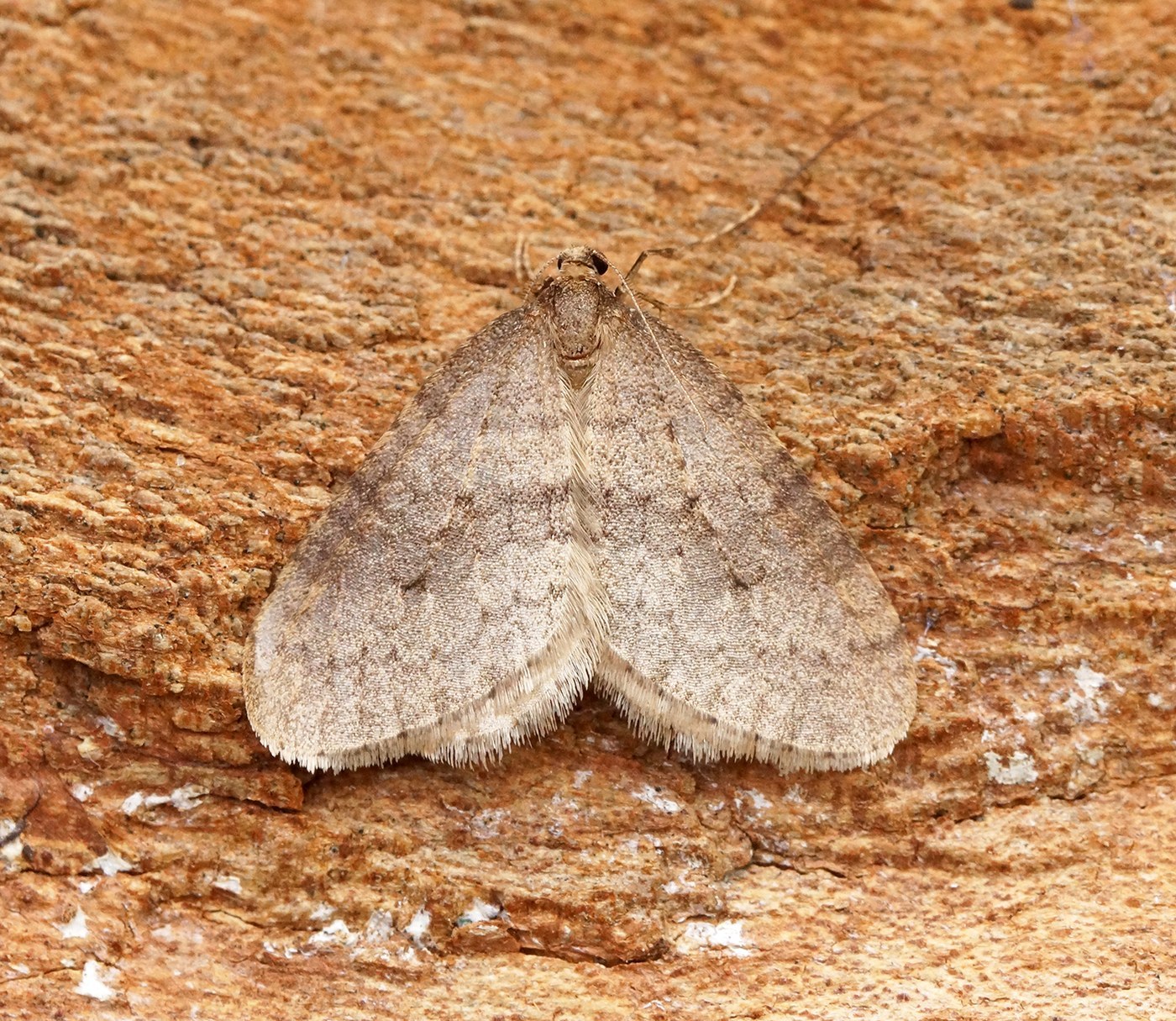
Winter Moth
Deciduous woodland, orchards, gardens, hedgerows
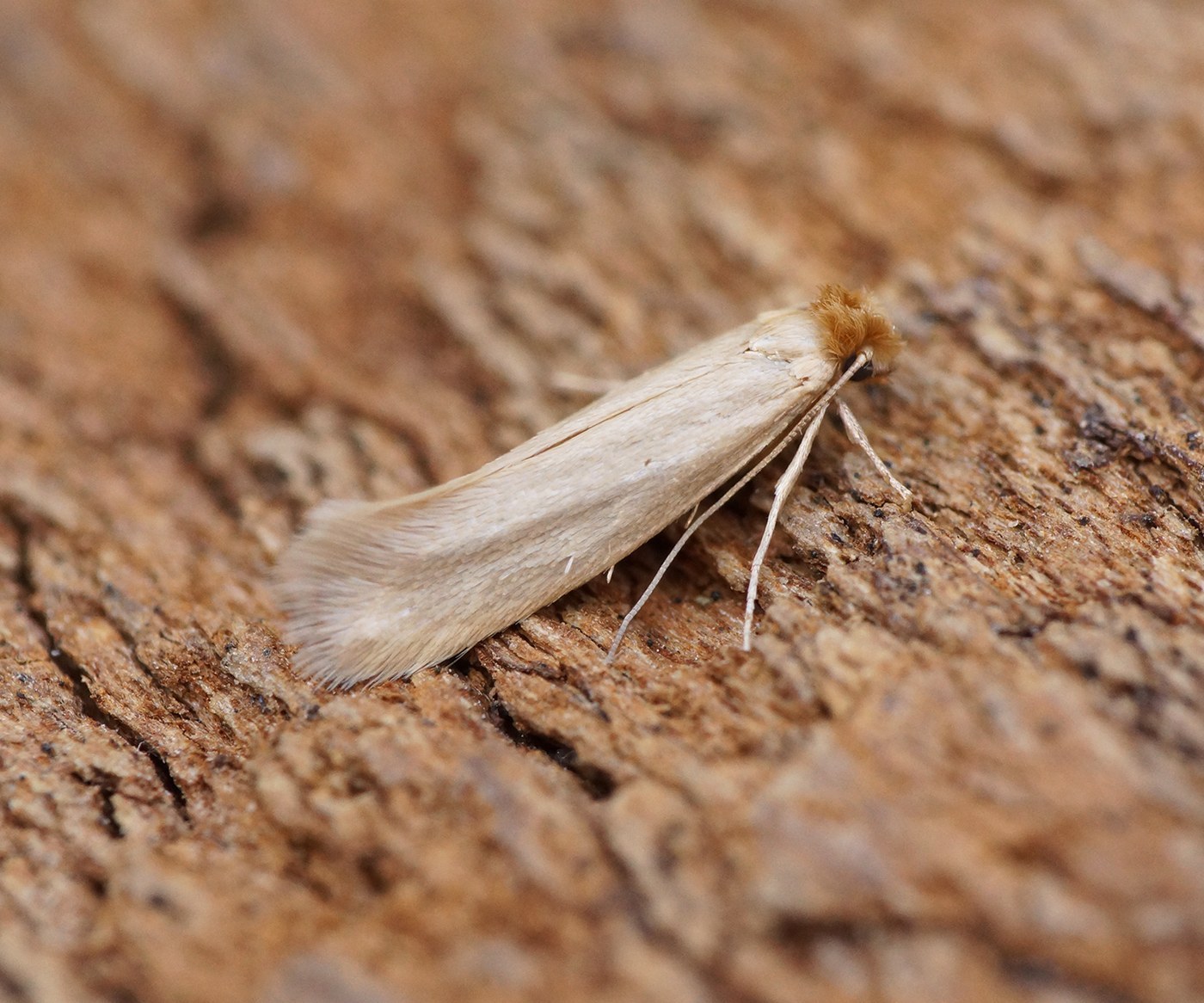
Webbing Clothes Moth
Dark closets, storage areas, and animal nests worldwide
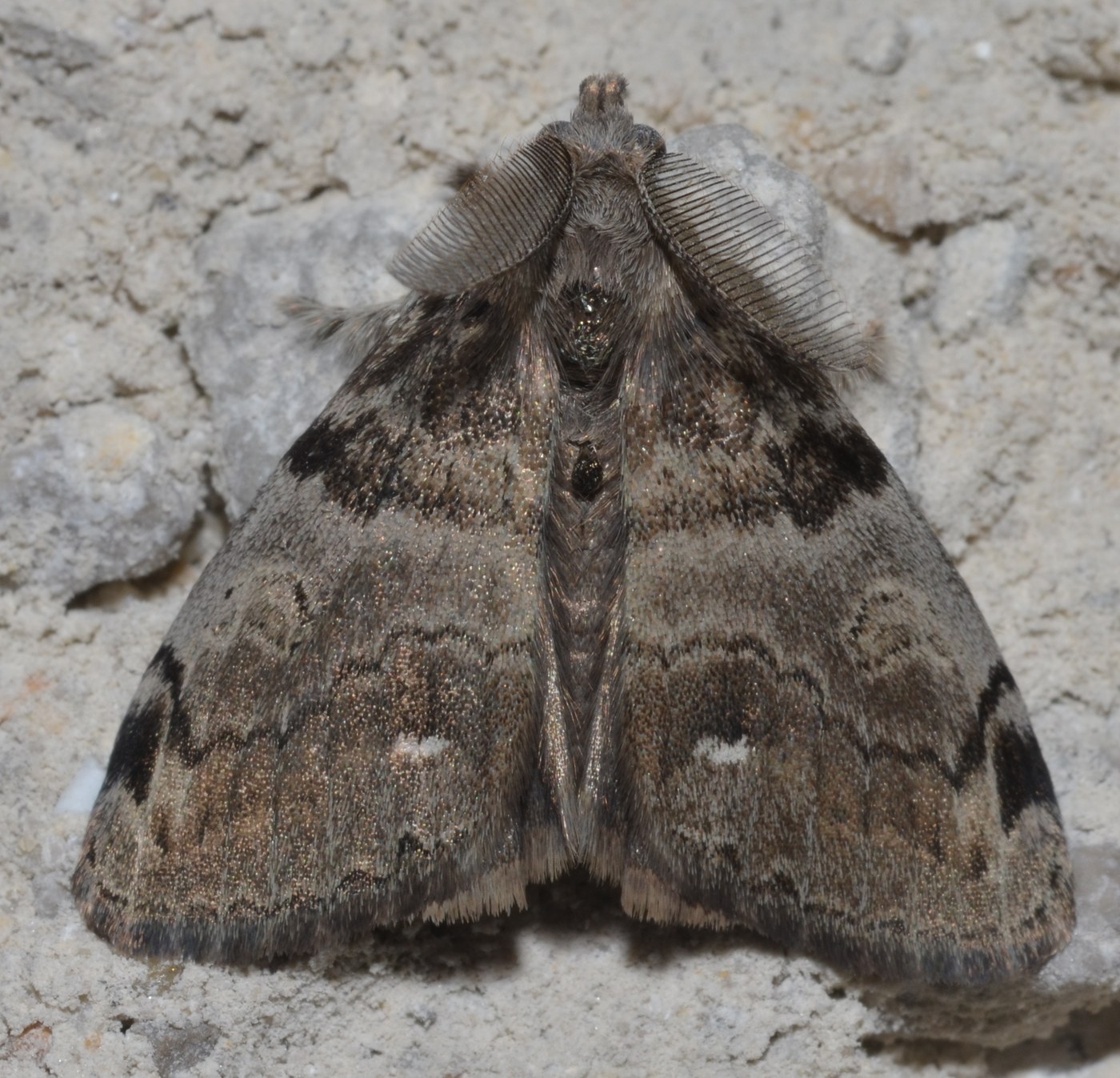
Tussock Moth
Deciduous forests, parks, gardens
Wax Moth
Beehives, apiaries, stored beeswax and comb
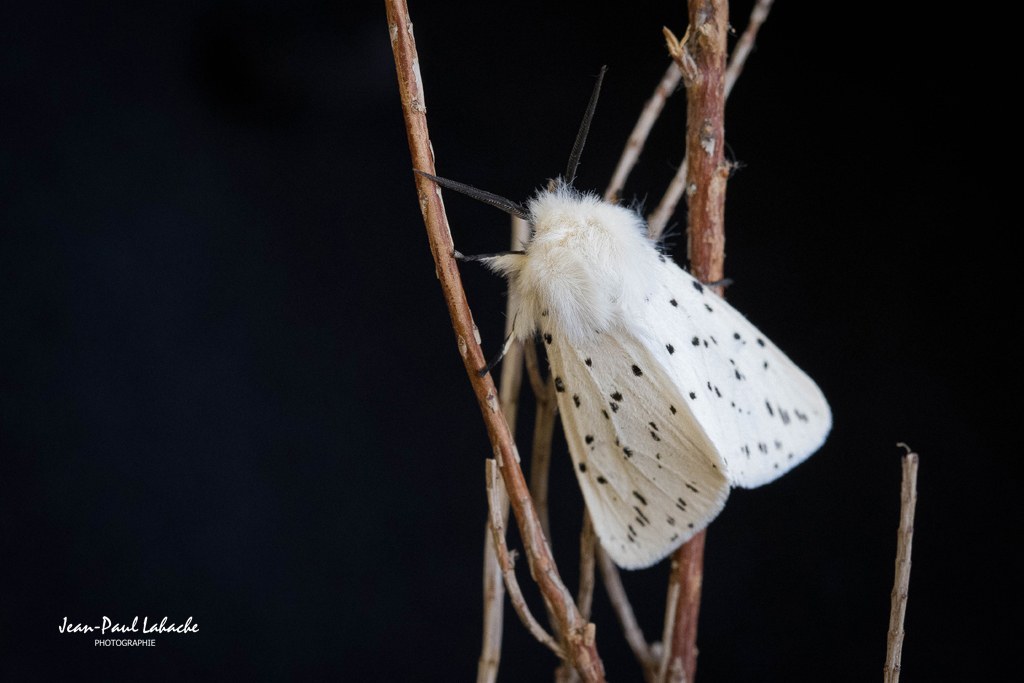
White Ermine Moth
Gardens, meadows, hedgerows
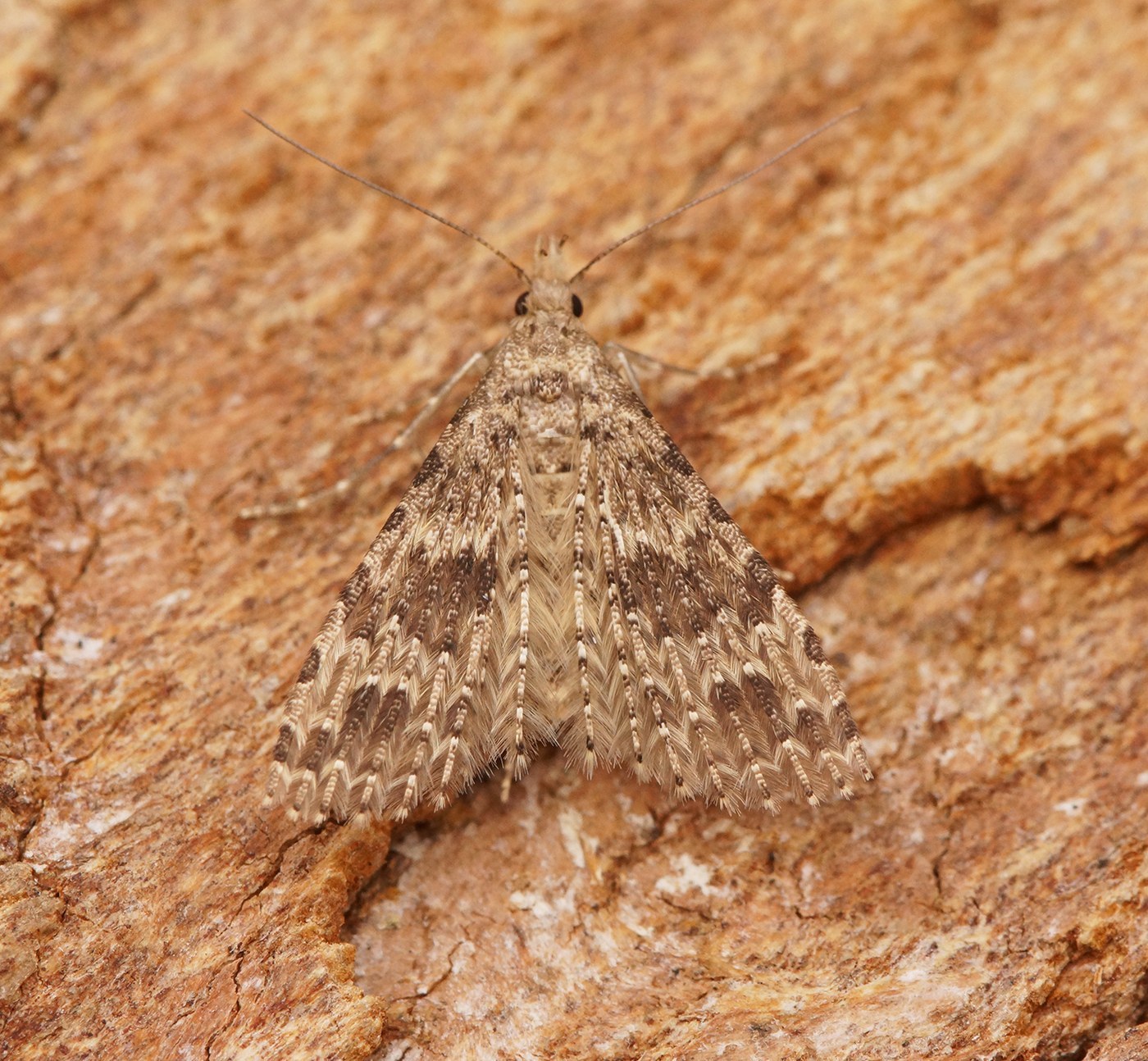
Twenty-plume Moth
Gardens, hedgerows, near honeysuckle
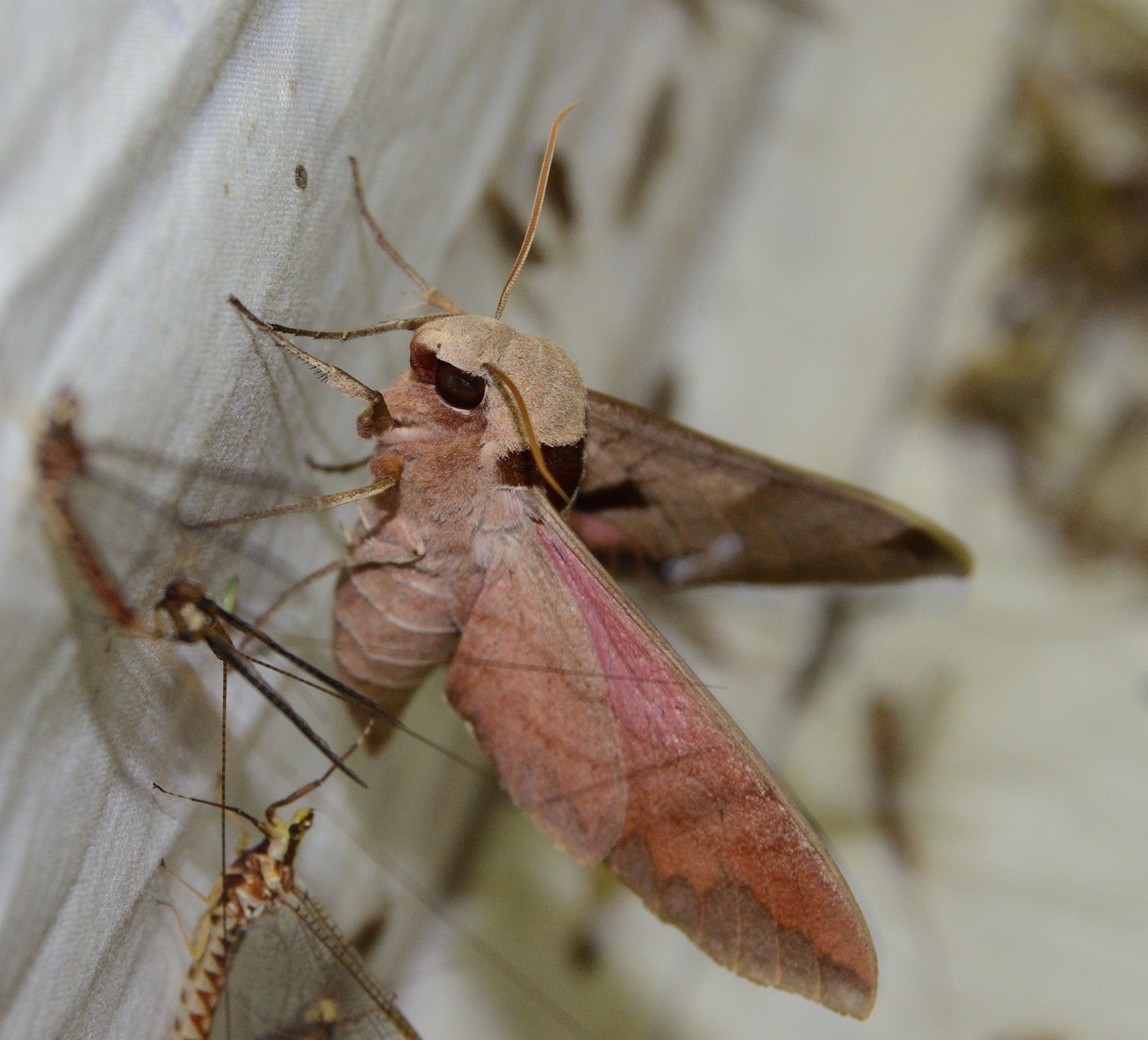
Achemon Sphinx Moth
Vineyards, woodland edges, gardens with wild grape
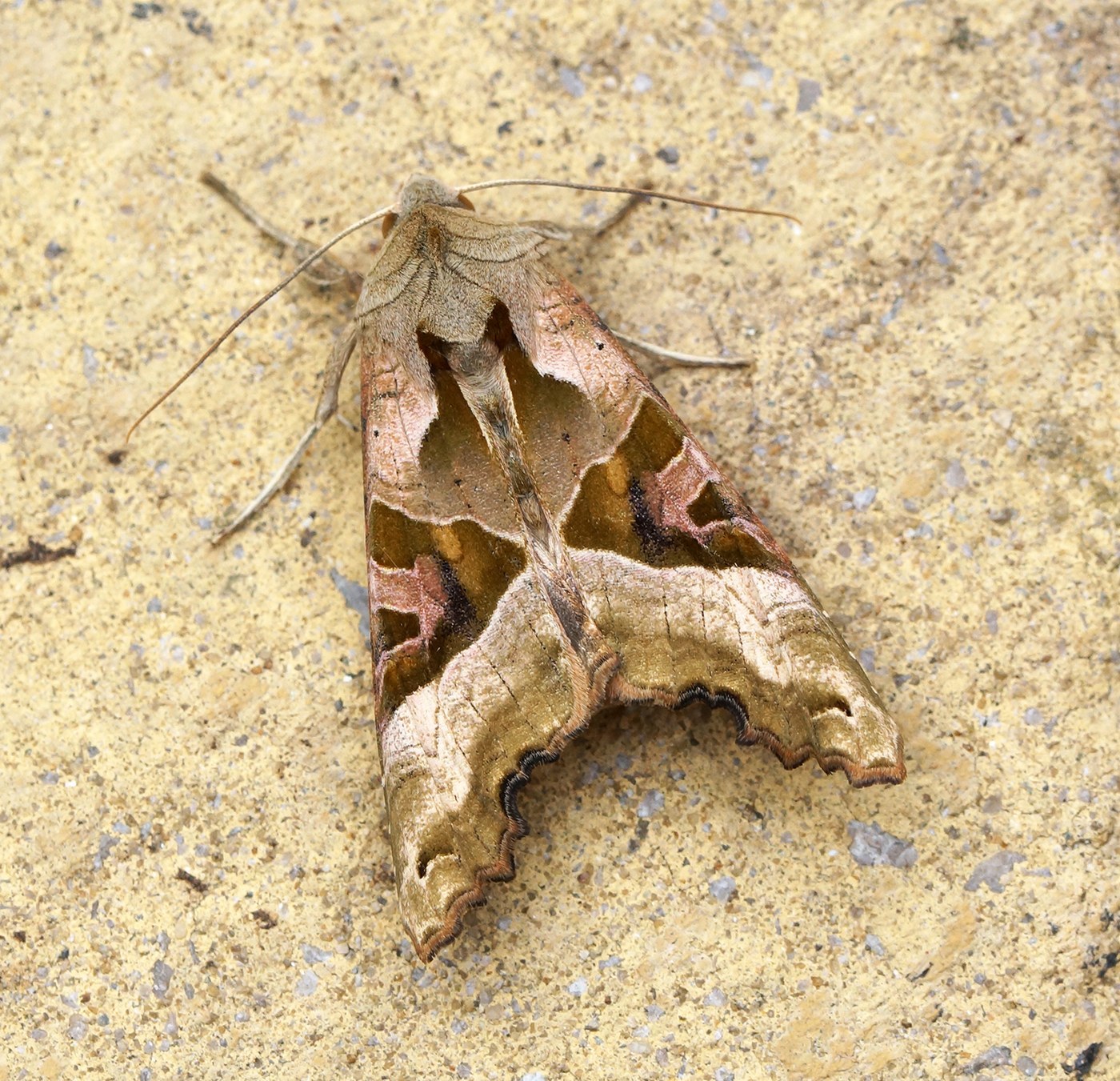
Angle Shades Moth
Gardens, hedgerows, woodland edges, urban parks
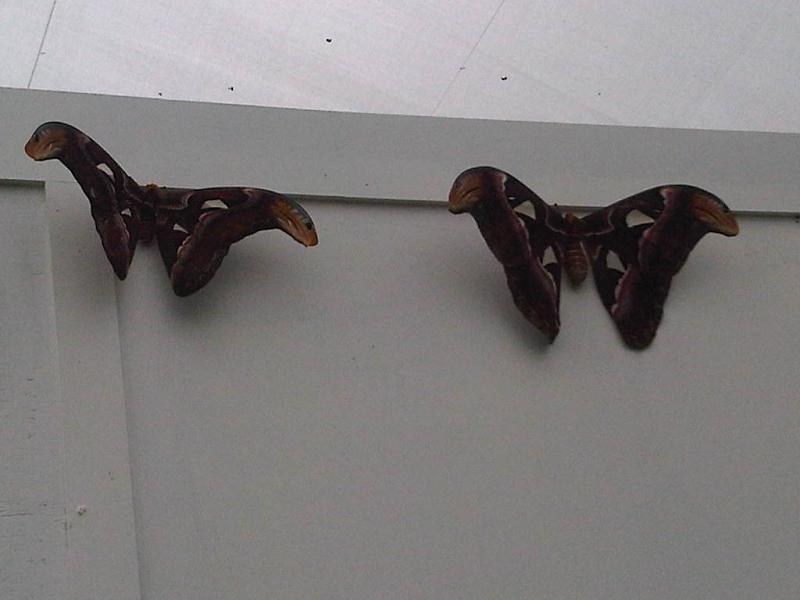
Atlas Moth
Tropical and subtropical lowland forests of Southeast Asia