
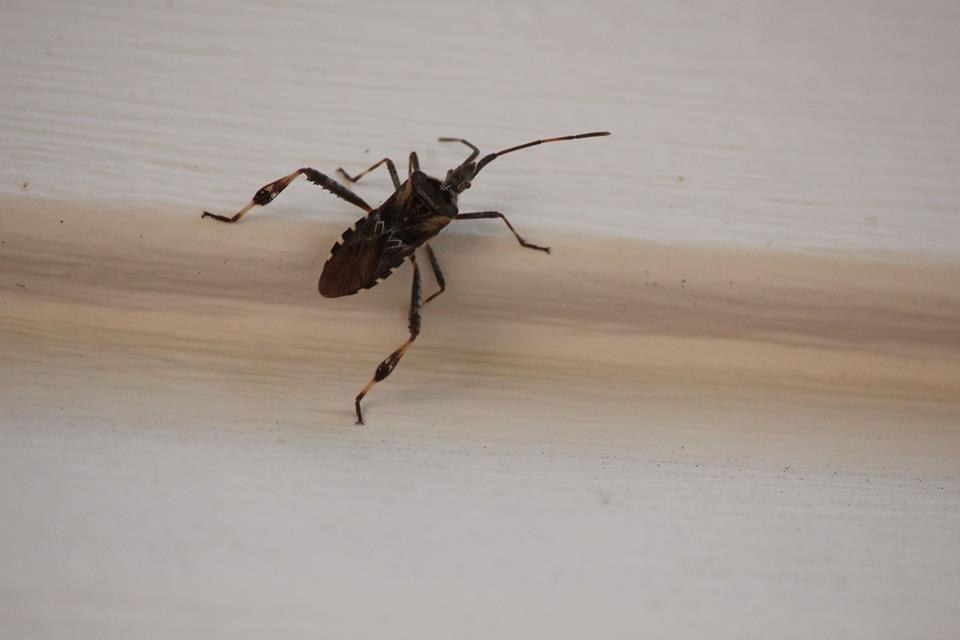
Western Conifer Seed Bug
Leptoglossus occidentalis
A large brown true bug with flattened, leaf-shaped hind legs, native to conifer forests of the western United States but now widespread and notorious for gathering on and inside buildings as cooler weather approaches.
- Size
- 16–20 mm
- Habitat
- Coniferous forests; often enters buildings in autumn
- Danger
- Nuisance pest
Spotted a bug like this?
Identify any bug or insect from a photo, free.
Overview
The western conifer seed bug is a member of the leaf-footed bug family Coreidae, order Hemiptera, originally native to pine and conifer forests of the western United States. Since the mid-20th century, it has expanded dramatically eastward across North America and has also become established in parts of Europe and Asia, likely aided by its strong flying ability and tendency to seek shelter in human structures.
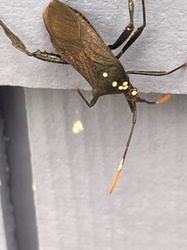
Adults are large, robust, mottled brown bugs with the characteristic flattened hind leg expansions shared by other members of the genus Leptoglossus, along with a pale zigzag band across the wings. They are strongly associated with coniferous trees, where they feed on developing seeds within cones.
This species is particularly well known for its seasonal habit of entering homes, attics, and other structures in large numbers during fall as it seeks overwintering shelter, making it one of the most commonly reported nuisance insects of autumn in many regions.
How to Identify
- Large, elongated body with a mottled brown to reddish-brown coloration that provides camouflage against bark.
- Distinctive flattened, leaf-shaped expansions on the hind leg tibiae.
- A pale, jagged white band crosses the middle of the folded wings.
- Long antennae and legs; produces an audible buzzing sound in flight due to its relatively large size.
- Distinguished from other leaf-footed bugs by its strong association with conifers and its well-documented habit of entering buildings in autumn; can be confused with stink bugs but is longer and narrower with obvious leaf-shaped hind legs.
Habitat & Range
Originally native to western North American conifer forests, it has since spread across the entire continental United States, into Canada, and to parts of Europe and Asia. It is closely tied to pine, fir, spruce, and other coniferous trees, where its nymphs and adults feed on developing cone seeds.
Active from spring through fall in forested habitats, it becomes especially conspicuous in autumn when adults seek out sheltered overwintering sites, frequently entering homes, sheds, and other structures in search of a protected place to spend the winter.
Behavior & Diet
Western conifer seed bugs feed by piercing developing conifer cones and extracting nutrients from the seeds inside, which can reduce seed viability in heavily infested cones. Nymphs and adults are typically found on cone-bearing branches during the growing season.
In late summer and fall, adults undertake a seasonal migration in search of overwintering shelter, often congregating in large numbers on sun-warmed exterior walls before entering gaps and cracks into buildings. When disturbed, they emit a distinctive pungent odor as a defensive response. They do not bite or sting people; ecologically they are seed predators within conifer ecosystems.
Life Cycle
Females lay rows of eggs along conifer needles in spring and summer. Nymphs hatch and progress through five instars of incomplete metamorphosis while feeding on developing cones, gradually acquiring wings and the adult's leaf-shaped hind legs.
One generation is typically produced per year. Adults overwinter as adults, often in large aggregations within sheltered locations such as bark crevices, leaf litter, or buildings, emerging again in spring to feed and lay eggs on new conifer growth.
Frequently asked questions
Why do these bugs come into houses in fall?
Adults seek sheltered locations to spend the winter and are drawn to sun-warmed exterior walls, often finding their way indoors through small gaps and cracks.
Does it bite or sting?
No, it does not bite or sting people, though it can release a noticeable odor if handled or disturbed.
Is it the same as a stink bug?
It is in a related but different family (Coreidae rather than Pentatomidae) and is generally larger and narrower, with obvious flattened hind legs that stink bugs lack.
What does it eat?
It feeds on the developing seeds inside conifer cones, using its piercing mouthparts to extract nutrients.
Western Conifer Seed Bug guides
In-depth guides for identifying, understanding, and living alongside Western Conifer Seed Bug.
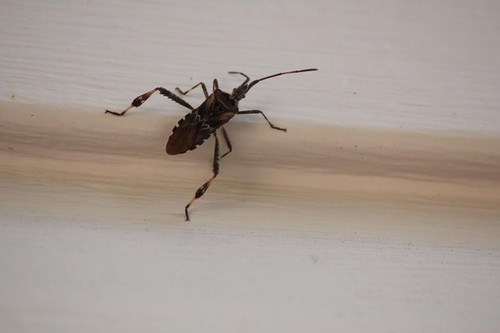
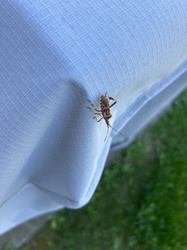
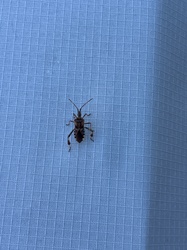
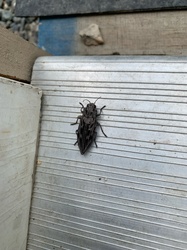
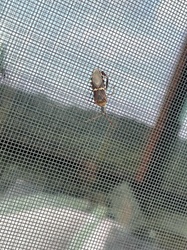
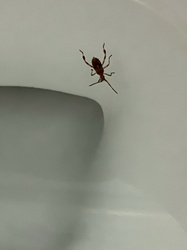
Western Conifer Seed Bug identified by the community
Real finds identified with Bug Identifier.
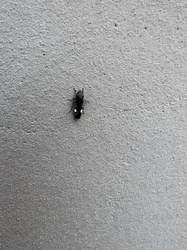
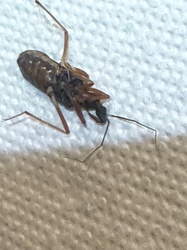
Other bugs you may enjoy
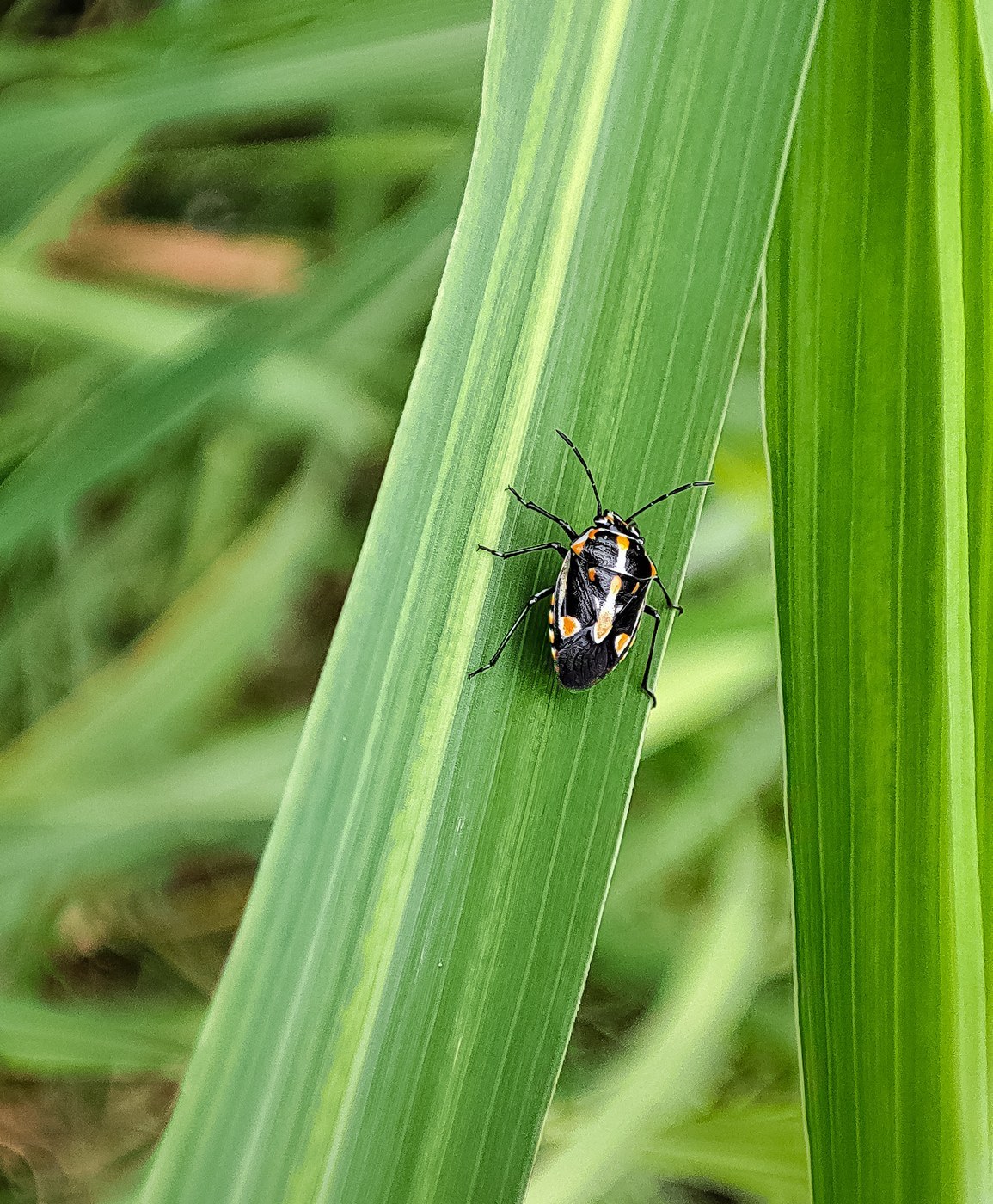
Bagrada Bug
Arid gardens, crucifer fields, desert-adjacent croplands
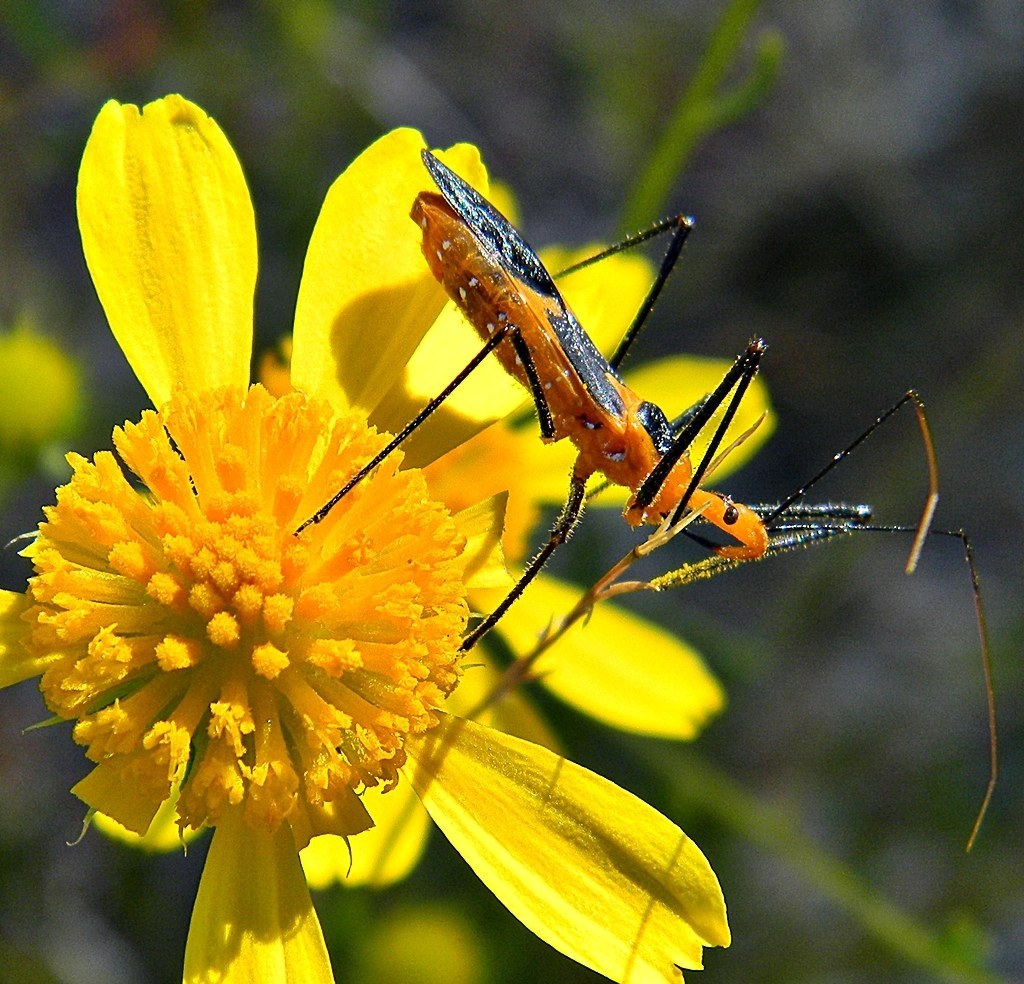
Assassin Bug
Gardens, meadows, and vegetation worldwide
Water Boatman Bug
Ponds, lakes, and slow-moving freshwater
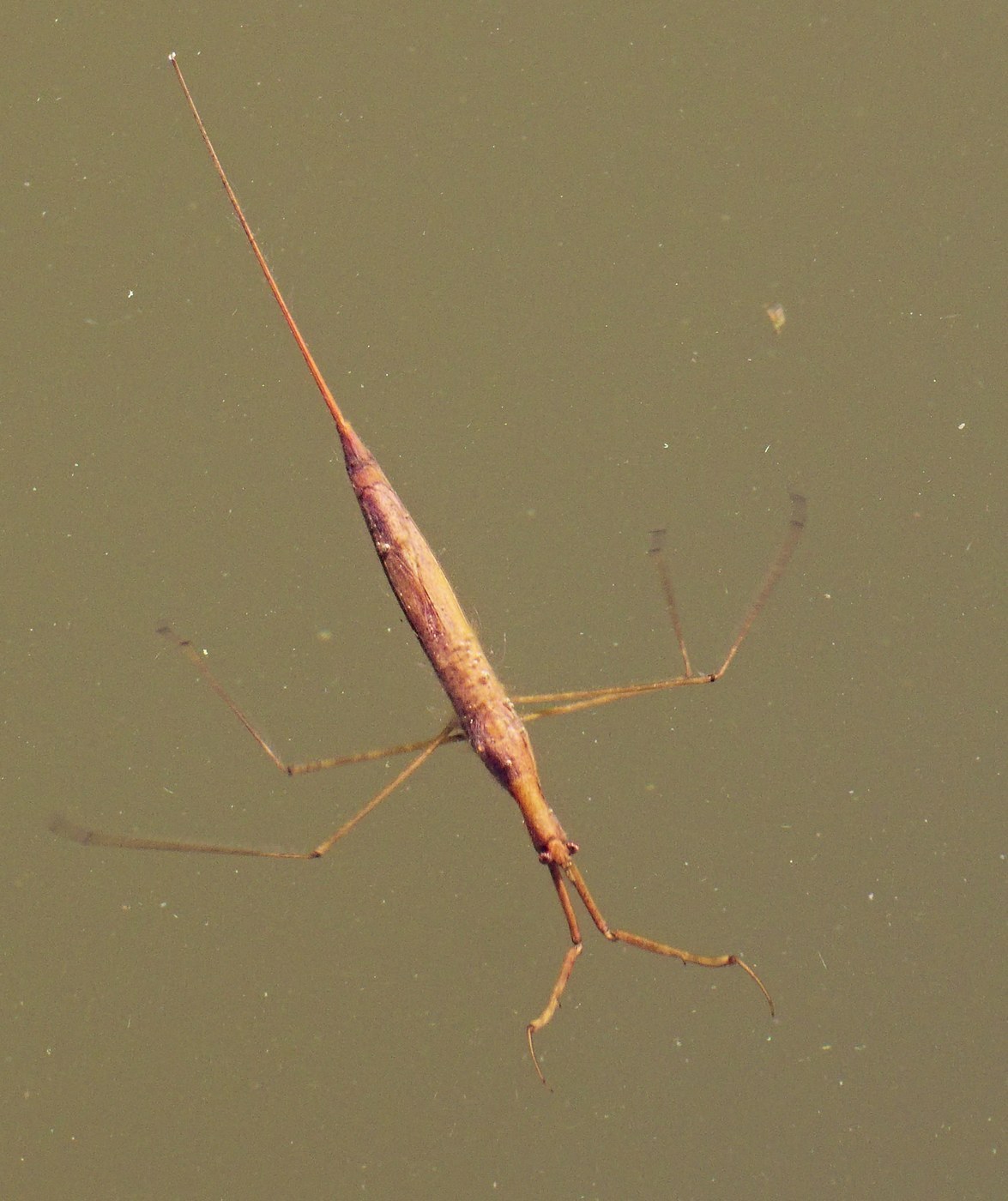
Water Stick Insect
Still and slow-moving water with dense submerged vegetation
Rough Stink Bug
Tree bark, woodlands, orchards, and shrubby vegetation
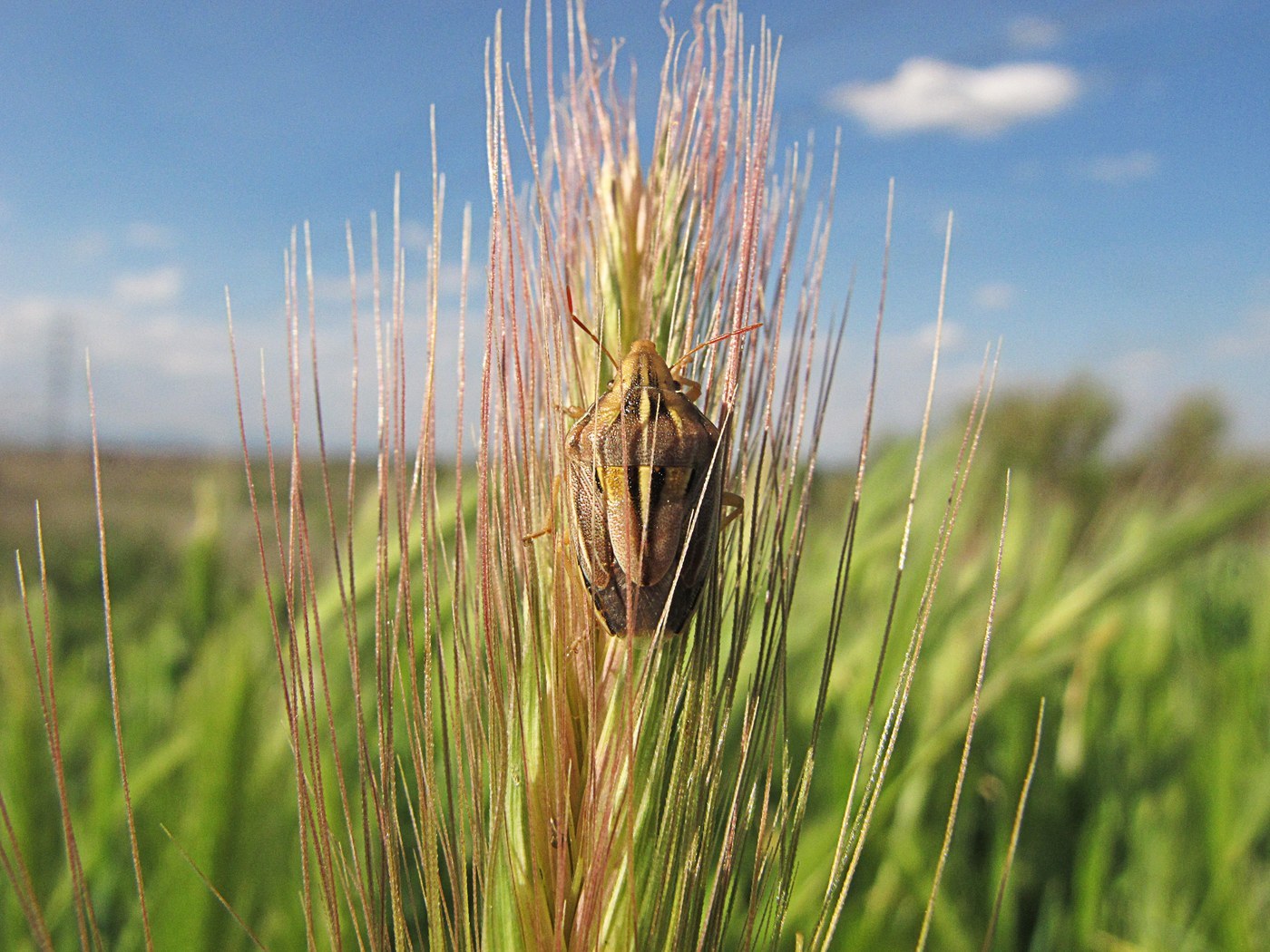
Stink Bug
Gardens, crop fields, and woodlands across temperate and subtropical regions
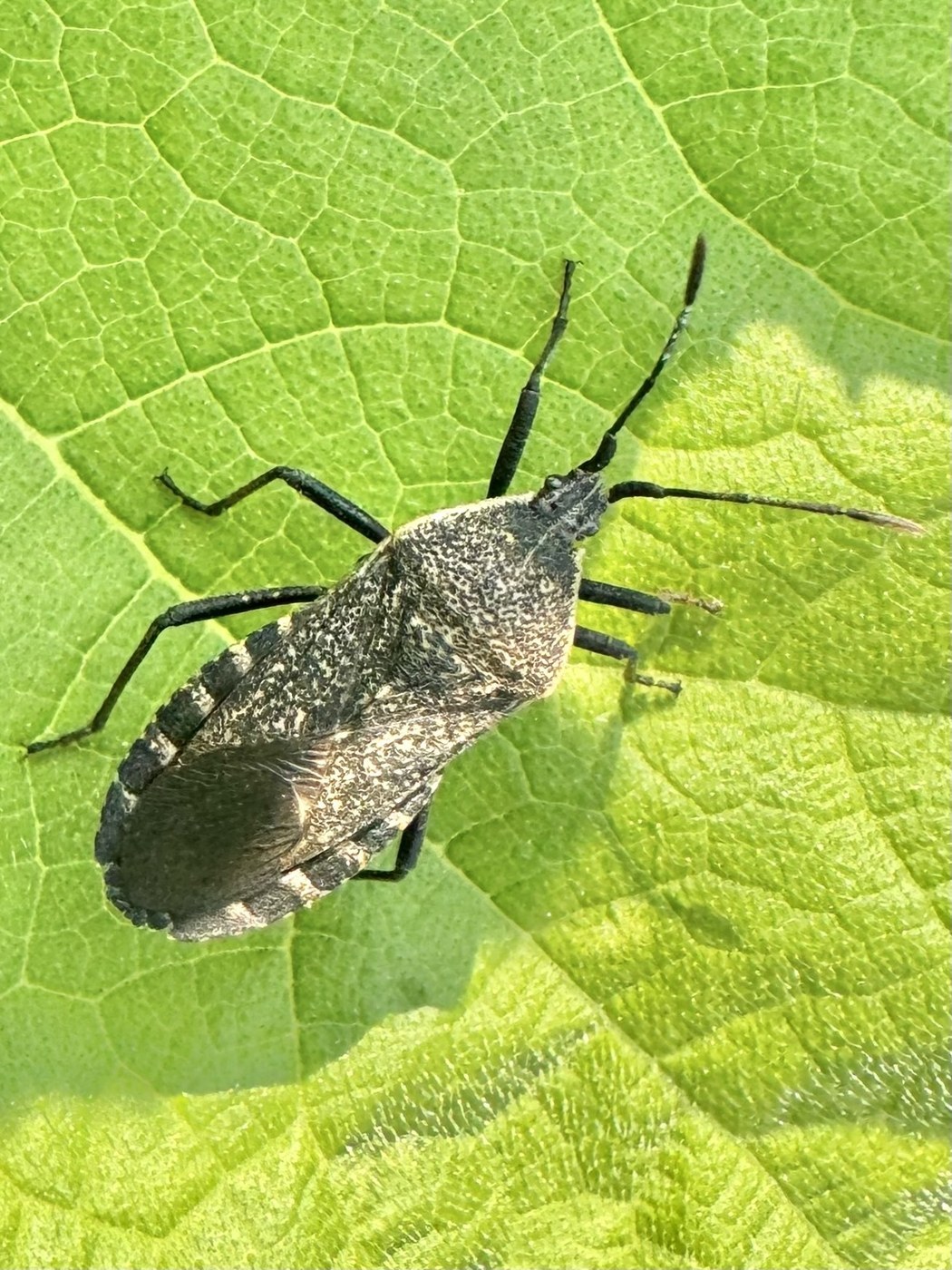
Squash Bug
Vegetable gardens and farm fields growing squash, pumpkin, and other cucurbits
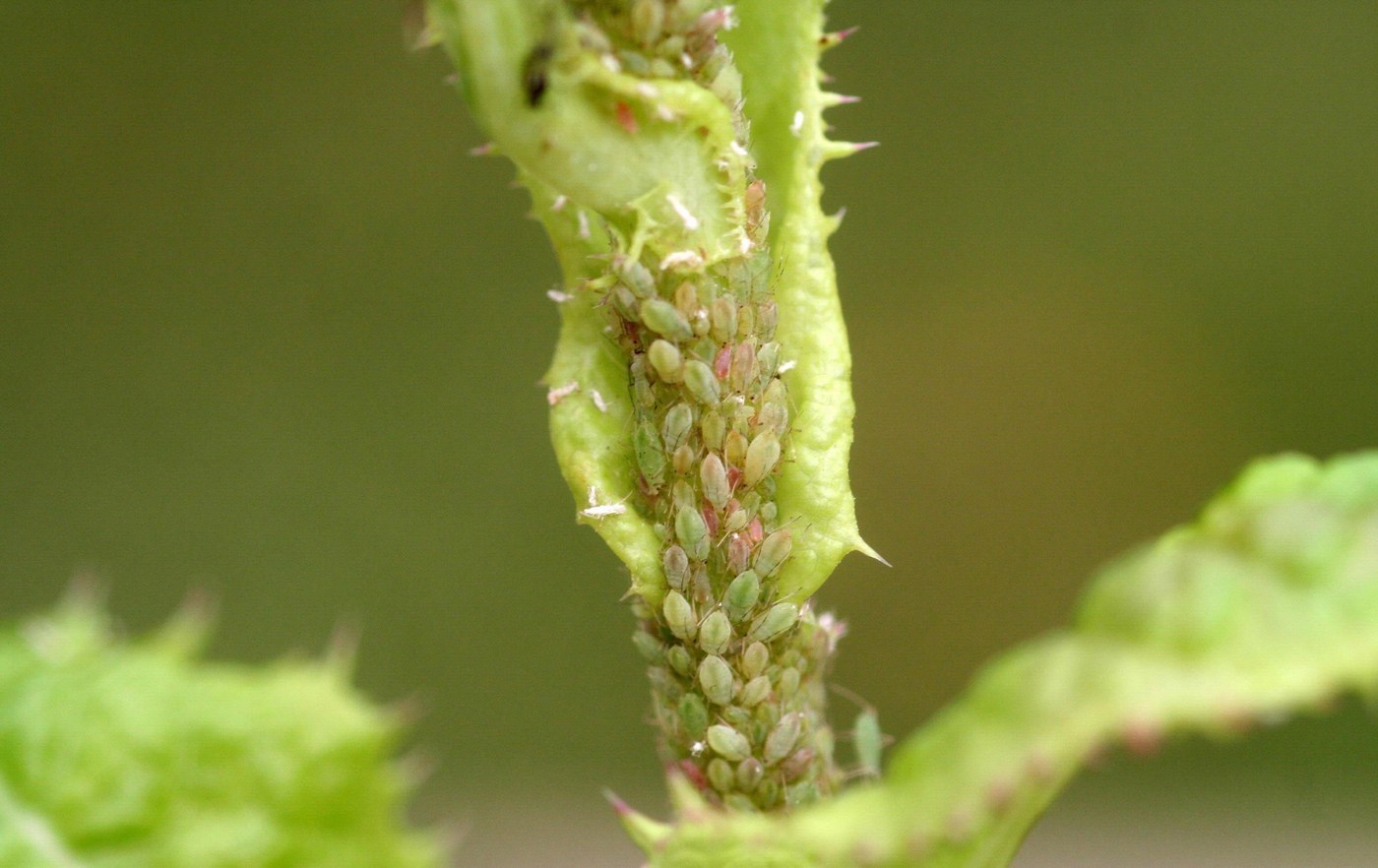
Aphid
On stems, leaves, and buds of a very wide range of host plants
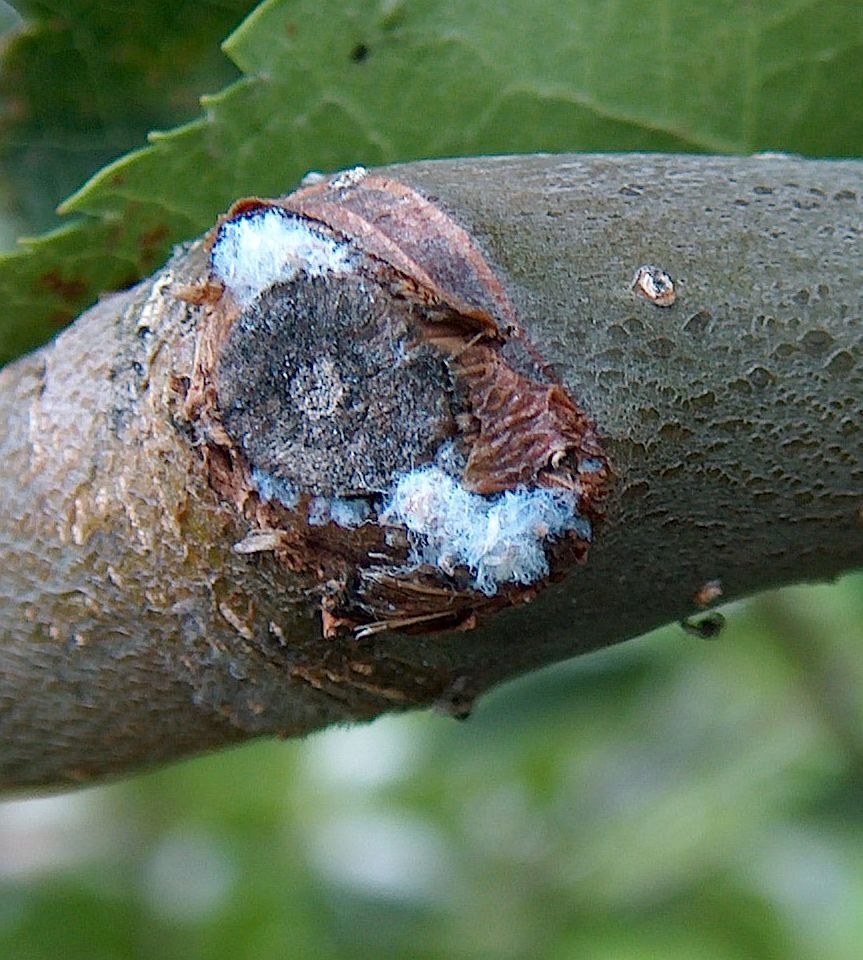
Woolly Aphid
Bark crevices, root collars, and twigs of apple, elm, and alder trees
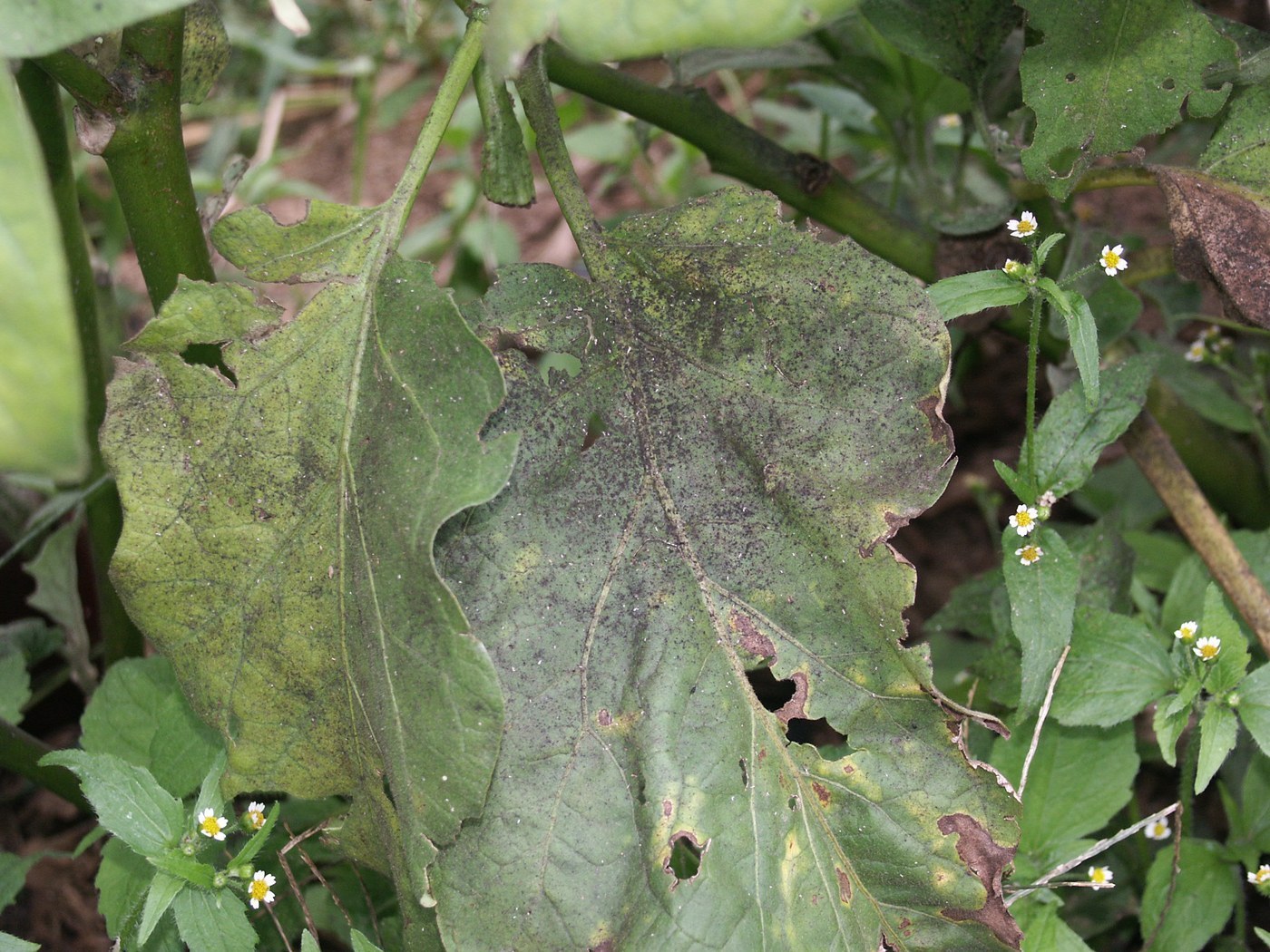
Whitefly
Greenhouses, gardens, and undersides of leaves on host plants
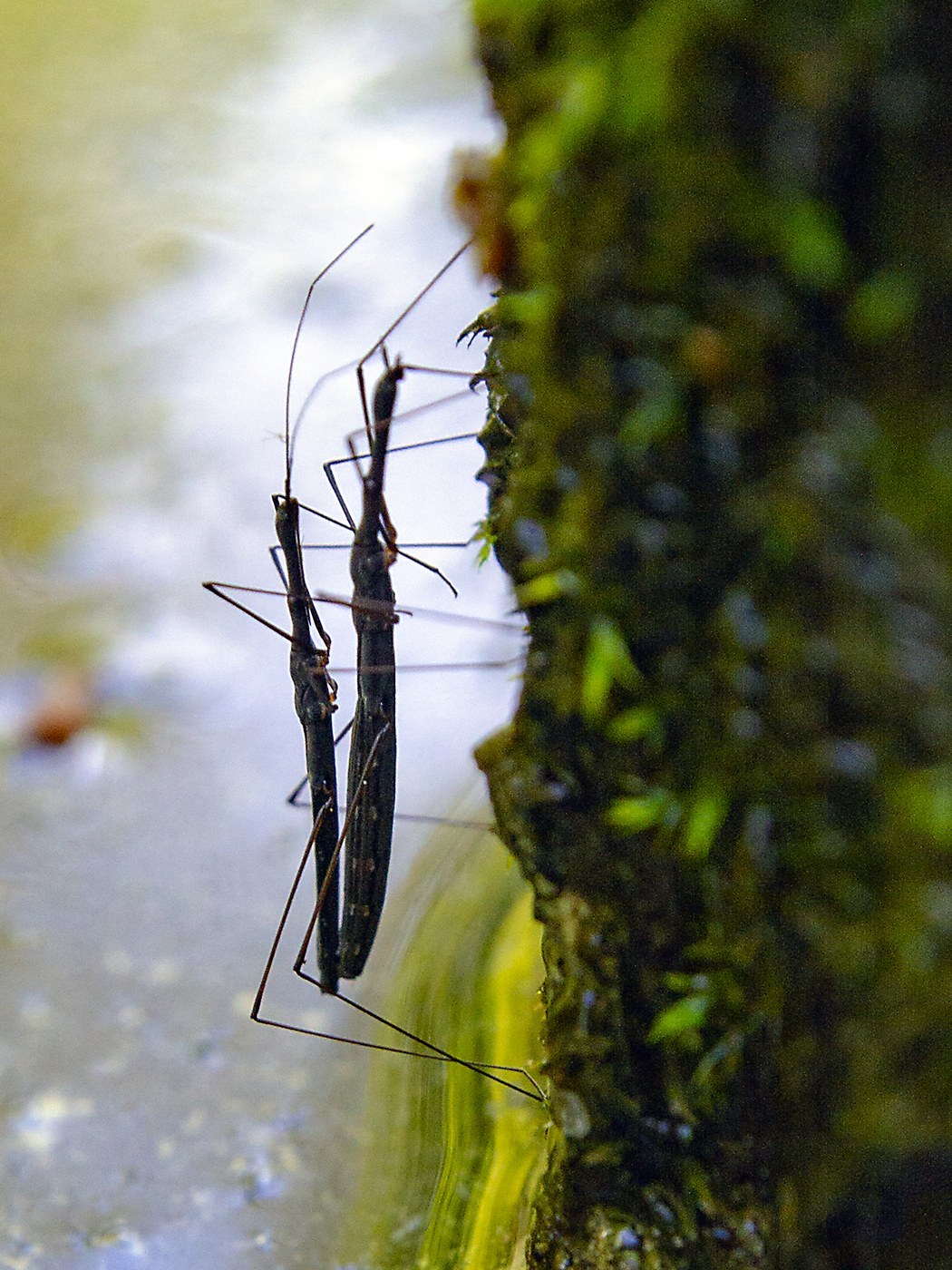
Water Measurer
Quiet edges of ponds, marshes, and slow streams
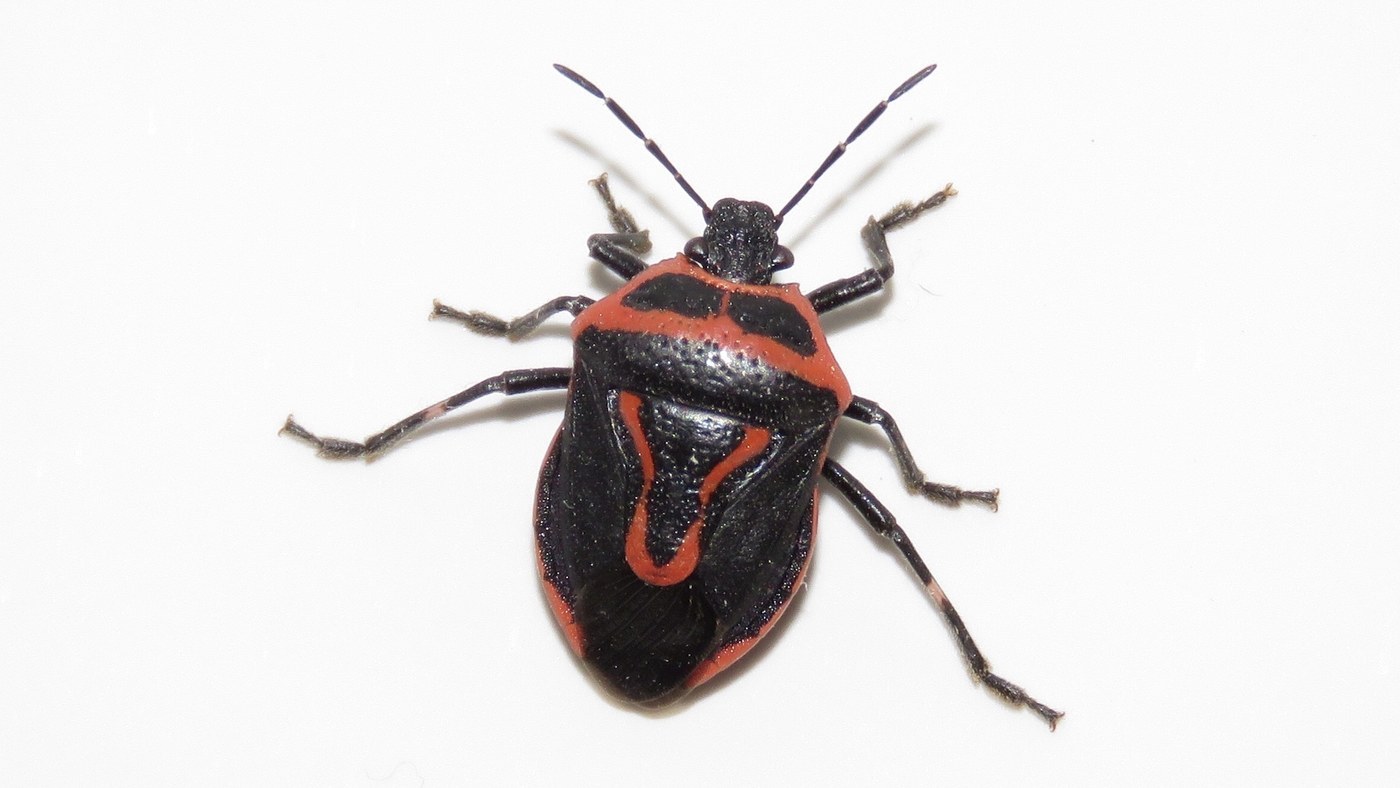
Two-Spotted Stink Bug
Gardens and fields with potato and nightshade-family plants