
Acrobat Ant
Crematogaster spp.
A small ant named for its habit of raising its distinctive heart-shaped abdomen up over its body like an acrobat when disturbed or alarmed.
- Size
- Workers about 2.5-4 mm long
- Habitat
- Decaying wood, tree cavities, and mulch, sometimes structures
- Danger
- Stings
Spotted a bug like this?
Identify any bug or insect from a photo, free.
Overview
Acrobat ants, genus Crematogaster, are a widespread group found on every continent except Antarctica, with numerous species occurring throughout North America. Their common name comes from a striking defensive posture: when disturbed, workers raise their abdomen up and forward over the rest of the body, resembling a tiny acrobat.
These ants typically nest in existing cavities within decaying or damp wood, such as old stumps, dead branches, and rotting logs, rather than excavating their own tunnels through sound timber the way some carpenter ants do. Occasionally, colonies establish satellite nests within the wall voids or structural wood of buildings, particularly in wood that has already been softened by moisture or prior insect damage.
Acrobat ants are ecologically significant as both predators of other small insects and as important tenders of honeydew-producing insects, forming close mutualistic relationships with aphids and scale insects on nearby plants.
How to Identify
- Small workers, about 2.5-4 mm long
- Distinctive heart-shaped or shield-shaped gaster, held raised and pointed forward over the body when alarmed
- Petiole attaches to the top rather than the base of the gaster
- Coloring ranges from solid black or brown to bicolored, with a lighter thorax and darker gaster in some species
- Possesses a stinger
- The upward-tilted abdomen posture reliably separates this genus from most other similarly sized ants
Habitat & Range
Acrobat ants are found across a wide range of habitats including forests, woodlands, and suburban landscapes throughout North America and beyond. They favor nesting sites in decaying or moisture-damaged wood, such as dead tree limbs, stumps, and landscape mulch, and occasionally extend colonies into damp structural wood in buildings.
Behavior & Diet
These ants are omnivorous, feeding on other small insects as well as sugary substances, and they are prolific tenders of aphids, scale insects, and other honeydew producers, often building shelter tubes of debris and soil over the insects they tend. When disturbed, workers characteristically raise their gaster over the thorax and head in a defensive acrobatic posture, sometimes emitting a faint odor at the same time.
Life Cycle
Acrobat ants develop through complete metamorphosis, progressing from egg to larva to pupa to adult. Colonies may be headed by a single queen or, in some species, multiple queens, and can range from several hundred to a few thousand workers. Winged reproductives are produced seasonally and disperse during nuptial flights, typically in warmer months, to establish new colonies.
Frequently asked questions
Why is it called an acrobat ant?
When alarmed, workers raise their heart-shaped abdomen up and forward over their body in a distinctive posture that resembles an acrobat.
Where do acrobat ants nest?
They typically nest in cavities within decaying or moisture-damaged wood, such as old stumps and dead branches, and occasionally in damp structural wood.
Do acrobat ants sting?
They have a functional stinger and can sting in defense.
What do acrobat ants eat?
They are omnivorous, preying on small insects and feeding heavily on honeydew produced by aphids and scale insects that they tend.
Acrobat Ant guides
In-depth guides for identifying, understanding, and living alongside Acrobat Ant.
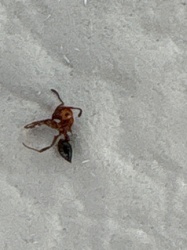
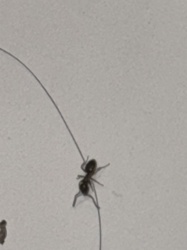
Acrobat Ant identified by the community
Real finds identified with Bug Identifier.
Other bugs you may enjoy
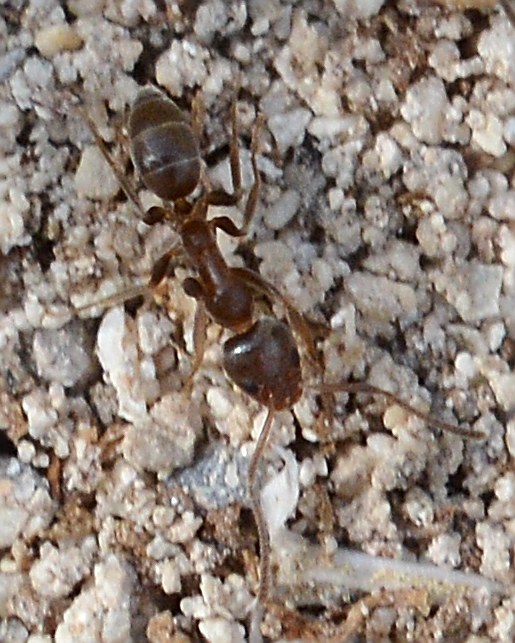
Argentine Ant
Disturbed urban soil, gardens, and building perimeters
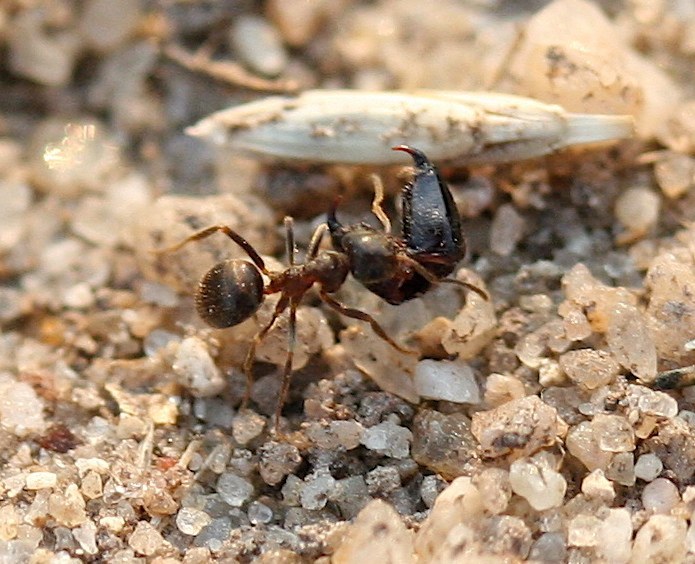
Ant
Gardens, lawns, woodlands, sidewalks, and buildings worldwide
Weaver Ant
Canopy of tropical forests, orchards, and mangroves
Sugar Ant
Gardens, woodlands, and urban areas; nests in soil, timber, or tree hollows
Trap-Jaw Ant
Tropical and subtropical forests, leaf litter, sandy coastal soils
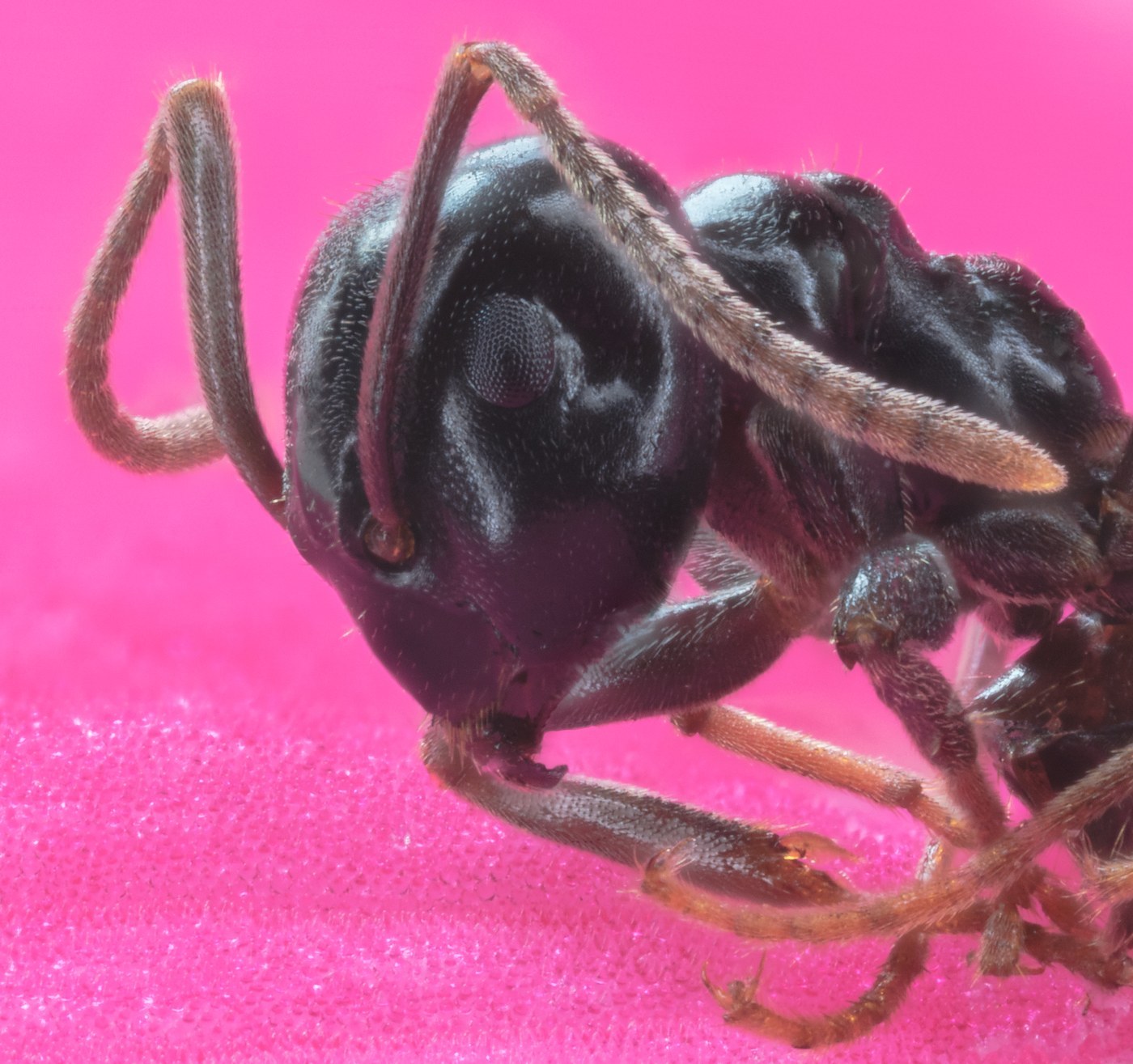
Pharaoh Ant
Warm, humid indoor voids such as wall cavities and heating ducts
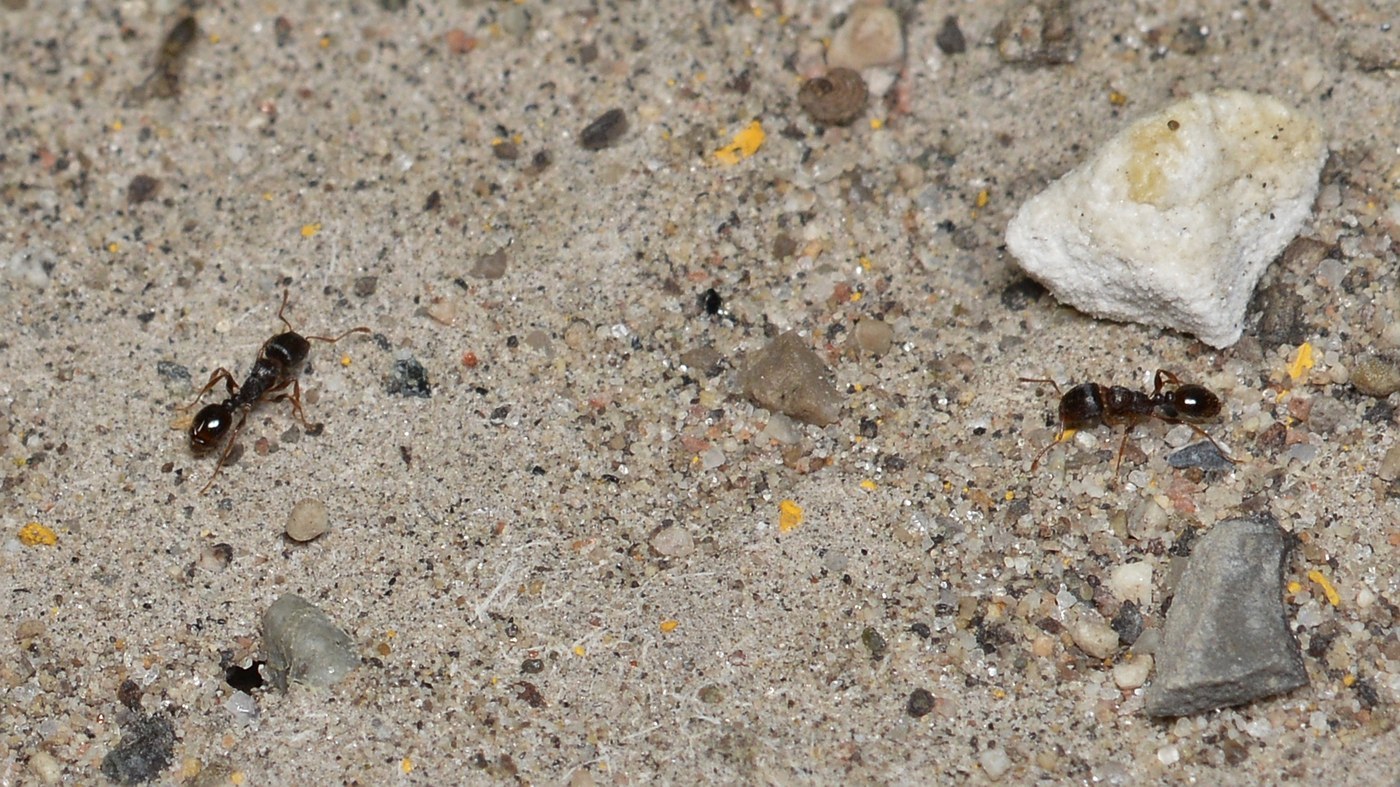
Pavement Ant
Cracks in sidewalks, driveways, and building foundations
Odorous House Ant
Soil, mulch, wall voids, and areas near moisture indoors and out
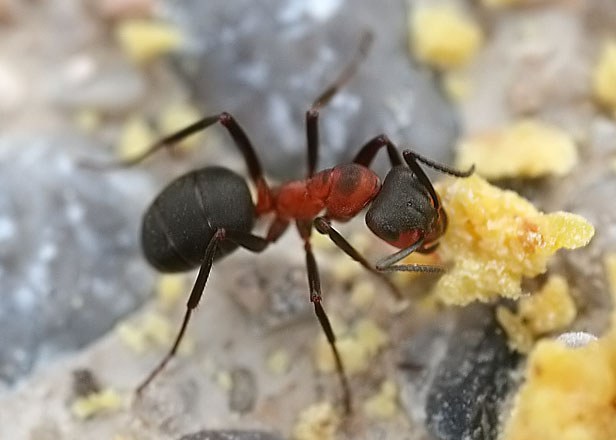
Red Wood Ant
Coniferous and mixed woodland, forest clearings and edges
Harvester Ant
Arid grasslands, deserts, and open sandy areas
Leafcutter Ant
Tropical and subtropical forests, farmland edges
Little Black Ant
Lawns, gardens, rotting wood, and occasionally indoors