
Backswimmer
Notonecta spp.
A boat-shaped aquatic true bug that swims upside down using oar-like hind legs, patrolling pond water in search of small prey.
- Size
- 10–16 mm
- Habitat
- Ponds, lakes, slow streams, and still freshwater bodies
- Danger
- Bites
Spotted a bug like this?
Identify any bug or insect from a photo, free.
Overview
The backswimmer is a predatory aquatic true bug in the family Notonectidae, named for its unusual habit of swimming ventral-side up, with its back facing the pond bottom. It is a common inhabitant of still freshwater habitats across much of the world and is often confused with the superficially similar water boatman, though the two belong to different families with very different lifestyles.
Its body is boat-shaped and convex, typically pale tan to grayish with darker mottling on the back, which functions as counter-shading camouflage when viewed from below against the bright sky. The hind legs are long, flattened, and fringed with hairs, forming powerful oars used for rapid swimming.
As an active predator within freshwater ecosystems, the backswimmer helps regulate populations of mosquito larvae and other small aquatic organisms, making it an ecologically significant member of pond and wetland food webs.
How to Identify
- Body is elongated, convex, and boat- or keel-shaped, typically 10–16 mm long, pale tan to yellowish with darker brown or black mottled patterning on the back.
- Swims upside down, exposing the pale, rounded underside uppermost when viewed from above the water.
- Hind legs are notably long, flattened, and fringed with fine hairs, used as oars for swift, jerky swimming strokes.
- Front legs are shorter and adapted for grasping prey; the piercing-sucking mouthpart is stout compared to many other true bugs.
- Lookalike species, the water boatman, swims right-side up, has a flatter, more uniformly patterned back, and lacks the predatory grasping front legs.
Habitat & Range
Backswimmers inhabit still or slow-moving freshwater bodies worldwide, including ponds, lakes, marshes, ditches, and even large puddles or temporary pools. They are often found near the surface where they periodically come up to replenish an air supply trapped against the body, then descend to hunt or rest among submerged vegetation.
They are active throughout the warmer months in temperate climates and year-round in milder regions. Adults are capable fliers and readily colonize new or temporary water bodies, sometimes appearing quickly in newly filled ponds or pools.
Behavior & Diet
Backswimmers are active, agile predators that hunt mosquito larvae, small aquatic insects, tiny crustaceans, and occasionally small fish fry or tadpoles, grasping prey with their front legs and piercing it with their mouthparts to feed on internal fluids. They swim in quick, darting bursts powered by their oar-like hind legs and periodically surface tail-first to replenish the air bubble they carry for underwater breathing.
They can bite in defense if handled, using their piercing mouthparts, a behavior that has earned them informal nicknames in some regions. Backswimmers are also capable of flight and will disperse by air to colonize new bodies of water, particularly when their current habitat dries up or becomes crowded.
Life Cycle
Backswimmers undergo incomplete metamorphosis, progressing through egg, nymph, and adult stages, all typically occurring in or near water. Females insert eggs into plant tissue or attach them to submerged surfaces, and these hatch within one to a few weeks depending on temperature.
Nymphs resemble smaller, wingless versions of the adult and swim upside down from an early stage, feeding as predators throughout their development. They pass through five instars before reaching the winged adult stage, with the full cycle from egg to adult often taking several weeks. Multiple generations can occur per year in warm climates, and adults typically overwinter in sheltered water or bottom debris in temperate regions.
Frequently asked questions
Why does a backswimmer swim upside down?
Swimming inverted allows its pale, curved underside to face upward toward the light, providing camouflage against the bright sky when viewed by predators from below.
Is a backswimmer the same as a water boatman?
No, they are different families; backswimmers swim upside down and are active predators, while water boatmen swim right-side up and mostly feed on algae and detritus.
Can a backswimmer bite?
Yes, if handled it can bite in defense with its piercing mouthparts.
What do backswimmers eat?
They prey on mosquito larvae, small aquatic insects, tiny crustaceans, and occasionally very small fish or tadpoles.
Backswimmer guides
In-depth guides for identifying, understanding, and living alongside Backswimmer.
Backswimmer identified by the community
Real finds identified with Bug Identifier.



Other bugs you may enjoy
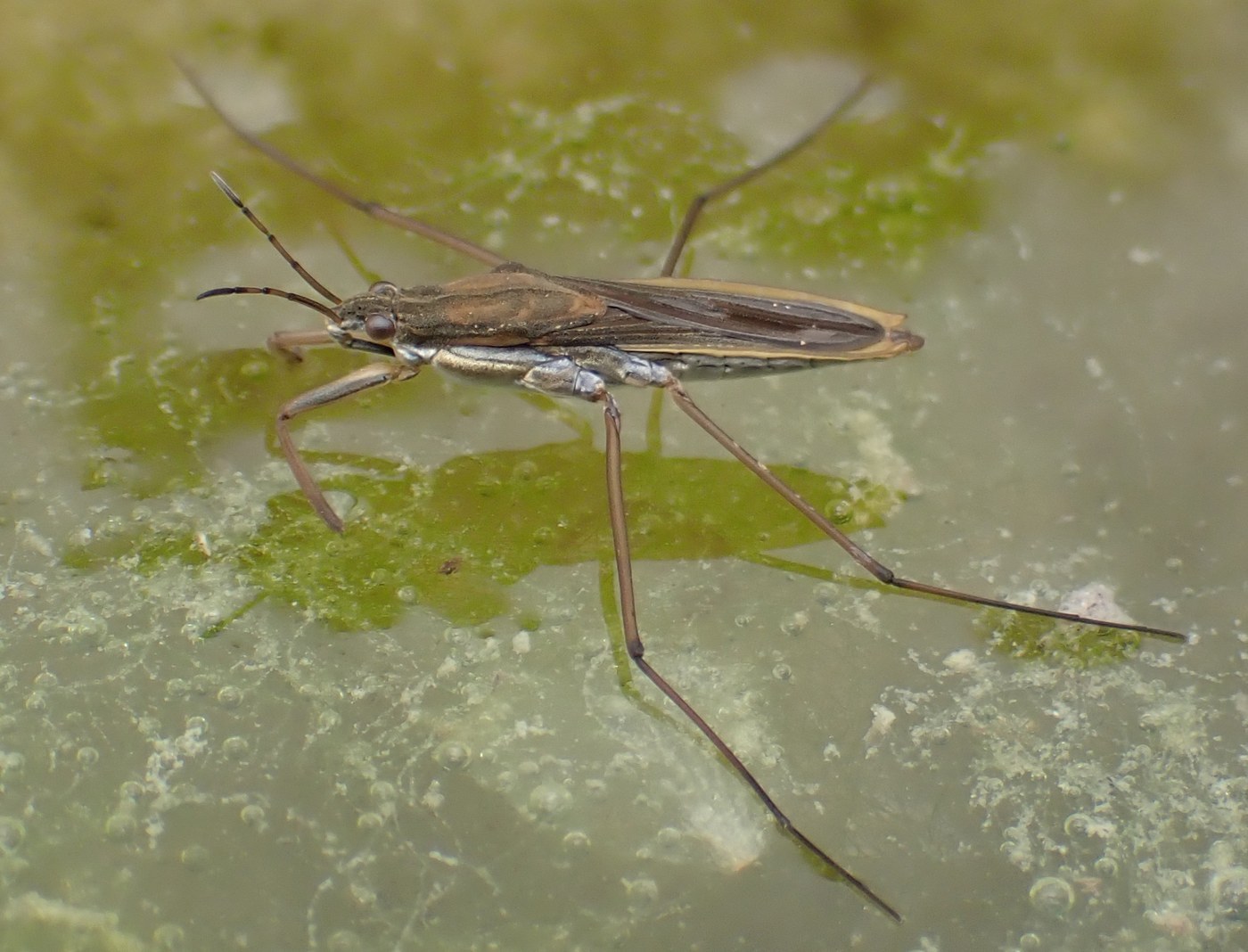
Water Strider
Still or slow-moving fresh water: ponds, lake edges, slow streams, puddles
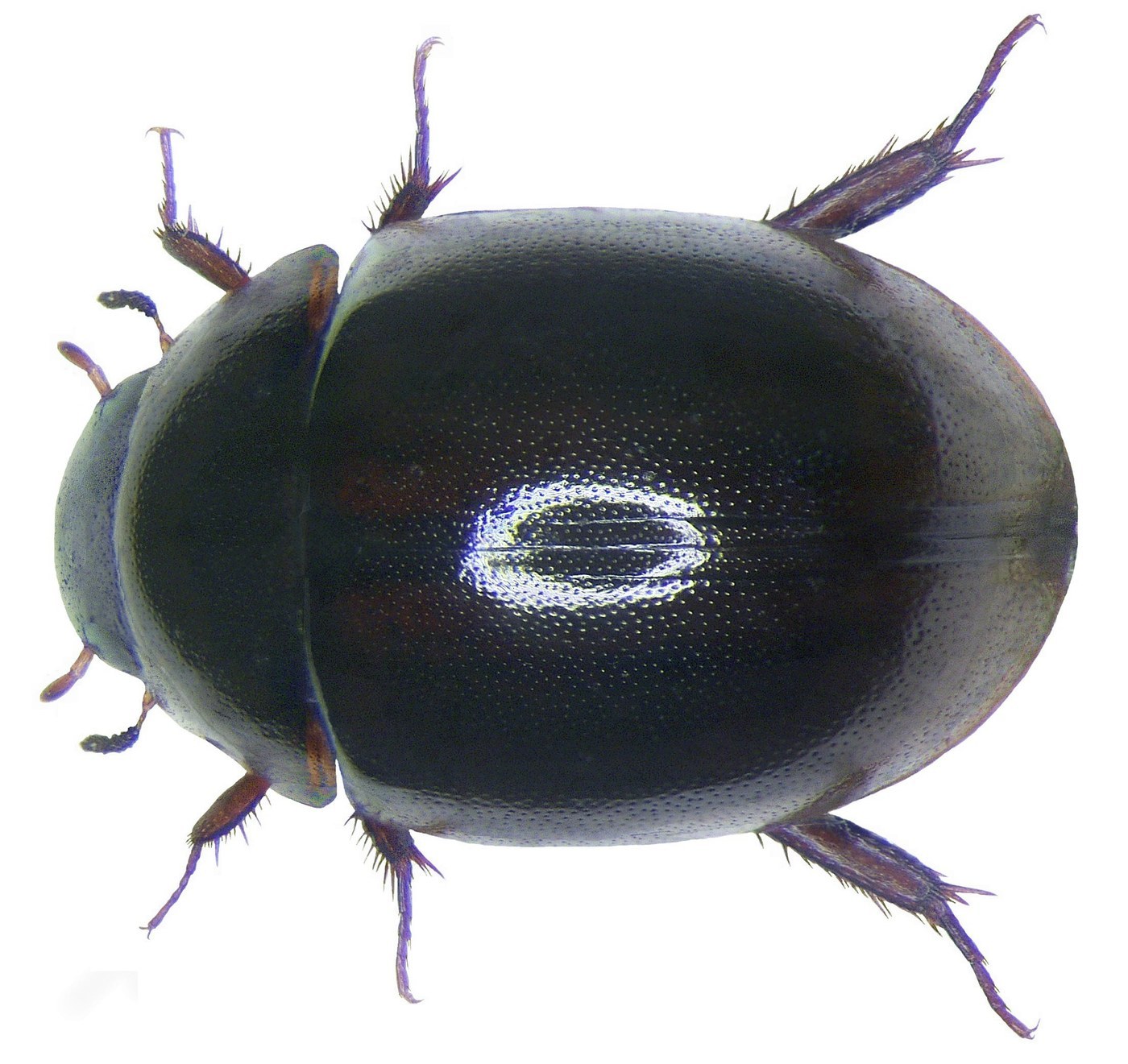
Water Beetle
Ponds, slow streams, marshes, still fresh water
Water Penny Beetle
Fast, rocky, well-oxygenated streams
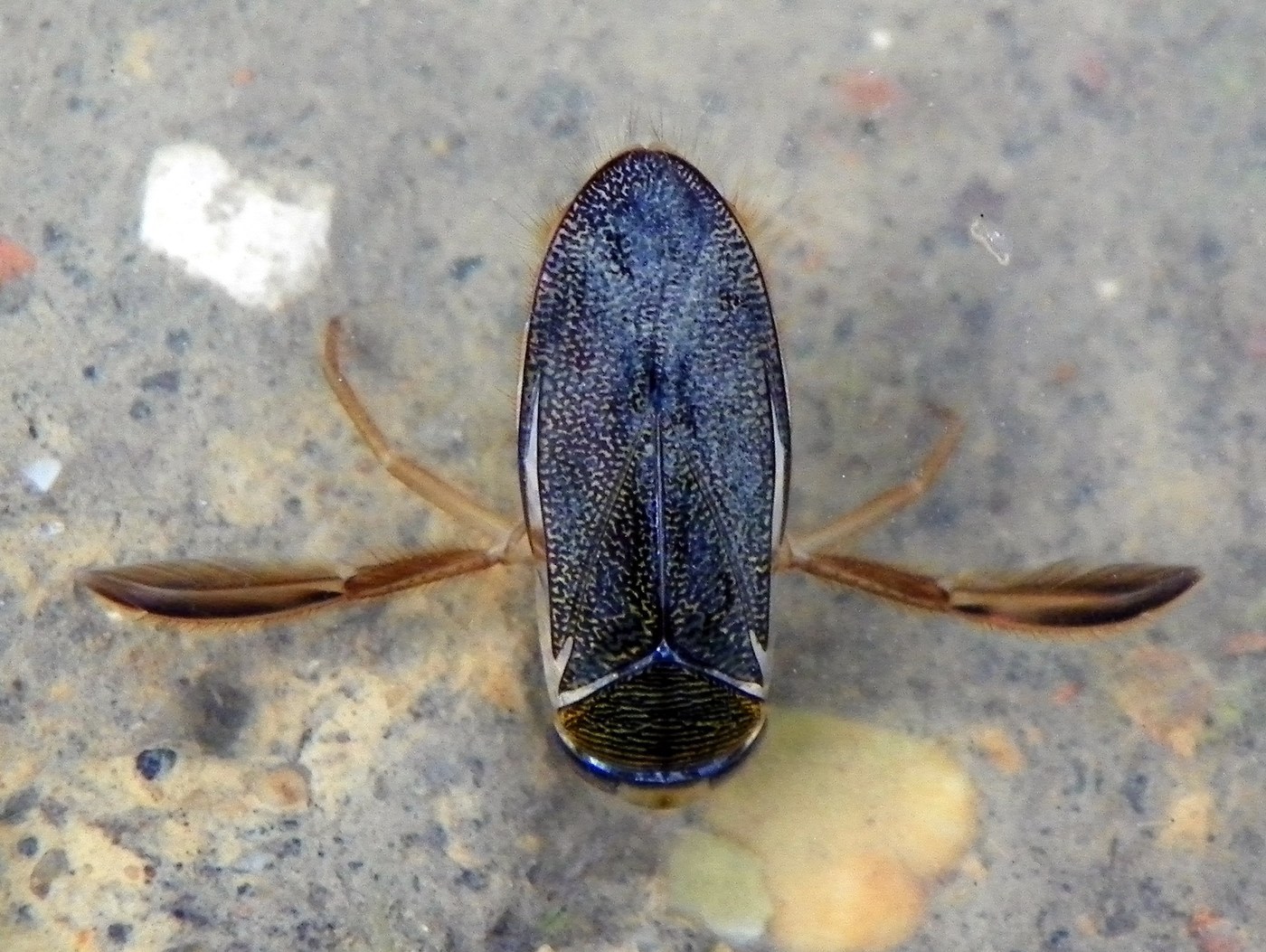
Water Boatman
Ponds, lakes, slow streams, freshwater with vegetation
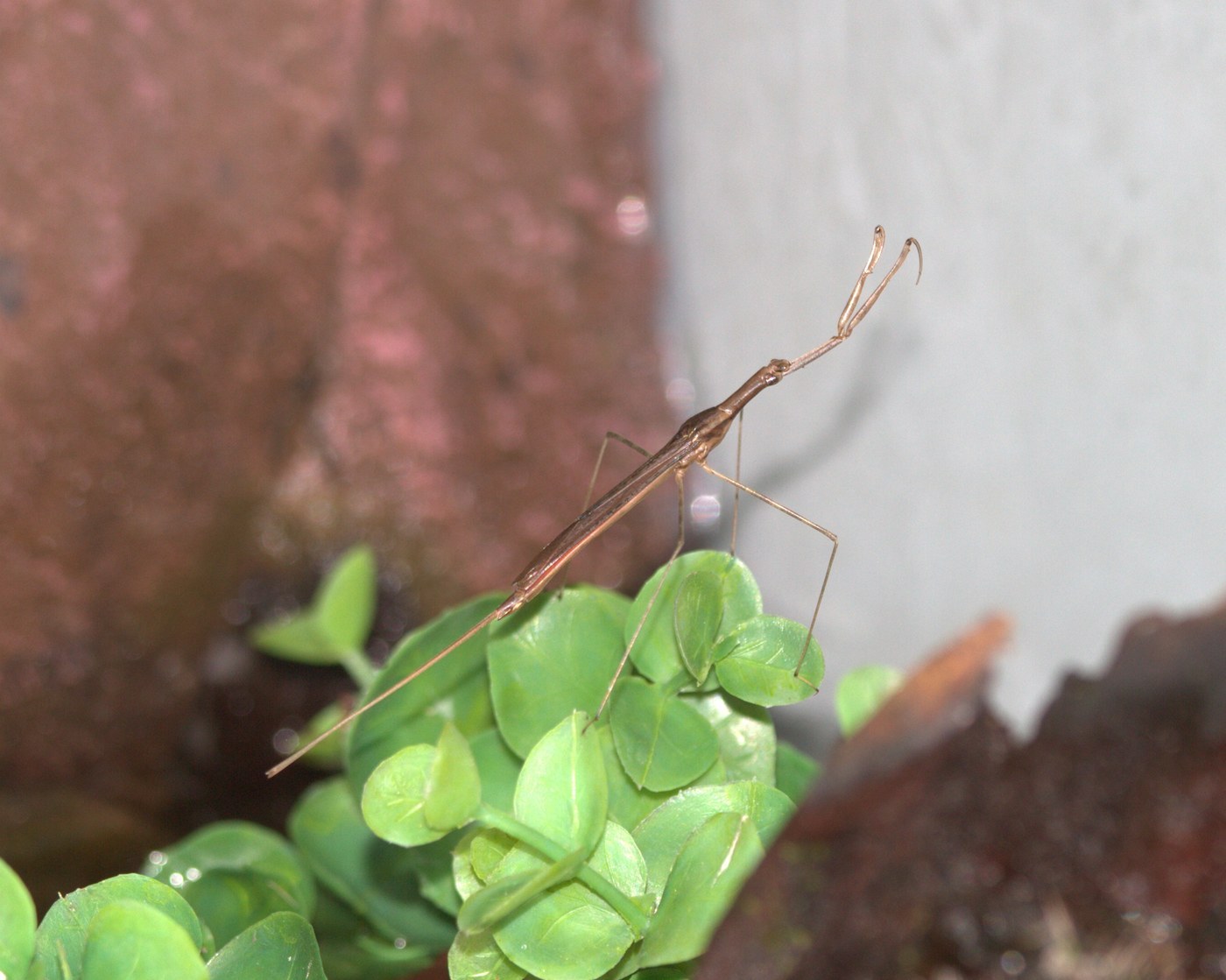
Water Scorpion
Still or slow-moving water with submerged vegetation
Stonefly
Cold, clean, well-oxygenated streams and rivers
Stonefly Nymph
Cold, fast-flowing, well-oxygenated streams
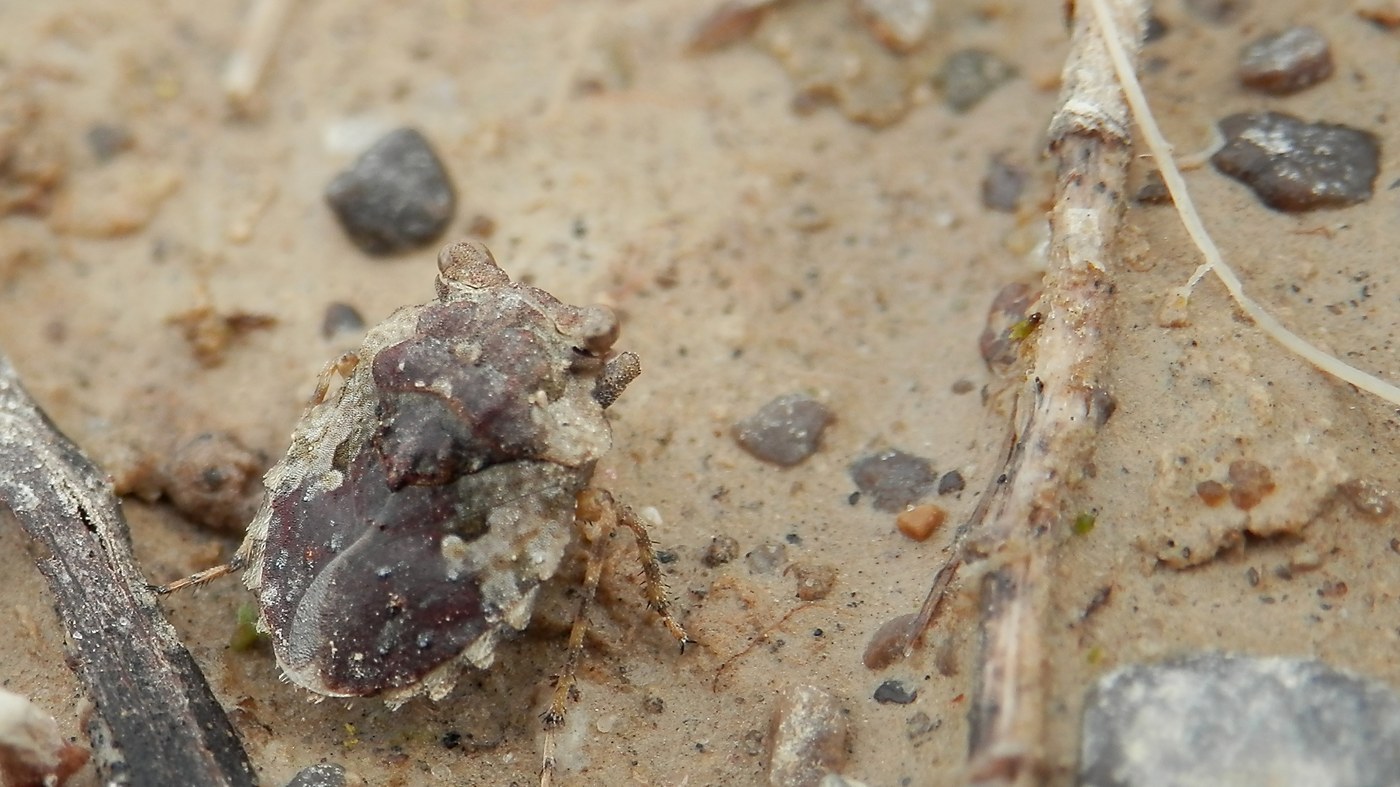
Toad Bug
Muddy or sandy shorelines of ponds, streams, and rivers
Soldier Fly Larva
Ponds, marshes, and slow streams with organic sediment
Mosquito Larva
Standing water in ponds, ditches, containers, and puddles
Whirligig Beetle
Surface of ponds, lakes, and slow streams
Rat-Tailed Maggot
Stagnant, oxygen-poor water such as manure pools, drains, and compost