
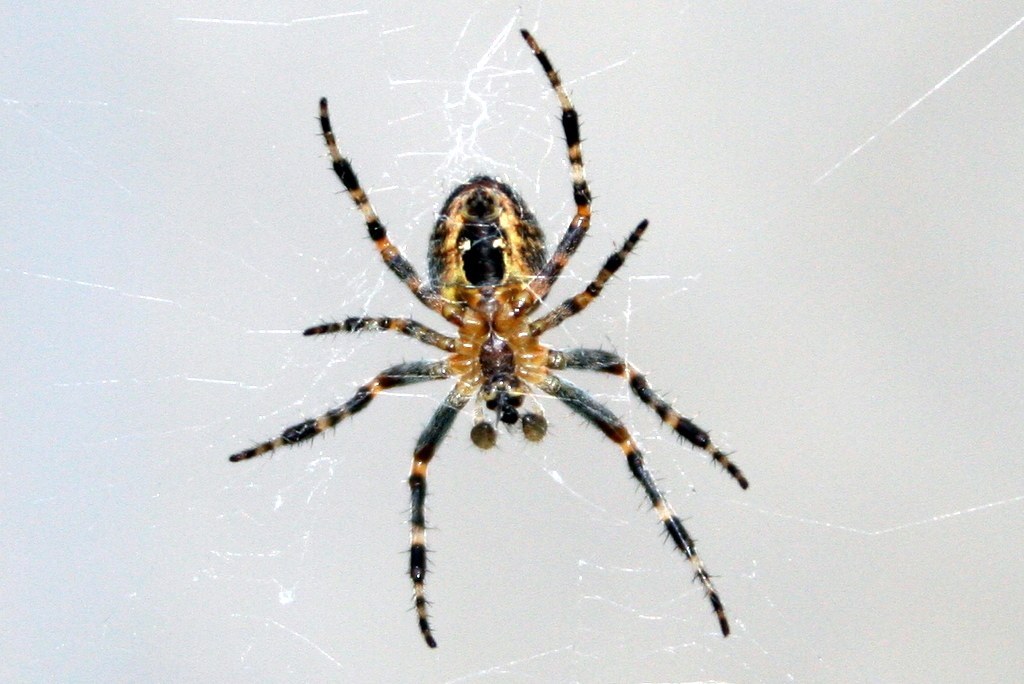
Barn Spider
Araneus cavaticus
A brownish, mottled orb weaver famous as the inspiration for Charlotte's Web, commonly found spinning large nightly webs on barns, porches, and other structures.
- Size
- 8-19 mm body length (females larger)
- Habitat
- Barns, sheds, porches, bridges, and cave entrances
- Danger
- Bites
Spotted a bug like this?
Identify any bug or insect from a photo, free.
Overview
The barn spider is a large, common orb weaver of eastern and central North America, well known both for its association with farm buildings and for being the species that inspired E. B. White's classic story Charlotte's Web. Its rounded, mottled brown-and-yellow abdomen provides effective camouflage against wood surfaces, allowing it to rest unnoticed near the barns, sheds, porches, and bridges where it commonly builds its web.
Like other members of the genus Araneus, the barn spider spins a large, symmetrical wheel-shaped web each night, typically near a light source or structure that attracts flying insects, and takes the web down each morning to conserve silk. Females are considerably larger and more visible than males and become especially conspicuous in late summer as they reach full size.
Barn spiders are beneficial predators that help control flying insect populations around the structures they inhabit, and their large size combined with docile temperament has made them a familiar and generally tolerated sight in rural and semi-rural areas.
How to Identify
- Rounded, mottled abdomen in shades of brown, tan, and yellow, often with a pattern resembling a leaf or splash
- Legs banded with alternating light and dark segments
- Females significantly larger and rounder than the smaller, slimmer males
- Builds a large, vertical orb web, often near barns, porches, or bridges, typically rebuilt each night
- Similar in appearance to other Araneus orb weavers, distinguished mainly by habitat association and specific mottled pattern
Habitat & Range
Barn spiders are strongly associated with human structures such as barns, sheds, porches, and bridges, as well as natural sites like cave entrances and rock overhangs, across the eastern and central United States and adjacent Canada. They favor sites near artificial or natural light sources that attract night-flying insects. Adults are most active and visible from mid-summer through fall.
Behavior & Diet
This nocturnal spider constructs a fresh orb web each evening, often near lights that draw moths and other flying insects, then dismantles and consumes much of the silk each morning before retreating to a nearby hiding spot for the day. Diet consists primarily of flying insects intercepted in the web's sticky spiral. Barn spiders are solitary and non-aggressive, relying on camouflage and retreat rather than defense when disturbed, and serve as effective natural control for night-flying insect populations around the structures they inhabit.
Life Cycle
Females lay eggs in a protected silk sac in late fall, often tucked into a crevice near their web site, and the adults typically die with the onset of cold weather. Eggs overwinter and hatch in spring, with spiderlings dispersing to establish their own web sites and growing through repeated molts over the summer. The species completes one generation annually, with adults reaching peak size and mating activity in late summer and early fall.
Frequently asked questions
Is the barn spider the same species from Charlotte's Web?
The barn spider, Araneus cavaticus, is the species that inspired the character in E. B. White's Charlotte's Web.
Does the barn spider bite?
It may bite in defense if handled, but it is a docile spider that relies on camouflage and retreat when disturbed.
Where do barn spiders build their webs?
They commonly build large orb webs on barns, sheds, porches, bridges, and near cave entrances, often close to light sources.
Do barn spiders rebuild their web every day?
Yes, they typically take down and reconstruct their orb web nightly, consuming the old silk before spinning a new one.
Barn Spider guides
In-depth guides for identifying, understanding, and living alongside Barn Spider.
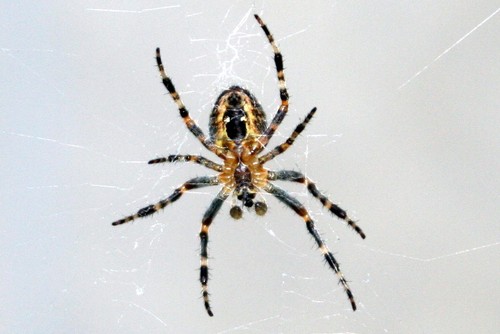
Barn Spider identified by the community
Real finds identified with Bug Identifier.
Other bugs you may enjoy
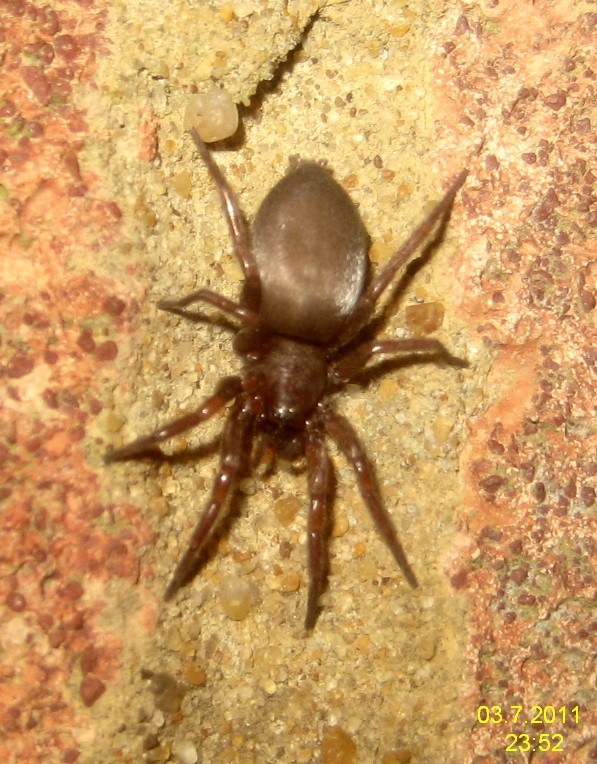
Woodlouse Spider
Damp leaf litter, under logs, stones, and mulch
Wolf Spider
Gardens, grasslands, forests, leaf litter, ground burrows
Wandering Spider
Tropical and subtropical forest floor, foliage, and banana plants
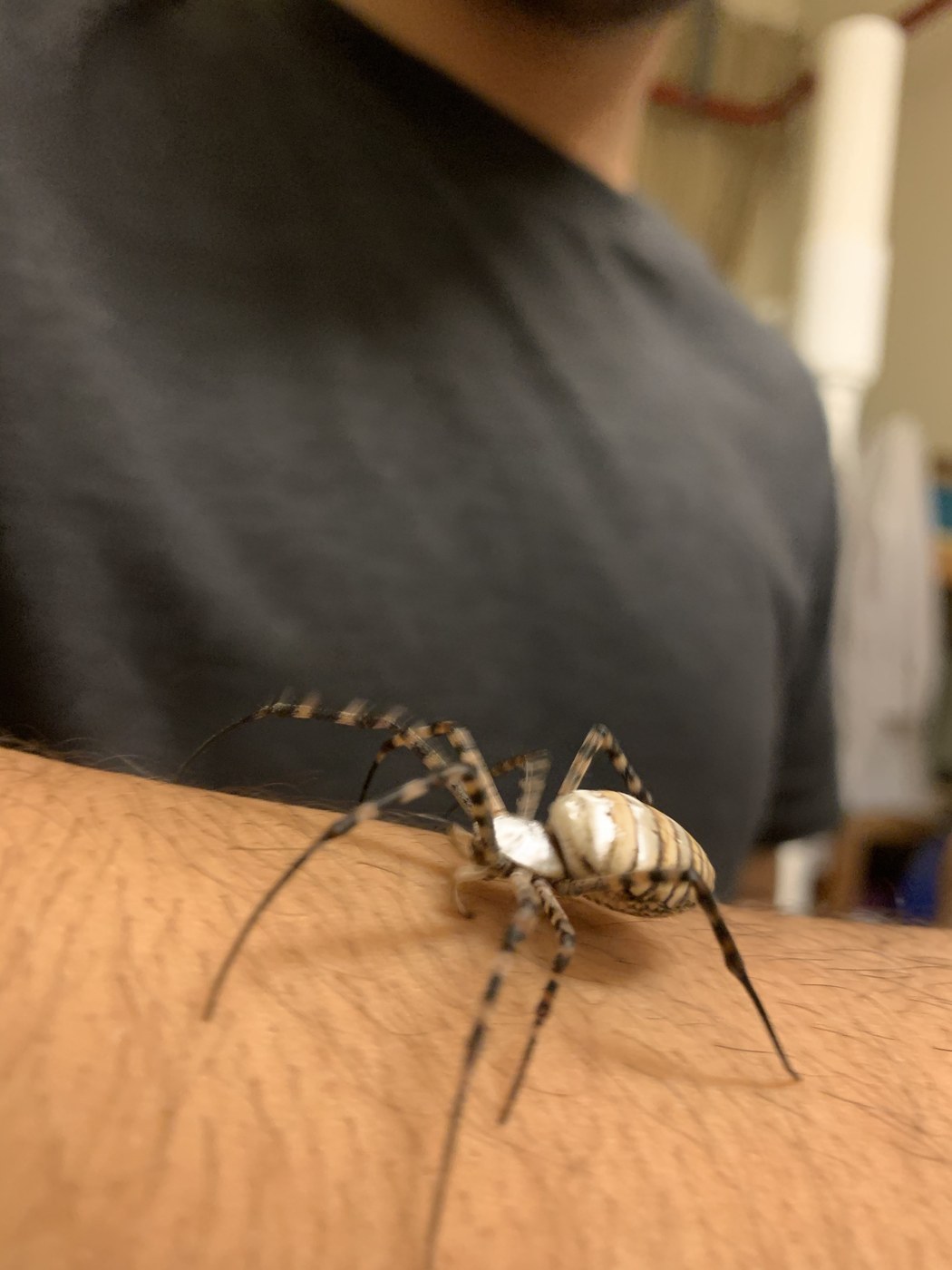
Banded Garden Spider
Tall grass, meadows, and gardens with open sunny vegetation
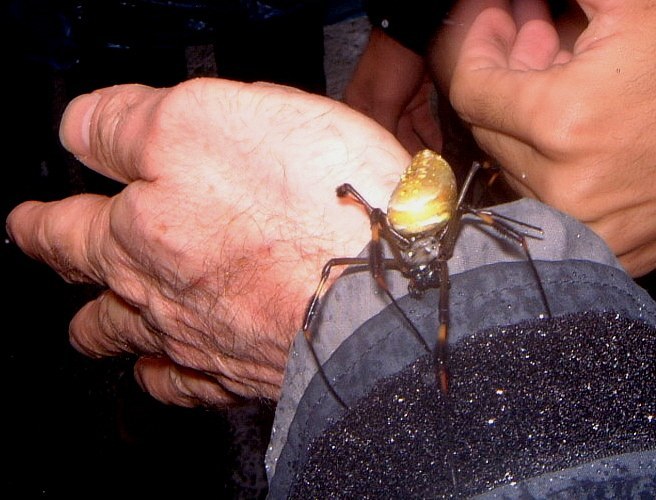
Banana Spider
Wooded trails, forest edges, and gardens across the southeastern U.S. and the American tropics
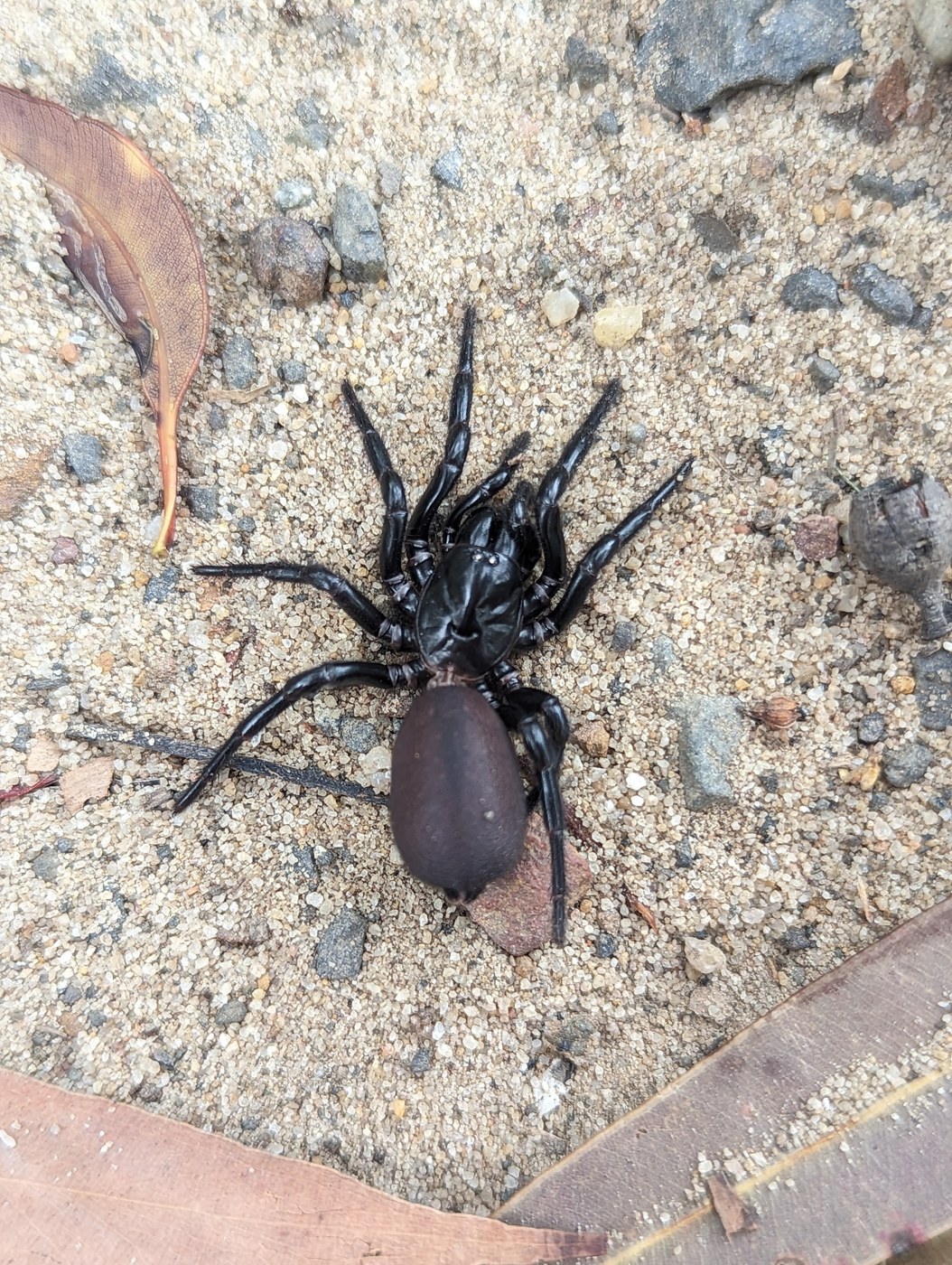
Sydney Funnel-web Spider
Burrows in moist soil, gardens, and forested gullies around the Sydney basin of eastern Australia
Trapdoor Spider
Self-dug silk-lined burrows with a camouflaged door, in dry, well-drained soil worldwide
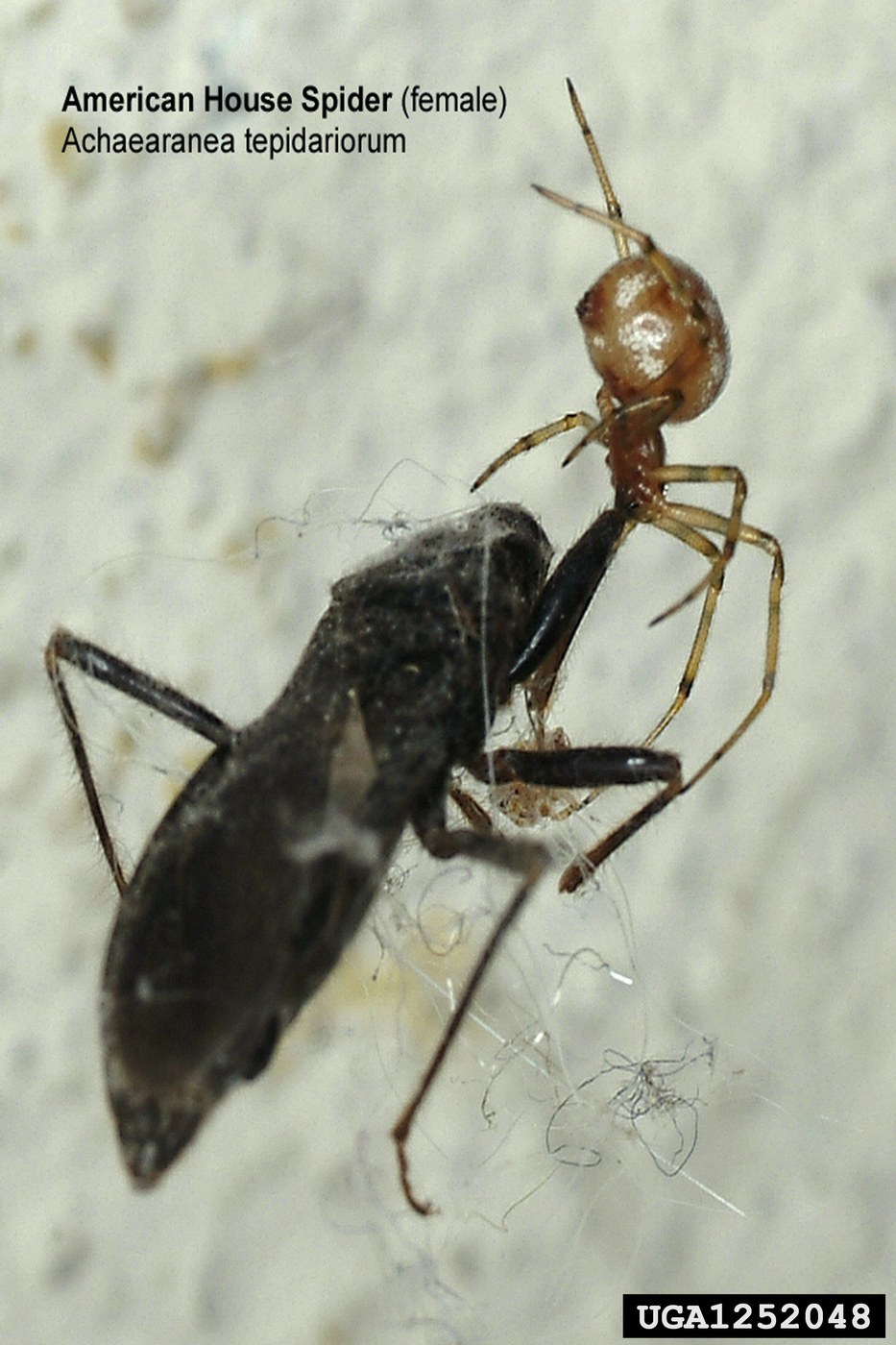
American House Spider
Corners, basements, garages, and outbuildings worldwide
Tube Web Spider
Wall crevices, bark, rockeries, and masonry
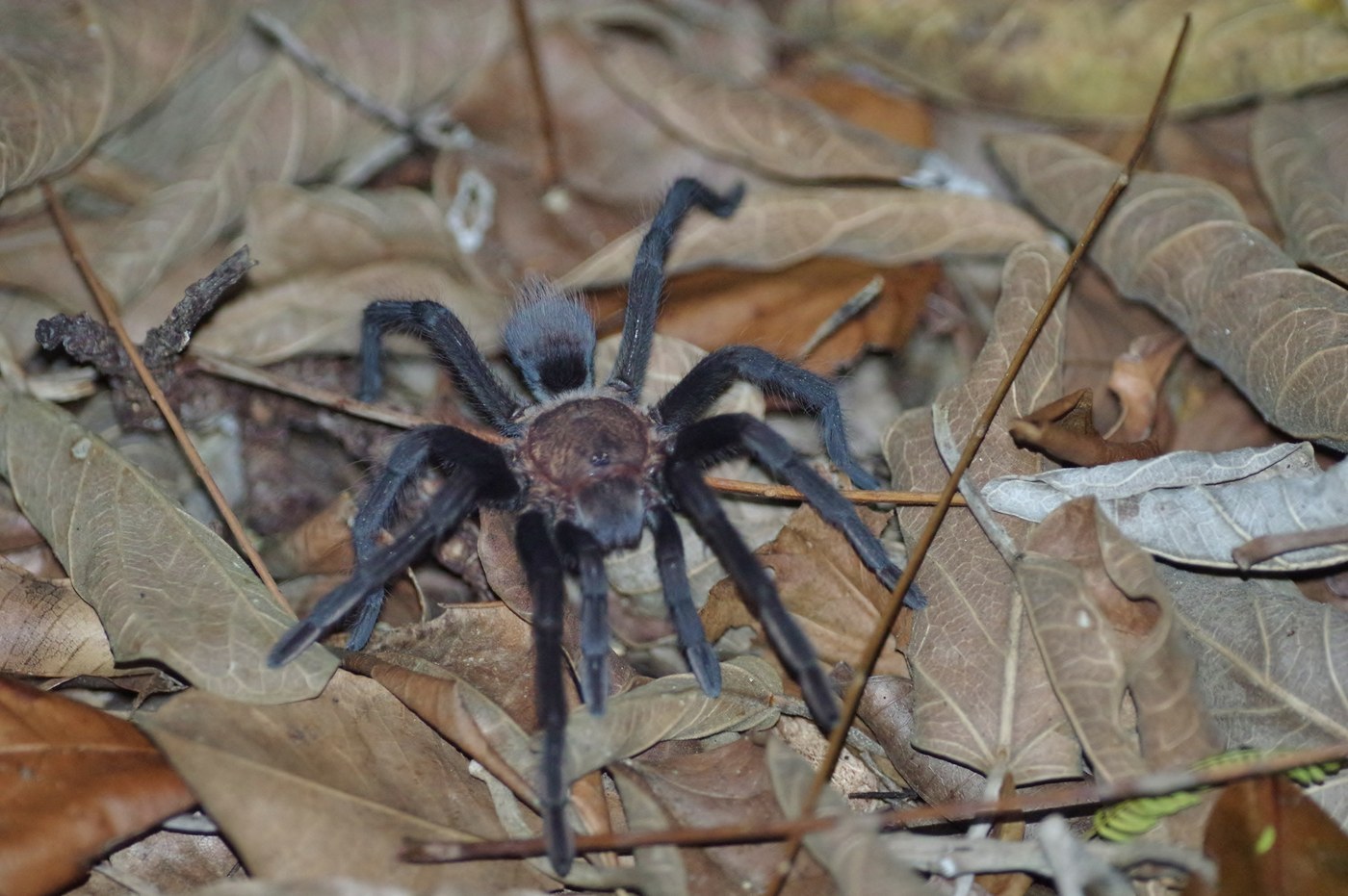
Tarantula
Burrows, rock crevices, and tree hollows in deserts, grasslands, and tropical forests worldwide
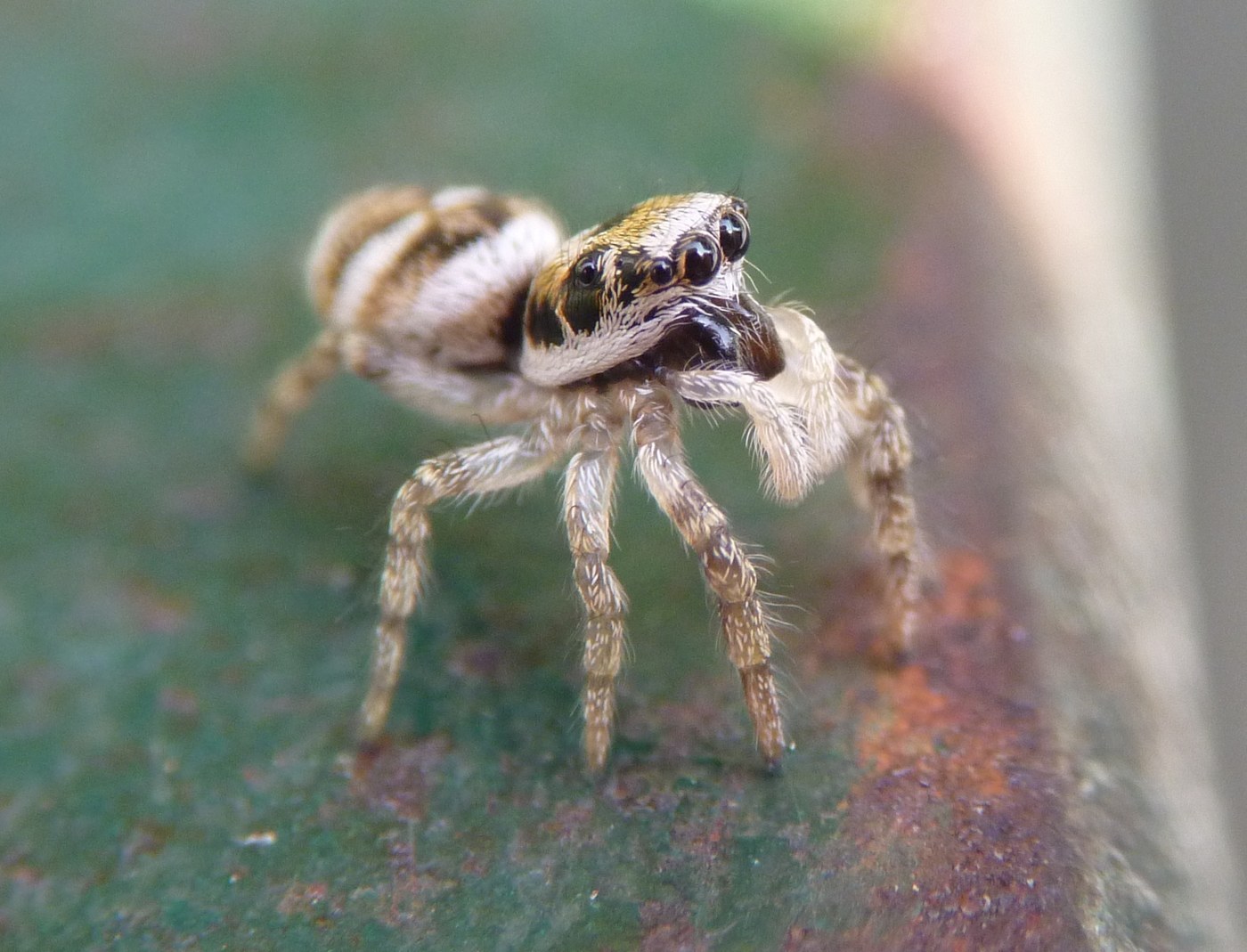
Zebra Jumping Spider
Sunny walls, fences, tree bark, and building exteriors
Wall Spider
Cracks and crevices on exterior and interior walls