
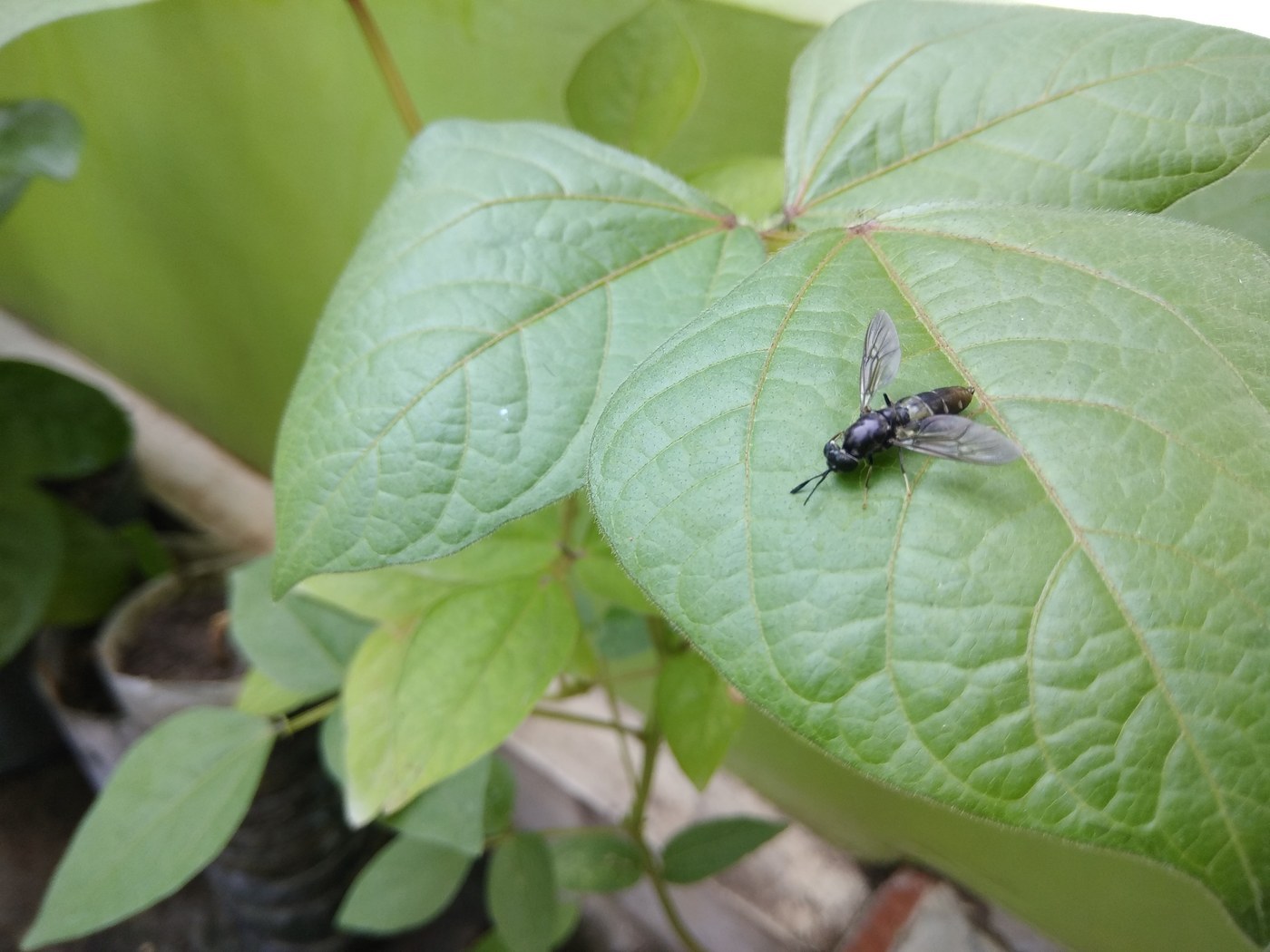
Black Soldier Fly
Hermetia illucens
A sleek, dark, wasp-like fly whose larvae are voracious decomposers of decaying organic material, while the short-lived adults do not feed at all.
- Size
- 15-20 mm (about 0.6-0.8 in) long
- Habitat
- Decaying organic matter, compost piles, and warm, moist environments
- Danger
- Harmless
Spotted a bug like this?
Identify any bug or insect from a photo, free.
Overview
The black soldier fly is a distinctive member of the soldier fly family, recognized by its dark, metallic blue-black body and translucent, window-like patches near the base of its abdomen that echo the narrow waist of a wasp. Native to the warmer regions of the Americas, it has since spread to many parts of the world with suitable climates.
This species is best known for its larvae, which are highly efficient decomposers capable of breaking down large quantities of decaying organic material, including fruit and vegetable matter, in a relatively short time. Because of this trait, black soldier fly larvae are widely valued in composting and organic waste reduction systems, where they convert decaying material into nutrient-rich larval biomass and residue.
Adult black soldier flies are notably short-lived and do not feed, relying entirely on fat reserves built up during the larval stage to fuel their brief adult lives, which are devoted mainly to mating and egg-laying.
How to Identify
- Slender, dark metallic blue-black to black body resembling a wasp in shape
- Translucent, pale patches near the base of the abdomen that resemble small windows
- Long, smoky-tinted wings held flat over the back at rest
- Long antennae compared to many other flies, giving a somewhat elongated head appearance
- Larvae are flattened, segmented, grayish-brown, and tough-skinned, often found in decomposing organic matter
Habitat & Range
Black soldier flies are found across warm temperate to tropical regions worldwide, having spread well beyond their native range in the Americas. Larvae develop in decaying organic matter such as compost, fallen fruit, and other decomposing plant material in warm, moist conditions.
Adults are typically seen near larval habitat during the warmer months, favoring shaded, humid sites, and are most active in daylight, especially around midday.
Behavior & Diet
Adult black soldier flies do not feed, as their mouthparts are reduced and non-functional, so their brief lives above ground are focused on finding mates and laying eggs near suitable decaying material. They are generally docile, slow-moving fliers.
Larvae are aggressive decomposers, consuming large volumes of decaying organic matter and converting it into their own body mass at a relatively rapid rate. This activity accelerates the breakdown of organic waste and recycles nutrients, and the larvae themselves are a valued food source for various animals due to their high fat and protein content.
Life Cycle
Females lay clusters of eggs in cracks, crevices, or dry surfaces near decaying organic material, keeping the eggs away from direct contact with wet, decomposing matter until hatching. Larvae hatch within a few days and burrow into the decaying material, where they feed continuously and molt through multiple instars over a period of roughly two to four weeks under warm conditions.
Mature larvae migrate away from the food source to a drier location before pupating within their own hardened final larval skin. Adults emerge after one to two weeks as pupae, and given warm conditions, black soldier flies can complete several generations per year, with development slowing considerably in cooler weather.
Frequently asked questions
Do black soldier flies bite or sting?
No, adults do not feed at all and lack the ability to bite or sting, despite their wasp-like appearance.
What do black soldier fly larvae eat?
The larvae are aggressive decomposers that feed on decaying organic matter such as fruit, vegetable scraps, and other compostable material.
How can I recognize a black soldier fly?
Look for a dark, metallic blue-black body with pale, translucent patches near the base of the abdomen and long, smoky wings held flat at rest.
How long do adult black soldier flies live?
Adults are short-lived, typically surviving only a matter of days to about a week or two, relying on fat reserves from the larval stage.
Black Soldier Fly guides
In-depth guides for identifying, understanding, and living alongside Black Soldier Fly.
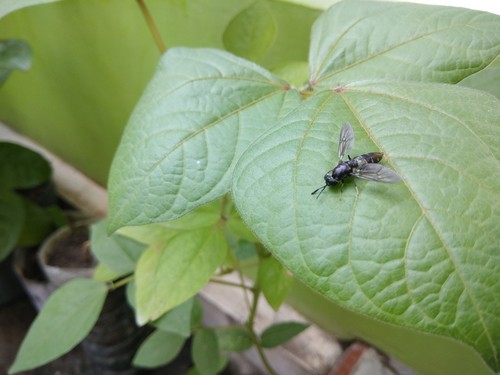
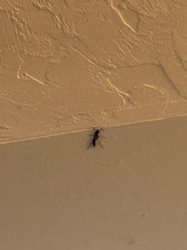
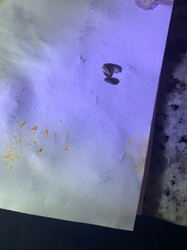
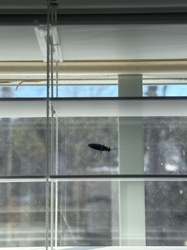
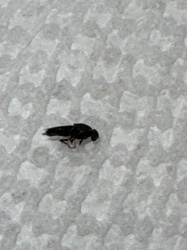
Black Soldier Fly identified by the community
Real finds identified with Bug Identifier.

Other bugs you may enjoy
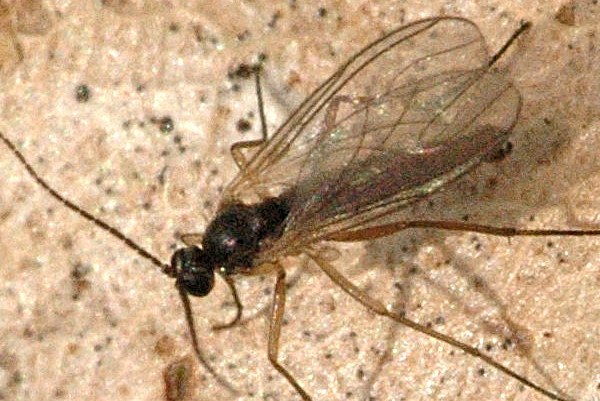
Aphid Midge
Gardens, greenhouses, and crops with aphids
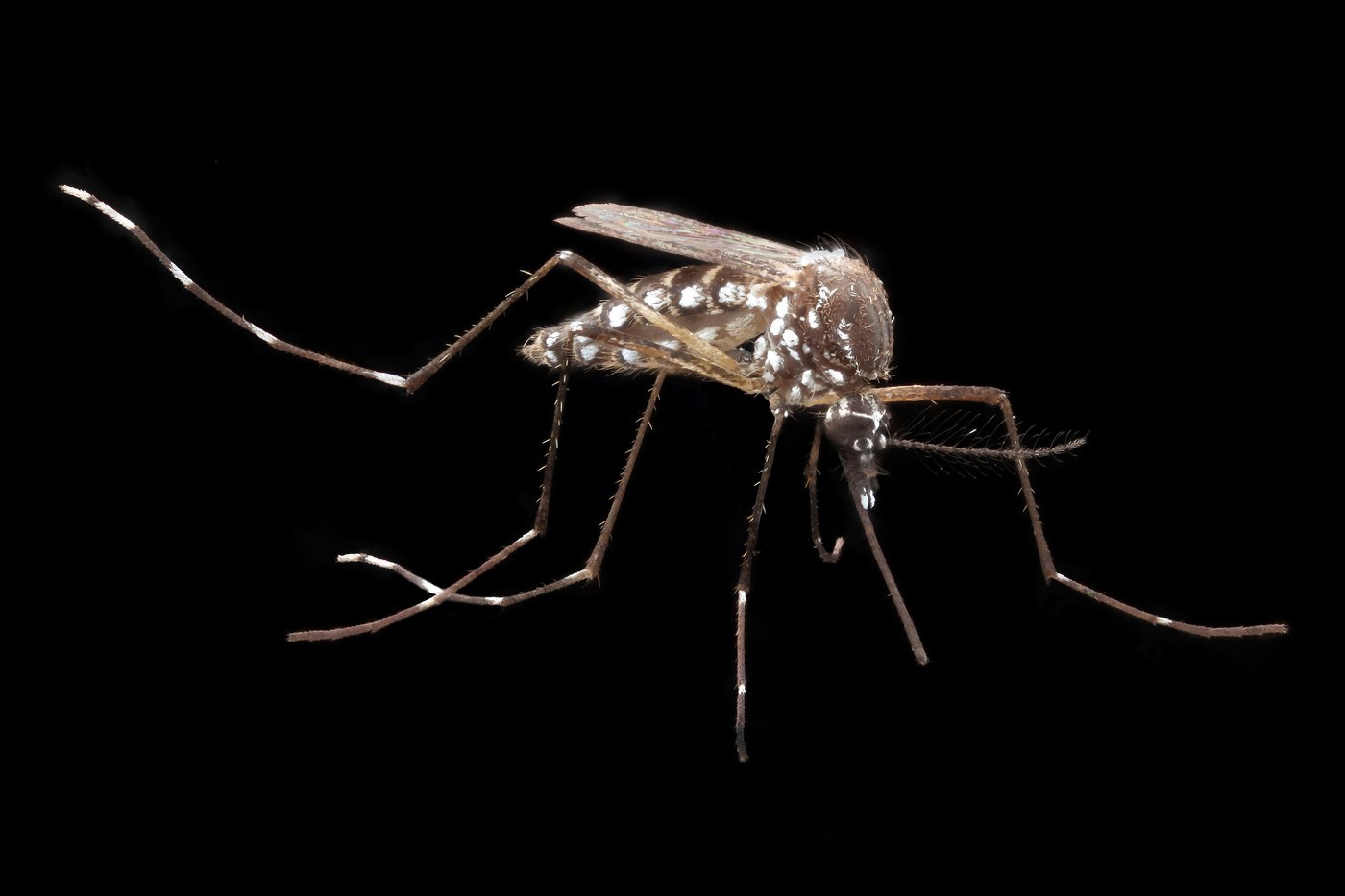
Yellow Fever Mosquito
Urban and peri-urban areas near small artificial water containers in tropical and subtropical regions worldwide
Root Maggot
Garden and field soil around the roots of cole crops and other vegetables
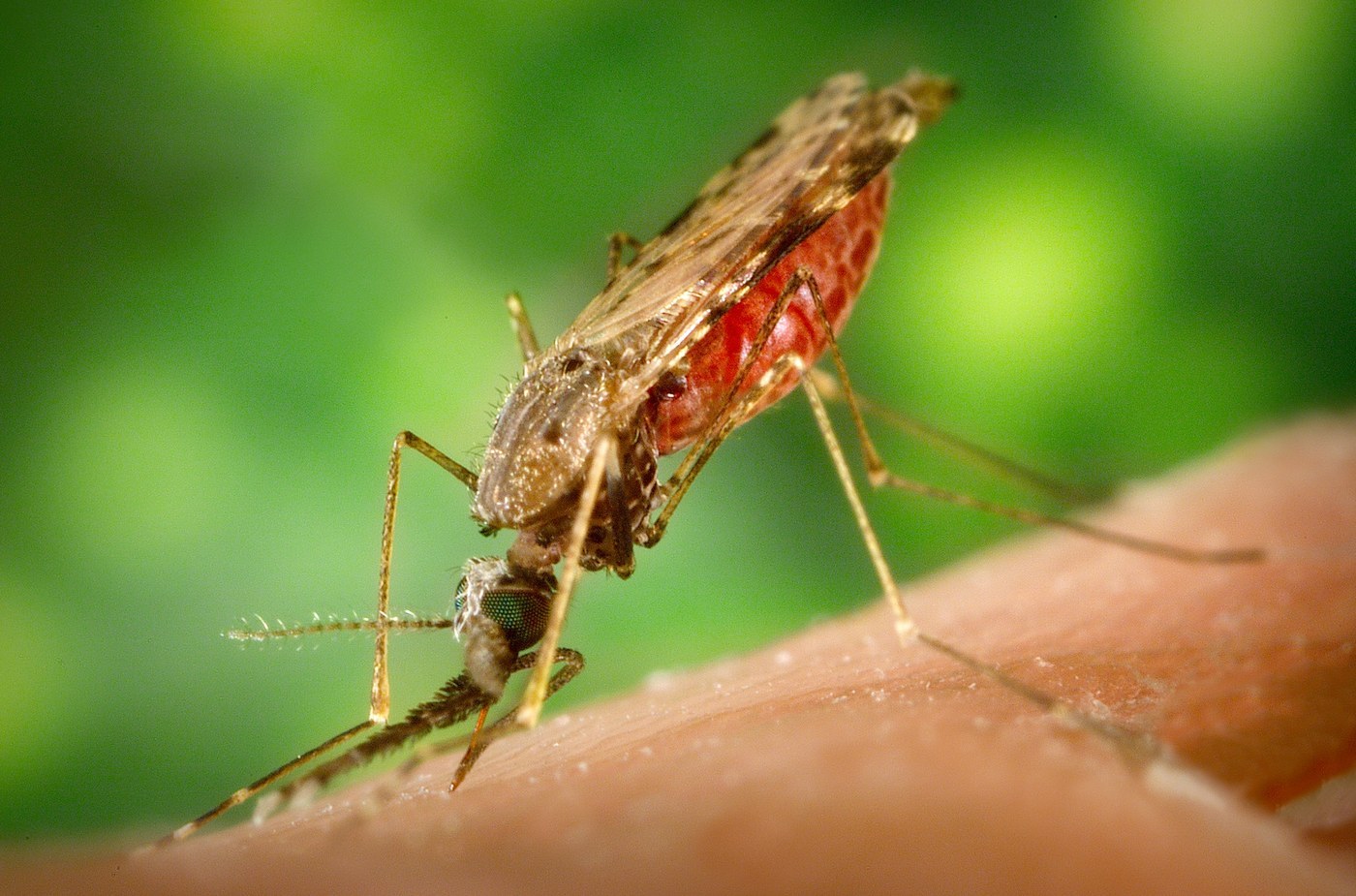
Anopheles Mosquito
Clean, still or slow-moving freshwater habitats such as marshes, ponds, and rice paddies
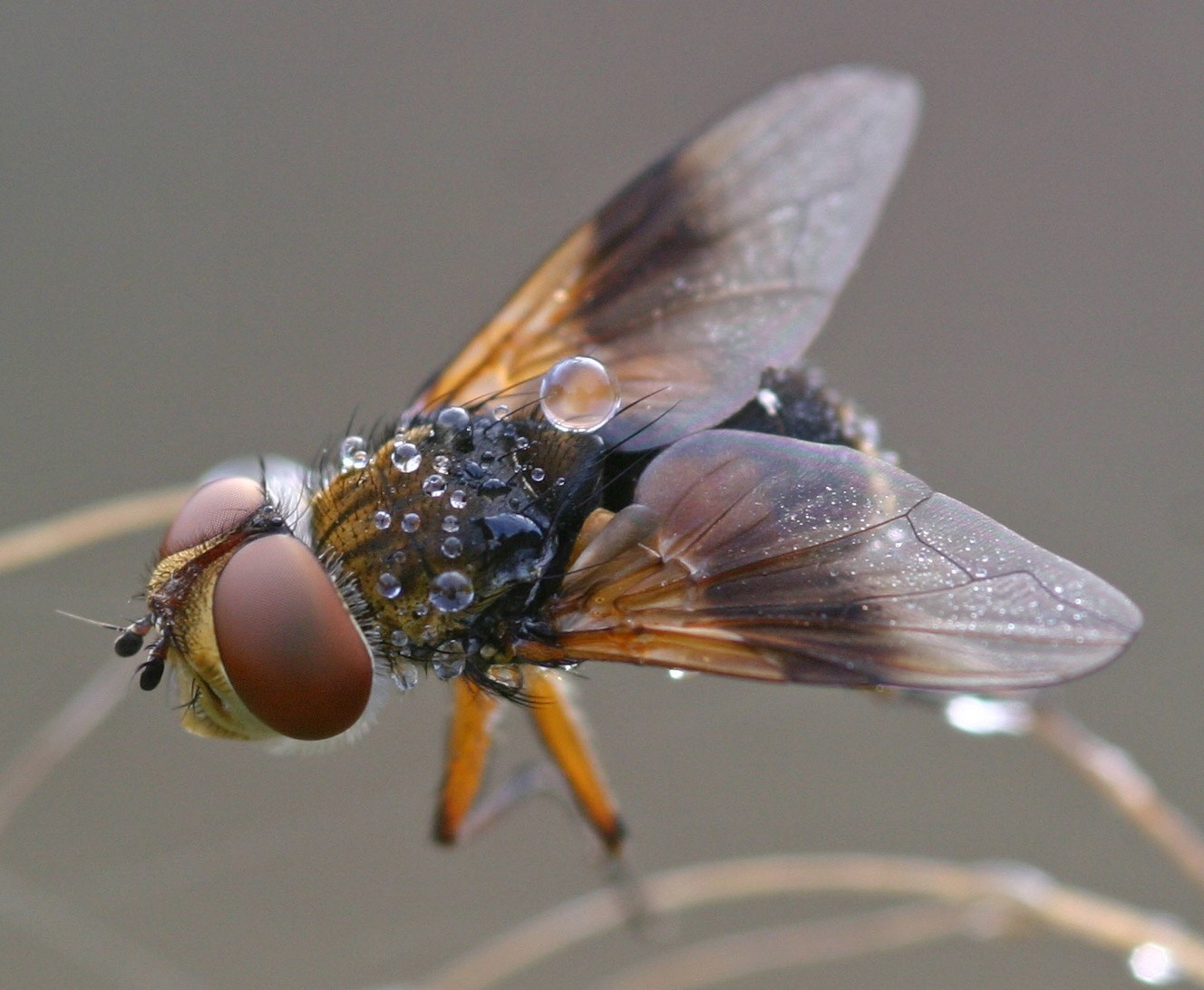
Tachinid Fly
Gardens, meadows, and woodlands wherever host caterpillars and other insects occur
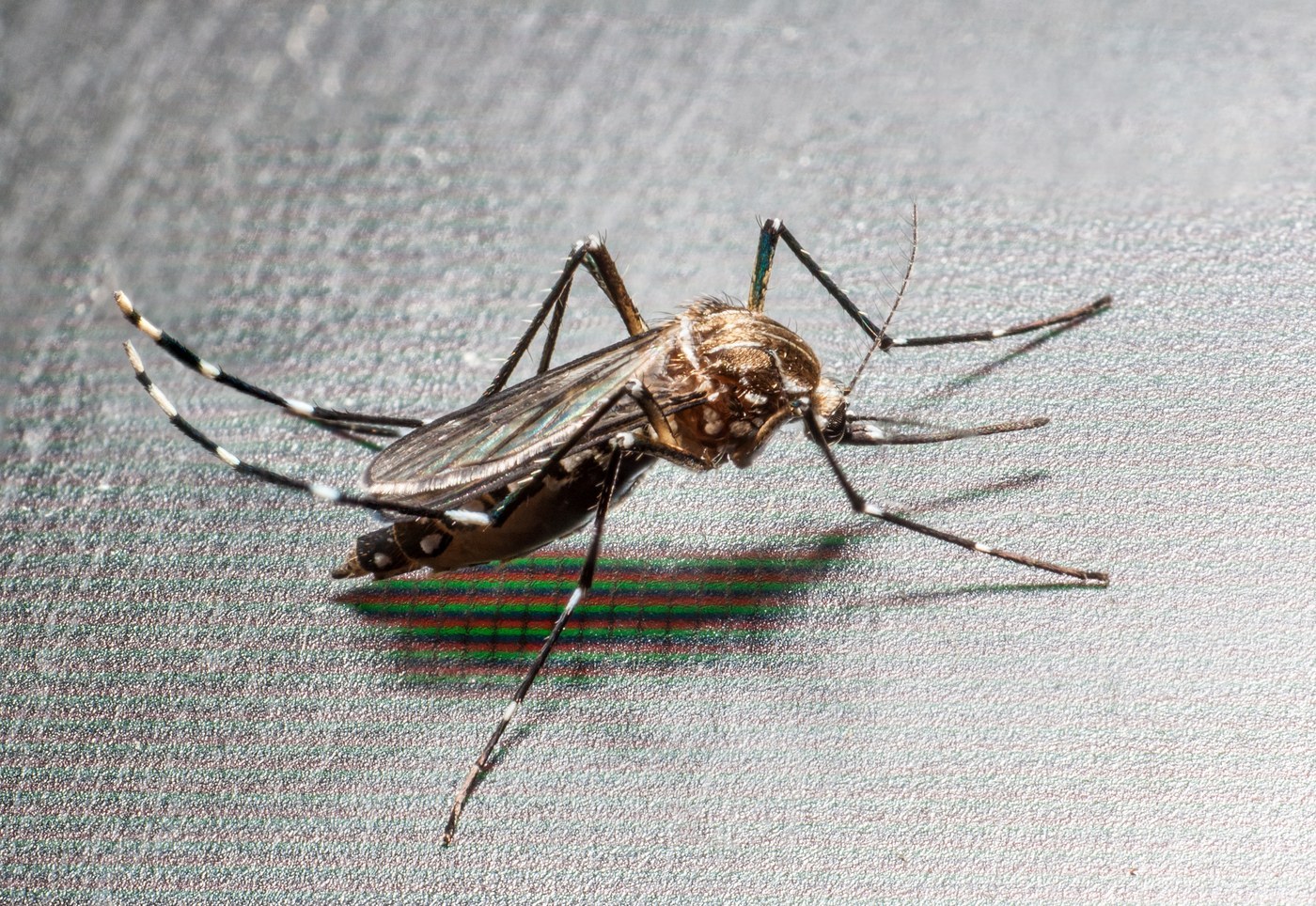
Asian Tiger Mosquito
Shaded urban and suburban areas near small water-holding containers, tires, and tree holes; native to Southeast Asia, now widespread
Tsetse Fly
Wooded savanna, riverine thickets, and forest edges across sub-Saharan Africa
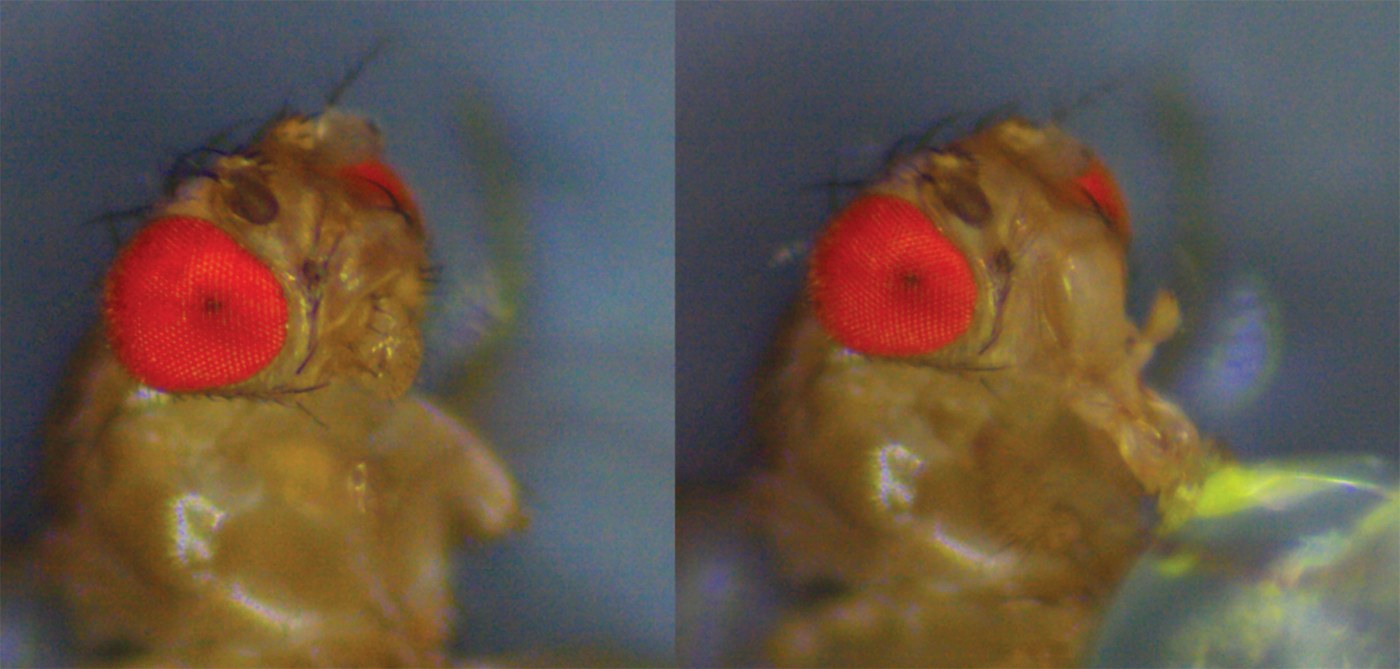
Vinegar Fly
Around overripe fruit, compost, and fermenting materials worldwide
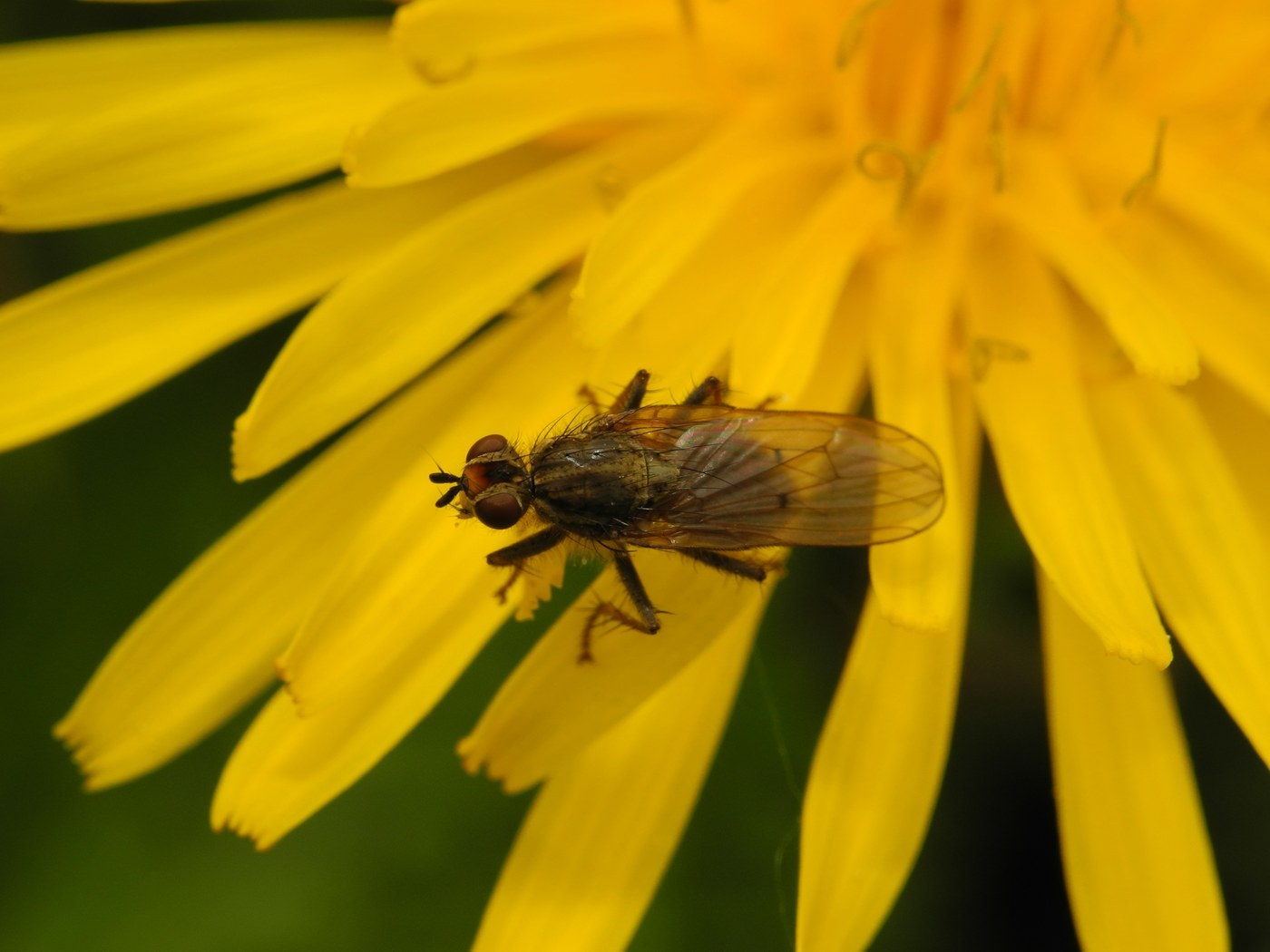
Yellow Dung Fly
Pastures and fields with fresh cattle dung
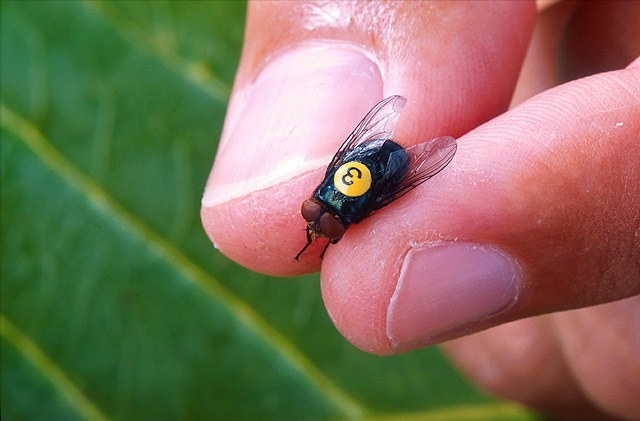
Screwworm Fly
Warm, humid lowlands of the Americas, especially near livestock and wildlife wounds
Soldier Fly
Wetland margins, decaying organic matter, and vegetation near water
Punkie
near marshes, mudflats, ponds, and other standing water