
Blister Beetle
Epicauta spp.
An elongated, soft-bodied beetle with a distinctly narrow neck, often seen feeding in small groups on flowers, and known for releasing a defensive chemical from its leg joints when disturbed.
- Size
- 10–30 mm
- Habitat
- Fields, meadows, gardens with flowering plants
- Danger
- Mildly venomous
Spotted a bug like this?
Identify any bug or insect from a photo, free.
Overview
Blister beetles are a group of beetles in the family Meloidae, order Coleoptera, named for a defensive chemical compound, cantharidin, that many species can release when disturbed. The genus Epicauta includes many of the most commonly encountered species in North American fields and gardens.
These beetles have a distinctive elongated, somewhat soft-bodied appearance with a narrow 'neck' region behind the head, and they are often seen feeding in groups on the flowers and foliage of various garden and agricultural plants.
Blister beetles are also notable in entomology for their unusual life cycle, known as hypermetamorphosis, in which the larva passes through several dramatically different developmental forms, including an active, mobile stage that seeks out the egg masses of grasshoppers or the nests of solitary bees.
How to Identify
- Elongated, cylindrical, somewhat soft-bodied beetle, roughly 10–30 mm long depending on species
- Distinctive narrow, flexible 'neck' region (pronotum) noticeably narrower than the head and wing covers
- Coloring varies widely by species, including solid black, gray, brown, or striped patterns of black and gray/yellow
- Wing covers (elytra) are soft and somewhat flexible rather than hard and glossy
- Often found feeding in loose groups or clusters on flowers and leaves, a helpful behavioral identification clue
Habitat & Range
Blister beetles are found in fields, meadows, gardens, and roadsides across much of North America and other temperate regions, generally in open, sunny habitats with abundant flowering plants. They are most active during the warmer months, from late spring through summer and into early fall.
Adults are typically seen resting or feeding on flowers and foliage during the day, while their unusual larvae live in soil or within the nests of other insects.
Behavior & Diet
Adult blister beetles feed on the flowers, leaves, and pollen of a variety of plants, sometimes gathering in dense feeding aggregations on a single plant. When disturbed or handled, many species reflex-bleed a yellowish fluid from their leg joints that contains the defensive compound cantharidin.
The larvae have an unusual predatory or parasitic lifestyle depending on species, with some feeding on grasshopper egg masses in soil and others infiltrating the nests of solitary bees to consume bee eggs and stored pollen provisions. This makes blister beetles an interesting example of complex insect life histories within the broader ecosystem.
Life Cycle
Blister beetles undergo complete metamorphosis with an unusual variation called hypermetamorphosis, in which the larva changes form dramatically across its several instars. Eggs are laid in soil, and the first larval stage, called a triungulin, is small, active, and mobile, seeking out either grasshopper egg pods or bee nests depending on species.
After locating a food source, the larva molts into a more grub-like, sedentary form that feeds and develops through additional instars before pupating in the soil. Most species complete one generation per year, overwintering as a resting larval stage before pupating and emerging as adults in spring or summer.
Frequently asked questions
Why are they called blister beetles?
The name refers to a defensive compound called cantharidin that many species can release from their leg joints when disturbed.
What do blister beetle larvae eat?
Depending on the species, larvae feed on grasshopper egg masses in the soil or infiltrate solitary bee nests to consume eggs and stored pollen.
How can you recognize a blister beetle?
Look for an elongated, somewhat soft-bodied beetle with a distinctly narrow neck region behind the head, often seen feeding in small groups on flowers.
Where are blister beetles typically found?
They favor open, sunny habitats such as fields, meadows, gardens, and roadsides with abundant flowering plants.
Blister Beetle guides
In-depth guides for identifying, understanding, and living alongside Blister Beetle.
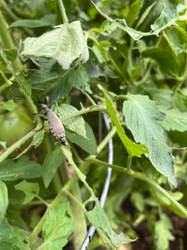
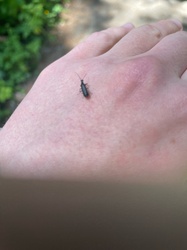
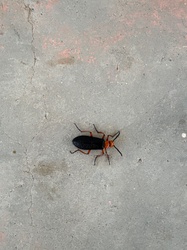
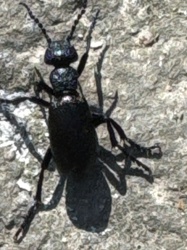
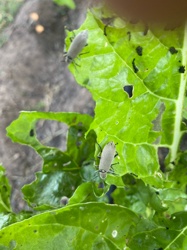
Blister Beetle identified by the community
Real finds identified with Bug Identifier.
Other bugs you may enjoy
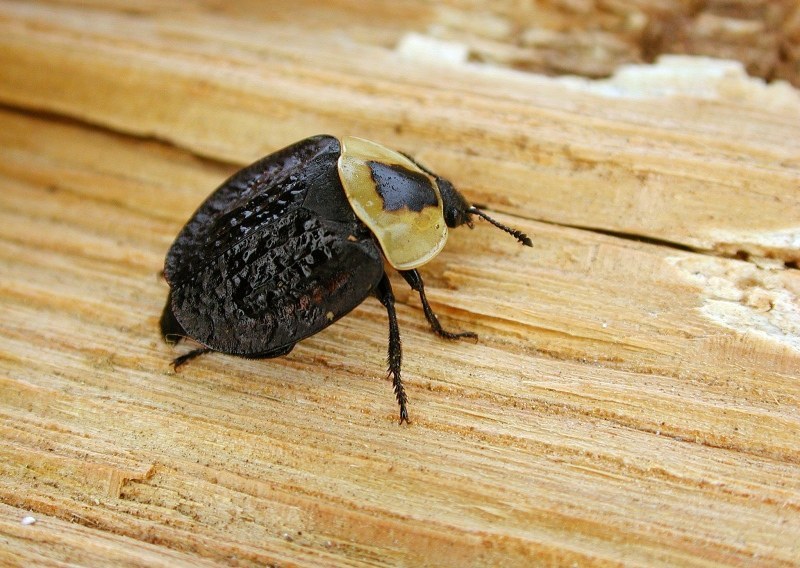
American Carrion Beetle
Forests, fields, and roadsides across North America, near decaying animal carcasses
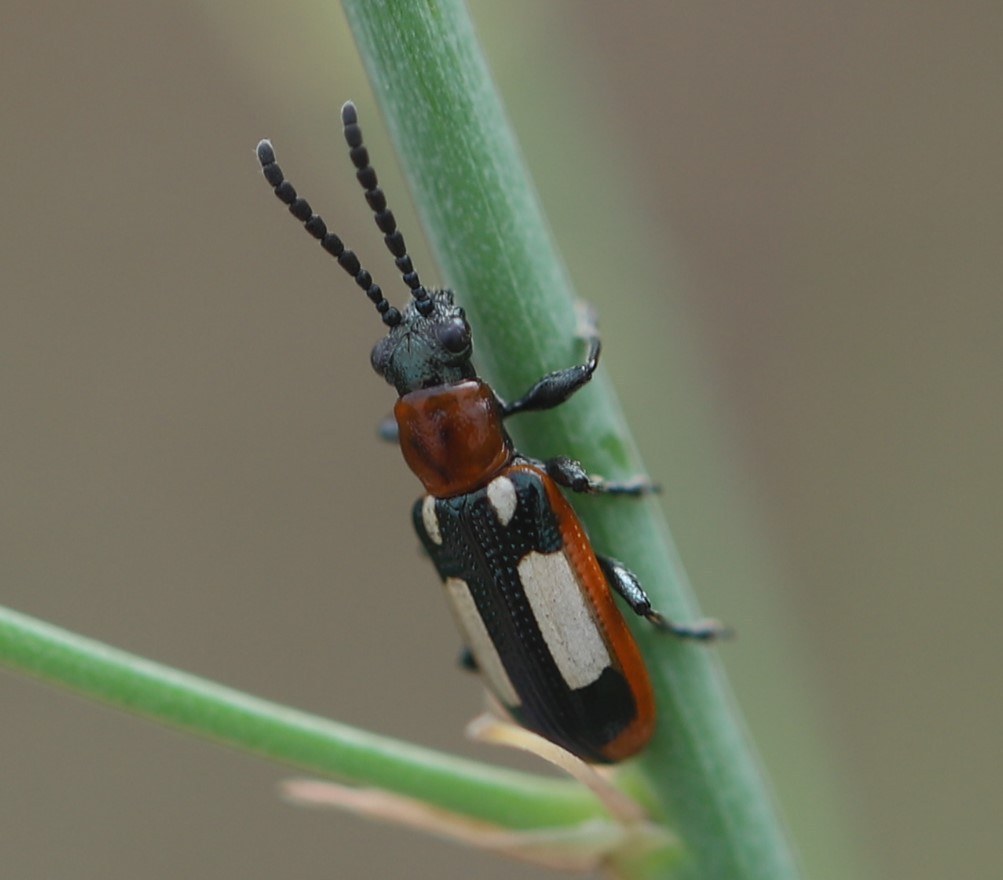
Asparagus Beetle
Asparagus patches, gardens, and farm fields
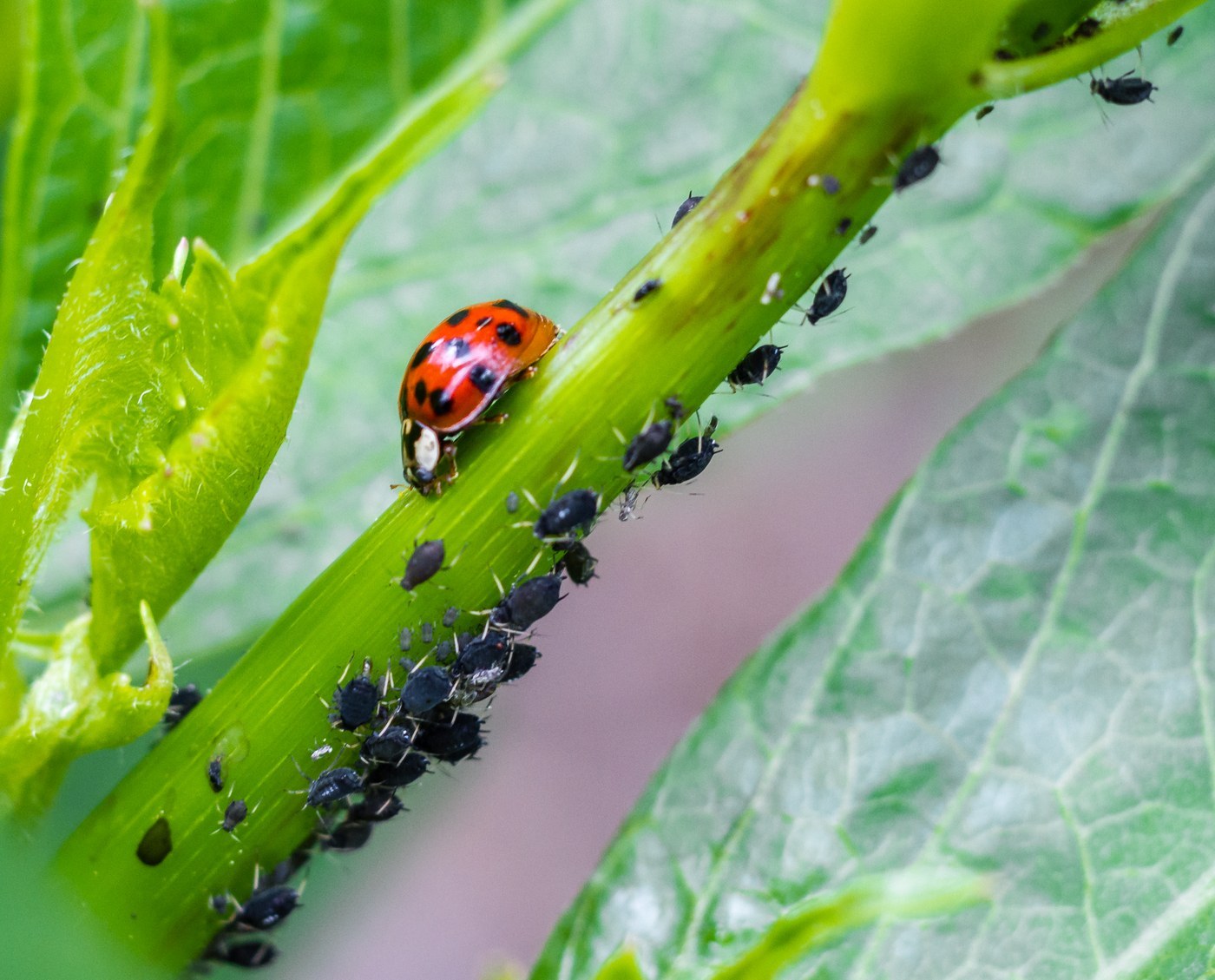
Asian Lady Beetle
Gardens, crop fields, woodlands, buildings
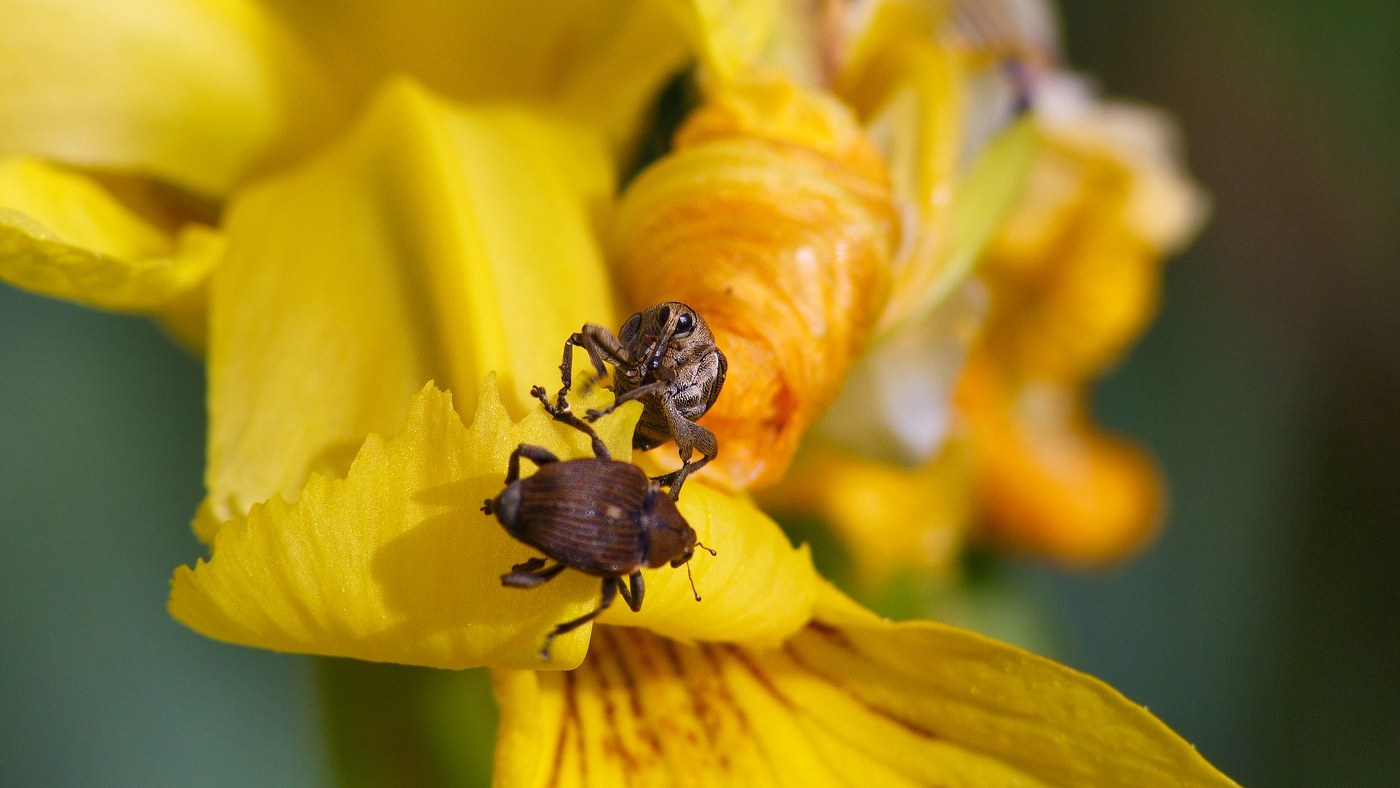
Acorn Weevil
Oak woodlands and forests, on and beneath oak trees
Wireworm
Soil of grasslands, gardens, and cultivated fields worldwide
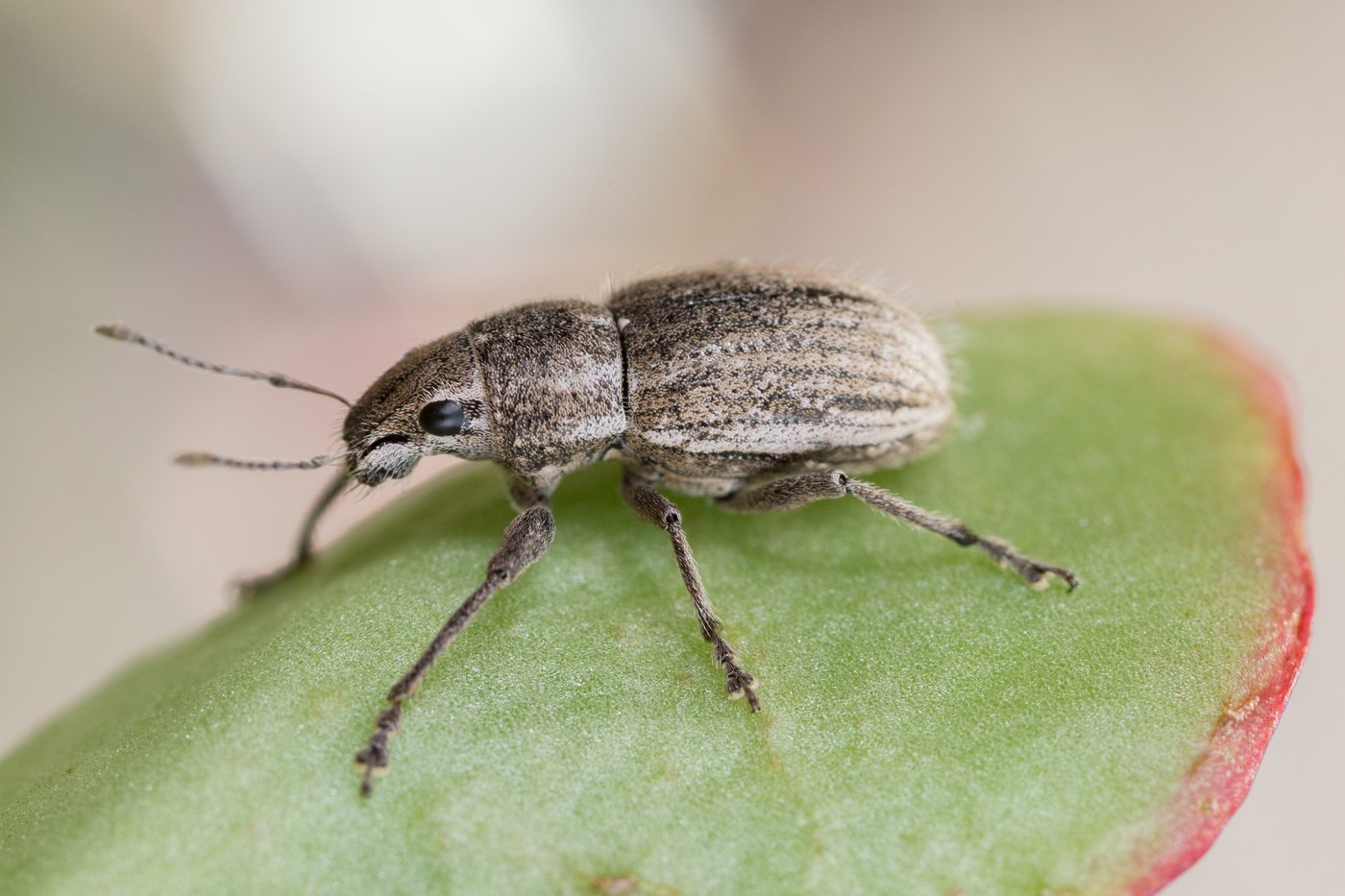
Whitefringed Beetle
Pastures, row crops, lawns, disturbed soils
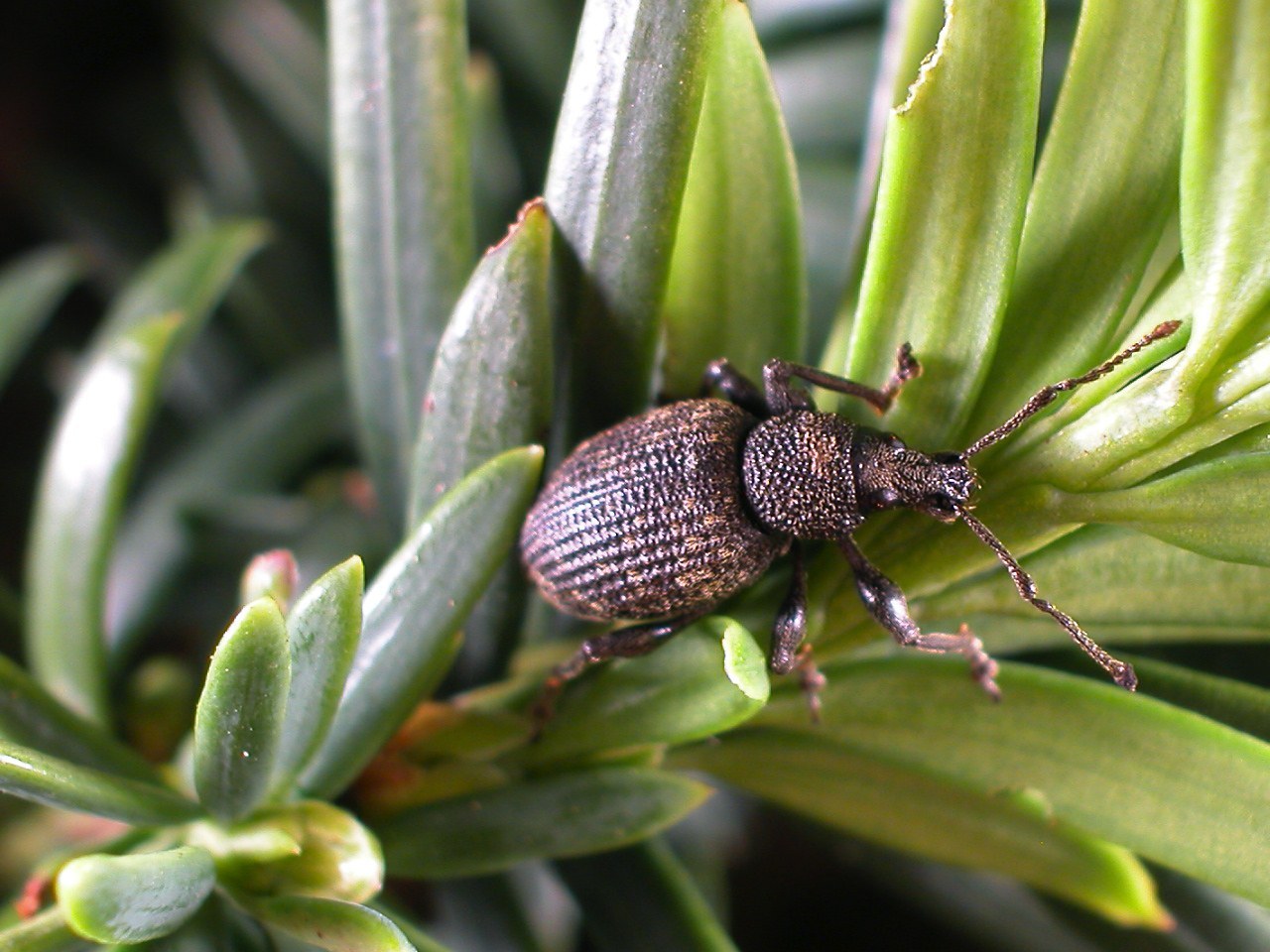
Vine Weevil
Gardens, nurseries, greenhouses, and container plantings
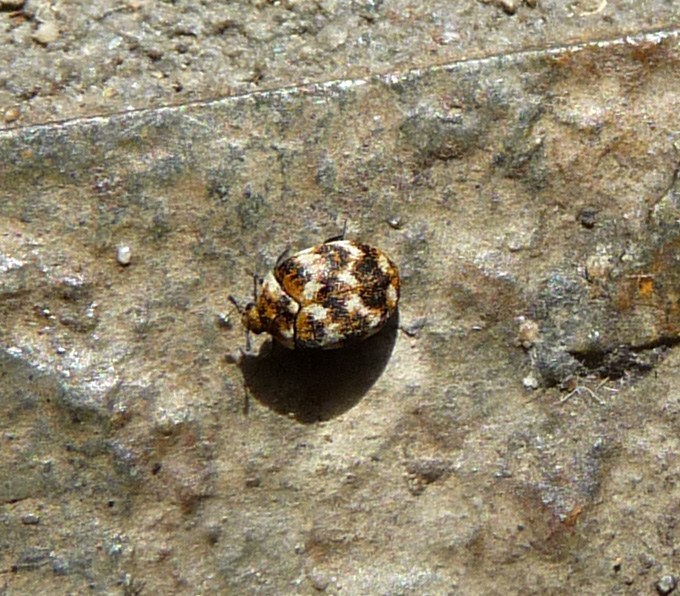
Varied Carpet Beetle
Homes, nests of birds and mammals, and flowers outdoors
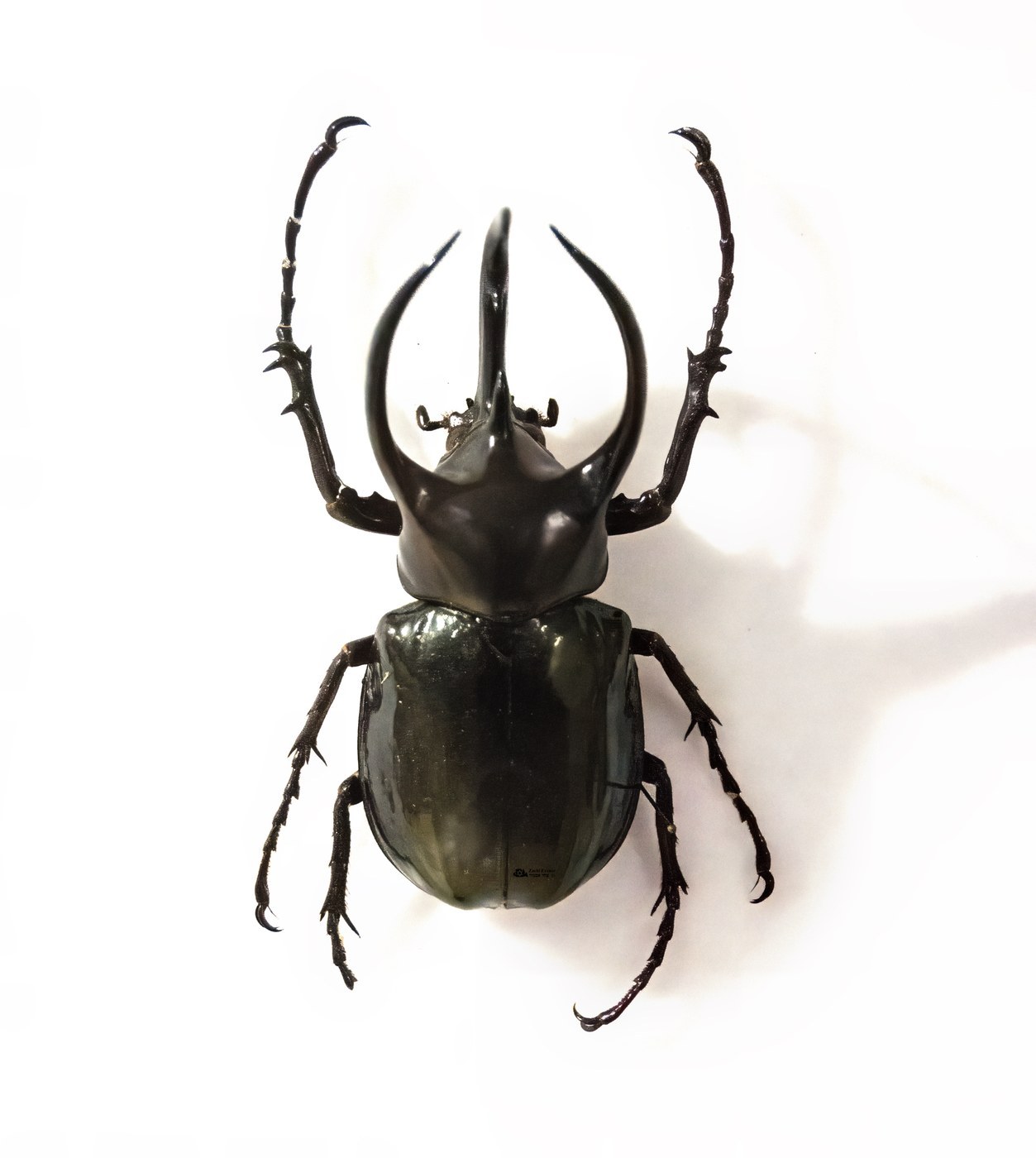
Atlas Beetle
Tropical forests of Southeast Asia
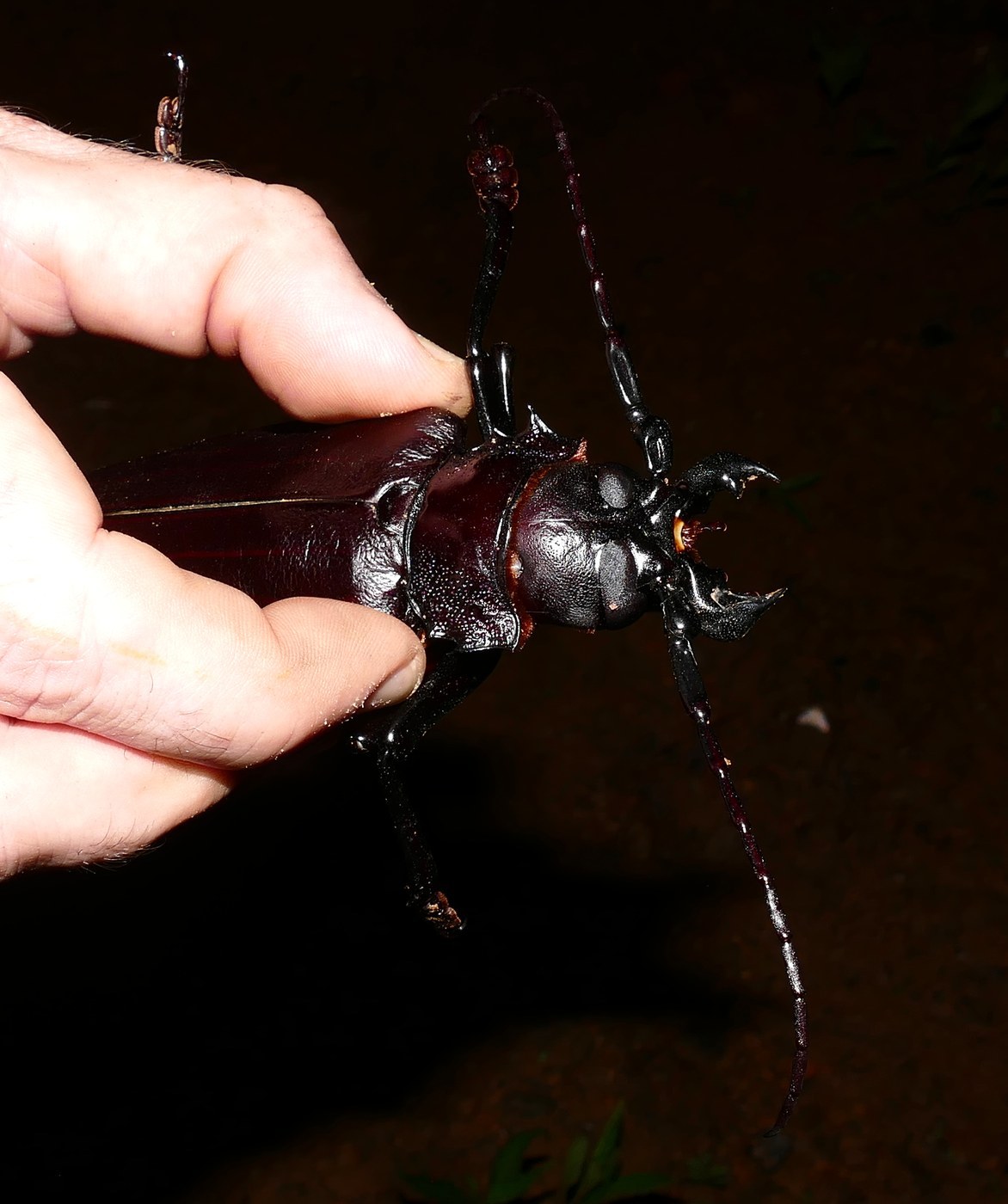
Titan Beetle
Amazon rainforest of South America
Ten-lined June Beetle
Sandy soils, pine forests, and orchards of western North America
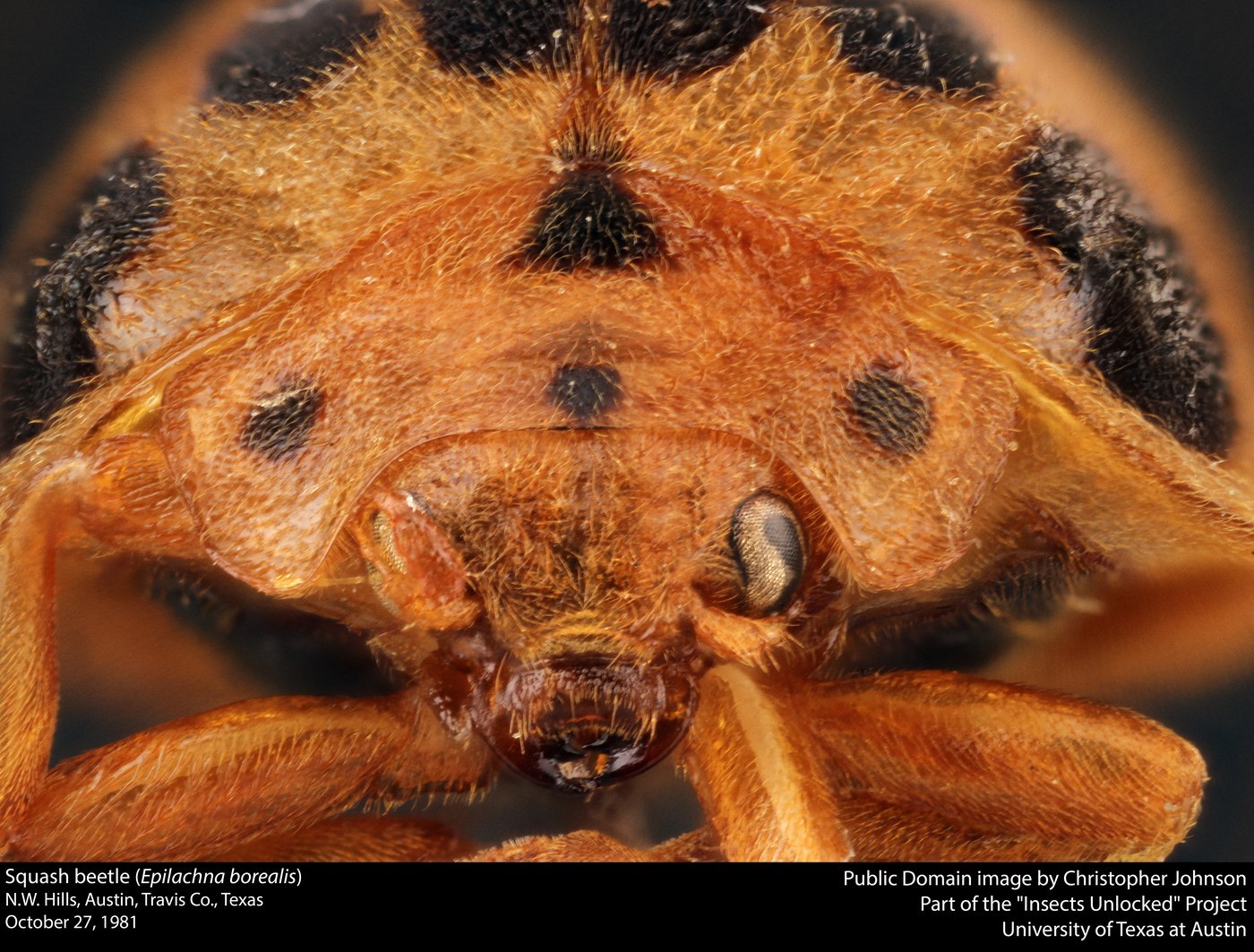
Squash Beetle
Vegetable gardens and fields growing squash, pumpkin, and other cucurbits