
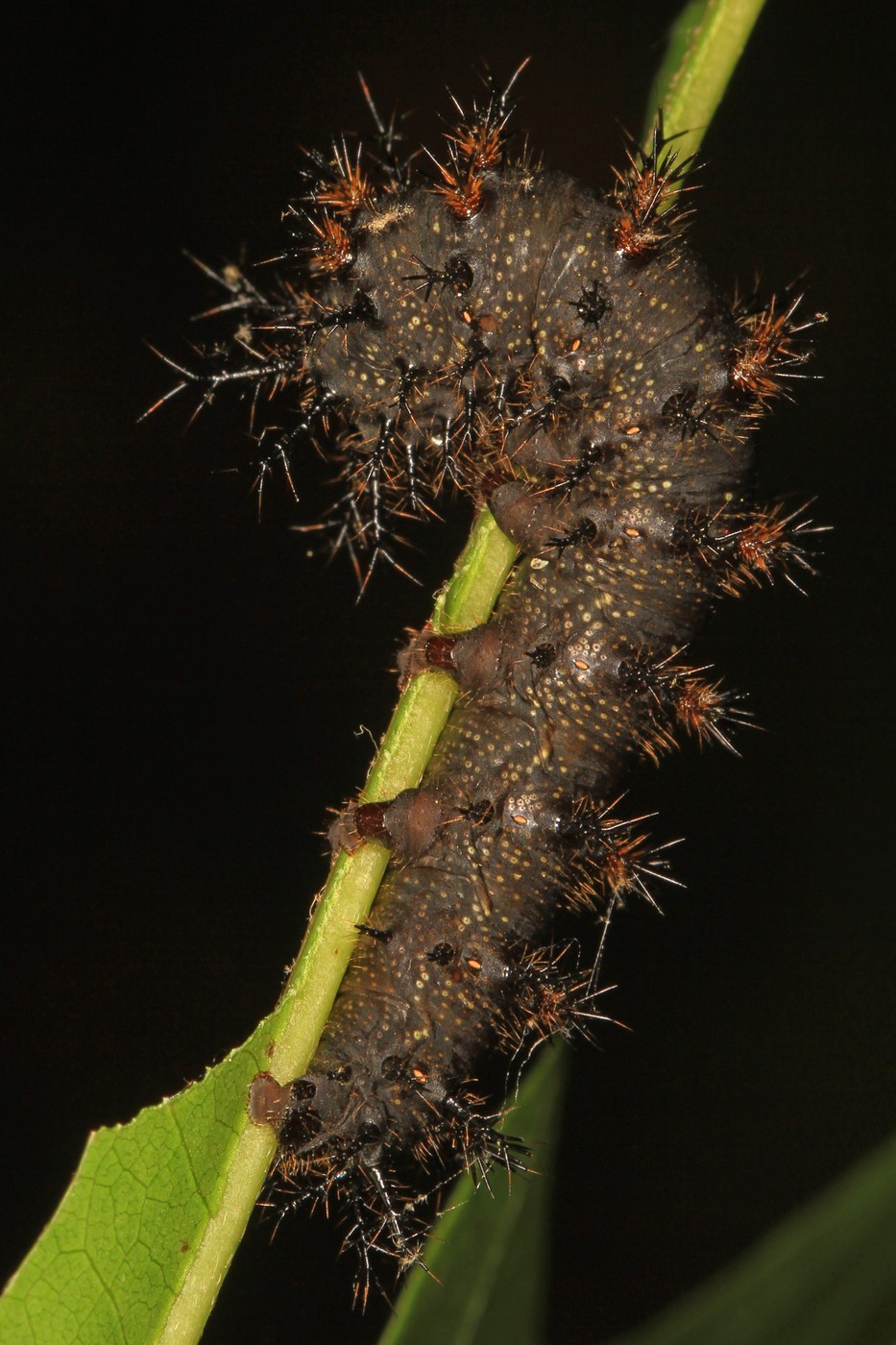
Buck Moth Caterpillar
Hemileuca maia
A dark, spiny caterpillar covered in branched spines that marches across oak-lined sidewalks in dense groups each spring.
- Size
- Up to 2-2.5 in (50-64 mm)
- Habitat
- Oak woodlands, sandy barrens, urban oak-lined streets
- Danger
- Stings
Spotted a bug like this?
Identify any bug or insect from a photo, free.
Overview
The buck moth caterpillar is the larval stage of Hemileuca maia, a day-flying member of the giant silkworm moth family (Saturniidae) native to eastern and central North America. It is best known for feeding gregariously on oak trees and for the branched, bristling spines that cover its body, which have made it one of the more conspicuous and talked-about caterpillars of spring in oak-dominated landscapes.
Early instars stay clustered together on host foliage, then disperse somewhat as they mature, eventually wandering down trunks and across the ground in search of pupation sites. In urban and suburban settings with mature oak trees, mass movements of late-stage larvae across sidewalks and streets are a familiar seasonal sight.
How to Identify
- Body dark brown to black, sometimes with a reddish or purplish cast, covered in branching, spiny tubercles arranged in rows
- A pale, cream-to-white stripe often runs along each side of the body
- Spines are stiff, multi-branched, and give the caterpillar a bristly, almost cactus-like appearance
- Head capsule dark and shiny
- Mature larvae reach roughly 2 to 2.5 inches (50-64 mm) in length
- Early instars are smaller, darker, and feed in tight clusters on leaf undersides before dispersing
Habitat & Range
Buck moth caterpillars are found wherever their host oaks grow, including open oak woodlands, sandy pine-oak barrens, coastal scrub, and residential or urban areas planted with oak trees, across much of the eastern and central United States. Larvae are present from early spring into early summer, feeding on developing oak leaves before the canopy fully matures.
Behavior & Diet
Young larvae feed in tight, synchronized groups on oak foliage, which helps them overwhelm a leaf's defenses and may offer some protection from predators. As they grow, the caterpillars spread out and feed more independently, stripping sections of oak canopy in heavily populated years. Mature larvae descend to the ground to pupate in leaf litter or loose soil. In defense, the caterpillar relies on its dense coat of branched spines rather than fleeing, and it can sting in defense if handled or brushed against. As oak specialists, buck moth larvae are an important seasonal food source for birds and other predators that have learned to avoid or tolerate the spines, and they contribute to the natural thinning of oak foliage.
Life Cycle
Adult buck moths are unusual among Saturniidae in flying by day, typically in autumn, when females lay clusters of eggs in rings around oak twigs. The eggs overwinter on the twig and hatch the following spring as new oak leaves emerge. Larvae pass through several instars over the spring, feeding on oak foliage, before dropping to the ground in late spring or early summer to pupate in the soil or leaf litter. The species overwinters as eggs, and adults emerge in fall to complete one generation per year in most of its range.
Frequently asked questions
Why do buck moth caterpillars gather in groups on sidewalks?
Late-stage larvae leave oak trees to search for a place to pupate in the soil, which often brings large numbers of them down tree trunks and across open ground at once.
What makes buck moth caterpillars easy to identify?
Their dense covering of branched, spiny tubercles over a dark body, often with a pale side stripe, is distinctive among oak-feeding caterpillars.
Can this caterpillar sting if handled?
Yes, its spines can sting in defense if the caterpillar is touched or brushed against, so it is best observed without handling.
What time of year are buck moth caterpillars active?
Larvae are present from early spring through late spring or early summer, while the day-flying adult moths appear in fall.
Buck Moth Caterpillar guides
In-depth guides for identifying, understanding, and living alongside Buck Moth Caterpillar.
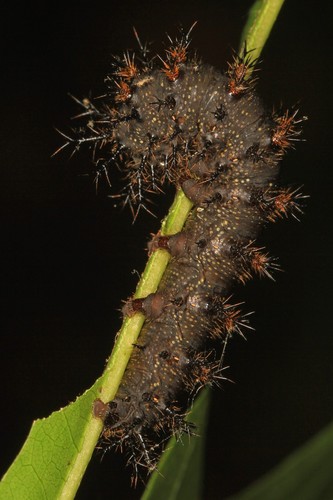
Buck Moth Caterpillar identified by the community
Real finds identified with Bug Identifier.
Other bugs you may enjoy
Bagworm
Trees and shrubs, especially conifers and ornamental landscaping
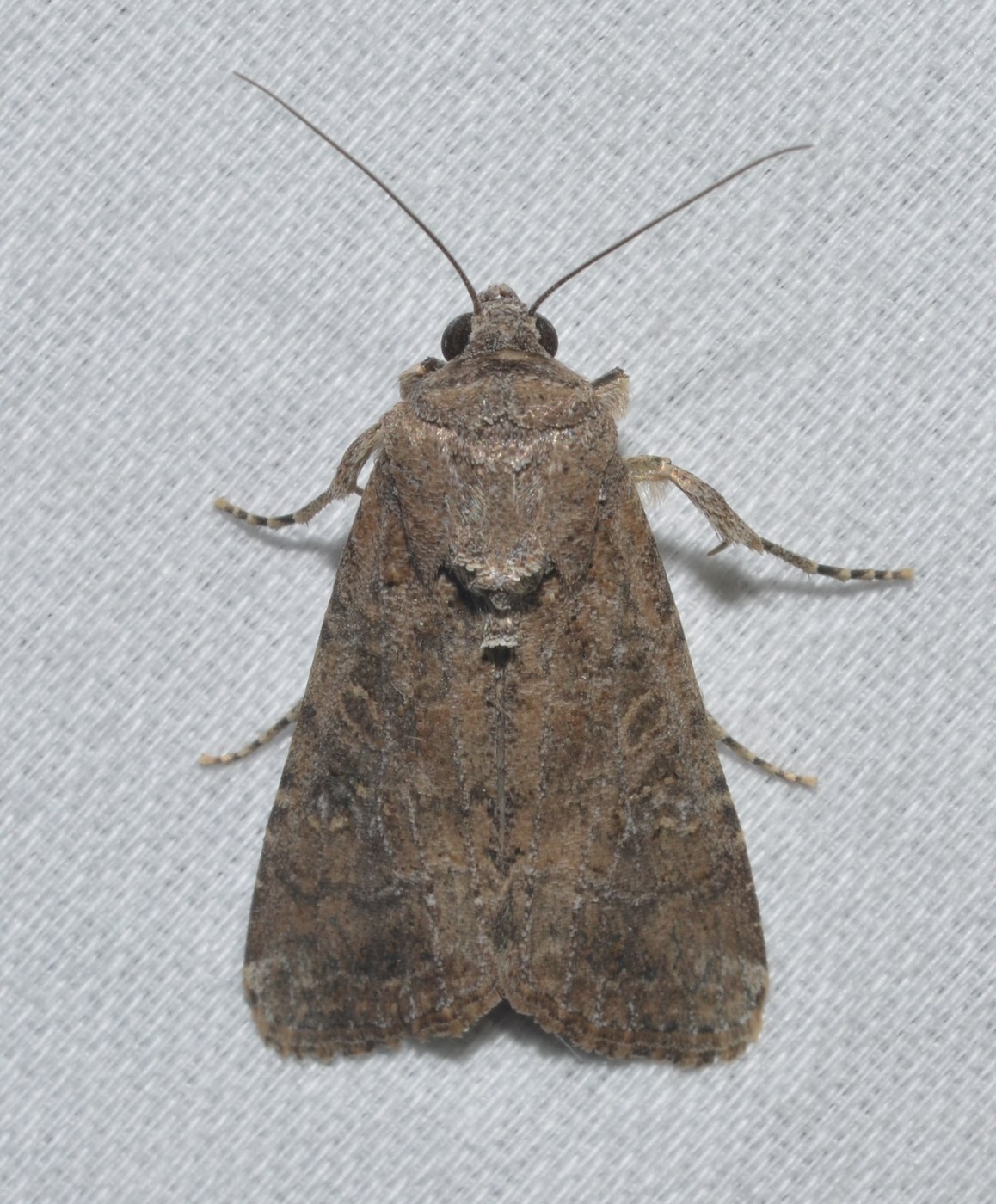
Armyworm
grasslands, pastures, and cereal crop fields
Zebra Longwing Caterpillar
Tropical and subtropical hammocks with passionflower vines
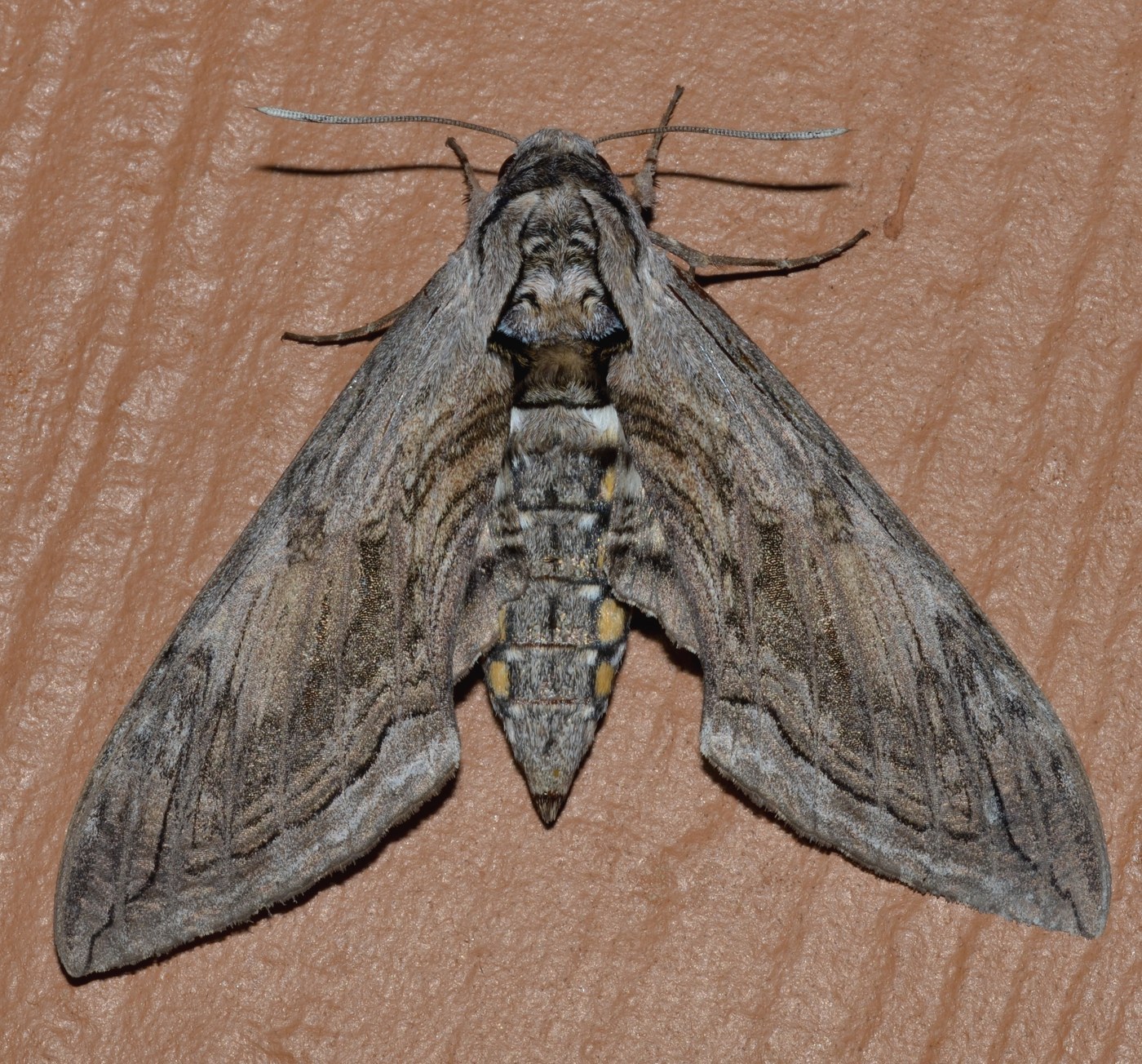
Tomato Hornworm
Gardens and fields with tomato, pepper, and other nightshade plants
Tent Caterpillar
Deciduous trees such as cherry, apple, and other rosaceous species
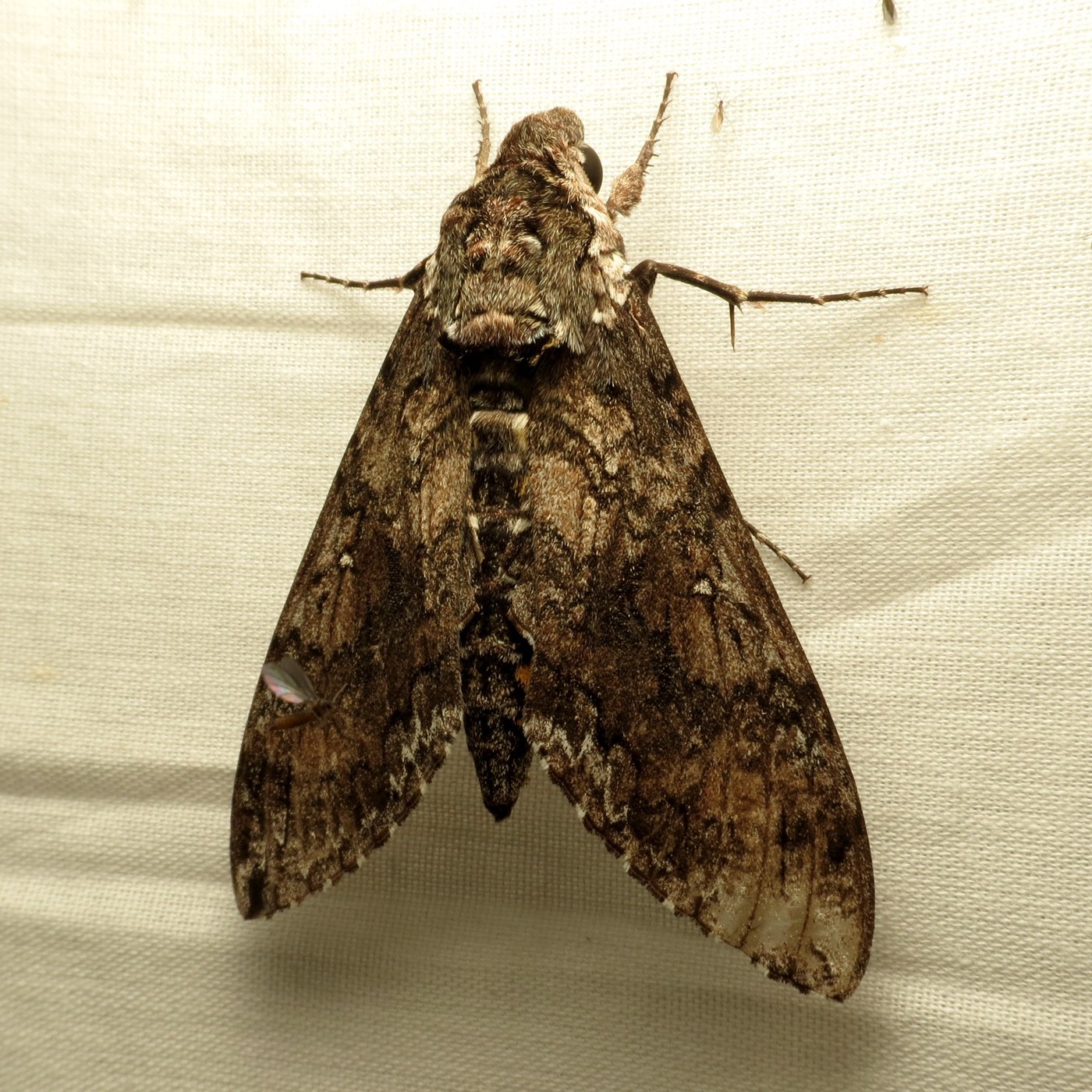
Tobacco Hornworm
tobacco, tomato, and pepper plants in gardens and fields
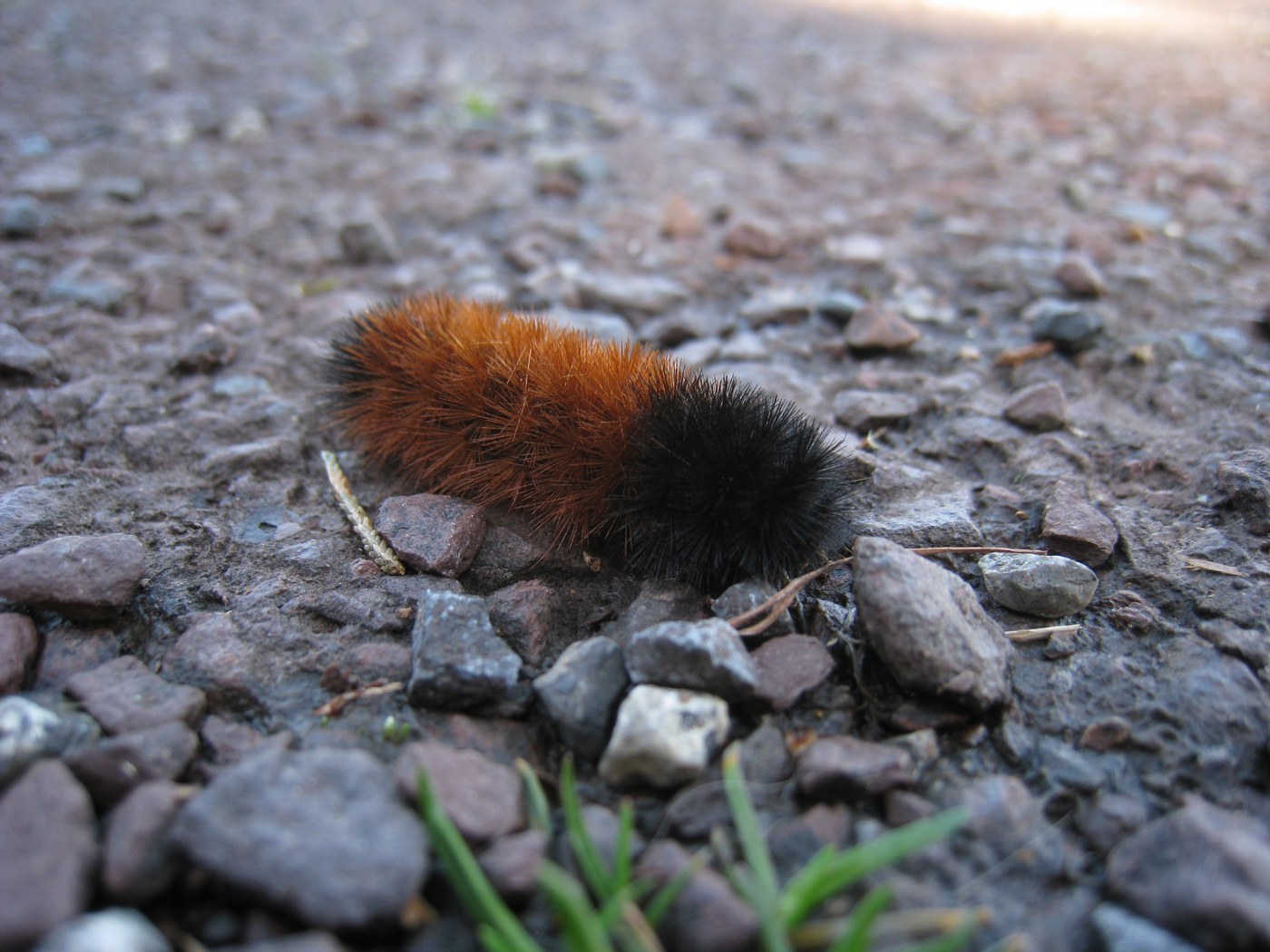
Woolly Bear Caterpillar
Gardens, meadows, roadsides, and woodland edges across North America
Sod Webworm
Turfgrass lawns, golf courses, pastures
Spiny Oak-slug Caterpillar
Deciduous forests and woodland edges with oak and other hardwoods
Saddleback Caterpillar
Deciduous trees and shrubs in eastern and southern North America
Stinging Rose Caterpillar
Gardens and woodlands with rose, dogwood, or oak
Silkworm
Reared exclusively in captivity on mulberry leaves; no independent wild population