
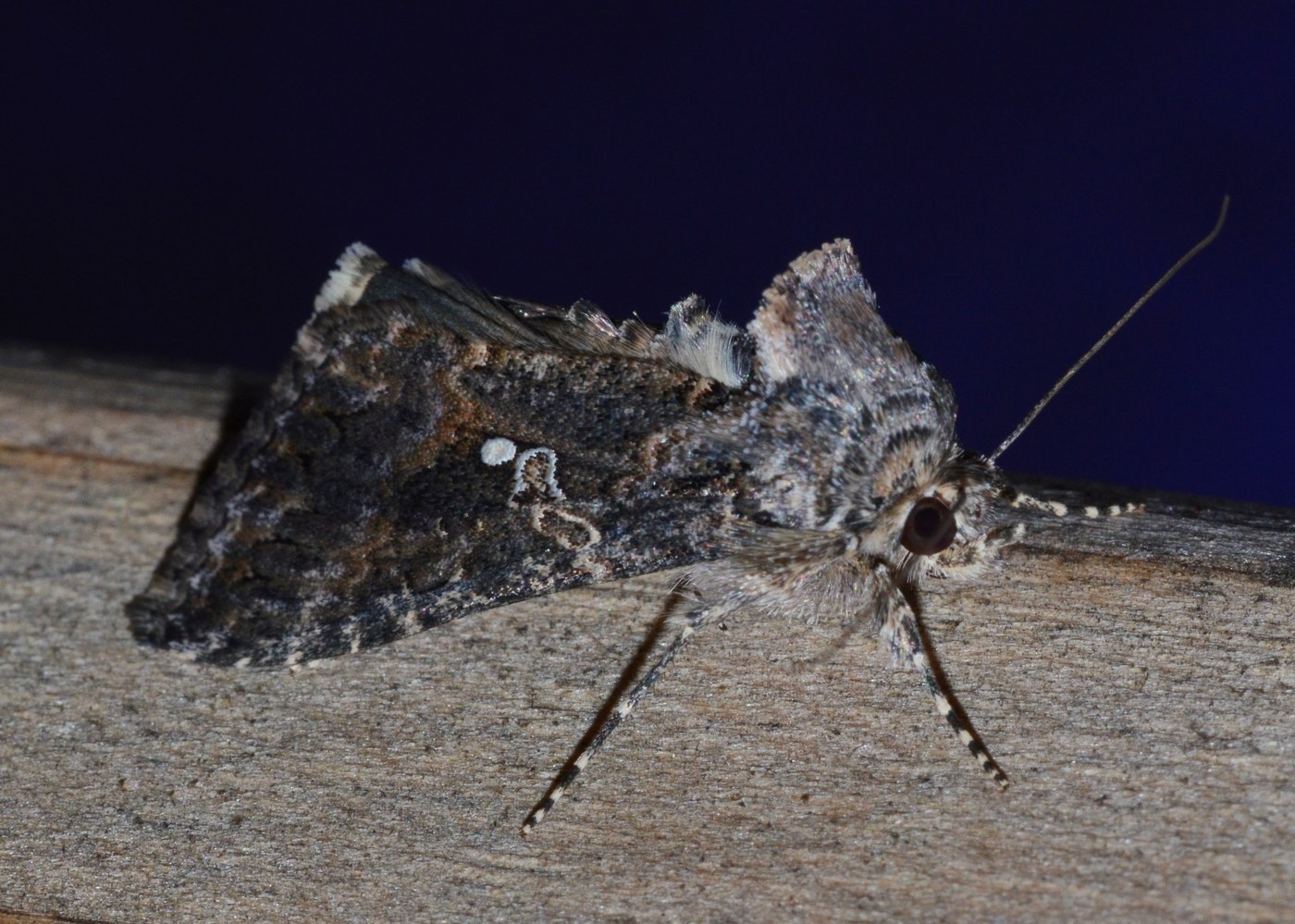
Cabbage Looper Moth
Trichoplusia ni
A drab mottled-brown moth best known for its pale green, looping caterpillar that arches its back like an inchworm while feeding on garden vegetables.
- Size
- 1–1.5 in wingspan
- Habitat
- Vegetable gardens, farmland
- Danger
- Nuisance pest
Spotted a bug like this?
Identify any bug or insect from a photo, free.
Overview
The cabbage looper moth is a member of the owlet moth family, Noctuidae, and is best recognized not by its unassuming adult form but by its distinctive caterpillar, which moves with a characteristic looping motion because it lacks a full set of prolegs in the middle of its body. This looping gait is shared with the unrelated inchworm moths but arises independently within the noctuid lineage.
Adults are modest, mottled grayish-brown moths with a small silvery figure-eight or comma-shaped marking near the center of each forewing, making them easy to overlook against tree bark or soil. They are widespread across temperate and tropical regions and are considered a common garden and agricultural species associated with cole crops.
The species is notable in entomology as a well-studied model organism for insect physiology and pest management research, given its economic importance on cabbage-family crops.
How to Identify
- Adult forewings are mottled brownish-gray with a small silvery-white figure-eight or Y-shaped marking near the center.
- Hindwings are paler, plain grayish-brown, usually hidden at rest.
- Wingspan around 3–4 cm; body slender and moth-typical, not brightly colored.
- The caterpillar is more distinctive than the adult: pale green with faint white lateral stripes, tapering toward the head, and arches into a loop as it crawls.
- Distinguished from true inchworms (Geometridae) by subtle wing venation differences, though the looping gait looks nearly identical to the untrained eye.
Habitat & Range
Found throughout North America and many other temperate and subtropical regions, especially wherever cole crops such as cabbage, broccoli, and kale are grown, as well as in home gardens. Adults are nocturnal and are frequently attracted to lights, while caterpillars feed on foliage during both day and night through the growing season.
Behavior & Diet
Adult moths are nectar feeders and pollinators, flying at night and resting camouflaged against bark or foliage by day. The caterpillars feed on the leaves of cabbage-family plants and various other vegetables, chewing ragged holes and moving with a looping, inchworm-like gait due to reduced prolegs. As a widespread generalist herbivore, the species is a recurring presence in vegetable garden food webs and a host for various parasitoid wasps and flies.
Life Cycle
Females lay small, dome-shaped eggs singly on host leaves, which hatch into tiny green larvae that feed and molt through five instars, developing the characteristic looping crawl. Mature caterpillars spin a thin, loose silk cocoon on the underside of a leaf or nearby structure to pupate. In warmer climates several generations occur per year, with the species overwintering as a pupa in regions with cold winters or persisting year-round in frost-free areas.
Frequently asked questions
Is the cabbage looper the same as an inchworm?
No, though its caterpillar loops similarly, it belongs to the owlet moth family rather than the true inchworm family, and the resemblance is due to convergent evolution.
How do I recognize the adult moth?
Look for a plain grayish-brown moth with a small silvery figure-eight mark near the middle of each forewing.
What does the caterpillar eat?
It feeds on the leaves of cabbage-family vegetables and a variety of other garden plants.
Why does the caterpillar arch its back when it crawls?
It lacks a full set of prolegs in the middle of its body, so it must draw its hind end up to meet its front end, creating a looping motion.
Cabbage Looper Moth guides
In-depth guides for identifying, understanding, and living alongside Cabbage Looper Moth.
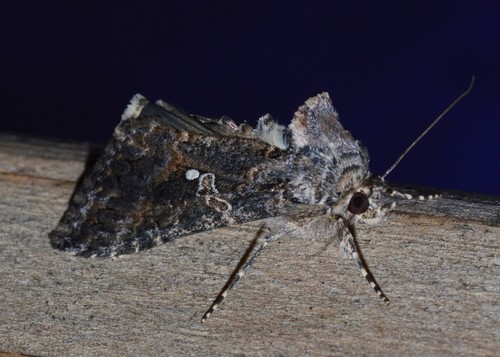
Cabbage Looper Moth identified by the community
Real finds identified with Bug Identifier.
Other bugs you may enjoy
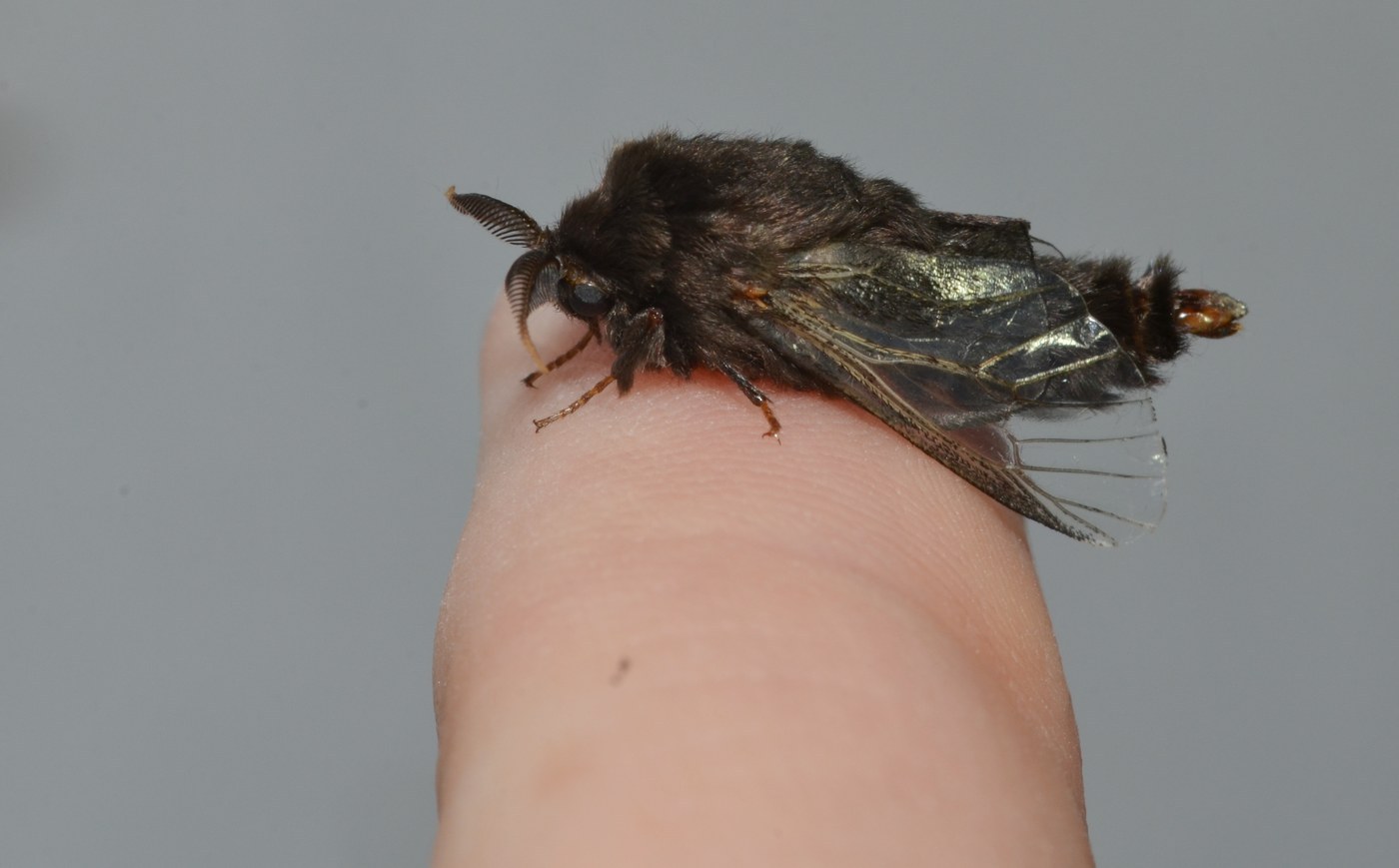
Bagworm Moth
Coniferous and deciduous trees, shrubs, hedges
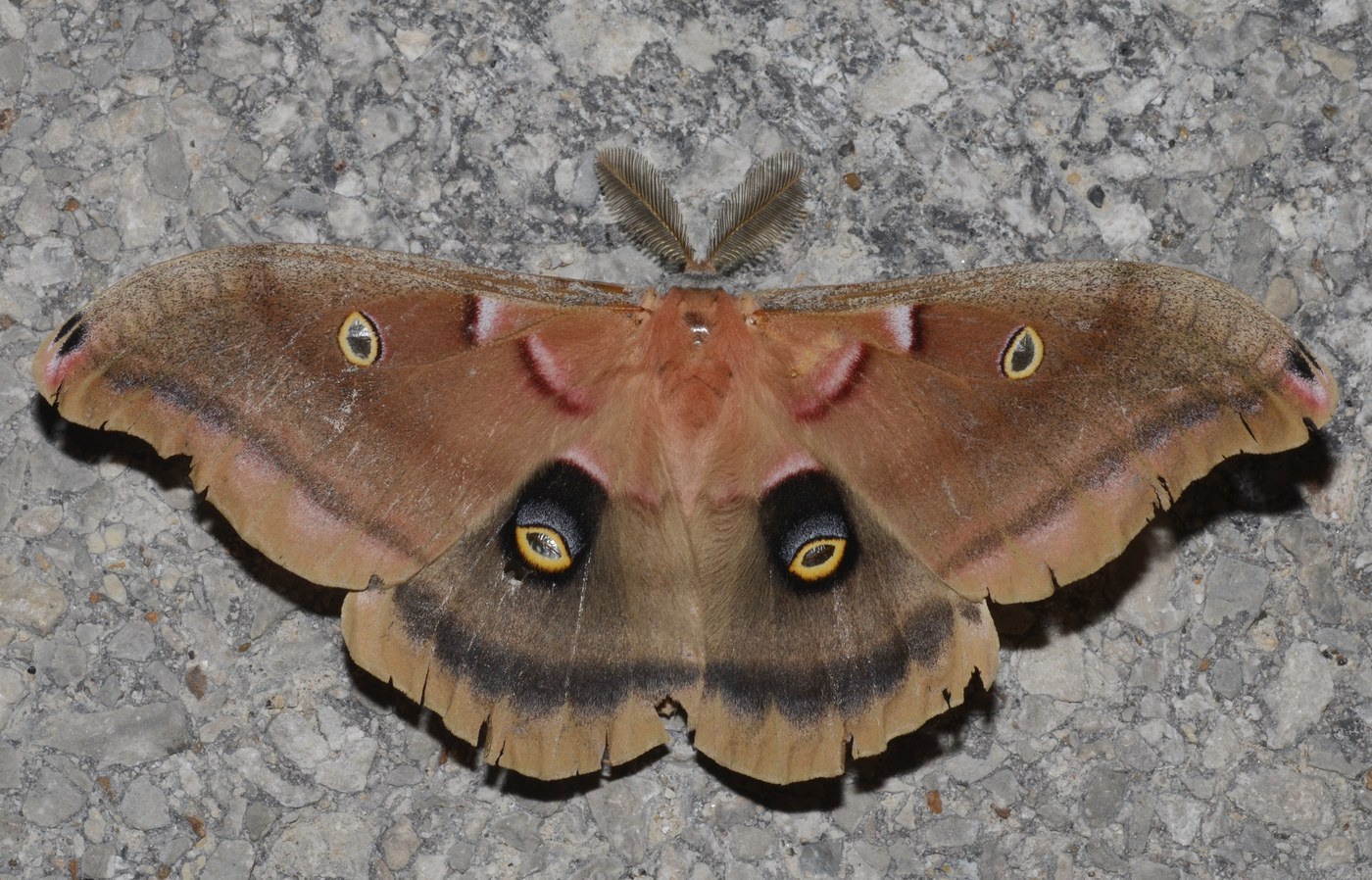
Antheraea Silkmoth
Deciduous forests, woodland edges, orchards
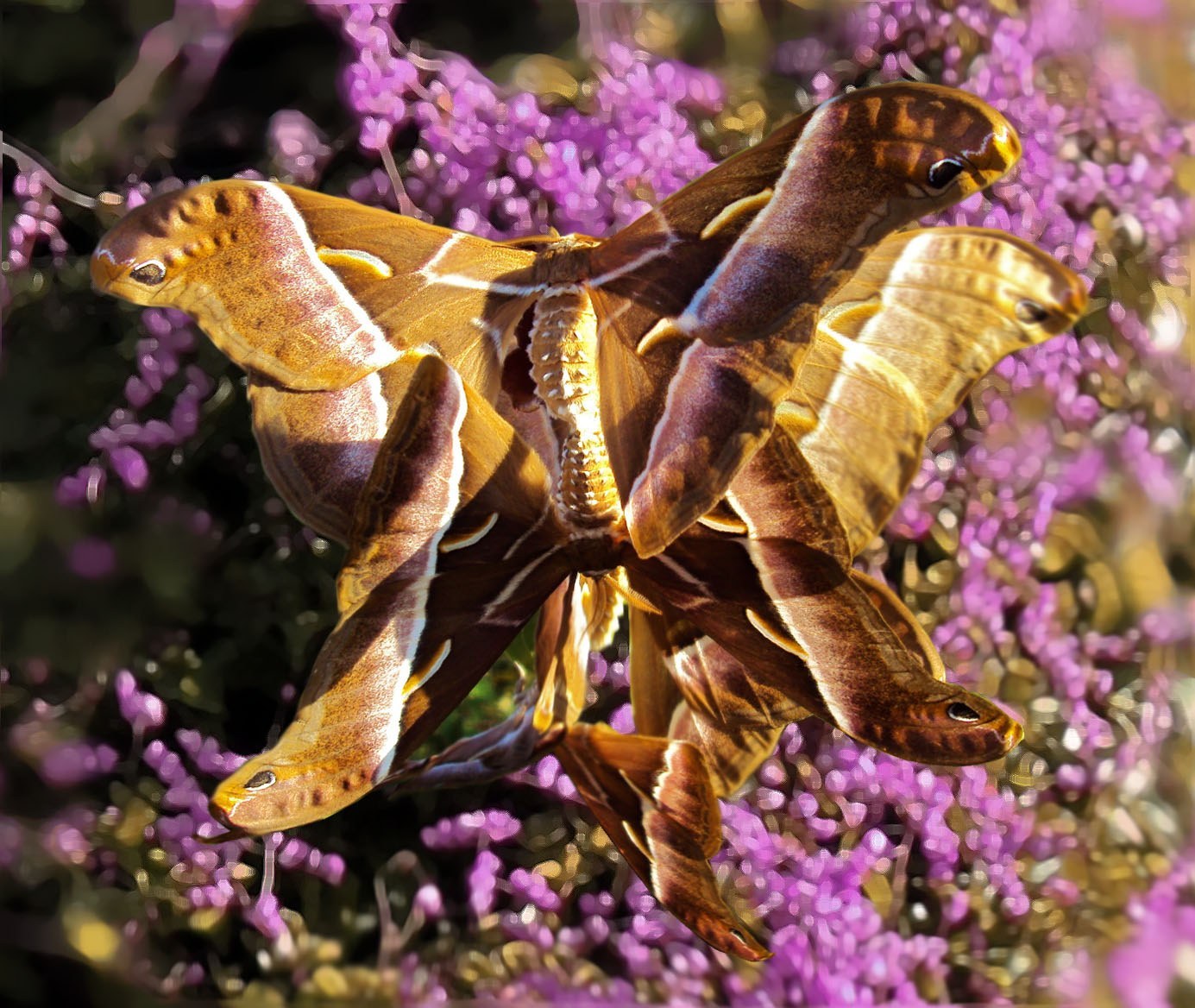
Ailanthus Silkmoth (Cynthia Moth)
Urban parks, wastelands, and woodland edges with tree-of-heaven; native to Asia, introduced in North America and Europe
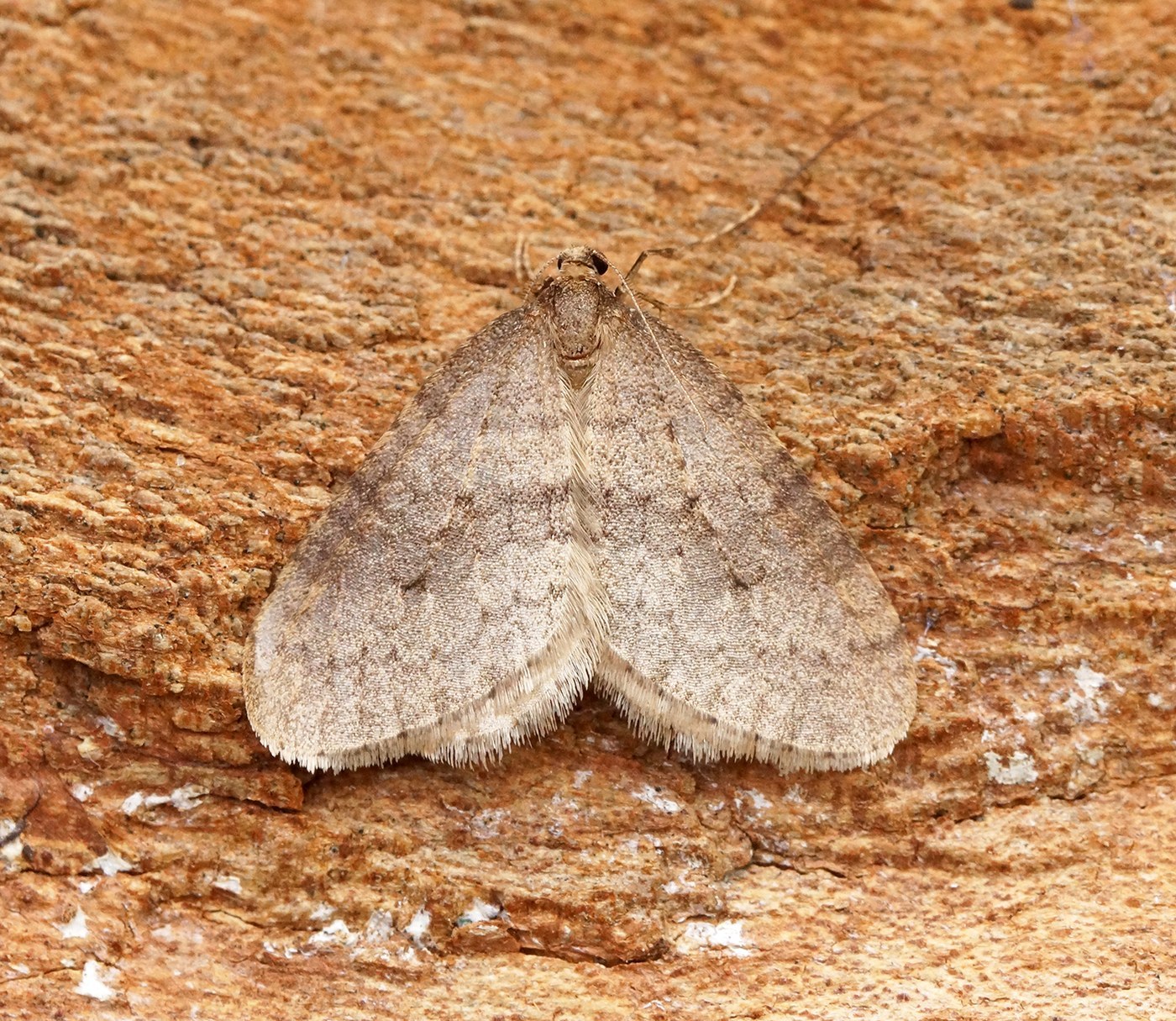
Winter Moth
Deciduous woodland, orchards, gardens, hedgerows
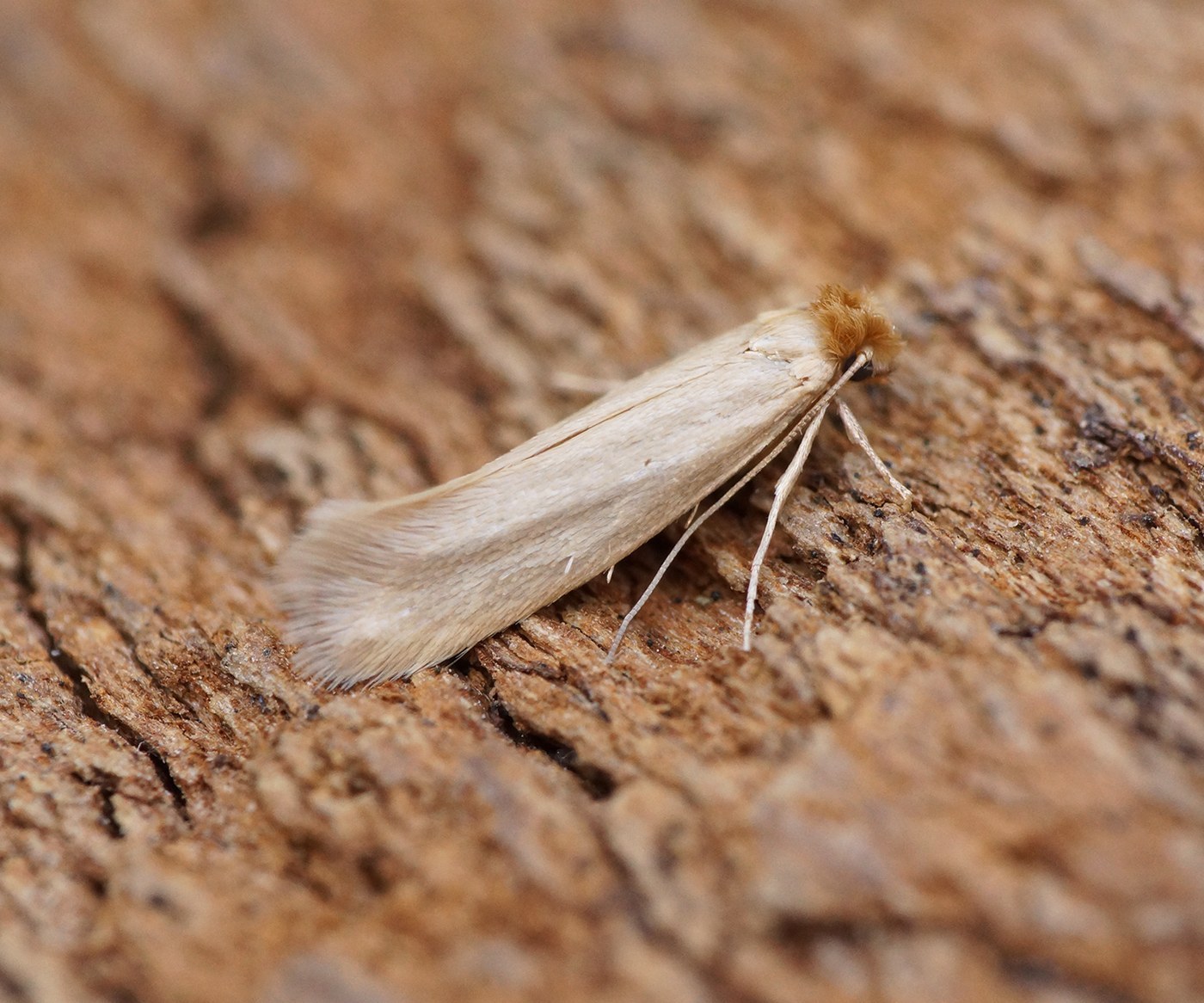
Webbing Clothes Moth
Dark closets, storage areas, and animal nests worldwide
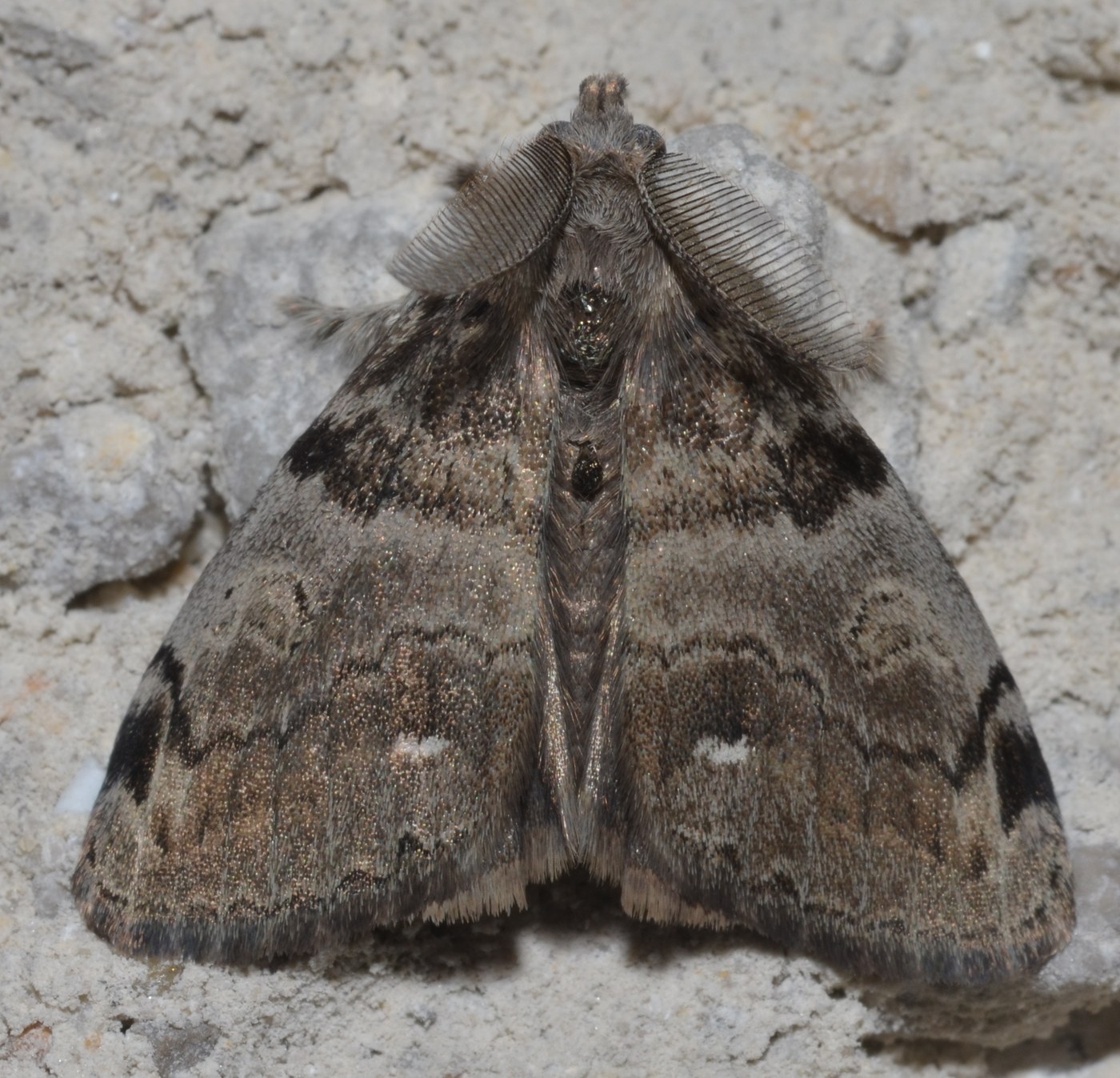
Tussock Moth
Deciduous forests, parks, gardens
Wax Moth
Beehives, apiaries, stored beeswax and comb
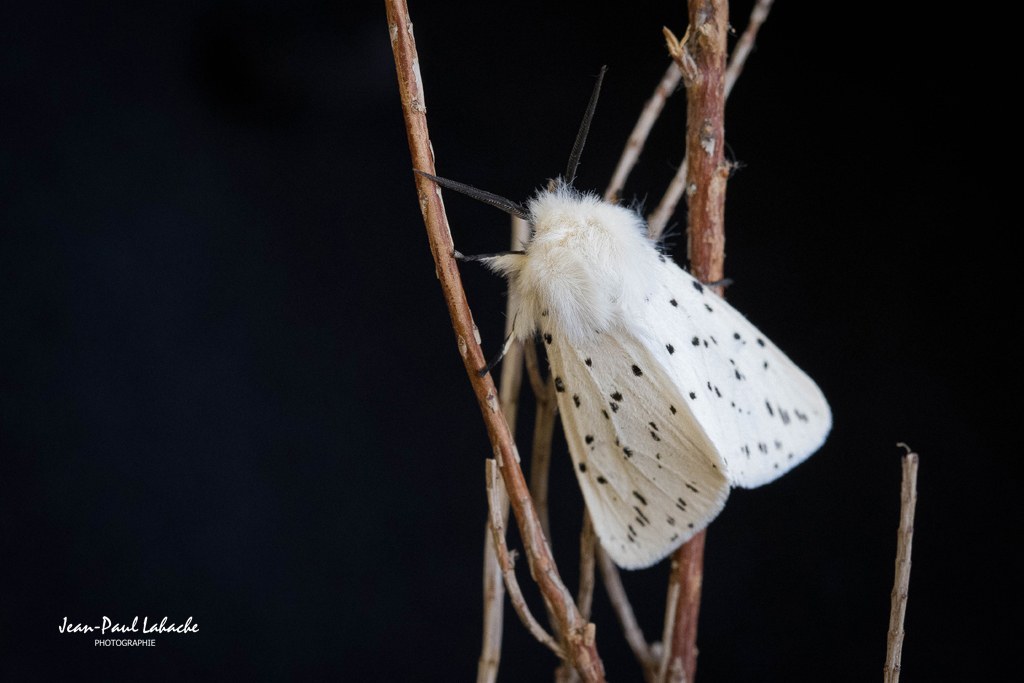
White Ermine Moth
Gardens, meadows, hedgerows
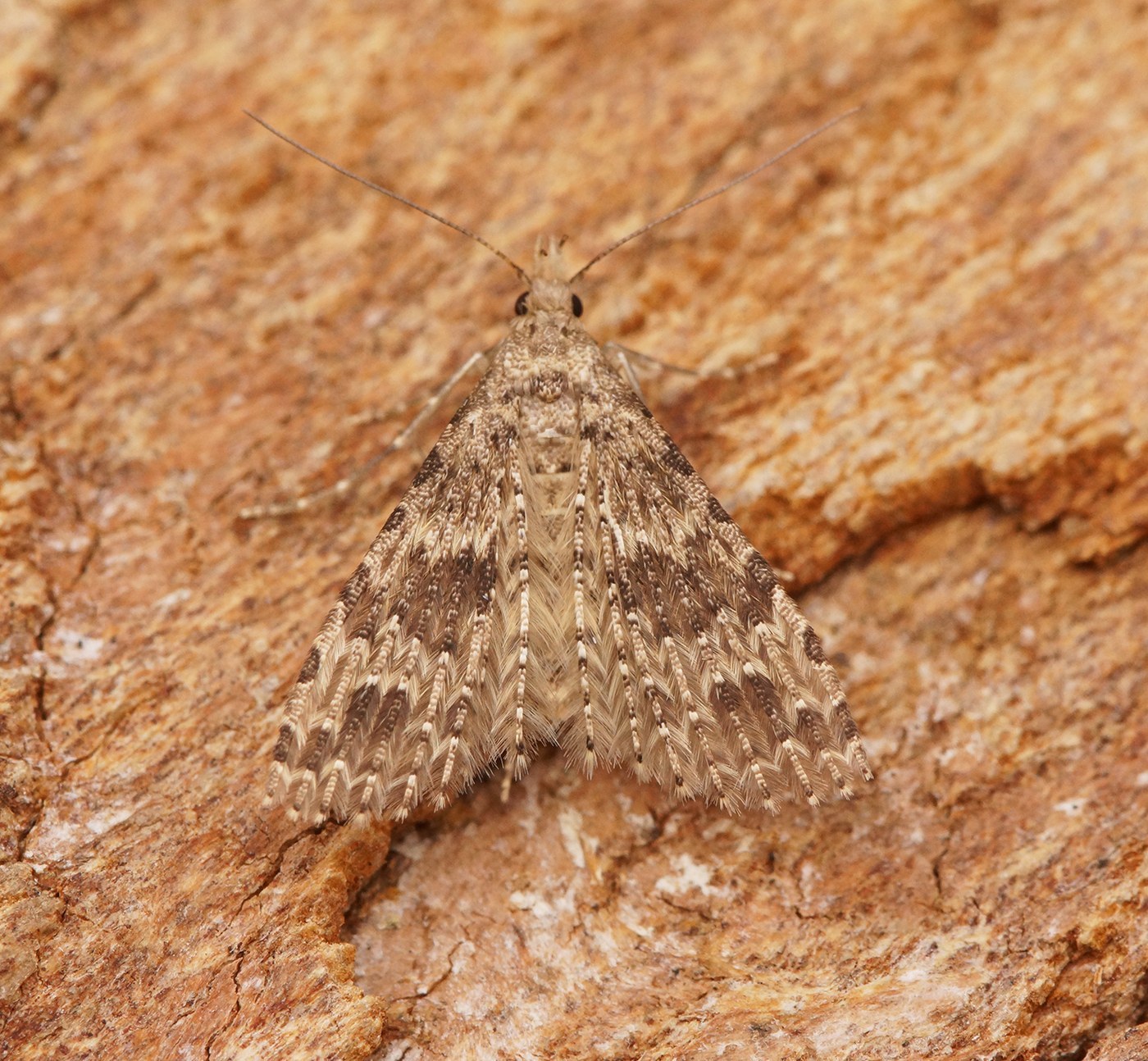
Twenty-plume Moth
Gardens, hedgerows, near honeysuckle
Achemon Sphinx Moth
Vineyards, woodland edges, gardens with wild grape
Angle Shades Moth
Gardens, hedgerows, woodland edges, urban parks
Atlas Moth
Tropical and subtropical lowland forests of Southeast Asia