
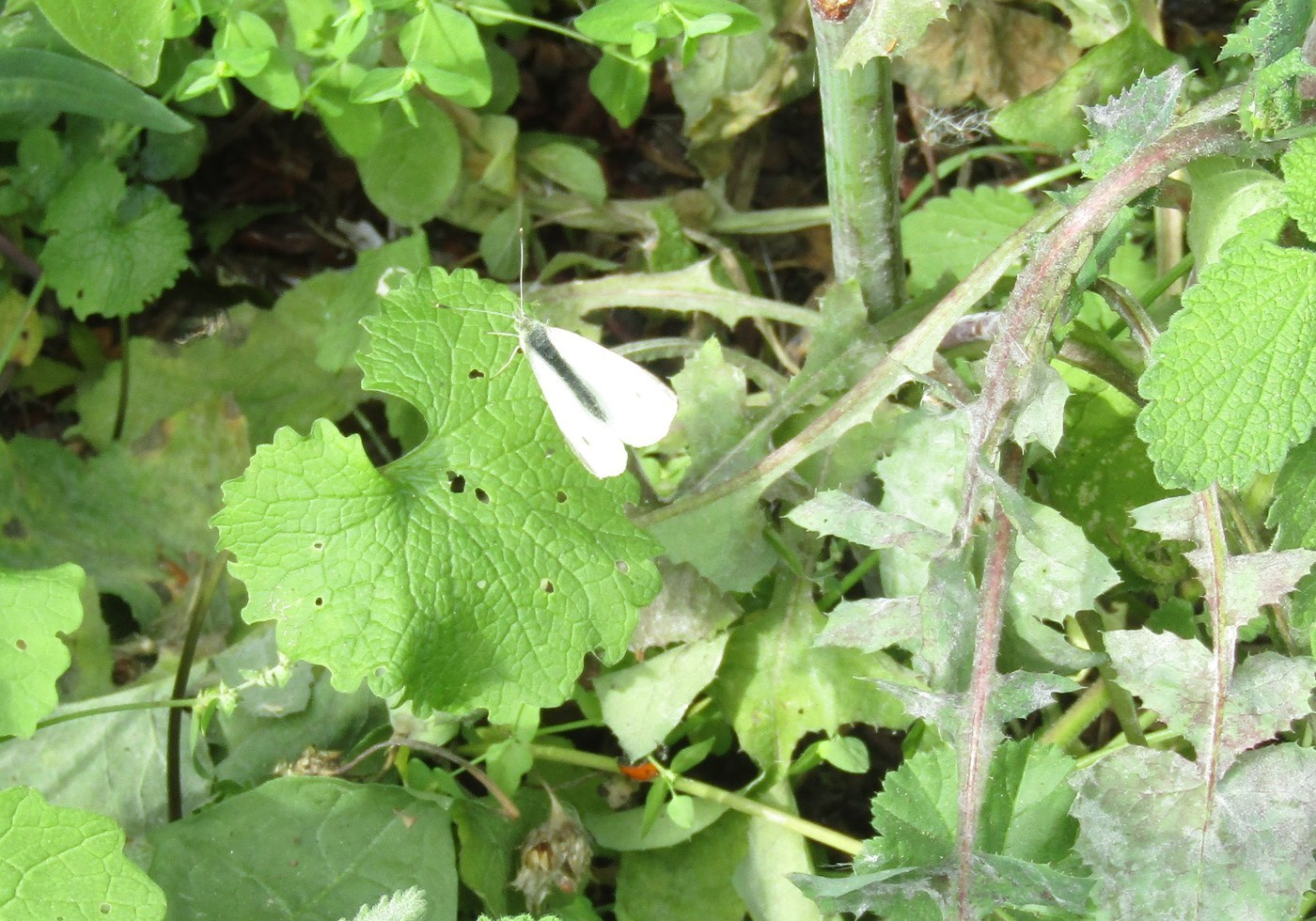
Cabbage White Butterfly
Pieris rapae
A small, plain white butterfly with one or two black spots on each forewing and dark wingtips, one of the most common and widespread garden butterflies in the world.
- Size
- 1.5–2 in wingspan
- Habitat
- Gardens, fields, brassica crops, urban lots
- Danger
- Harmless
Spotted a bug like this?
Identify any bug or insect from a photo, free.
Overview
The cabbage white, Pieris rapae, also called the small white, is a common butterfly in the family Pieridae, recognized by its clean white wings marked with small black spots. Native to Europe, Asia, and North Africa, it has become one of the most widespread butterflies in the world after being introduced to North America in the 19th century and later to other regions.
It belongs to the 'whites and sulphurs' family Pieridae, many of whose caterpillars specialize in feeding on plants in the mustard family (Brassicaceae), including cultivated cabbage, broccoli, and related crops—a habit reflected in its common name. The species is considered one of the most successful and adaptable butterflies in temperate regions.
Because of its abundance and close association with cultivated brassica crops, the cabbage white is frequently the very first butterfly many people learn to recognize, often seen fluttering low over gardens and fields.
How to Identify
- Wings: white to pale cream, with one or two black spots on each forewing (males typically show one spot, females two) and black wingtips.
- Size: wingspan about 1.5–2 inches (4–5 cm), smaller and more delicate-looking than the monarch.
- Flight: fluttery, low, and somewhat erratic flight close to garden vegetation.
- Body: slender, pale, and covered in fine hair-like scales typical of the family.
- Lookalikes: easily confused with other small white butterflies such as the checkered white or various sulphur species, but the combination of small size, black wingtip patch, and low fluttering flight over garden crops is characteristic.
Habitat & Range
Cabbage whites are found across much of the world, including Europe, Asia, North Africa, and, following introduction, North America, wherever suitable host plants and open sunny areas occur. They are common in gardens, farmland, meadows, roadsides, and vacant urban lots.
They are active during the day throughout the warmer months, from spring through fall in temperate climates, and can produce several broods per year, often being among the first and last butterflies seen each season.
Behavior & Diet
Adult cabbage whites feed on nectar from a wide range of flowering plants, while caterpillars feed primarily on plants in the mustard family, including cultivated brassica crops such as cabbage and broccoli. Females locate host plants largely by scent and taste receptors on their legs.
Adults fly with a characteristically low, fluttering pattern close to vegetation, pausing frequently to feed or lay eggs. The species has few specialized defenses beyond its cryptic pale coloration and rapid, erratic flight to evade predators.
Life Cycle
Cabbage whites undergo complete metamorphosis: egg, larva (caterpillar), pupa (chrysalis), and adult. Females lay small, pale yellow, spindle-shaped eggs singly on the leaves of host plants, usually in the mustard family.
The caterpillar that hatches is velvety green with a faint yellow stripe down the back, feeding on host-plant leaves through several instars before forming an angular, camouflaged green or brown chrysalis attached to a stem or nearby surface. In temperate climates the species can produce several generations per year, with the final generation of the season typically overwintering as a chrysalis.
Frequently asked questions
Is the cabbage white the same as a cabbage moth?
No, the cabbage white is a day-flying butterfly with clubbed antennae, while 'cabbage moth' usually refers to a separate, night-flying moth species.
What do cabbage white caterpillars eat?
Primarily plants in the mustard family, including cultivated brassica crops such as cabbage and broccoli.
How can I tell males from females?
Males typically show one black spot per forewing, while females usually show two.
How big is a cabbage white?
Wingspan is about 1.5–2 inches (4–5 cm).
Cabbage White Butterfly guides
In-depth guides for identifying, understanding, and living alongside Cabbage White Butterfly.
Cabbage White Butterfly identified by the community
Real finds identified with Bug Identifier.
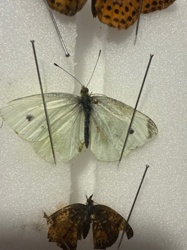
Other bugs you may enjoy
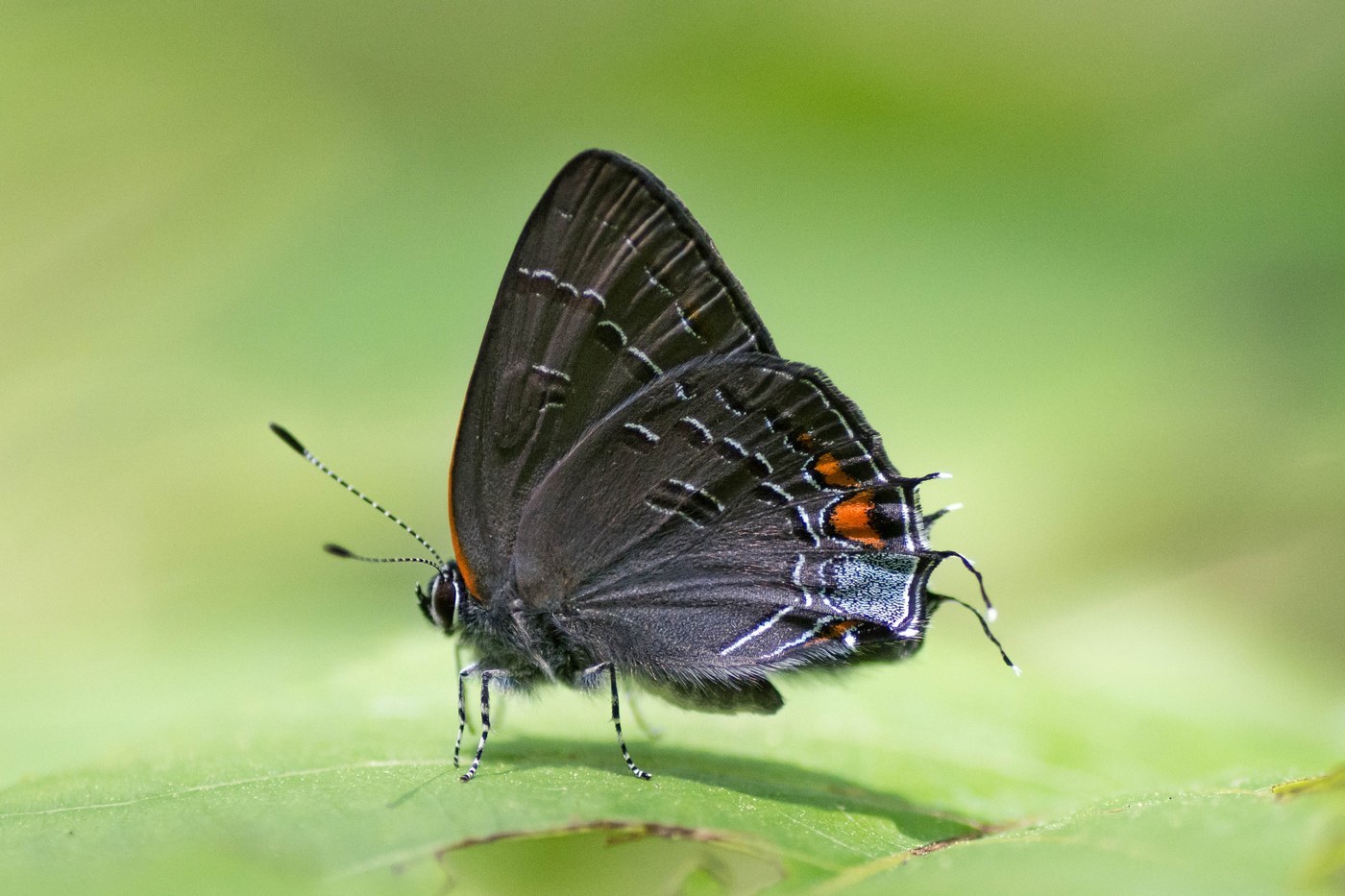
Banded Hairstreak
Deciduous woodlands and edges with oaks and hickories
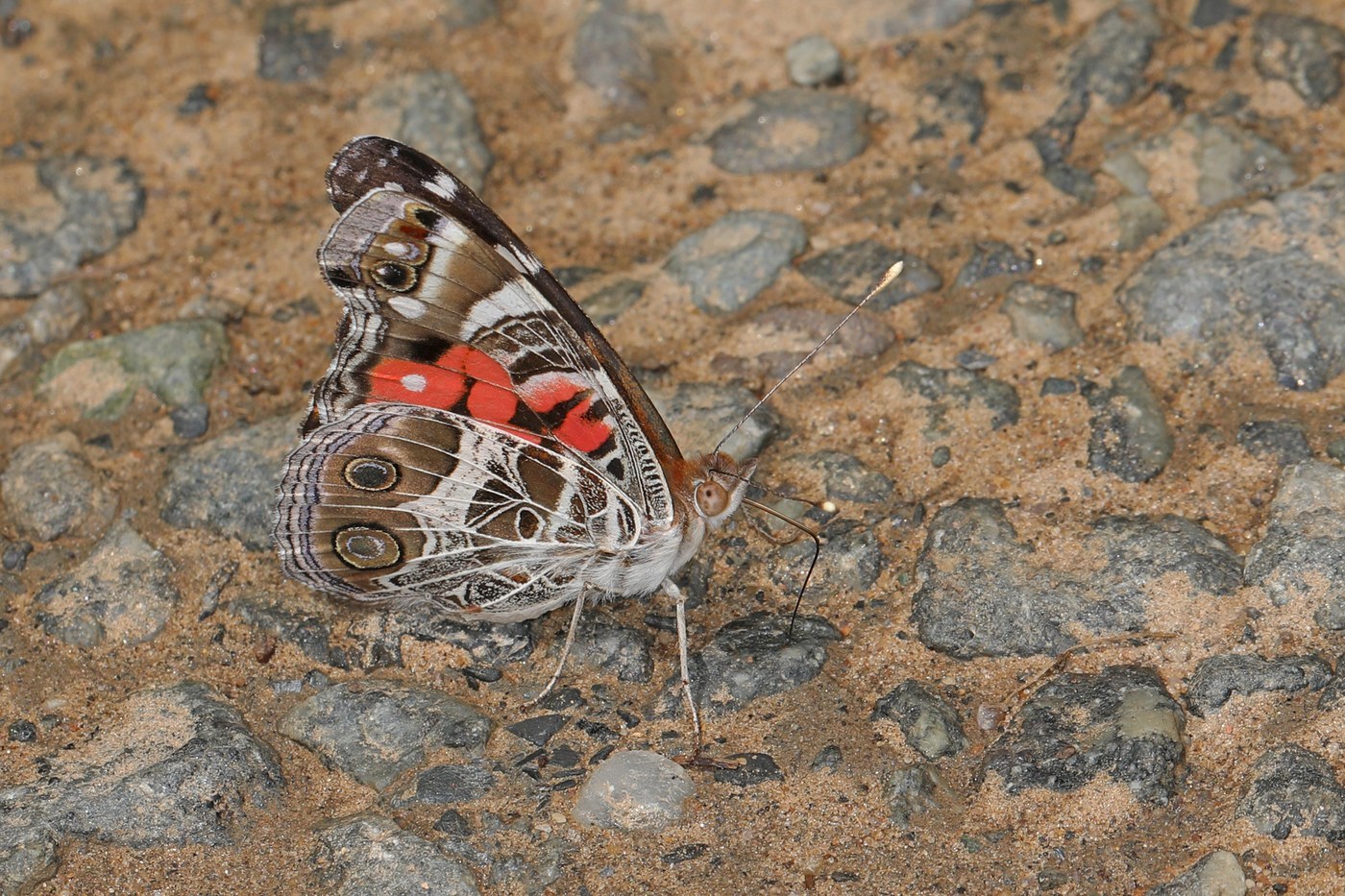
American Lady
Open fields, meadows, gardens, roadsides
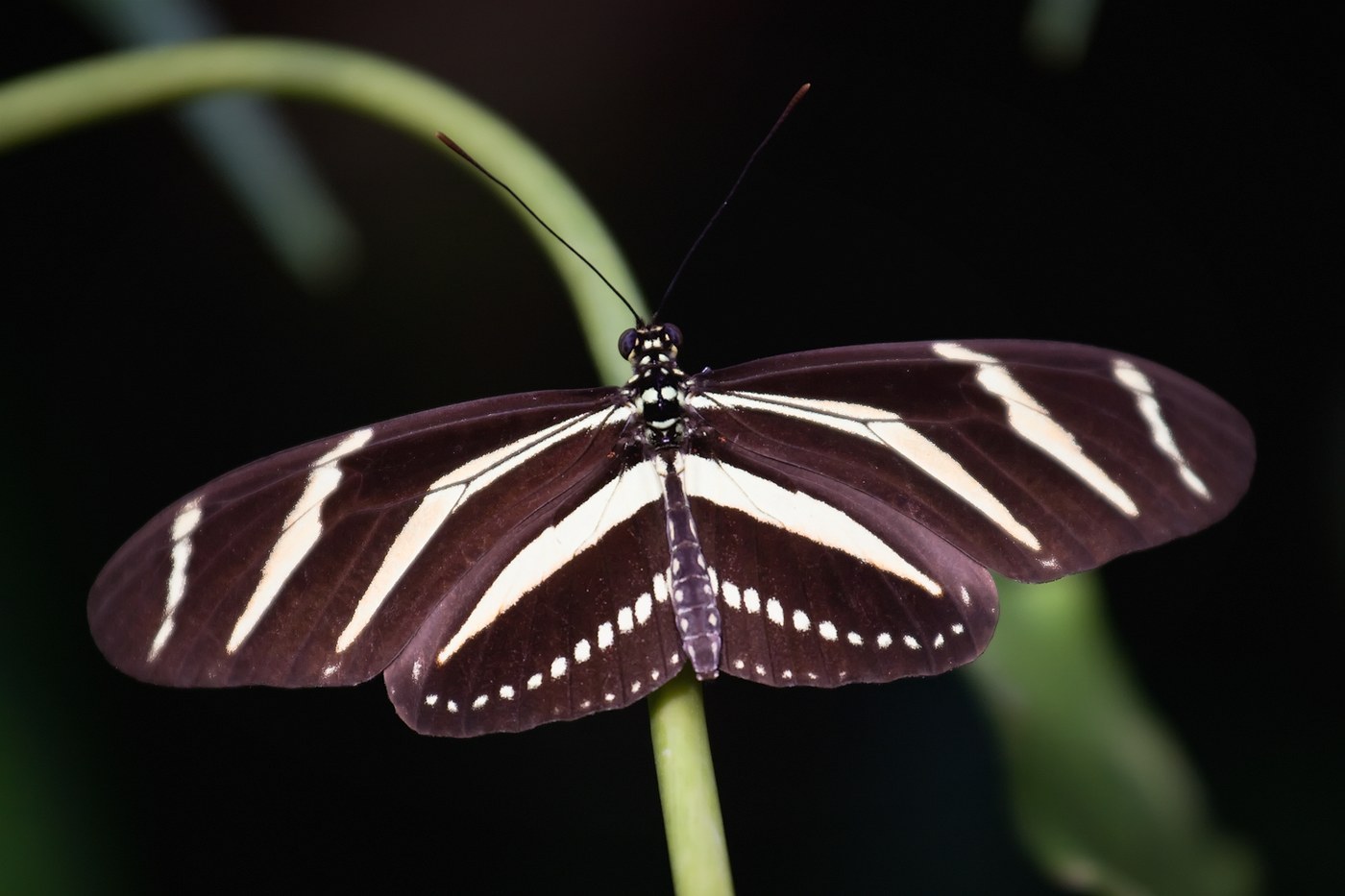
Zebra Longwing
Tropical hammocks, gardens, forest edges
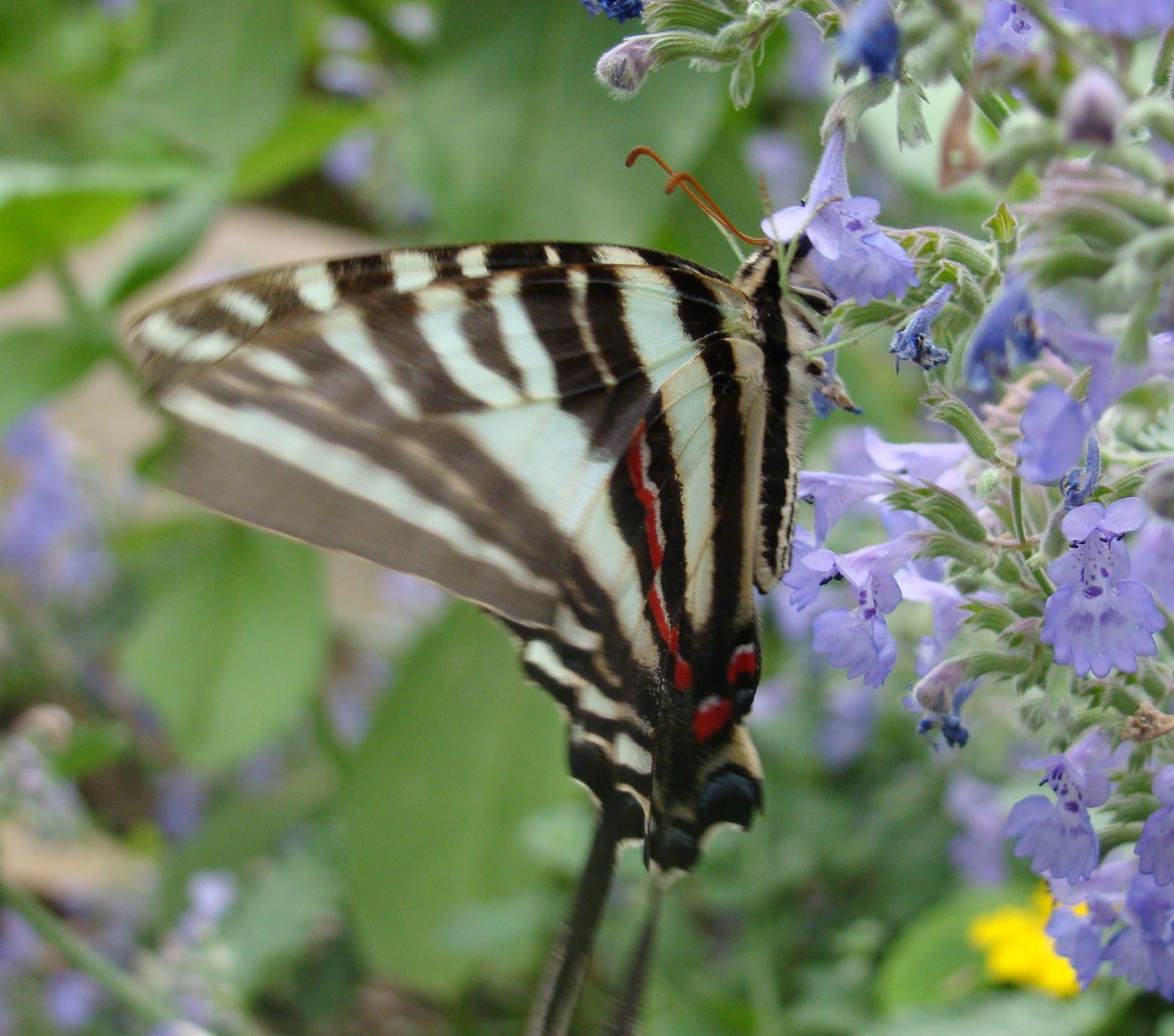
Zebra Swallowtail
Woodlands, floodplains, forest edges near pawpaw
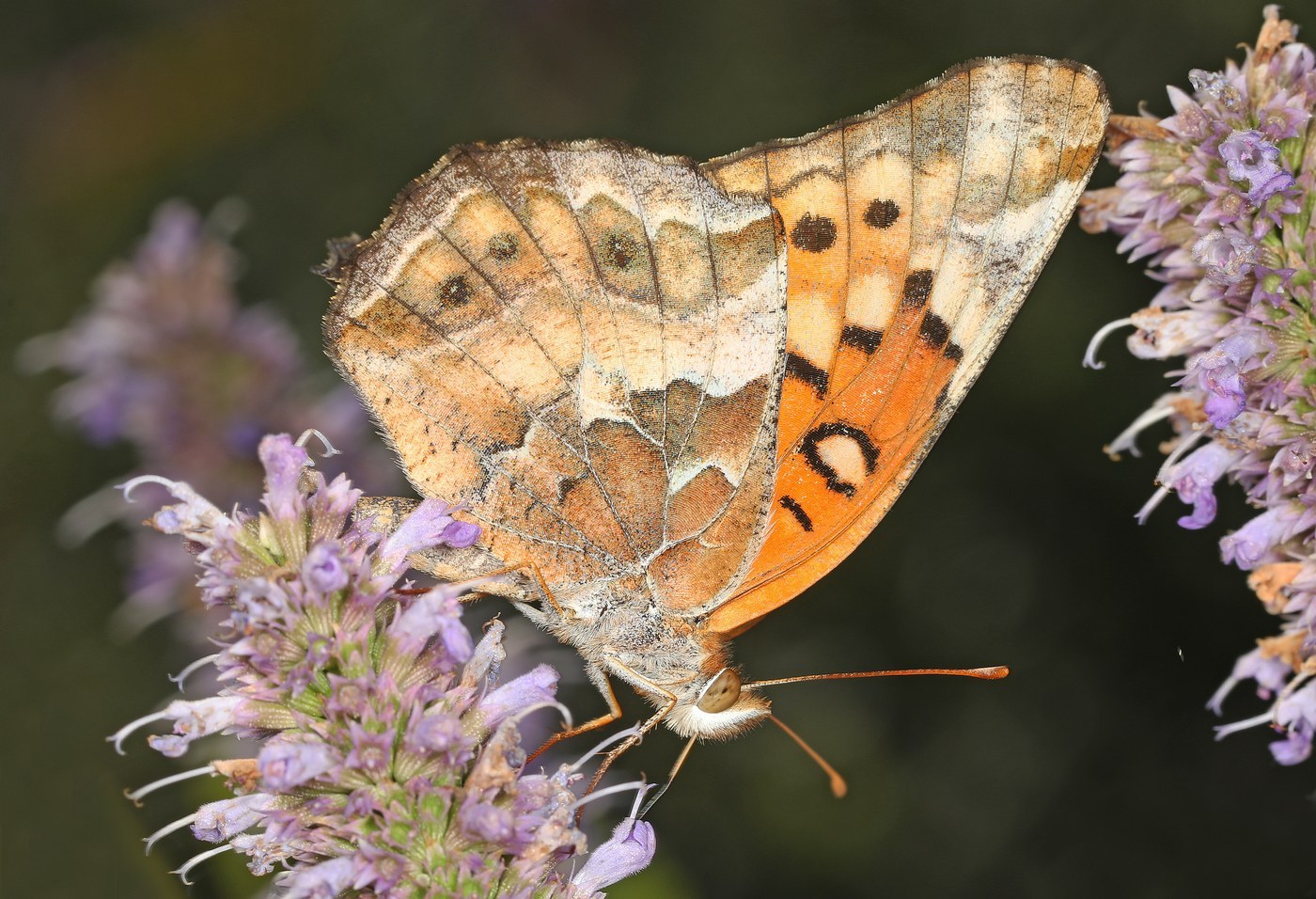
Variegated Fritillary
Open fields, prairies, roadsides, and disturbed ground across most of the United States
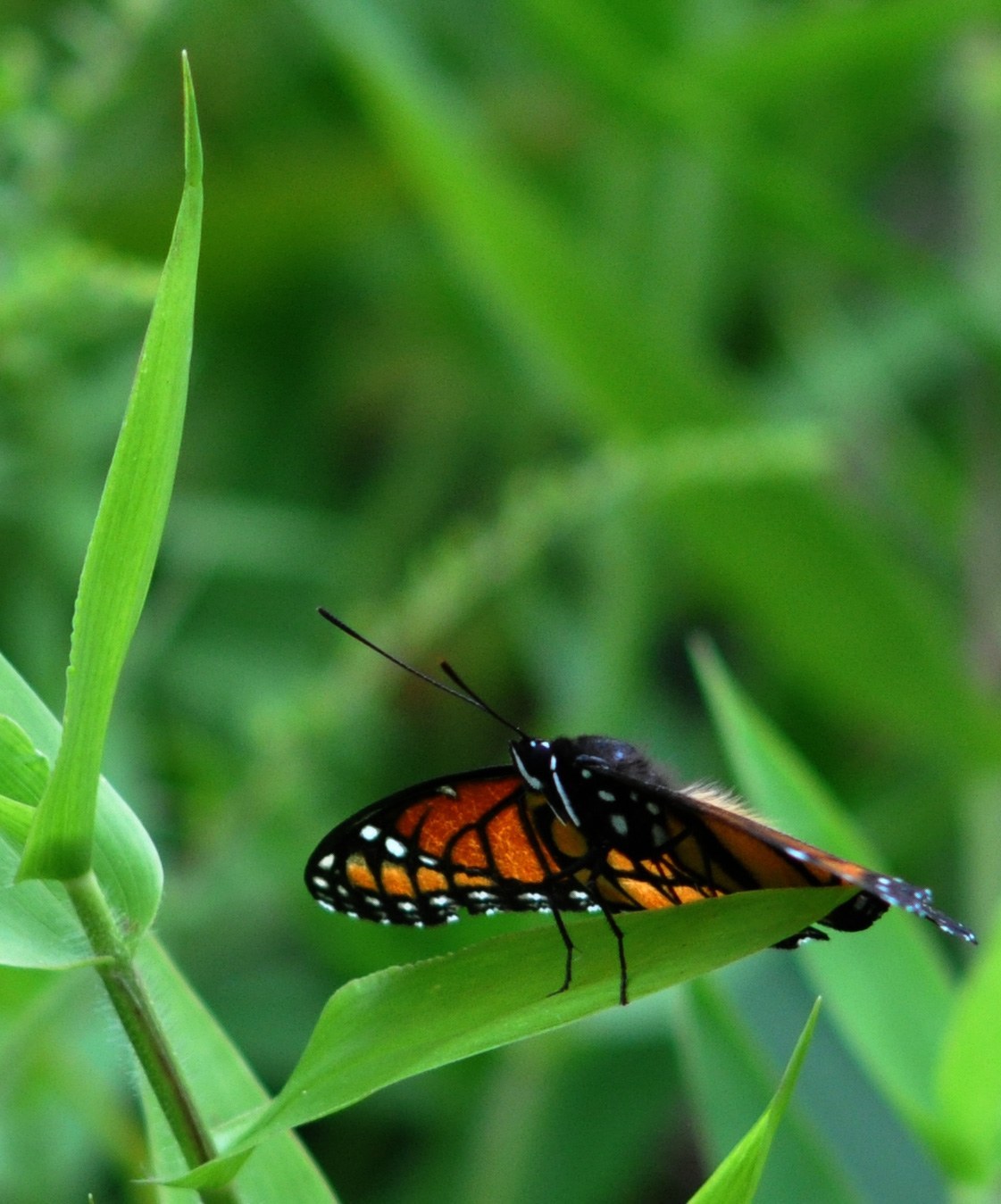
Viceroy Butterfly
Wetlands, meadows, riverbanks, willow thickets (North America)
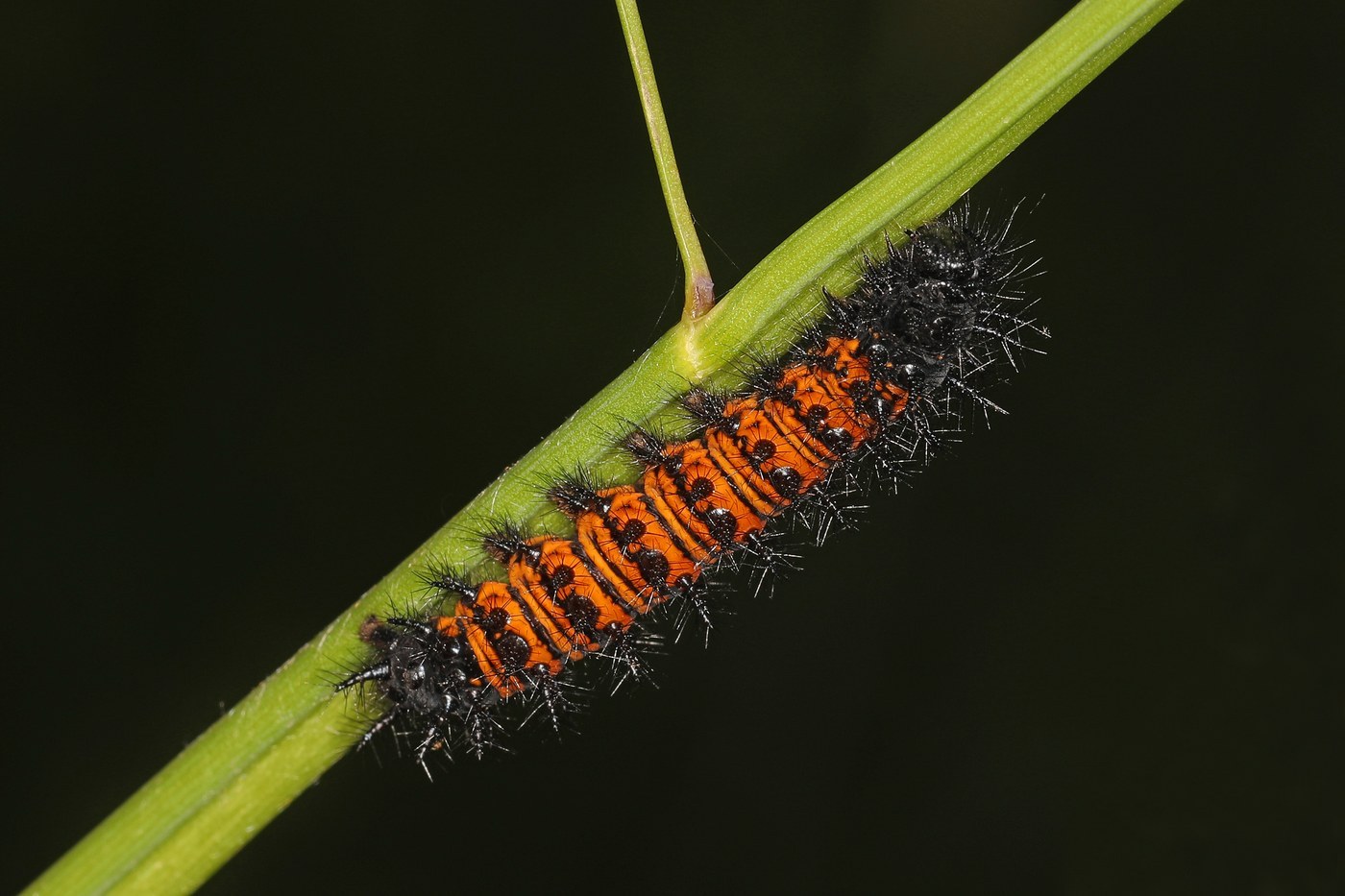
Baltimore Checkerspot
Wet meadows, bogs, and marshy fields in the northeastern and Appalachian US
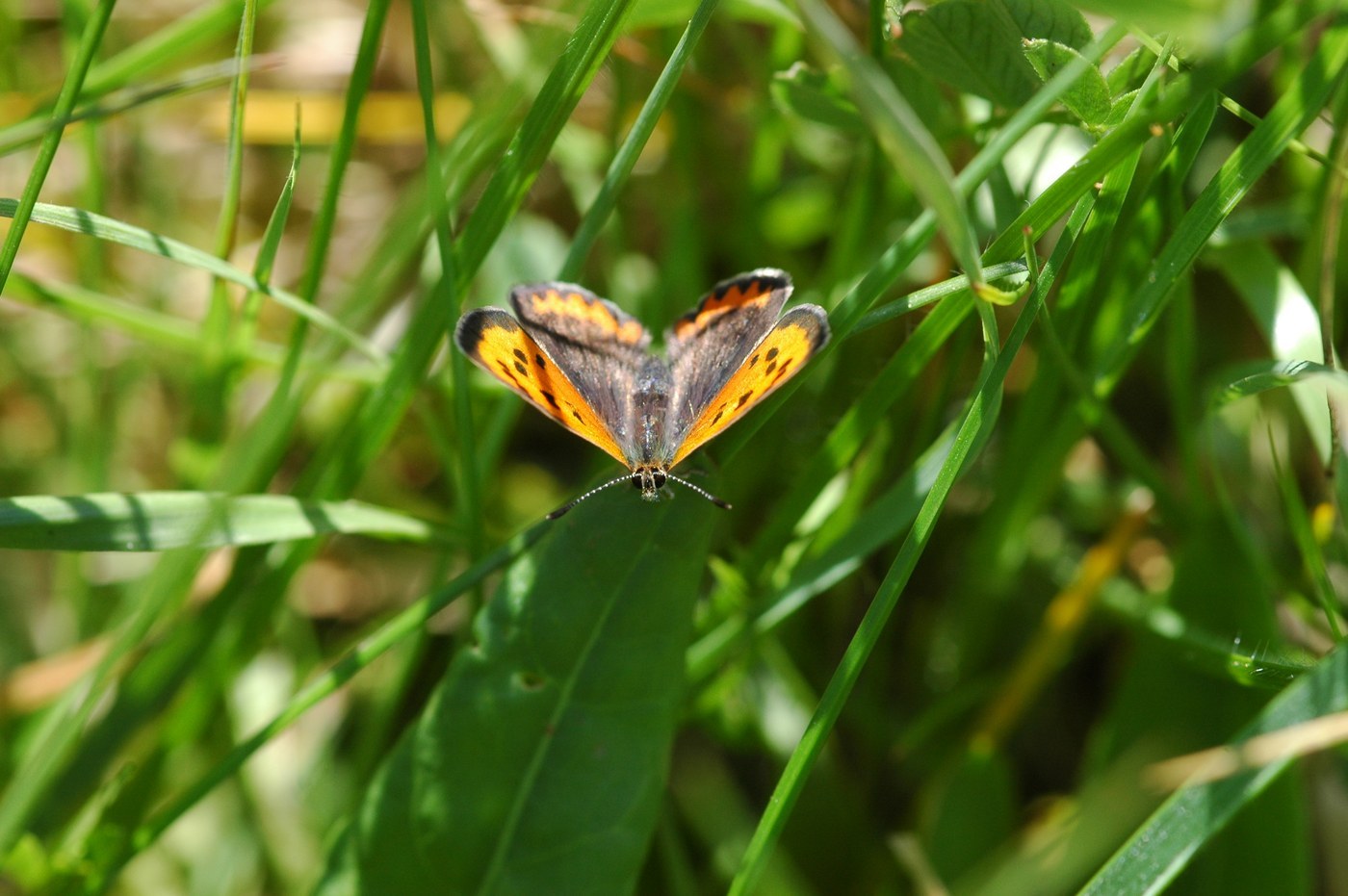
American Copper
Old fields, roadsides, and disturbed open ground with sorrel or dock
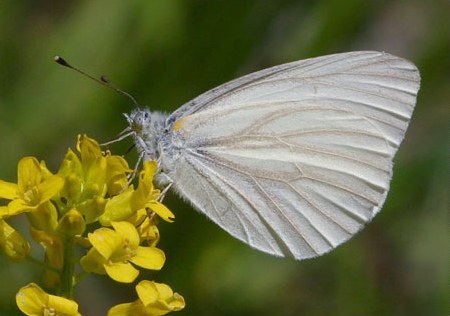
West Virginia White
Rich deciduous forest floors, especially near seeps and streams
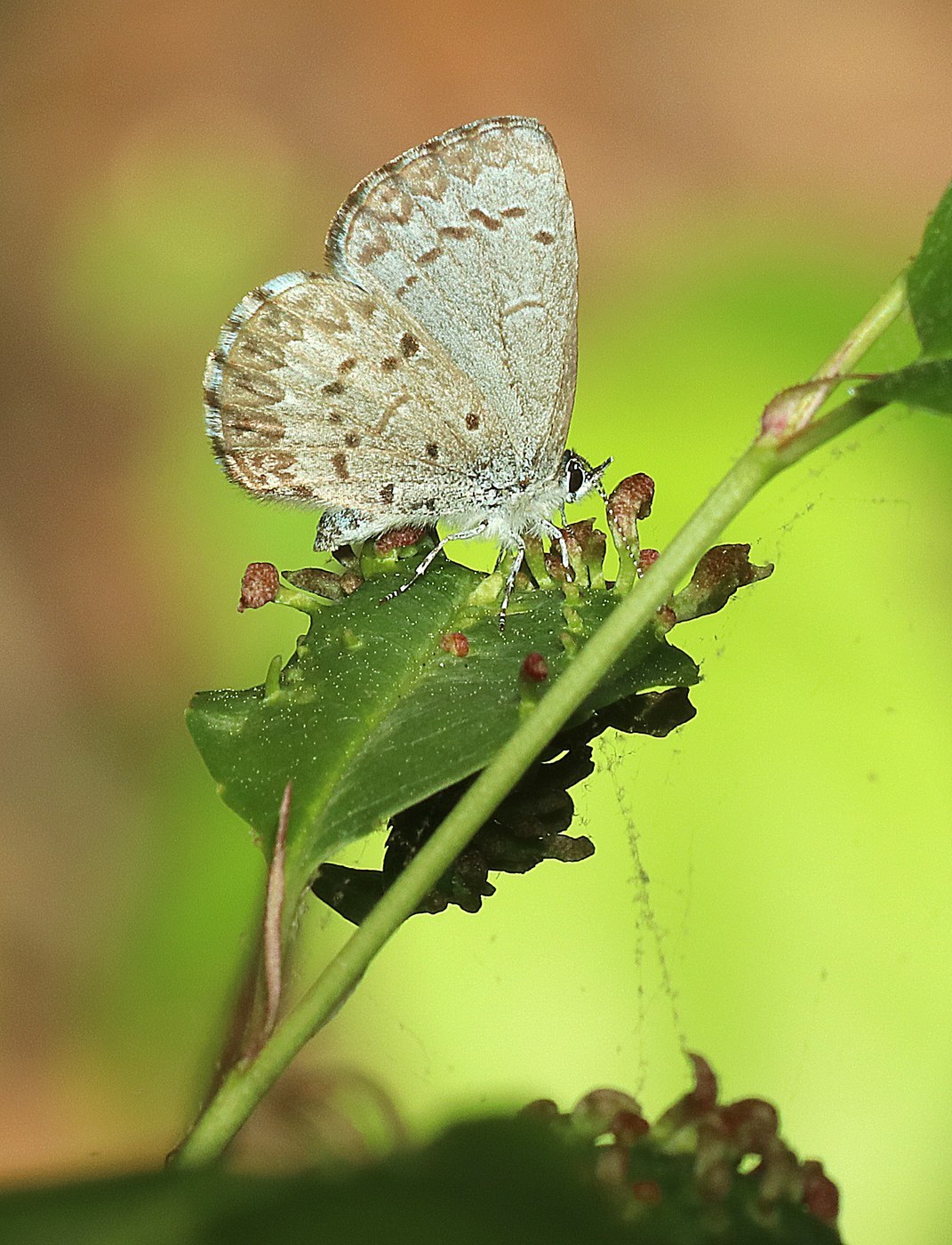
Spring Azure
Woodland edges, gardens, shrubby clearings
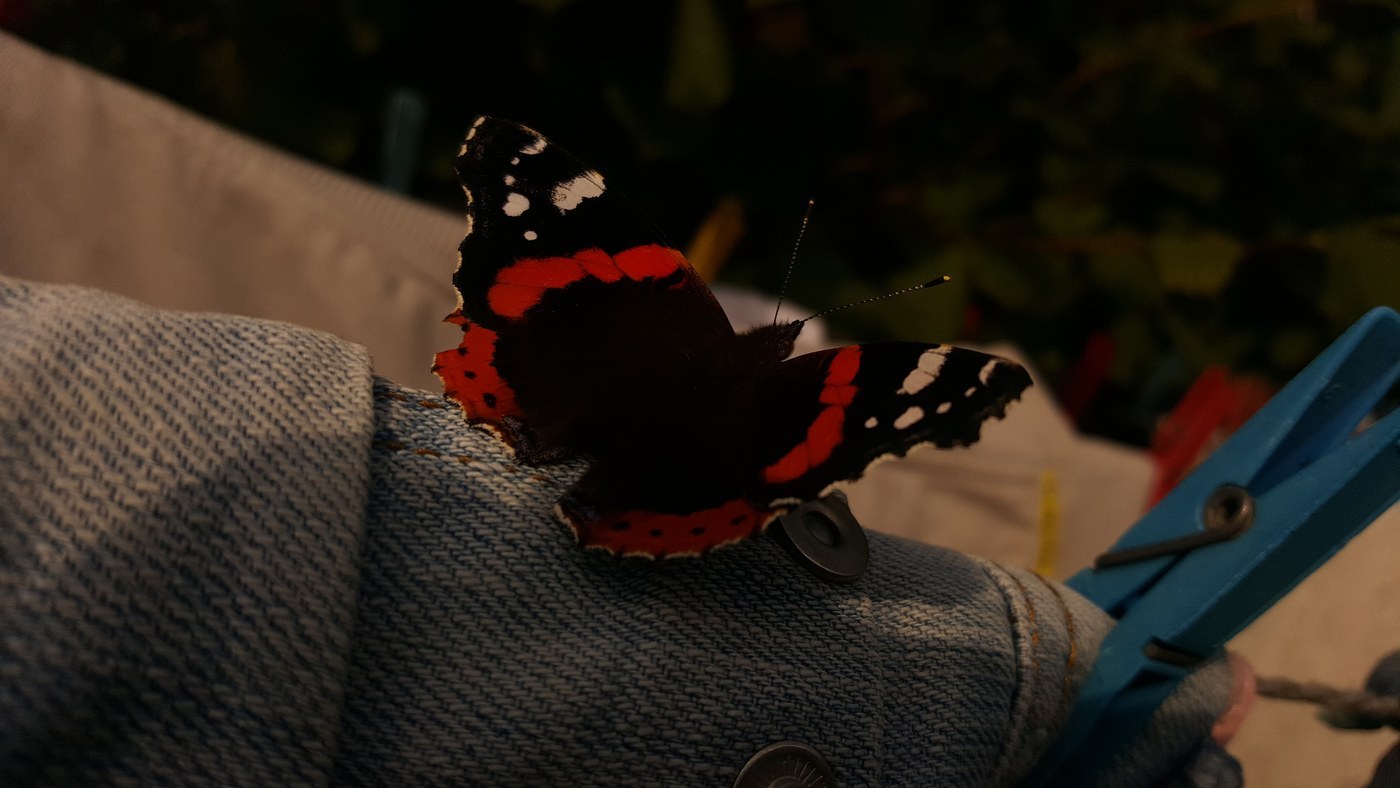
Red Admiral
Gardens, woodland edges, parks, meadows
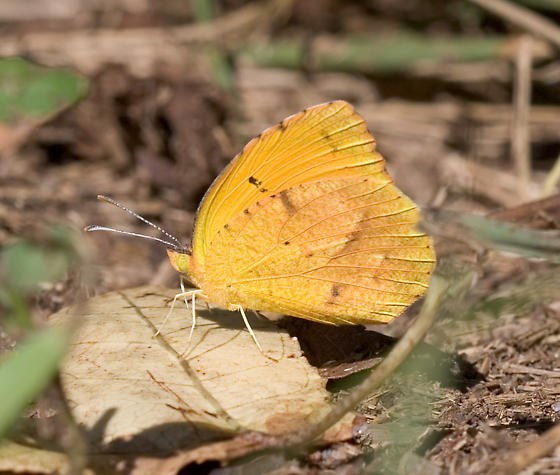
Sleepy Orange
Open woodland, fields, roadsides, and disturbed ground