
Cecropia Moth Caterpillar
Hyalophora cecropia
North America's largest native caterpillar, a bulky blue-green giant studded with rows of bright red, yellow, and blue knobby tubercles resembling tiny coral formations.
- Size
- up to 10-12 cm long
- Habitat
- deciduous forests, orchards, and suburban trees
- Danger
- Harmless
Spotted a bug like this?
Identify any bug or insect from a photo, free.
Overview
The cecropia moth caterpillar is the larval stage of Hyalophora cecropia, the largest native moth in North America, with adults boasting wingspans that can exceed 15 centimeters. Found across the eastern United States and southern Canada, this caterpillar is equally impressive, growing into one of the biggest and most colorful larvae on the continent.
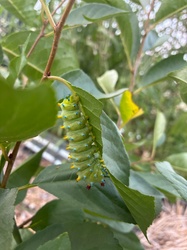
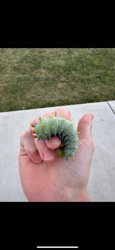
The caterpillar's body is covered in rows of large, rounded, knob-like tubercles in vivid colors: blue on the sides, yellow along parts of the back, and prominent red or orange ones near the head, giving it an almost otherworldly, coral-like appearance. Despite its bold coloring, it feeds unobtrusively on the leaves of a wide range of deciduous trees and shrubs, relying on its size and structural strength combined with camouflage to survive.
As a member of the giant silk moth family, the cecropia moth caterpillar and adult are of conservation interest in many areas, as populations have declined in some regions due to habitat fragmentation, pesticide exposure, and introduced parasitic flies originally released for gypsy moth control, making encounters with this striking species a memorable find for naturalists and gardeners alike.
How to Identify
- Very large, thick-bodied caterpillar, pale blue-green to turquoise in color
- Rows of large, rounded tubercles: prominent red-orange ones near the head, yellow ones along the mid-back, and blue ones along the sides and rear
- Tubercles are knobby and coral-like rather than sharply spiny
- Grows to an impressive 10-12 cm at full size, among the largest caterpillars in North America
- Body segments appear plump and well-defined
- Lookalikes: polyphemus and luna moth caterpillars, but the cecropia's larger size and combination of red, yellow, and blue tubercles are distinctive
Habitat & Range
Cecropia moth caterpillars are found throughout the eastern United States and southern Canada, west to the Rocky Mountains. They occur in deciduous forests, orchards, hedgerows, and suburban and urban areas with suitable host trees, including maple, cherry, birch, apple, and lilac among many others. Caterpillars are present from late spring through summer, typically completing development before the onset of cooler fall weather.
Behavior & Diet
Cecropia moth caterpillars are solitary leaf feeders that consume large quantities of foliage from a wide range of deciduous trees and shrubs as they grow to their imposing size. Their bulky bodies and blue-green coloring offer some camouflage among leaves, and their tough, knob-covered skin may provide a degree of physical protection from smaller predators, though the tubercles themselves are not known to sting. Like other giant silk moths, cecropia caterpillars are solitary and rely on stillness and camouflage rather than aggressive escape behavior when threatened, and they remain a food source for birds and various parasitic wasps and flies despite their size.
Life Cycle
Adult female moths lay eggs in small rows or clusters on the leaves and stems of suitable host plants in late spring. Eggs hatch within about two weeks into tiny black caterpillars that undergo a dramatic transformation through five instars over six to eight weeks, changing color and developing the characteristic colorful tubercles as they mature and grow substantially larger with each molt. When fully grown, the caterpillar spins a large, tough, spindle-shaped silk cocoon attached to a branch or twig, where it overwinters as a pupa through the cold months. The adult moth emerges the following spring, typically in late spring to early summer, living for about one to two weeks as an adult during which it does not feed and focuses entirely on finding a mate and reproducing. The species produces a single generation per year across most of its range.
Frequently asked questions
How big does the cecropia moth caterpillar get?
It can reach lengths of 10-12 centimeters, making it one of the largest caterpillars found in North America.
What do the colorful bumps on its body do?
The knobby tubercles are thought to aid in camouflage and possibly provide some physical deterrence, though they are not known to sting.
Where does the cecropia caterpillar spend the winter?
It overwinters as a pupa inside a tough silk cocoon spun on a tree branch, emerging as an adult moth the following spring.
What does the adult cecropia moth look like?
It is North America's largest native moth, with reddish-brown wings marked with white crescents and bold eyespot-like patterns, and a wingspan that can exceed 15 centimeters.
Cecropia Moth Caterpillar guides
In-depth guides for identifying, understanding, and living alongside Cecropia Moth Caterpillar.
Cecropia Moth Caterpillar identified by the community
Real finds identified with Bug Identifier.
Other bugs you may enjoy
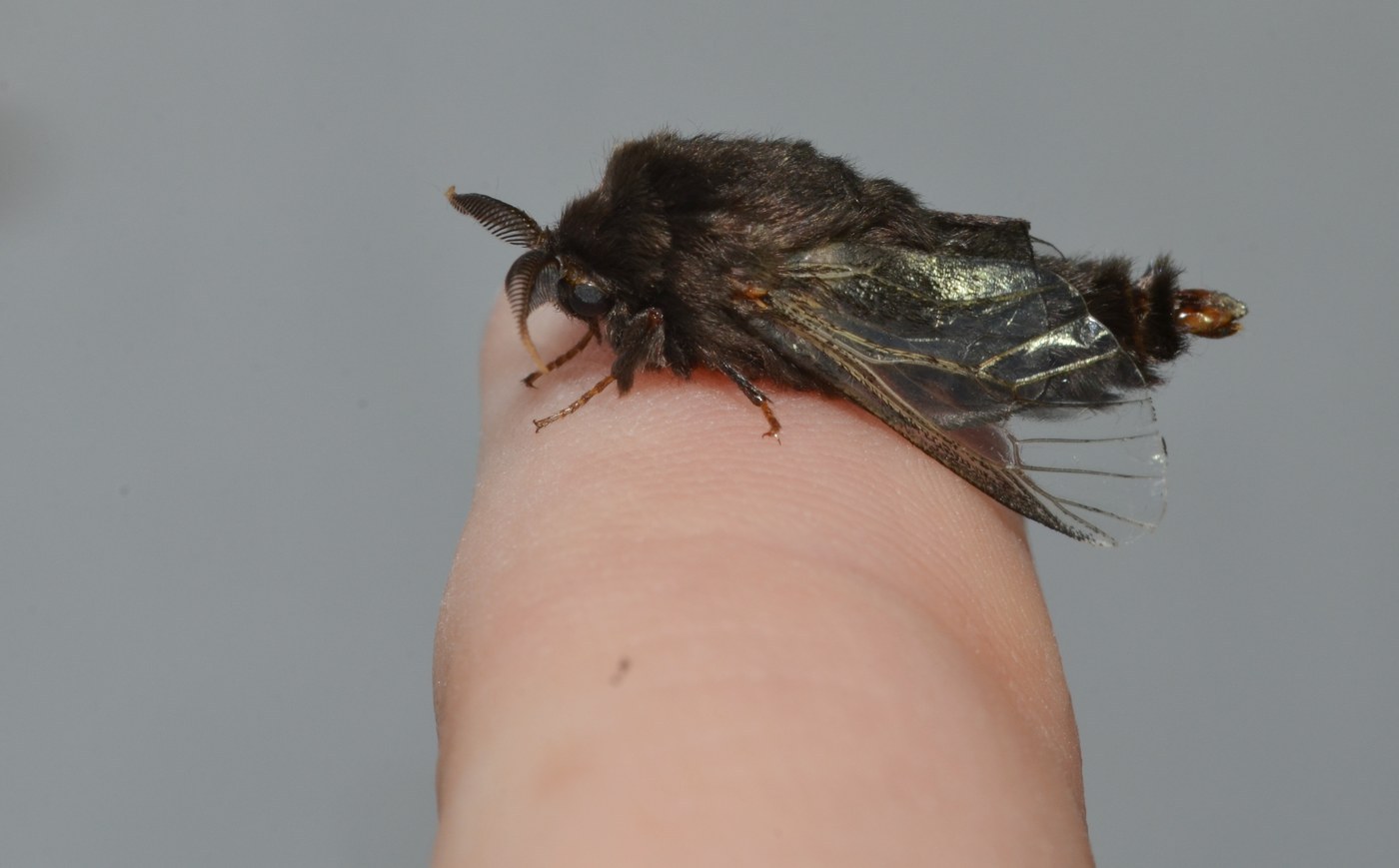
Bagworm
Trees and shrubs, especially conifers and ornamental landscaping
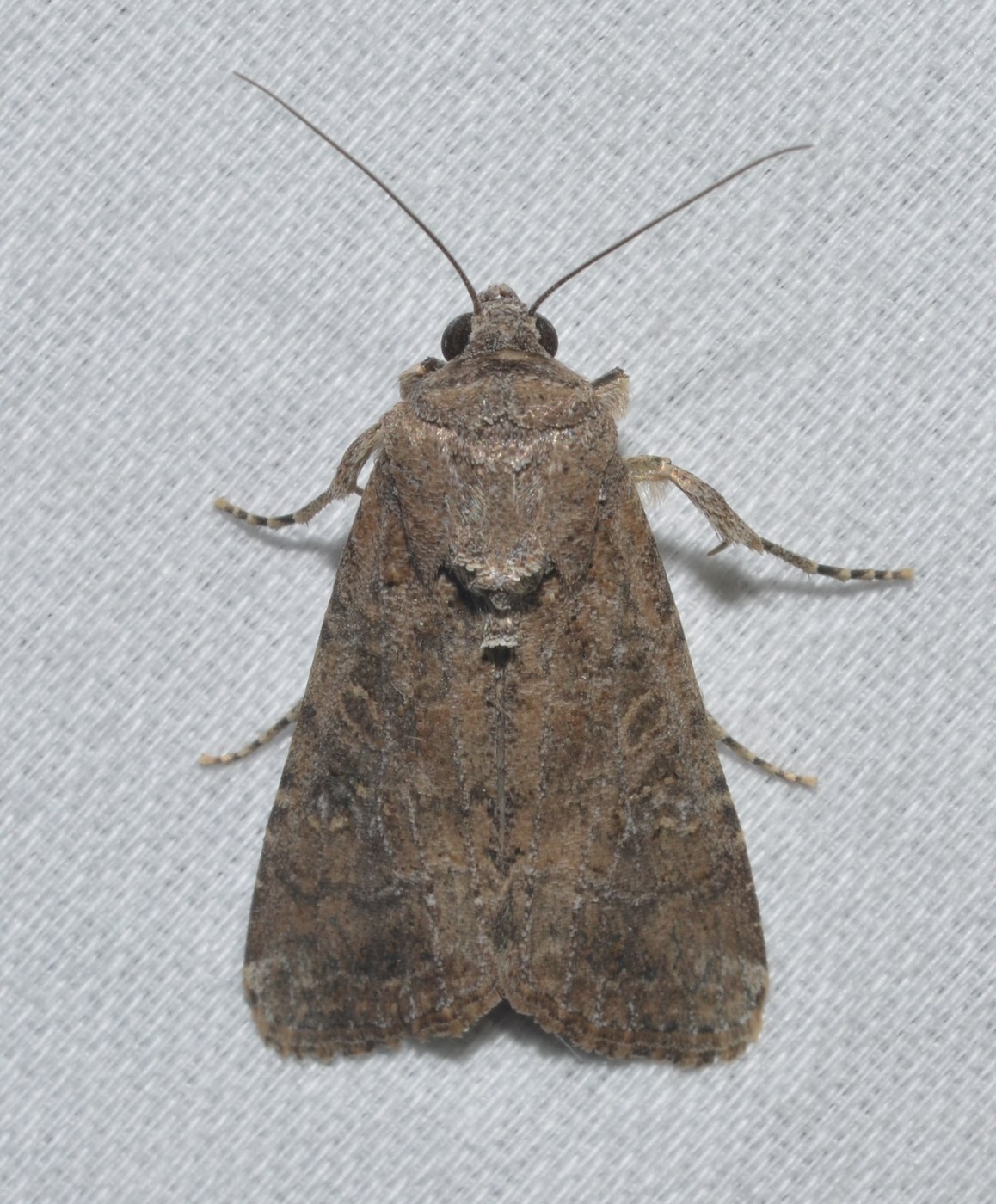
Armyworm
grasslands, pastures, and cereal crop fields
Zebra Longwing Caterpillar
Tropical and subtropical hammocks with passionflower vines
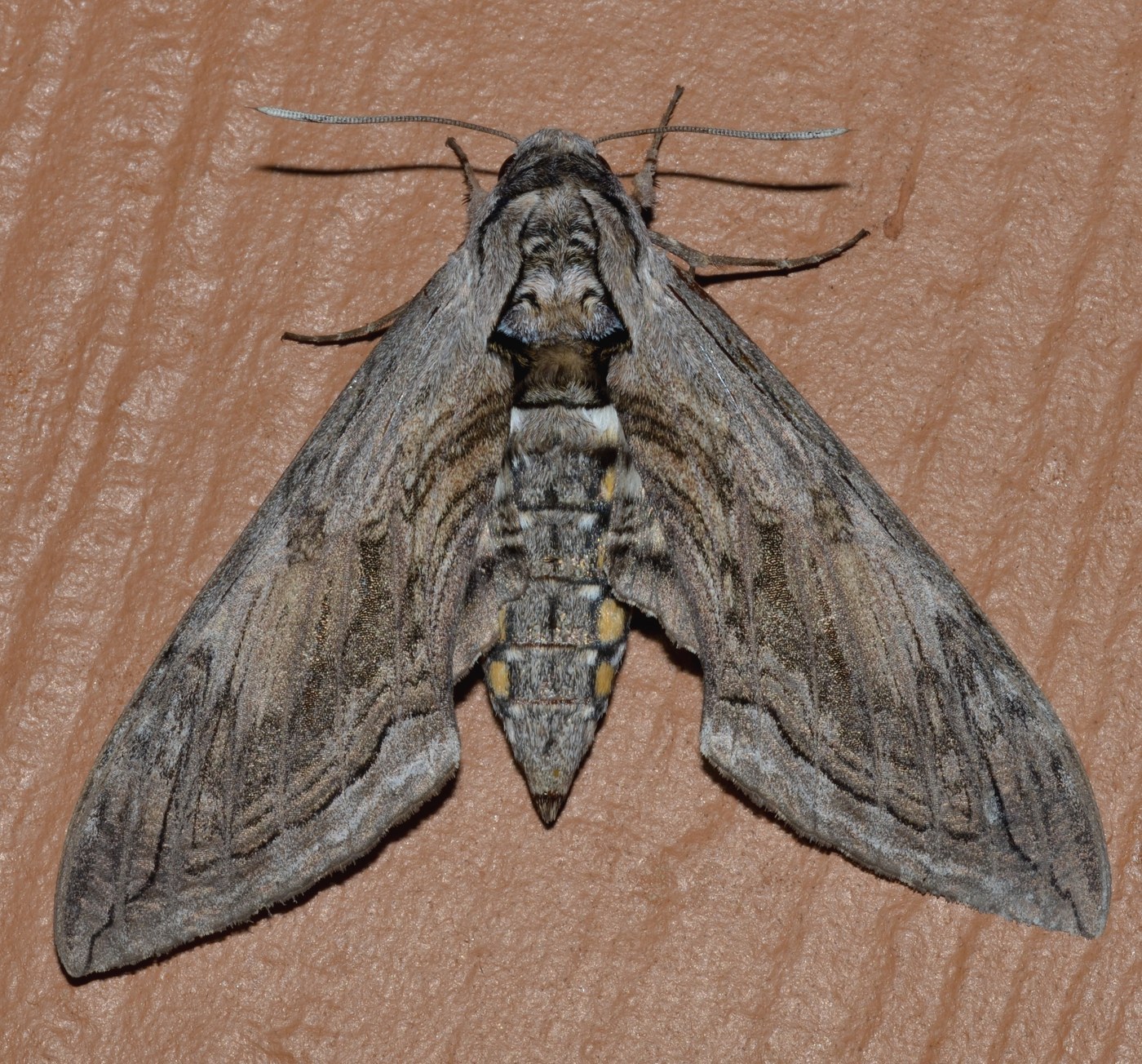
Tomato Hornworm
Gardens and fields with tomato, pepper, and other nightshade plants
Tent Caterpillar
Deciduous trees such as cherry, apple, and other rosaceous species
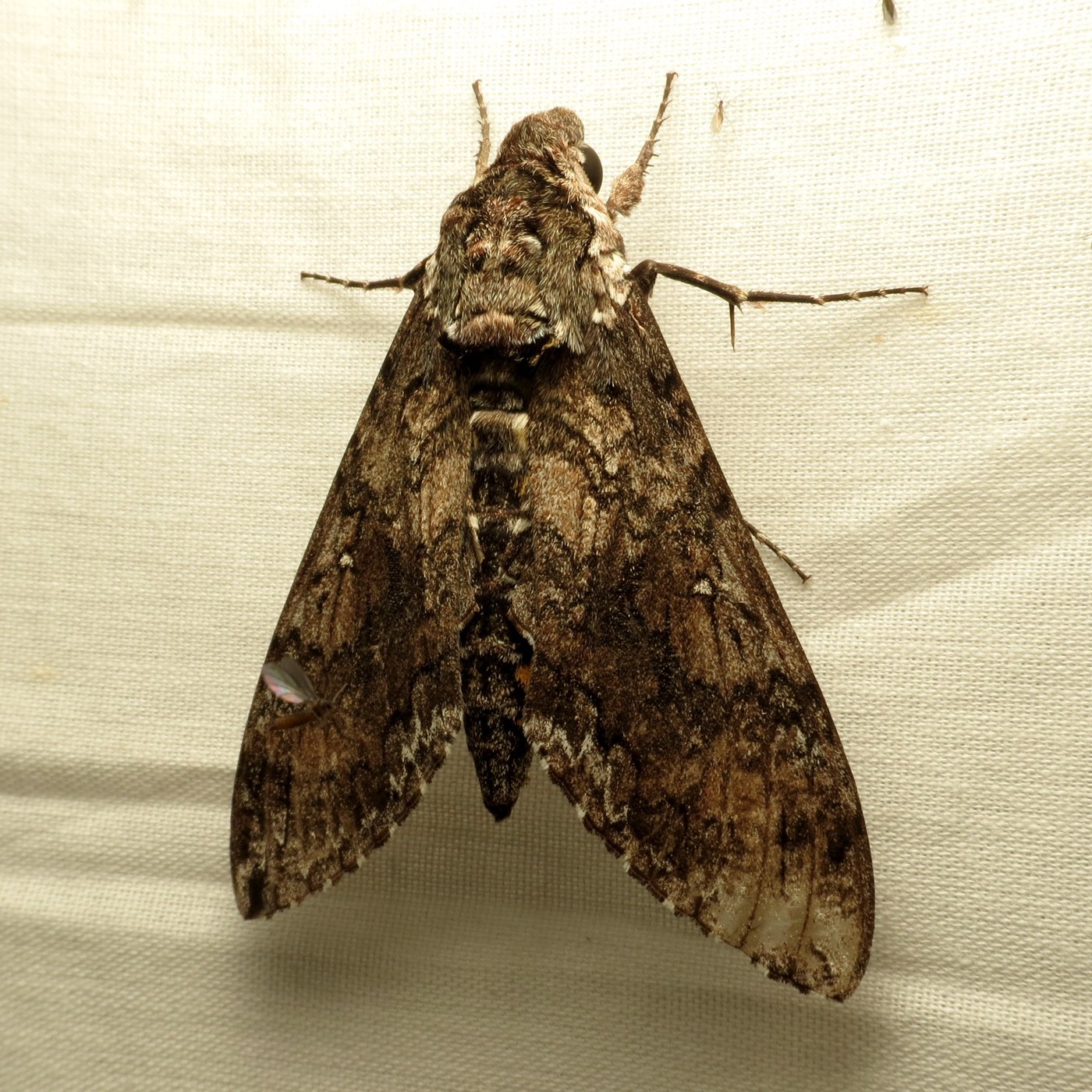
Tobacco Hornworm
tobacco, tomato, and pepper plants in gardens and fields
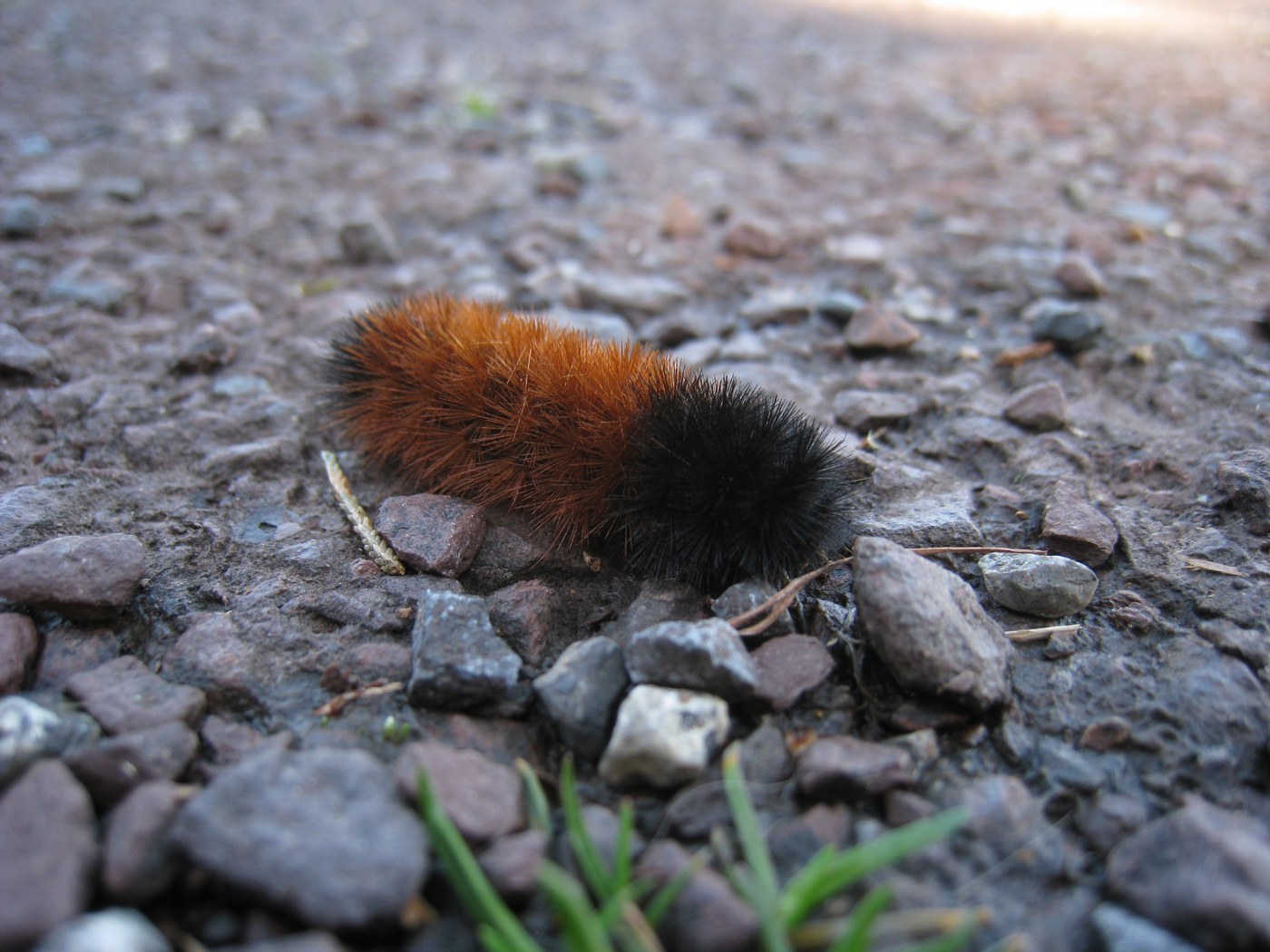
Woolly Bear Caterpillar
Gardens, meadows, roadsides, and woodland edges across North America
Sod Webworm
Turfgrass lawns, golf courses, pastures
Spiny Oak-slug Caterpillar
Deciduous forests and woodland edges with oak and other hardwoods
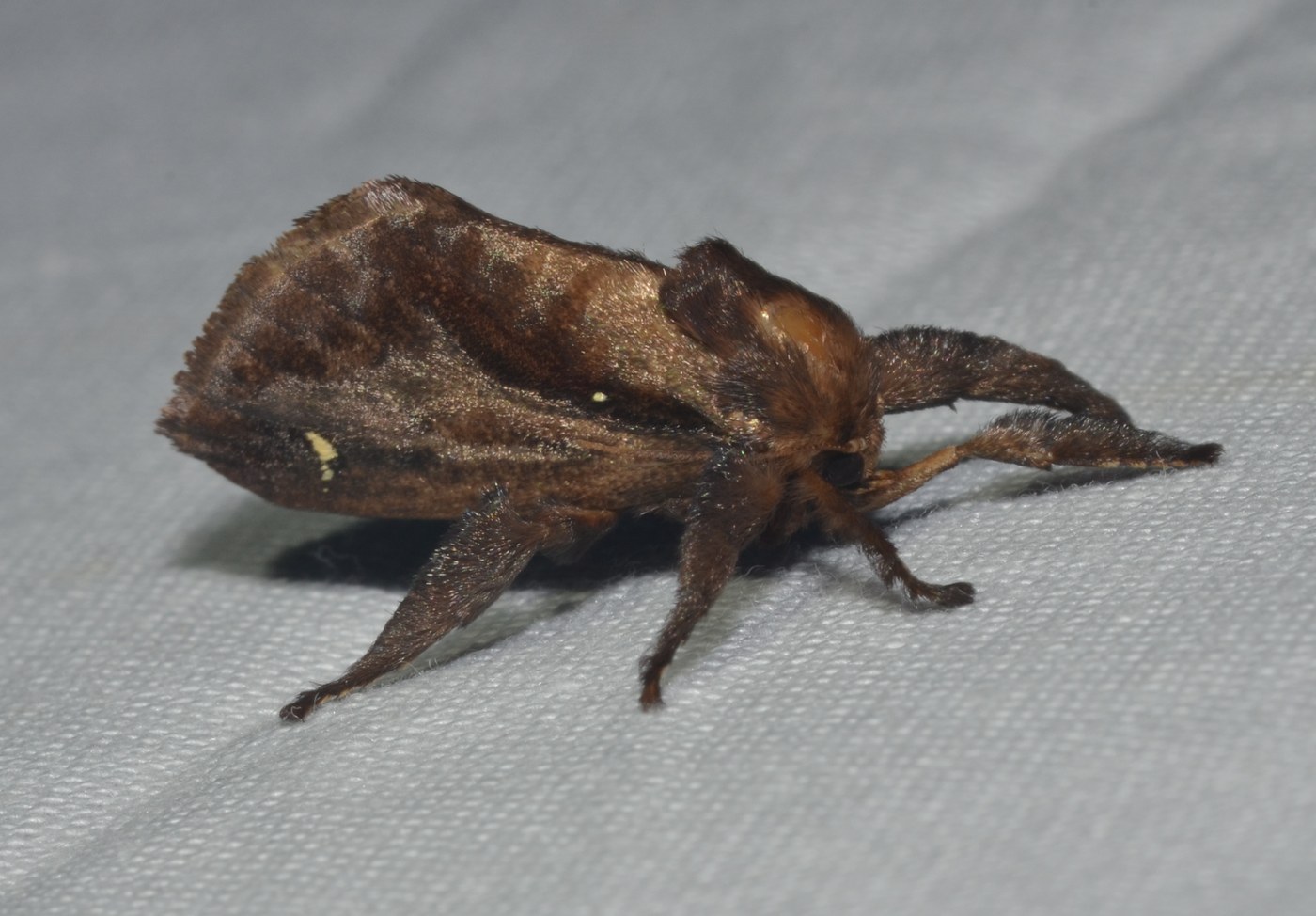
Saddleback Caterpillar
Deciduous trees and shrubs in eastern and southern North America
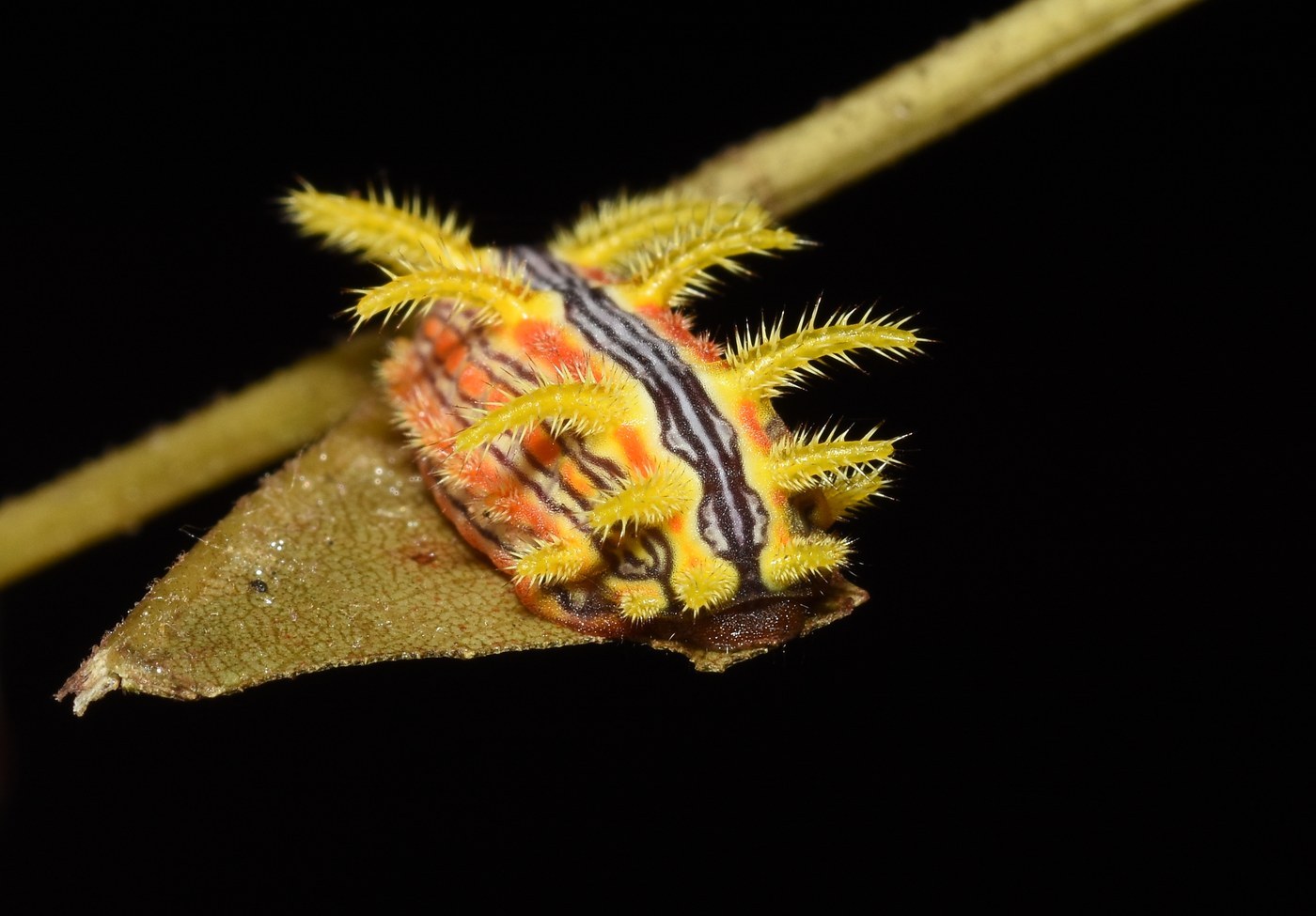
Stinging Rose Caterpillar
Gardens and woodlands with rose, dogwood, or oak
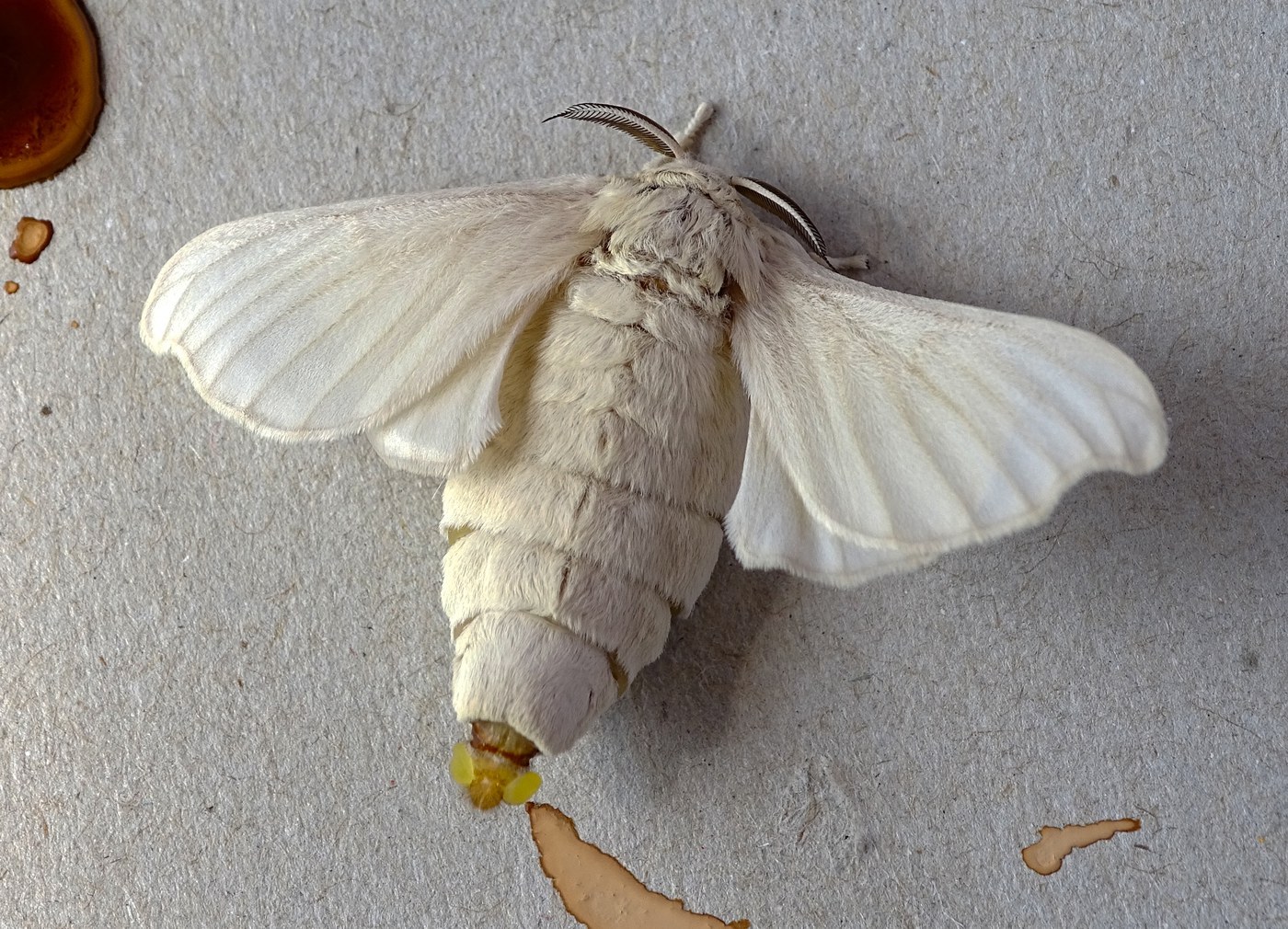
Silkworm
Reared exclusively in captivity on mulberry leaves; no independent wild population