
Cinnabar Moth
Tyria jacobaeae
A striking black-and-red day-flying moth whose boldly banded orange-and-black caterpillars feed conspicuously on ragwort, sequestering plant compounds as a chemical defense advertised by their vivid warning colors.
- Size
- 1.3–1.8 in wingspan
- Habitat
- Grassland, meadows, waste ground, roadsides
- Danger
- Harmless
Spotted a bug like this?
Identify any bug or insect from a photo, free.
Overview
The cinnabar moth is a member of the family Erebidae, in the tiger and lichen moth subfamily group known for bright warning coloration and chemical defenses derived from their larval host plants. It is native to Europe and temperate Asia and has also been introduced elsewhere as a biological control agent for ragwort.
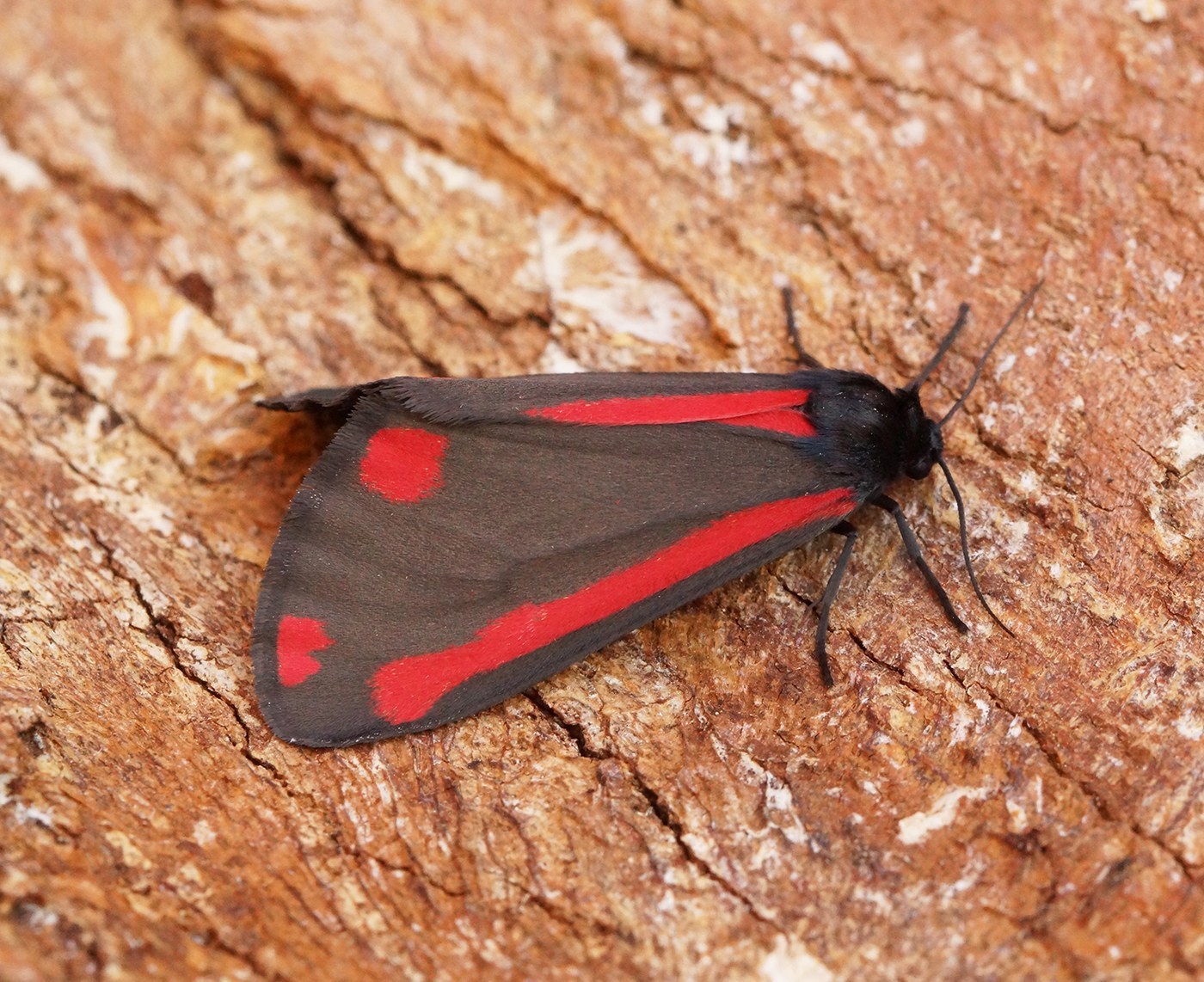
Unlike most moths, the cinnabar is a day-flying species, and its striking crimson-and-black wing pattern functions as aposematic, or warning, coloration, signaling to potential predators that it is unpalatable. Both the adult moth and its caterpillar advertise this defense through bold, contrasting colors rather than camouflage.
The species is ecologically notable for its close relationship with ragwort and related plants, from which its larvae accumulate toxic pyrrolizidine alkaloids, making the caterpillars themselves distasteful to many predators and giving them a well-earned reputation as one of the most recognizable striped caterpillars in European meadows.
How to Identify
- Forewings sooty black with two red streaks and a red spot near the tip; hindwings mostly red with a narrow black border.
- Slender moth body, day-flying but also active at dusk, with a somewhat weak, fluttering flight.
- Caterpillar is boldly banded in alternating orange and black stripes running the length of the body, one of the most recognizable warning-colored caterpillars in its range.
- Distinguished from other red-and-black moths by the combination of mostly black forewings with red streaks and largely red hindwings; caterpillars are unmistakable when found in groups on ragwort.
Habitat & Range
Native to Europe and temperate Asia and introduced to parts of North America, Australia, and New Zealand, mainly to help manage ragwort. Found in open grassland, meadows, roadside verges, dunes, and waste ground wherever ragwort and related groundsel-type plants grow. Adults fly by day and at dusk during a single flight period in late spring and early summer.
Behavior & Diet
Adults fly by day, relying on their bright warning coloration for protection rather than concealment, and feed little as adults, having built up reserves during the larval stage. Caterpillars feed gregariously in visible groups on ragwort and related plants, stripping leaves and flower heads, and accumulate defensive plant alkaloids from their host as they feed, a strategy reflected in their bold orange-and-black banding, which advertises this chemical defense to potential predators. Because of its close association with ragwort, the species has been used intentionally in some regions as a biological control agent for that plant.
Life Cycle
Eggs are laid in clusters on the underside of ragwort leaves and hatch into small caterpillars that initially feed together in groups, becoming more solitary as they grow through several instars and develop their full orange-and-black banding. Mature larvae pupate in the soil or leaf litter, often after ragwort supplies are exhausted, sometimes forcing late-stage caterpillars to wander in search of a food source before pupating. The species overwinters as a pupa, with adults emerging the following late spring; there is generally one generation per year in cooler climates.
Frequently asked questions
Why is the caterpillar so brightly colored?
Its orange-and-black banding is a warning pattern (aposematism) that advertises the presence of plant-derived compounds it has accumulated from feeding on ragwort.
Does the moth fly at night like most moths?
It is unusual in being a day-flying species, though it may also be active around dusk.
What does it feed on?
Larvae feed almost exclusively on ragwort and related plants in the groundsel group; adults take little to no food.
Where is it typically found?
In open grassy habitats such as meadows, roadside verges, and waste ground across its native range in Europe and temperate Asia, and in some introduced regions.
Cinnabar Moth guides
In-depth guides for identifying, understanding, and living alongside Cinnabar Moth.
Cinnabar Moth identified by the community
Real finds identified with Bug Identifier.
Other bugs you may enjoy
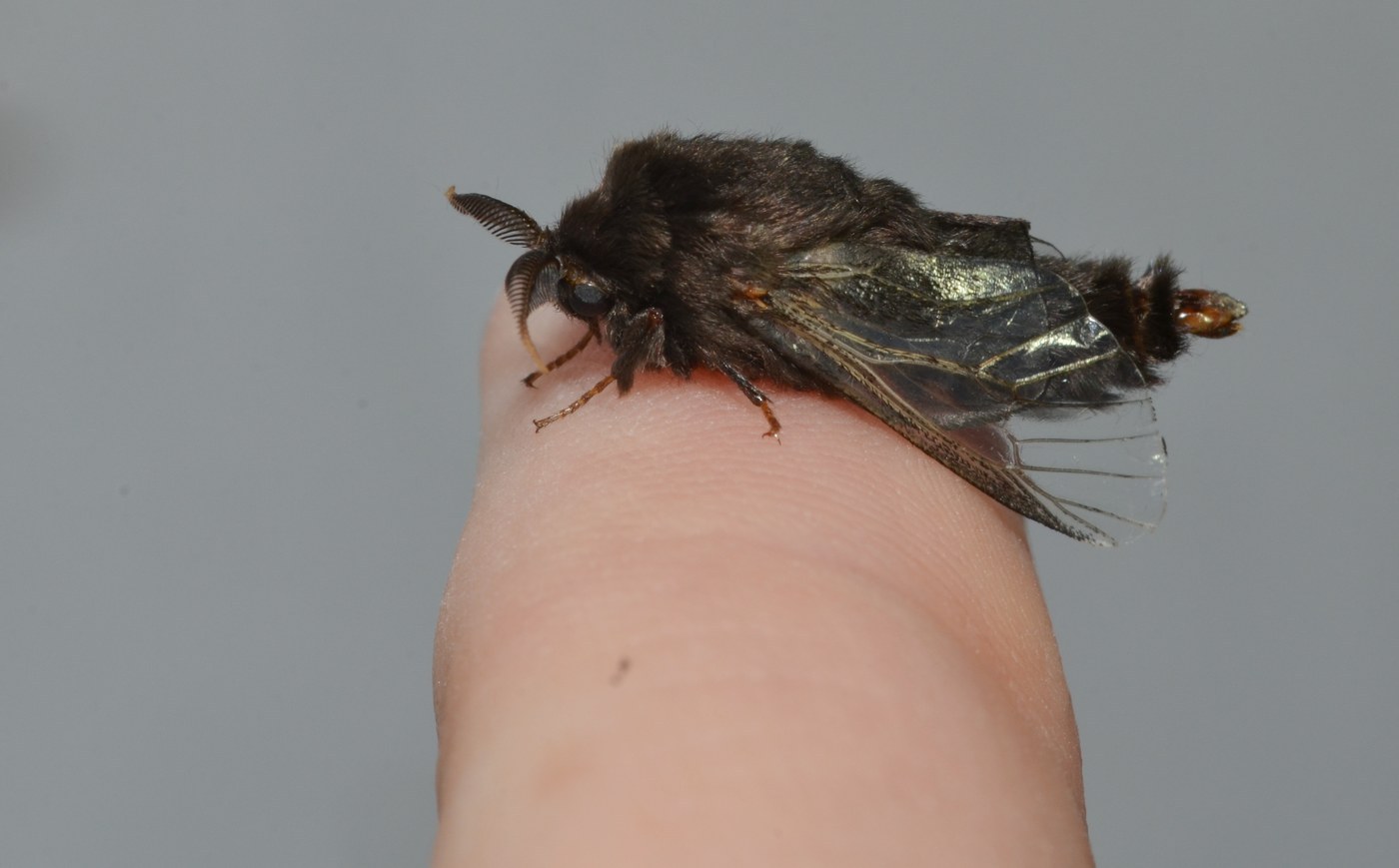
Bagworm Moth
Coniferous and deciduous trees, shrubs, hedges
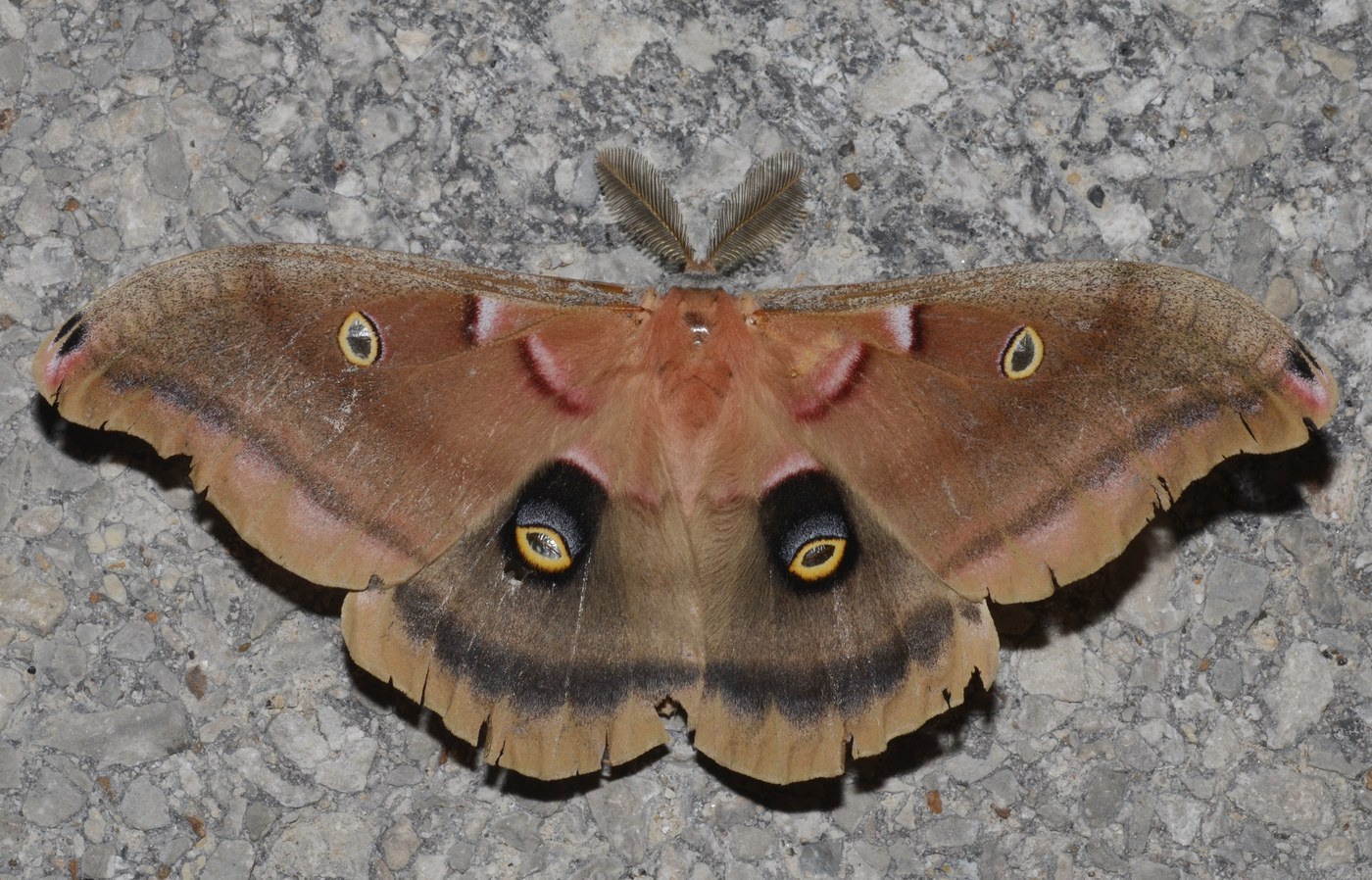
Antheraea Silkmoth
Deciduous forests, woodland edges, orchards
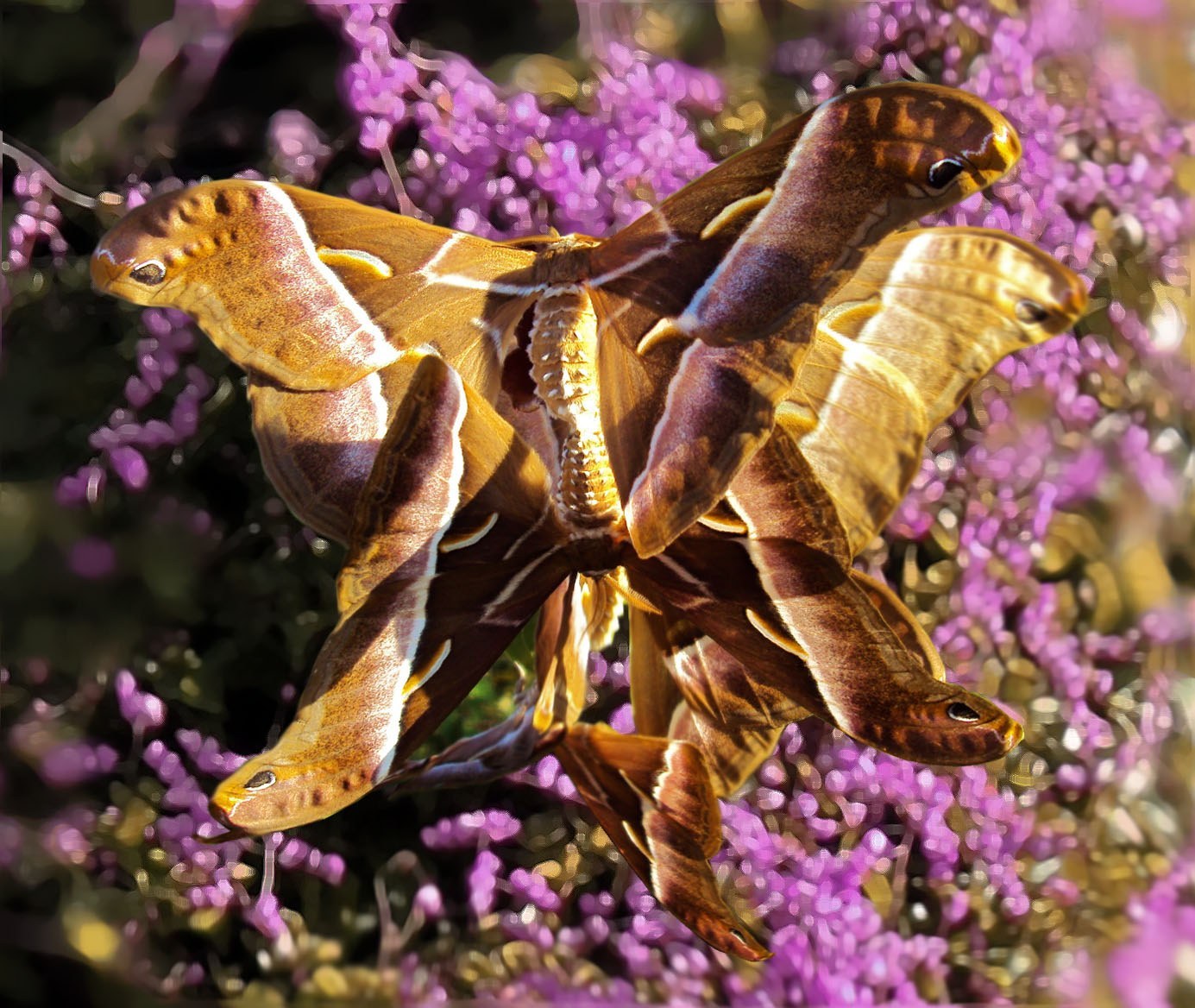
Ailanthus Silkmoth (Cynthia Moth)
Urban parks, wastelands, and woodland edges with tree-of-heaven; native to Asia, introduced in North America and Europe
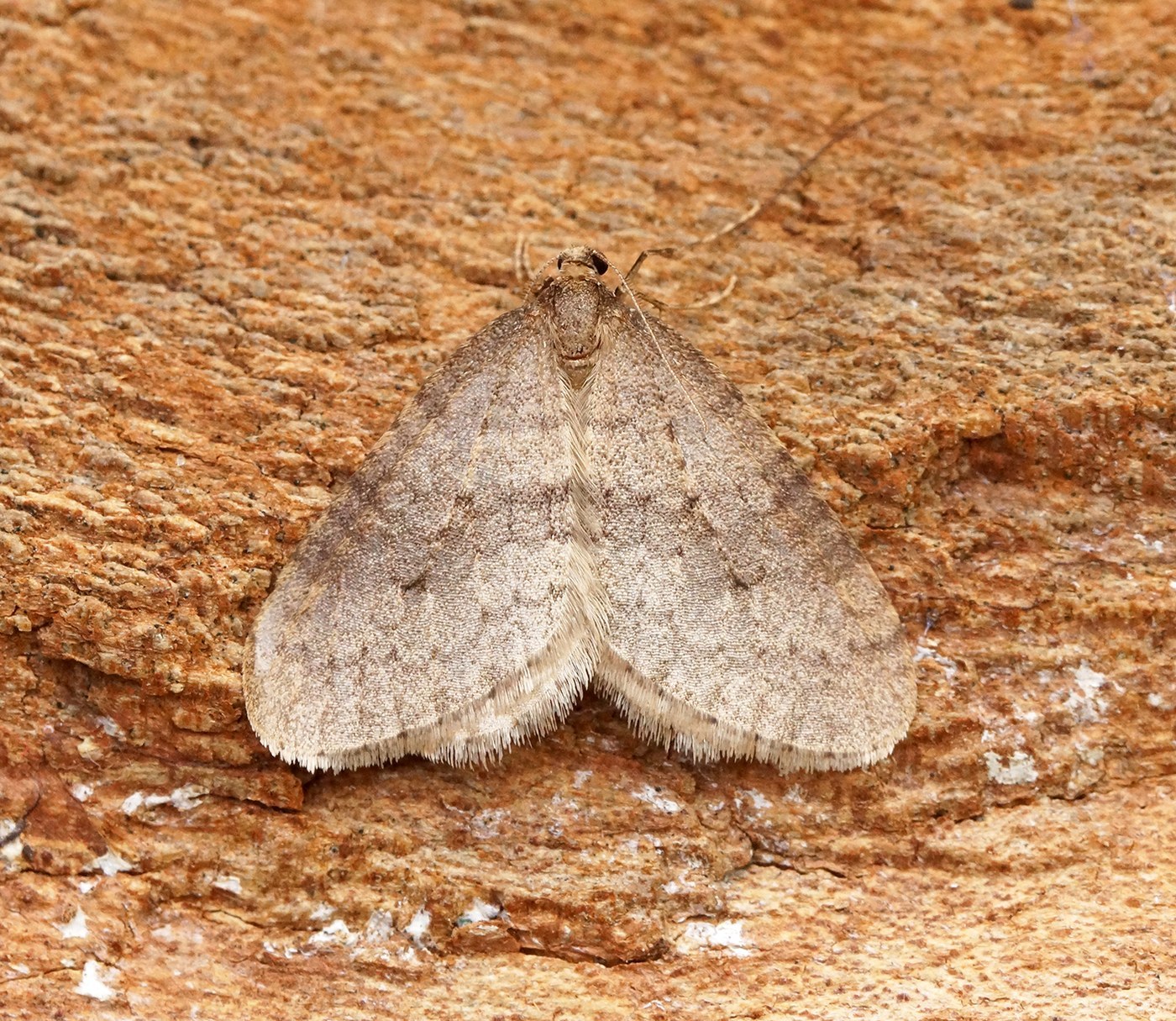
Winter Moth
Deciduous woodland, orchards, gardens, hedgerows
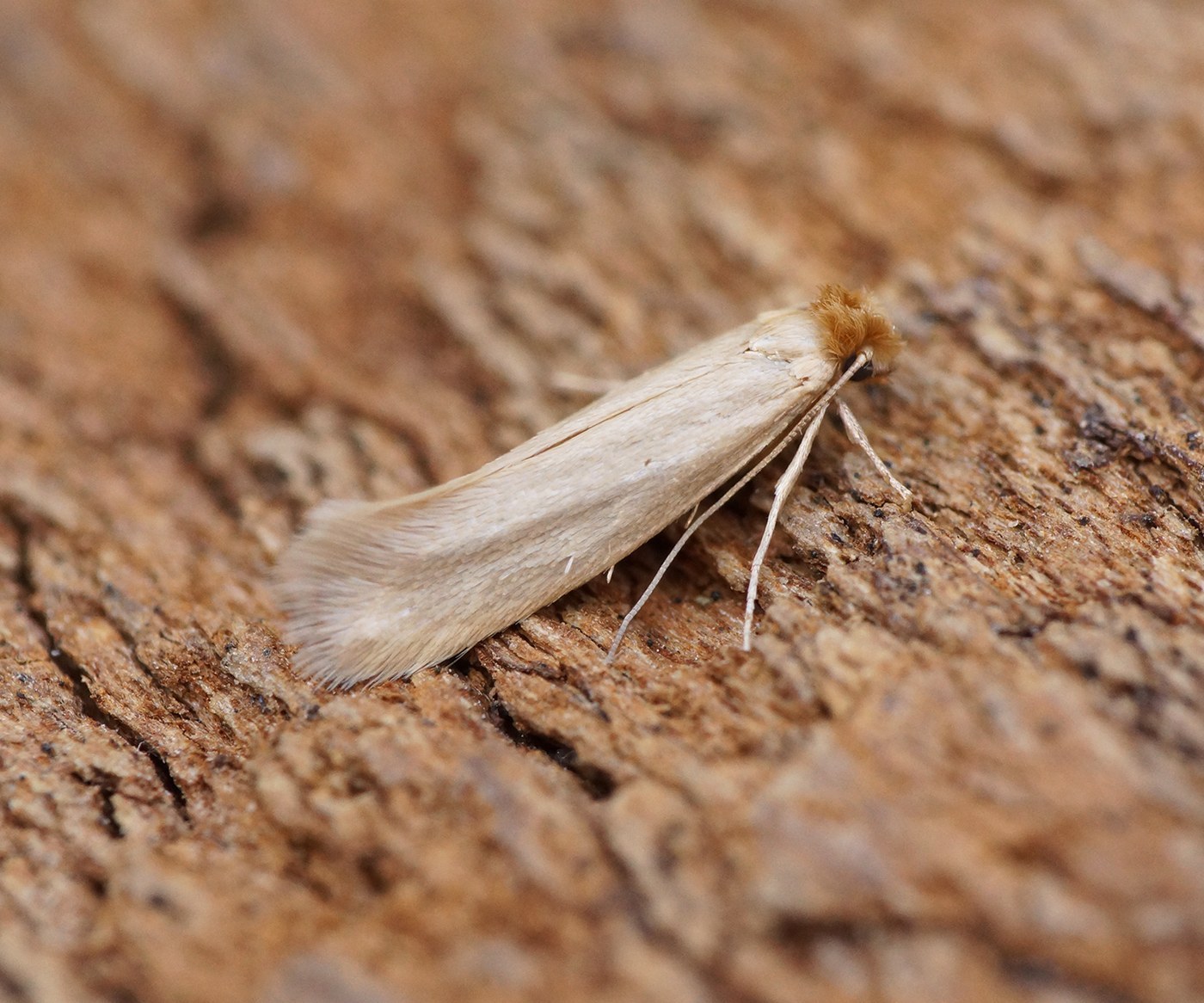
Webbing Clothes Moth
Dark closets, storage areas, and animal nests worldwide
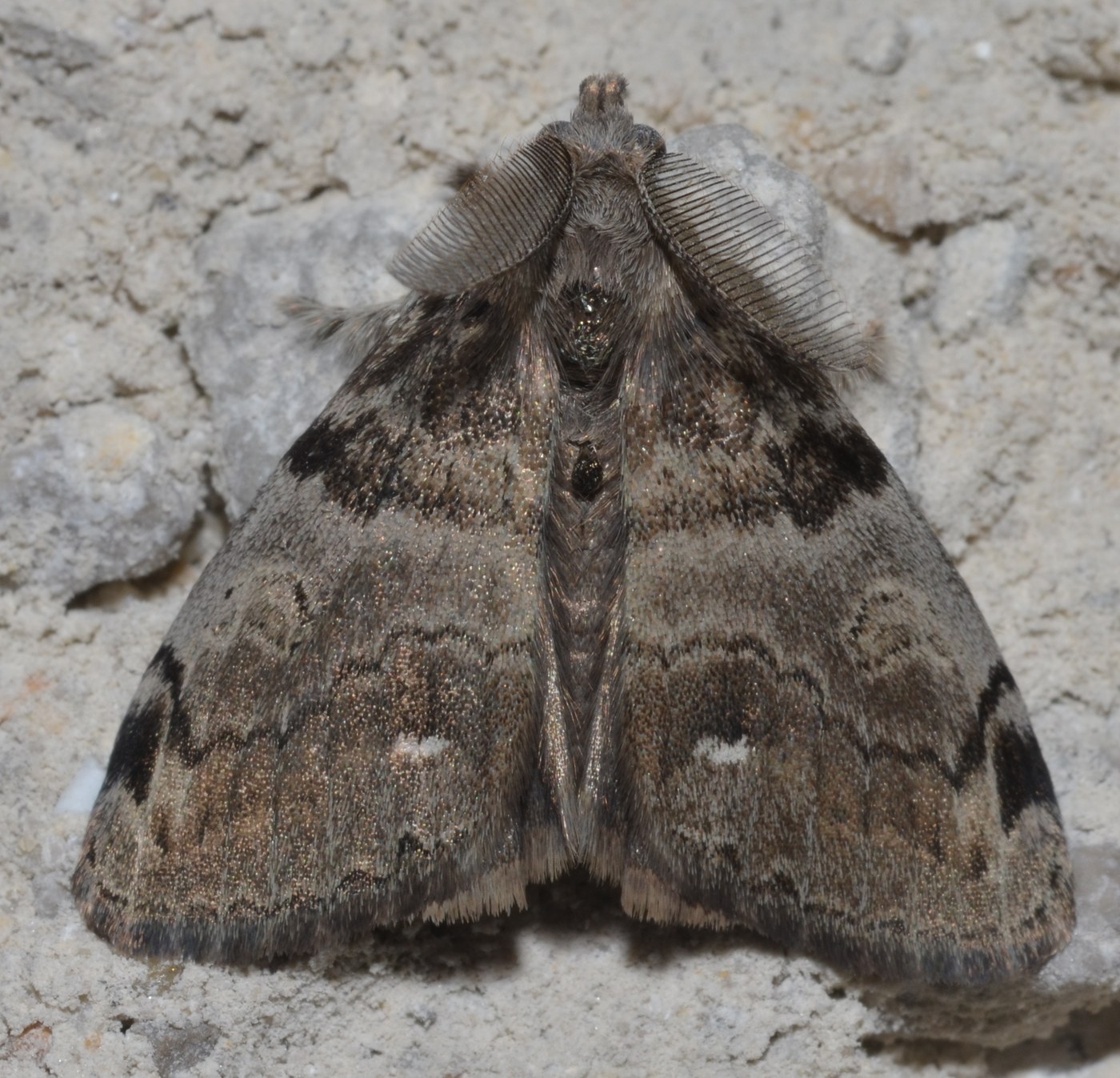
Tussock Moth
Deciduous forests, parks, gardens
Wax Moth
Beehives, apiaries, stored beeswax and comb
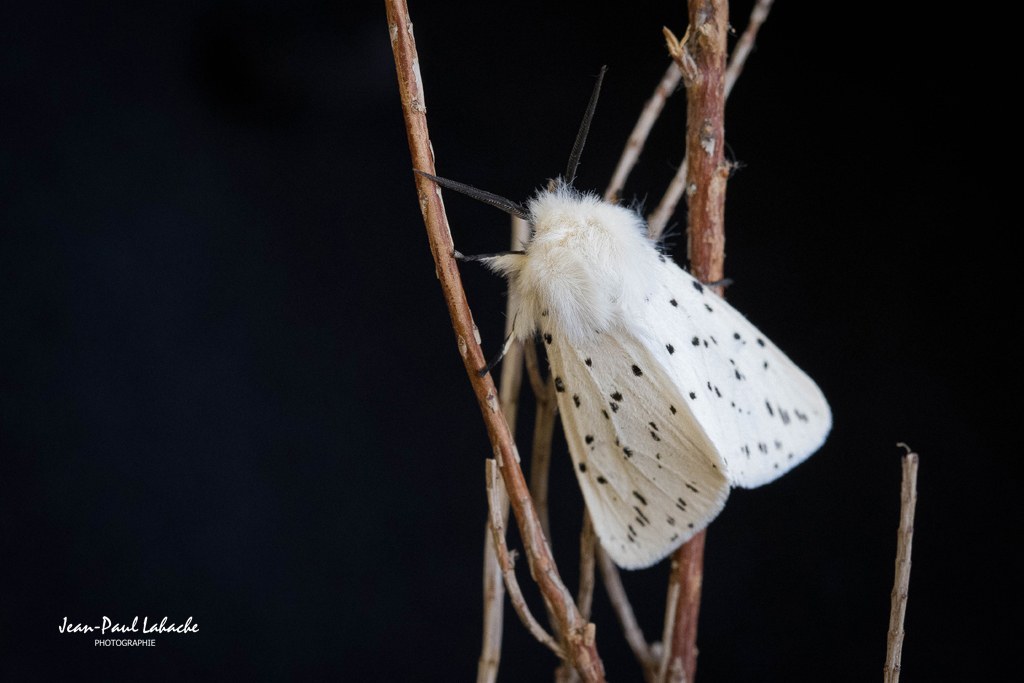
White Ermine Moth
Gardens, meadows, hedgerows
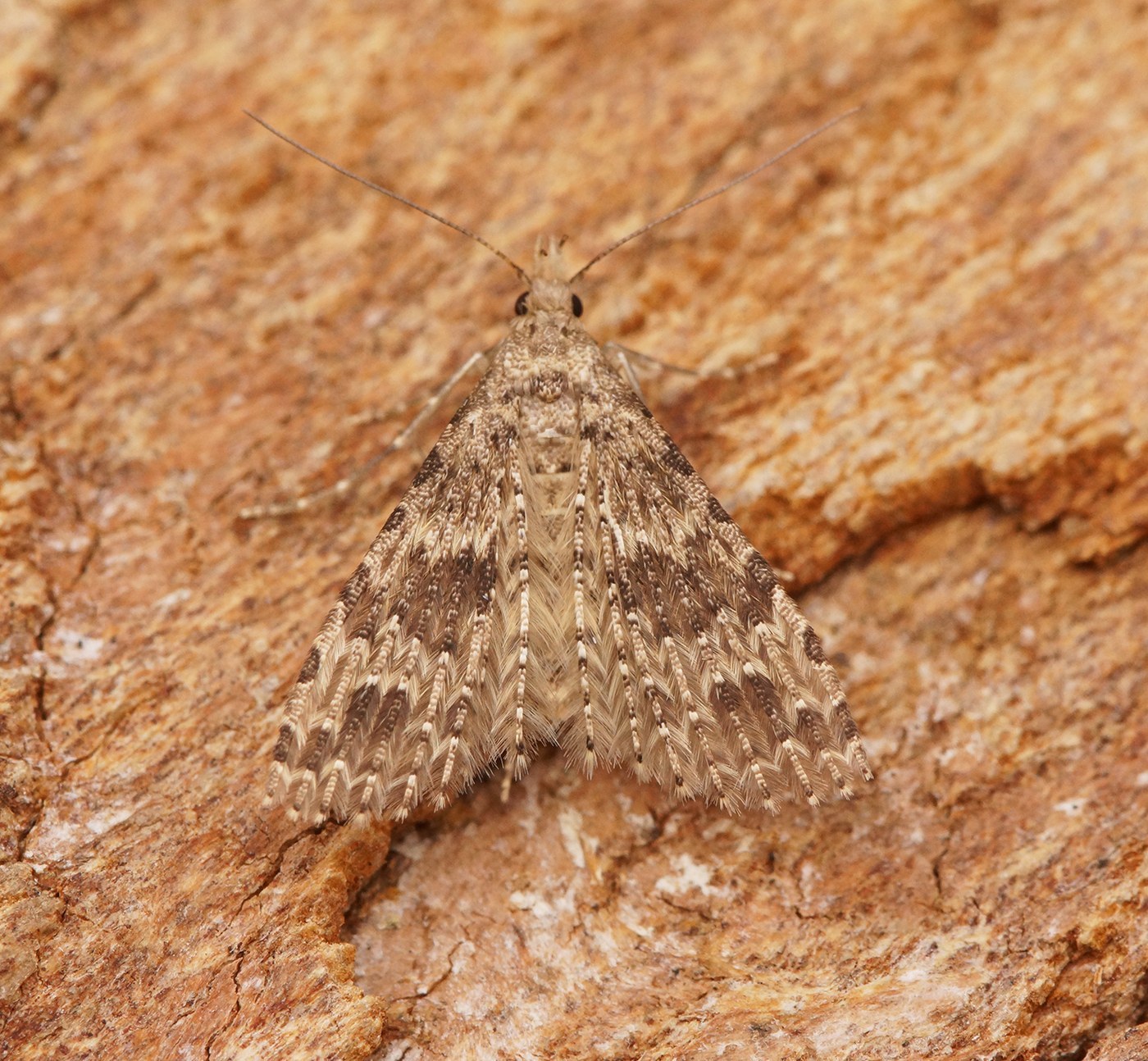
Twenty-plume Moth
Gardens, hedgerows, near honeysuckle
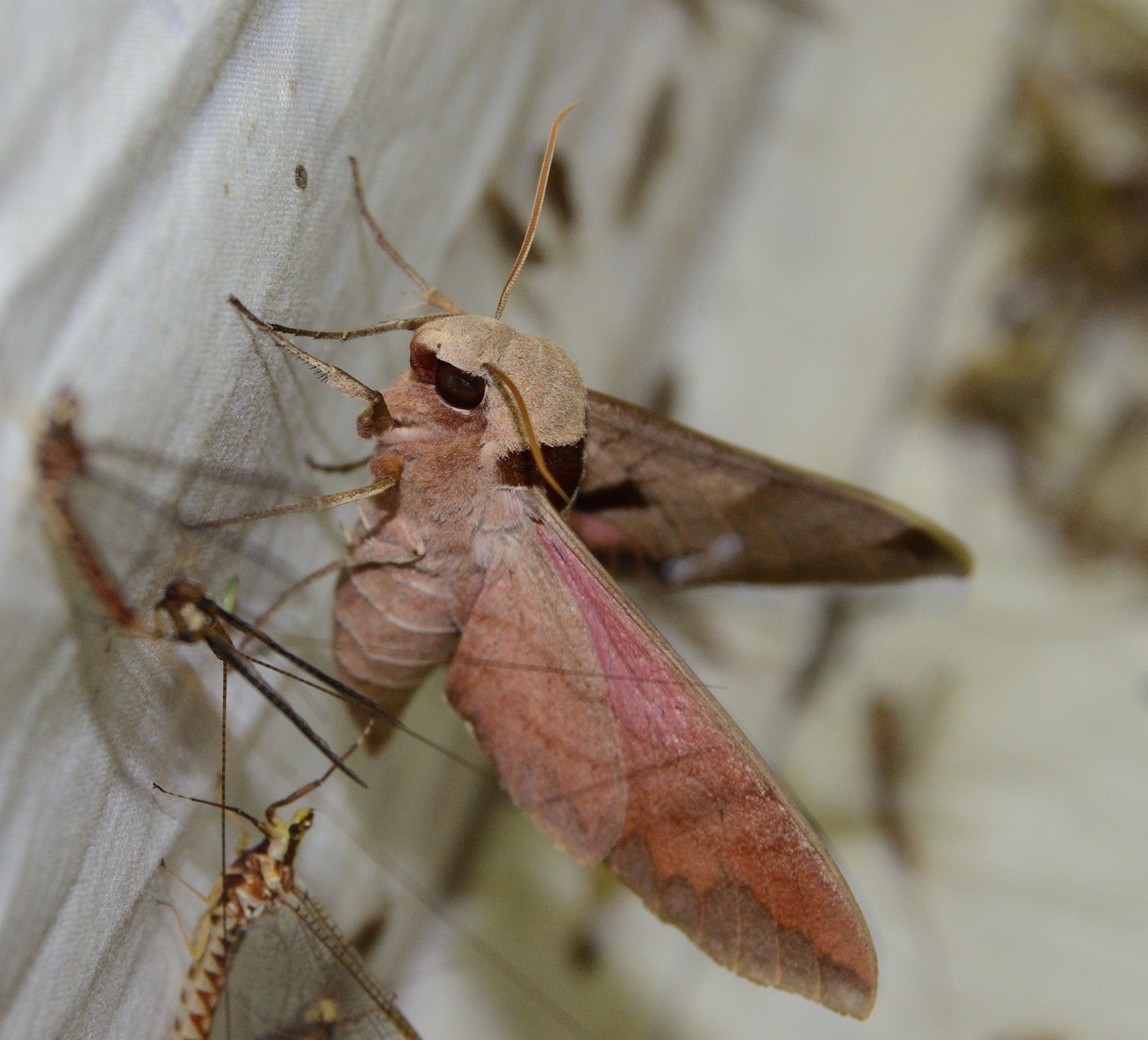
Achemon Sphinx Moth
Vineyards, woodland edges, gardens with wild grape
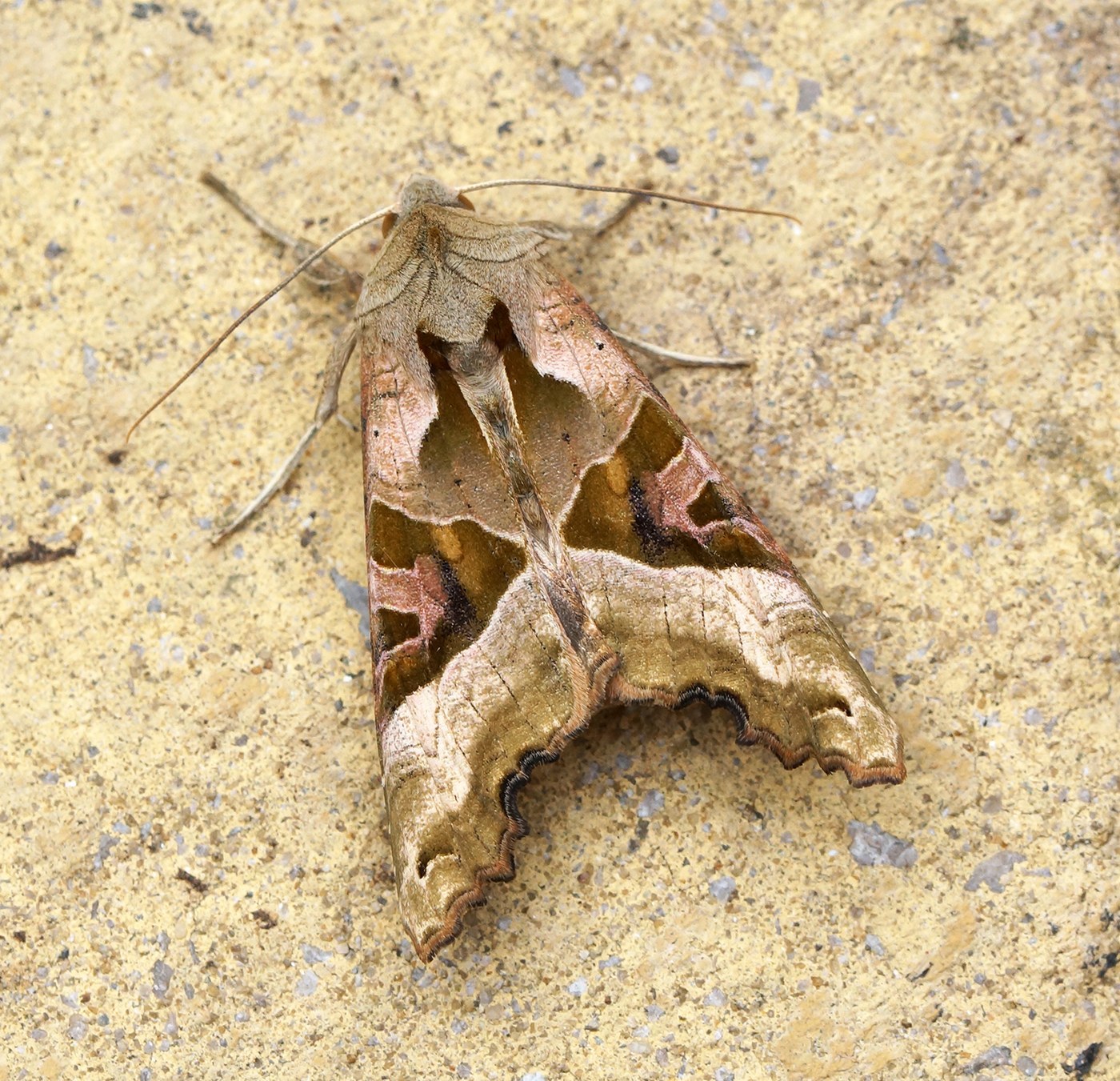
Angle Shades Moth
Gardens, hedgerows, woodland edges, urban parks
Atlas Moth
Tropical and subtropical lowland forests of Southeast Asia