
Cluster Fly
Pollenia spp.
A sluggish, dark fly covered in fine golden hairs that gathers by the hundreds on sun-warmed walls in autumn before slipping indoors to spend the winter.
- Size
- 8-10 mm long
- Habitat
- Gardens and grassy areas in warm months; wall voids and attics of buildings in fall and winter
- Danger
- Nuisance pest
Spotted a bug like this?
Identify any bug or insect from a photo, free.
Overview
Cluster flies belong to the genus Pollenia, a group originally native to Europe and now widespread across North America and other temperate regions. They are named for their distinctive habit of gathering in dense clusters on sunlit exterior walls in autumn as they search for sheltered spots to spend the winter.
Unlike many household flies, cluster flies do not breed or feed indoors; buildings serve only as an overwintering shelter. Their larvae instead develop outdoors as parasites of earthworms, an unusual life history among common flies.
Adults are somewhat larger and slower-moving than house flies, with a duller, hairier appearance that becomes more apparent up close, especially the irregular golden hairs scattered across the thorax.
How to Identify
- Dark gray to black body, 8-10 mm long, slightly larger than a house fly
- Fine, irregular golden or olive hairs scattered across the thorax, lacking the metallic sheen of blow flies
- Wings overlap closely over the abdomen at rest
- Slower, more sluggish flight compared to house flies
- Lookalikes: house flies are smaller, faster, and lack the golden hairs; blow flies have a shiny metallic blue or green body that cluster flies lack
Habitat & Range
Cluster flies are found throughout temperate regions, including much of North America and Europe. They breed outdoors in soil near earthworm populations in lawns, gardens, and fields. In autumn, adults seek out buildings, congregating on sun-warmed exterior walls, especially south- and west-facing surfaces, before entering through small gaps to overwinter in attics, wall voids, and window frames.
Behavior & Diet
Outdoors in warmer months, adult cluster flies feed on nectar and the juices of ripening fruit, while their larvae are parasitoids that develop inside earthworms. As temperatures drop in fall, large numbers of adults gather on sunlit walls and then move indoors to overwinter, remaining largely dormant and sluggish through the cold season. On unseasonably warm winter days, clusters may become active indoors before resuming dormancy.
Life Cycle
Females lay eggs in soil near earthworm burrows. Newly hatched larvae seek out and enter an earthworm host, developing internally as parasitoids through several instars before emerging to pupate in the soil. Adults emerge in warmer months and may produce several generations through summer and early fall. As cold weather approaches, the final generation of adults seeks shelter indoors, overwintering as dormant adults rather than continuing to breed.
Frequently asked questions
Why do cluster flies gather on walls in the fall?
They are searching for sheltered overwintering sites and are drawn to sun-warmed exterior surfaces before moving indoors through small gaps.
Do cluster flies breed inside houses?
No, they only use buildings as overwintering shelter; their larvae develop outdoors as parasites of earthworms.
How can you tell a cluster fly from a house fly?
Cluster flies are slightly larger, move more sluggishly, and have fine golden hairs on the thorax that house flies lack.
What do cluster fly larvae feed on?
They develop as parasitoids inside earthworms, an unusual larval diet compared to most common household flies.
Cluster Fly guides
In-depth guides for identifying, understanding, and living alongside Cluster Fly.
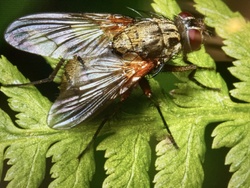
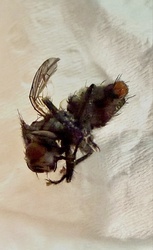
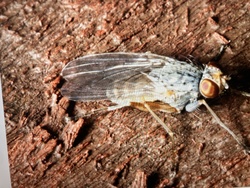
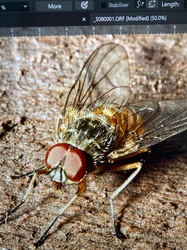
Cluster Fly identified by the community
Real finds identified with Bug Identifier.
Other bugs you may enjoy
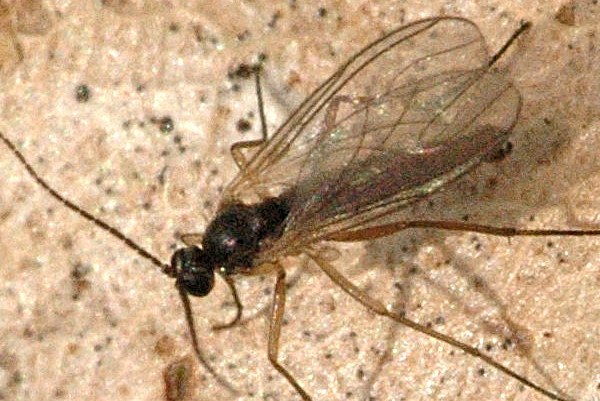
Aphid Midge
Gardens, greenhouses, and crops with aphids
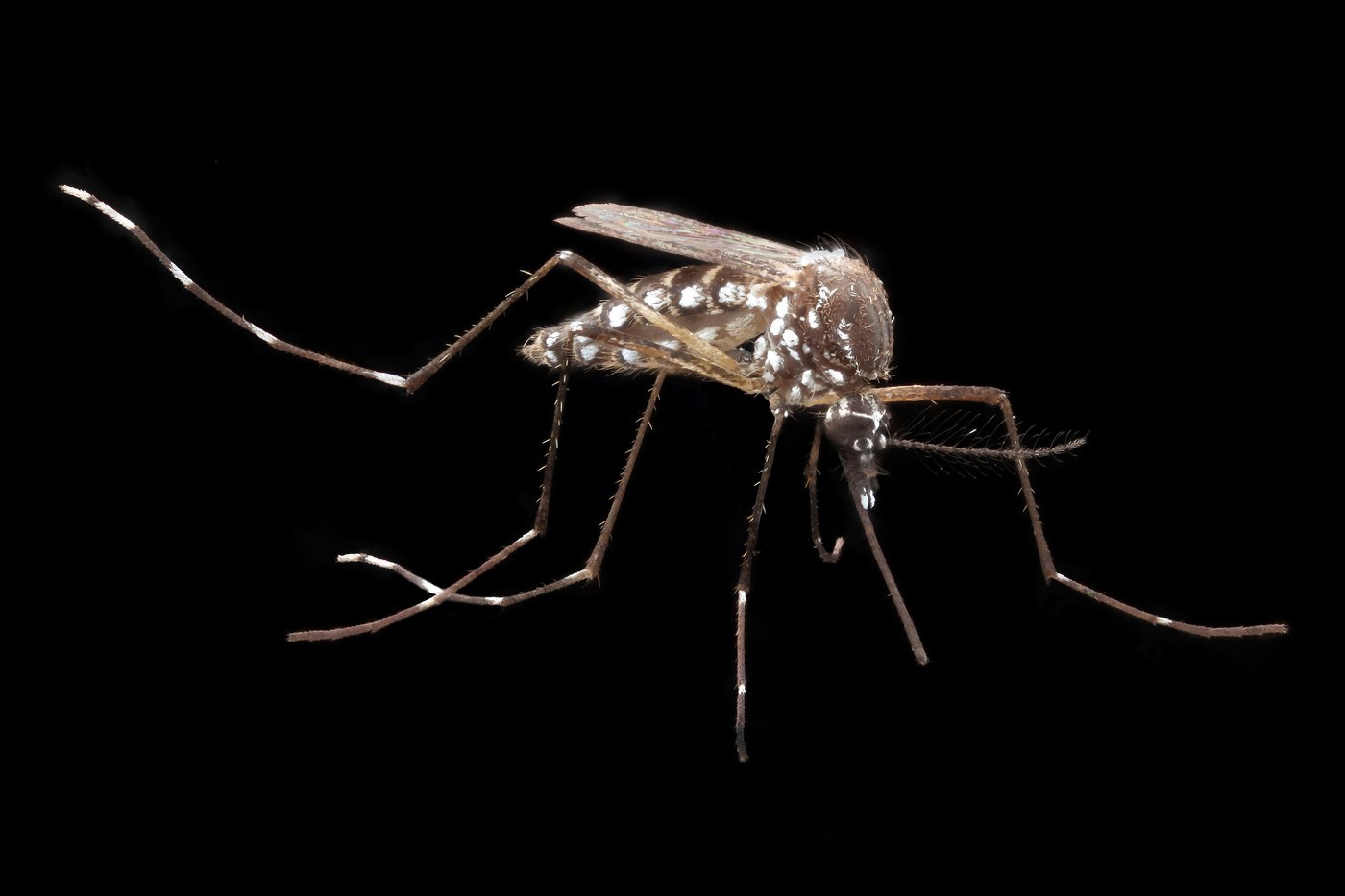
Yellow Fever Mosquito
Urban and peri-urban areas near small artificial water containers in tropical and subtropical regions worldwide
Root Maggot
Garden and field soil around the roots of cole crops and other vegetables
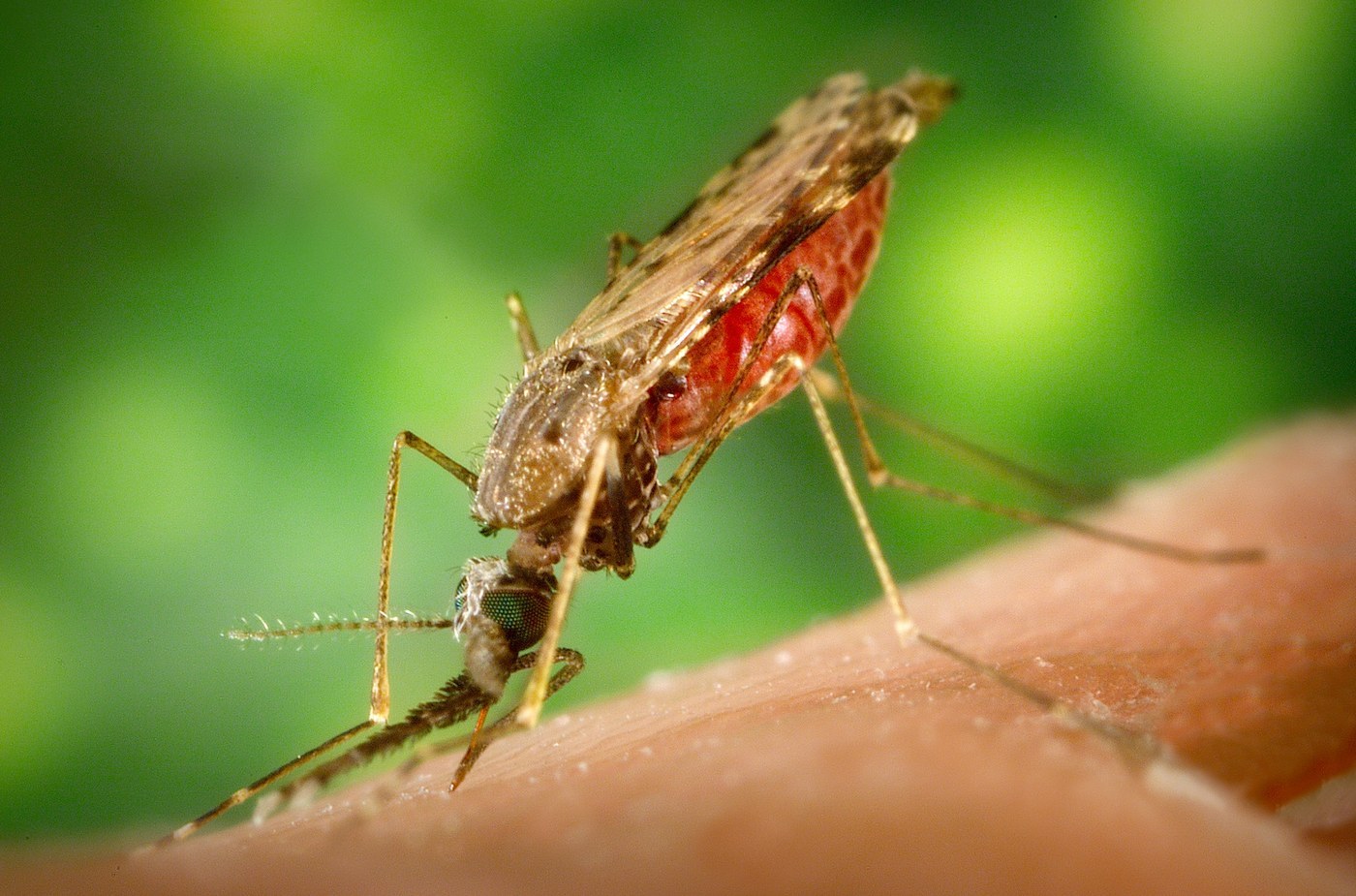
Anopheles Mosquito
Clean, still or slow-moving freshwater habitats such as marshes, ponds, and rice paddies
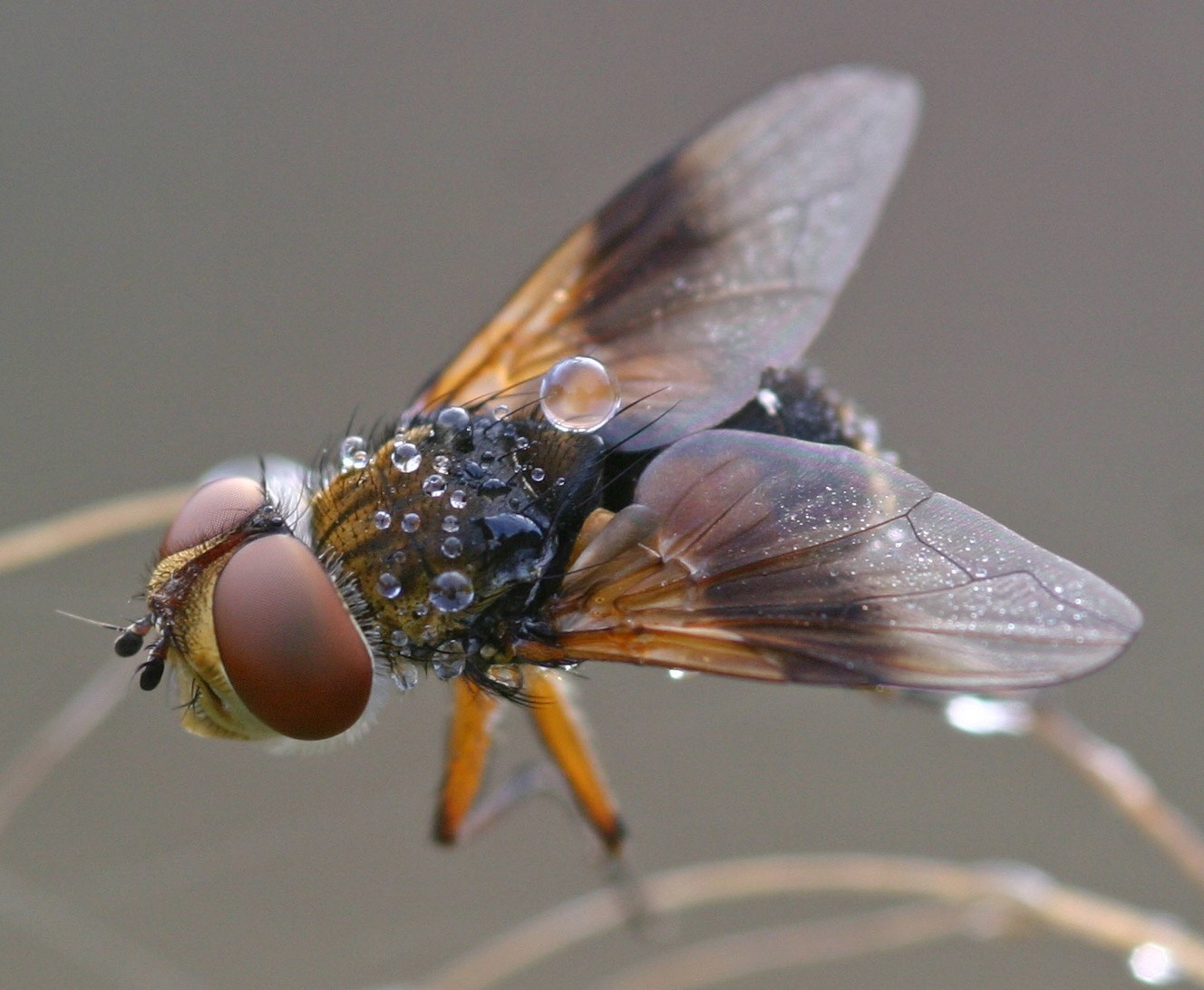
Tachinid Fly
Gardens, meadows, and woodlands wherever host caterpillars and other insects occur
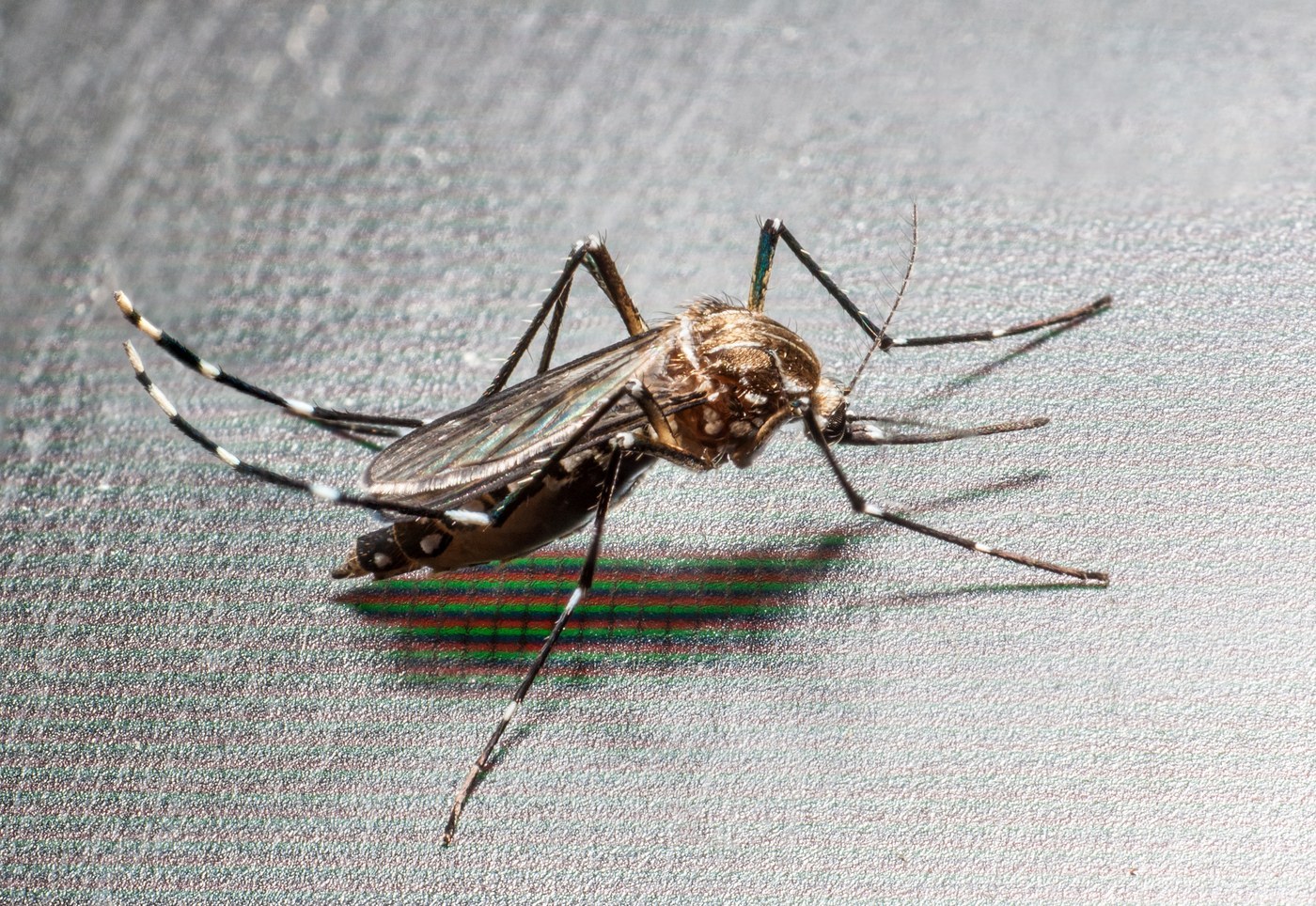
Asian Tiger Mosquito
Shaded urban and suburban areas near small water-holding containers, tires, and tree holes; native to Southeast Asia, now widespread
Tsetse Fly
Wooded savanna, riverine thickets, and forest edges across sub-Saharan Africa
Vinegar Fly
Around overripe fruit, compost, and fermenting materials worldwide
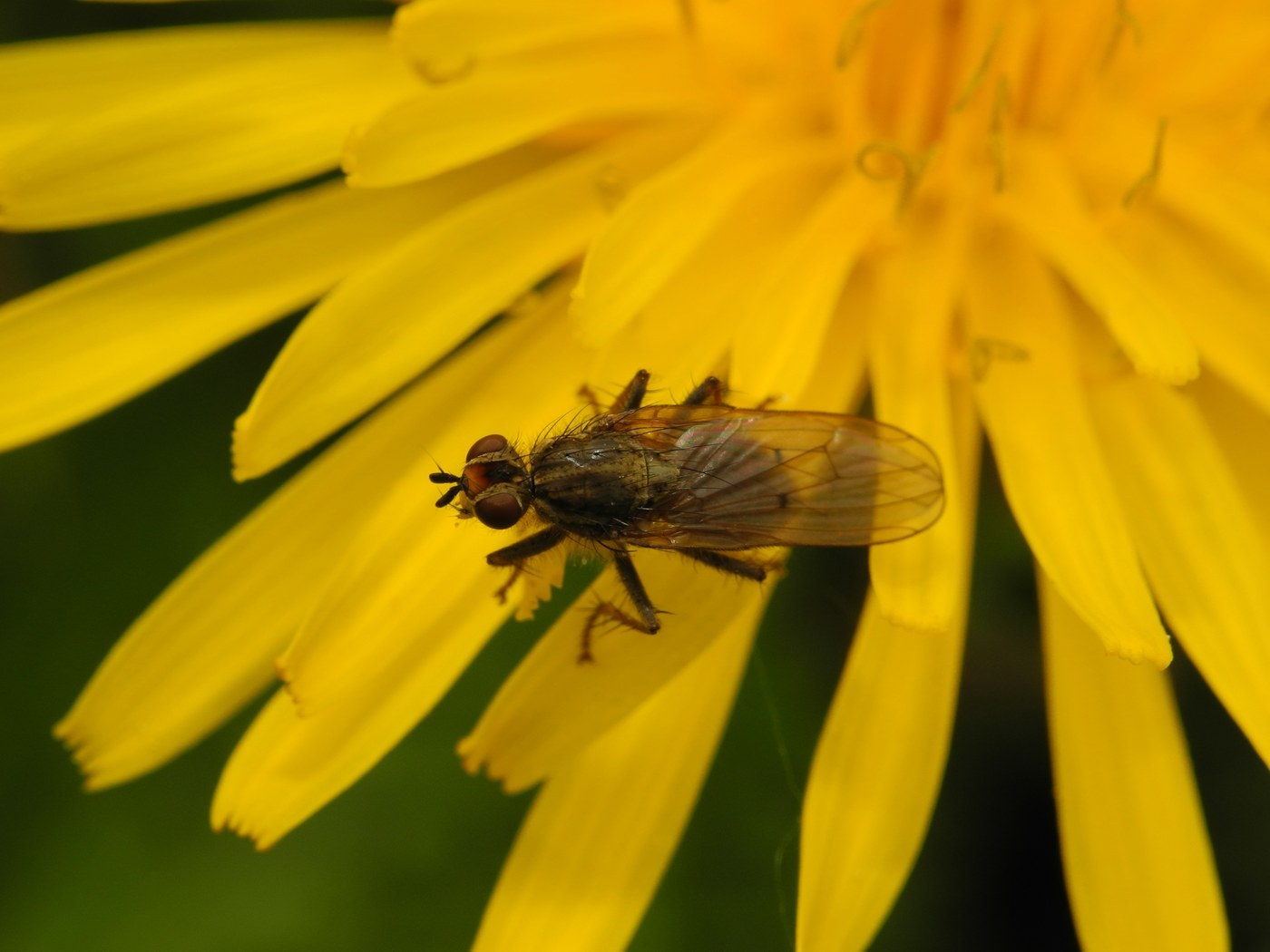
Yellow Dung Fly
Pastures and fields with fresh cattle dung
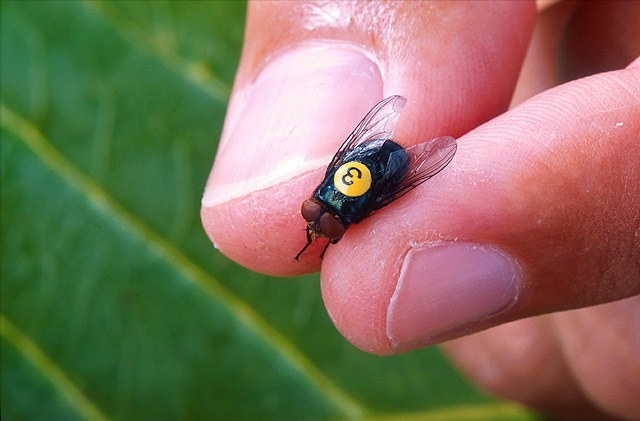
Screwworm Fly
Warm, humid lowlands of the Americas, especially near livestock and wildlife wounds
Soldier Fly
Wetland margins, decaying organic matter, and vegetation near water
Punkie
near marshes, mudflats, ponds, and other standing water