
Snakefly
Agulla spp.
A slender predator named for its habit of rearing up its long, mobile neck like a tiny cobra when hunting or threatened.
- Size
- Body length about 1–2 cm (0.4–0.8 in), plus a long ovipositor in females
- Habitat
- Coniferous and mixed forests, especially under bark and among foliage
- Danger
- Harmless
Spotted a bug like this?
Identify any bug or insect from a photo, free.
Overview
Snakeflies make up the small insect order Raphidioptera, distinguished by an unusually long, flexible prothorax that gives the front of the body a serpentine, neck-like appearance. This elongated 'neck' allows the head to swivel and strike at prey with surprising reach and precision for such a small insect.
Females carry a long, needle-like ovipositor extending well beyond the tip of the abdomen, used to insert eggs into crevices in bark rather than to sting, a frequent source of confusion for people who mistake it for a stinger.
Both larvae and adults are predators of other small, soft-bodied insects, and because many species depend on mature trees and undisturbed bark habitats, snakeflies are often associated with older forests, particularly conifer stands in temperate regions of the Northern Hemisphere.
How to Identify
- Elongated, flexible prothorax ('neck') held raised in a snake- or cobra-like pose, especially when hunting or disturbed
- Two pairs of clear, net-veined wings held roof-like over the body at rest
- Females have a long, slender, needle-like ovipositor projecting from the abdomen tip, used for egg-laying and not for stinging
- Body slender, dark brown to black, with a distinct head and long thread-like antennae
- Larvae are elongated, flattened, and wingless, living under bark or in leaf litter
- Lookalikes: mantidflies (raptorial front legs, no elongated flexible neck) and some lacewings (no neck-like prothorax)
Habitat & Range
Snakeflies occur mainly in temperate regions of North America, Europe, and Asia, with a strong association with coniferous and mixed forests. They are largely absent from the Southern Hemisphere and from tropical lowlands. Larvae live under loose bark, in decaying wood, or in leaf litter, while adults are typically found on tree trunks, foliage, and low vegetation within or near forested habitat.
Behavior & Diet
Adult and larval snakeflies are both active predators, using their raised, mobile 'neck' to strike at small, soft-bodied prey such as aphids, mites, and other tiny arthropods found on bark and foliage. Their preference for bark surfaces and crevices makes them useful natural predators of bark-dwelling pest insects in forest and orchard ecosystems. Adults are generally slow, deliberate fliers that stay close to trees rather than ranging widely.
Life Cycle
Females use their long ovipositor to insert eggs into cracks in bark or crevices in wood. Larvae hatch and live for one to several years, molting through many instars while hunting under bark and in leaf litter; development can be slow, particularly in cooler climates. Mature larvae pupate in a sheltered spot such as a bark crevice, and although the pupa is mobile enough to relocate if disturbed, it does not feed. Adults emerge in spring or summer, mate, and lay eggs to begin the next generation.
Frequently asked questions
Why is it called a snakefly?
It gets the name from its long, flexible neck-like prothorax, which it can raise and swivel in a snake-like manner while hunting.
Does the female's long tail sting?
No, that structure is an ovipositor used to lay eggs into bark crevices, not a stinger.
Where do snakeflies live?
They are found mainly in temperate forests of the Northern Hemisphere, especially among conifers, and are absent from most tropical and Southern Hemisphere regions.
What do snakeflies eat?
Both larvae and adults prey on small, soft-bodied arthropods such as aphids and mites found on bark and foliage.
Snakefly guides
In-depth guides for identifying, understanding, and living alongside Snakefly.
Snakefly identified by the community
Real finds identified with Bug Identifier.
Other bugs you may enjoy
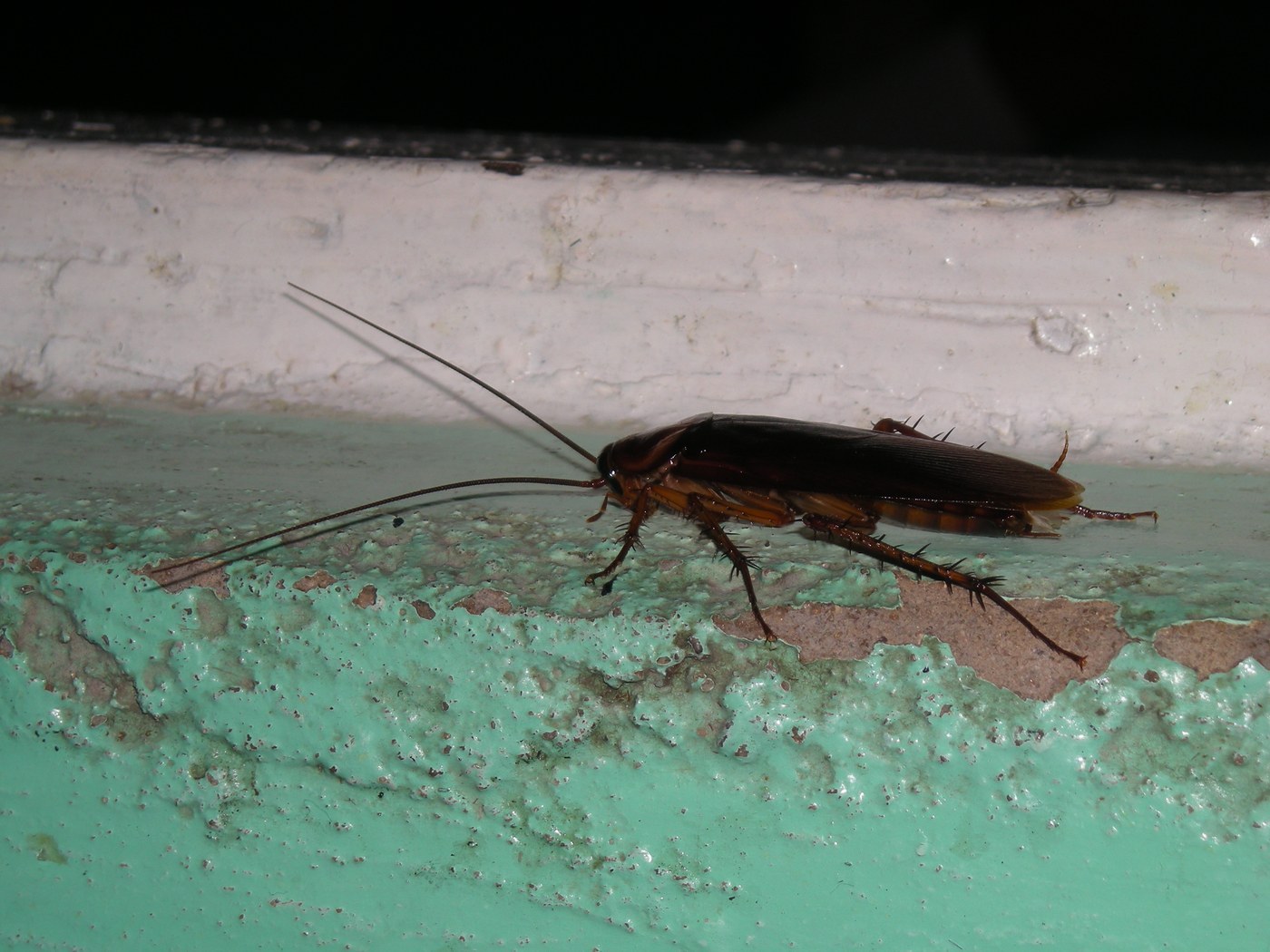
American Cockroach
Warm, humid environments such as basements, sewers, drains, and tropical outdoor settings
Thrips
Flowers, foliage, gardens, greenhouses, crop fields
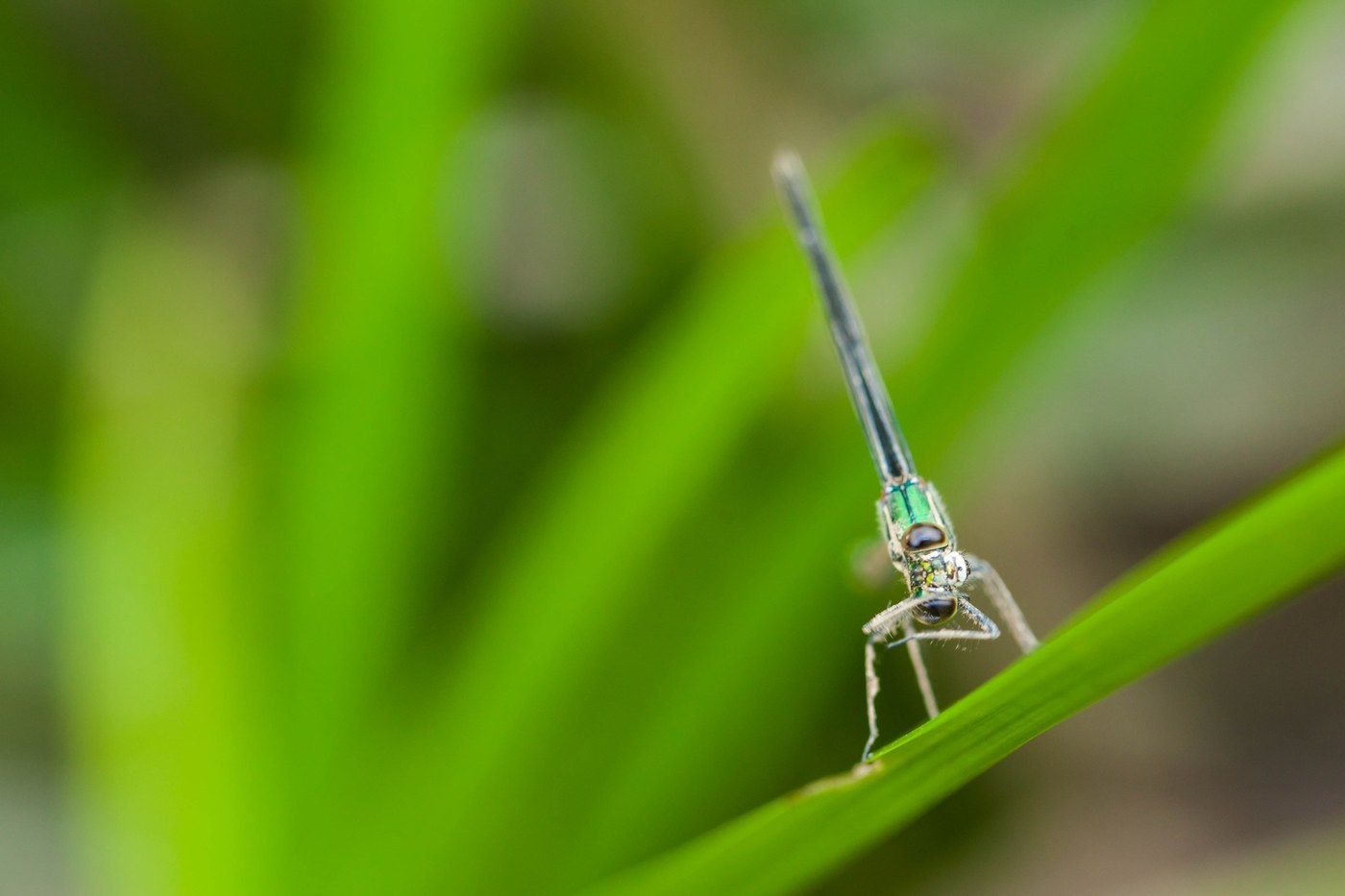
American Rubyspot
Sunny rivers and streams with moderate current
Springtail
Moist soil, leaf litter, decaying organic matter, and damp indoor areas
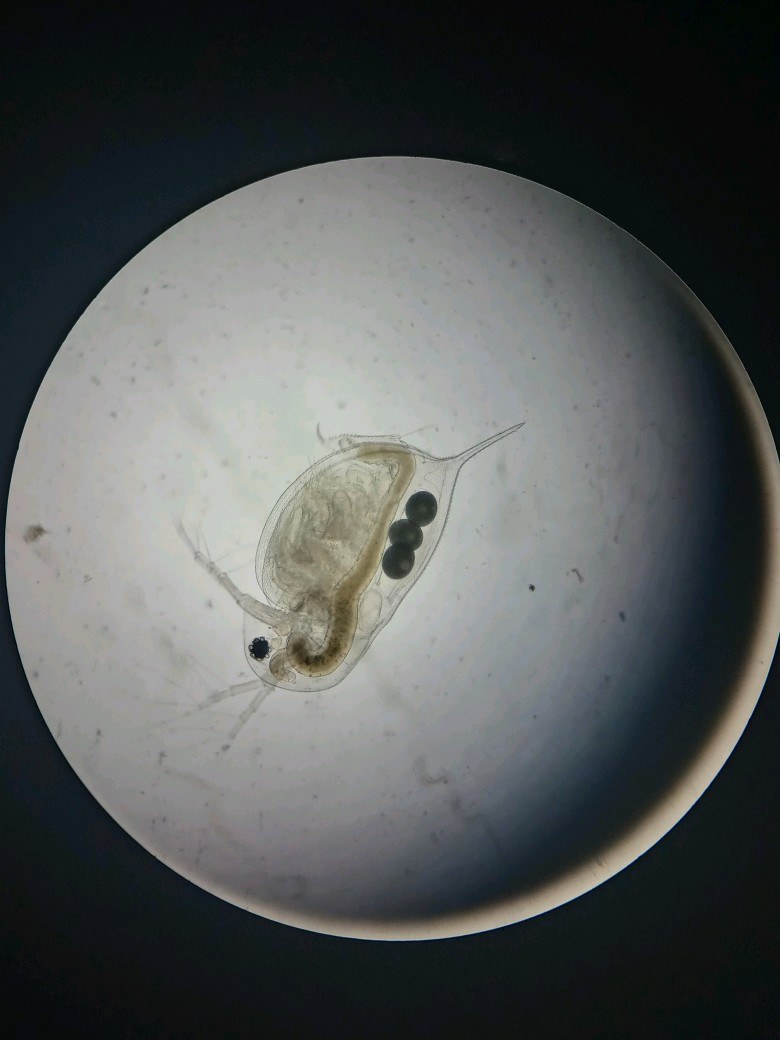
Water Flea
Ponds, lakes, and slow streams as free-floating plankton
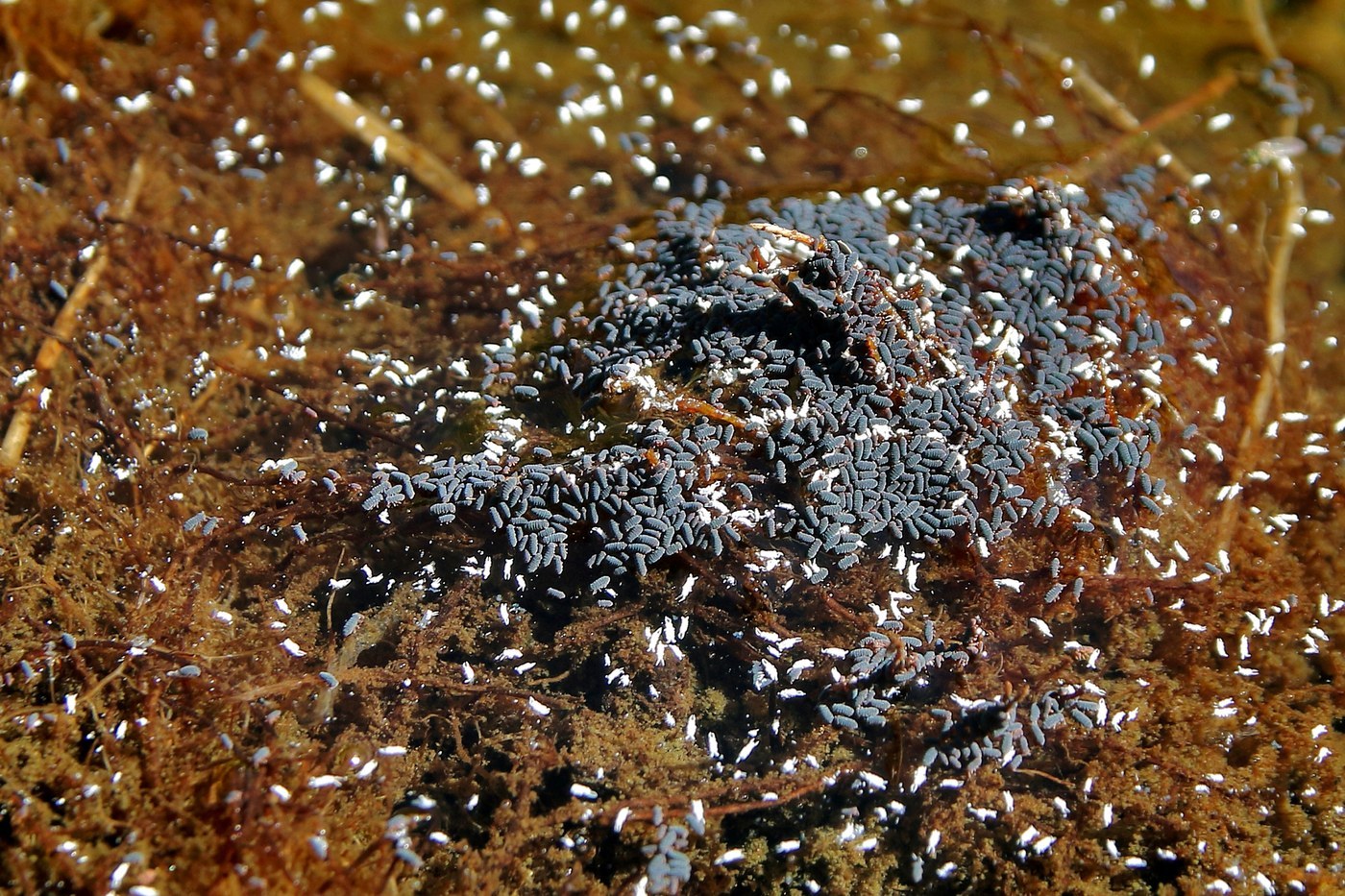
Water Springtail
Surface film of ponds, puddles, and slow ditches
Slug
Gardens, damp soil, leaf litter, greenhouses
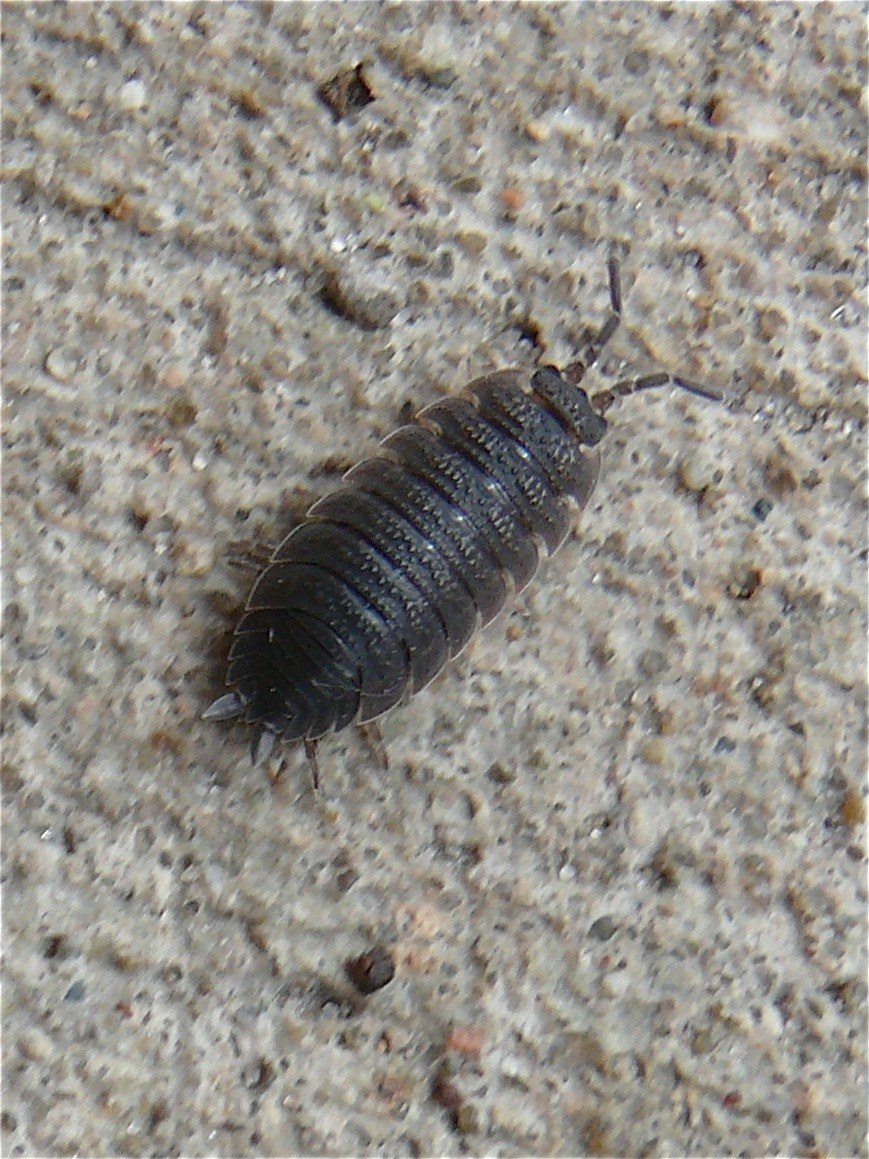
Sowbug
Leaf litter, under rocks/logs, damp garden soil, basements
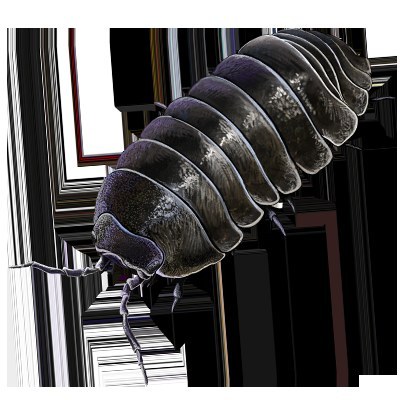
Pill Bug
Damp soil, leaf litter, under rocks and logs, garden beds
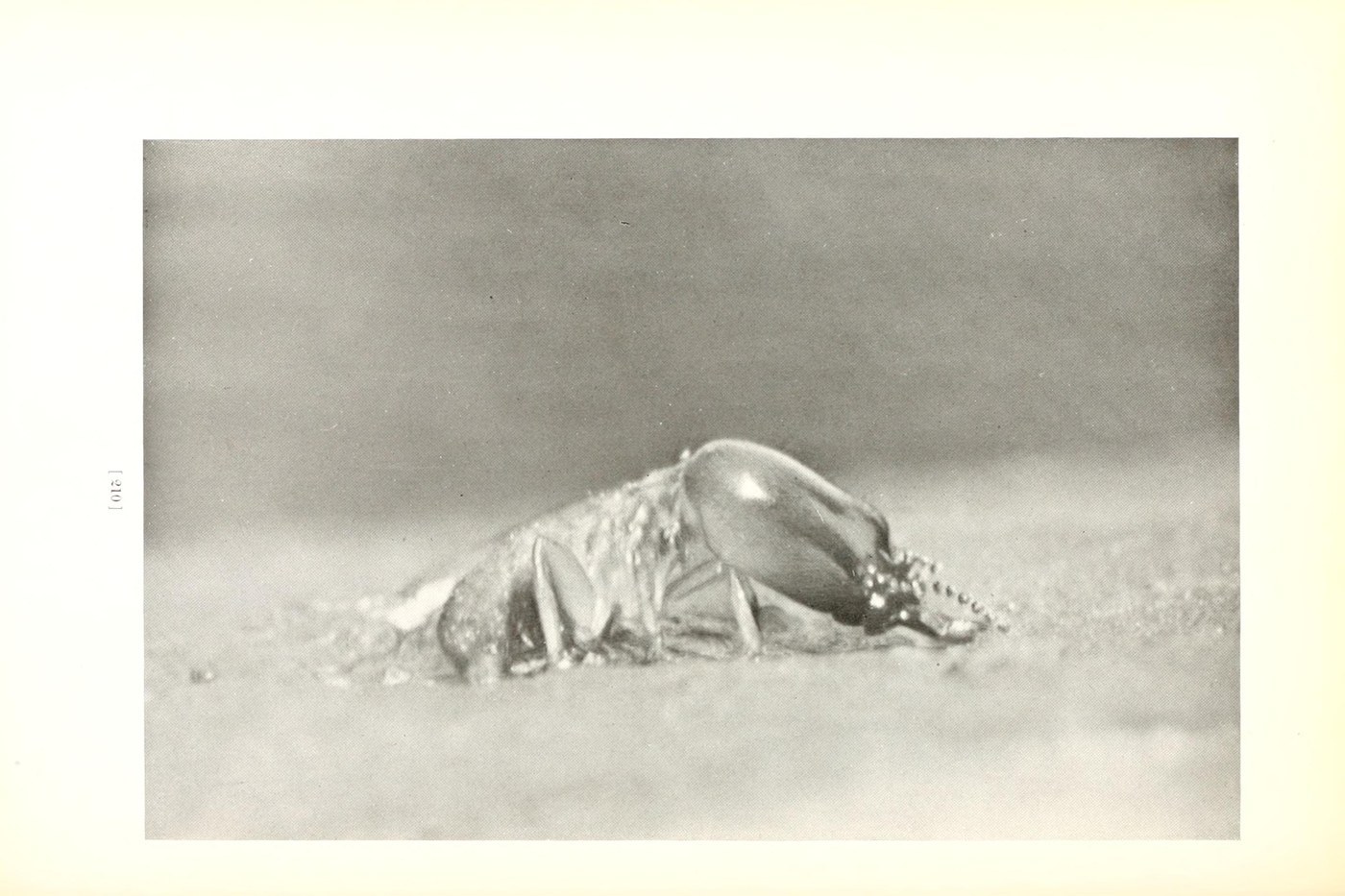
Termite
Soil, decaying wood, tree stumps, and wooden structures
Termite Swarmer
Emerges from underground or wood-nesting colonies, often near structures and moist soil
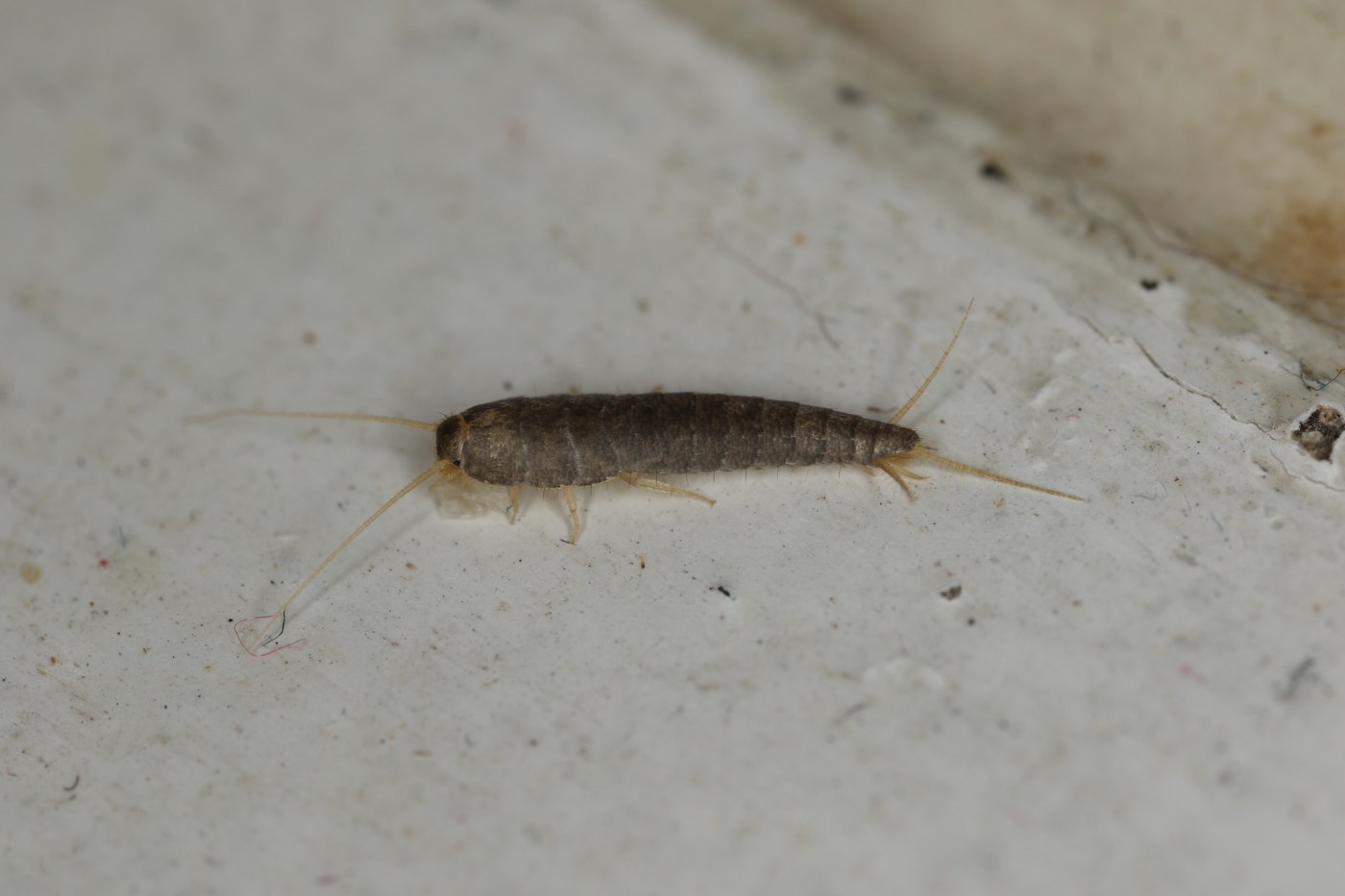
Silverfish
Damp basements, bathrooms, closets, and dark indoor crevices