
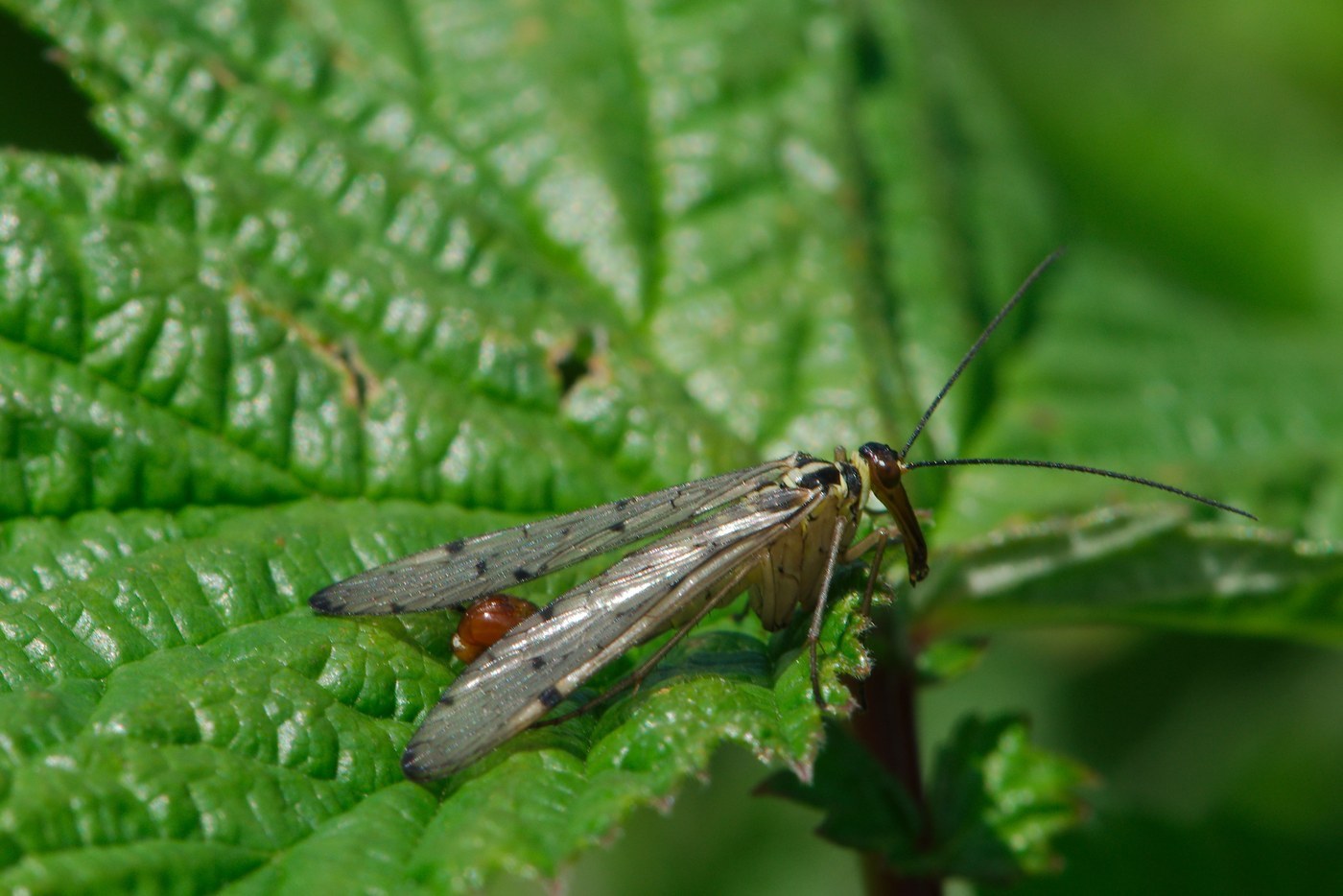
Scorpionfly
Panorpa spp.
A harmless scavenger whose alarming name comes from the male's swollen, upturned abdominal tip, which curls like a scorpion's tail but carries no sting.
- Size
- Body length about 1.5–2.5 cm (0.6–1 in)
- Habitat
- Moist woodlands, hedgerows, and shaded undergrowth
- Danger
- Harmless
Spotted a bug like this?
Identify any bug or insect from a photo, free.
Overview
Scorpionflies, mostly in the genus Panorpa, are slender insects named for the male's bulbous, upward-curving genital capsule at the tip of the abdomen, which superficially resembles a scorpion's stinger but is used only in mating and carries no sting or venom of any kind. This resemblance is purely cosmetic and the group is entirely harmless in this regard.
Scorpionflies are easily recognized by their elongated, beak-like head (rostrum) that ends in small chewing mouthparts, an unusual feature among insects that gives the group its distinctive, almost comical face. Their two pairs of narrow, patterned wings and generally slow, fluttery flight also help set them apart from true flies and wasps.
Both adults and larvae are mainly scavengers, feeding on dead insects and decaying organic matter, and adult males are also known for presenting food gifts to females as part of courtship, a behavior that has made scorpionflies a well-studied group in the science of insect mating systems.
How to Identify
- Elongated, downward-pointing beak-like head (rostrum) with chewing mouthparts at the tip
- Two pairs of long, narrow, membranous wings, often with dark banding or spotting, held outstretched at rest
- Males have a swollen, upturned genital capsule at the abdomen tip resembling a scorpion's tail, used only for mating and lacking any sting
- Slender body, typically brown, black, or reddish, with long legs
- Slow, weak, fluttering flight
- Lookalikes: crane flies (no beak-like head) and some wasps (scorpionflies lack a narrow waist and true stinger)
Habitat & Range
Scorpionflies are found through temperate regions of the Northern Hemisphere, favoring moist, shaded woodlands, hedgerows, and dense undergrowth near leaf litter. They are most active in warmer months, typically resting on foliage in shady, humid spots and becoming more noticeable when disturbed from vegetation.
Behavior & Diet
Adult scorpionflies are primarily scavengers, feeding on dead or dying insects, and will also feed on nectar, fruit, or other organic matter when available. Males often present a captured insect or a glob of saliva as a nuptial gift to females before mating, a behavior tied closely to courtship success. Larvae live in soil or leaf litter and similarly feed on dead insects and decaying organic material, making scorpionflies useful contributors to the breakdown and recycling of organic matter within woodland ecosystems.
Life Cycle
Females lay eggs in small clusters in moist soil or leaf litter. Larvae are caterpillar-like with short legs and live in the soil or litter layer, feeding on dead insects and organic debris through several instars over a period of weeks to months. Mature larvae pupate in the soil, and adults emerge in spring or summer to feed, court, and mate, typically completing one generation per year in temperate climates, with the species overwintering as pupae or late-stage larvae.
Frequently asked questions
Can a scorpionfly sting like a scorpion?
No, the upturned tip on the male's abdomen only resembles a scorpion's tail; it is a genital structure used in mating and has no sting.
What do scorpionflies eat?
They are mainly scavengers of dead insects and decaying organic matter, and will also feed on nectar or fruit.
Why do male scorpionflies offer gifts to females?
Presenting food, such as a captured insect, is part of their courtship behavior and can influence whether a female accepts the male as a mate.
Where are scorpionflies typically found?
They favor moist, shaded woodlands and dense undergrowth, often resting on vegetation near leaf litter.
Scorpionfly guides
In-depth guides for identifying, understanding, and living alongside Scorpionfly.
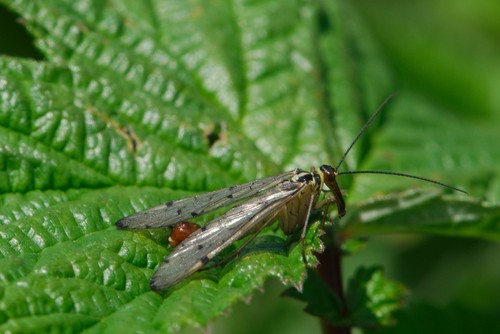
Scorpionfly identified by the community
Real finds identified with Bug Identifier.
Other bugs you may enjoy
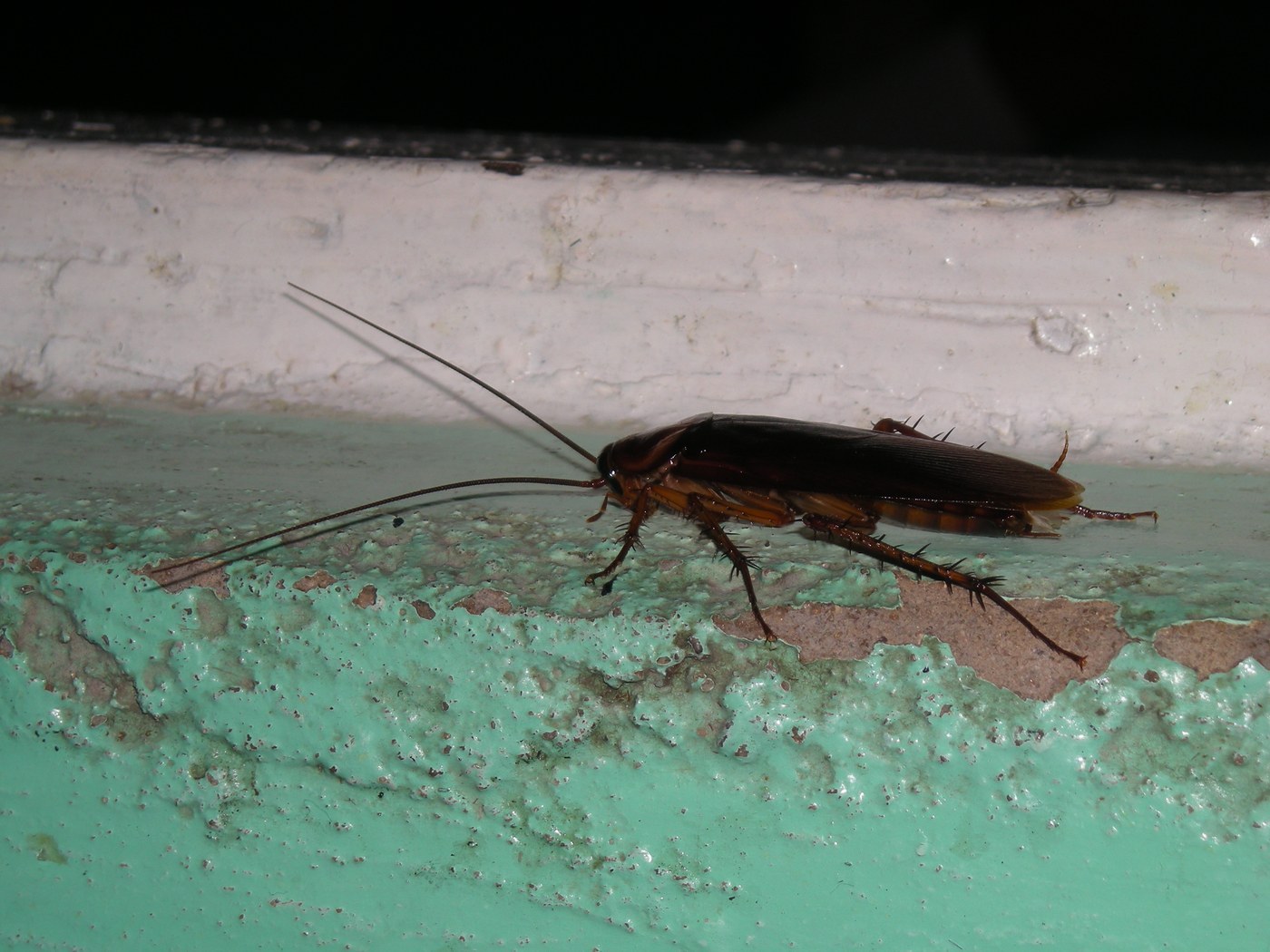
American Cockroach
Warm, humid environments such as basements, sewers, drains, and tropical outdoor settings
Thrips
Flowers, foliage, gardens, greenhouses, crop fields
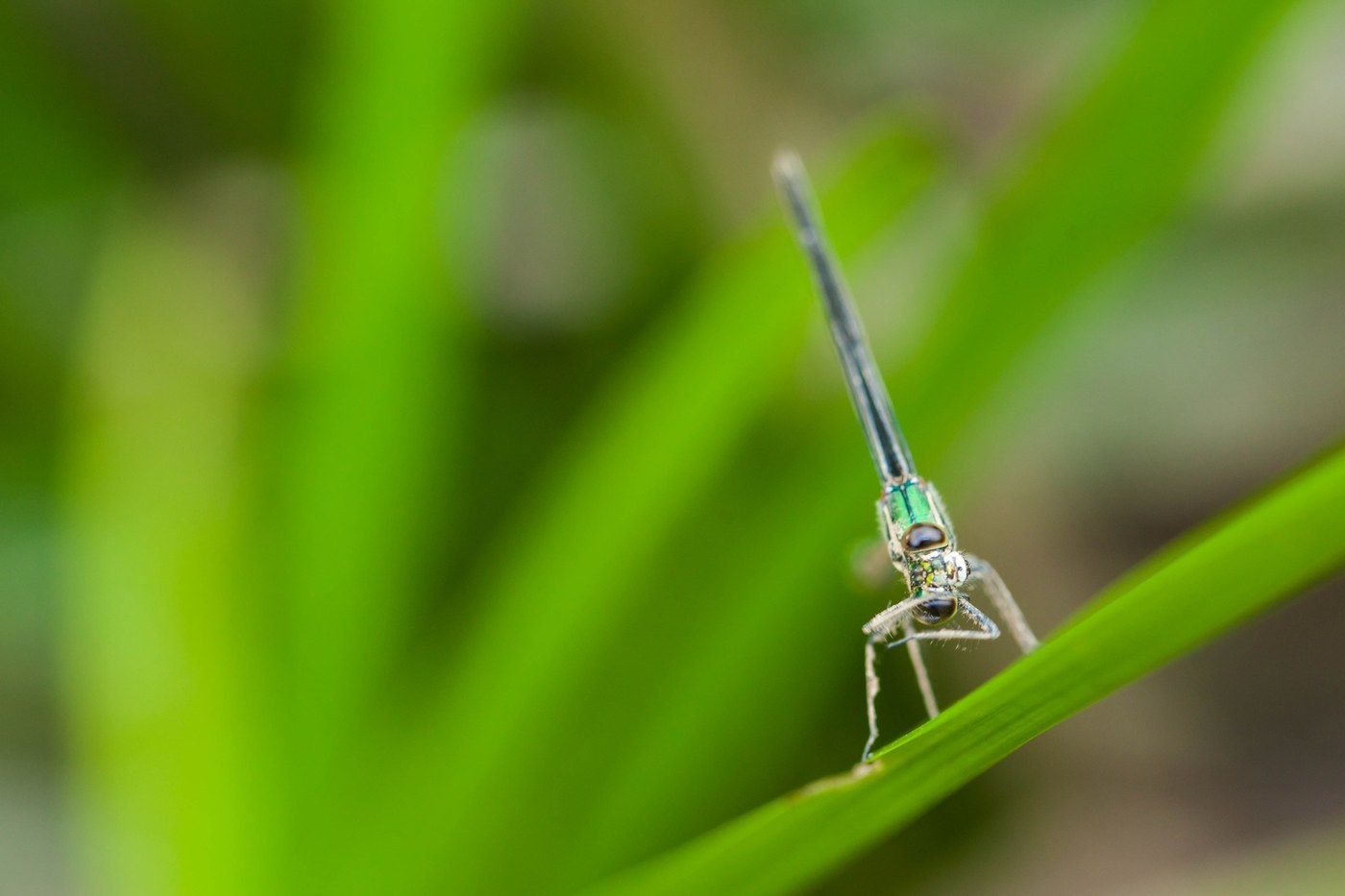
American Rubyspot
Sunny rivers and streams with moderate current
Springtail
Moist soil, leaf litter, decaying organic matter, and damp indoor areas
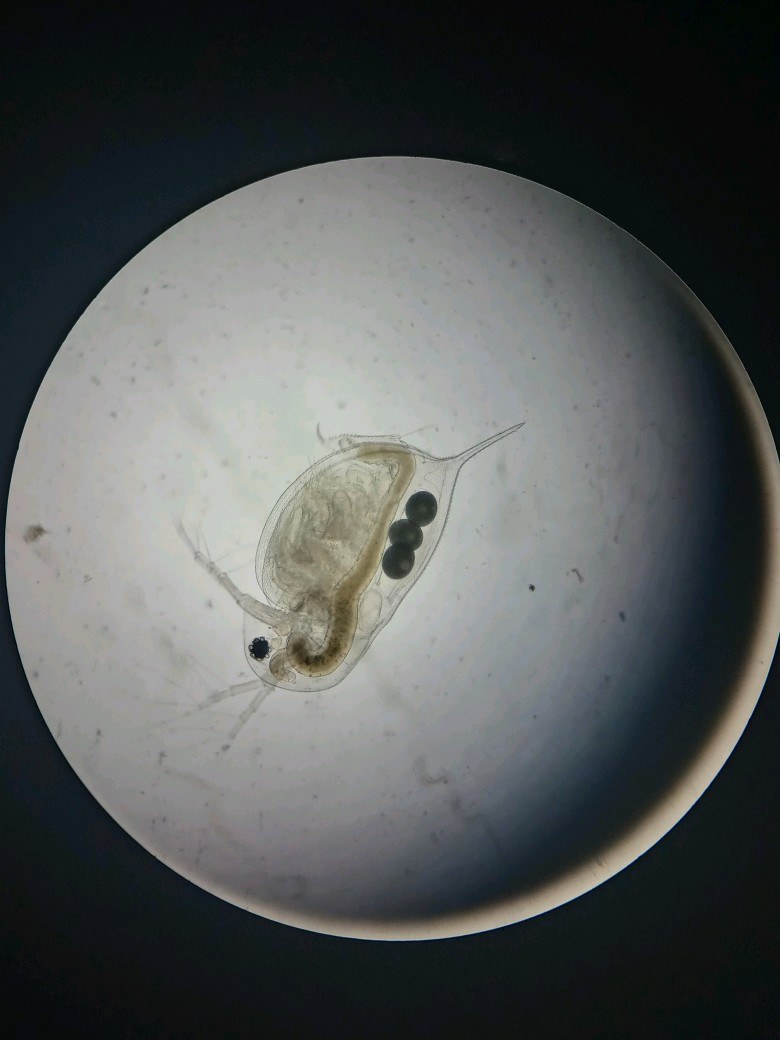
Water Flea
Ponds, lakes, and slow streams as free-floating plankton
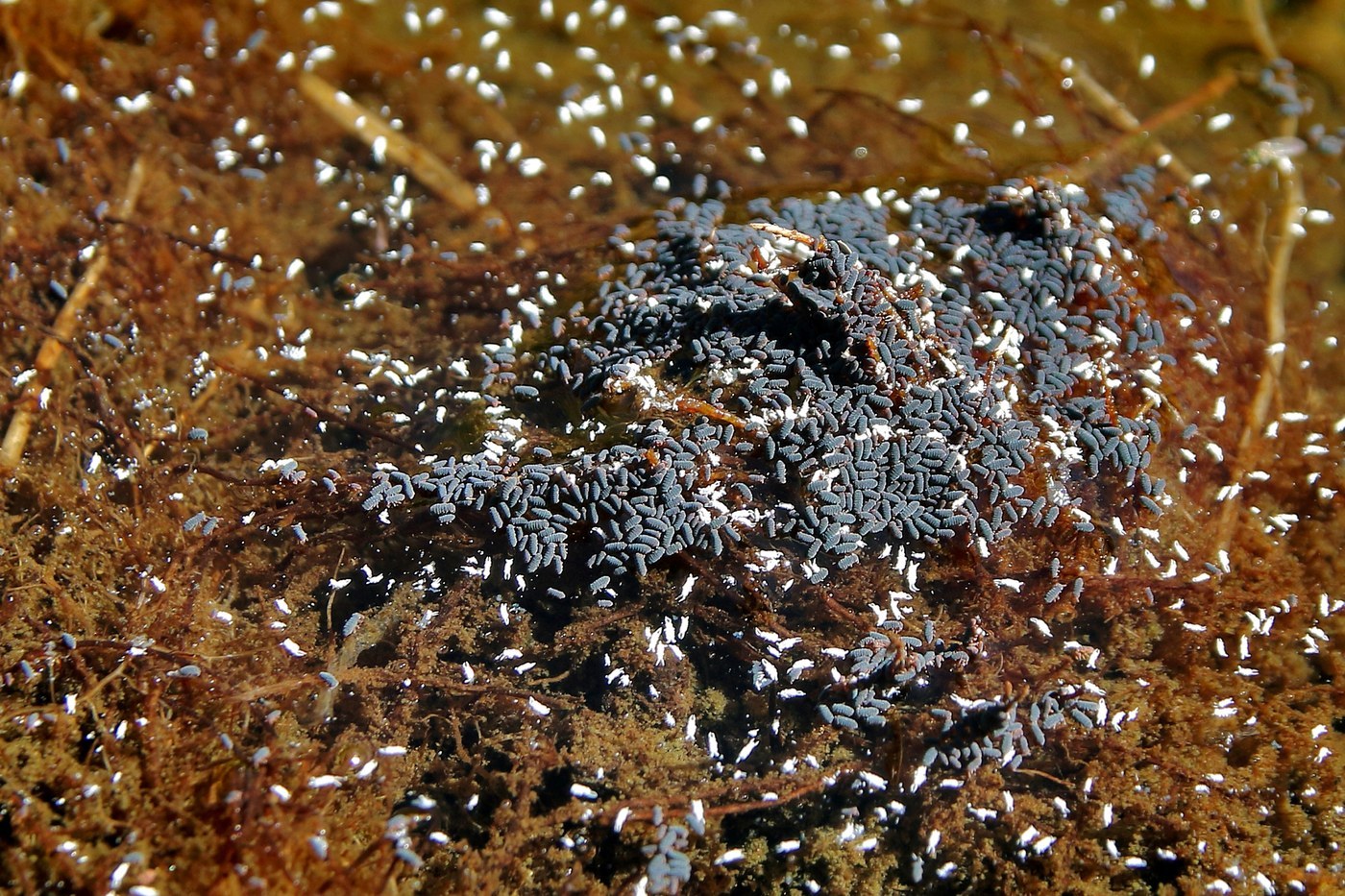
Water Springtail
Surface film of ponds, puddles, and slow ditches
Slug
Gardens, damp soil, leaf litter, greenhouses
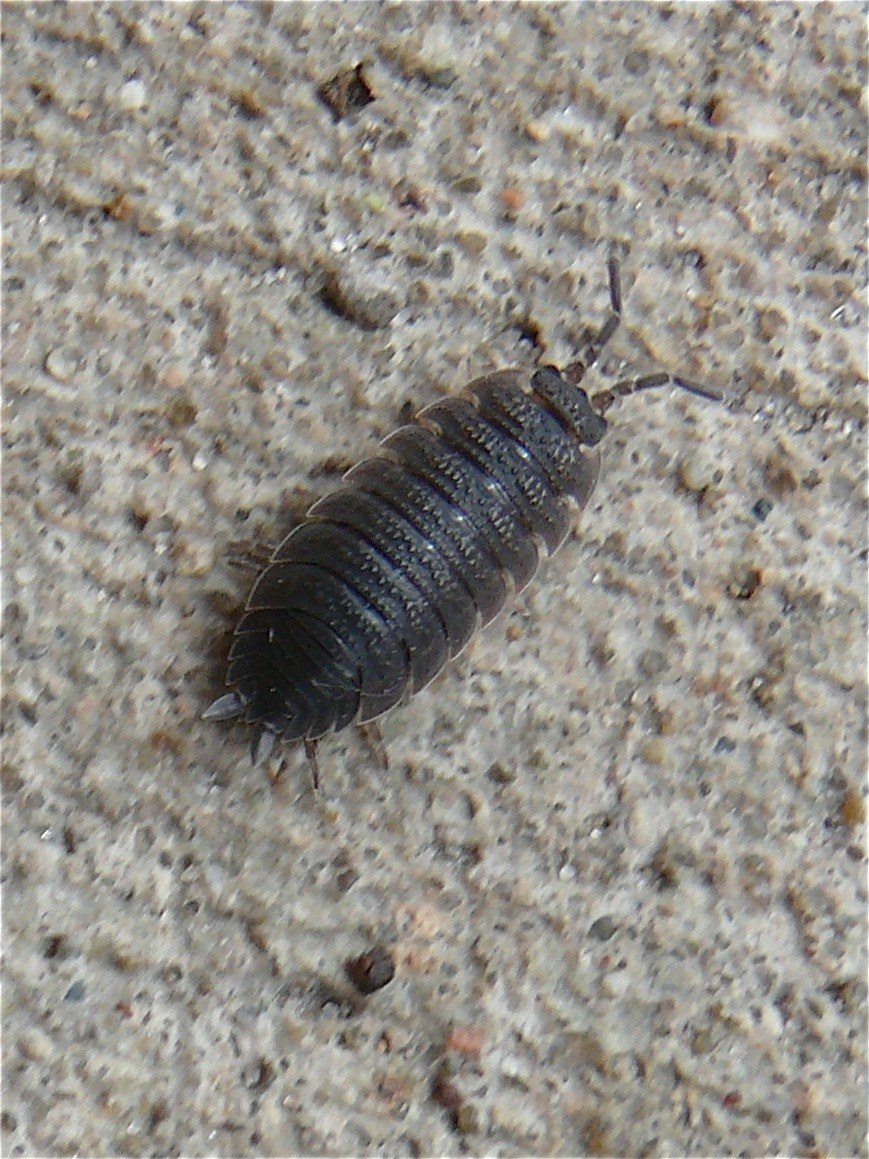
Sowbug
Leaf litter, under rocks/logs, damp garden soil, basements
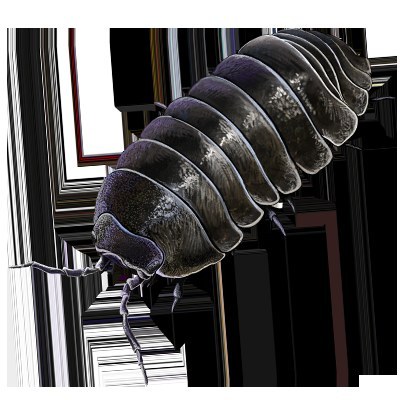
Pill Bug
Damp soil, leaf litter, under rocks and logs, garden beds
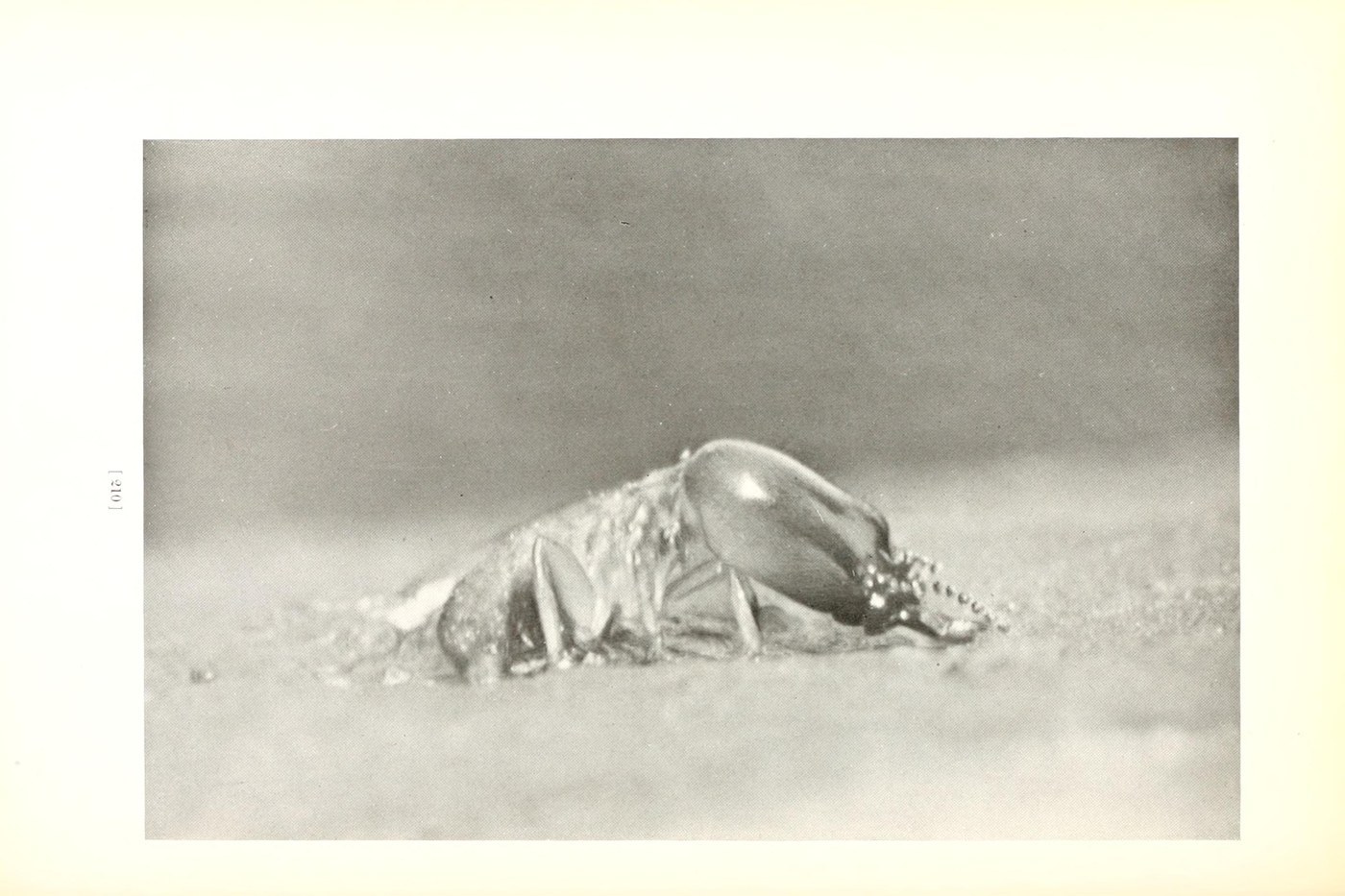
Termite
Soil, decaying wood, tree stumps, and wooden structures
Termite Swarmer
Emerges from underground or wood-nesting colonies, often near structures and moist soil
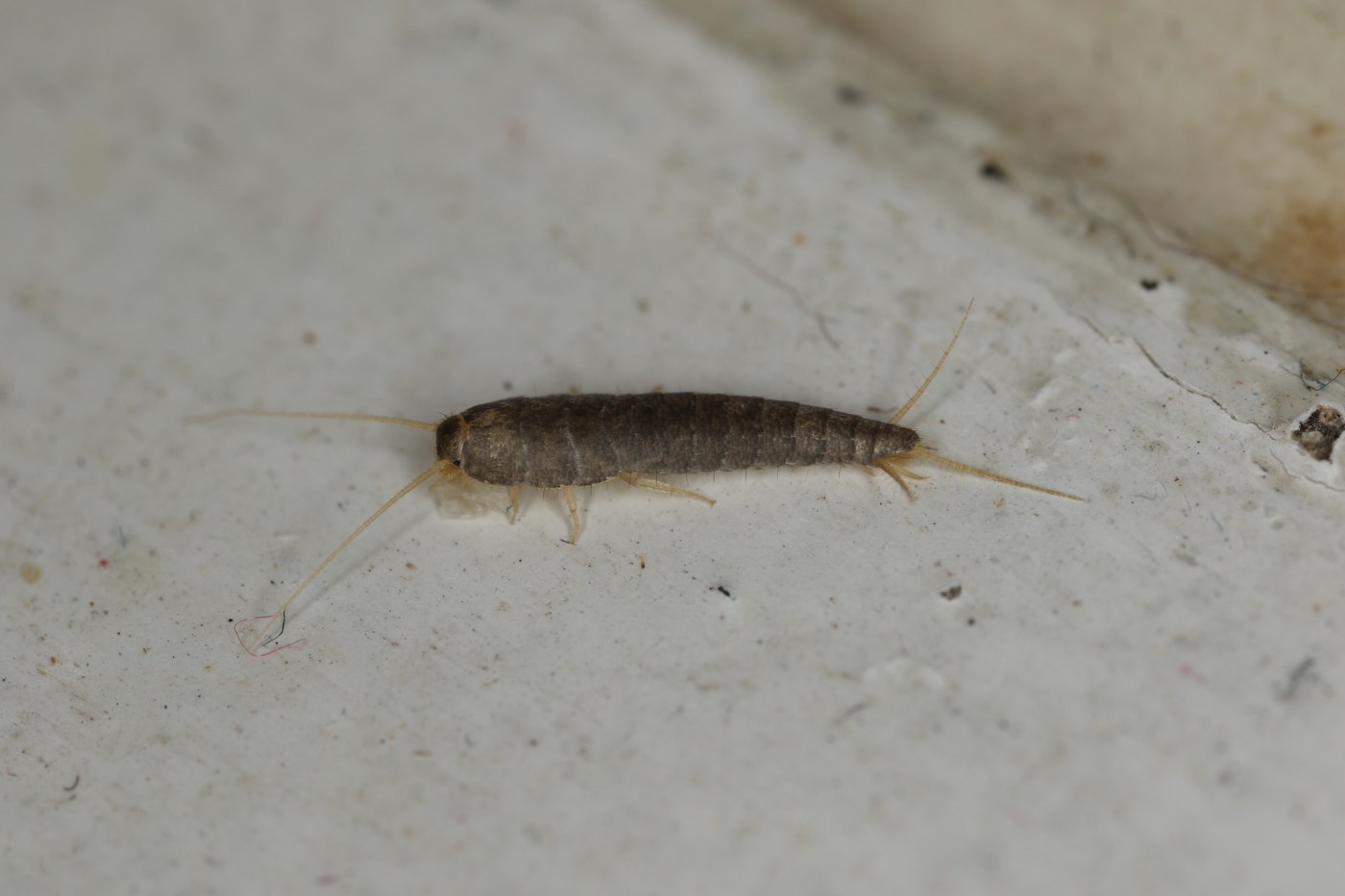
Silverfish
Damp basements, bathrooms, closets, and dark indoor crevices