
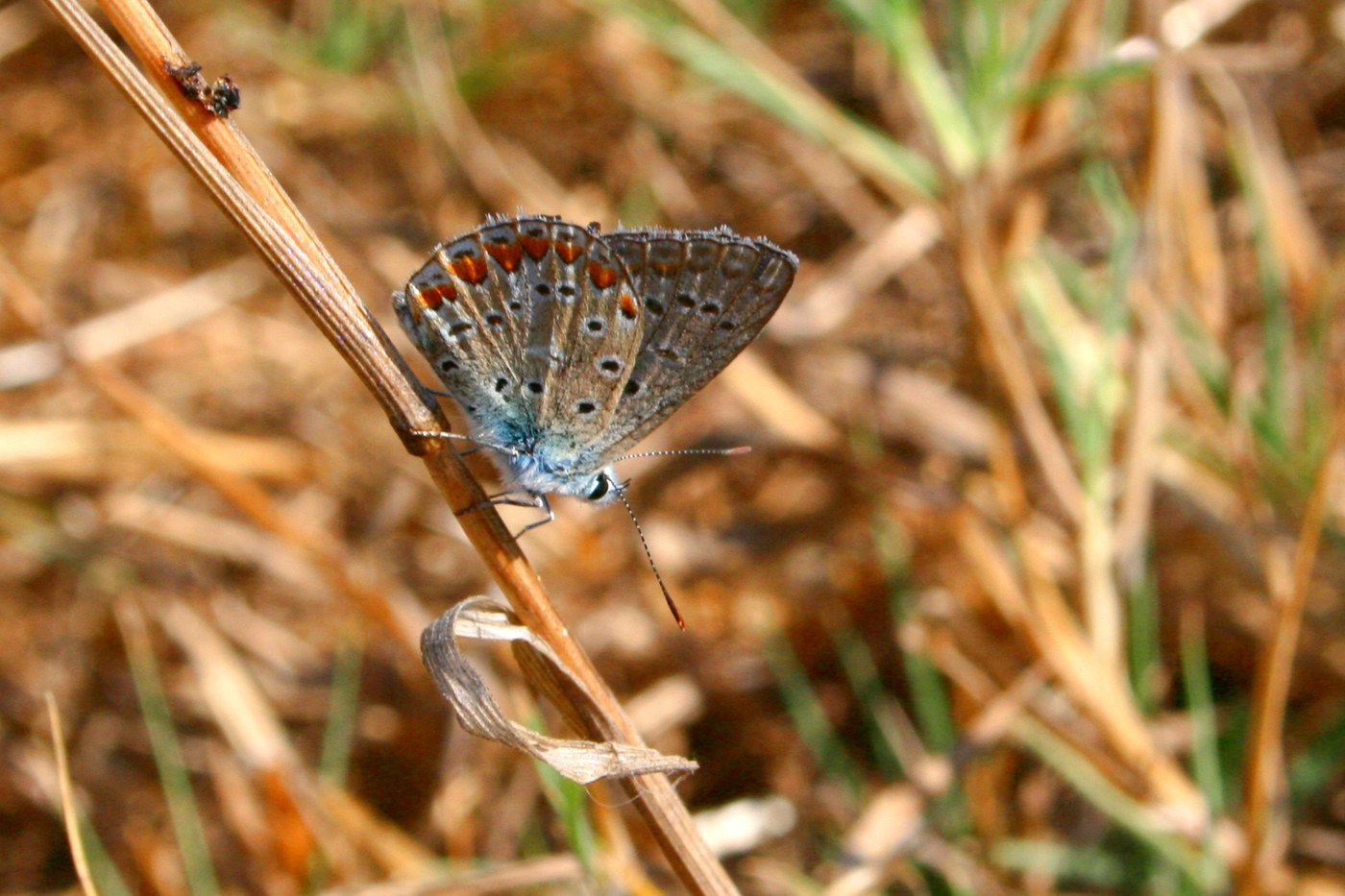
Common Blue
Polyommatus icarus
A small, sun-loving butterfly whose males flash brilliant violet-blue wings while females wear warm brown with a scattering of orange spots.
- Size
- 2.4–3.4 cm wingspan
- Habitat
- Grassy meadows, roadsides, coastal dunes, and waste ground
- Danger
- Harmless
Spotted a bug like this?
Identify any bug or insect from a photo, free.
Overview
The Common Blue is one of the most widespread and familiar members of the family Lycaenidae (the gossamer-winged butterflies) across Europe, temperate Asia, and North Africa. Despite its plain name, it is prized by butterfly watchers for the vivid, iridescent blue of the male's upperwings, which shimmer in direct sunlight as the insect basks or patrols low over grassland.
As a classic 'blue,' it belongs to a large subfamily (Polyommatinae) whose caterpillars often have intimate relationships with ants, and the Common Blue is no exception, its larvae being tended and protected by ants in exchange for sugary secretions.
Because it thrives in almost any patch of unmown grass containing its larval host plants, the Common Blue is often the first 'blue' butterfly a naturalist learns to identify, serving as a gateway species into the more difficult-to-separate blue butterfly complex.
How to Identify
- Small, delicate butterfly with rounded wings; males show bright, iridescent violet-blue uppersides with a narrow dark wing border and white fringe.
- Females are typically brown above with a variable dusting of blue scaling near the body and a row of orange lunules (crescent spots) along the outer margins of all four wings.
- Undersides of both sexes are pale grey-brown to buff, patterned with small black spots ringed in white and a marginal band of orange crescents, which is the best mark for confirming identity when wings are closed.
- Antennae are black and white banded (checkered), ending in a small club.
- Lookalikes include other blues such as the Adonis Blue and Chalkhill Blue, separated by finer details of underside spot pattern and habitat preference.
Habitat & Range
Common Blues occupy virtually any open, sunny, grassy habitat: unimproved meadows, chalk downland, roadside verges, coastal dunes, hedgerow margins, and waste ground, wherever legumes such as bird's-foot trefoil grow. The species ranges across nearly all of Europe, North Africa, and temperate Asia into central Asia. Adults are on the wing from late spring through early autumn, with multiple broods in warmer regions, and they are most active on sunny, calm days, often gathering to bask with wings spread on low vegetation or bare ground.
Behavior & Diet
Males patrol low over grass in search of mates and are territorial, chasing off rival males and other small butterflies. Adults feed on nectar from a wide range of low-growing flowers, particularly members of the pea family. The caterpillars feed on legume foliage, especially bird's-foot trefoil, clovers, and vetches, and are known for a mutualistic relationship with ants, which guard the larvae in exchange for a sugary secretion produced by a specialized gland. This ant association reduces predation and is a notable ecological feature of many blue butterfly species.
Life Cycle
Eggs are laid singly on the leaves or growing tips of legume host plants. The caterpillar is slug-shaped and green, feeding on foliage, flowers, and seed pods while often tended by ants. Depending on climate, the species produces two to three generations per year, with the final generation's caterpillars overwintering while partly grown, sheltered near the ground. Pupation occurs in a chrysalis formed at or near ground level, sometimes inside an ant nest, before adults emerge to begin the cycle again.
Frequently asked questions
Why are male and female Common Blues different colors?
This is sexual dimorphism: males display bright iridescent blue to attract mates and signal fitness, while females are camouflaged brown with orange markings, which helps conceal them while egg-laying on host plants.
Is the Common Blue the same as other blue butterflies?
No, it is one of many species in the blue butterfly group (Lycaenidae); it is distinguished from close relatives like the Adonis Blue by underside spot patterns and habitat preference.
Where is the best place to see a Common Blue?
Look in sunny, unmown grassland with legumes such as bird's-foot trefoil, including meadows, downs, and roadside verges, especially on warm, calm days.
Do Common Blue caterpillars really associate with ants?
Yes, the caterpillars secrete a sugary substance that attracts ants, which in turn guard the larvae from predators, a mutualism common among lycaenid butterflies.
Common Blue guides
In-depth guides for identifying, understanding, and living alongside Common Blue.
Common Blue identified by the community
Real finds identified with Bug Identifier.



Other bugs you may enjoy
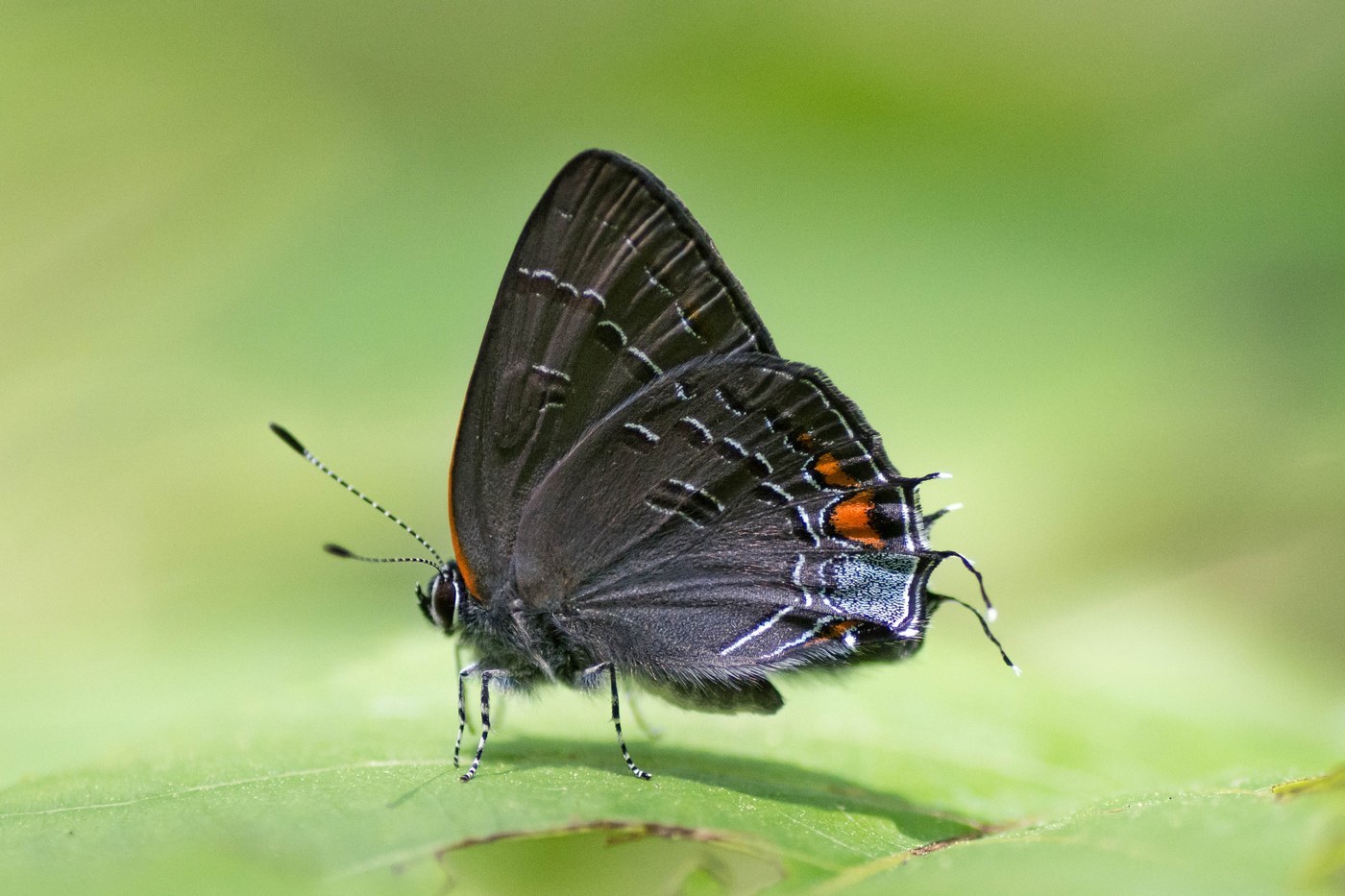
Banded Hairstreak
Deciduous woodlands and edges with oaks and hickories
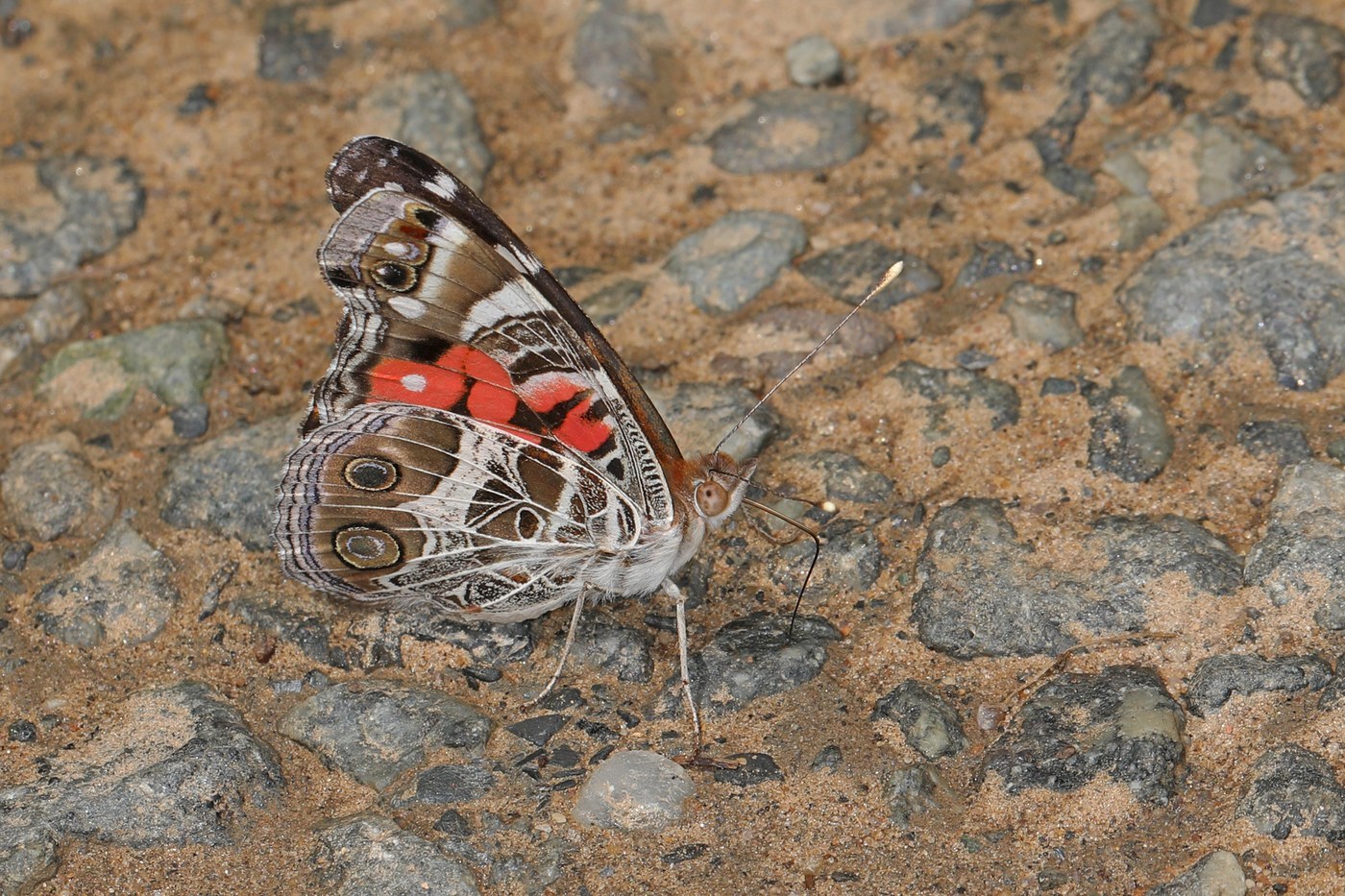
American Lady
Open fields, meadows, gardens, roadsides
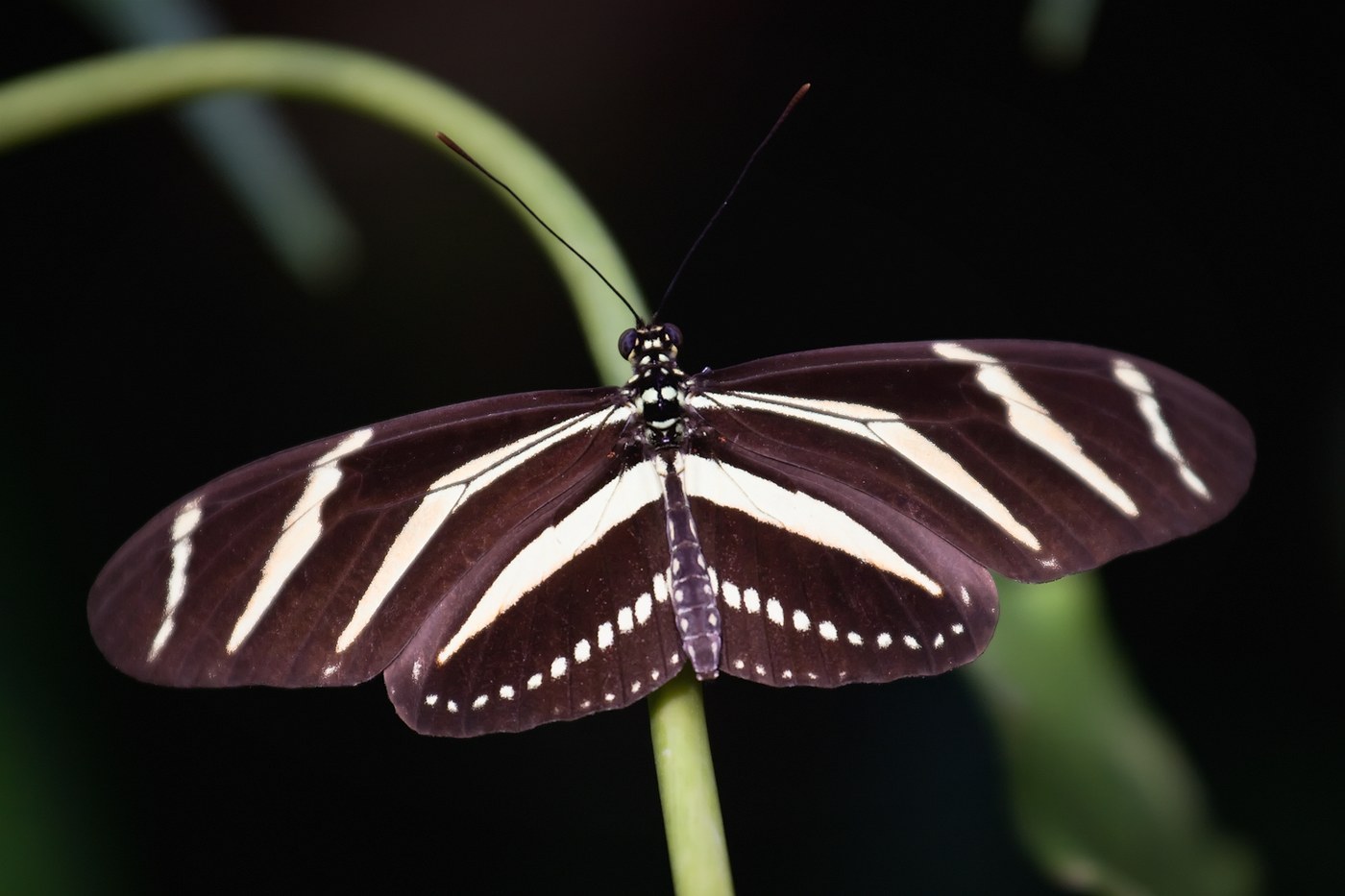
Zebra Longwing
Tropical hammocks, gardens, forest edges
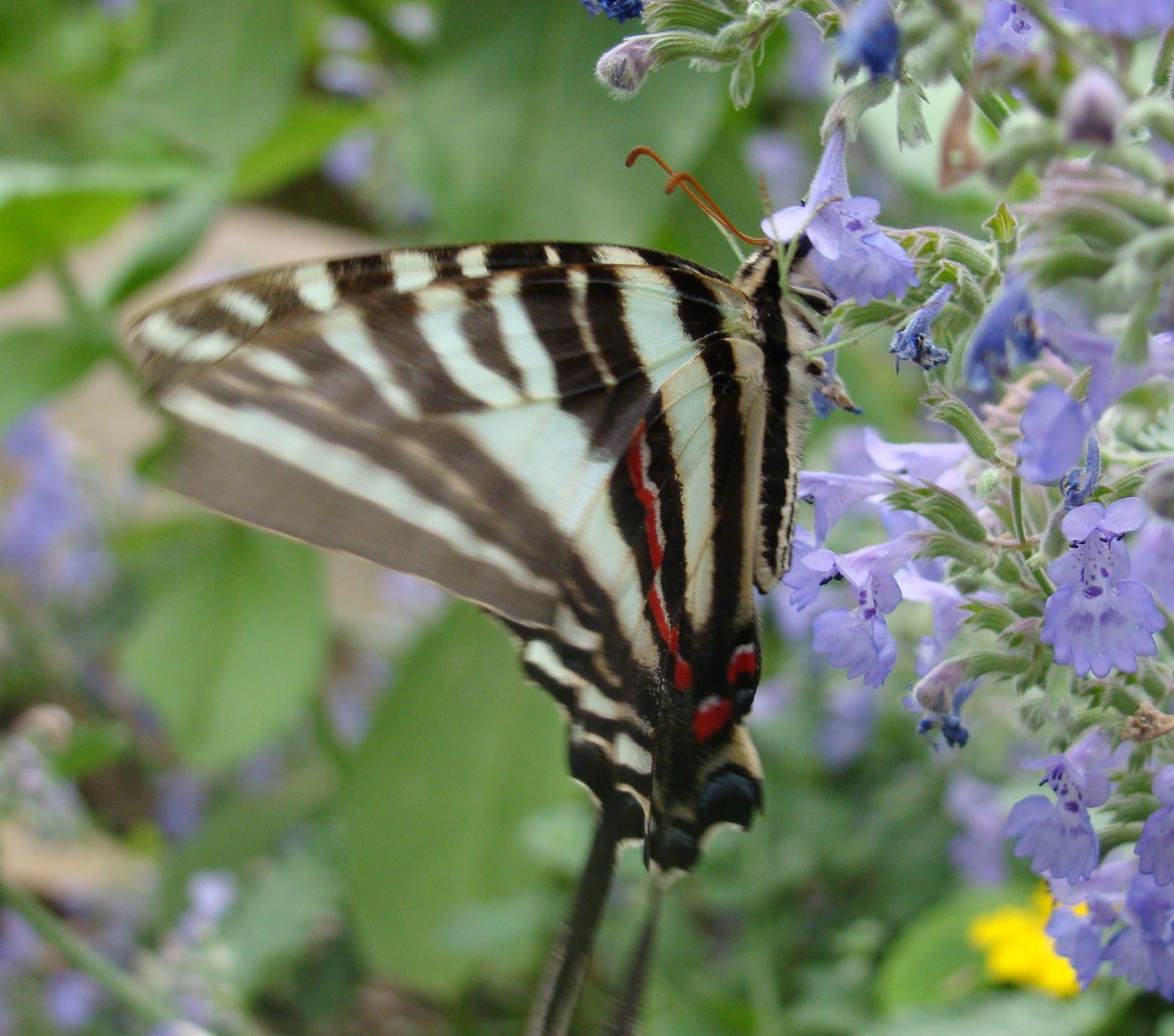
Zebra Swallowtail
Woodlands, floodplains, forest edges near pawpaw
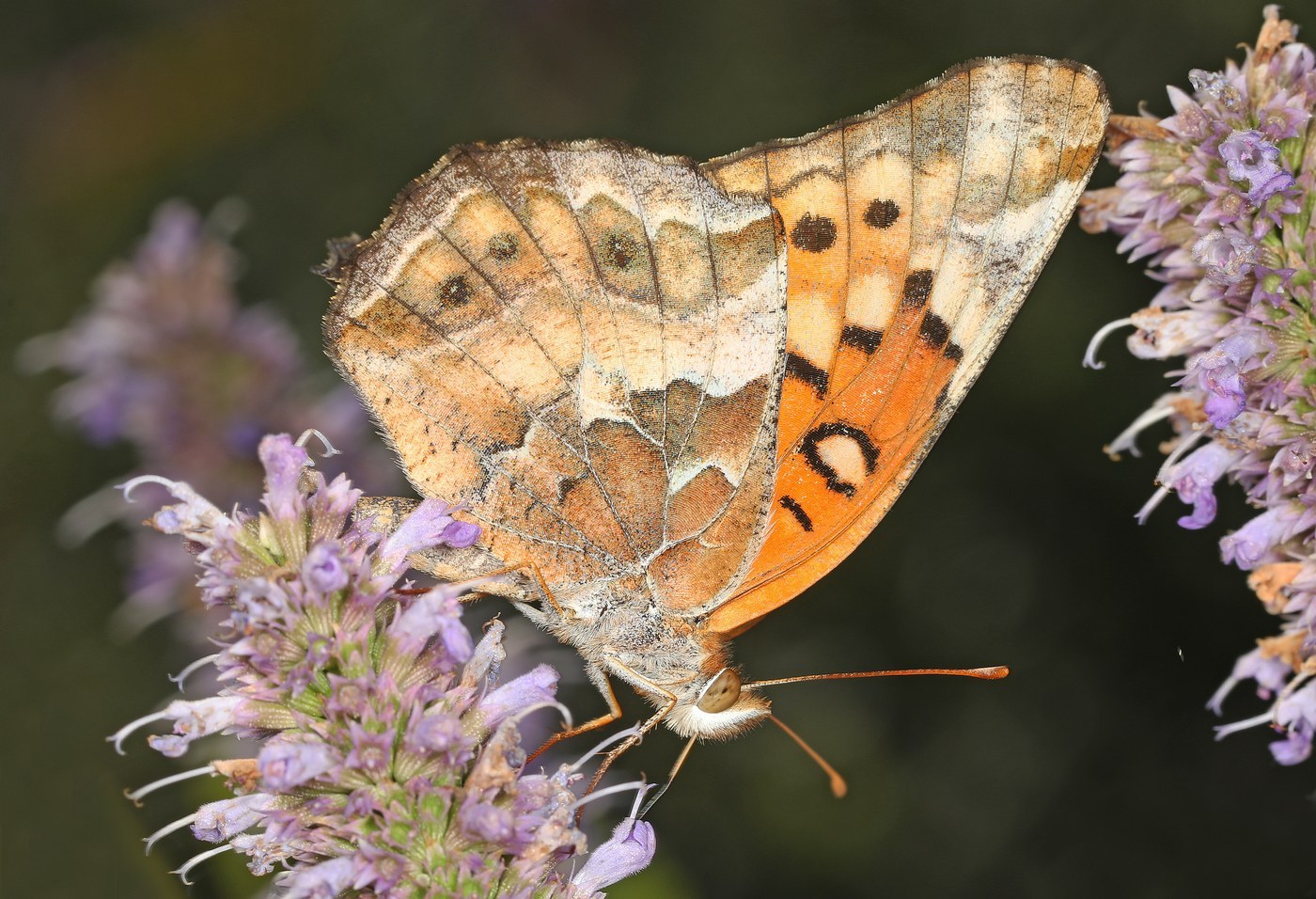
Variegated Fritillary
Open fields, prairies, roadsides, and disturbed ground across most of the United States
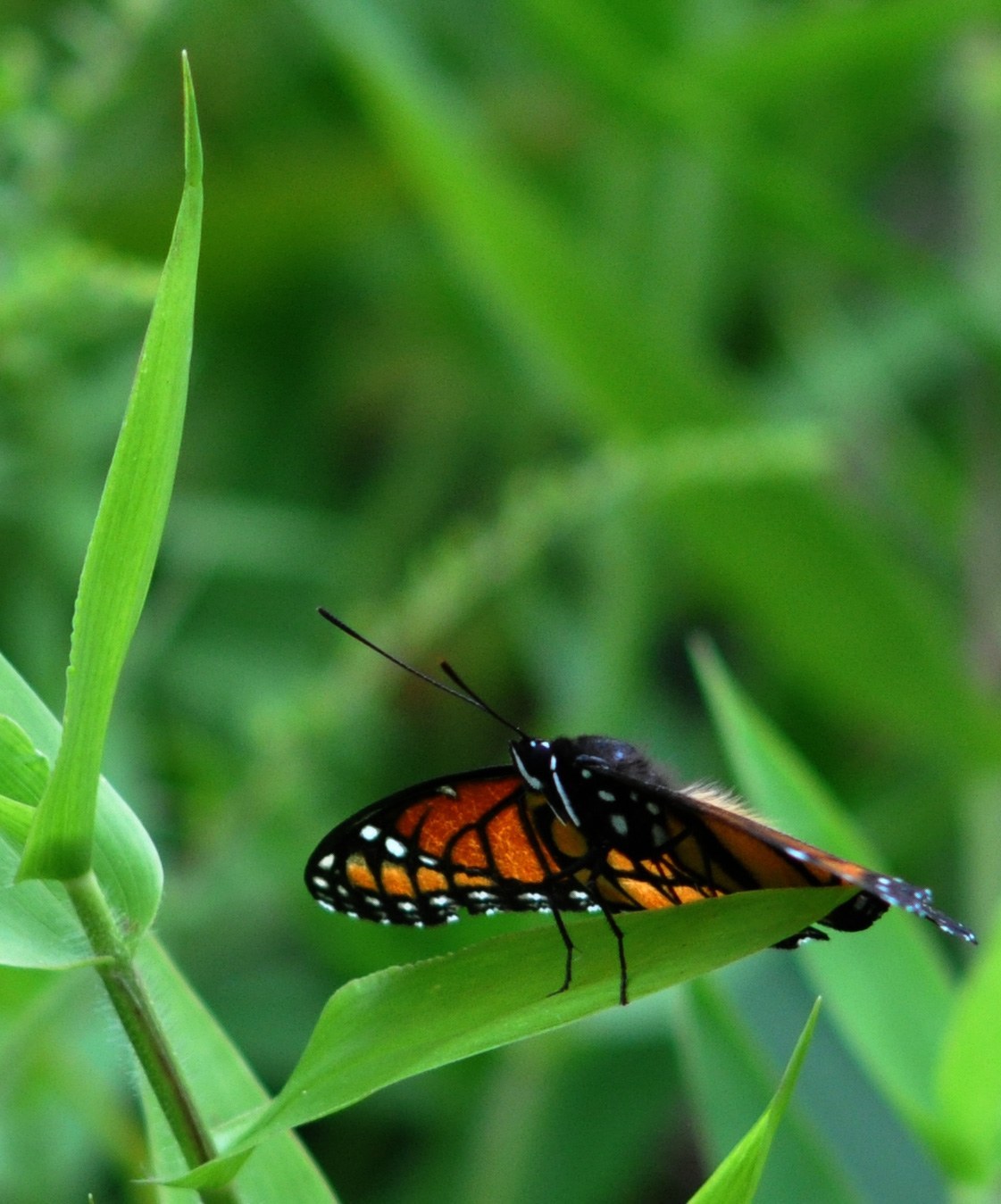
Viceroy Butterfly
Wetlands, meadows, riverbanks, willow thickets (North America)
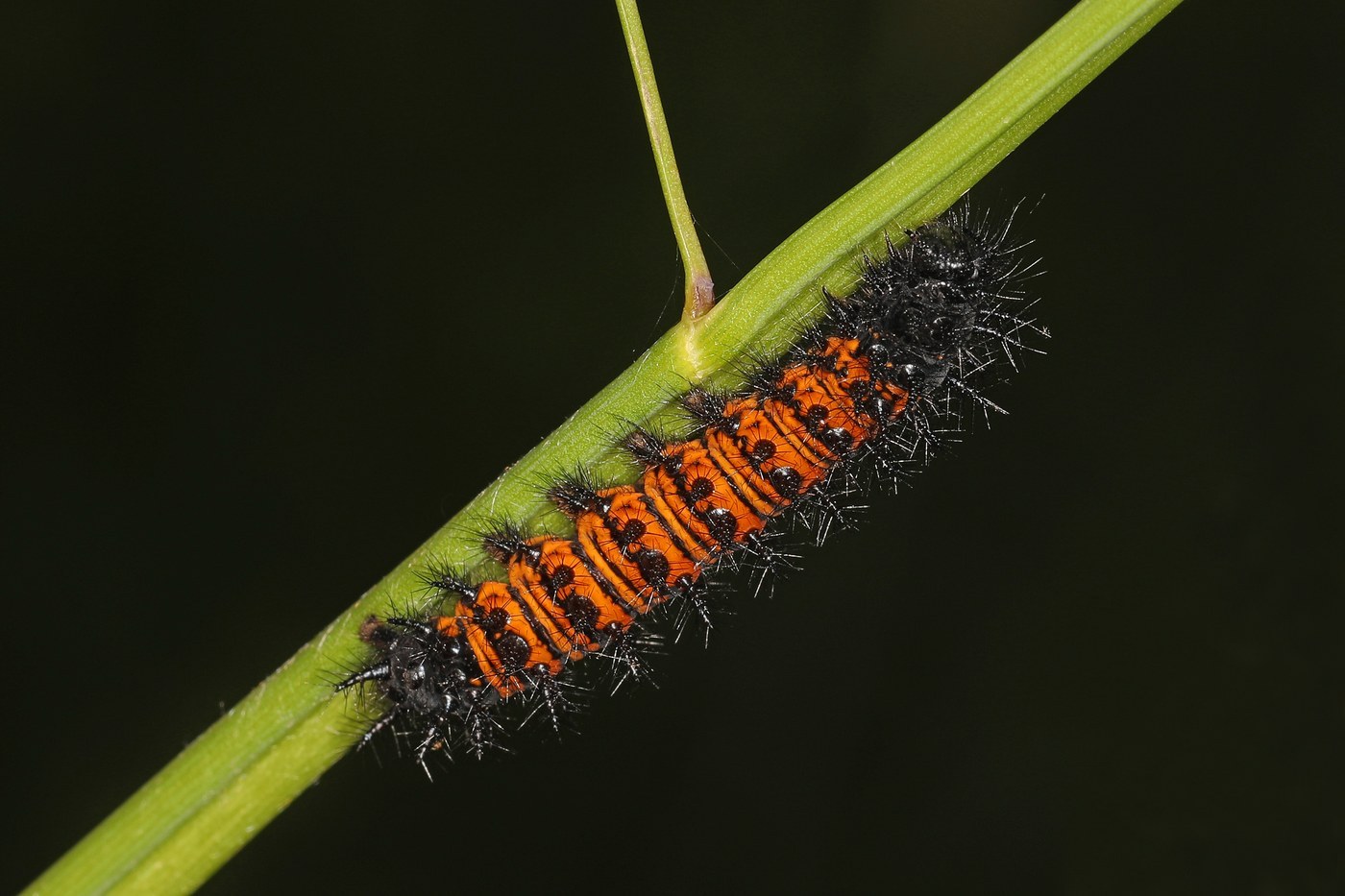
Baltimore Checkerspot
Wet meadows, bogs, and marshy fields in the northeastern and Appalachian US
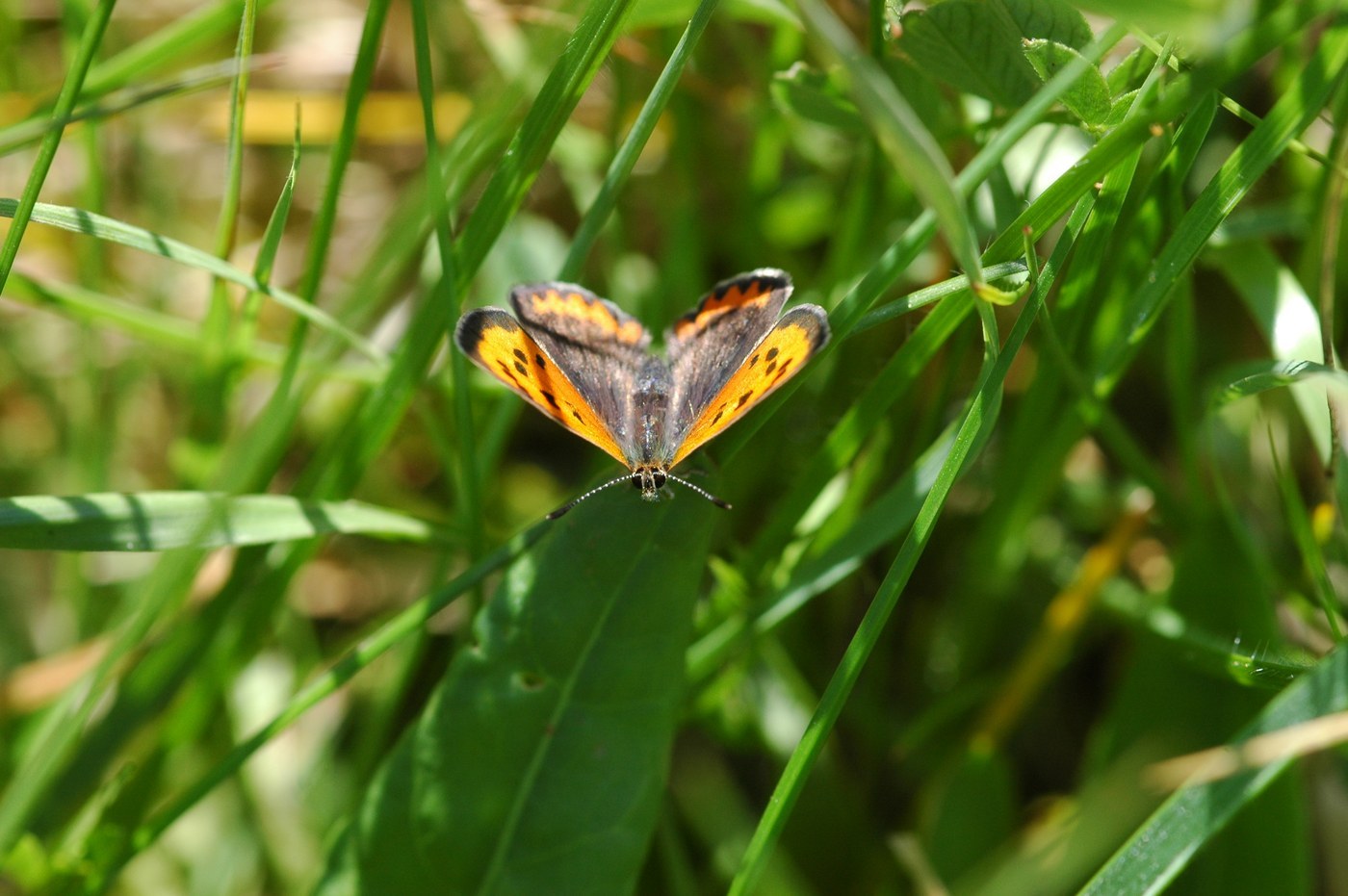
American Copper
Old fields, roadsides, and disturbed open ground with sorrel or dock
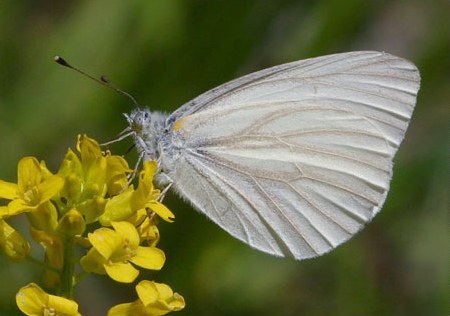
West Virginia White
Rich deciduous forest floors, especially near seeps and streams
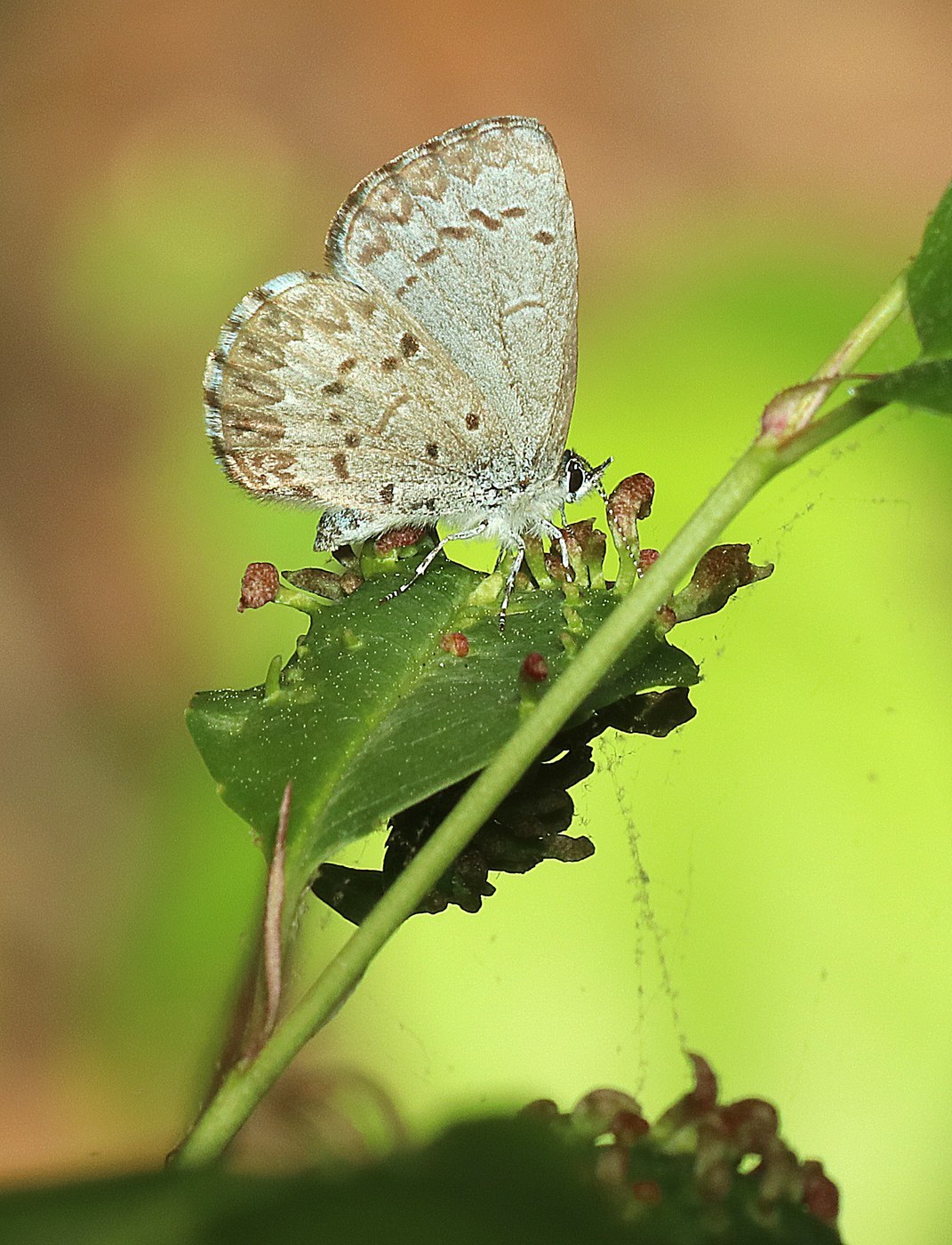
Spring Azure
Woodland edges, gardens, shrubby clearings
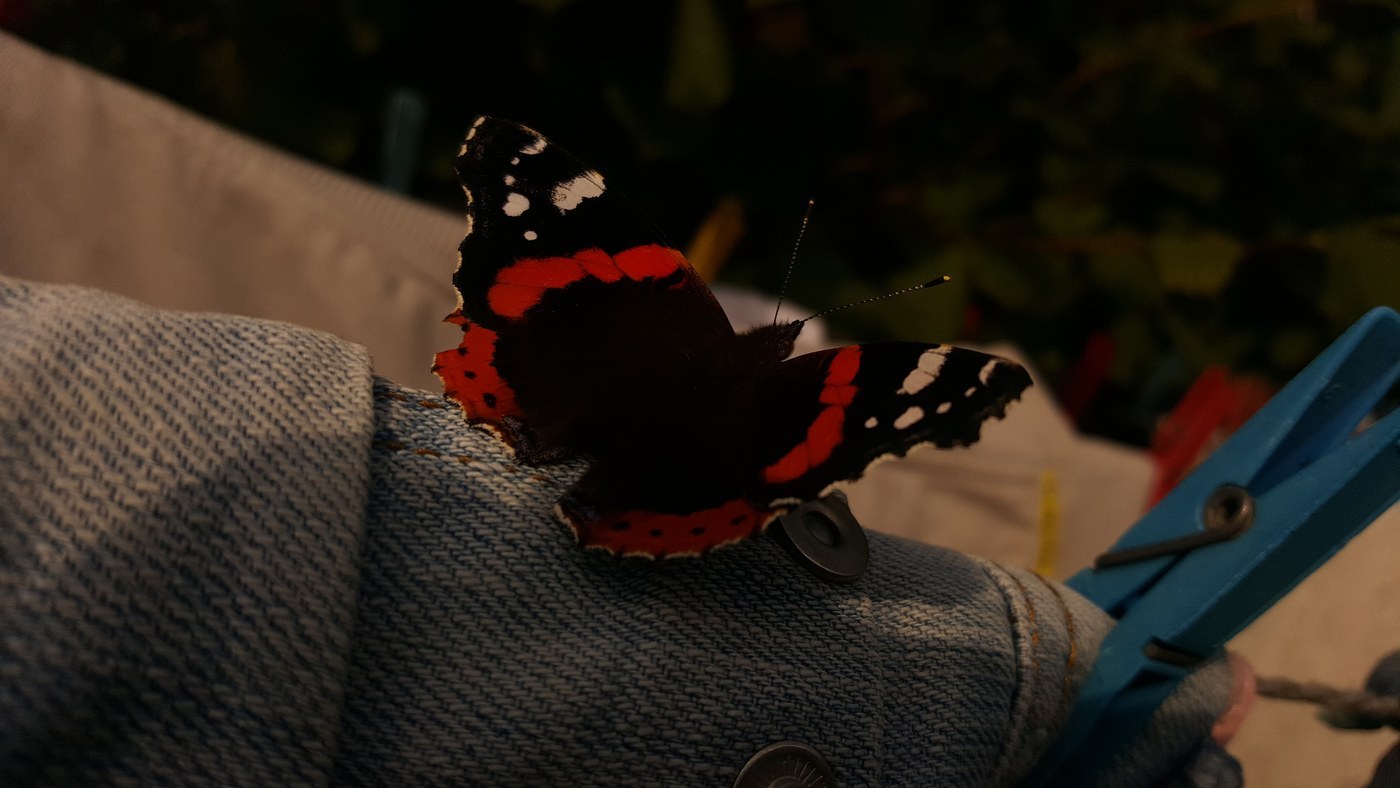
Red Admiral
Gardens, woodland edges, parks, meadows
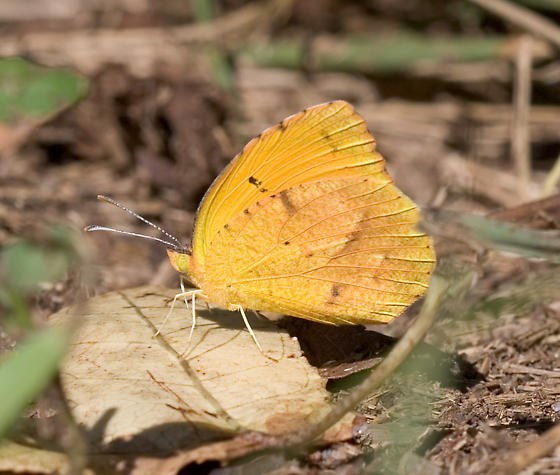
Sleepy Orange
Open woodland, fields, roadsides, and disturbed ground