
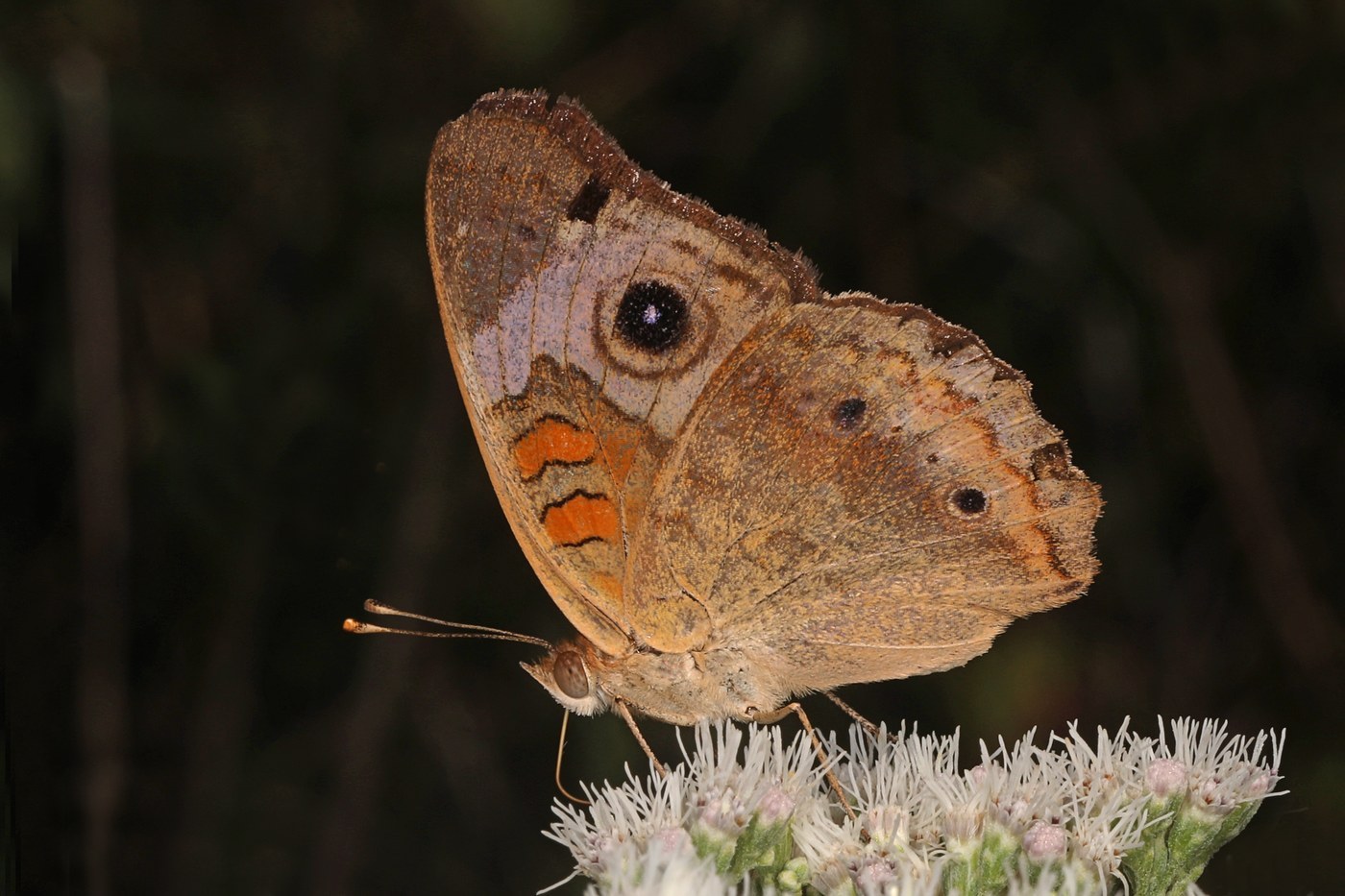
Common Buckeye
Junonia coenia
A medium-sized brown butterfly instantly recognizable by the large, colorful eyespots ringed in orange and blue on both its forewings and hindwings, thought to startle or deflect the attacks of predators.
- Size
- 4.5–6.8 cm wingspan
- Habitat
- Open fields, meadows, roadsides, gardens (North America)
- Danger
- Harmless
Spotted a bug like this?
Identify any bug or insect from a photo, free.
Overview
The common buckeye is a member of the brushfoot family (Nymphalidae) found throughout much of the United States, Mexico, and parts of southern Canada, especially common in open, sunny habitats. Its name comes from the striking large eyespots on its wings, which resemble the eye-like markings on a buckeye seed and are thought to serve a defensive function by startling potential predators or drawing an attack away from the more vulnerable body.
The species is a strong flier and partial migrant, with northern populations generally unable to survive cold winters and instead being repopulated each year by individuals moving up from milder southern regions, a pattern of seasonal range expansion and contraction rather than the round-trip migration seen in monarchs. Because of this, common buckeye numbers and range often increase noticeably later in the summer and into fall as populations build up and disperse northward.
The common buckeye is also of interest to researchers of butterfly wing pattern development, since its bold eyespots and consistent overall pattern have made it a useful model for studying how such patterns form and vary during development.
How to Identify
- Wingspan roughly 4.5–6.8 cm; wings are tan to brown overall with two orange bars near the base of the forewing.
- Large, unmistakable eyespots appear on both forewings and hindwings: a smaller one near the forewing tip and a larger one on the hindwing, each ringed in orange, black, and blue-lavender scaling.
- A pale, often white to cream, band crosses the forewing near the outer edge.
- Underside is more muted brown, sometimes with a rosy or pinkish tint in fall individuals, providing camouflage when wings are closed.
- Lookalikes: the mangrove and tropical buckeye species found in the far southern U.S. and tropics look very similar and require close comparison of eyespot size and wing shading to separate.
Habitat & Range
Common in open, sunny habitats including fields, meadows, roadsides, gardens, and disturbed ground across most of the continental United States, northern Mexico, and southern Canada in summer. It is especially abundant in the southern and central parts of its range, with populations expanding northward as the season progresses and warm weather allows successive generations to disperse. Adults are active from spring through fall, basking frequently on bare ground or low vegetation with wings spread open.
Behavior & Diet
Adults are strong, low, fast fliers that often bask with wings open on open ground or short vegetation, using the sun to warm their flight muscles. They feed on nectar from a variety of low-growing flowers, particularly composites such as asters, and are frequently seen puddling at damp soil or mud. The prominent eyespots are thought to function as a predator deterrent, either by mimicking the eyes of a larger animal or by directing a bird's strike toward the wing margin rather than the body, allowing the butterfly to escape with only wing damage.
Life Cycle
Complete metamorphosis with multiple generations per year, generally increasing in number as the season progresses and temperatures allow faster development. Eggs are laid singly on the leaves of host plants such as plantain, snapdragon relatives, and other low-growing herbs; caterpillars are dark, spiny, and mottled, feeding on the foliage of these hosts through several molts. Pupation occurs in a mottled brown chrysalis attached to a low plant stem, with the final fall generation in northern areas generally unable to survive winter, relying on recolonization from southern populations the following year.
Frequently asked questions
Why does this butterfly have such large eye-like markings on its wings?
The eyespots are thought to be a defensive adaptation that startles predators or redirects an attack toward the wing edge rather than the body.
Does the common buckeye migrate like the monarch?
Not in the same round-trip sense; instead, it tends to expand northward from warmer southern areas as the season progresses, with northern populations generally not surviving cold winters.
What plants do buckeye caterpillars eat?
They commonly feed on plantain, snapdragon-family plants, and other low-growing herbaceous hosts.
Where and when am I most likely to see one?
In open sunny habitats like fields and roadsides, most commonly from mid to late summer into fall as populations build up.
Common Buckeye guides
In-depth guides for identifying, understanding, and living alongside Common Buckeye.
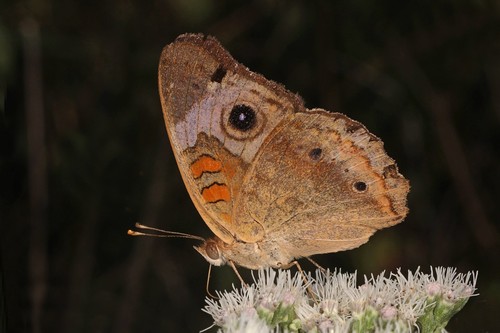
Common Buckeye identified by the community
Real finds identified with Bug Identifier.

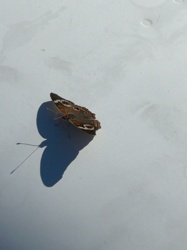
Other bugs you may enjoy
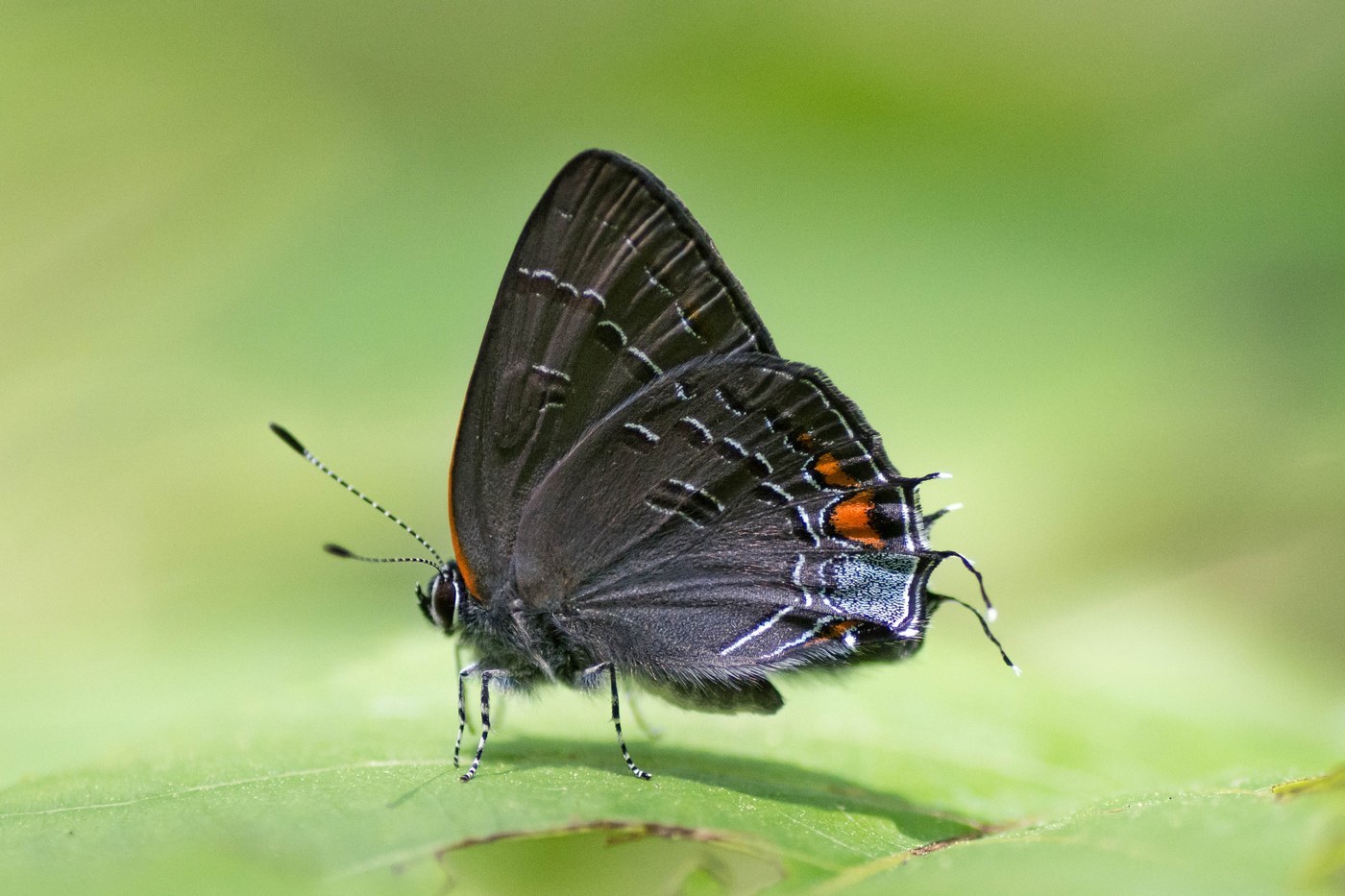
Banded Hairstreak
Deciduous woodlands and edges with oaks and hickories
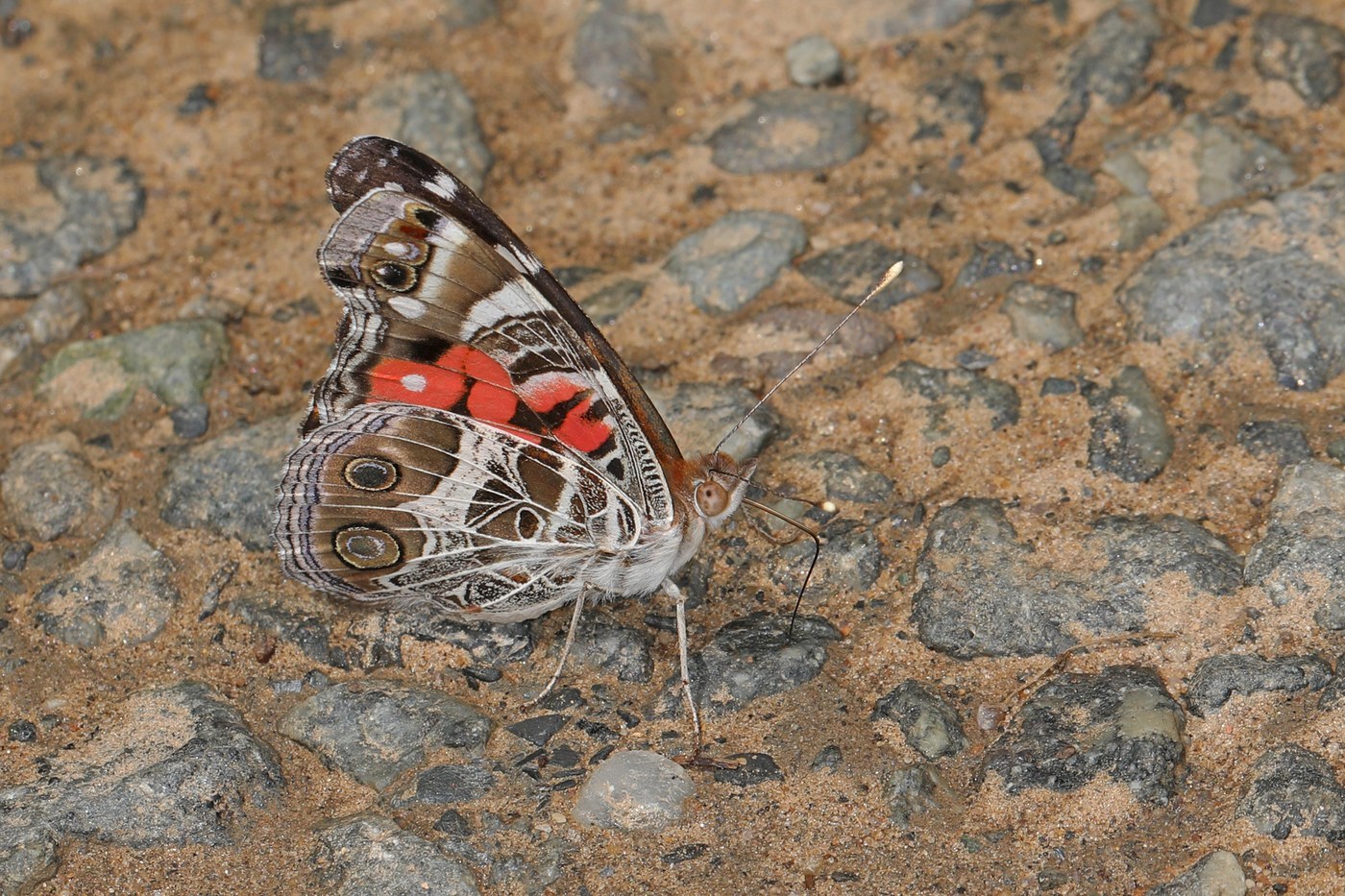
American Lady
Open fields, meadows, gardens, roadsides
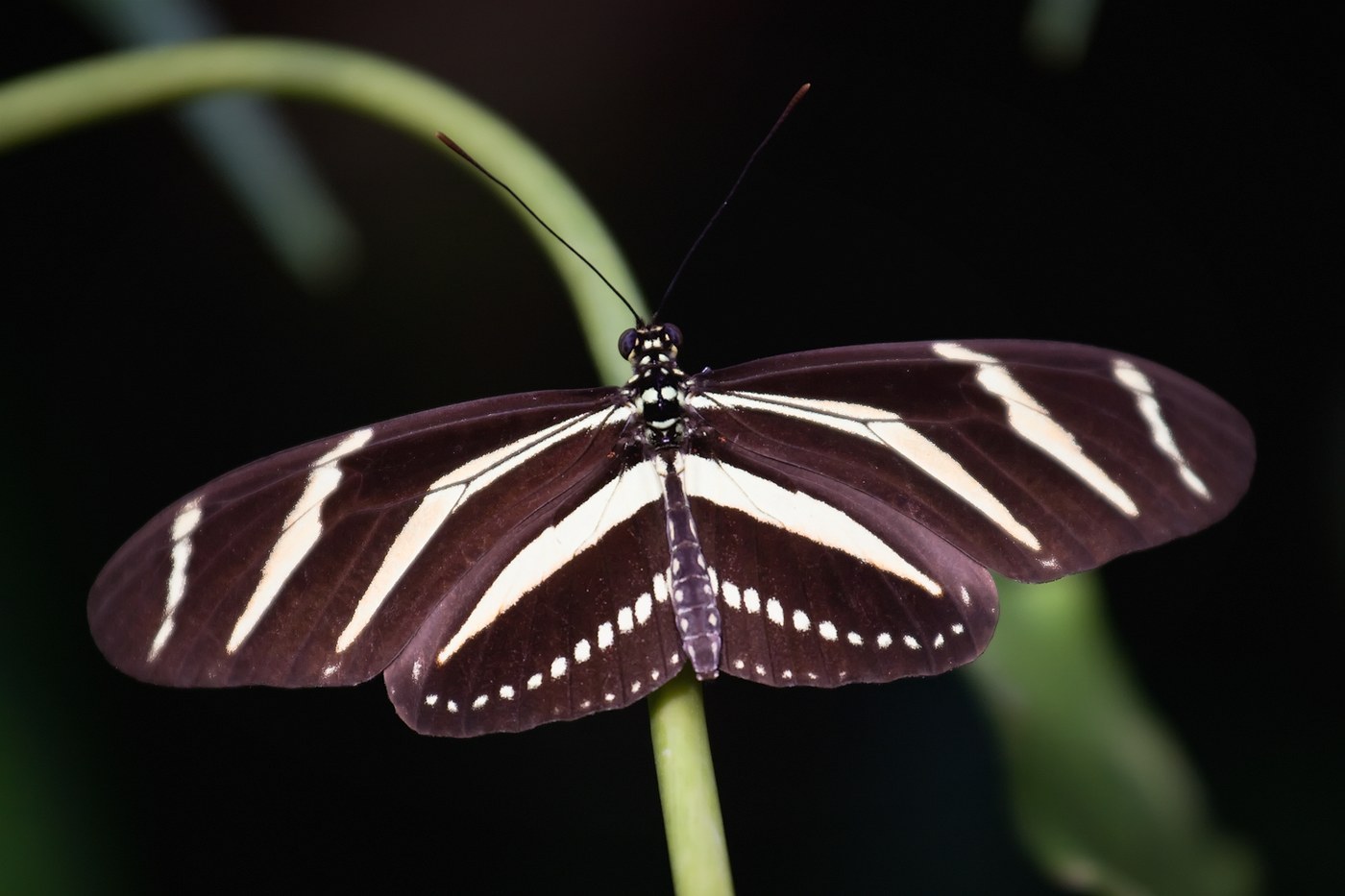
Zebra Longwing
Tropical hammocks, gardens, forest edges
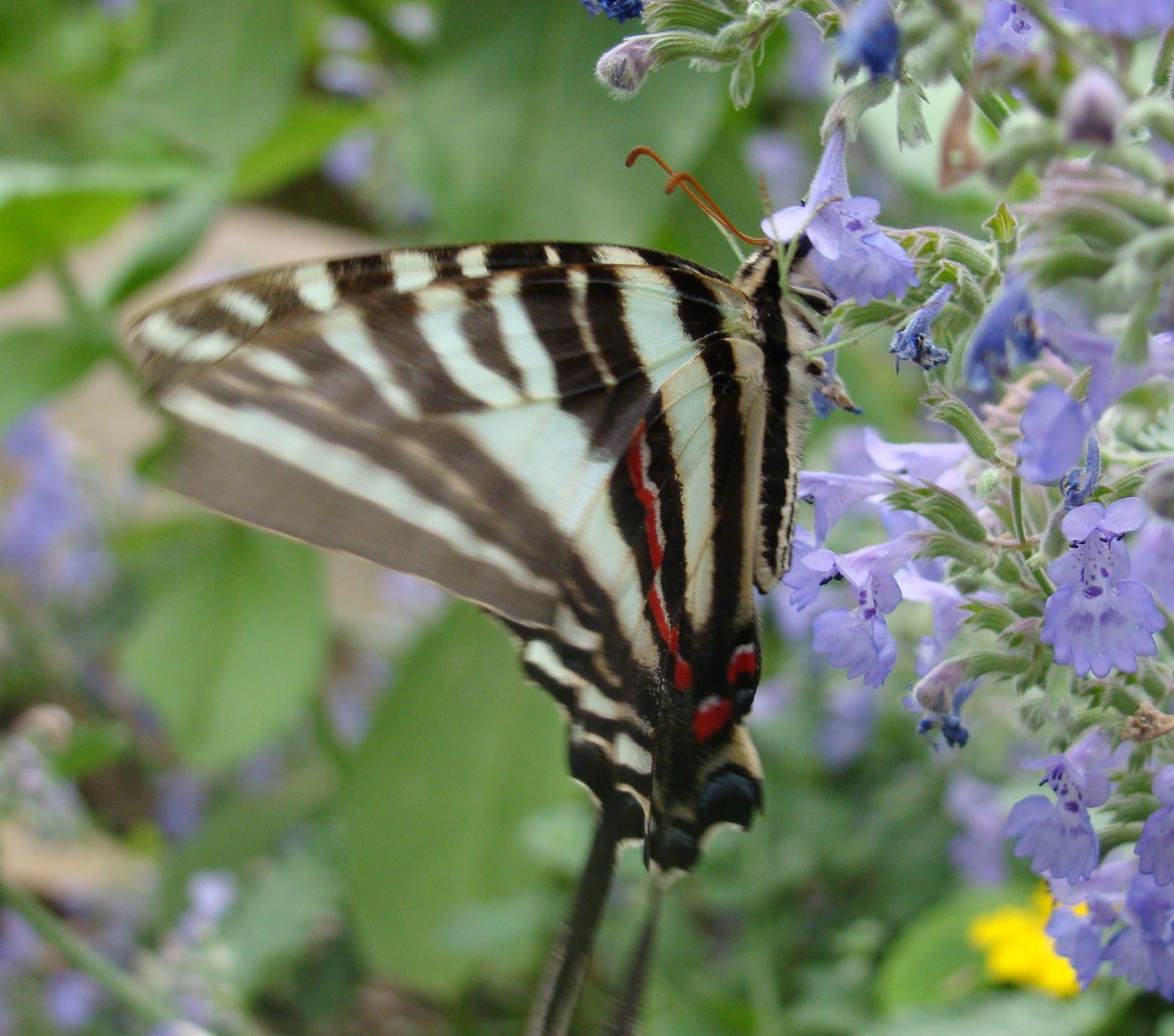
Zebra Swallowtail
Woodlands, floodplains, forest edges near pawpaw
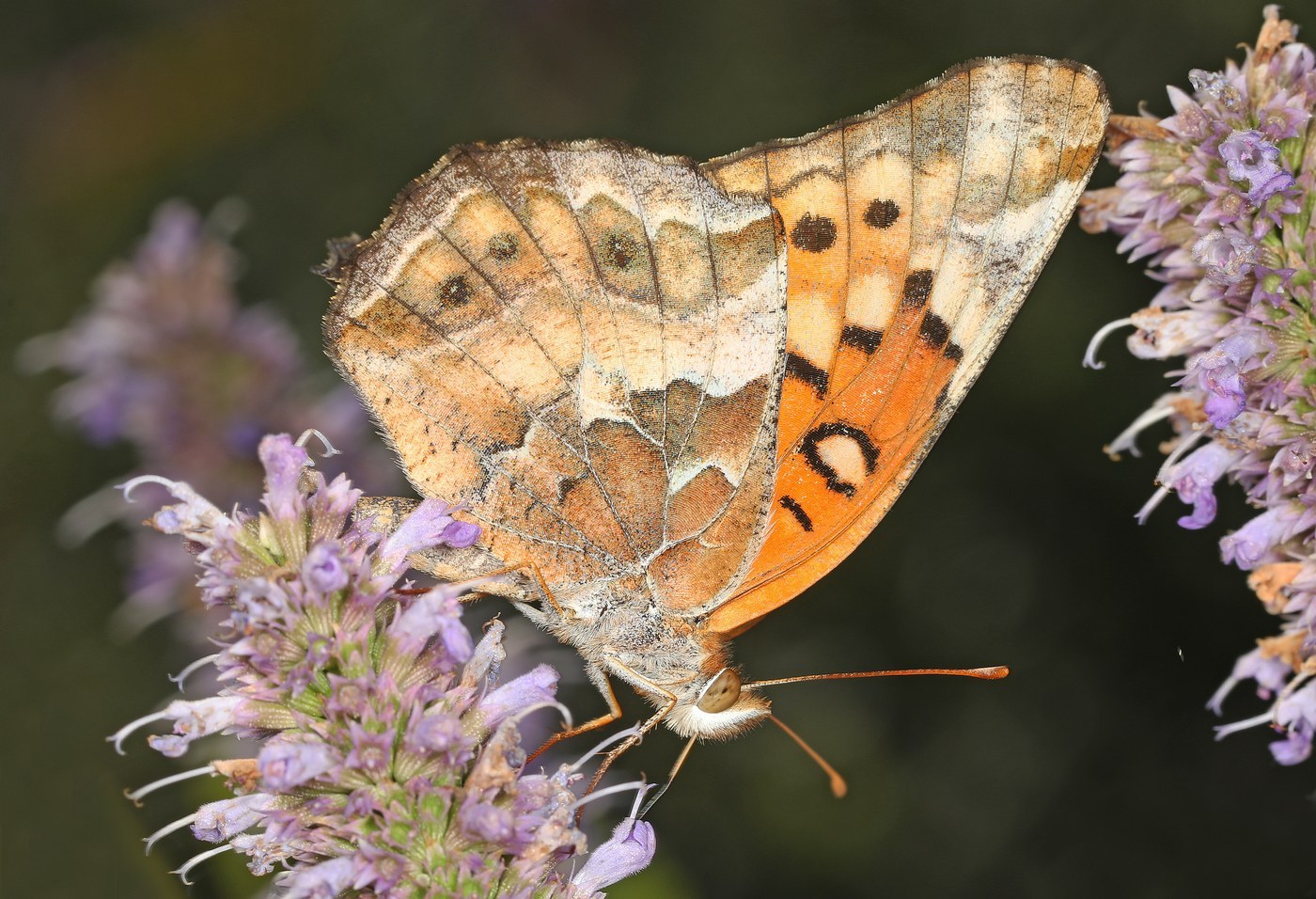
Variegated Fritillary
Open fields, prairies, roadsides, and disturbed ground across most of the United States
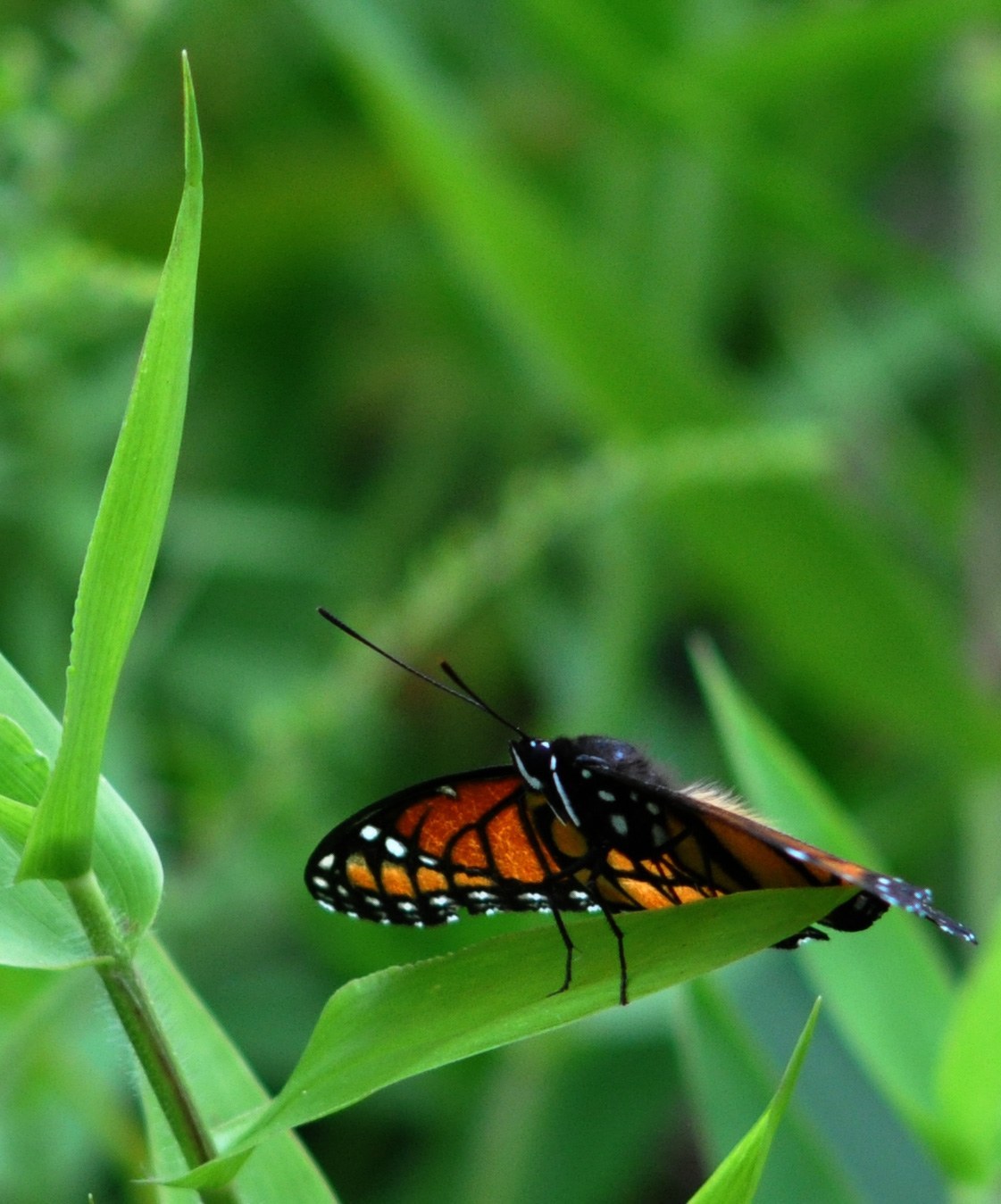
Viceroy Butterfly
Wetlands, meadows, riverbanks, willow thickets (North America)
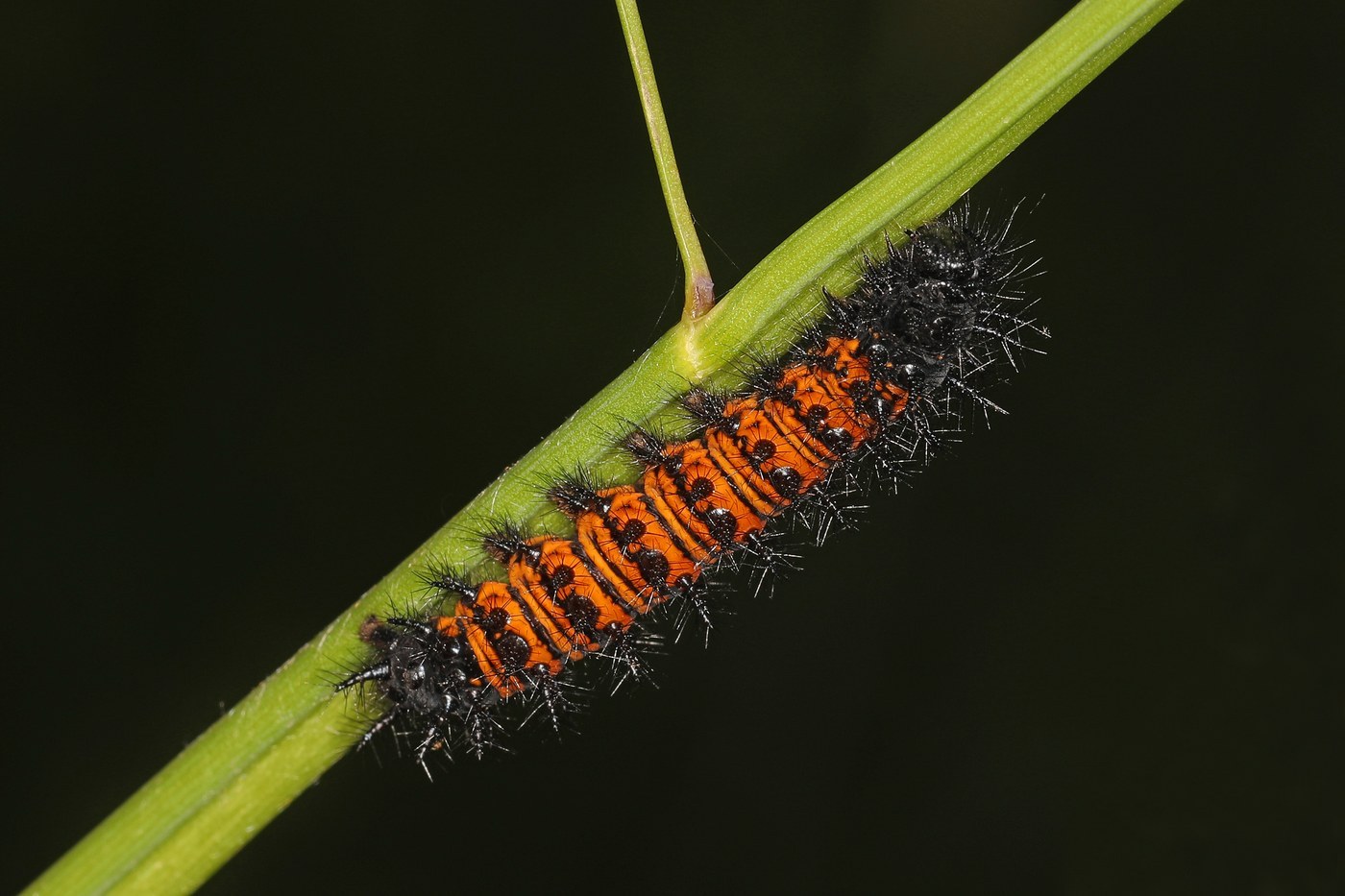
Baltimore Checkerspot
Wet meadows, bogs, and marshy fields in the northeastern and Appalachian US
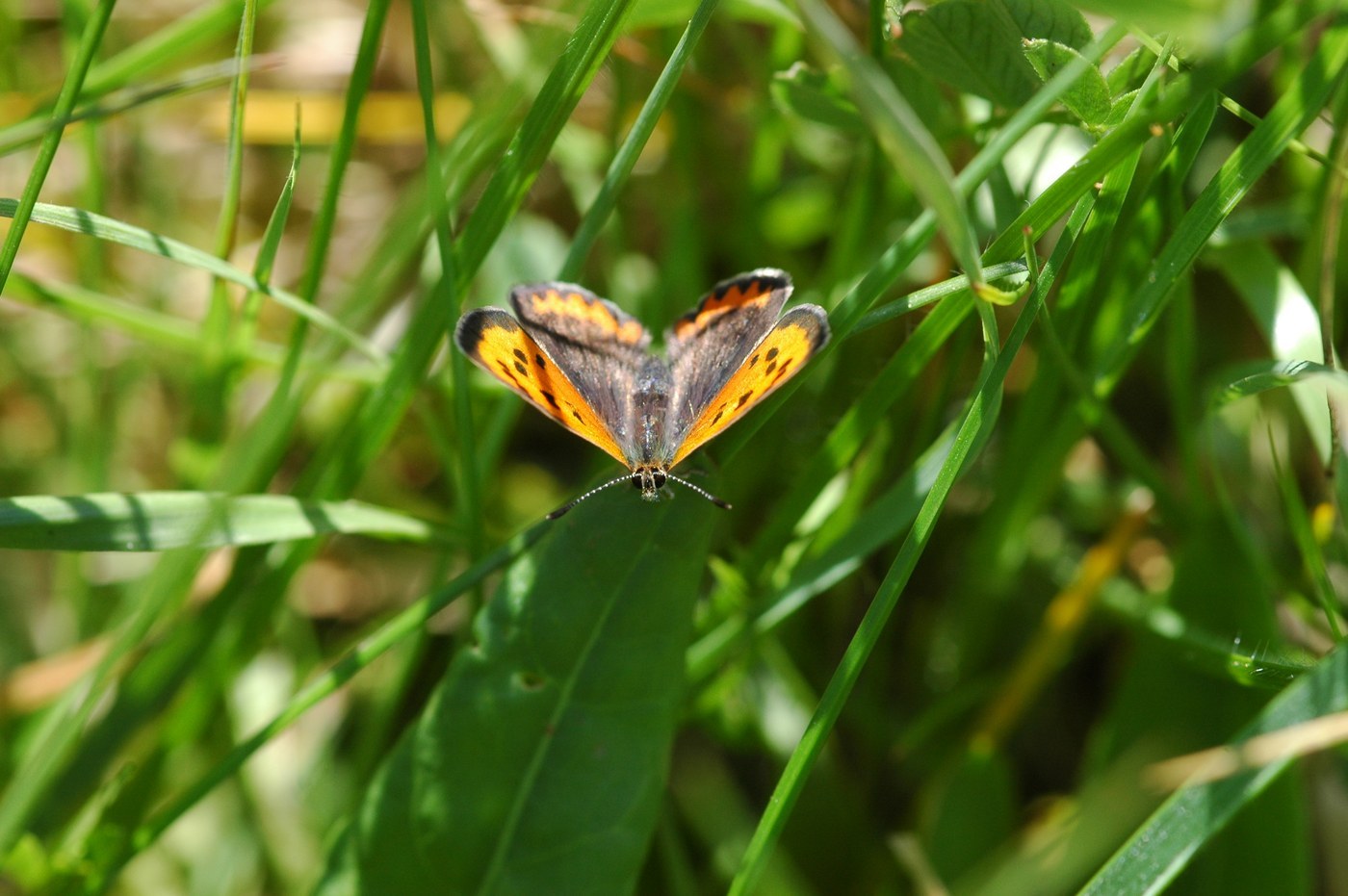
American Copper
Old fields, roadsides, and disturbed open ground with sorrel or dock
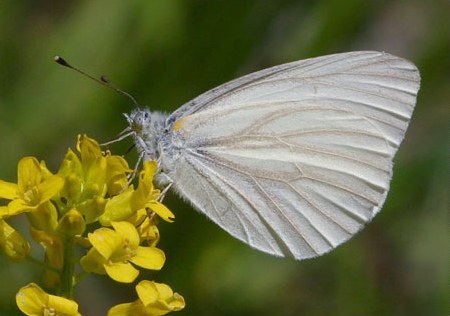
West Virginia White
Rich deciduous forest floors, especially near seeps and streams
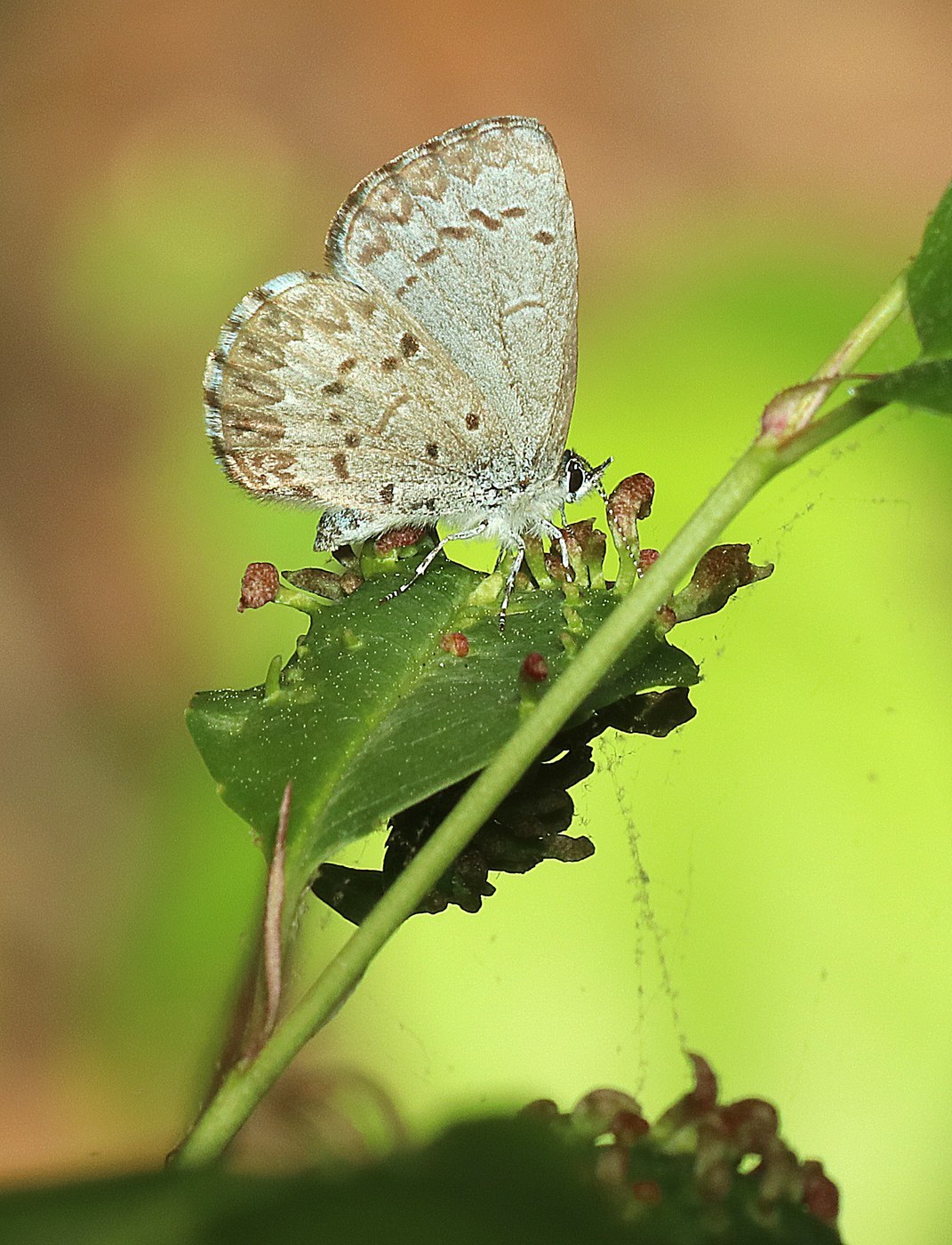
Spring Azure
Woodland edges, gardens, shrubby clearings
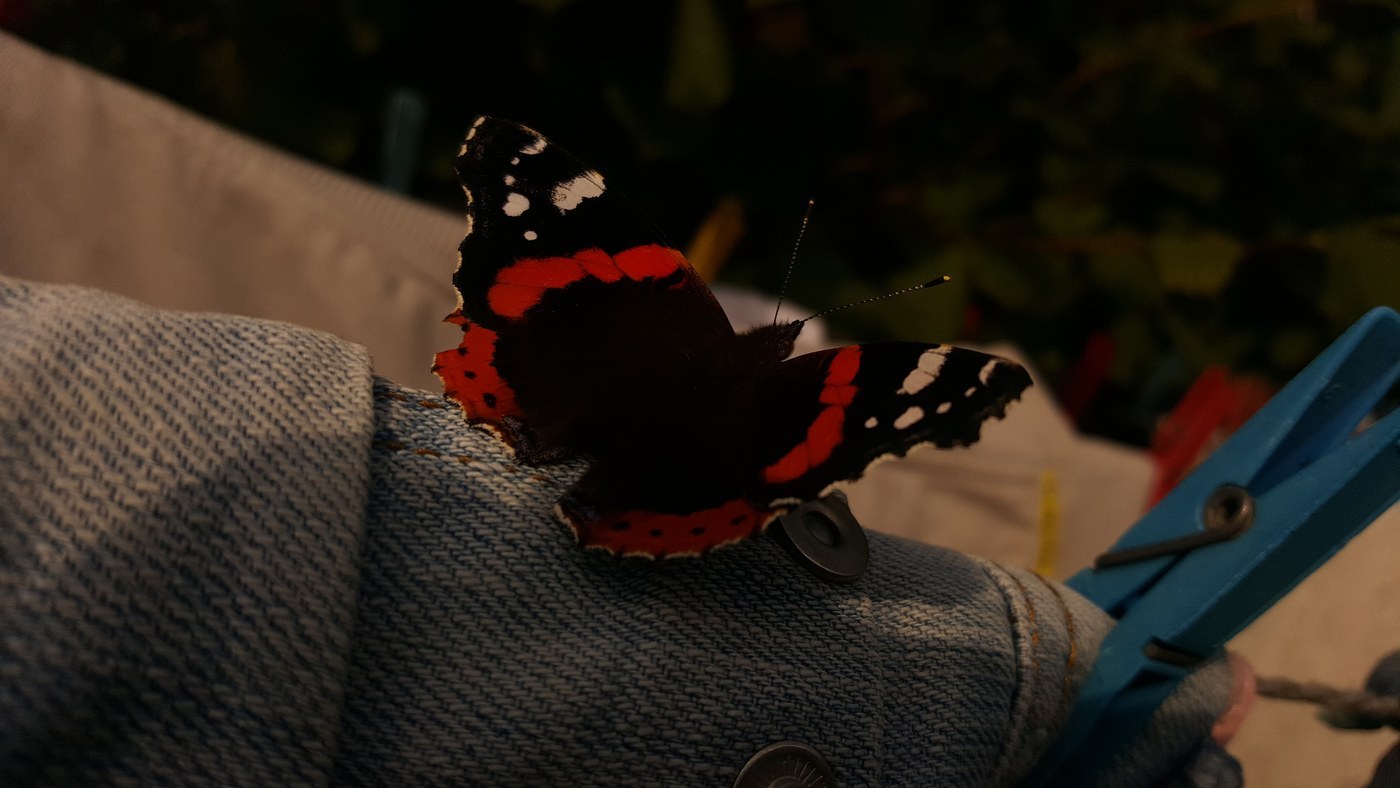
Red Admiral
Gardens, woodland edges, parks, meadows
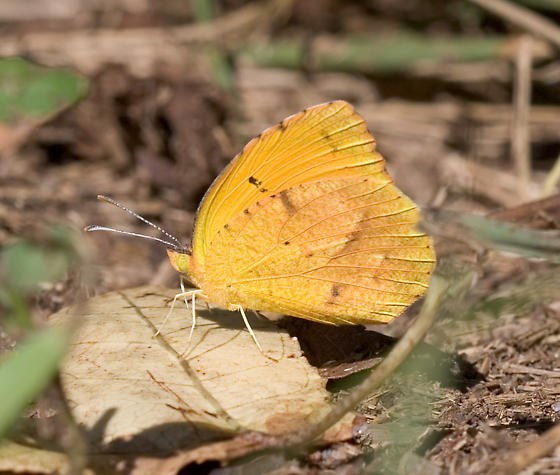
Sleepy Orange
Open woodland, fields, roadsides, and disturbed ground