
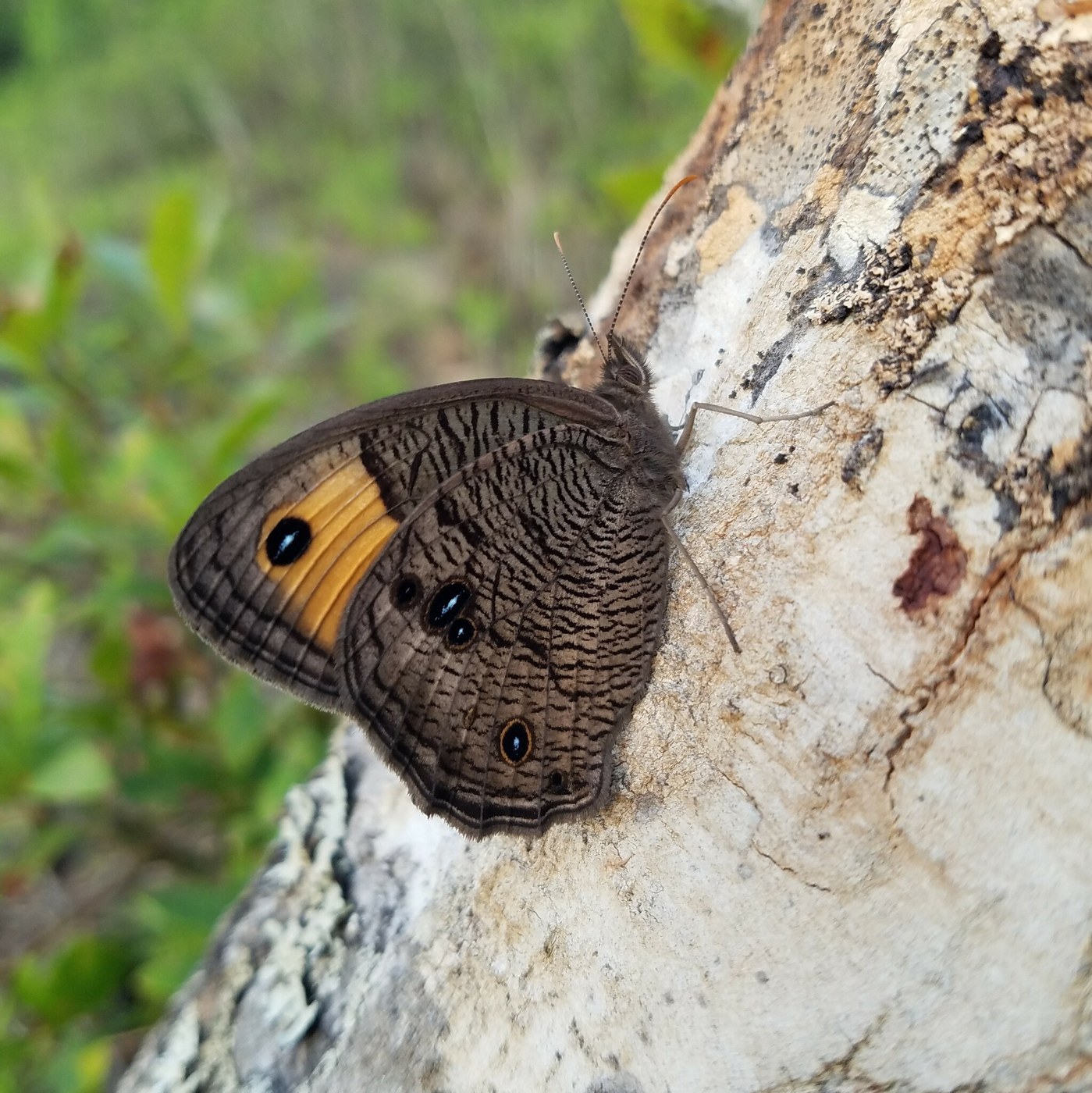
Common Wood-Nymph
Cercyonis pegala
A large brown grassland butterfly with a bold yellow patch and one or two prominent black eyespots on the forewing, known for its bouncing, low-to-the-ground flight.
- Size
- 1.75–3 in wingspan
- Habitat
- Grasslands, prairies, open woodland edges
- Danger
- Harmless
Spotted a bug like this?
Identify any bug or insect from a photo, free.
Overview
The Common Wood-Nymph is a widespread satyr butterfly (subfamily Satyrinae, family Nymphalidae) found across much of the United States and southern Canada. It is one of the most variable North American butterflies, with populations differing dramatically in the size of the yellow forewing patch and the number of eyespots from region to region.
Despite its name, the Common Wood-Nymph is more a butterfly of open grassy habitats than deep woodland, frequenting prairies, meadows, and roadsides rather than closed-canopy forest. Its caterpillars feed on grasses, tying the species closely to grassland ecosystems.
Its bouncing, erratic flight low over vegetation and its habit of quickly diving into grass when disturbed make it a distinctive, if sometimes hard-to-approach, sight in summer fields.
How to Identify
- Large brown satyr butterfly with one or two prominent black eyespots, each with a white or bluish pupil, near the forewing tip.
- Many populations show a bold yellow-orange patch surrounding the forewing eyespots, though this patch is greatly reduced or absent in some regional forms.
- Hindwing is plain brown with a few smaller eyespots along the margin.
- Underside is finely mottled brown providing camouflage in dry grass.
- Larger and generally darker brown than the Little Wood-Satyr, with fewer but bolder eyespots.
Habitat & Range
Ranges across most of the continental United States and southern Canada, in open grassy habitats including prairies, hayfields, roadsides, open woodland edges, and old fields. Adults fly in mid- to late summer, typically from July through September depending on region.
Behavior & Diet
Adults fly with a distinctive slow, bouncing flight low over grass, often dropping abruptly into vegetation to evade predators or observers. They feed on flower nectar as well as sap and rotting fruit, and males patrol grassy areas searching for newly emerged females. Caterpillars feed on a variety of native grasses and, as adults, the butterflies contribute to pollination of late-summer wildflowers.
Life Cycle
Eggs are laid singly on or near grass blades in late summer. Newly hatched caterpillars do not feed before winter, instead entering dormancy shortly after hatching and overwintering in leaf litter as tiny first-instar larvae. In spring they resume feeding on grasses, developing through several instars before pupating. There is one generation per year across most of the range.
Frequently asked questions
Why do wood-nymphs look so different from place to place?
The Common Wood-Nymph is highly variable geographically, with the size of the yellow forewing patch and eyespot number differing significantly between regional populations.
What kind of habitat should I look in?
Open grassy areas such as prairies, meadows, and roadsides rather than dense forest, despite the "wood" in its name.
What do the caterpillars eat?
Various native grass species serve as the larval host plants.
How does its flight differ from other butterflies?
It has a characteristic low, bouncing flight and often drops suddenly into grass cover when startled.
Common Wood-Nymph guides
In-depth guides for identifying, understanding, and living alongside Common Wood-Nymph.
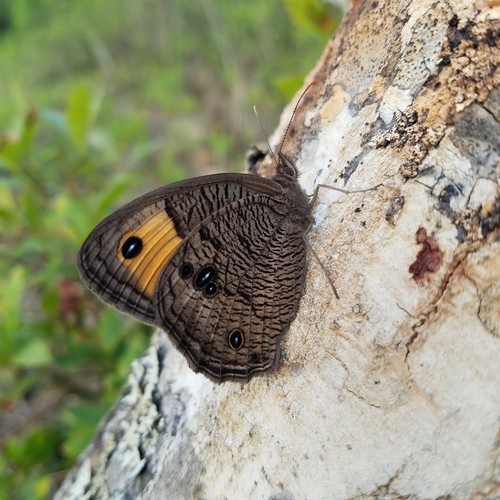
Common Wood-Nymph identified by the community
Real finds identified with Bug Identifier.
Other bugs you may enjoy
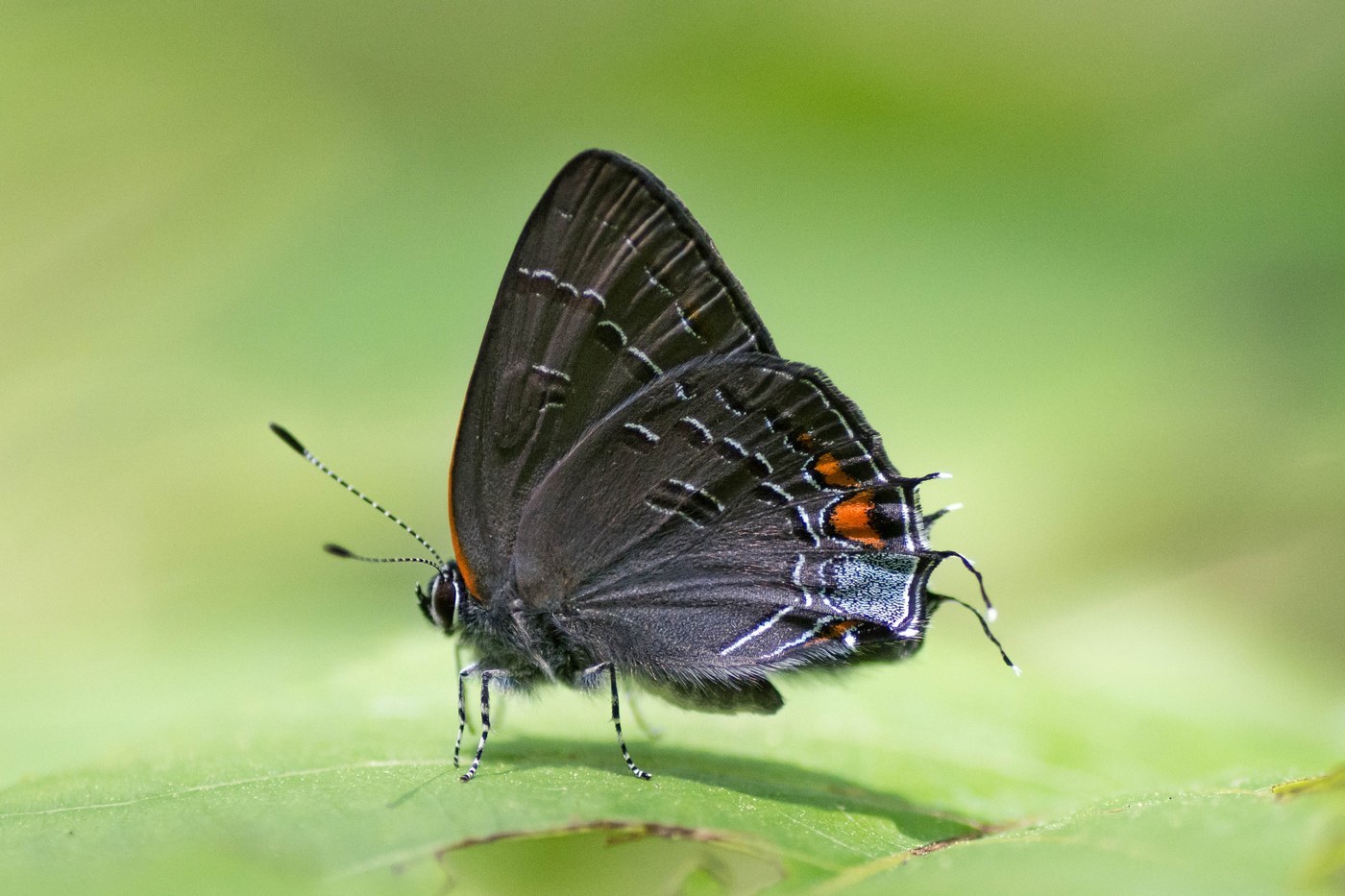
Banded Hairstreak
Deciduous woodlands and edges with oaks and hickories
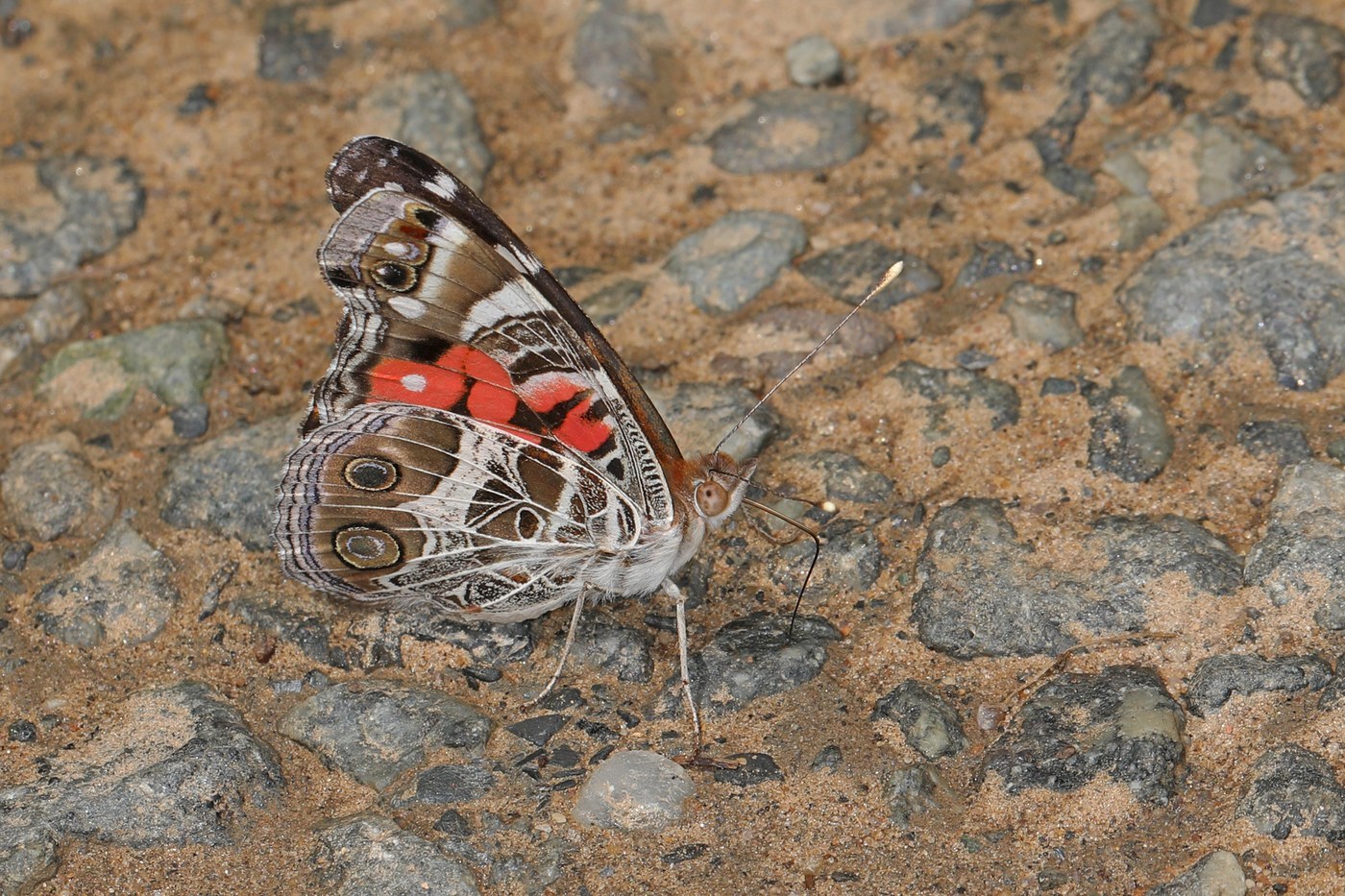
American Lady
Open fields, meadows, gardens, roadsides
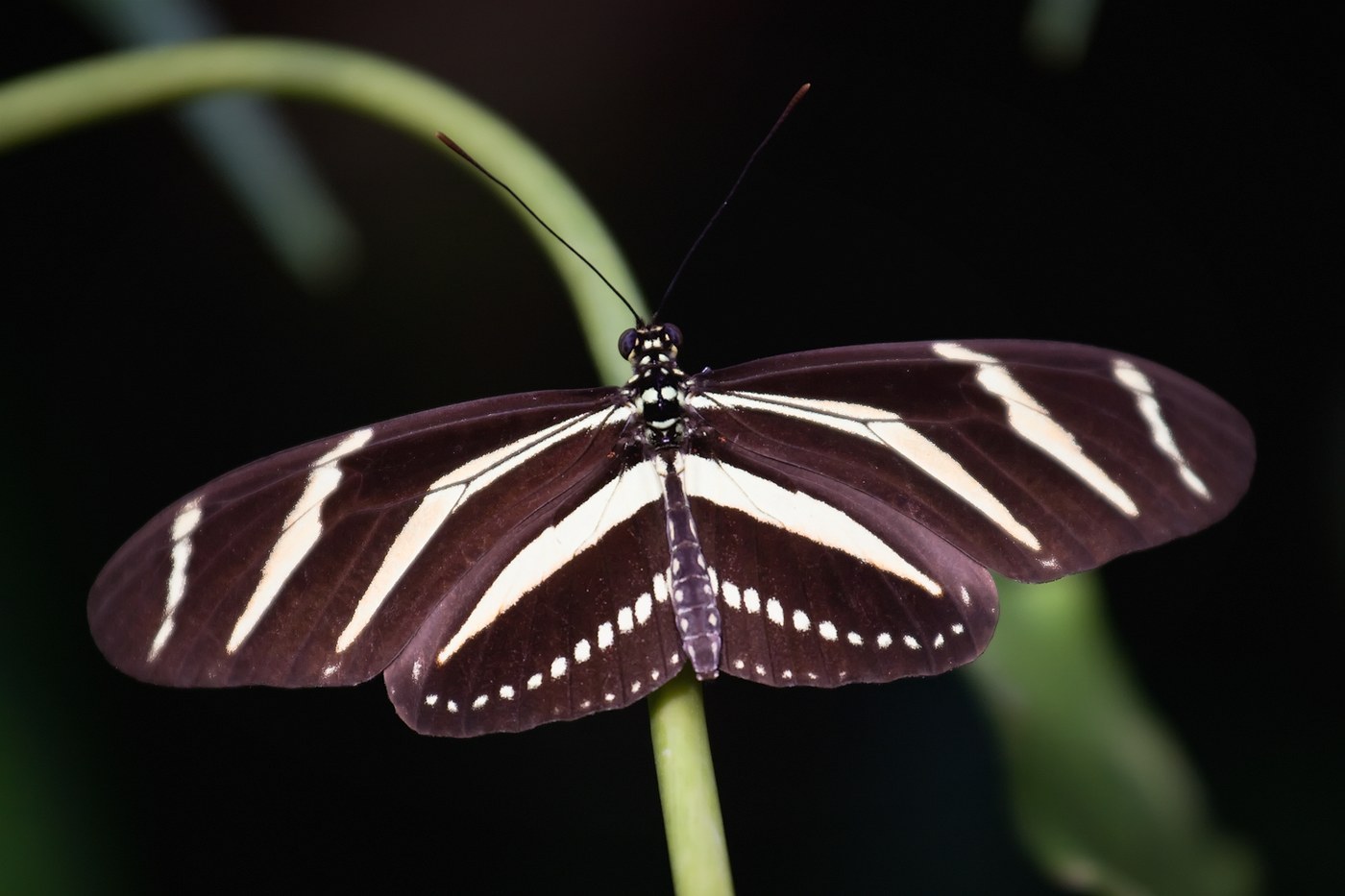
Zebra Longwing
Tropical hammocks, gardens, forest edges
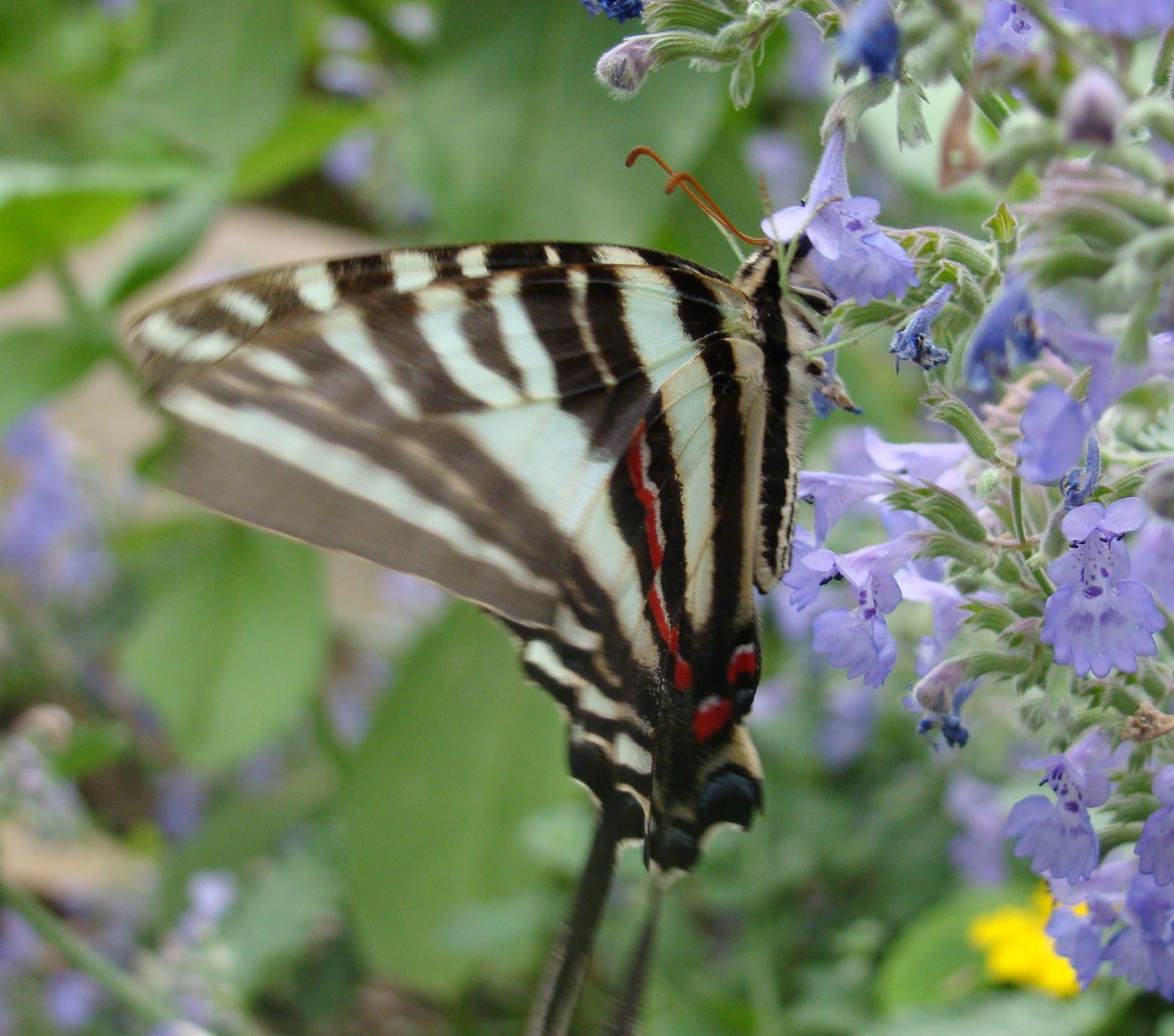
Zebra Swallowtail
Woodlands, floodplains, forest edges near pawpaw
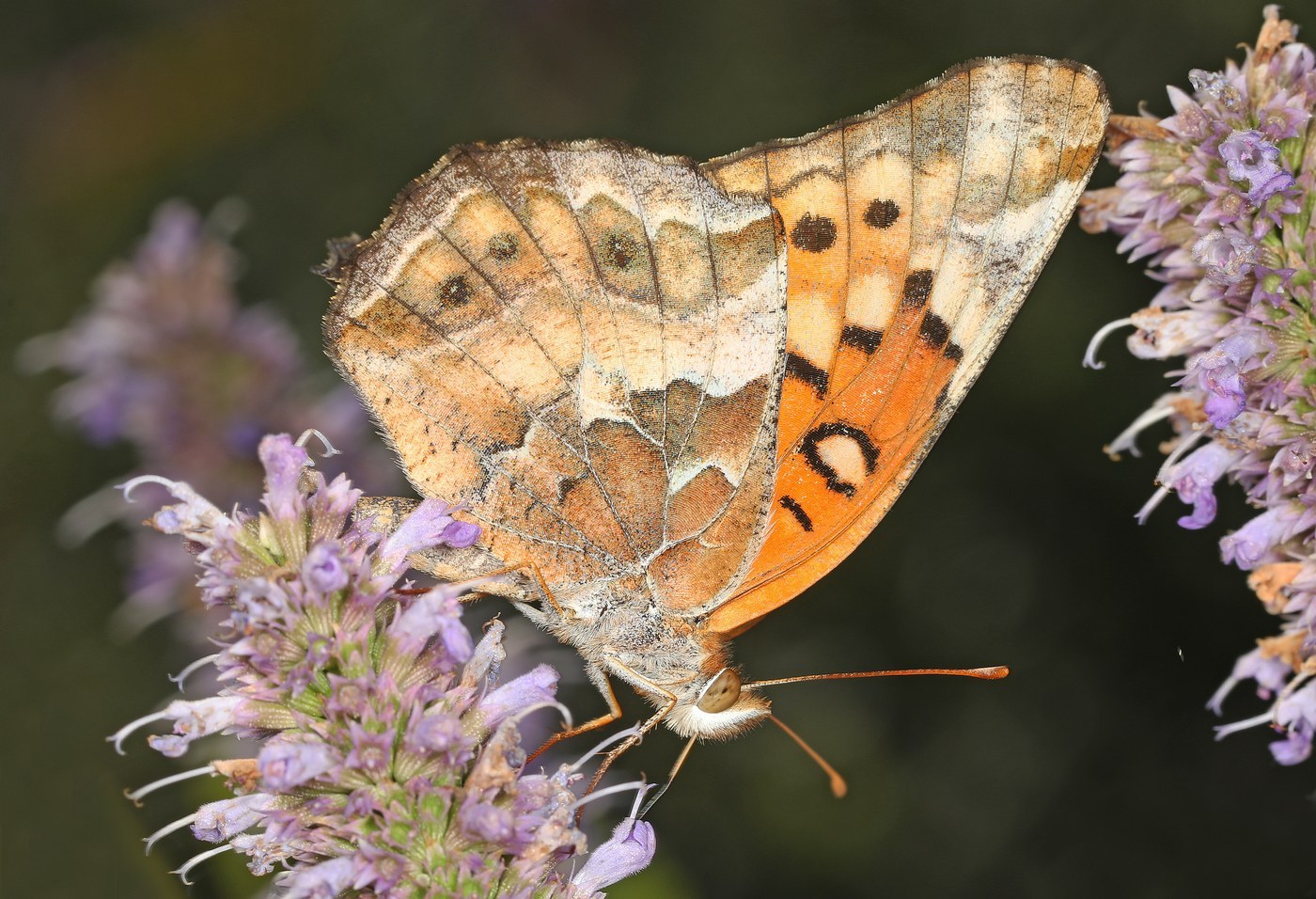
Variegated Fritillary
Open fields, prairies, roadsides, and disturbed ground across most of the United States
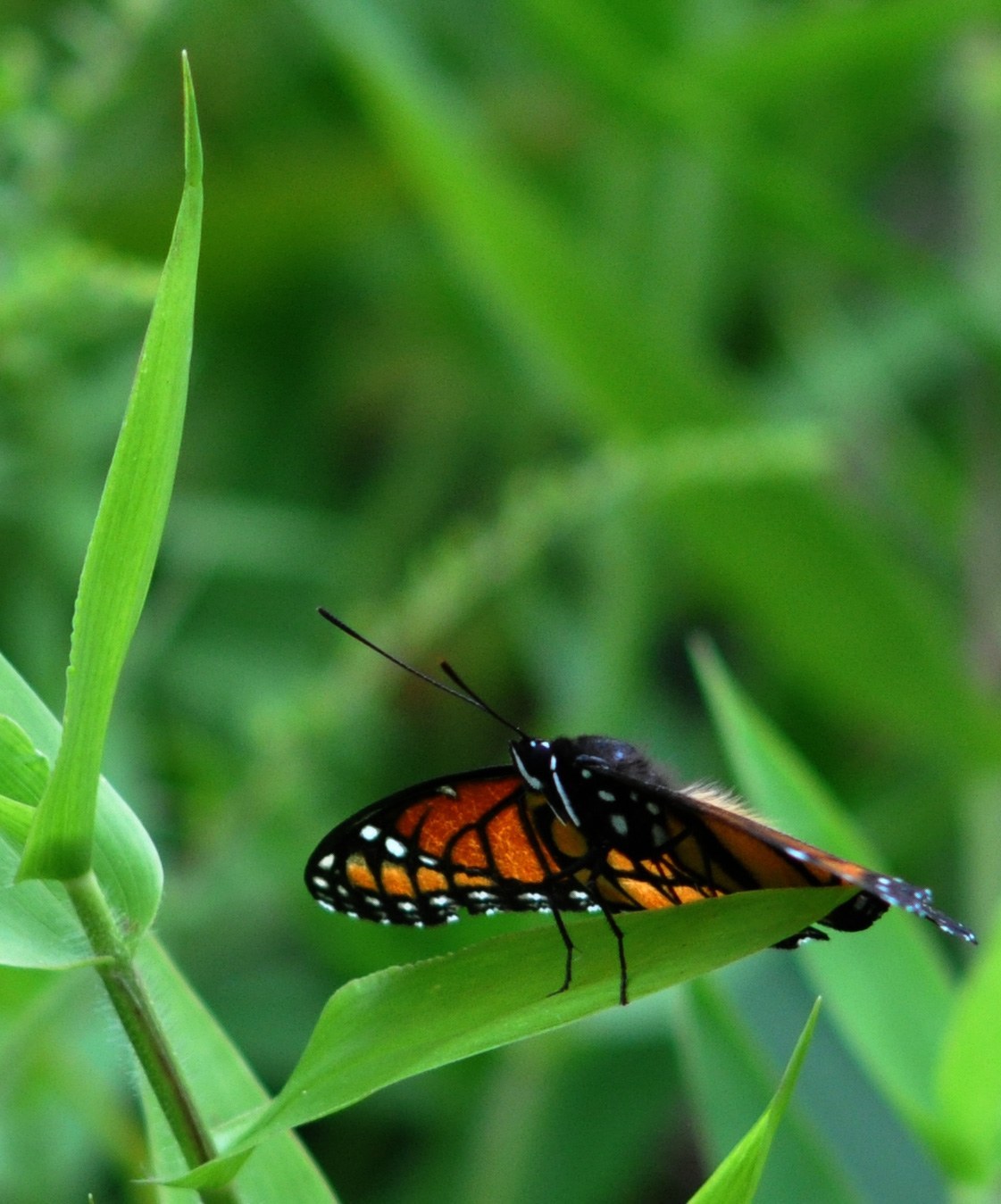
Viceroy Butterfly
Wetlands, meadows, riverbanks, willow thickets (North America)
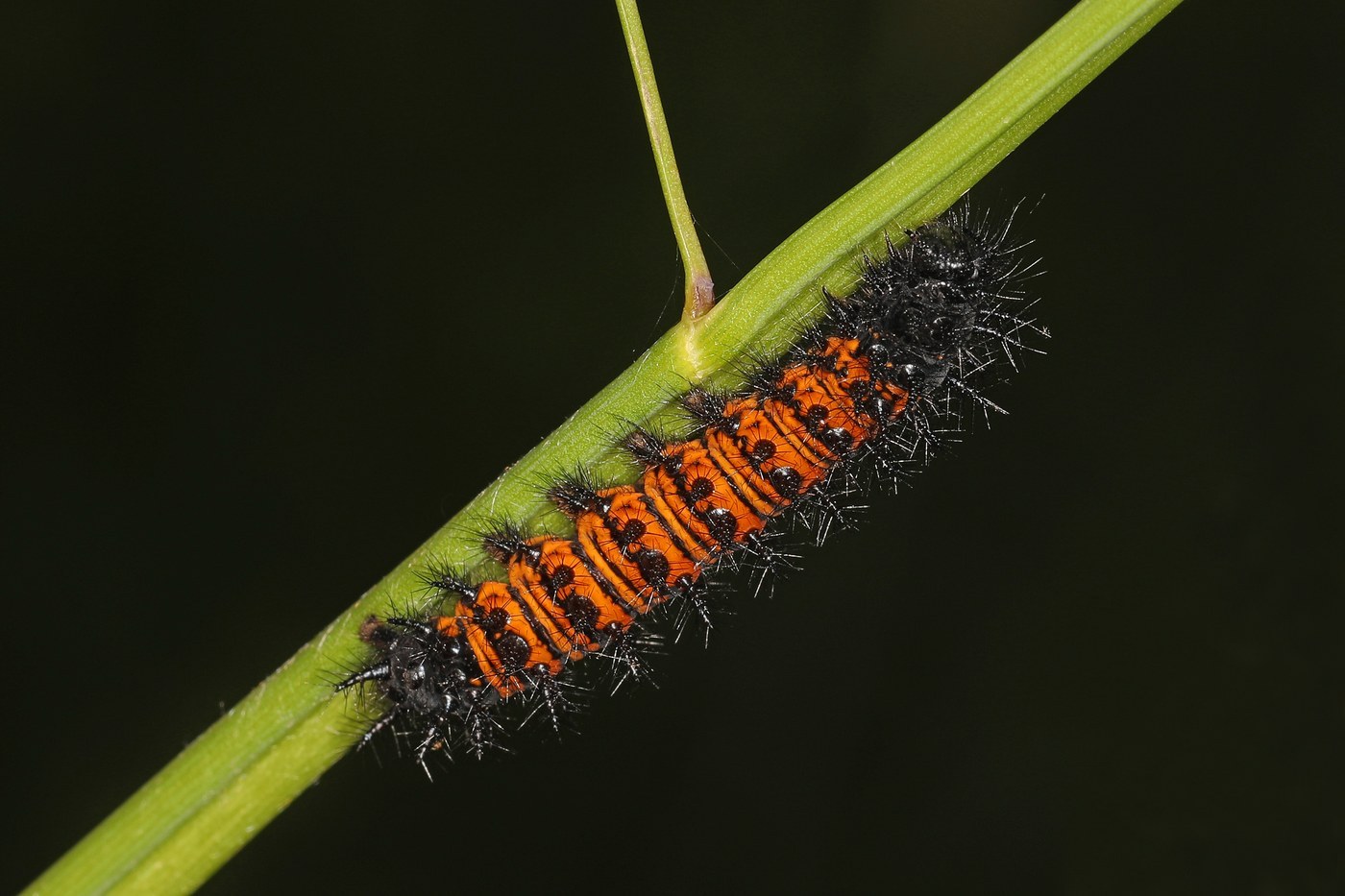
Baltimore Checkerspot
Wet meadows, bogs, and marshy fields in the northeastern and Appalachian US
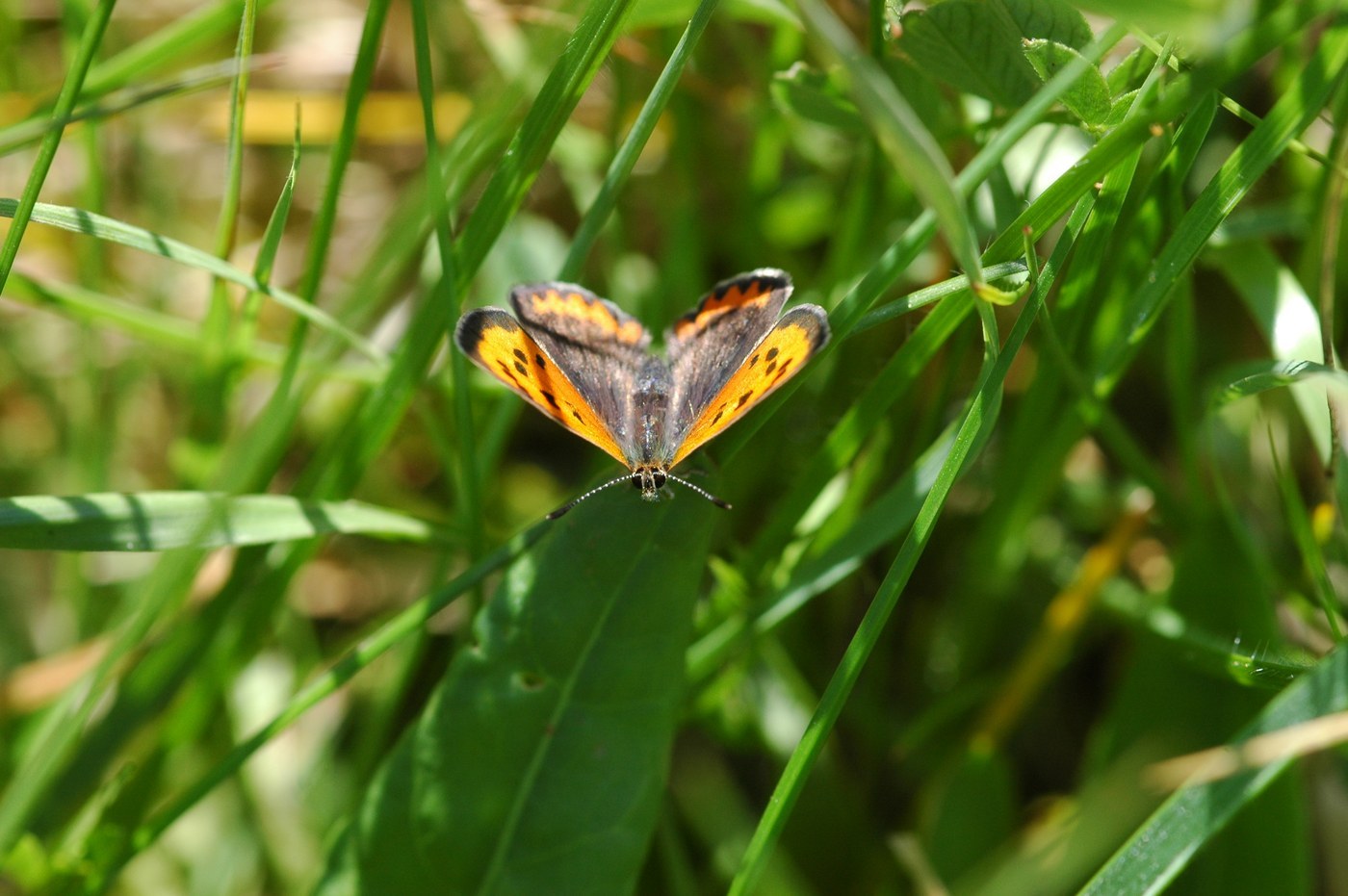
American Copper
Old fields, roadsides, and disturbed open ground with sorrel or dock
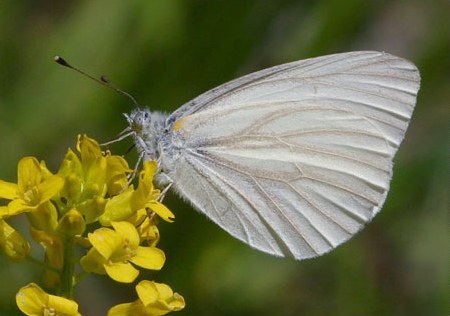
West Virginia White
Rich deciduous forest floors, especially near seeps and streams
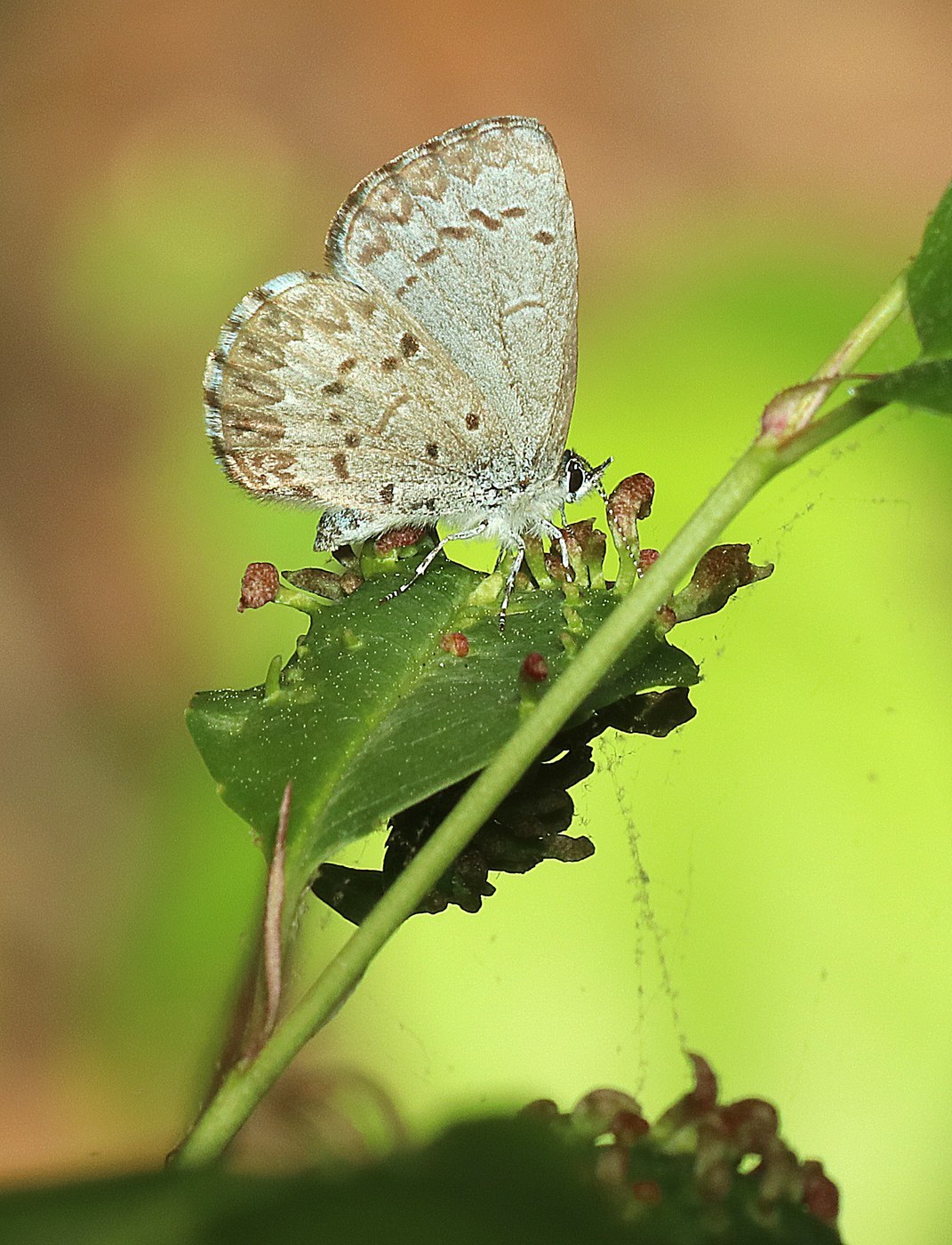
Spring Azure
Woodland edges, gardens, shrubby clearings
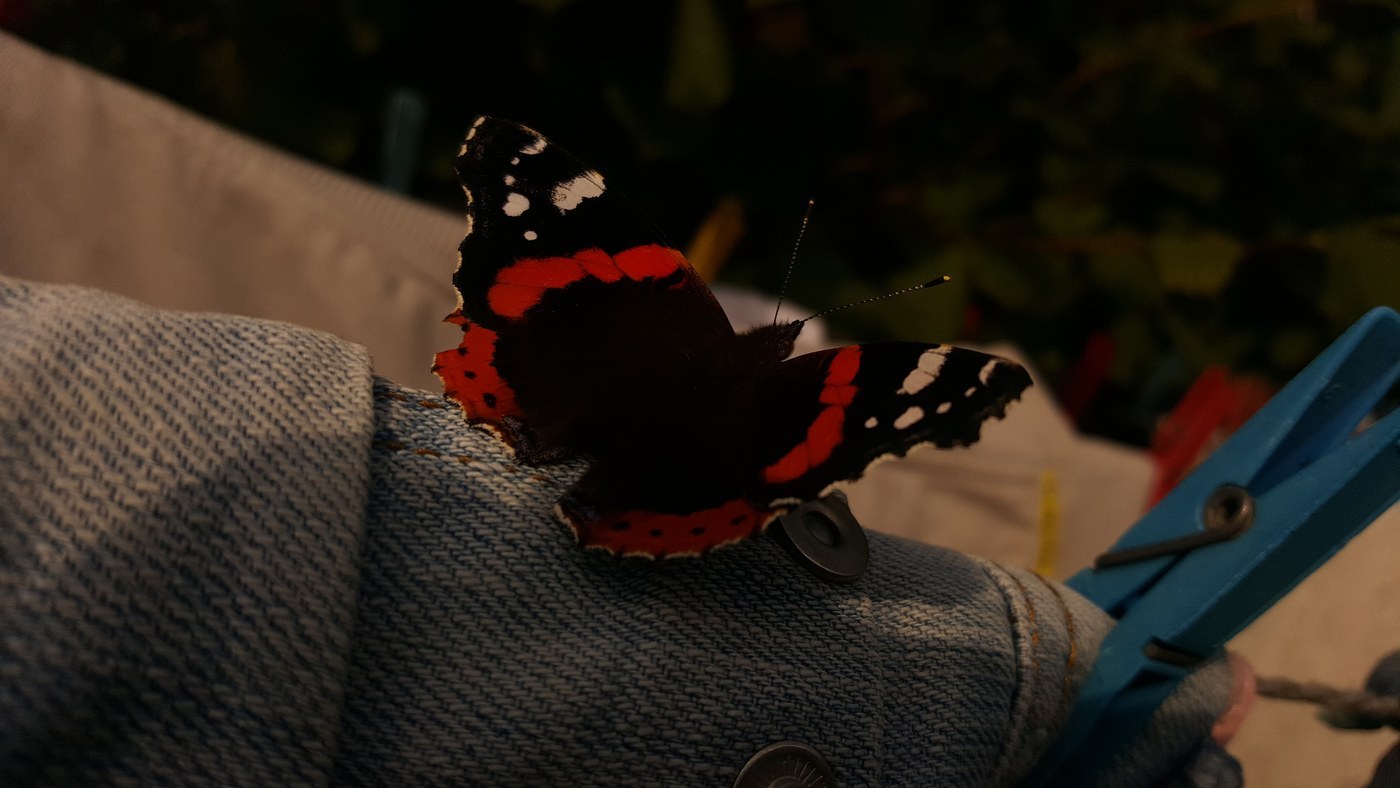
Red Admiral
Gardens, woodland edges, parks, meadows
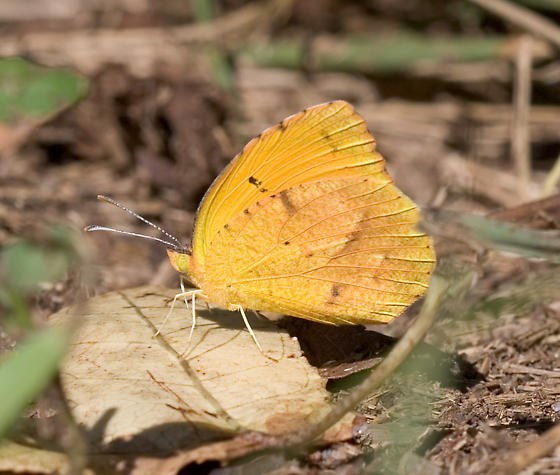
Sleepy Orange
Open woodland, fields, roadsides, and disturbed ground