
Darkling Beetle
Eleodes spp.
A uniformly dark, matte-black ground beetle often seen walking deliberately across open soil, known for tilting its rear end skyward in a distinctive defensive posture when disturbed.
- Size
- 10–30 mm
- Habitat
- Deserts, grasslands, leaf litter, stored grain
- Danger
- Harmless
Spotted a bug like this?
Identify any bug or insect from a photo, free.
Overview
Darkling beetles make up a large and diverse family, Tenebrionidae, within the order Coleoptera, containing thousands of species worldwide adapted to a wide range of habitats from deserts to leaf litter to stored grain. In North America, the genus Eleodes, often called desert stink beetles, is among the most recognizable representatives.
Most darkling beetles share a generally dark, matte black or brown coloring and a hardened, somewhat elongated oval body, adaptations that help many species conserve moisture in dry environments. The family also includes well-known species such as the mealworm beetle, whose larvae are a familiar sight in stored grain products.
Darkling beetles are ecologically important as scavengers and decomposers, and certain desert-dwelling species are notable for a distinctive defensive posture in which the beetle raises its hind end when disturbed.
How to Identify
- Elongated oval body, typically 10–30 mm long depending on species
- Uniformly dark coloring, usually matte black, dark gray, or dark brown
- Hardened, often finely textured or ridged wing covers (elytra), sometimes fused in flightless desert species
- Long, thread-like antennae and relatively long legs adapted for walking across open ground
- Desert species (Eleodes) are known for tilting the abdomen upward when disturbed, a useful behavioral identification clue
Habitat & Range
Darkling beetles occupy an enormous range of habitats worldwide, including deserts, grasslands, forests, leaf litter, and human-associated environments such as grain storage facilities. Desert species are especially common in arid regions of western North America.
Many species are active on the ground surface during the evening and at night, particularly in warmer months, while others remain hidden in soil, leaf litter, or stored food materials year-round.
Behavior & Diet
Most darkling beetles are slow-moving ground dwellers that feed on decaying plant matter, fungi, and organic debris, functioning as scavengers and decomposers within their habitats. Desert species in particular are frequently seen walking deliberately across open sand or soil during cooler parts of the day.
When disturbed, many desert darkling beetles perform a distinctive defensive display, tilting the rear of the abdomen upward while bracing on the front legs. Within food webs, darkling beetles serve as prey for reptiles, birds, and small mammals in arid and other habitats.
Life Cycle
Darkling beetles undergo complete metamorphosis. Females lay eggs in soil, leaf litter, or stored organic material depending on species, and the hatched larvae, often called false wireworms, are elongated, hard-bodied, and yellowish to brown, resembling the larvae of click beetles.
Larvae feed and develop through multiple instars over a period of weeks to months, depending on species and temperature, before pupating in the soil or substrate. Adults can be long-lived compared to many beetles, with some desert species surviving multiple years.
Frequently asked questions
What is the raised-tail posture darkling beetles do?
Many desert darkling beetles (genus Eleodes) tilt their abdomen upward when disturbed as a defensive display.
Is the mealworm beetle a type of darkling beetle?
Yes, the common mealworm beetle belongs to the same family, Tenebrionidae, as other darkling beetles.
Where are darkling beetles most commonly found?
They occupy a very wide range of habitats, including deserts, grasslands, leaf litter, and stored grain products, depending on the species.
What color are darkling beetles?
Most species are uniformly dark, appearing matte black, dark gray, or dark brown.
Darkling Beetle guides
In-depth guides for identifying, understanding, and living alongside Darkling Beetle.
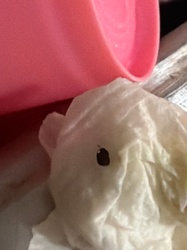
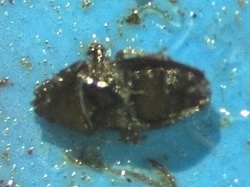
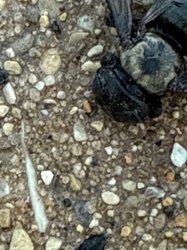
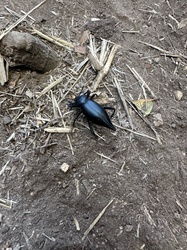
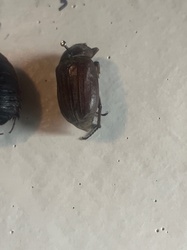
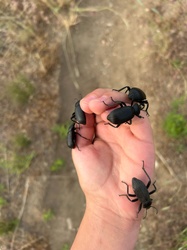
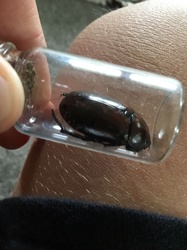
Darkling Beetle identified by the community
Real finds identified with Bug Identifier.

Other bugs you may enjoy
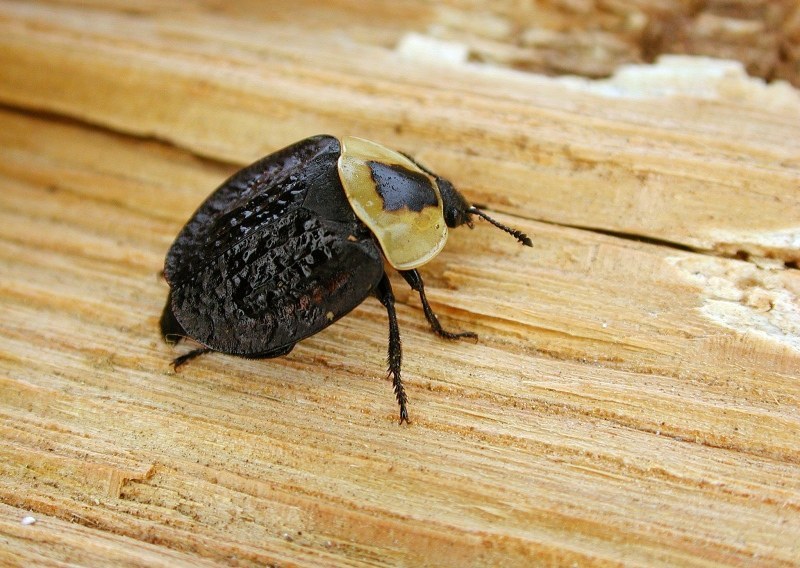
American Carrion Beetle
Forests, fields, and roadsides across North America, near decaying animal carcasses
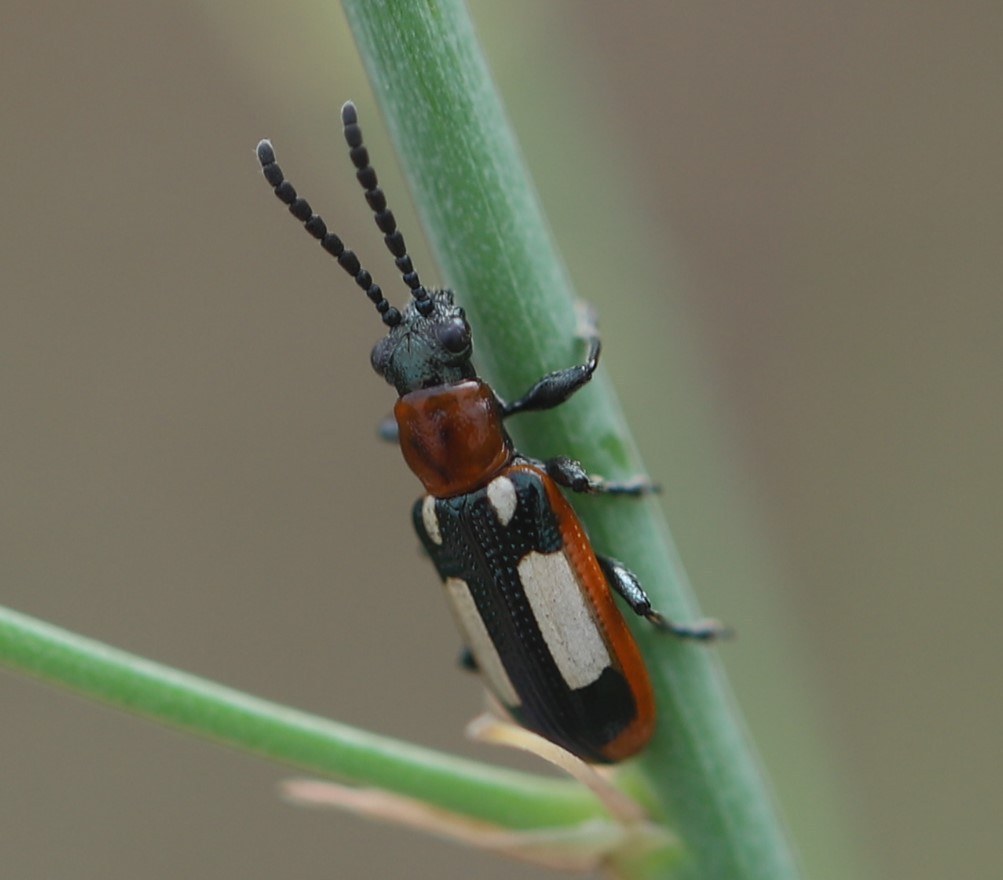
Asparagus Beetle
Asparagus patches, gardens, and farm fields
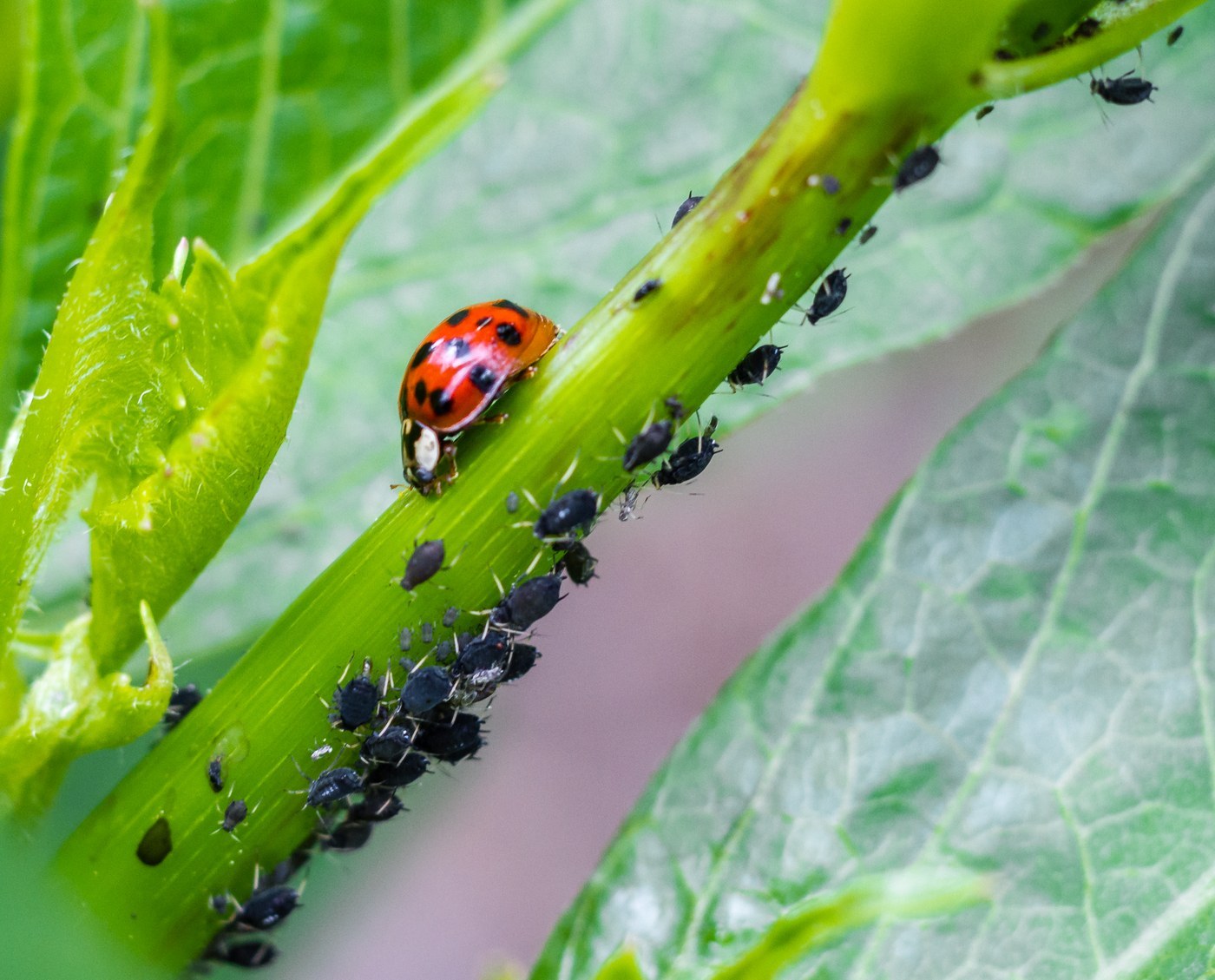
Asian Lady Beetle
Gardens, crop fields, woodlands, buildings
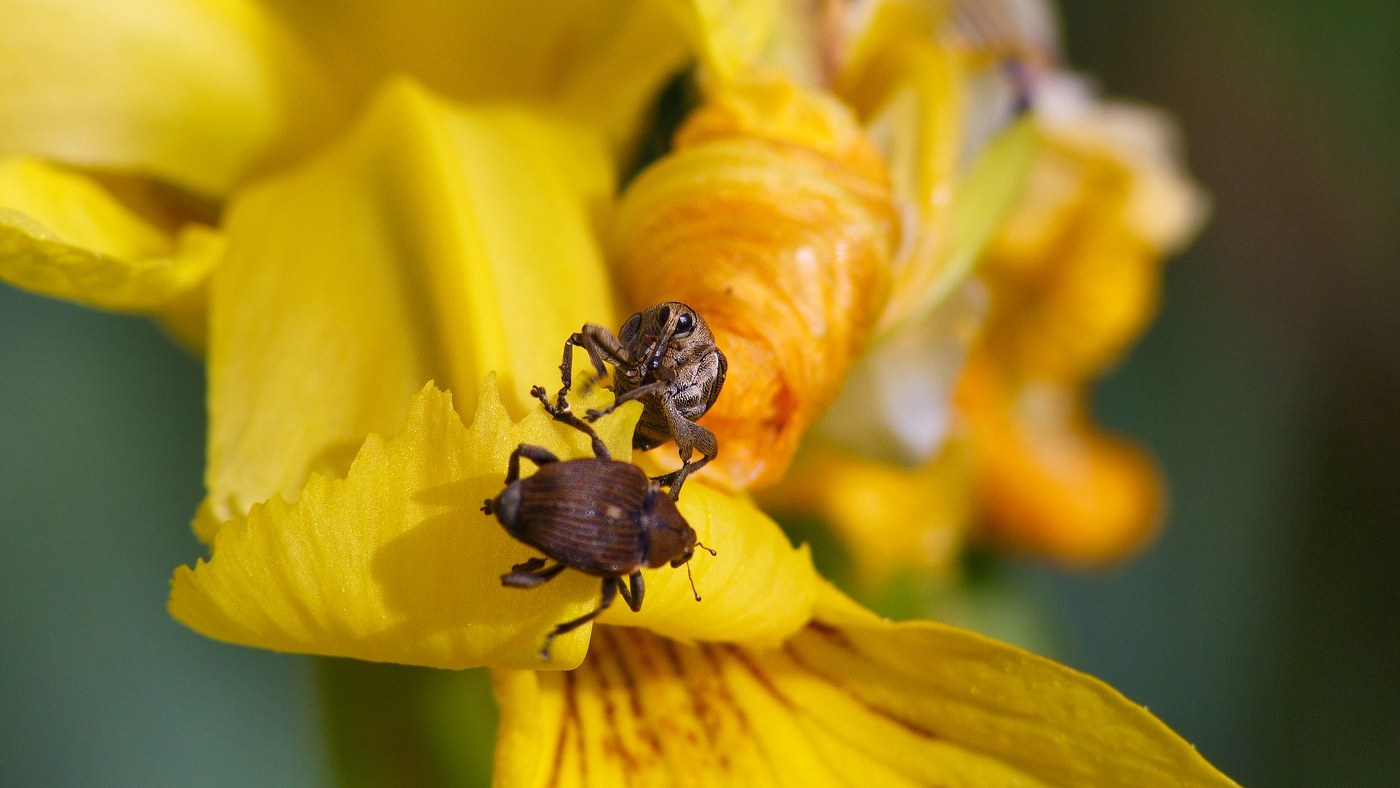
Acorn Weevil
Oak woodlands and forests, on and beneath oak trees
Wireworm
Soil of grasslands, gardens, and cultivated fields worldwide
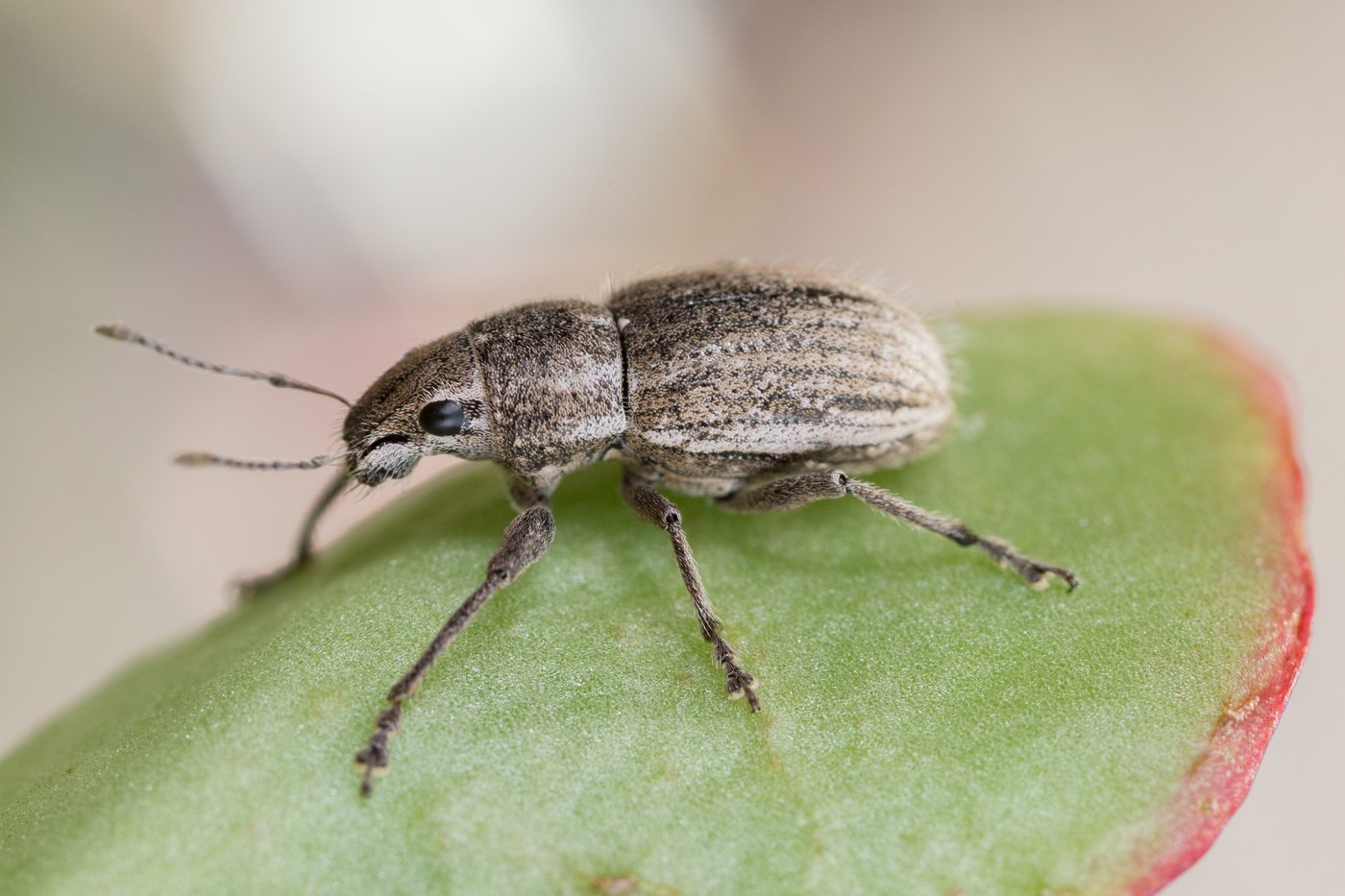
Whitefringed Beetle
Pastures, row crops, lawns, disturbed soils
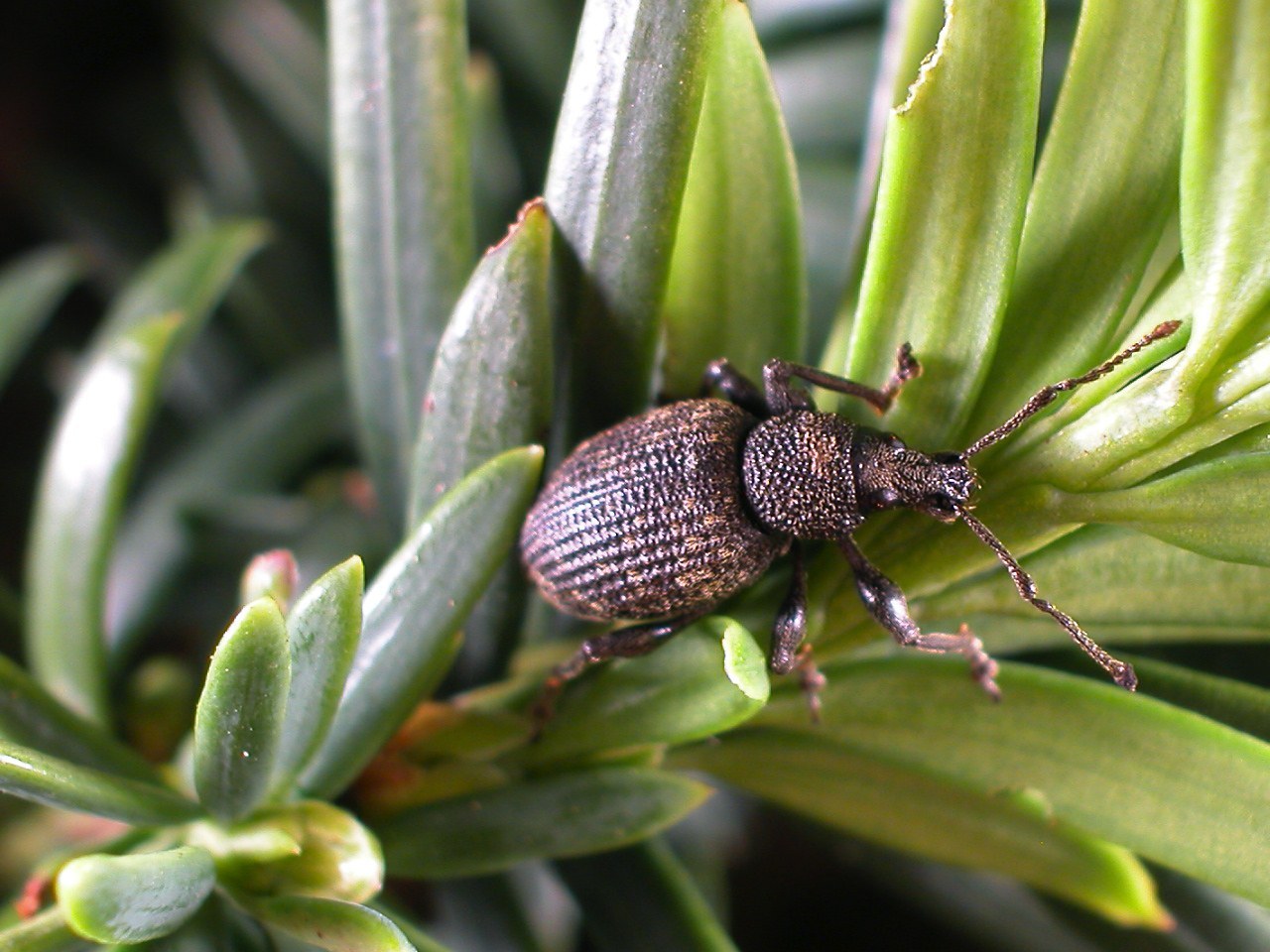
Vine Weevil
Gardens, nurseries, greenhouses, and container plantings
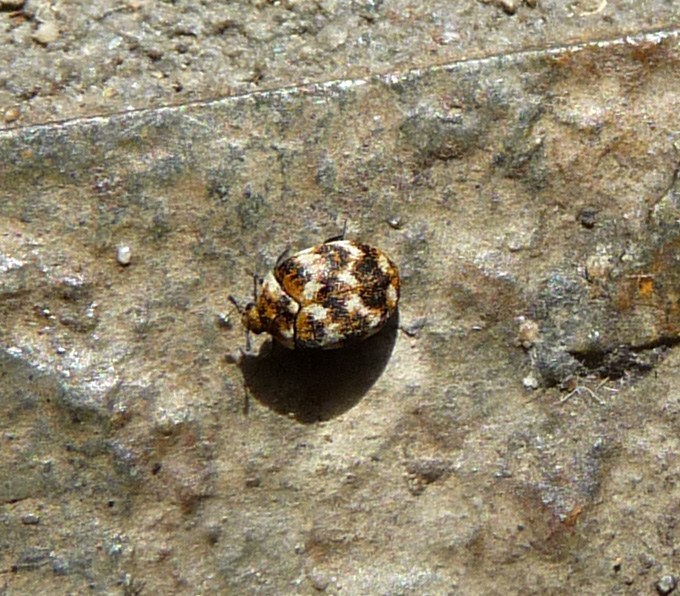
Varied Carpet Beetle
Homes, nests of birds and mammals, and flowers outdoors
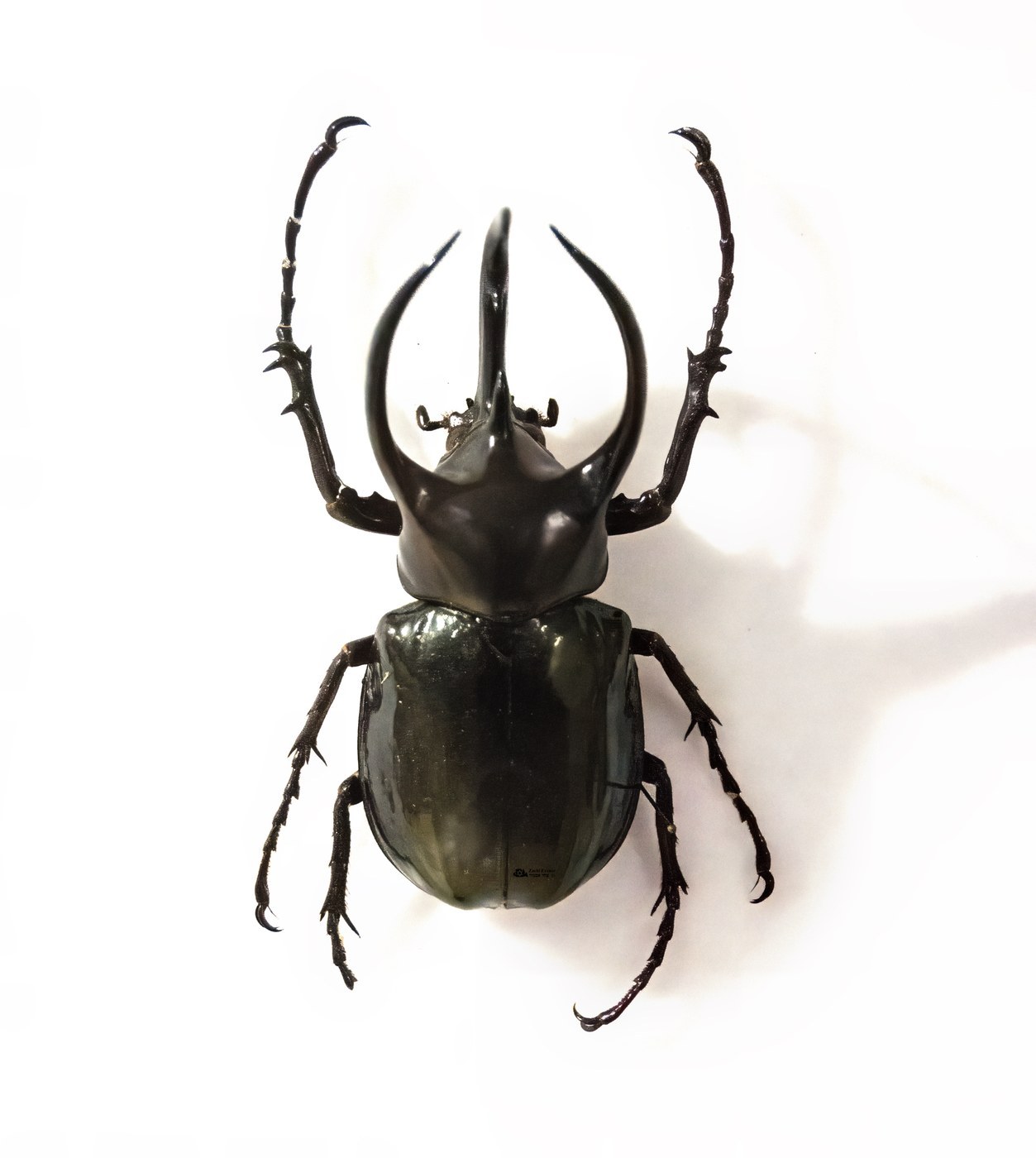
Atlas Beetle
Tropical forests of Southeast Asia
Titan Beetle
Amazon rainforest of South America
Ten-lined June Beetle
Sandy soils, pine forests, and orchards of western North America
Squash Beetle
Vegetable gardens and fields growing squash, pumpkin, and other cucurbits