
Dead Leaf Mantis
Deroplatys desiccata
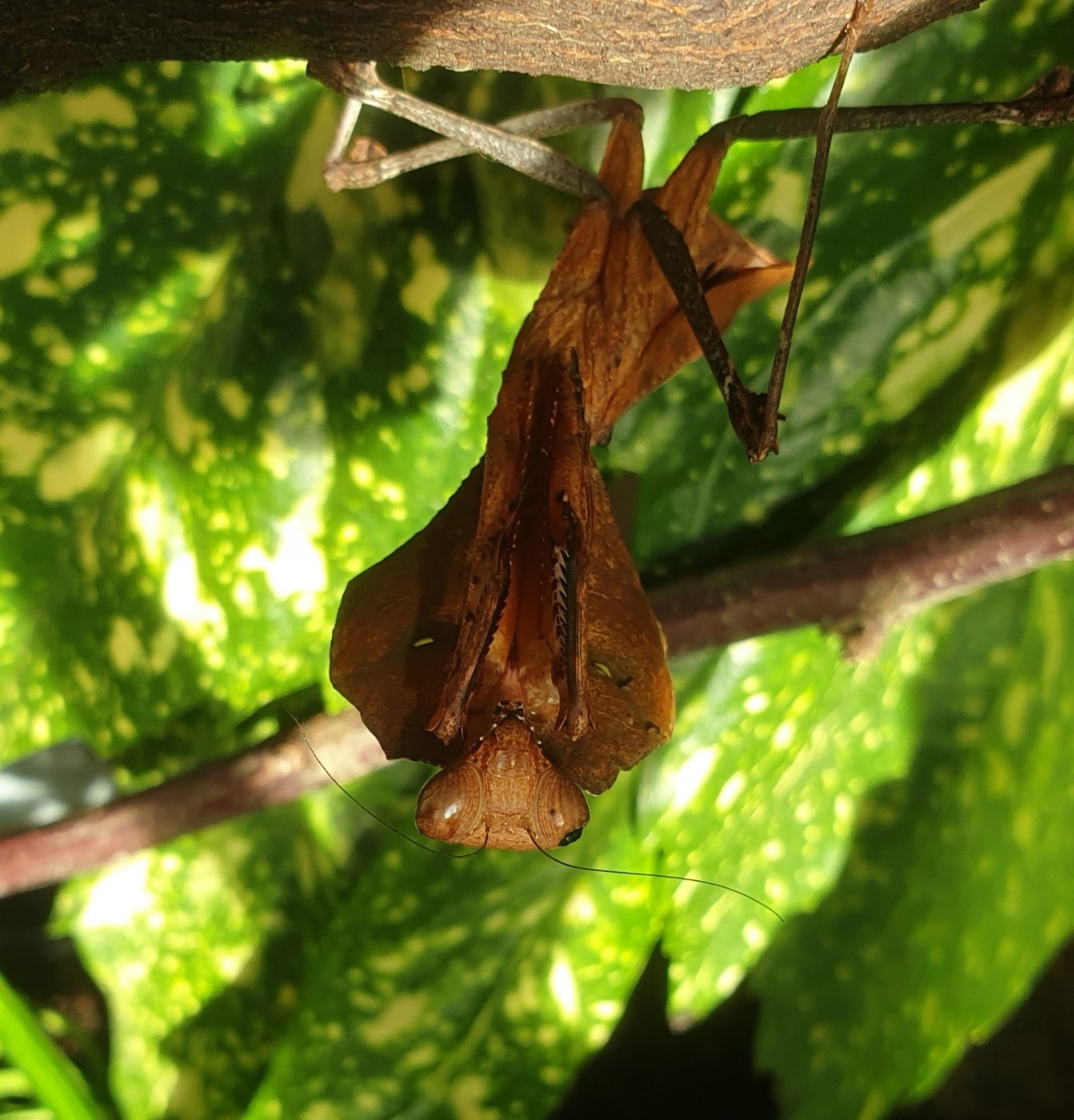
A master of disguise whose broad, curled, vein-textured body is nearly indistinguishable from a curled, decaying leaf lying on the forest floor.
- Size
- 2.5-3.5 in (6.5-9 cm) long
- Habitat
- leaf litter and understory vegetation of Southeast Asian rainforests
- Danger
- Harmless
Spotted a bug like this?
Identify any bug or insect from a photo, free.
Overview
The dead leaf mantis is a striking example of camouflage among mantises, native to the tropical rainforests of Southeast Asia. Its common name derives from its uncanny resemblance to a dried, curled, decaying leaf, an illusion achieved through both its coloration and the irregular, textured shape of its body and wings, which mimic the veining, blotching, and curled edges of real dead foliage.
The body is broad and somewhat flattened, with an expanded, shield-like pronotum and wings that show mottled patterns of brown, tan, and sometimes darker patches resembling leaf decay or fungal spotting. The wing margins are often irregular or scalloped rather than smooth, further enhancing the leaf-like silhouette. This mimicry is so effective that the mantis is easily overlooked even by experienced observers when it rests motionless among actual leaf litter or dead foliage.
As an ambush predator, the dead leaf mantis spends much of its time nearly motionless on the forest floor or amid low vegetation, relying on its disguise to avoid detection by predators while waiting for unsuspecting insects to wander close enough to be captured with its spined raptorial front legs. When threatened, it can also perform a startling defensive display, flaring its wings to reveal a hidden eyespot-like pattern intended to startle would-be predators.
How to Identify
- Broad, flattened body with mottled brown and tan coloring resembling a dried leaf
- Irregular, scalloped or curled wing margins that mimic the curled edges of decaying foliage
- Textured wing surface with vein-like patterns and blotches resembling leaf decay
- Expanded, shield-like pronotum adding to the leaf-shaped silhouette
- Hidden eyespot pattern on the hindwings, revealed only during defensive threat displays
- Spined, raptorial front legs typical of mantises, held folded at rest
Habitat & Range
This species is native to the tropical rainforests of Southeast Asia, including Malaysia, Indonesia, and Thailand, where it inhabits the leaf litter layer and low understory vegetation of the forest floor. Its coloring and shape are closely adapted to the leaf litter environment, and it is most active in the warm, humid conditions typical of its equatorial rainforest range.
Behavior & Diet
The dead leaf mantis is a patient ambush predator that remains largely motionless among leaf litter or low foliage, relying entirely on its exceptional camouflage to avoid detection by both predators and prey. When prey, typically small insects, comes within range, it strikes swiftly with its spined front legs. If directly threatened or disturbed, it can suddenly flare its wings to expose a startling eyespot pattern intended to momentarily surprise a predator and create an opportunity to escape. Otherwise reclusive and slow-moving, it depends on stillness rather than speed or flight for survival, and it feeds opportunistically on whatever suitably sized insects come within striking distance.
Life Cycle
The dead leaf mantis develops through incomplete metamorphosis, with egg, nymph, and adult stages. Females deposit a hardened, textured ootheca on a branch, leaf, or other surface, from which numerous nymphs hatch simultaneously and quickly disperse. Young nymphs already display mottled, leaf-like coloring that becomes more pronounced with each molt as they grow toward adulthood over the course of several months. As with other mantises, wings develop fully only after the final molt, completing the adult's camouflaged appearance.
Frequently asked questions
Why is it called the dead leaf mantis?
Its mottled brown coloring and irregular, curled wing shape closely resemble a dried, decaying leaf on the forest floor.
How does the dead leaf mantis defend itself when threatened?
It can suddenly flare its wings to reveal a hidden eyespot pattern intended to startle a potential predator.
Where does the dead leaf mantis live?
It is found in the leaf litter and understory of tropical rainforests in Southeast Asia.
What does the dead leaf mantis eat?
It ambushes small insects that come within reach of its spined front legs while it remains camouflaged among leaf litter.
Dead Leaf Mantis guides
In-depth guides for identifying, understanding, and living alongside Dead Leaf Mantis.
Dead Leaf Mantis identified by the community
Real finds identified with Bug Identifier.
Other bugs you may enjoy
Walking Stick Insect
Trees, shrubs and leaf litter in forests, woodlands and gardens
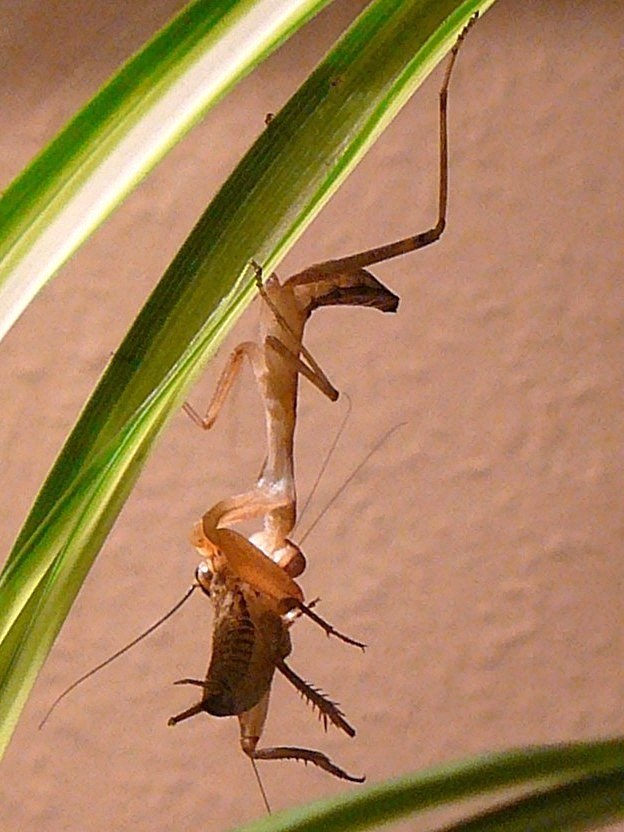
African Mantis
grasslands, shrubs, and gardens across sub-Saharan Africa
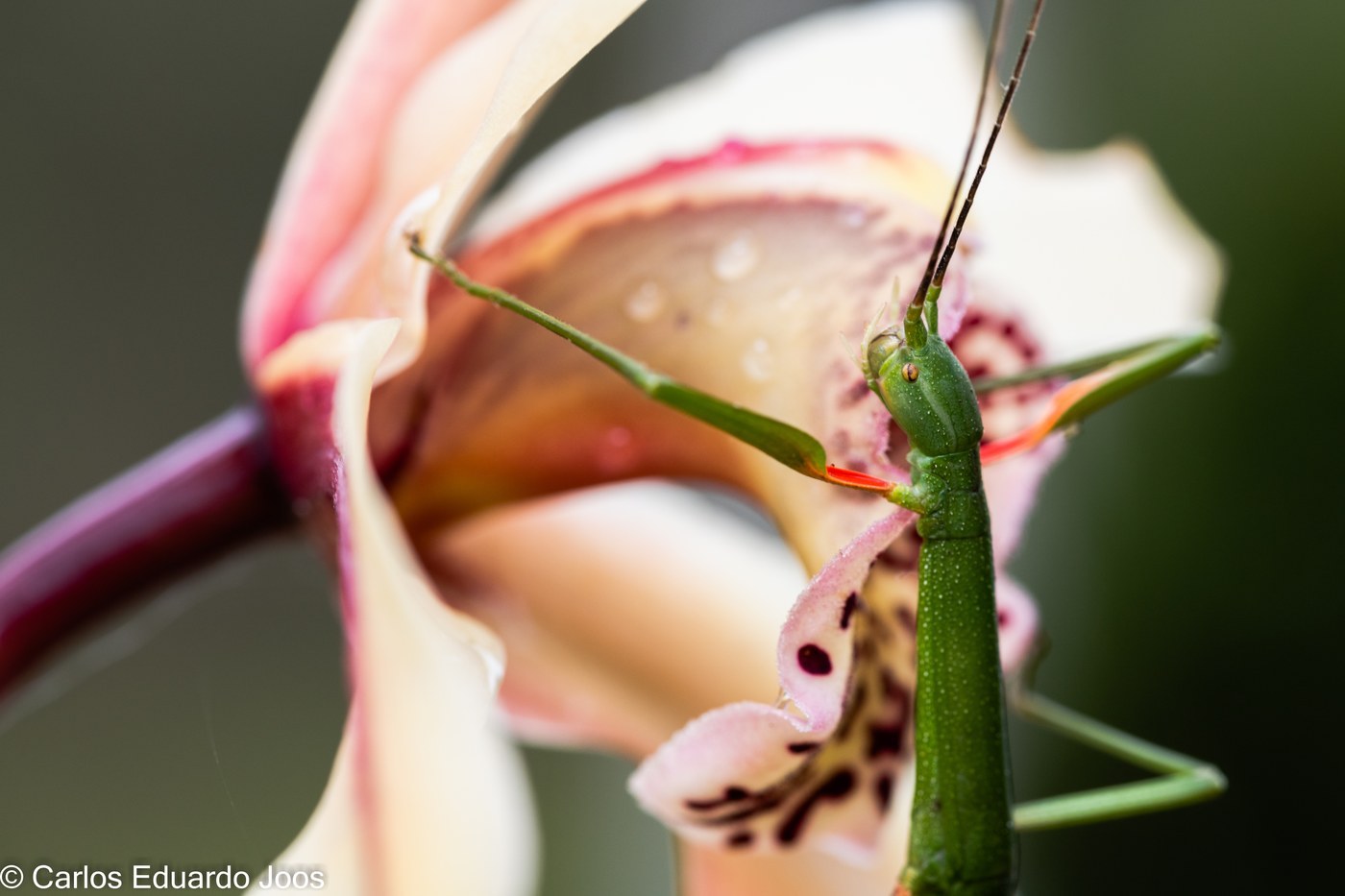
Walking Stick
Deciduous woodlands, forest edges, and shrubby vegetation
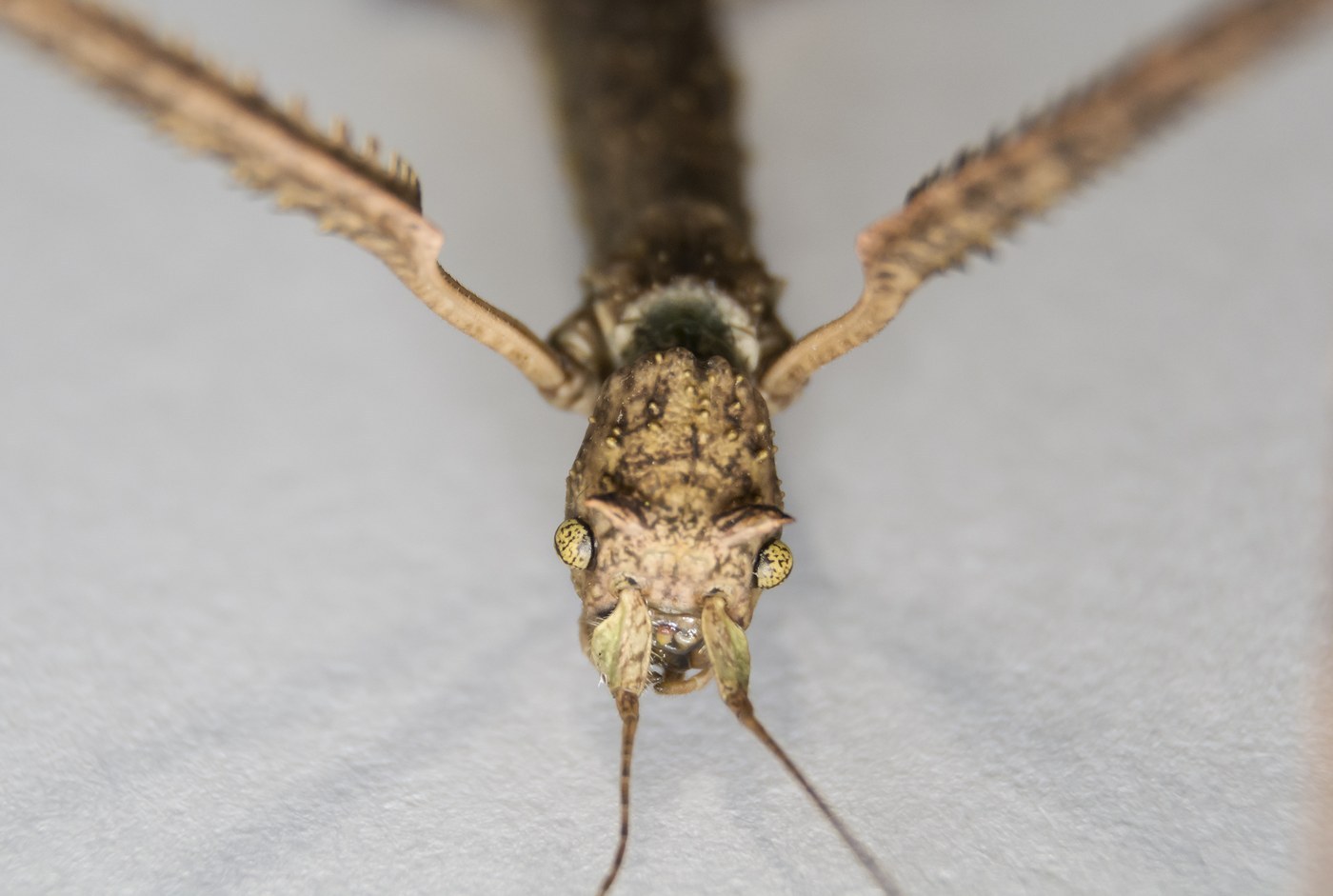
Vietnamese Walking Stick
tropical forests of Vietnam; widely kept in captivity worldwide
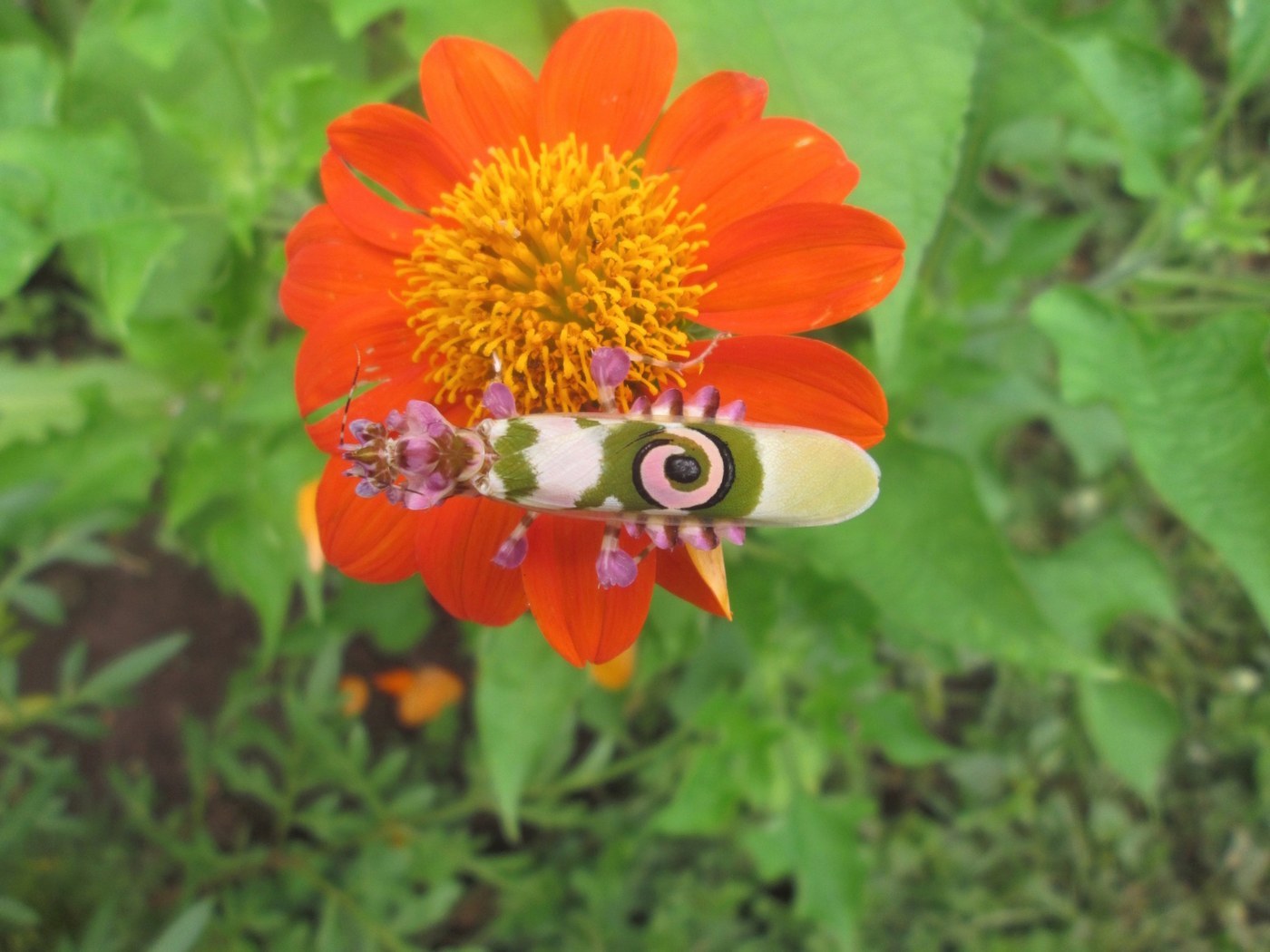
Spiny Flower Mantis
African savanna and woodland shrubs and flowering plants
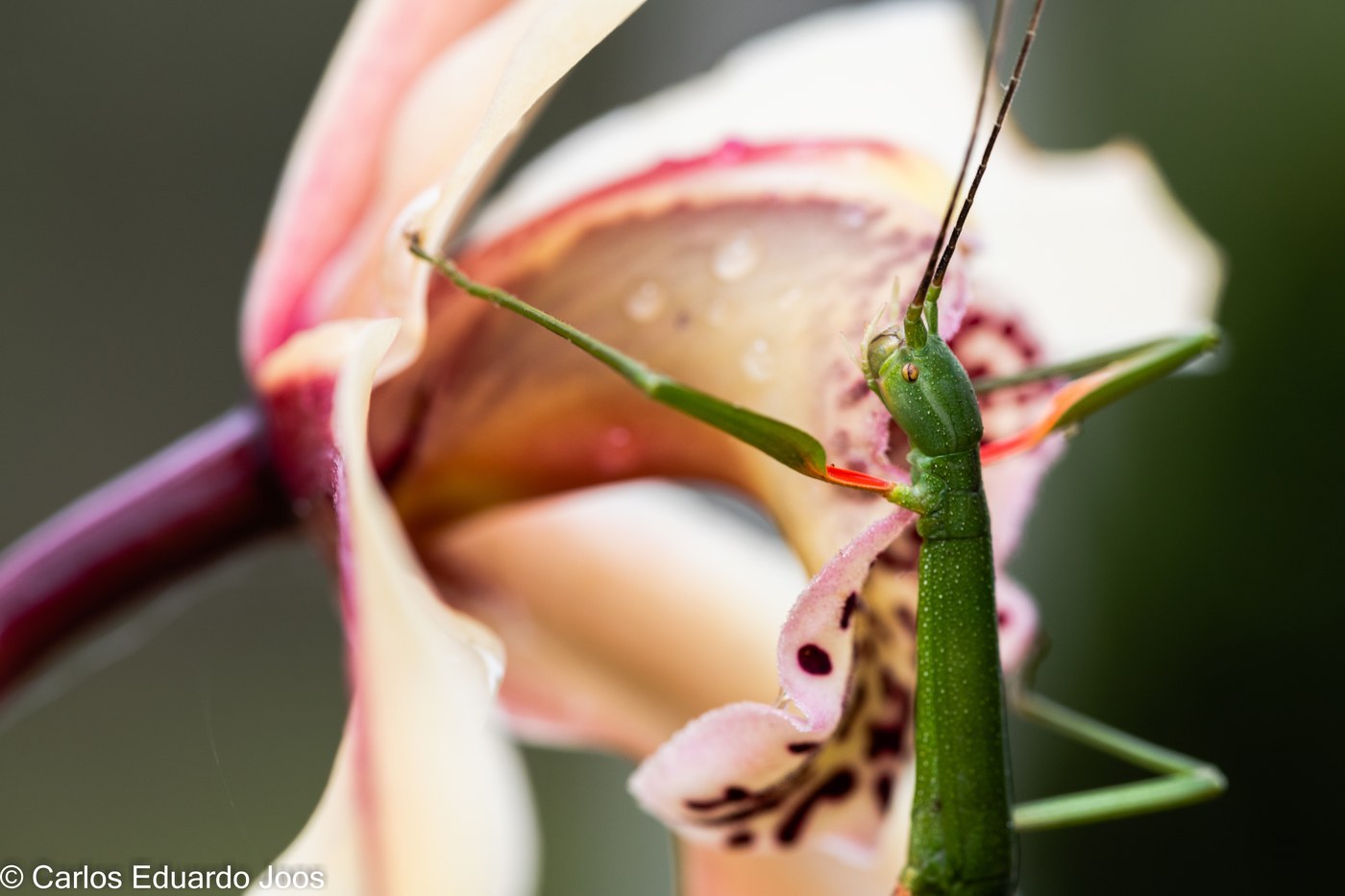
Northern Walkingstick
deciduous forests and woodland edges of the eastern and central United States and southern Canada
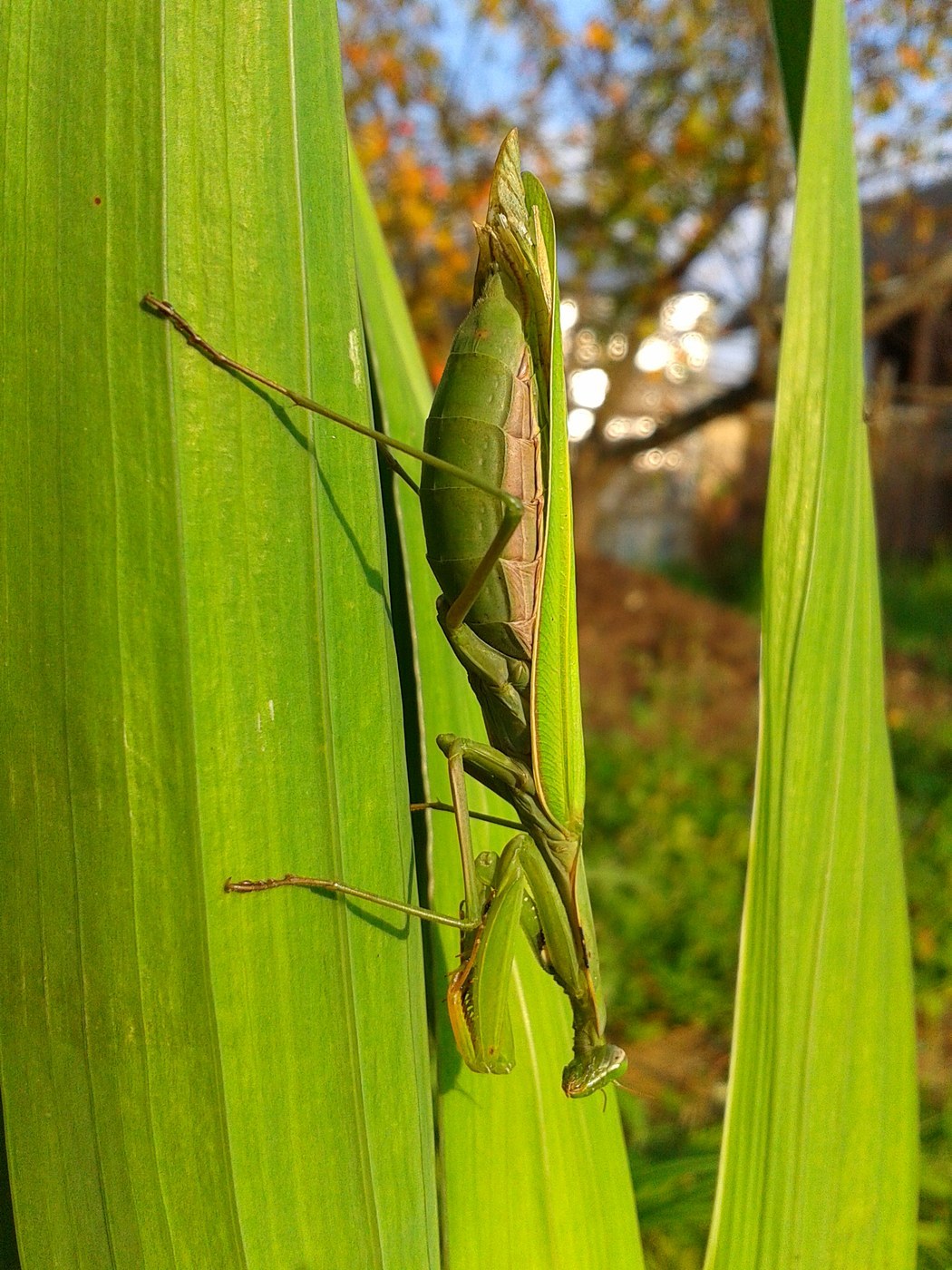
Praying Mantis
Gardens, meadows, shrubs, and tall grass
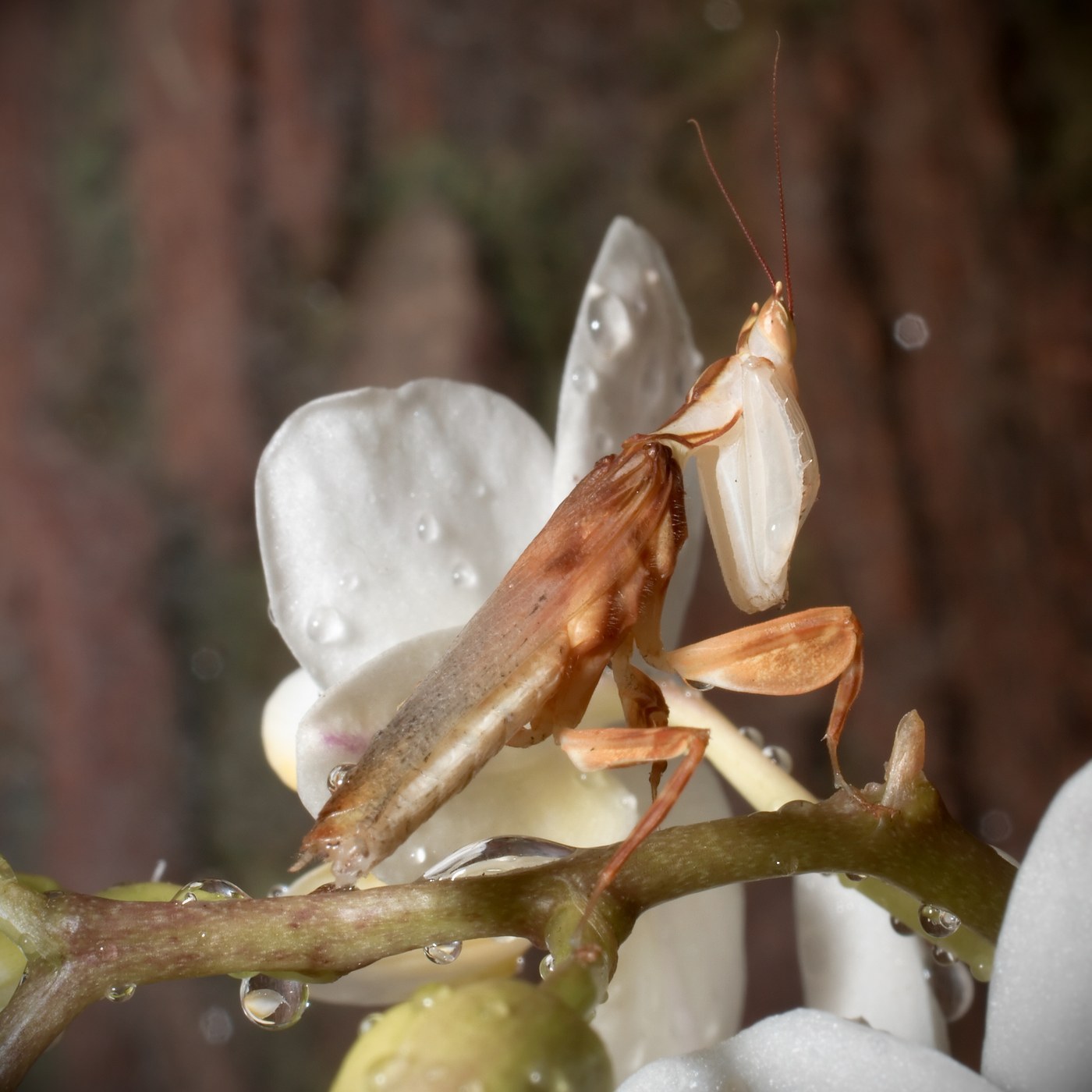
Orchid Mantis
tropical rainforests and flowering shrubs of Southeast Asia
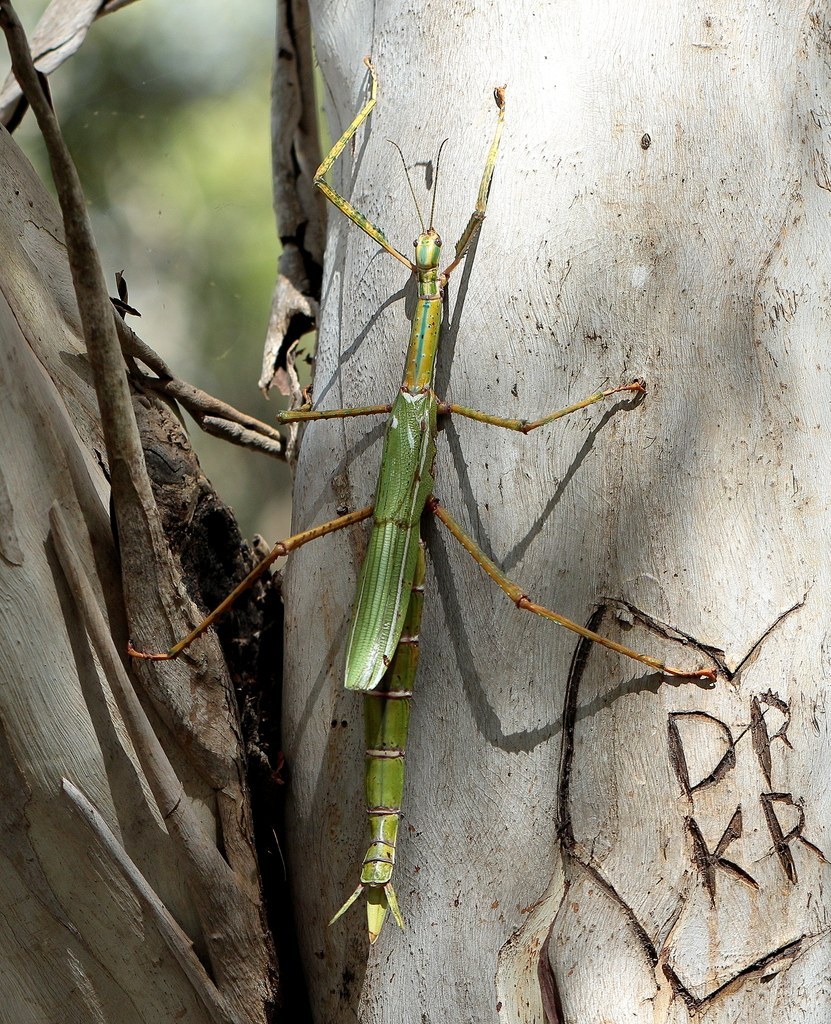
Goliath Stick Insect
Tropical and subtropical eucalypt forests and woodland canopy
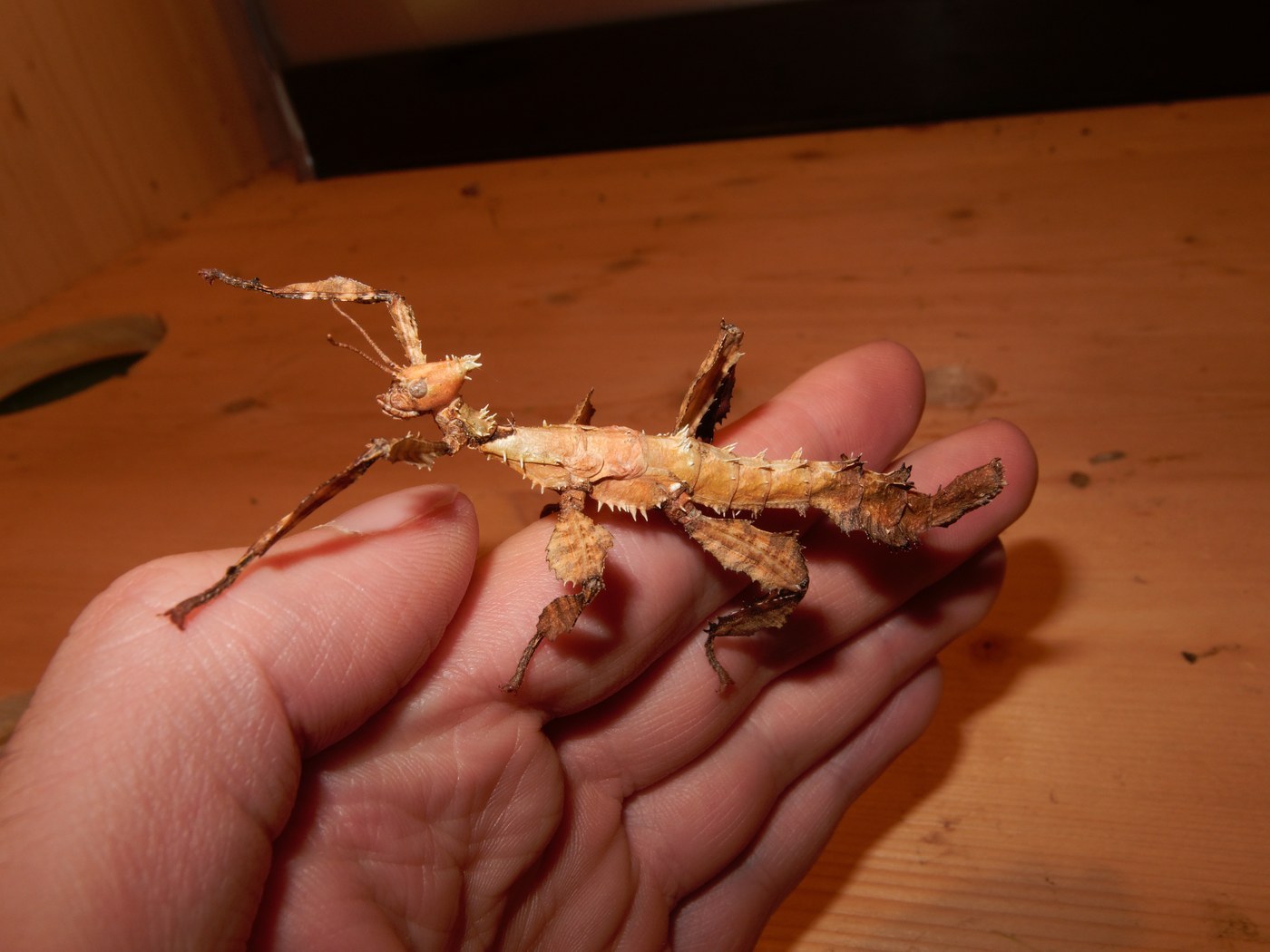
Giant Prickly Stick Insect
eucalyptus forests and shrubland of eastern Australia and New Guinea
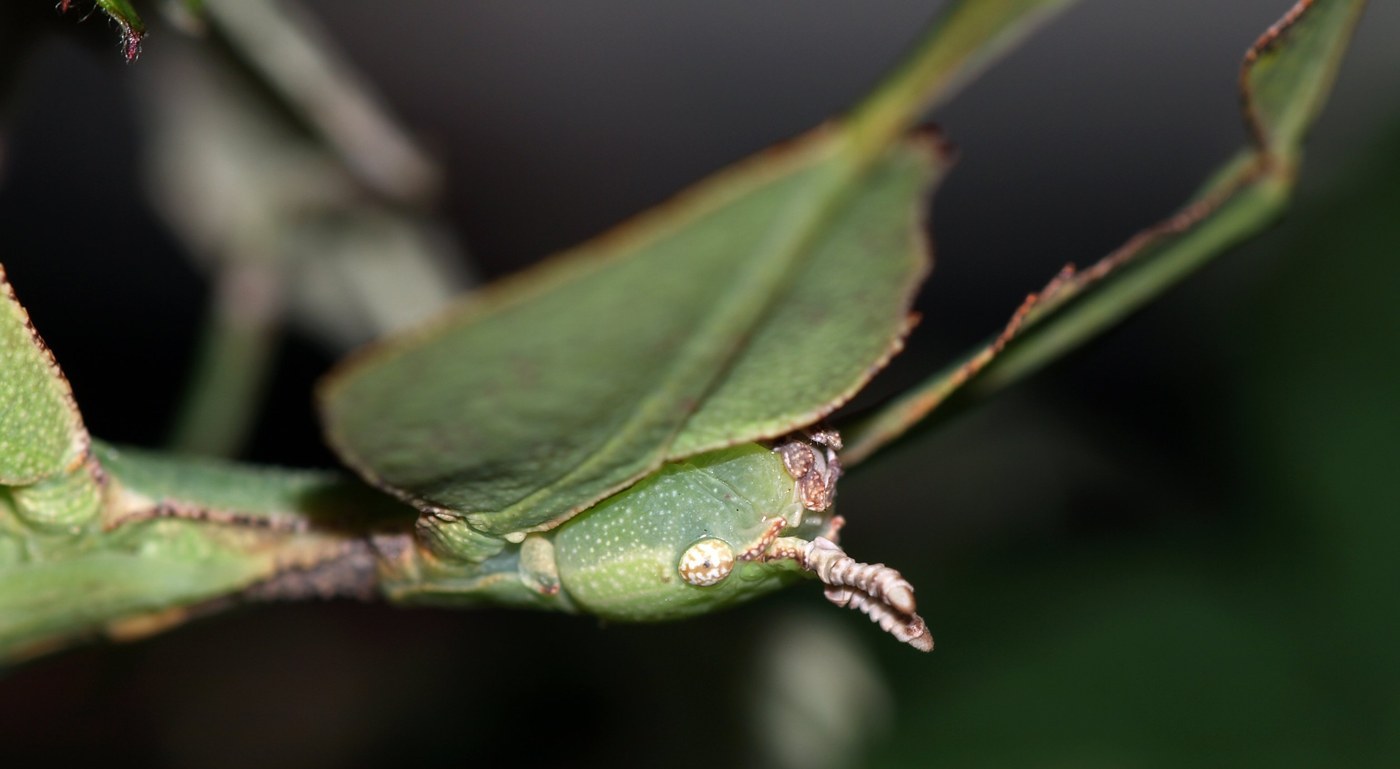
Javanese Leaf Insect
Tropical lowland and montane forest foliage
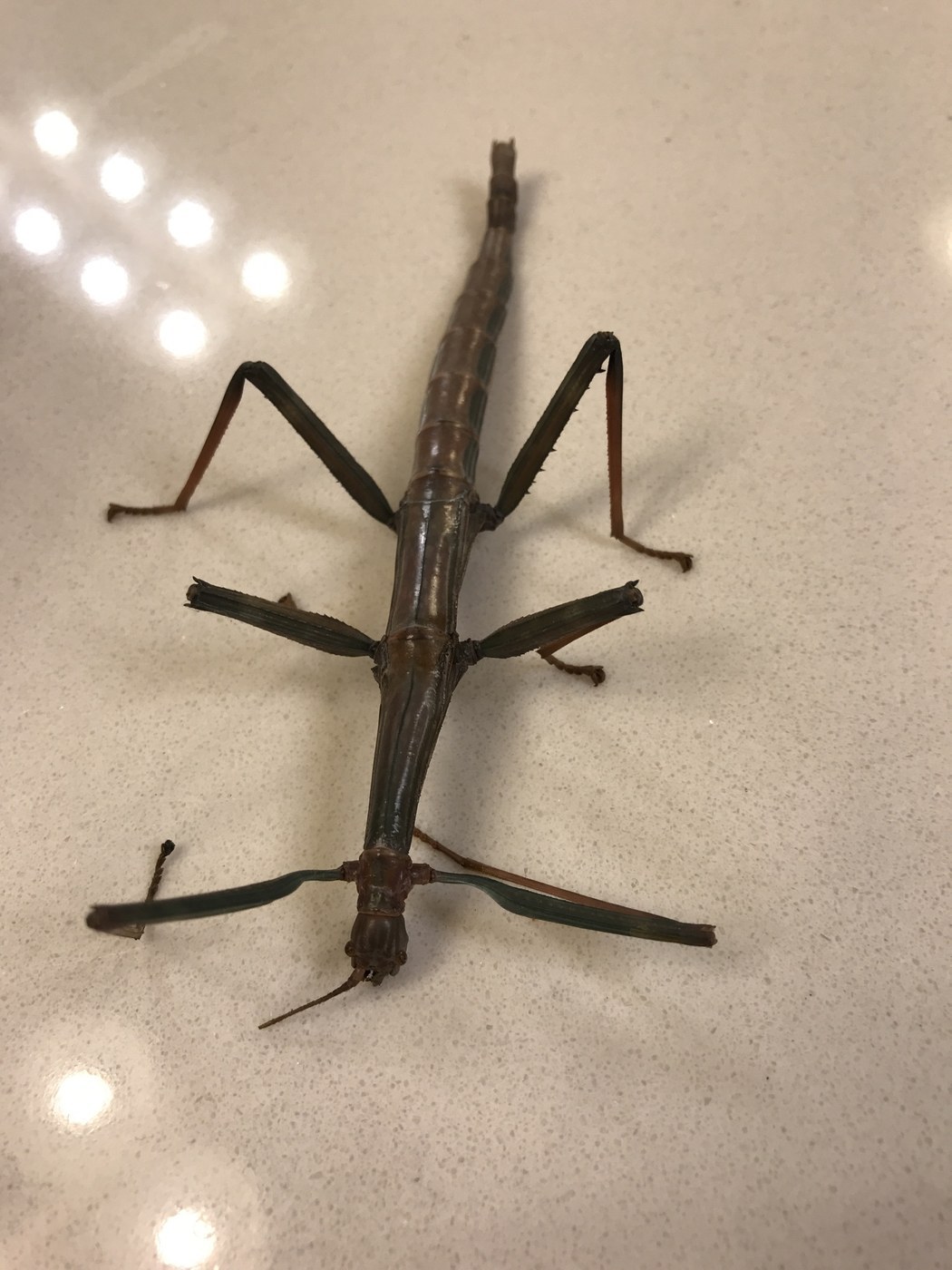
Giant Walking Stick
Deciduous woodlands, forest edges, and shrubby thickets