
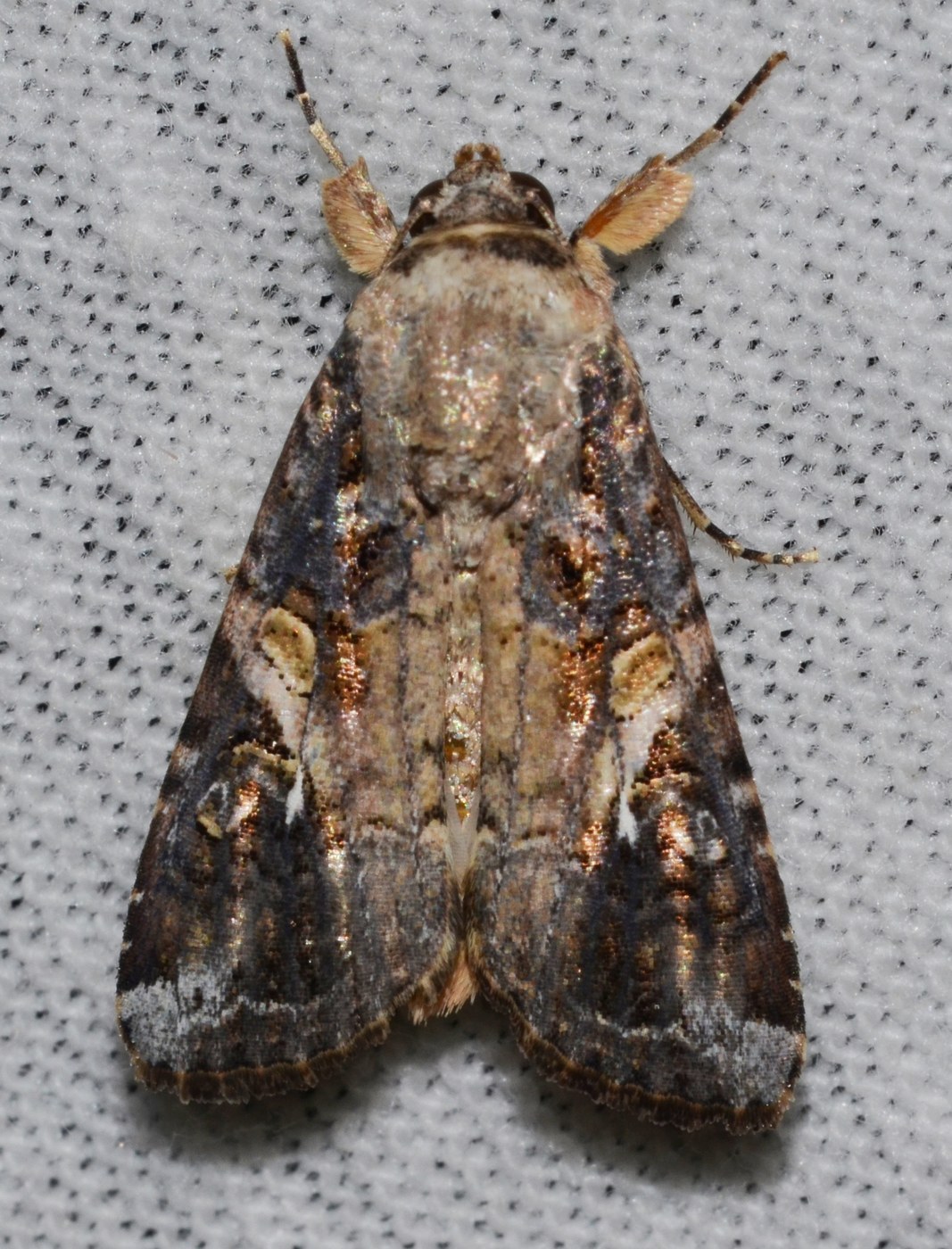
Fall Armyworm
Spodoptera frugiperda
A brownish-green caterpillar marked with a pale inverted "Y" on its head, notorious for rapid, large-scale outbreaks that devastate corn and other grass crops across the globe.
- Size
- 3-4 cm long
- Habitat
- corn fields, pastures, and grass crops
- Danger
- Nuisance pest
Spotted a bug like this?
Identify any bug or insect from a photo, free.
Overview
The fall armyworm (Spodoptera frugiperda) is native to the tropical and subtropical regions of the Americas but has become one of the most globally significant agricultural pests since its accidental introduction to Africa in 2016, from which it has since spread across much of Africa, Asia, and Australia. It is the larval stage of a strong-flying noctuid moth capable of migrating hundreds of kilometers in a single season.
This caterpillar is a generalist feeder but shows a strong preference for corn and other grasses, and its rapid reproductive rate combined with long-distance migratory flight of the adult moths allows it to build damaging populations quickly across wide geographic areas. Outbreaks can develop and spread rapidly, particularly in warm climates without hard winter frosts to limit overwintering populations.
Despite its status as a major crop pest, the fall armyworm is an important part of agricultural food webs, providing prey for birds, predatory insects, and numerous species of parasitic wasps and flies that attack its eggs and larvae.
How to Identify
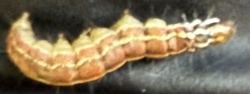
- Body color ranges from light tan or green to dark brown or nearly black, often with subtle longitudinal stripes
- Distinctive pale, inverted "Y"-shaped marking on the front of the head capsule
- Four dark spots arranged in a square pattern on the top of each abdominal segment near the rear
- Grows to about 3-4 cm at full size
- Lookalikes: true armyworm and corn earworm, but the inverted Y on the head and the square arrangement of dark spots near the tail are diagnostic of the fall armyworm
Habitat & Range
Fall armyworms are native to the Americas, ranging from the southern United States through Central and South America, and have spread as an invasive species to sub-Saharan Africa, South and Southeast Asia, and parts of Australia and Oceania since 2016. They are most abundant in corn fields but also infest pastures, rice, sorghum, and other grass crops. In warm, frost-free regions the species breeds continuously; in temperate zones it migrates northward each year but cannot overwinter where hard freezes occur.
Behavior & Diet
Fall armyworm caterpillars feed on the leaves, whorls, and ears of corn and other grasses, often causing extensive defoliation when population densities are high. Older larvae are aggressively cannibalistic when confined together, which limits crowding within individual plants but does not prevent mass movement between fields when food is depleted, giving rise to the "armyworm" behavior after which the group is named. Adult moths are powerful fliers capable of long-distance dispersal on prevailing winds, contributing to the rapid spread of the species into new regions. As both larvae and adults, fall armyworms are preyed upon by birds, predatory insects, and a range of parasitic wasps and flies that provide natural population control.
Life Cycle
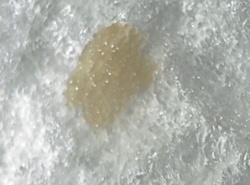
Adult female moths lay egg masses of 100-200 eggs covered with protective scales, usually on the underside of leaves. Eggs hatch within two to four days, and caterpillars pass through six instars over about two to three weeks, feeding heavily and moving into the whorl or ear of corn plants as they mature. Mature larvae burrow into the soil to pupate, emerging as adult moths after one to two weeks in warm conditions. Adults are grayish-brown moths with a wingspan of roughly 3-4 cm, the males bearing more distinctly patterned forewings than the plainer females. In tropical and subtropical regions, the fall armyworm can complete multiple generations year-round.
Frequently asked questions
How can I identify a fall armyworm caterpillar?
Look for a pale, inverted Y-shaped mark on the head and four dark spots arranged in a square near the tail end of the body.
Why has the fall armyworm become such a global concern?
Since its accidental introduction to Africa in 2016, it has spread rapidly across Africa, Asia, and Australia due to the strong migratory flight of adult moths and the species' broad diet.
What crops does the fall armyworm damage most?
Corn is its preferred host, though it also feeds on rice, sorghum, pasture grasses, and various other crops.
Can fall armyworms survive cold winters?
They cannot survive hard freezes and must migrate from warmer, frost-free source regions each year to reestablish populations in temperate areas.
Fall Armyworm guides
In-depth guides for identifying, understanding, and living alongside Fall Armyworm.
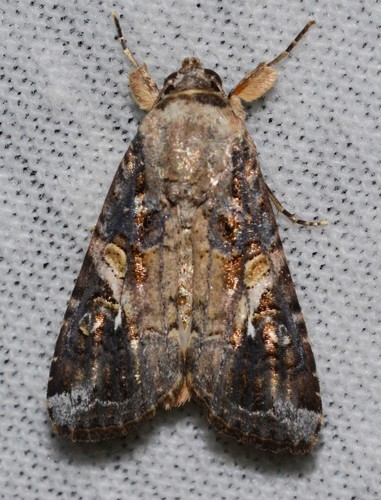
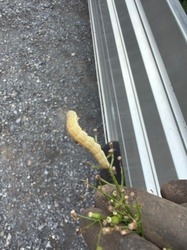
Fall Armyworm identified by the community
Real finds identified with Bug Identifier.

Other bugs you may enjoy
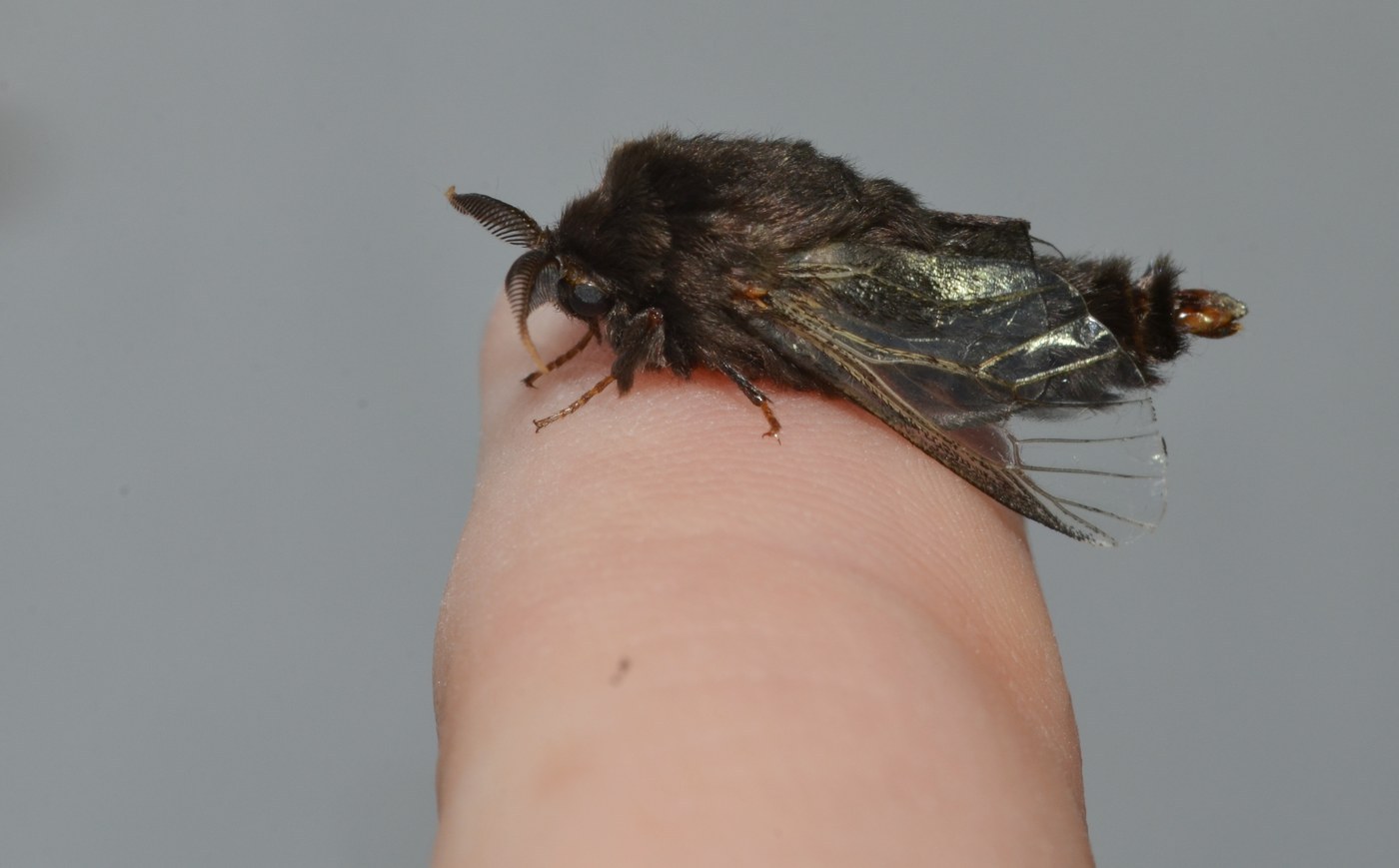
Bagworm
Trees and shrubs, especially conifers and ornamental landscaping
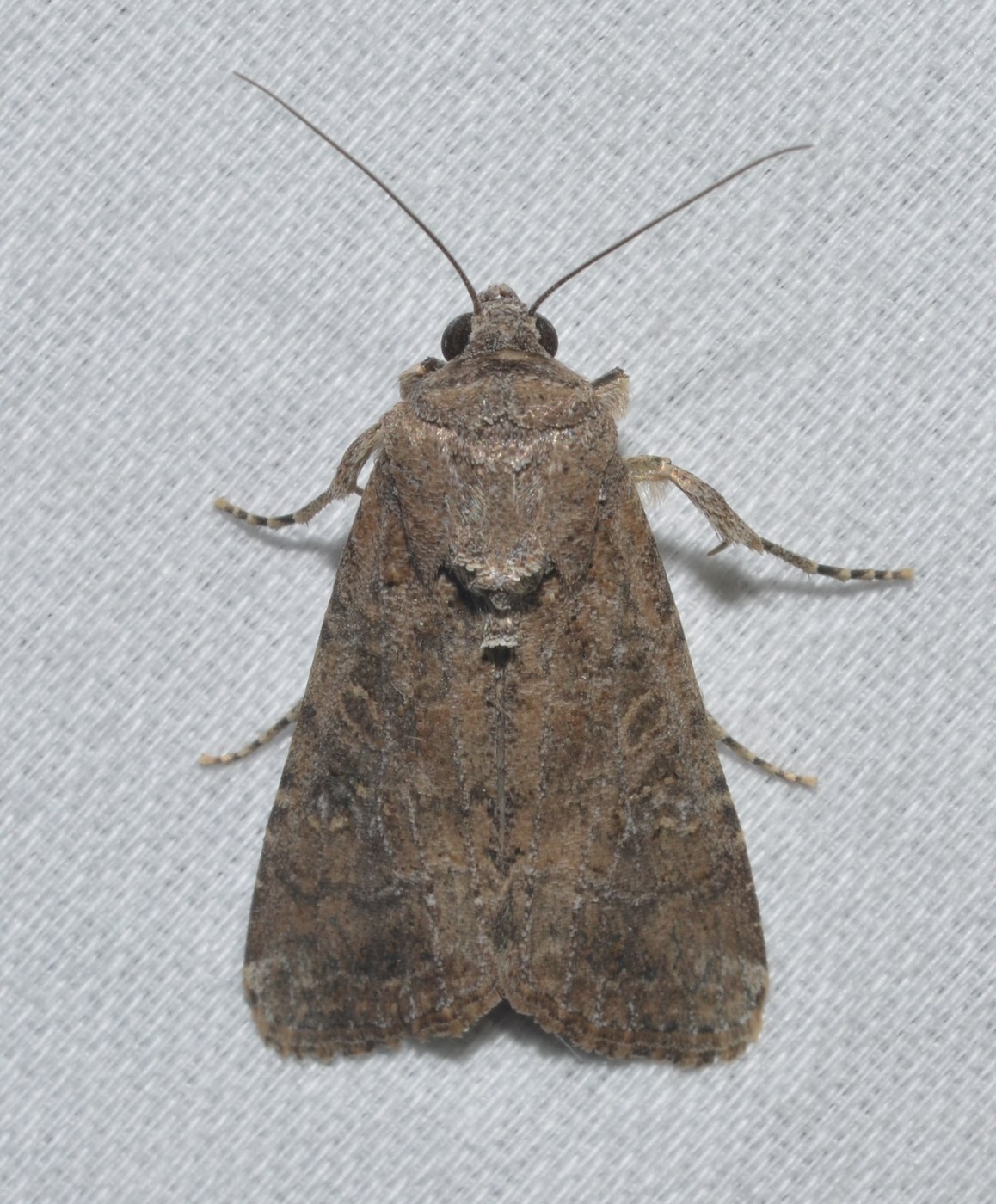
Armyworm
grasslands, pastures, and cereal crop fields
Zebra Longwing Caterpillar
Tropical and subtropical hammocks with passionflower vines
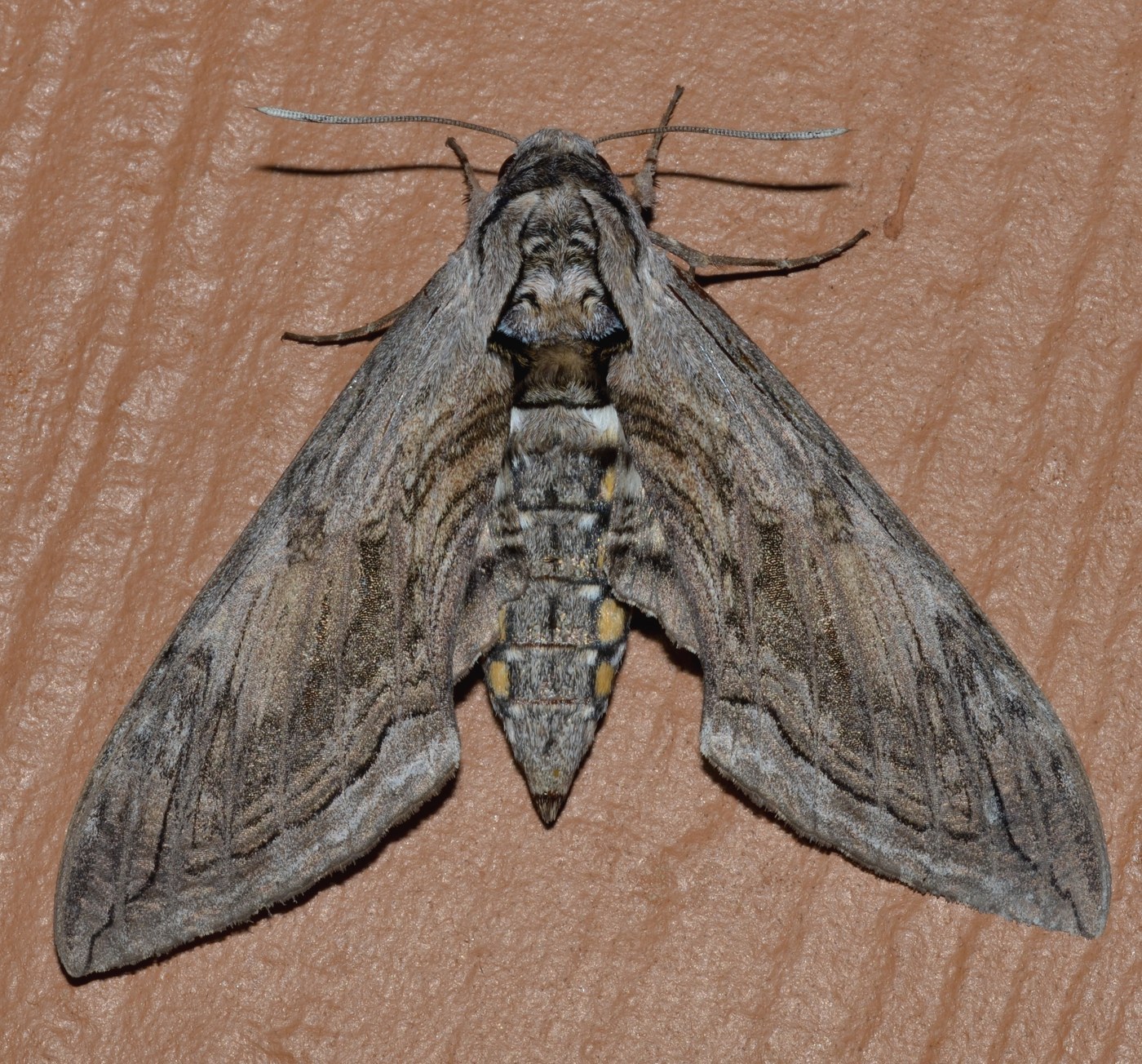
Tomato Hornworm
Gardens and fields with tomato, pepper, and other nightshade plants
Tent Caterpillar
Deciduous trees such as cherry, apple, and other rosaceous species
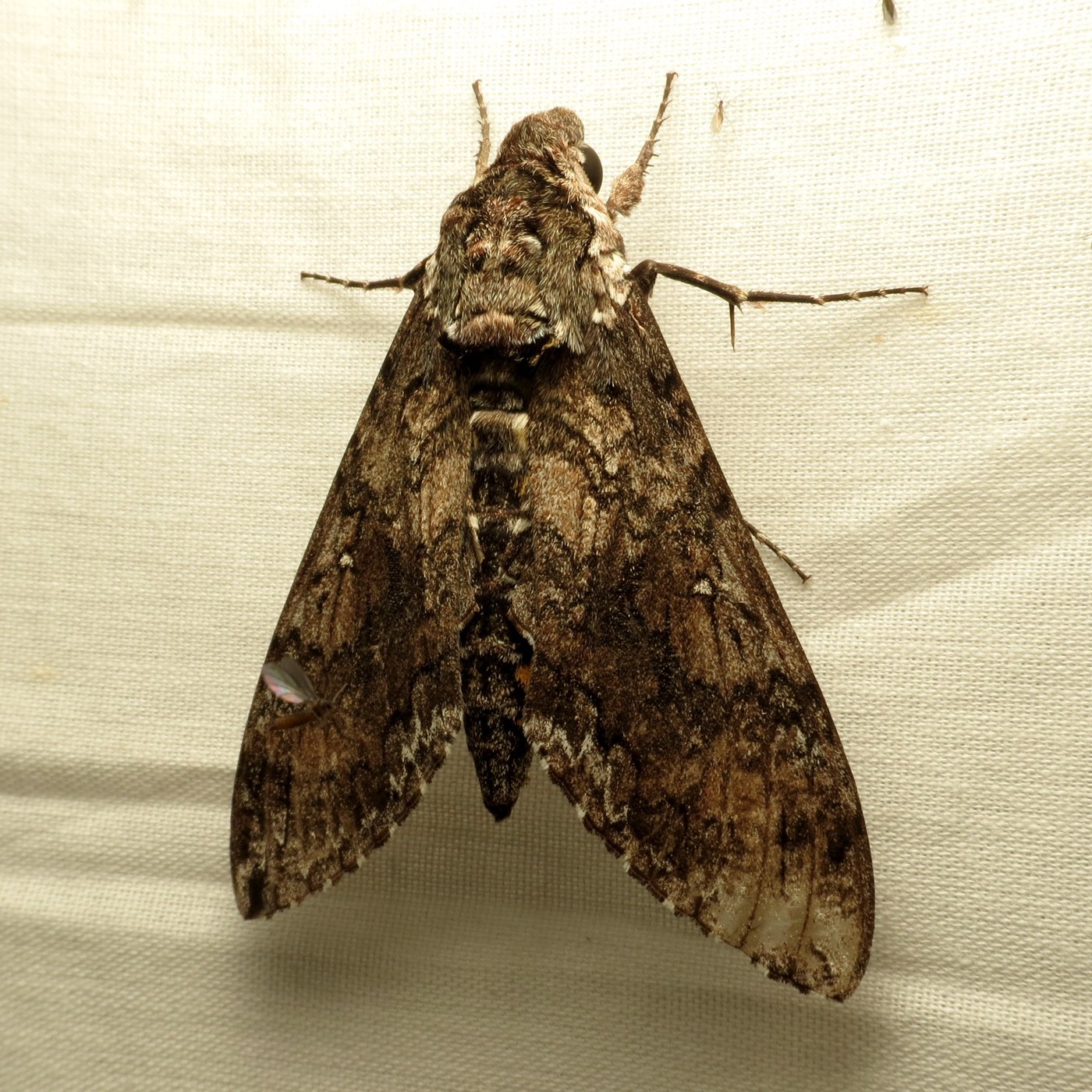
Tobacco Hornworm
tobacco, tomato, and pepper plants in gardens and fields
Woolly Bear Caterpillar
Gardens, meadows, roadsides, and woodland edges across North America
Sod Webworm
Turfgrass lawns, golf courses, pastures
Spiny Oak-slug Caterpillar
Deciduous forests and woodland edges with oak and other hardwoods
Saddleback Caterpillar
Deciduous trees and shrubs in eastern and southern North America
Stinging Rose Caterpillar
Gardens and woodlands with rose, dogwood, or oak
Silkworm
Reared exclusively in captivity on mulberry leaves; no independent wild population