
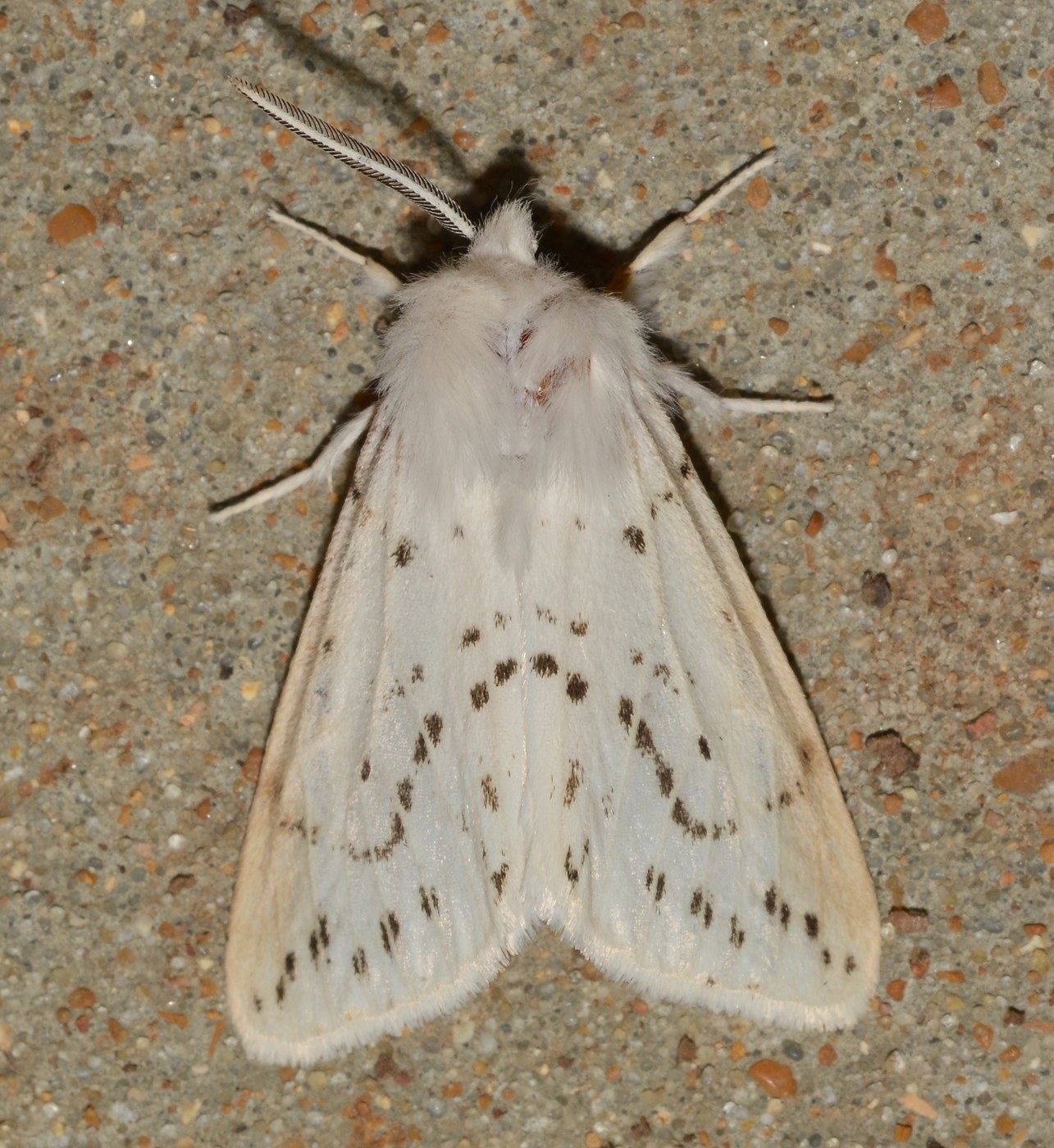
Fall Webworm Moth
Hyphantria cunea
A plain white (sometimes lightly speckled) moth whose caterpillars are far more familiar than the adult, spinning large communal silk webs over the ends of tree branches in late summer and early autumn.
- Size
- 1.2–1.7 in wingspan
- Habitat
- Deciduous trees, orchards, woodland edges, urban shade trees
- Danger
- Nuisance pest
Spotted a bug like this?
Identify any bug or insect from a photo, free.
Overview
The fall webworm moth is a member of the family Erebidae, in the tiger moth group, and is native to North America though it has also become established as an introduced species in parts of Europe and Asia. While the adult moth itself is a rather unremarkable white insect, its larval stage is one of the most visually obvious caterpillars in late-summer landscapes due to the large, loose silk webs the caterpillars spin communally over foliage.
Unlike the similarly web-building eastern tent caterpillar, which builds its nest in branch crotches in spring, the fall webworm constructs its web at the tips of branches later in the growing season, gradually enclosing more foliage as the colony grows and consumes leaves within the silk enclosure.
The species is a generalist feeder on an extremely wide range of deciduous trees and shrubs, and while the communal webbing can look dramatic, defoliation from this species is generally limited to the outer canopy rather than affecting the whole tree.
How to Identify
- Adult: satiny white wings, sometimes with small black or brown speckles, a stout hairy white-to-orange body, and a wingspan of roughly 1.2 to 1.7 inches.
- Caterpillar: pale yellow-green to tan, covered in tufts of long, fine hairs arising from small dark or orange tubercles, varying somewhat in color across populations.
- Best identified by its behavior: caterpillars live and feed communally inside a loose, silk web spun over the tips of branches, expanding the web as they consume enclosed foliage.
- Distinguished from the eastern tent caterpillar by web placement (branch tips rather than crotches) and timing (late summer to fall rather than spring).
Habitat & Range
Native to North America and widely distributed across the continental United States, southern Canada, and Mexico, with introduced populations established in parts of Europe and Asia. Found on a very broad range of deciduous host trees in orchards, woodland edges, parks, and urban and suburban shade trees. Webs become conspicuous in late summer and persist into autumn.
Behavior & Diet
Caterpillars feed gregariously within a communal silk web that they continually enlarge to enclose fresh foliage as they consume the leaves inside, a strategy that offers some protection from predators and weather. Because the species is a generalist able to feed on hundreds of different tree and shrub species, its webs are a common sight on a wide variety of hosts by late summer, and heavy infestations can make host trees look ragged, though damage is usually cosmetic. Adult moths are nocturnal and feed little, being primarily focused on reproduction during their short adult lifespan.
Life Cycle
Eggs are laid in large masses on the underside of leaves in late spring to summer and hatch into caterpillars that immediately begin spinning a communal web, enlarging it as they grow through several instars over several weeks. Mature caterpillars leave the web to pupate in a cocoon in bark crevices, leaf litter, or the soil. There are one to two generations per year depending on climate, with the species overwintering as a pupa and adults emerging in late spring to summer to begin the cycle again.
Frequently asked questions
Is this the same as the eastern tent caterpillar?
No, though both build communal silk structures, the fall webworm builds its web over branch tips in late summer while the eastern tent caterpillar builds in branch crotches in spring.
Does the webbing kill the tree?
Damage is typically limited to leaves enclosed within the web and is generally cosmetic rather than affecting overall tree health.
What does the adult moth look like?
It is a plain satiny white moth, sometimes with light speckling, quite different in appearance from the conspicuous caterpillar webs it produces.
What trees does it feed on?
It is a generalist capable of feeding on a very wide range of deciduous trees and shrubs, making its webs a common late-summer sight on many different host species.
Fall Webworm Moth guides
In-depth guides for identifying, understanding, and living alongside Fall Webworm Moth.
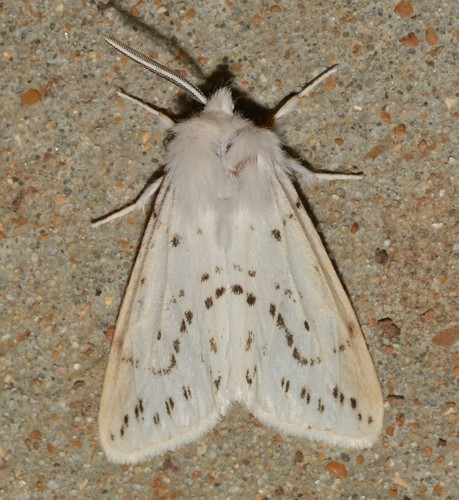
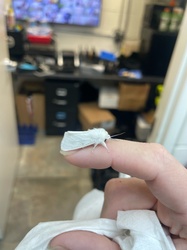
Fall Webworm Moth identified by the community
Real finds identified with Bug Identifier.
Other bugs you may enjoy
Bagworm Moth
Coniferous and deciduous trees, shrubs, hedges
Antheraea Silkmoth
Deciduous forests, woodland edges, orchards
Ailanthus Silkmoth (Cynthia Moth)
Urban parks, wastelands, and woodland edges with tree-of-heaven; native to Asia, introduced in North America and Europe
Winter Moth
Deciduous woodland, orchards, gardens, hedgerows
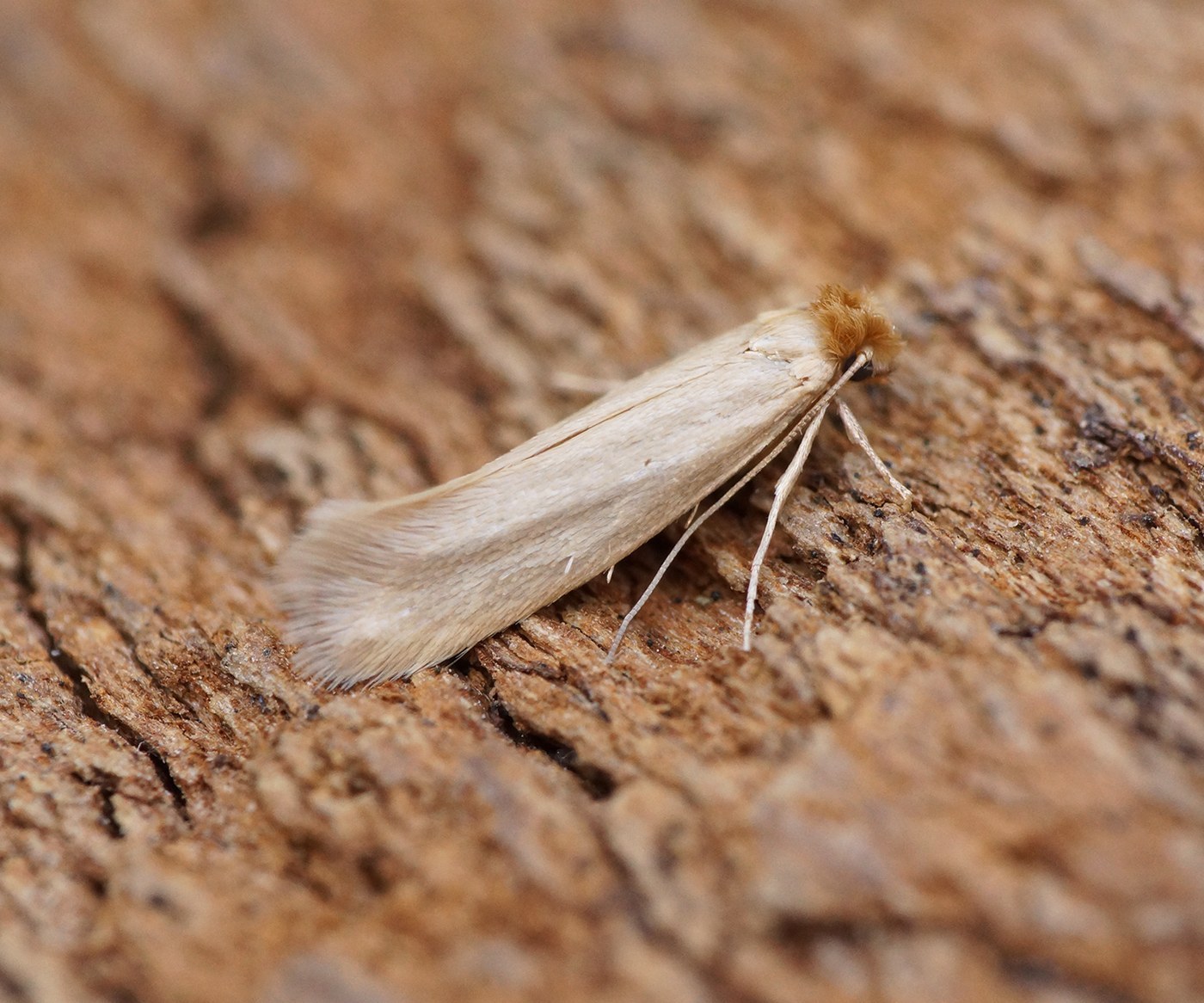
Webbing Clothes Moth
Dark closets, storage areas, and animal nests worldwide
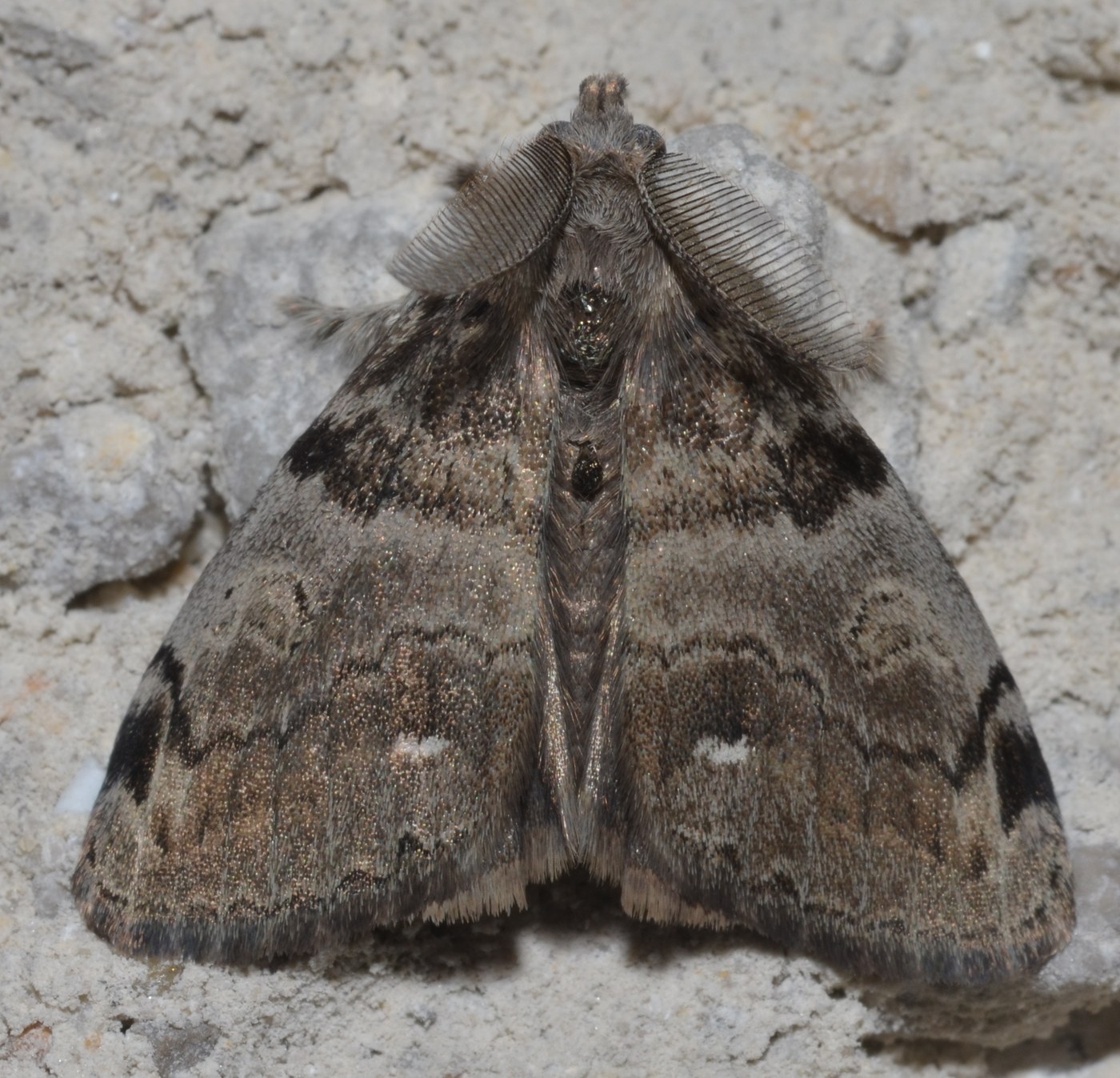
Tussock Moth
Deciduous forests, parks, gardens
Wax Moth
Beehives, apiaries, stored beeswax and comb
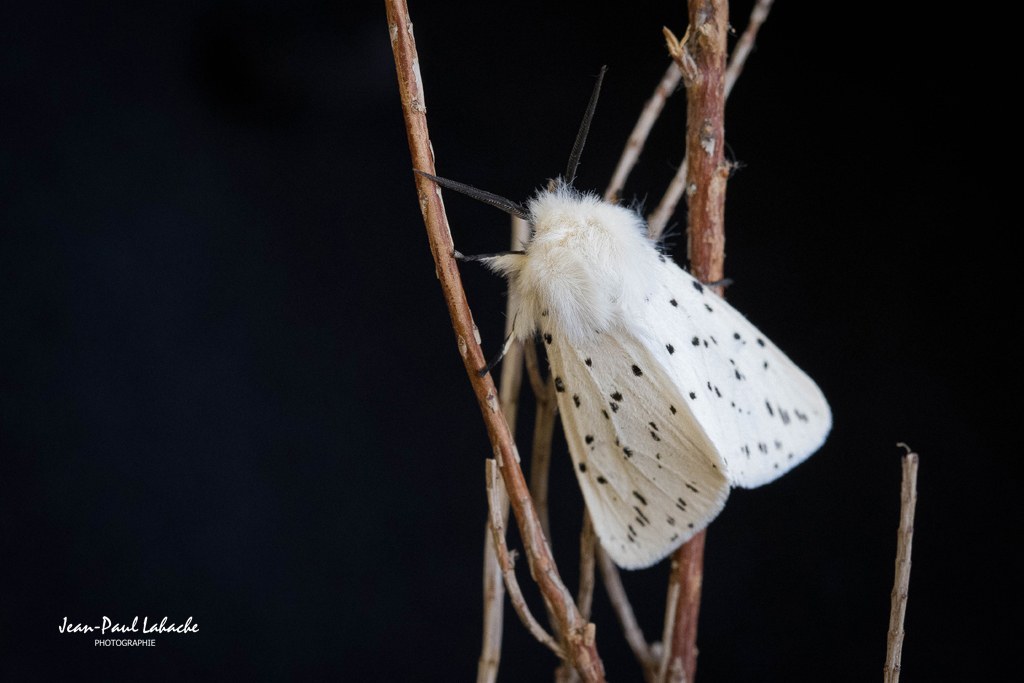
White Ermine Moth
Gardens, meadows, hedgerows
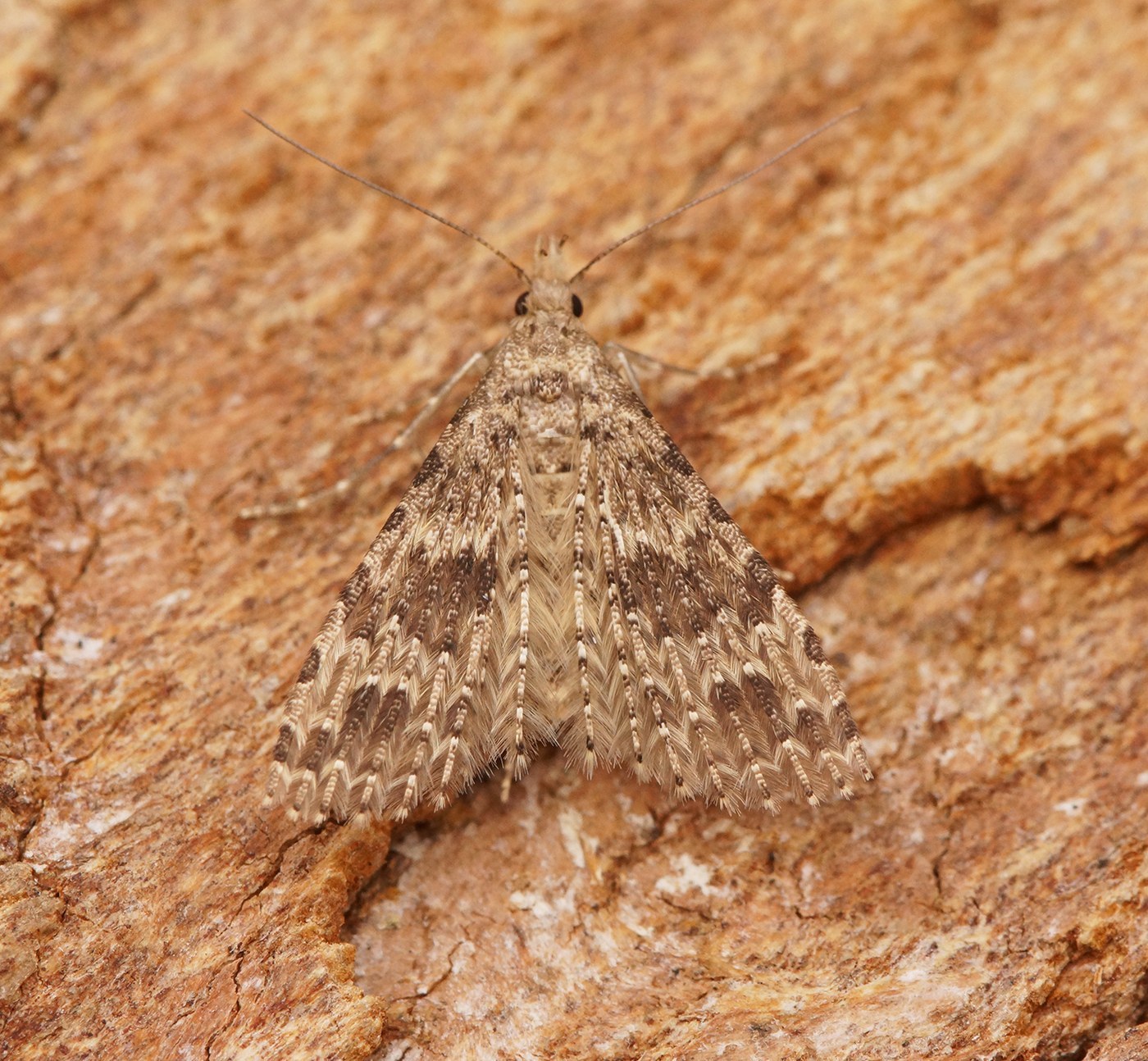
Twenty-plume Moth
Gardens, hedgerows, near honeysuckle
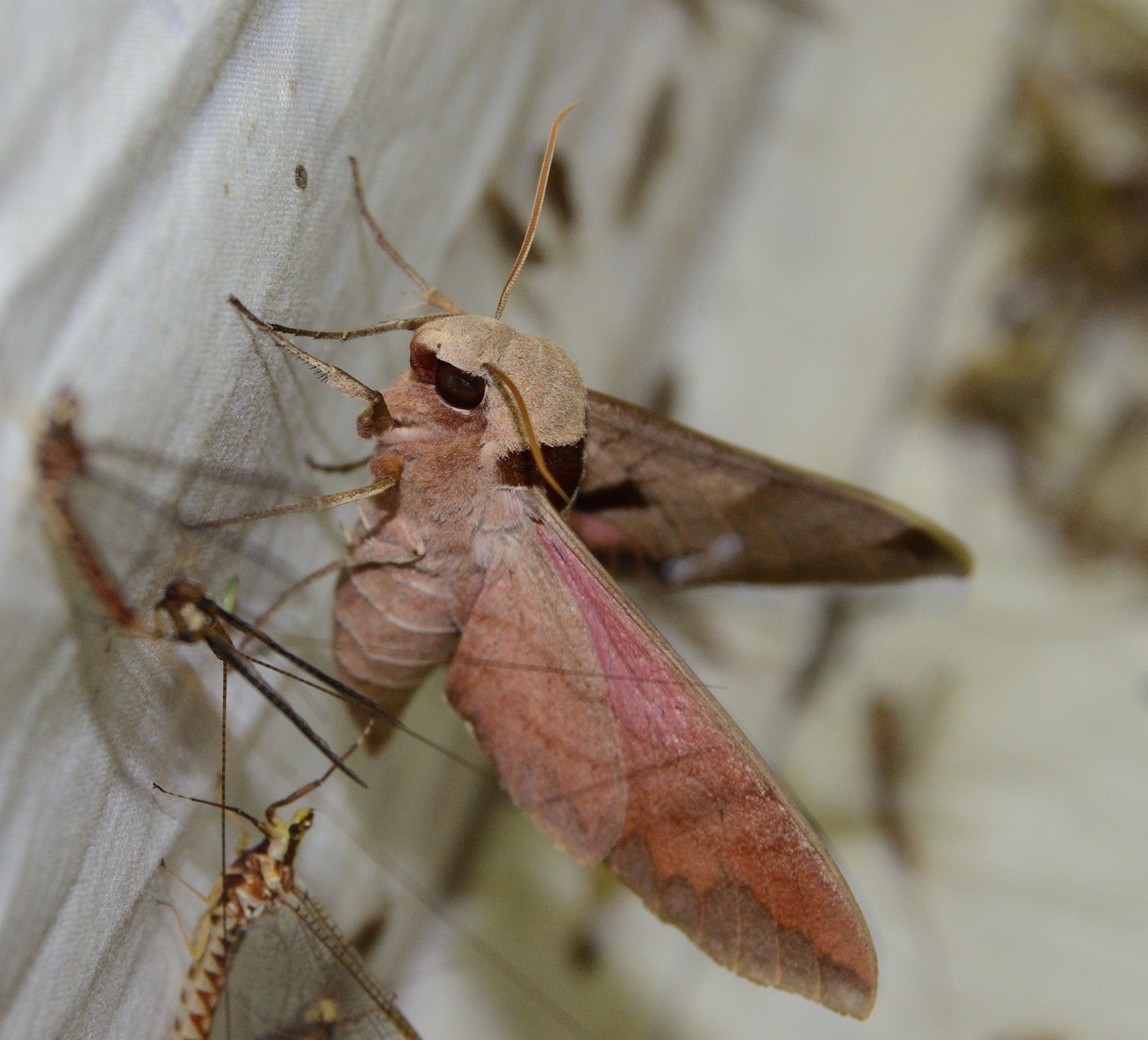
Achemon Sphinx Moth
Vineyards, woodland edges, gardens with wild grape
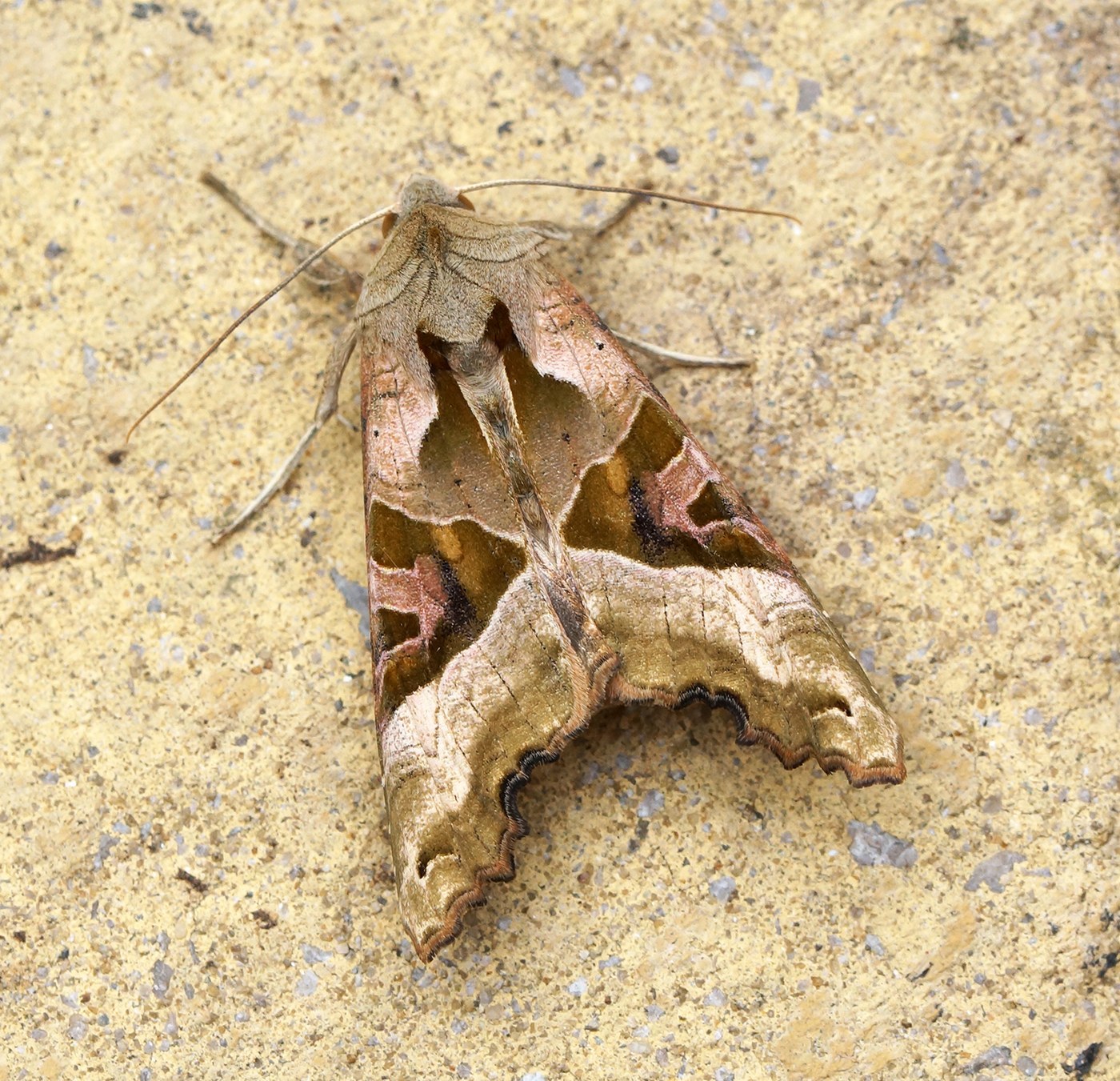
Angle Shades Moth
Gardens, hedgerows, woodland edges, urban parks
Atlas Moth
Tropical and subtropical lowland forests of Southeast Asia