
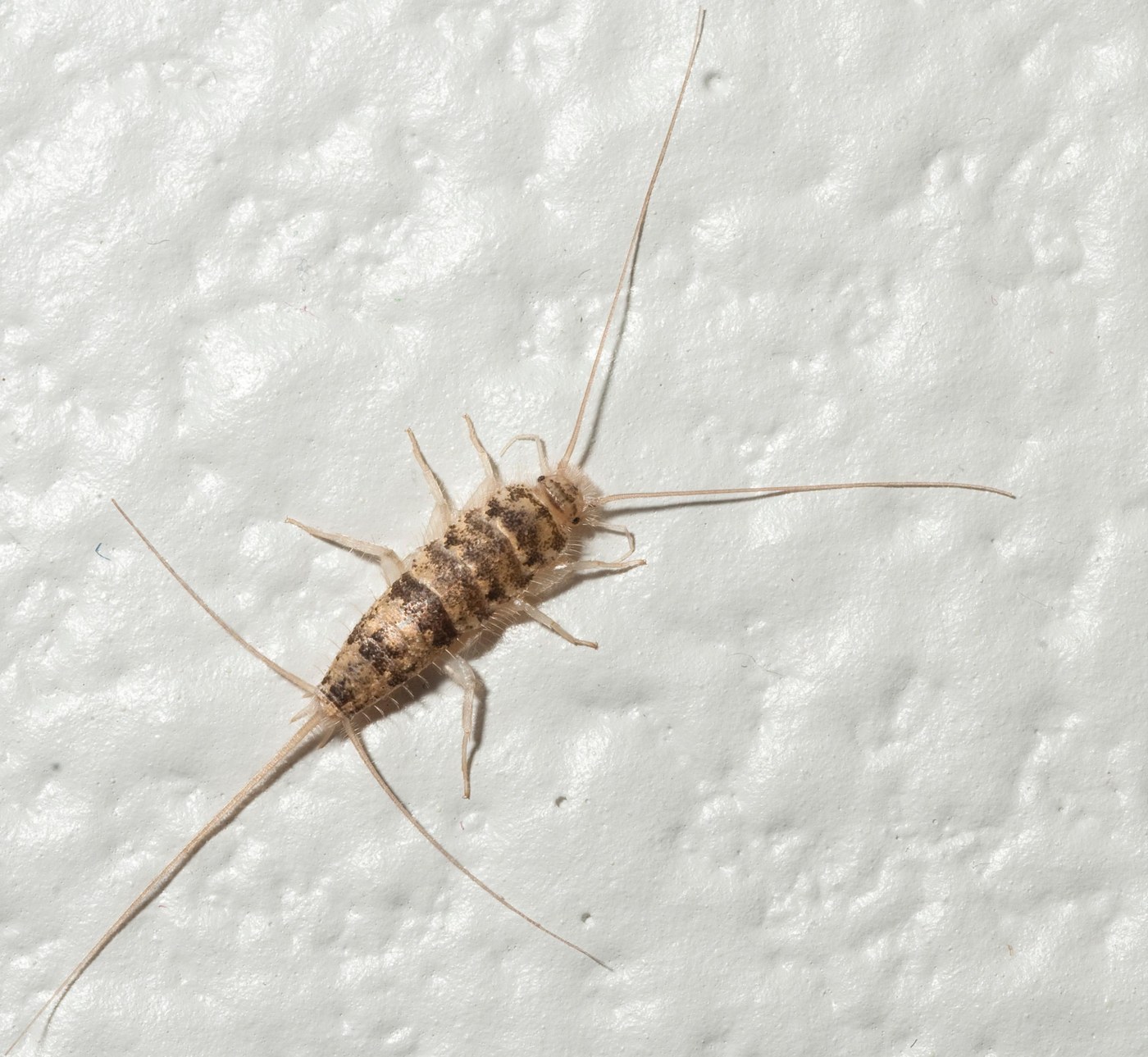
Firebrat
Thermobia domestica
A fast, wingless, mottled gray-brown insect with long antennae and tail bristles that thrives in the warm, humid corners near ovens, boilers, and pipes.
- Size
- 0.5-0.6 in (13-15 mm)
- Habitat
- Warm, humid indoor areas near heat sources
- Danger
- Nuisance pest
Spotted a bug like this?
Identify any bug or insect from a photo, free.
Overview
The firebrat is a small, primitive, wingless insect in the order Zygentoma, closely related to the more familiar silverfish. It is distinguished ecologically by its strong preference for hot, humid microhabitats, historically clustering near open hearths and bakery ovens, and today most often found near furnaces, boiler rooms, hot water pipes, and other consistently warm indoor locations.
As one of the more ancient surviving insect lineages, firebrats retain features such as a lack of wings and simple metamorphosis that set them apart from most modern insect orders, making them of interest to entomologists studying early insect evolution as well as being a common household nuisance insect.
How to Identify
- Body elongated, flattened, and tapering toward the rear, covered in fine scales giving a mottled gray, brown, and tan speckled pattern
- Wingless at all life stages
- Long, thread-like antennae project from the head
- Three long, thin tail-like appendages (two cerci and a central filament) extend from the abdomen tip
- Adults measure roughly 0.5 to 0.6 inch (13-15 mm) long
- Distinguished from the silverfish by its more mottled, less uniformly silvery coloration and its strong association with hot, humid sites rather than cooler damp areas
Habitat & Range
Firebrats seek out consistently warm, humid microhabitats, both historically near open fires and bakery ovens and today in modern buildings near furnaces, boilers, hot water heaters, insulated pipes, and attics that stay warm. They are found worldwide in association with human structures and heated environments, remaining active year-round wherever suitable warm, humid conditions persist indoors.
Behavior & Diet
This insect is nocturnal, fast-moving, and shy, darting for cover when exposed to light. It feeds on a range of starchy and organic materials, including paper, book bindings, wallpaper paste, and dried food residues, similar to its relative the silverfish, but its tolerance for high temperatures allows it to occupy microhabitats too hot and dry for most other indoor insects. As a scavenger of organic debris in warm indoor niches, the firebrat plays a minor decomposer role in human structures, though its presence is generally regarded as a nuisance pest issue.
Life Cycle
Firebrats undergo simple, ametabolous development, meaning the young hatch from eggs looking like miniature versions of the adults and simply grow larger through a series of molts without a distinct larval or pupal stage. Development from egg to reproductive adult can take several months to over a year depending on temperature and food availability, and unlike most insects, firebrats and other Zygentoma continue to molt periodically even after reaching sexual maturity. In warm, stable indoor environments, breeding can occur throughout the year without a fixed seasonal cycle.
Frequently asked questions
How is a firebrat different from a silverfish?
Firebrats have a mottled gray-brown speckled pattern rather than uniform silvery scales, and they strongly prefer hot, humid locations such as near boilers and furnaces, whereas silverfish favor cooler, damp areas.
Why is it called a firebrat?
The name reflects its historical association with the warm areas around open hearths, fireplaces, and bakery ovens, habitats it still favors in the form of modern furnaces and heating equipment.
What do firebrats eat?
They feed on starchy materials such as paper, book bindings, glue, and dried food debris found in warm parts of a building.
Can firebrats fly?
No, they are entirely wingless throughout their life and move quickly on foot rather than by flight.
Firebrat guides
In-depth guides for identifying, understanding, and living alongside Firebrat.
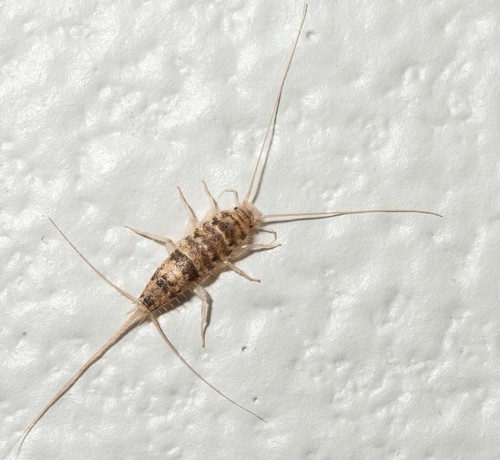
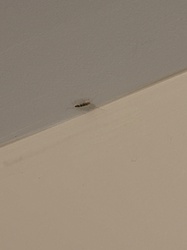
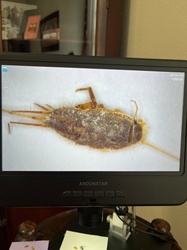
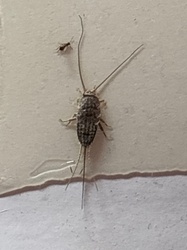
Firebrat identified by the community
Real finds identified with Bug Identifier.
Other bugs you may enjoy
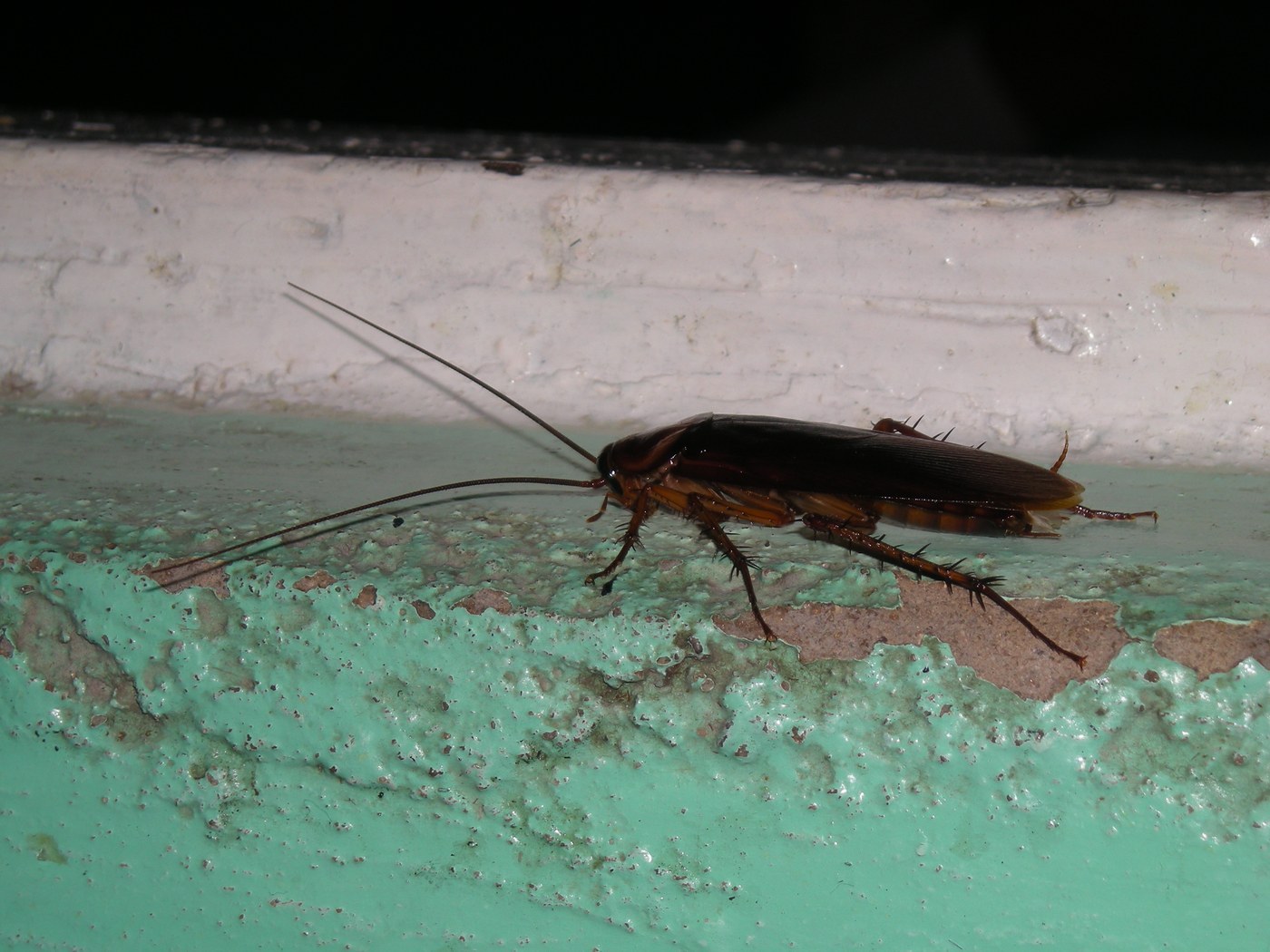
American Cockroach
Warm, humid environments such as basements, sewers, drains, and tropical outdoor settings
Thrips
Flowers, foliage, gardens, greenhouses, crop fields
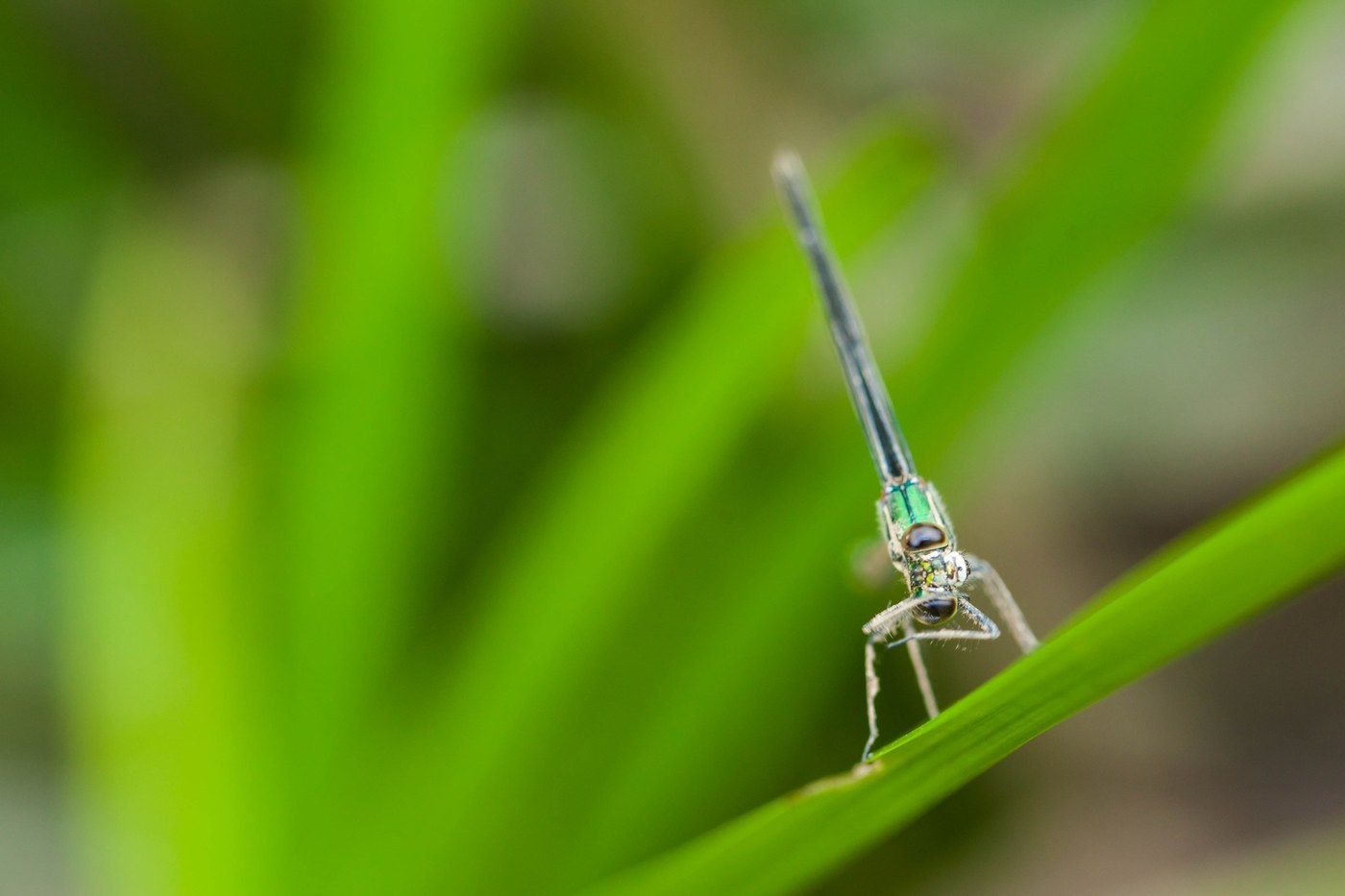
American Rubyspot
Sunny rivers and streams with moderate current
Springtail
Moist soil, leaf litter, decaying organic matter, and damp indoor areas
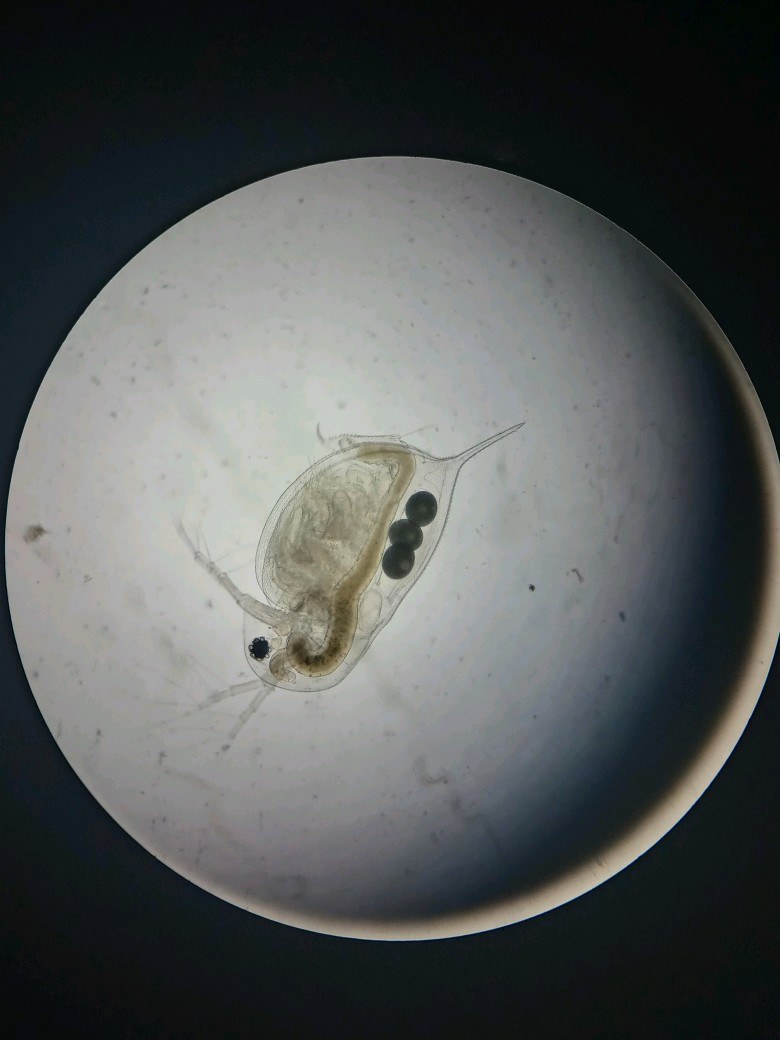
Water Flea
Ponds, lakes, and slow streams as free-floating plankton
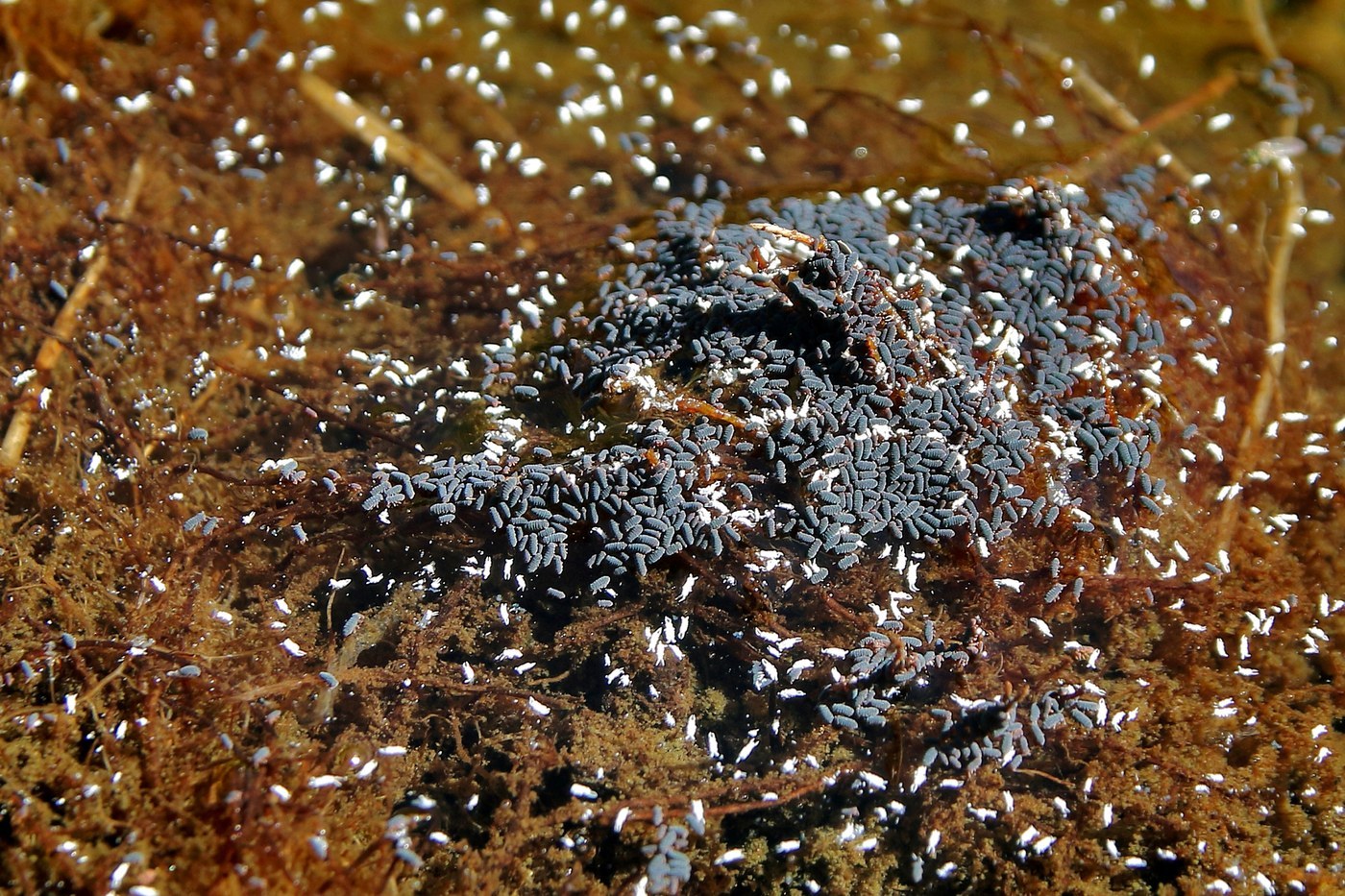
Water Springtail
Surface film of ponds, puddles, and slow ditches
Slug
Gardens, damp soil, leaf litter, greenhouses
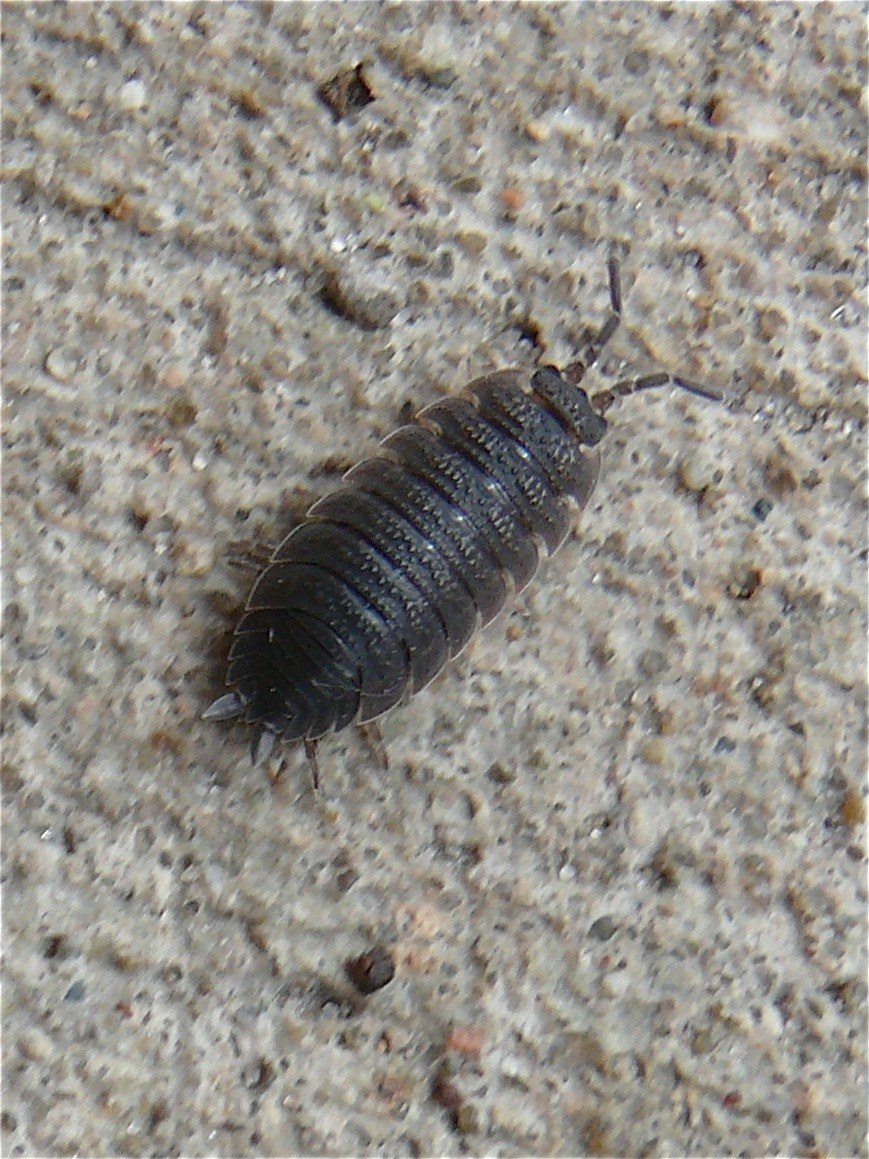
Sowbug
Leaf litter, under rocks/logs, damp garden soil, basements
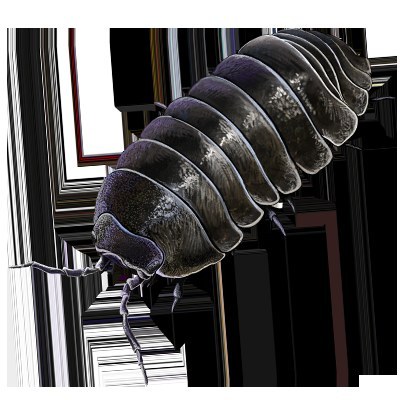
Pill Bug
Damp soil, leaf litter, under rocks and logs, garden beds
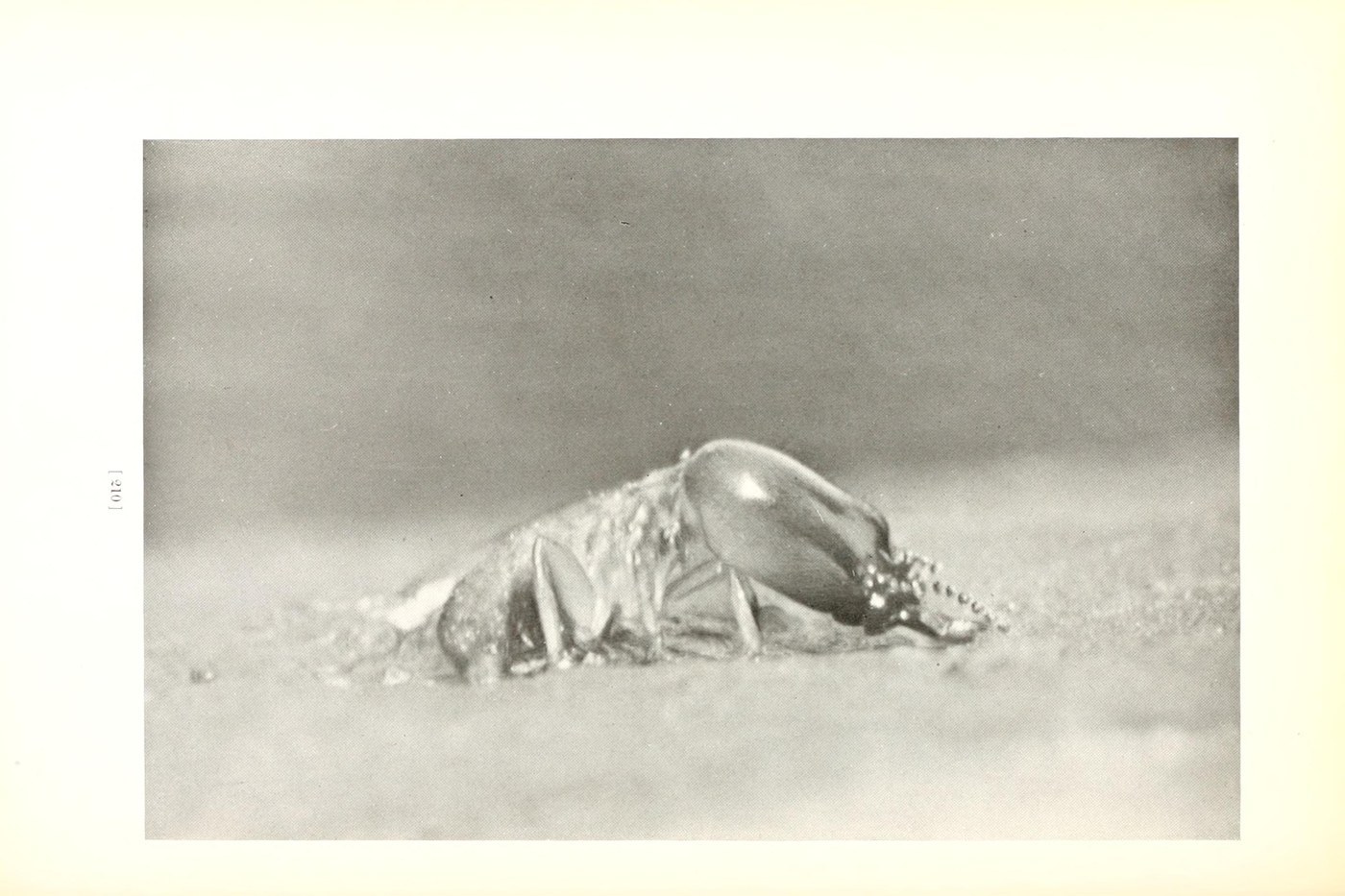
Termite
Soil, decaying wood, tree stumps, and wooden structures
Termite Swarmer
Emerges from underground or wood-nesting colonies, often near structures and moist soil
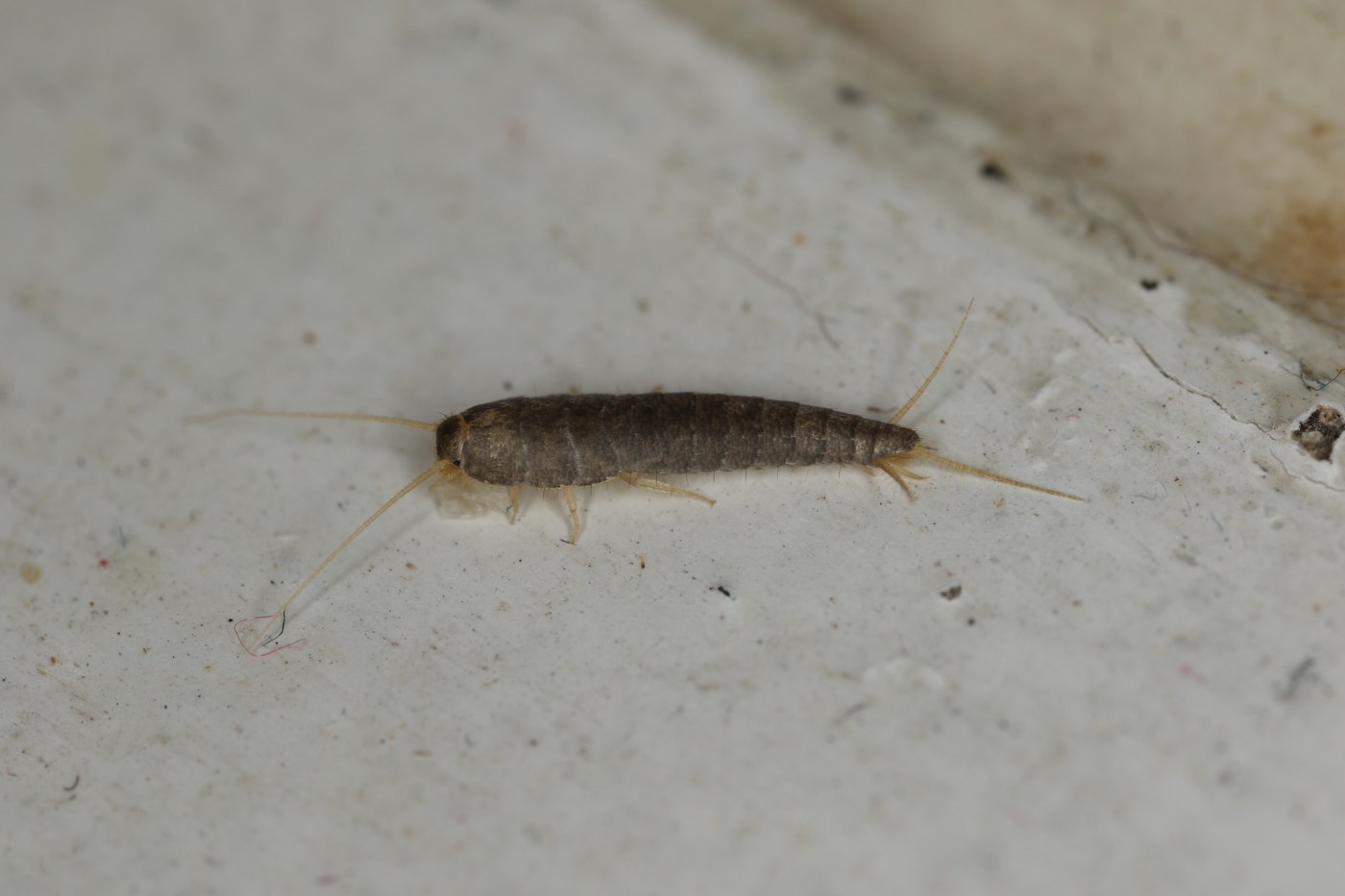
Silverfish
Damp basements, bathrooms, closets, and dark indoor crevices