
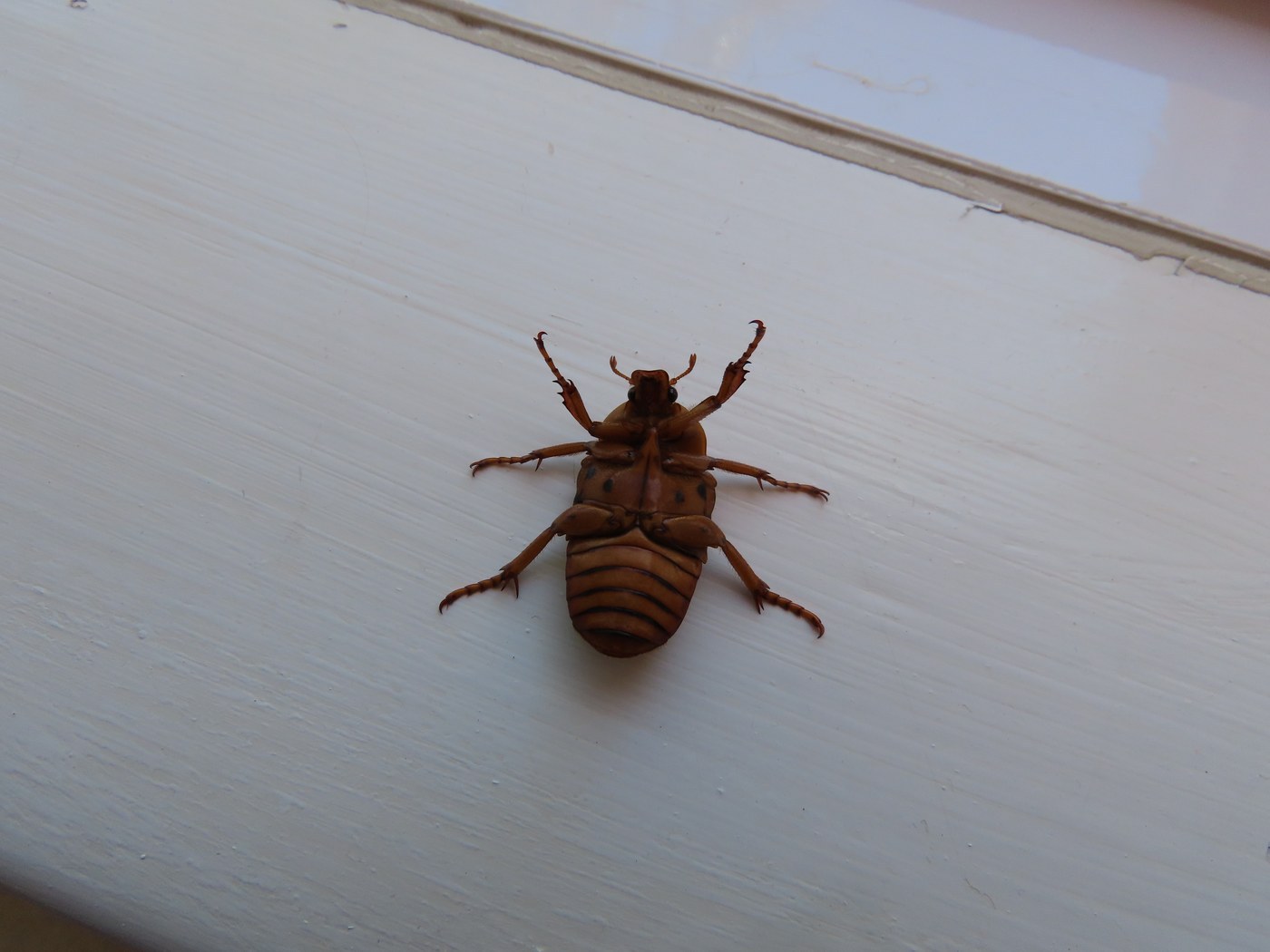
Flower Chafer Beetle
Subfamily Cetoniinae
Often clad in brilliant metallic greens, golds, and bronzes, flower chafers are day-flying scarab beetles that feed on flowers. Many buzz loudly in flight and keep their wing covers closed as they take off.
- Size
- 1-4 cm
- Habitat
- Gardens, meadows, and forests with flowering plants
- Danger
- Harmless
Spotted a bug like this?
Identify any bug or insect from a photo, free.
Overview
Flower chafers are a large subfamily (Cetoniinae) of scarab beetles distinguished by their fondness for flowers, pollen, nectar, and ripe fruit. They come in a dazzling range of colors, from iridescent emerald and gold to deep bronze, often with white or cream markings.
These beetles are found on every continent except Antarctica, with the greatest diversity in tropical regions. Many are active by day and are strong fliers, notably able to fly with their hardened wing covers held closed, an unusual trait among beetles that lets them keep a streamlined shape.
Flower chafers are among the most popular beetles with hobbyists because of their beauty, docile nature, and the ease of rearing some species. In nature they are frequent visitors to blossoms, where they feed and contribute to pollination.
How to Identify
Look for these features:
- Broad, somewhat flattened body from 1 to 4 cm long
- Often brilliant metallic green, gold, bronze, or patterned coloration
- Wing covers that stay closed during flight, with wings extending from side notches
- Clubbed antennae typical of scarabs
- Frequently seen on or around flowers in daylight
Lookalikes include other scarabs such as June beetles, but the flower-feeding habit and closed-elytra flight are characteristic.
Habitat & Range
Flower chafers occur worldwide except Antarctica, from tropical forests to temperate gardens and meadows. Adults are found on flowering shrubs and trees, blossoms, and ripening fruit. Larvae develop in decaying wood, compost, leaf litter, and rich soil. Adults are most active on warm, sunny days in the growing season.
Behavior & Diet
Adult flower chafers feed on pollen, nectar, sap, and soft ripe fruit, and their flower-visiting habits make them incidental pollinators. Larvae are detritivores that break down decaying plant matter, contributing to nutrient recycling in soil and compost. Adults fly readily in warm weather, producing an audible buzz.
Life Cycle
Flower chafers undergo complete metamorphosis. Females lay eggs in decaying wood, compost, or rich soil. The C-shaped white grubs feed on decomposing organic matter, molting through several stages, and can move on their backs in some species. They then pupate in a soil cell and emerge as adults. Depending on climate and species, development may take several months to a year, with adults active in warm seasons.
Frequently asked questions
Why do flower chafers keep their wing covers closed in flight?
They fly with the elytra held down and wings extended through side notches, giving them fast, streamlined flight.
What do flower chafers eat?
Adults feed on pollen, nectar, sap, and ripe fruit, while larvae eat decaying plant matter.
Are they good pollinators?
Yes, as frequent flower visitors they can transfer pollen between blossoms.
Do they harm gardens?
Adults may nibble flowers and fruit and can be considered minor garden pests, but they are harmless to people.
Flower Chafer Beetle guides
In-depth guides for identifying, understanding, and living alongside Flower Chafer Beetle.
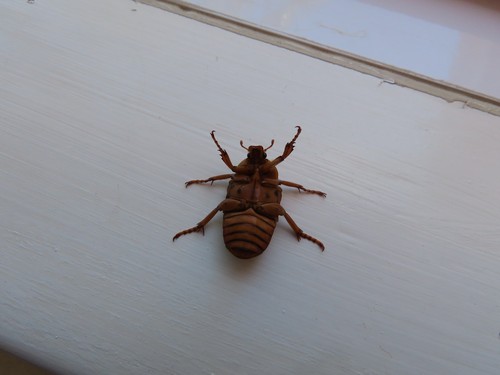
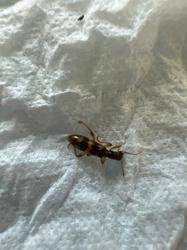
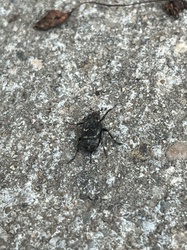
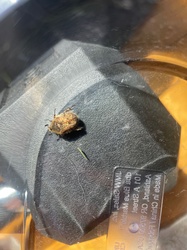
Flower Chafer Beetle identified by the community
Real finds identified with Bug Identifier.
Other bugs you may enjoy
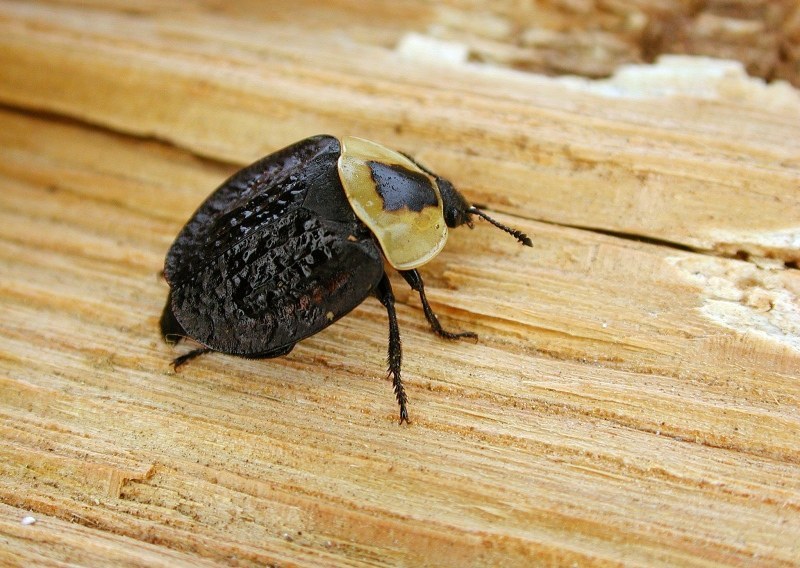
American Carrion Beetle
Forests, fields, and roadsides across North America, near decaying animal carcasses
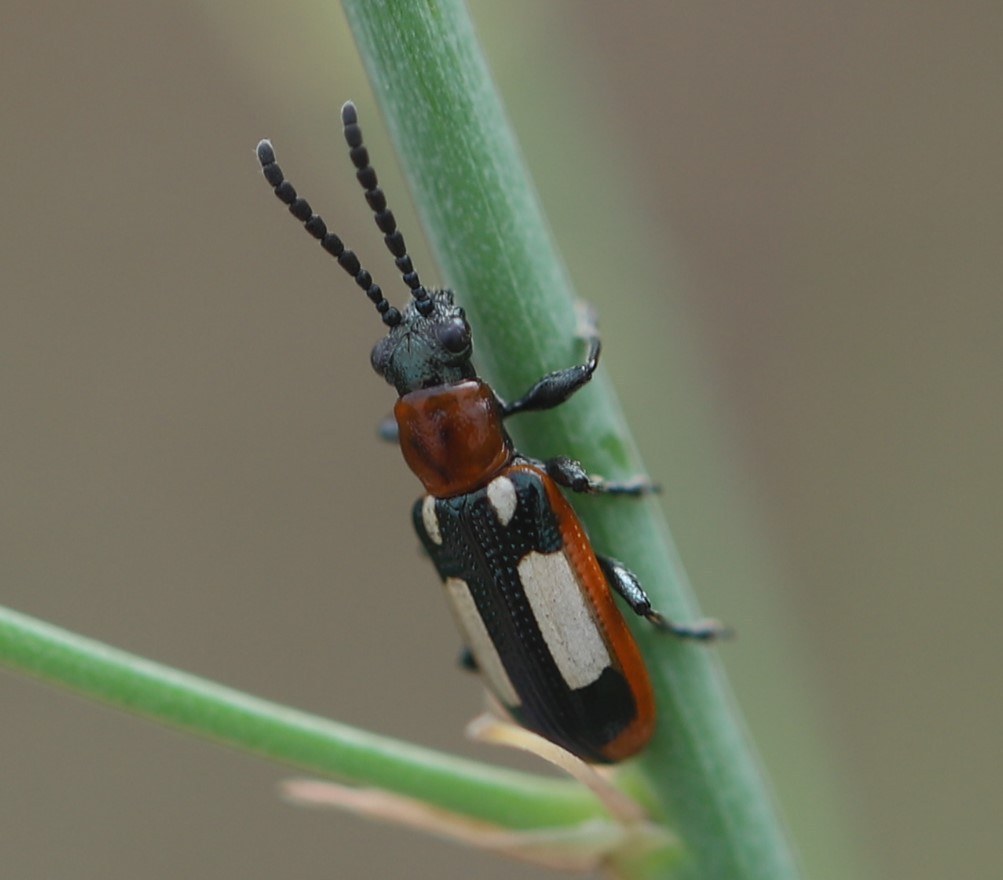
Asparagus Beetle
Asparagus patches, gardens, and farm fields
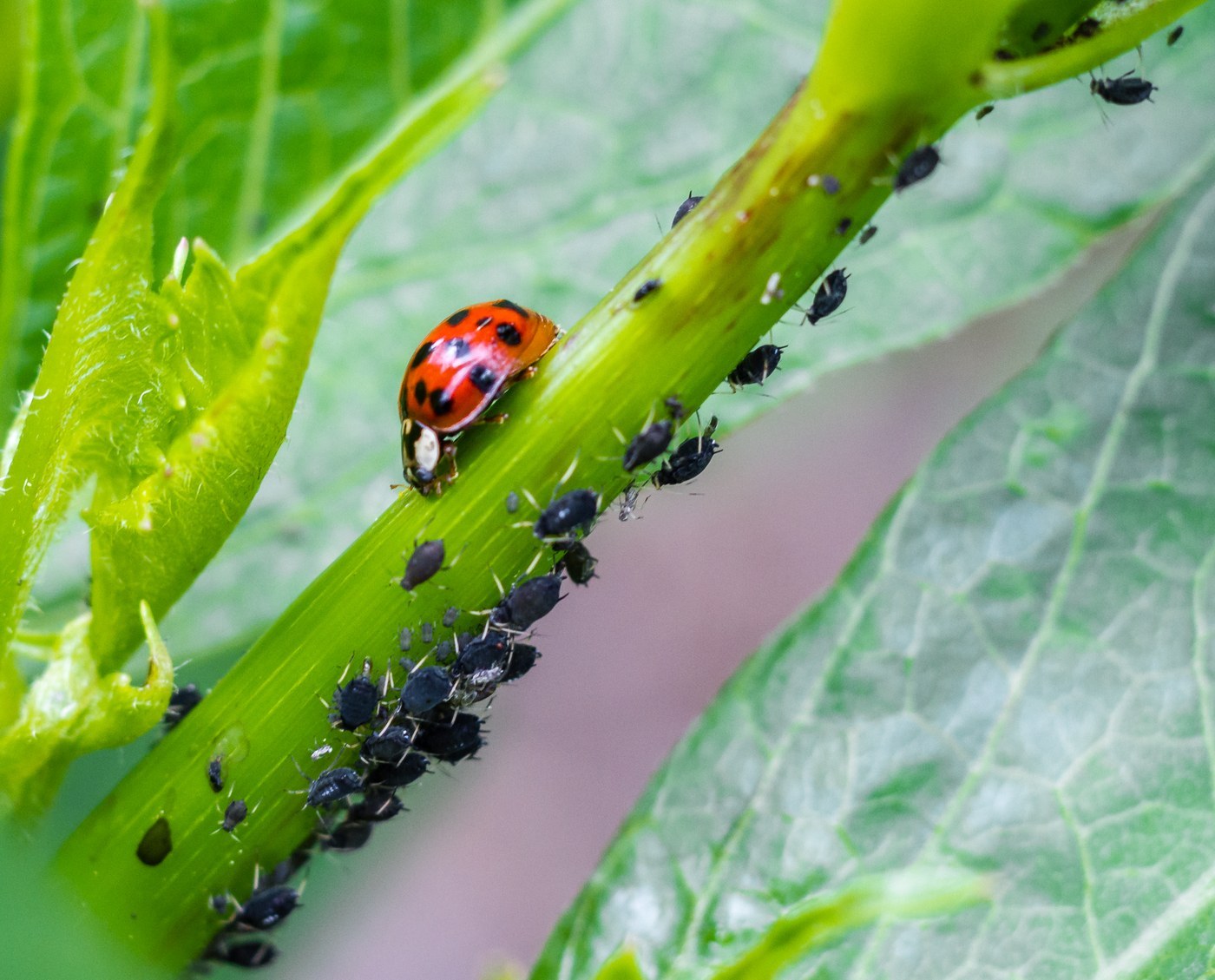
Asian Lady Beetle
Gardens, crop fields, woodlands, buildings
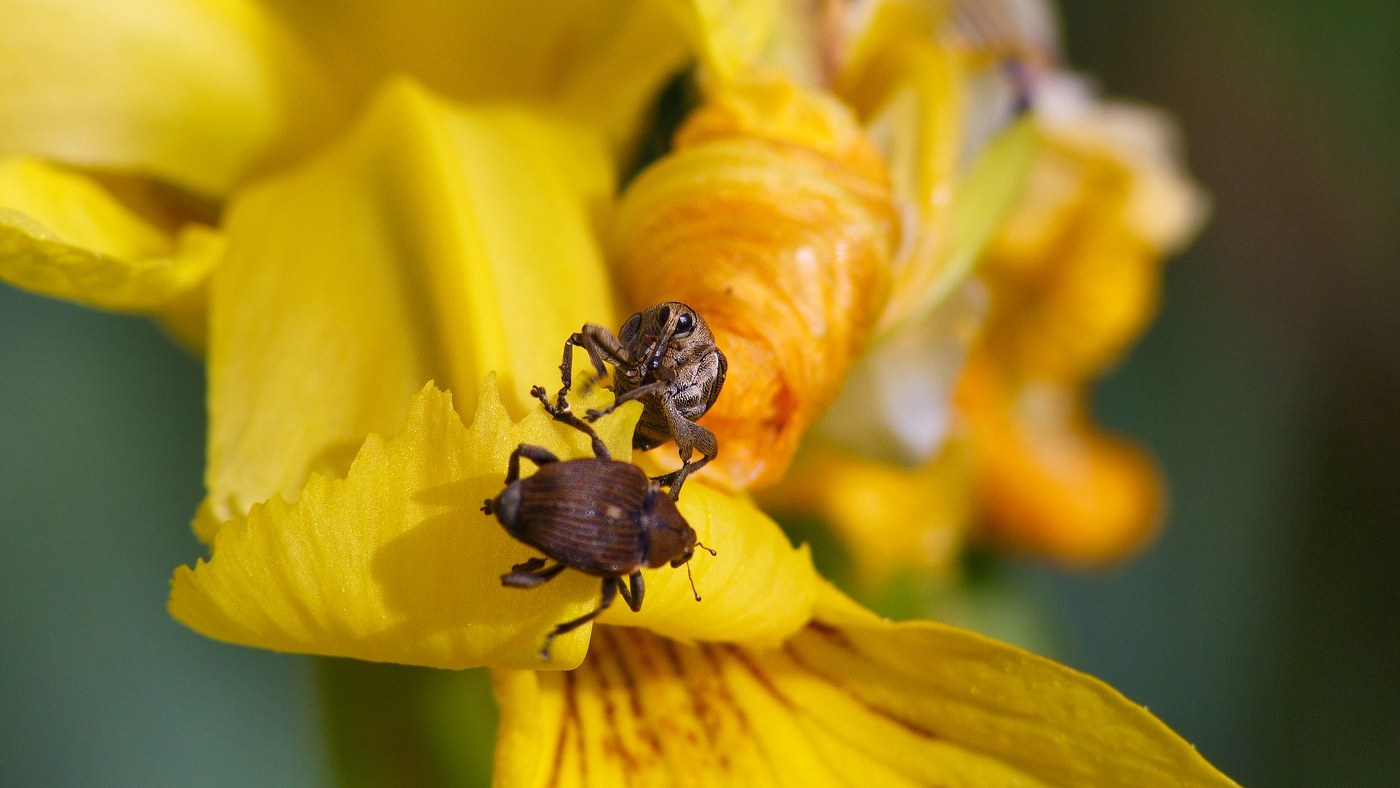
Acorn Weevil
Oak woodlands and forests, on and beneath oak trees
Wireworm
Soil of grasslands, gardens, and cultivated fields worldwide
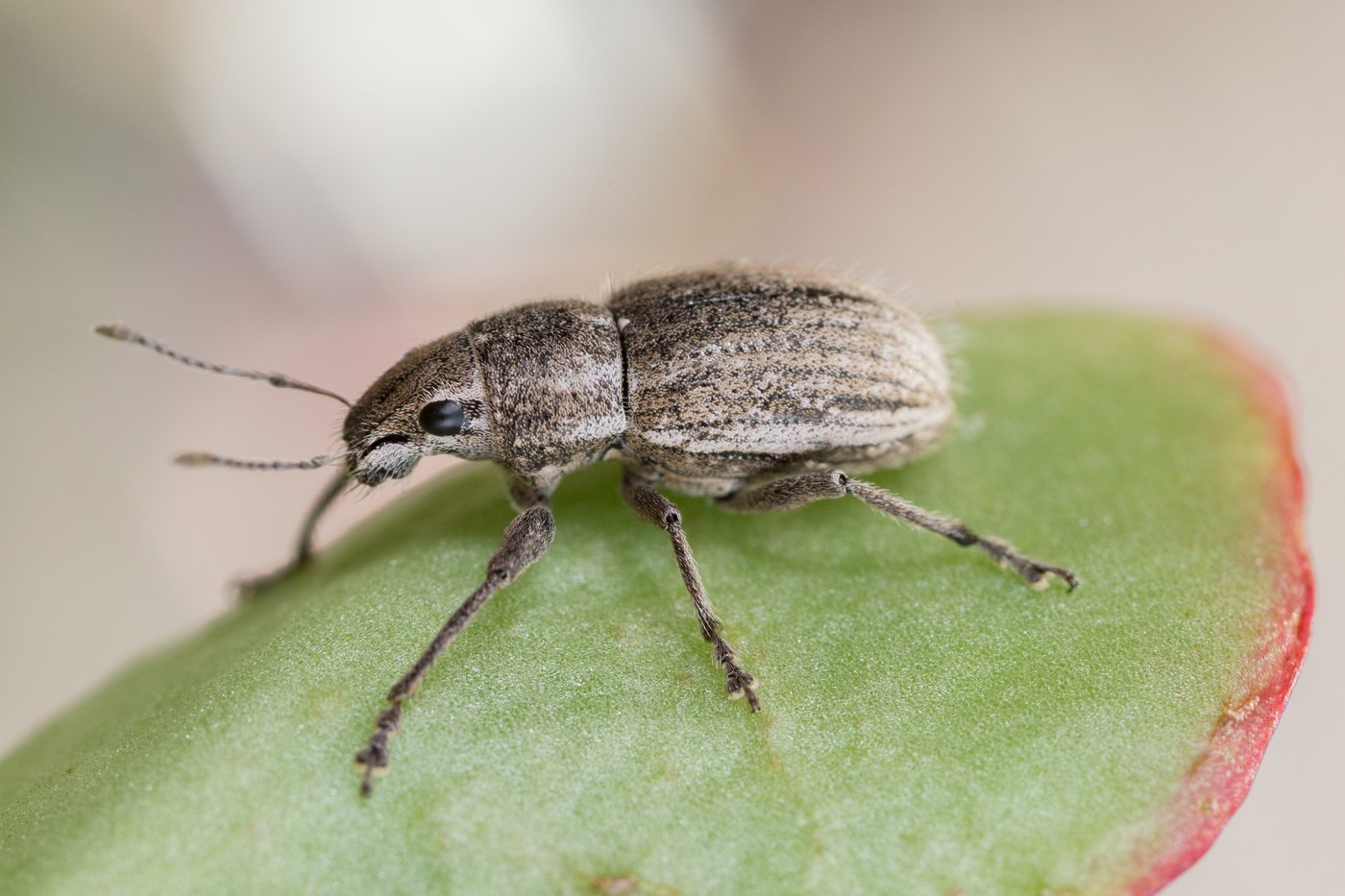
Whitefringed Beetle
Pastures, row crops, lawns, disturbed soils
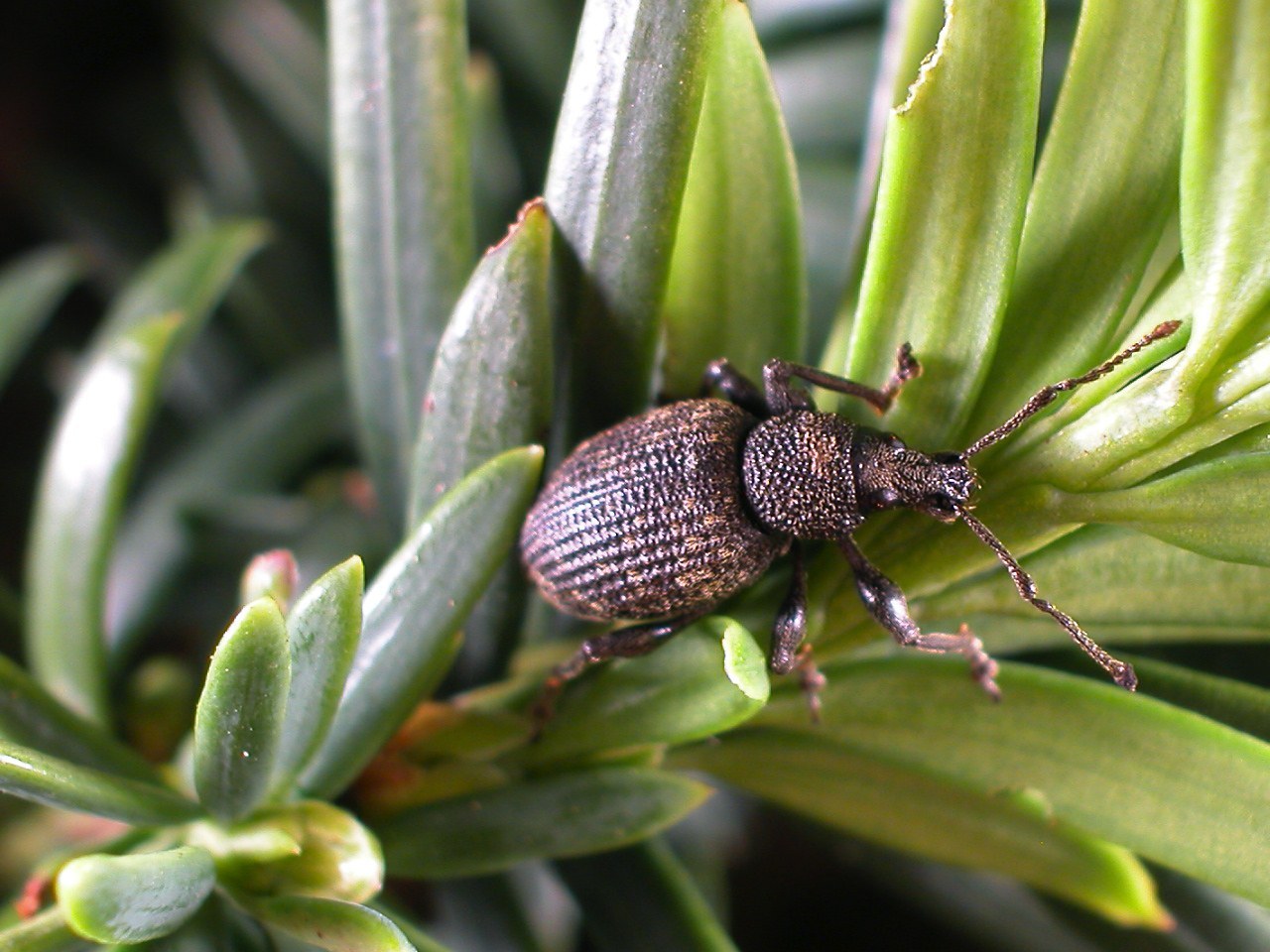
Vine Weevil
Gardens, nurseries, greenhouses, and container plantings
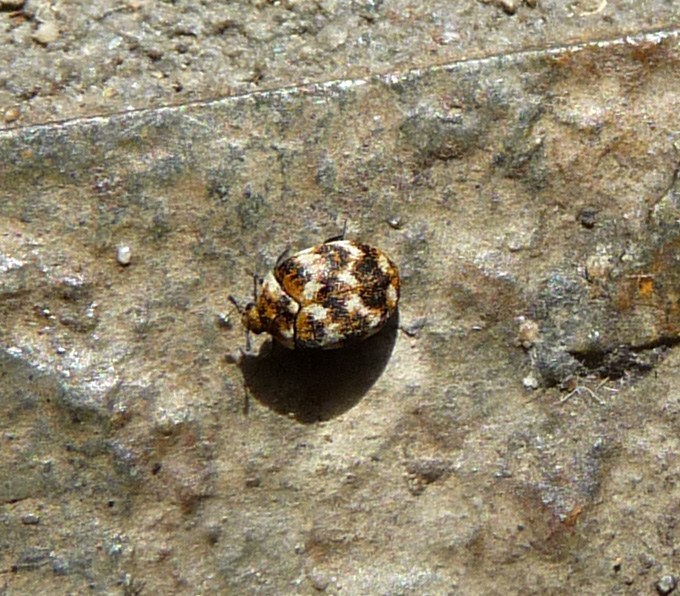
Varied Carpet Beetle
Homes, nests of birds and mammals, and flowers outdoors
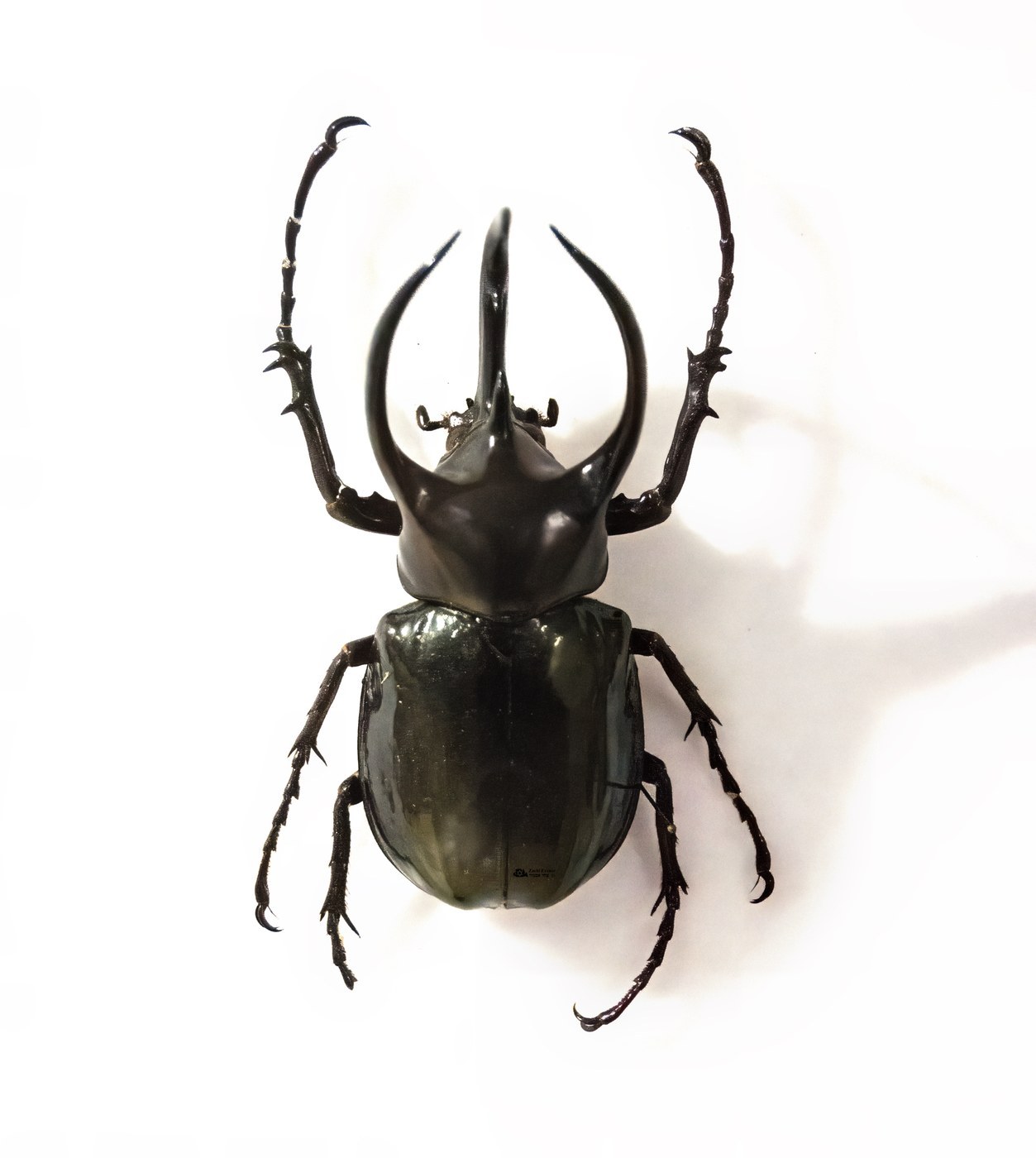
Atlas Beetle
Tropical forests of Southeast Asia
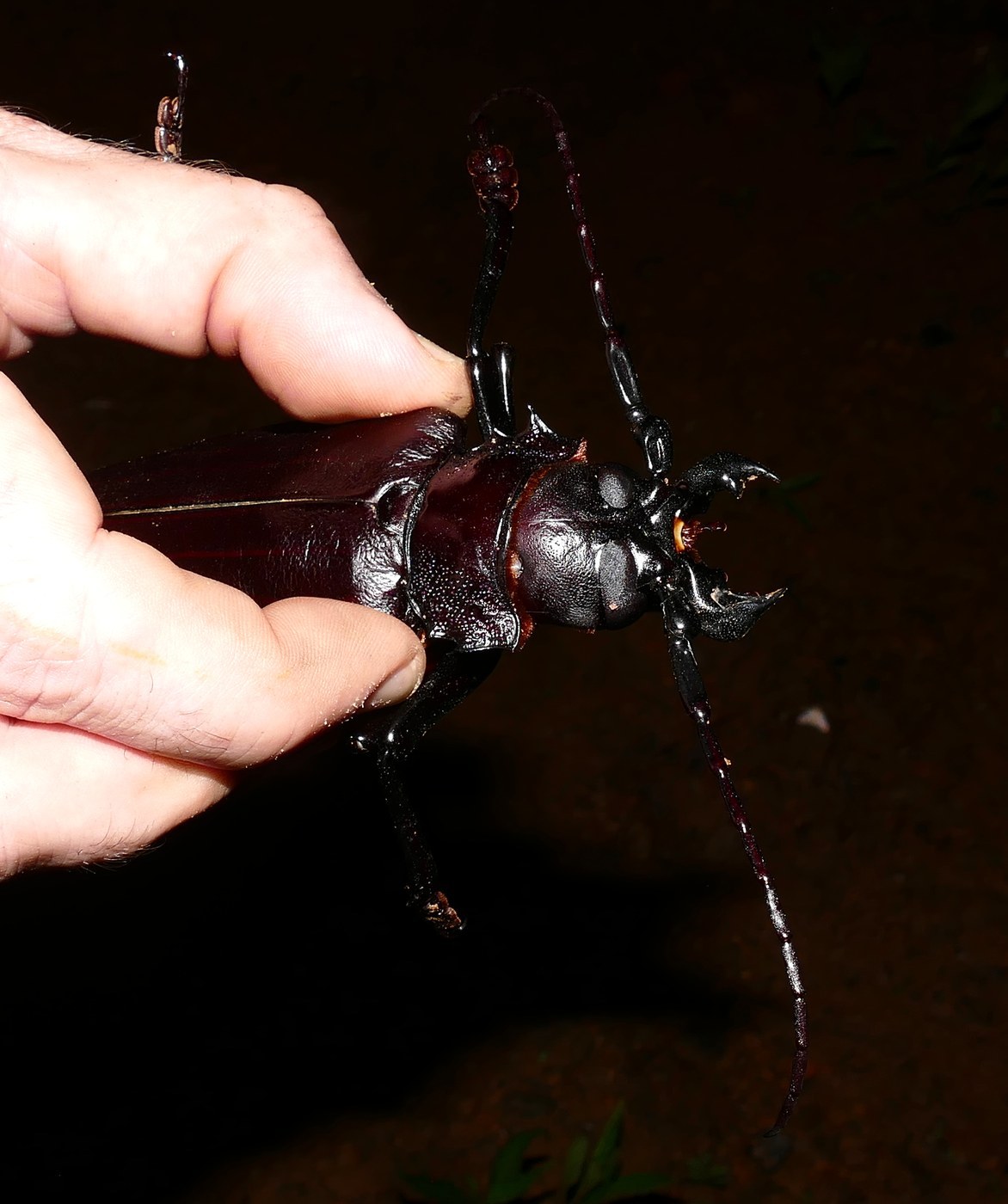
Titan Beetle
Amazon rainforest of South America
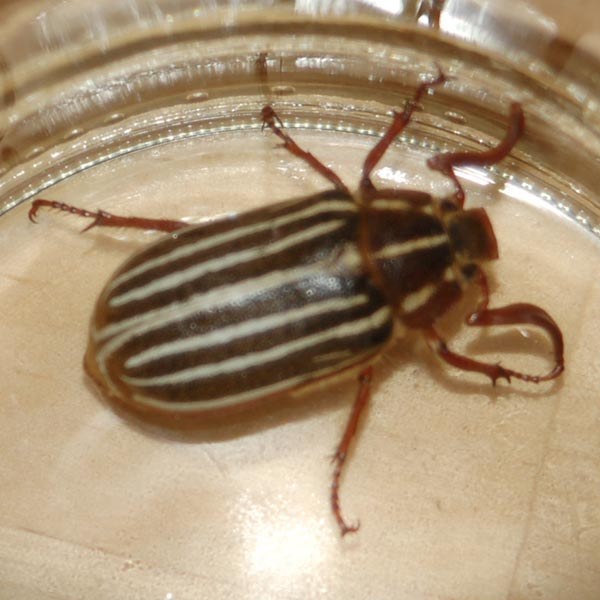
Ten-lined June Beetle
Sandy soils, pine forests, and orchards of western North America
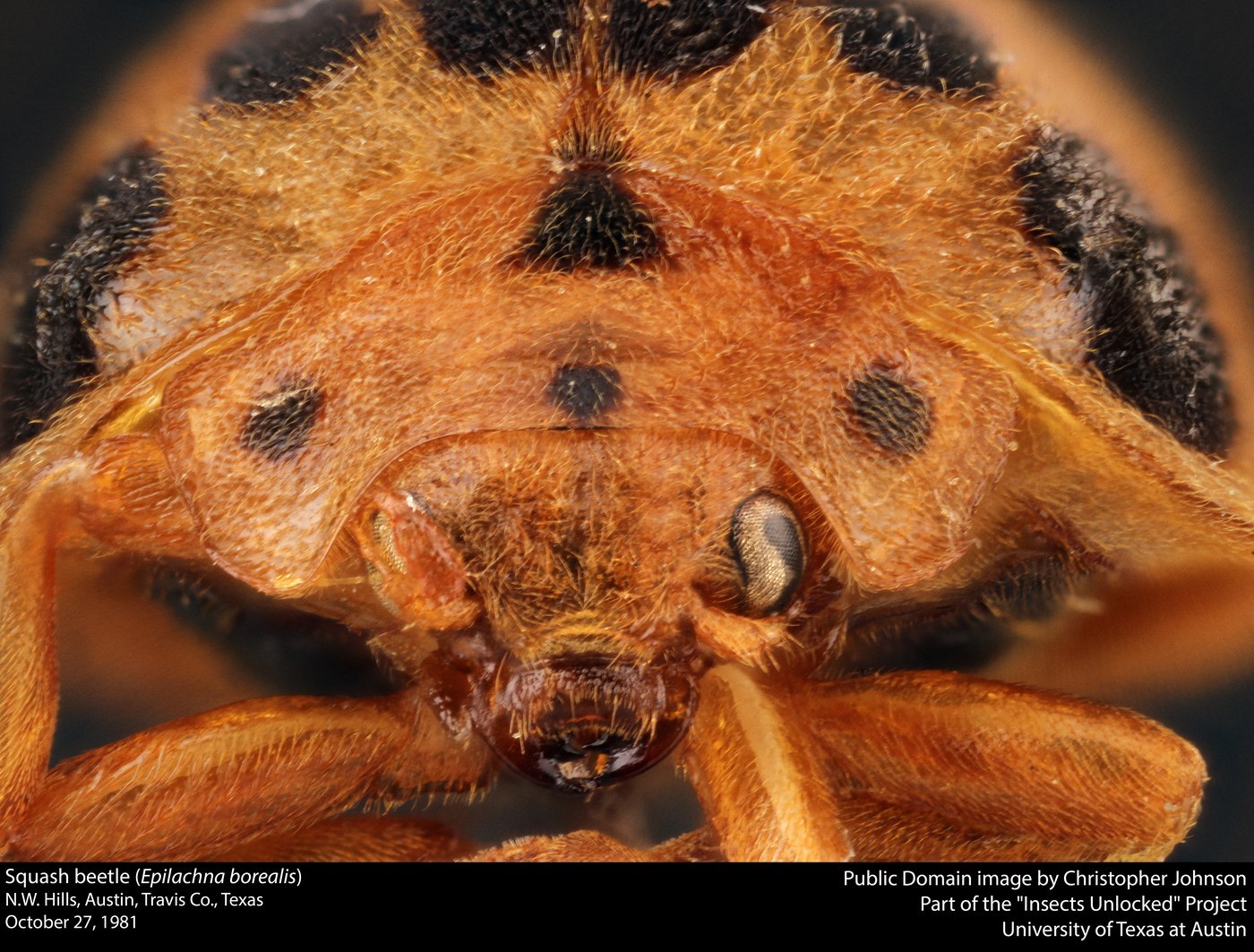
Squash Beetle
Vegetable gardens and fields growing squash, pumpkin, and other cucurbits