
Giant Swallowtail
Papilio cresphontes
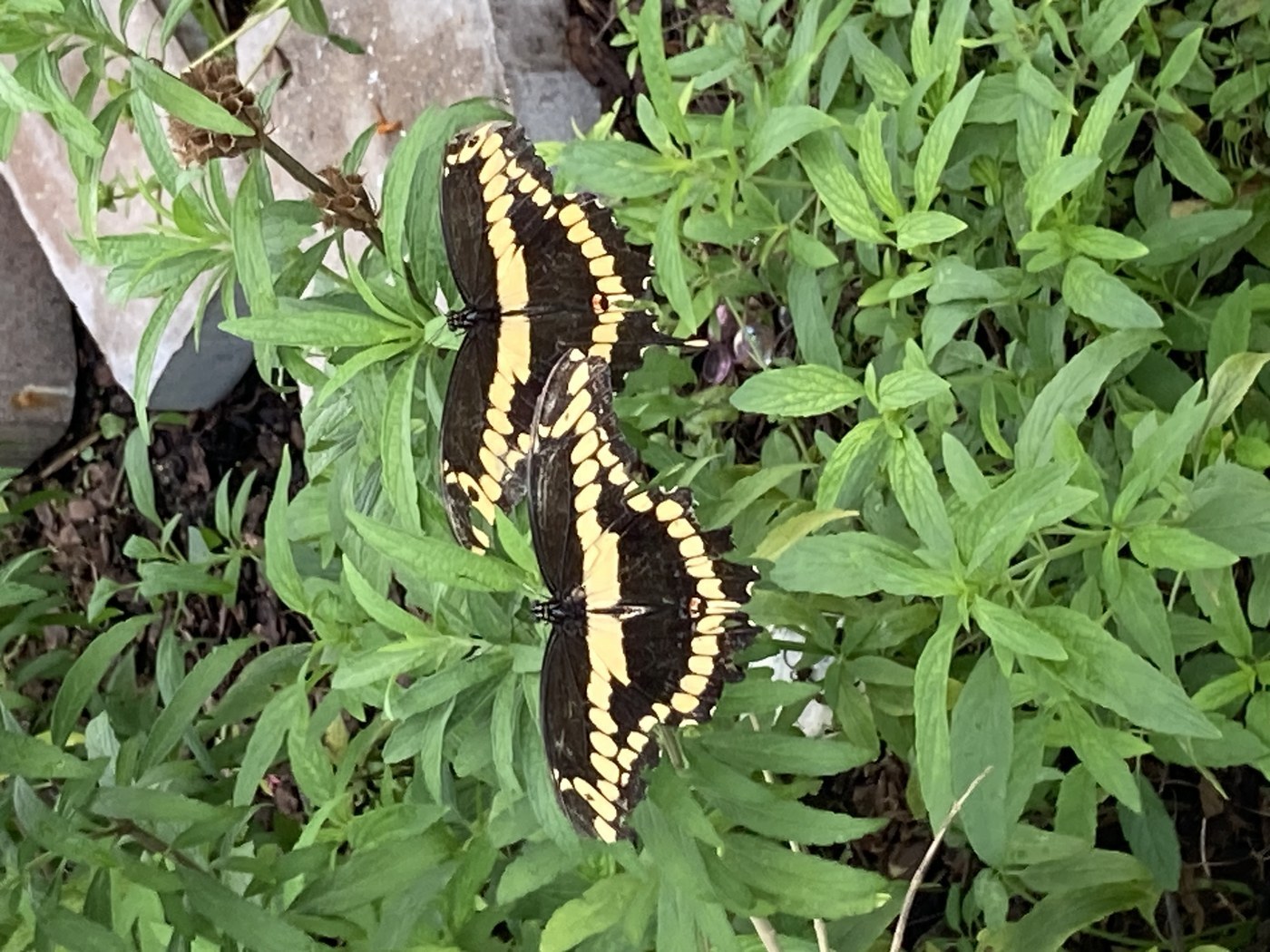
The largest butterfly in North America, a dark brown giant marked with a bold diagonal yellow band and yellow spotting that forms an X-like pattern when the wings are spread.
- Size
- 4–6.2 in wingspan
- Habitat
- Citrus groves, woodland edges, gardens, hammocks
- Danger
- Harmless
Spotted a bug like this?
Identify any bug or insect from a photo, free.
Overview
The Giant Swallowtail is the largest butterfly species found in North America, with some individuals reaching a wingspan of over six inches. A member of the swallowtail family Papilionidae, it ranges from the northeastern and midwestern United States south through Florida, Texas, Mexico, and into Central and South America, with its greatest abundance in warmer, subtropical regions.
Its caterpillar is well known by the common nickname "orange dog," reflecting its strong association with citrus trees, on which it feeds alongside its ancestral native host plants such as hoptree and prickly ash. The larva itself is a remarkable example of bird-dropping mimicry, appearing mottled brown and white to avoid detection by predators.
As an adult, the Giant Swallowtail is a powerful, far-ranging flier and an important pollinator of a variety of native and cultivated flowering plants, notable for its size, striking pattern, and gliding flight style.
How to Identify
- Upperside is blackish-brown with a broad diagonal band of yellow spots crossing both wings, plus additional yellow spotting that forms an X-shaped pattern when wings are fully spread.
- Underside is predominantly pale yellow with dark markings, contrasting strongly with the darker upperside.
- Exceptionally large size (often the largest butterfly encountered in its range) with broad wings and a single tail on each hindwing.
- Distinguished from other swallowtails by its sheer size and the diagonal yellow banding pattern, which is unique among North American Papilio species.
Habitat & Range
Ranges across the eastern and southern United States, the Southwest, and south through Mexico, Central America, and into South America; most common and often multi-brooded in Florida, Texas, and other warm subtropical regions.
Adults favor citrus groves, woodland edges, hammocks, gardens, and open areas near host plants, and are active from spring through fall in temperate zones and nearly year-round in frost-free areas.
Behavior & Diet
Adults are strong, gliding fliers that visit a wide range of nectar flowers, including azaleas, lantana, and swamp milkweed, and are capable of covering long distances between habitat patches. Caterpillars feed on plants in the citrus family (Rutaceae), including cultivated citrus, hoptree, and prickly ash, and when disturbed extend a bright orange forked gland (osmeterium) from behind the head that emits a strong odor as a defensive display.
The larva's mottled brown-and-white coloring closely resembles a bird dropping, an effective camouflage strategy against visual predators. The species is an important pollinator of native and ornamental flowering plants across its subtropical and temperate range.
Life Cycle
Females lay single orange-brown eggs on the leaves of host plants in the citrus family. Caterpillars pass through several instars, appearing as an olive-brown and cream mottled larva resembling bird droppings, and can extend an orange osmeterium gland when threatened.
The chrysalis is brown, rough-textured, and angular, resembling a broken twig, attached upright to a branch or trunk. The species produces two to three generations per year in warmer areas through complete metamorphosis, overwintering as a chrysalis in regions with cold winters.
Frequently asked questions
Why is the caterpillar called an 'orange dog'?
Because it commonly feeds on citrus trees and resembles a bird dropping, and the nickname has long been used by citrus growers who consider it a garden pest on ornamental and fruiting citrus.
How big does it get?
It is the largest butterfly in North America, with a wingspan that can exceed six inches in large individuals.
What does the orange horn-like organ on the caterpillar do?
It is an osmeterium, a forked gland that the caterpillar extends from behind its head and releases odor from when disturbed, functioning as a defensive display.
What plants besides citrus does it use?
Native host plants including hoptree (Ptelea trifoliata) and prickly ash (Zanthoxylum species), both in the citrus family.
Giant Swallowtail guides
In-depth guides for identifying, understanding, and living alongside Giant Swallowtail.
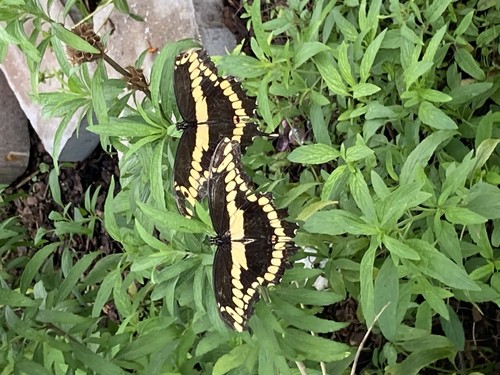
Giant Swallowtail identified by the community
Real finds identified with Bug Identifier.
Other bugs you may enjoy
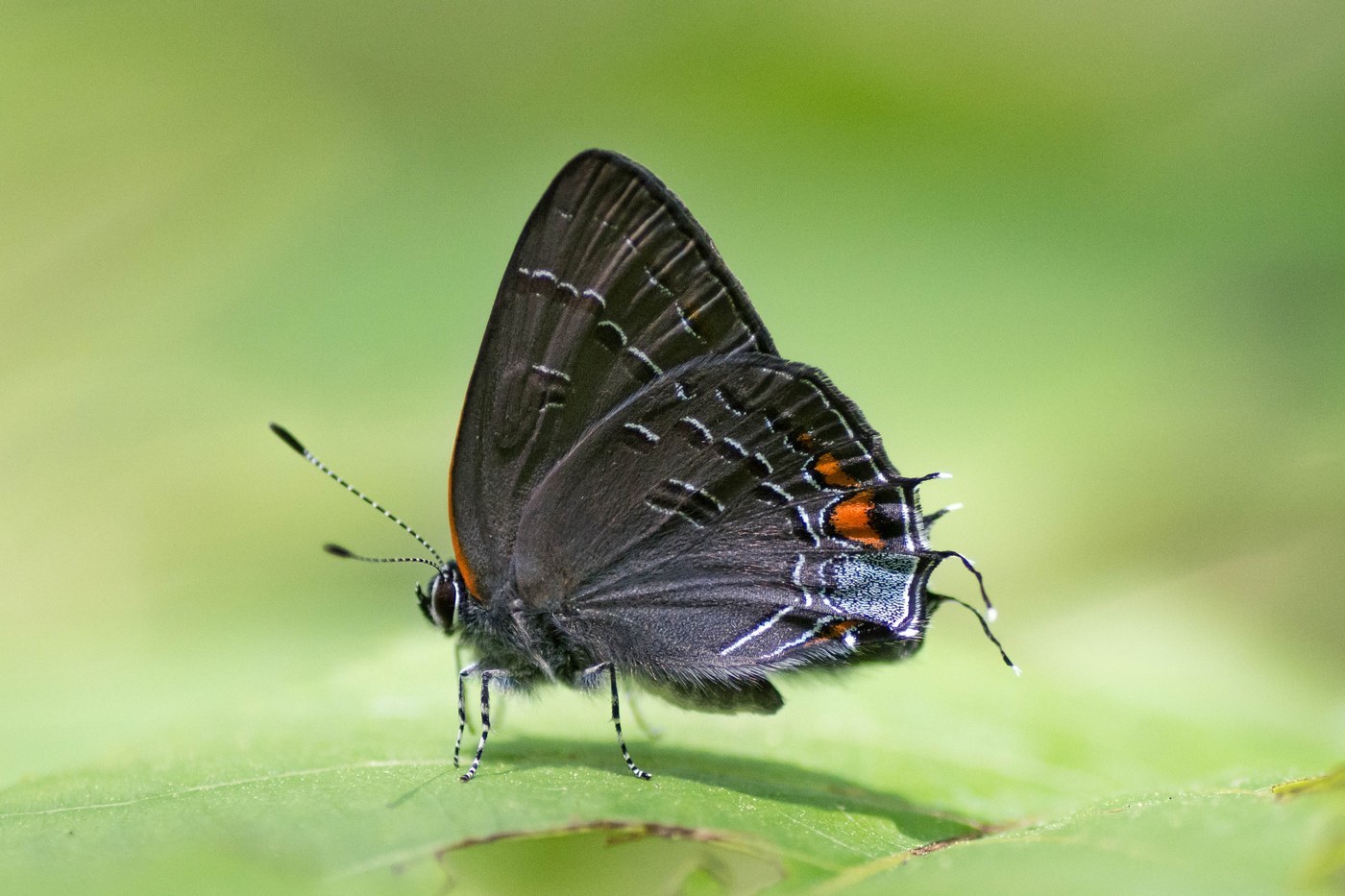
Banded Hairstreak
Deciduous woodlands and edges with oaks and hickories
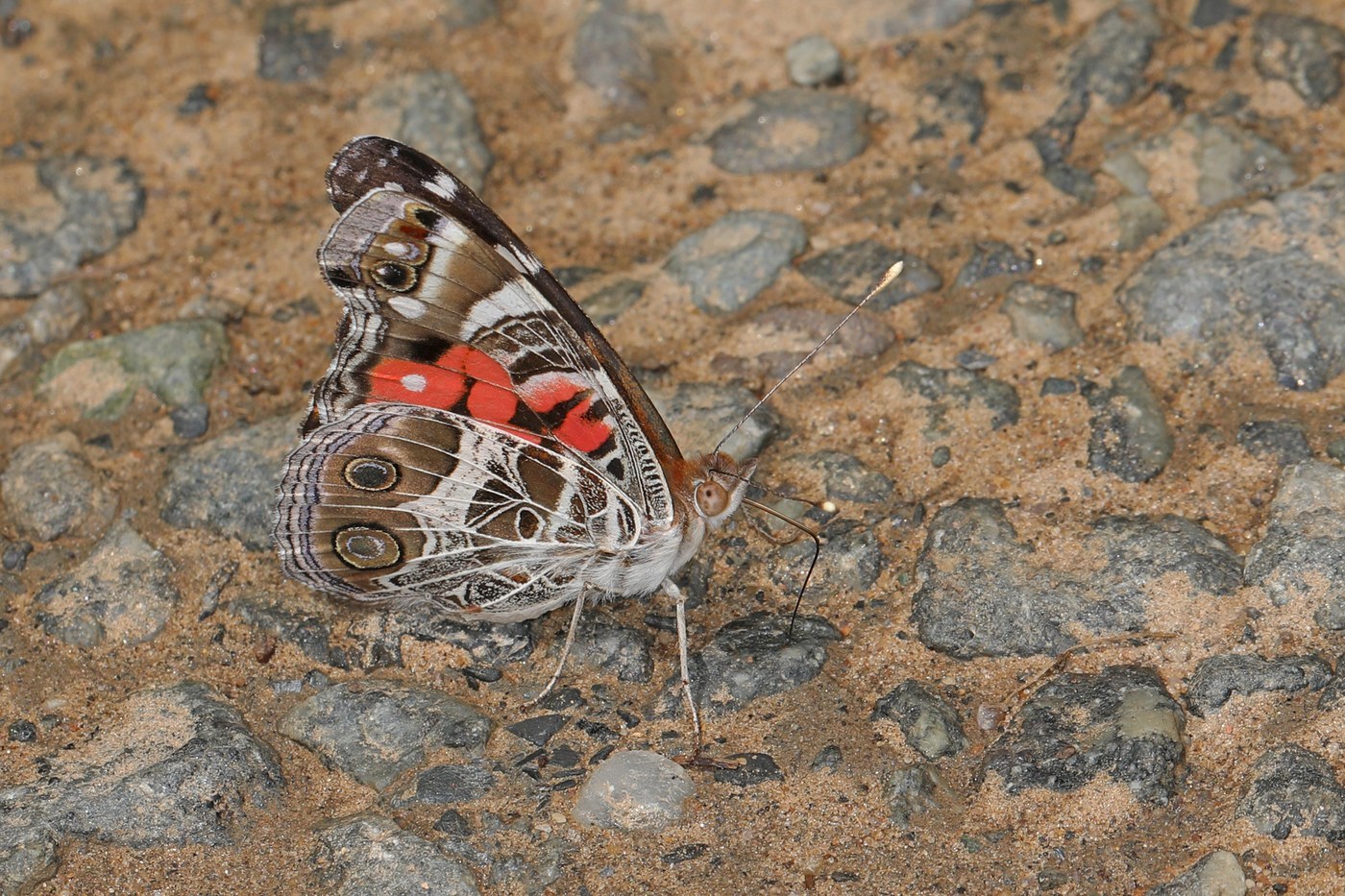
American Lady
Open fields, meadows, gardens, roadsides
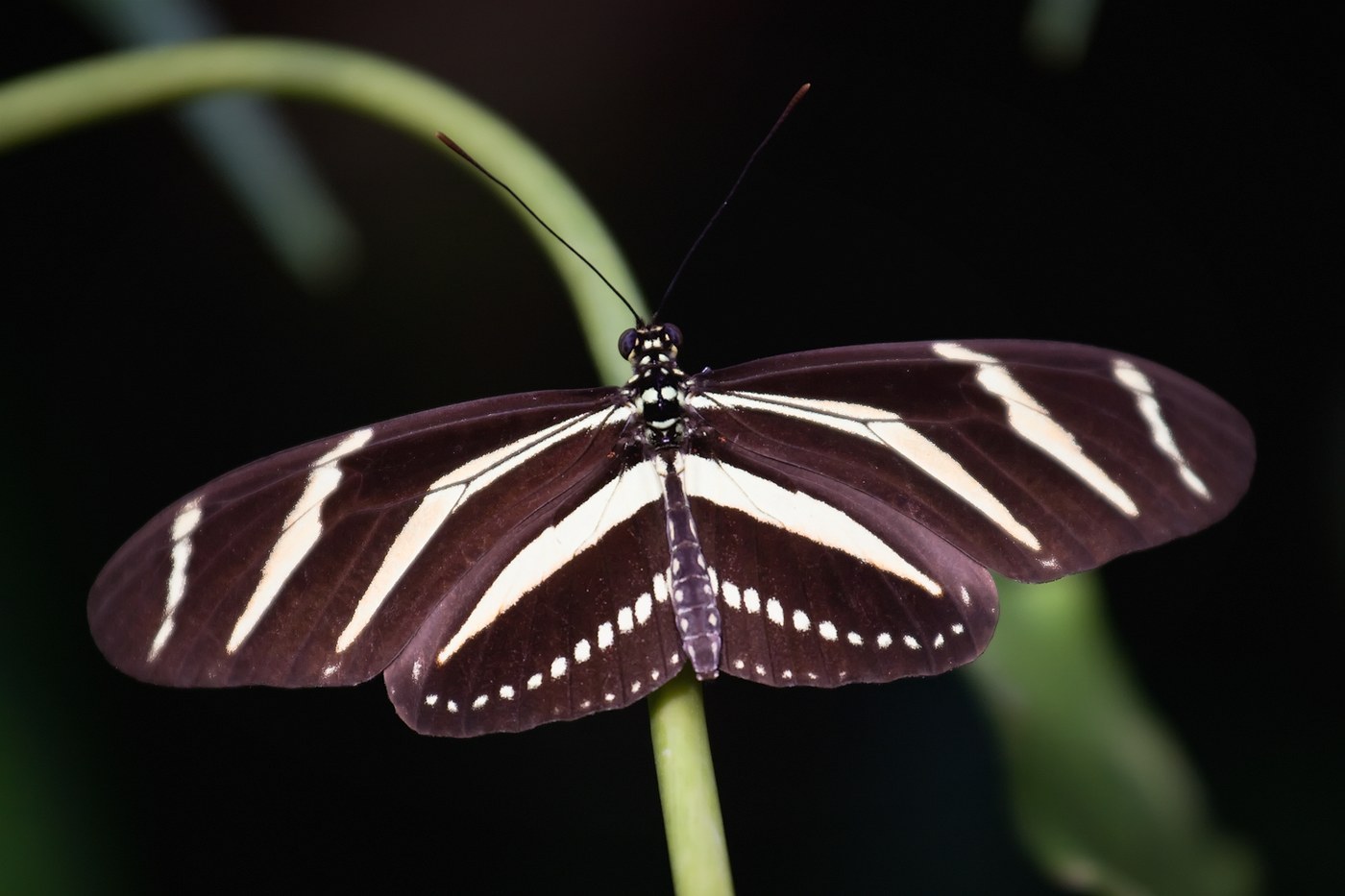
Zebra Longwing
Tropical hammocks, gardens, forest edges
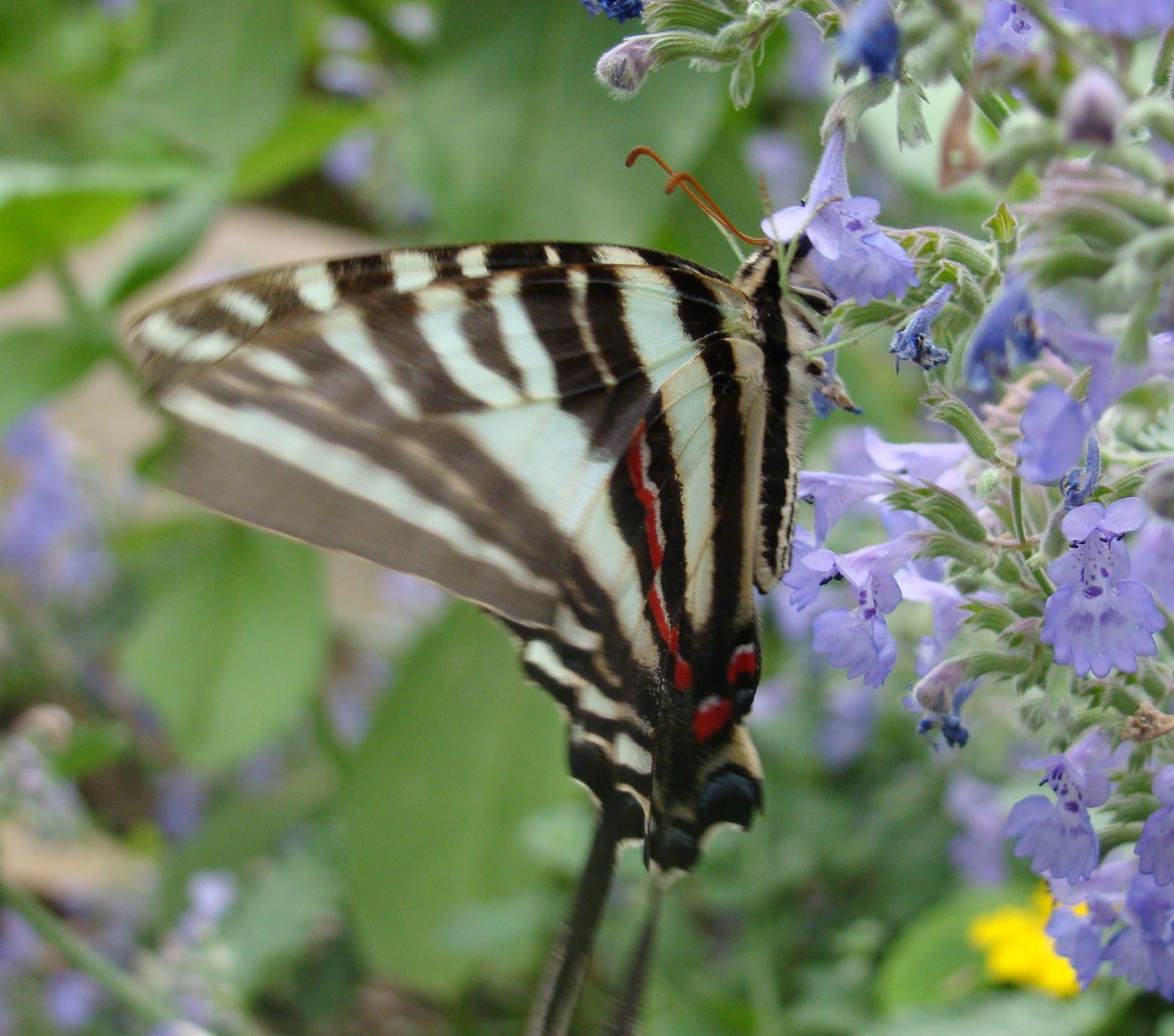
Zebra Swallowtail
Woodlands, floodplains, forest edges near pawpaw
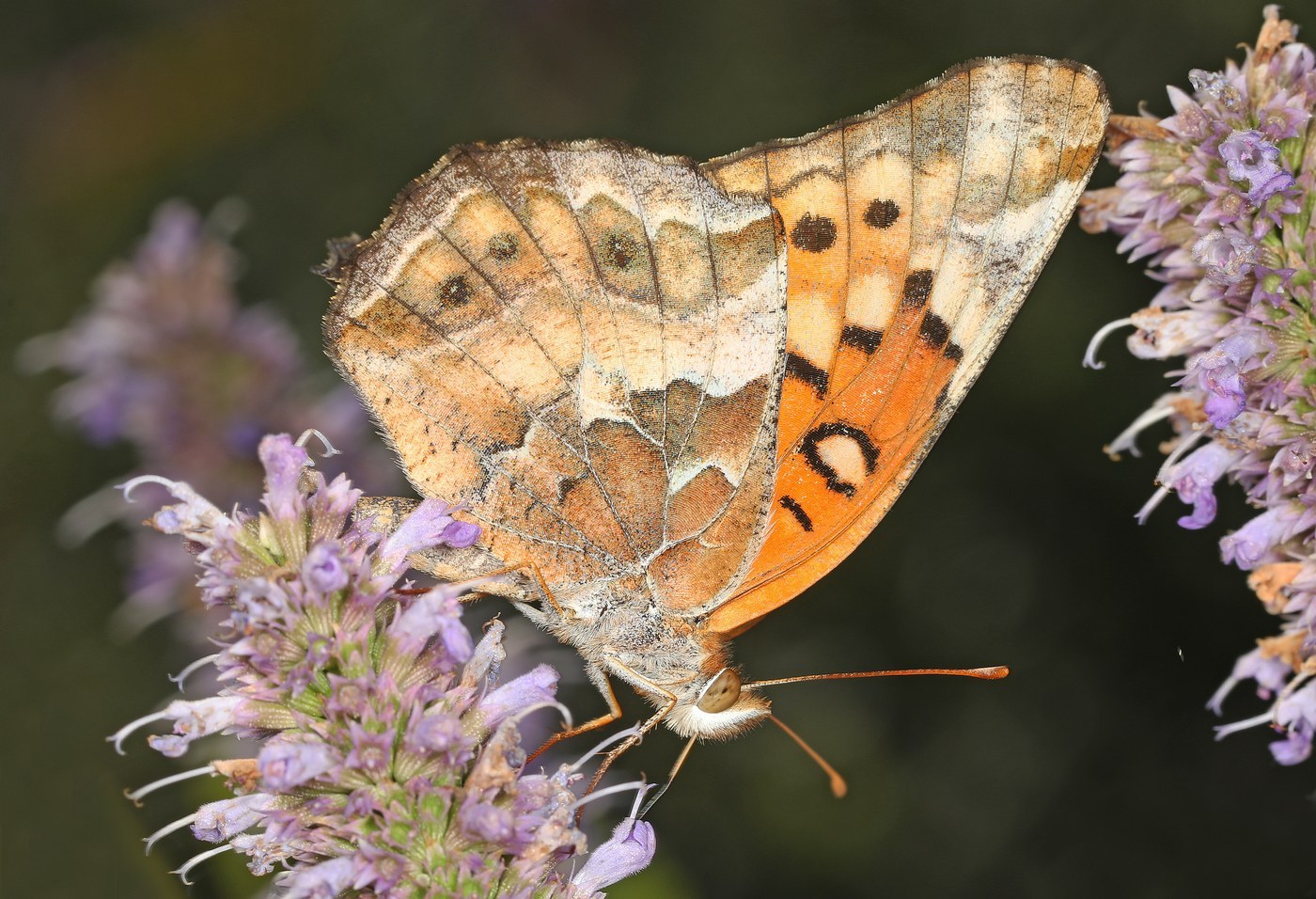
Variegated Fritillary
Open fields, prairies, roadsides, and disturbed ground across most of the United States
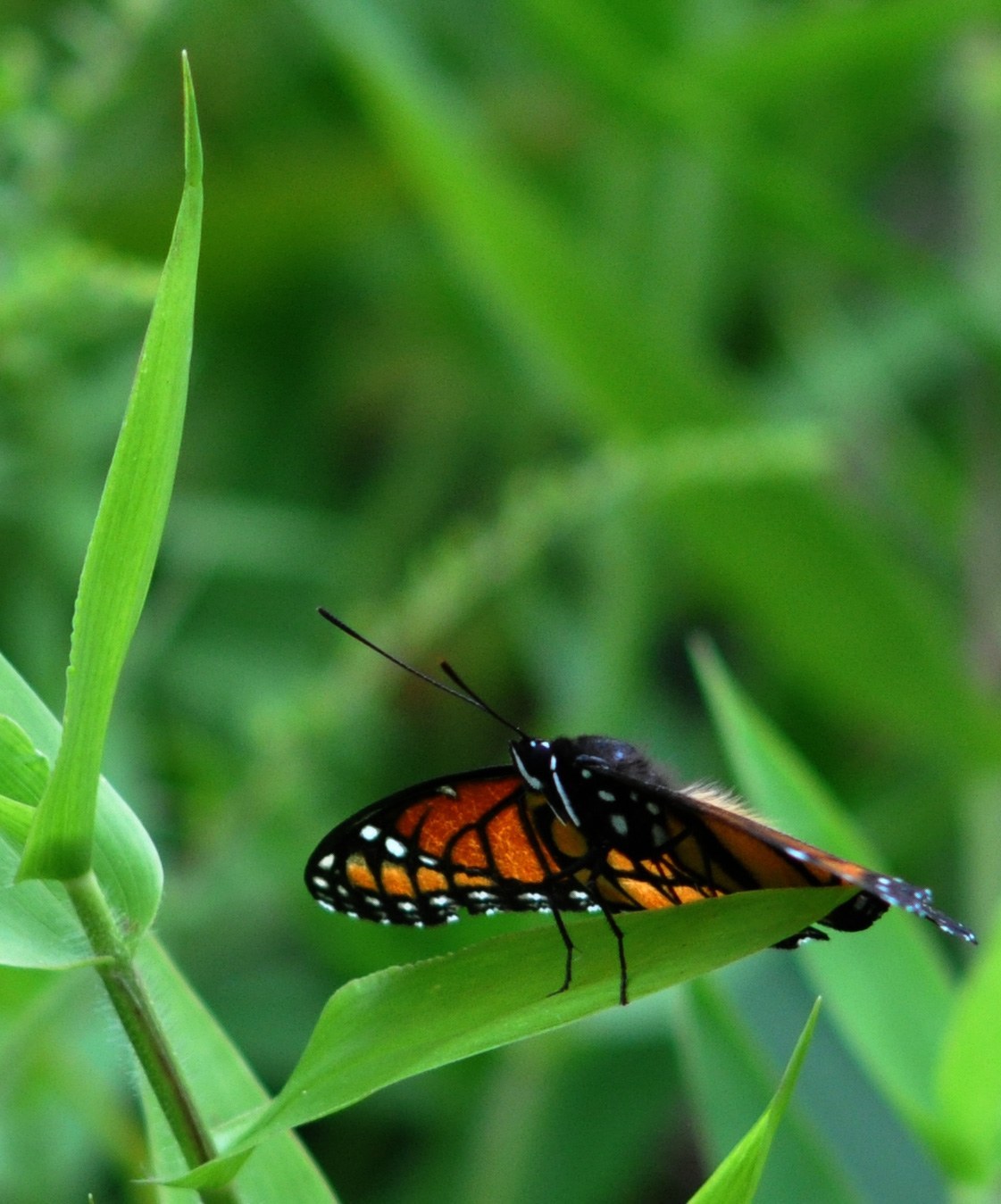
Viceroy Butterfly
Wetlands, meadows, riverbanks, willow thickets (North America)
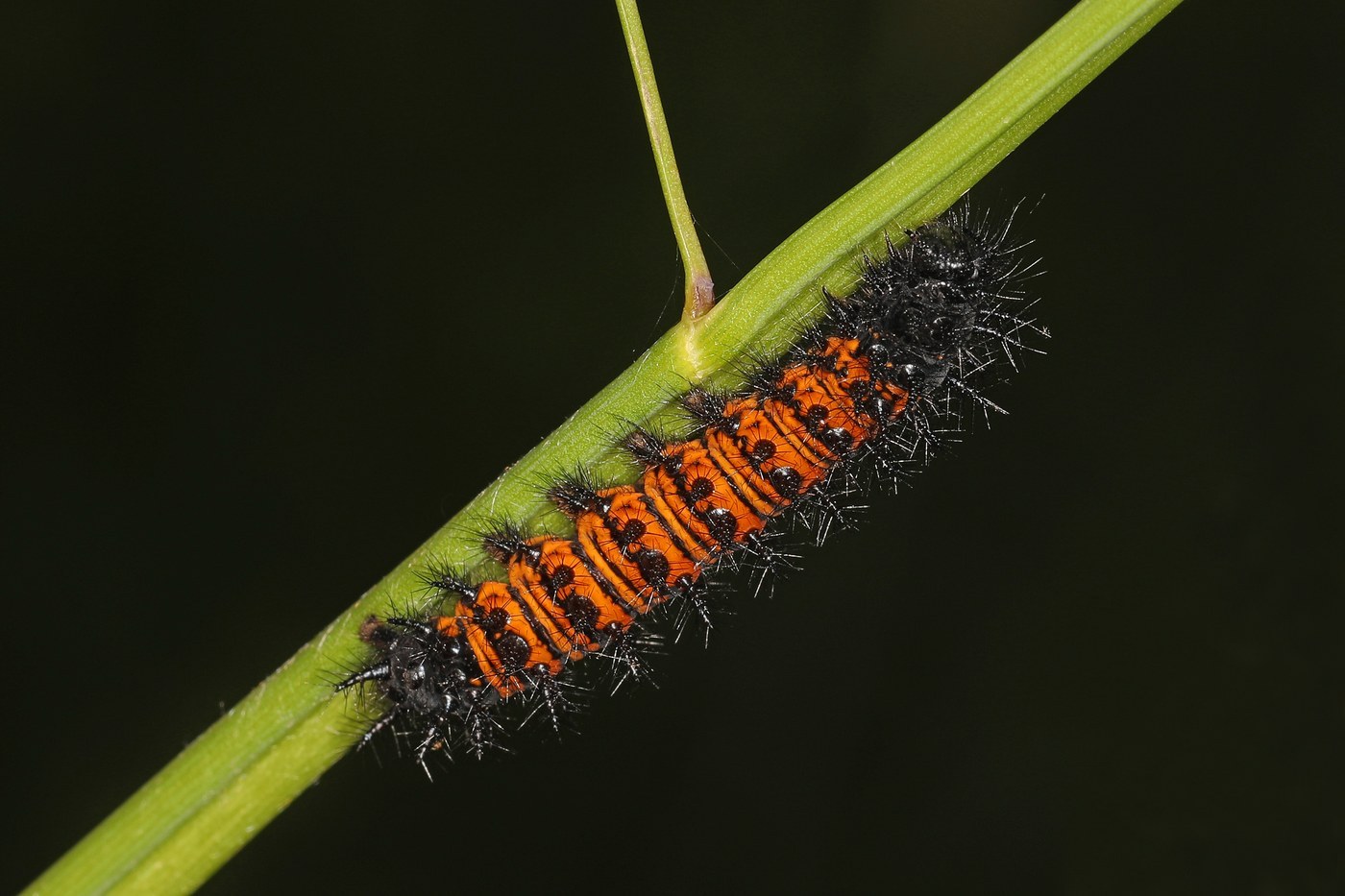
Baltimore Checkerspot
Wet meadows, bogs, and marshy fields in the northeastern and Appalachian US
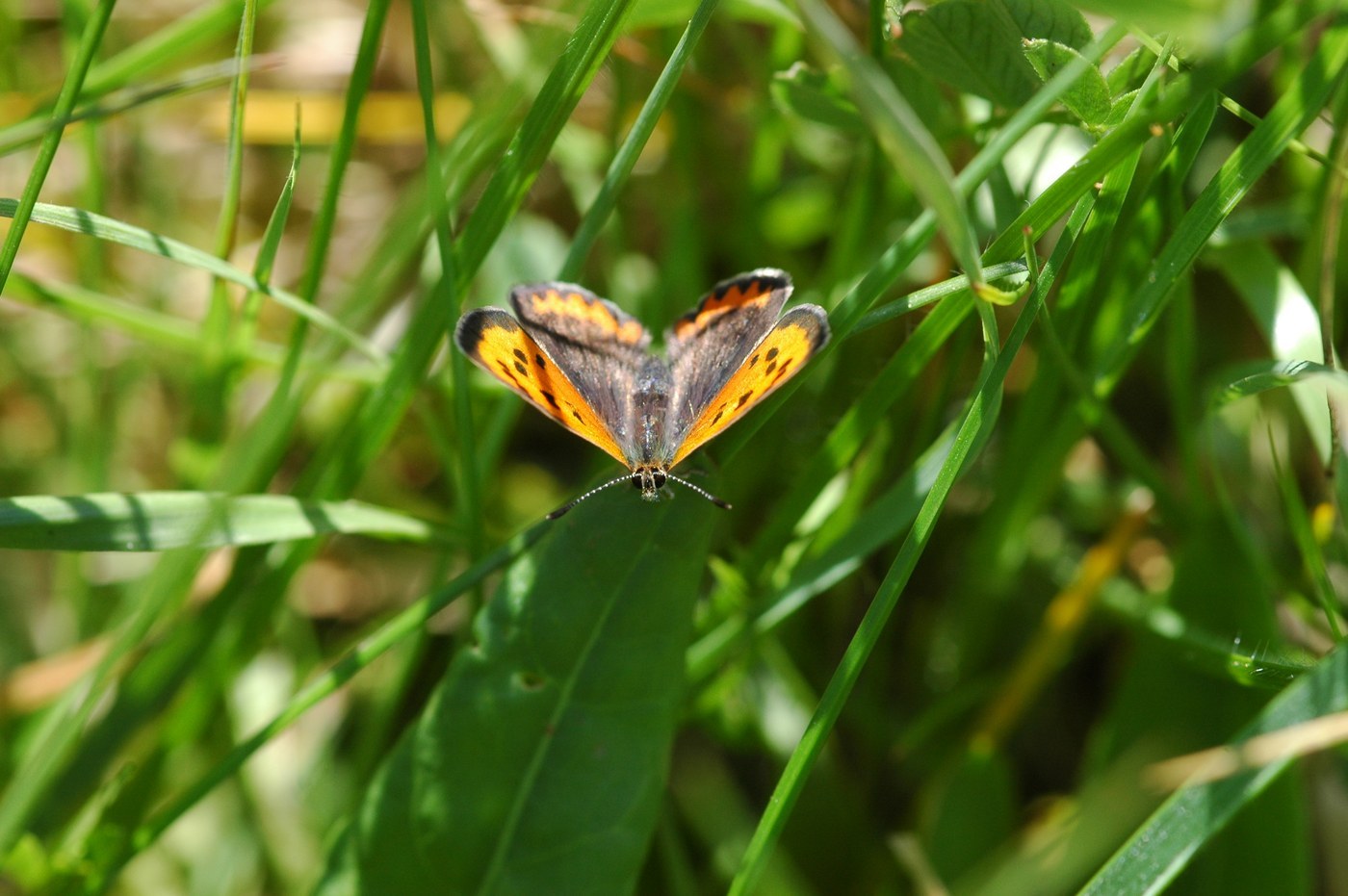
American Copper
Old fields, roadsides, and disturbed open ground with sorrel or dock
West Virginia White
Rich deciduous forest floors, especially near seeps and streams
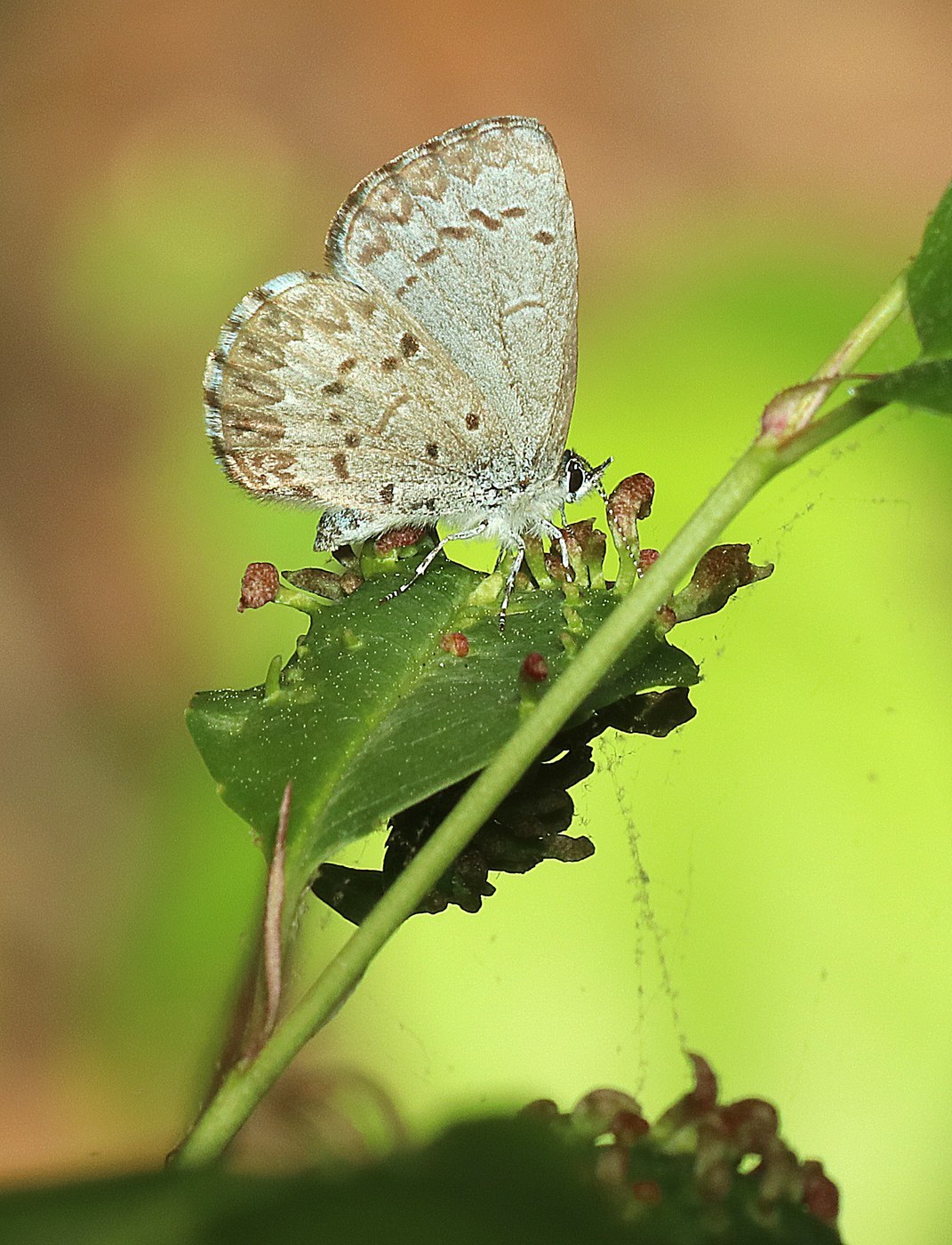
Spring Azure
Woodland edges, gardens, shrubby clearings
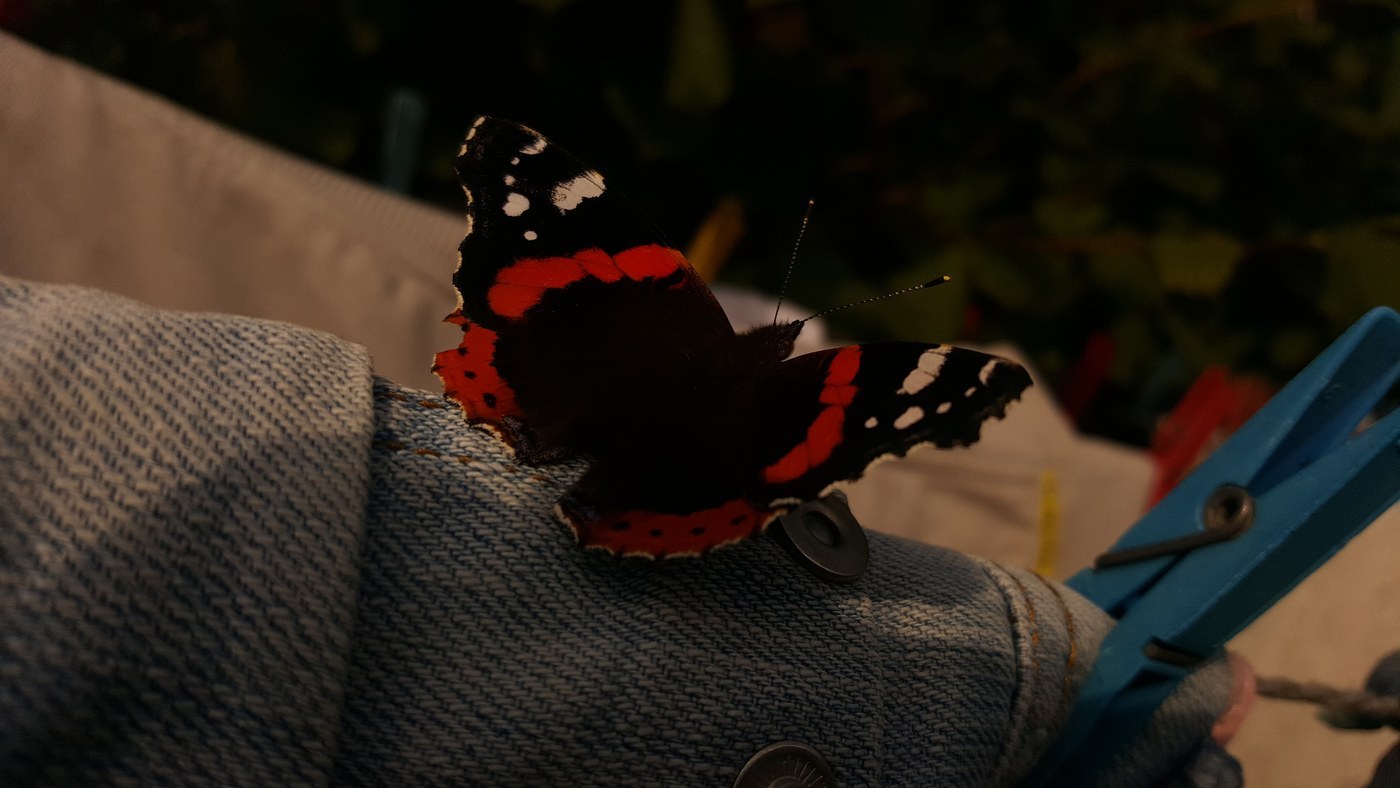
Red Admiral
Gardens, woodland edges, parks, meadows
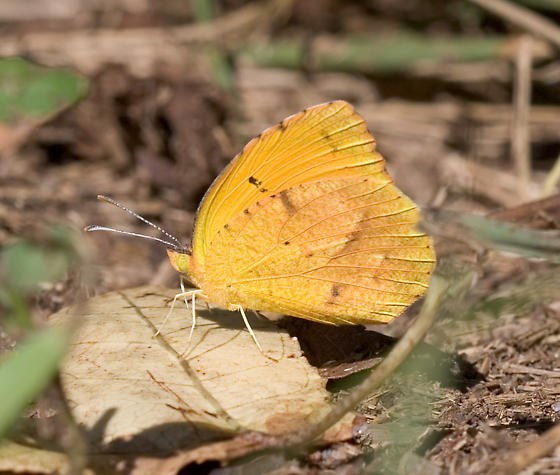
Sleepy Orange
Open woodland, fields, roadsides, and disturbed ground