
Grasshopper
Melanoplus spp.
A robust, strong-jumping insect with short antennae and powerful hind legs, commonly seen springing away through grass and low vegetation on warm sunny days.
- Size
- 20–70 mm
- Habitat
- Meadows, grasslands, fields, and roadsides
- Danger
- Harmless
Spotted a bug like this?
Identify any bug or insect from a photo, free.
Overview
Grasshoppers make up the suborder Caelifera, primarily the family Acrididae, within the order Orthoptera, and are among the most familiar insect groups worldwide. They are herbivores that convert plant material into animal biomass and serve as a major food source for birds, reptiles, and mammals.
The group is notable because certain species are capable of shifting into a dense, migratory swarming phase known as a locust phase under crowded conditions, though most grasshoppers remain solitary throughout their lives.
Grasshoppers are found on every continent except Antarctica and are especially diverse and abundant in open grassland and prairie habitats.
How to Identify
- Robust, cylindrical body with large, muscular hind legs built for jumping
- Short, stout antennae — much shorter than the body, distinguishing grasshoppers from crickets and katydids
- Leathery, narrow forewings; membranous hindwings, sometimes brightly colored when spread in flight
- Coloring often green, brown, or mottled to blend with vegetation
- Body length varies widely, roughly 20–70 mm; some species produce audible sounds by snapping their wings in flight (crepitation) or rubbing legs against wings
Habitat & Range
Found on every continent except Antarctica, with greatest diversity in open grassland, prairie, and agricultural habitats. Active during the day, especially in warm, sunny weather. Common from late spring through fall in temperate zones, and present year-round in tropical regions.
Behavior & Diet
Herbivorous, feeding on grasses and a wide range of other plants using strong chewing mandibles. Moves primarily by jumping with its powerful hind legs and can also fly using two pairs of wings. Most species are solitary, though a small number are capable of shifting into a gregarious, swarming phase (the locust phase) under crowded conditions. Serves as an important prey species supporting many predators within grassland ecosystems.
Life Cycle
Incomplete metamorphosis. Eggs are laid in pods in the soil in late summer or fall. Nymphs hatch in spring, resembling small wingless adults, and develop through five to six instars over several weeks. Most temperate species produce one generation per year and overwinter as eggs in the soil.
Frequently asked questions
What is the difference between a grasshopper and a locust?
Locusts are certain grasshopper species capable of shifting into a gregarious, swarming phase under crowded conditions; otherwise they look and behave much like typical grasshoppers.
How can I tell a grasshopper from a cricket?
Grasshoppers have short antennae and are active by day, while crickets have very long antennae and are usually active at night.
Why do grasshoppers jump so far?
Their enlarged hind legs store energy like springs, allowing powerful leaps to escape predators.
What do grasshoppers eat?
Primarily grasses and other plant material, chewed with strong mandibles.
Grasshopper guides
In-depth guides for identifying, understanding, and living alongside Grasshopper.
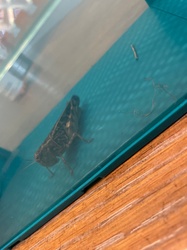
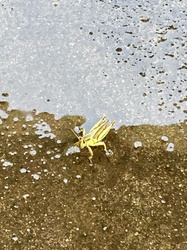
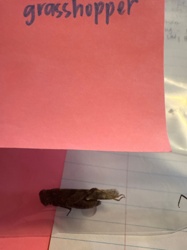
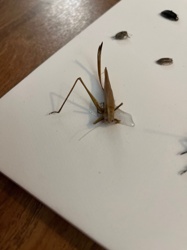
Grasshopper identified by the community
Real finds identified with Bug Identifier.
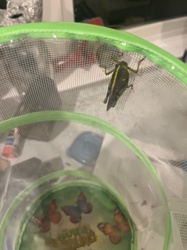
Other bugs you may enjoy
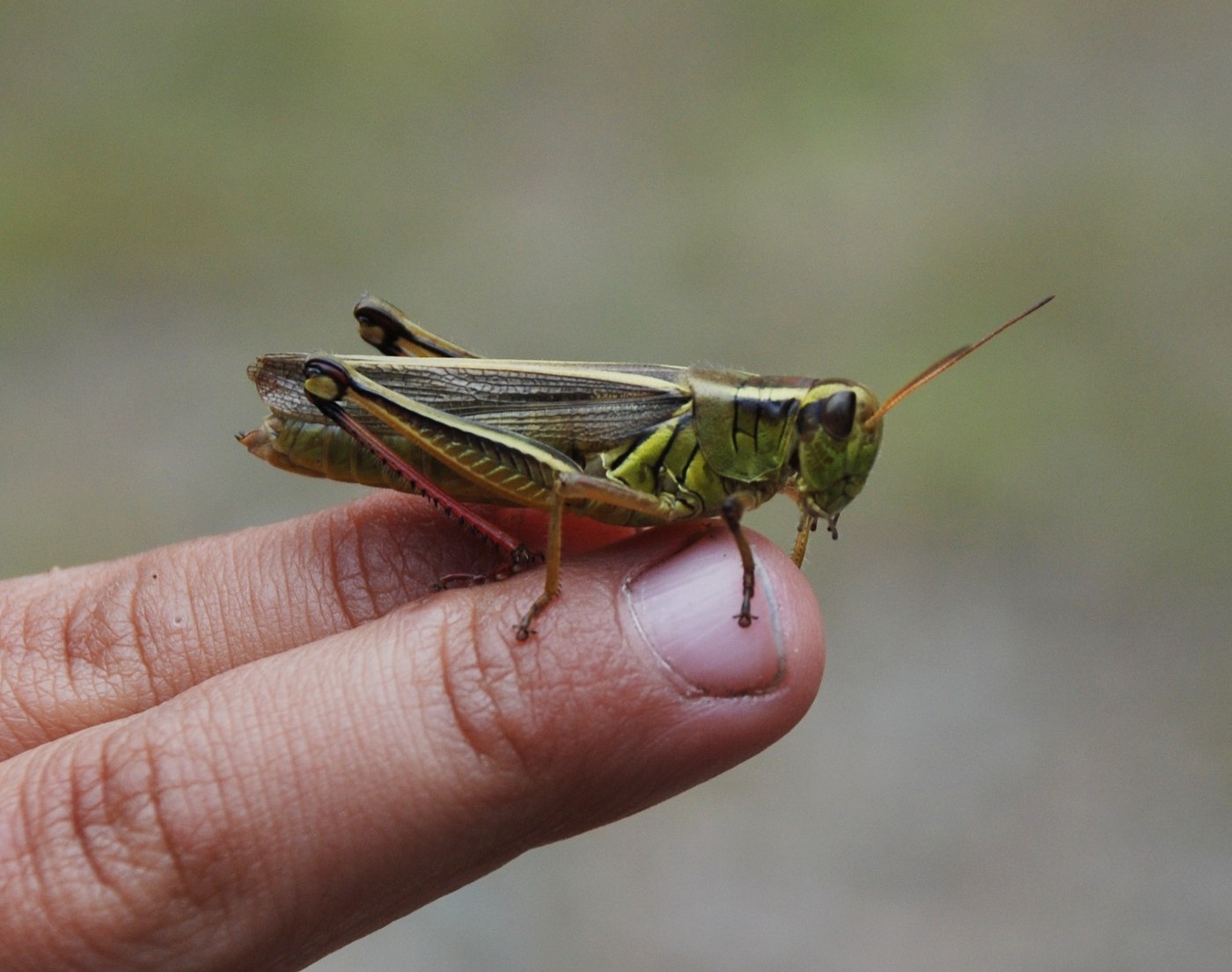
Two-striped Grasshopper
Meadows, pastures, riverbanks, and agricultural fields across North America
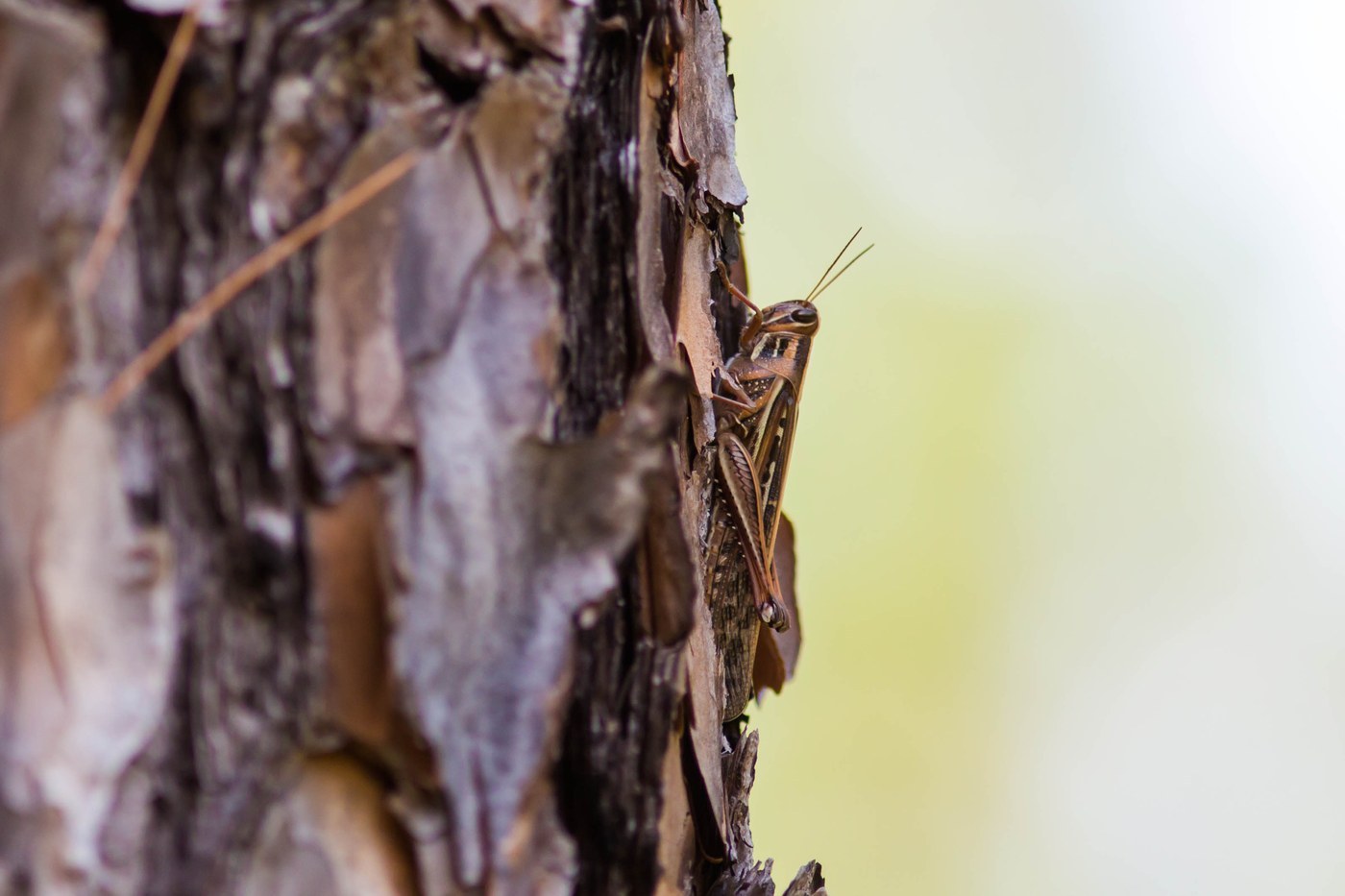
American Grasshopper
Woodland edges, citrus groves, gardens, and open fields across the southern and southeastern United States
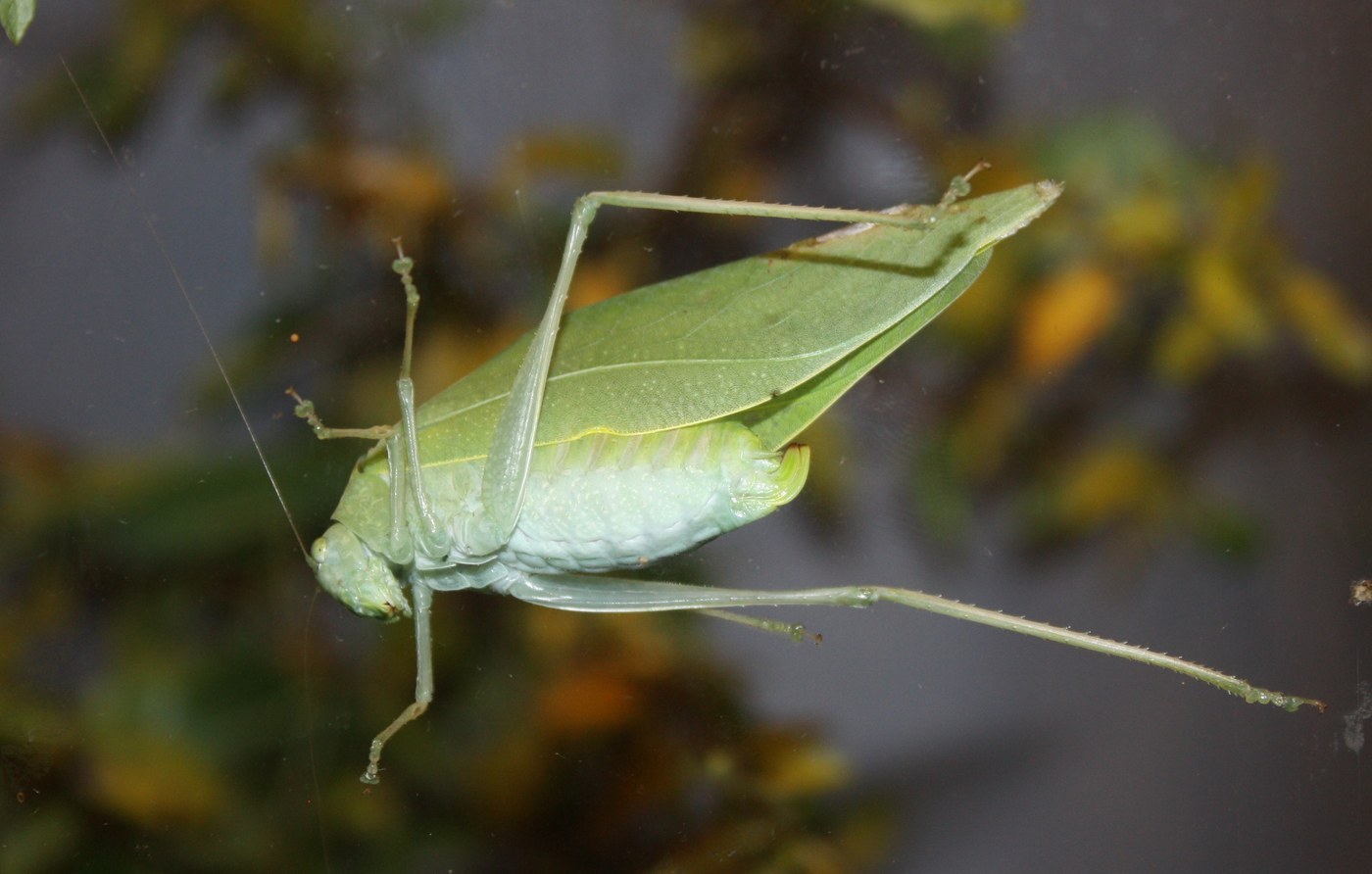
Angular-winged Katydid
deciduous trees, shrubs, and hedgerows across eastern and central North America
Spur-throated Grasshopper
grasslands, meadows, croplands, and roadsides across North America
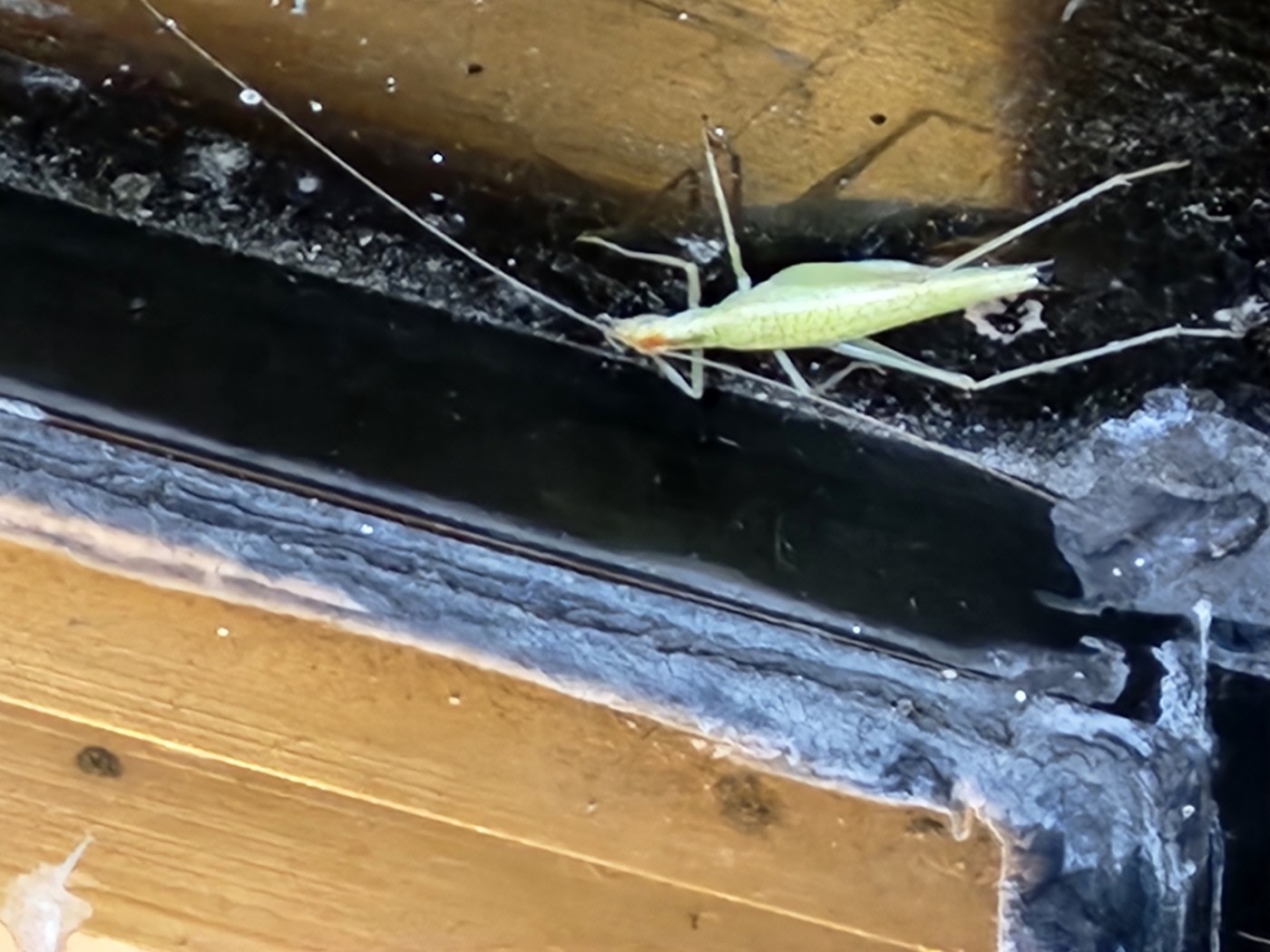
Snowy Tree Cricket
Shrubs, trees, and tall vegetation across North America
Rocky Mountain Locust
historically open grasslands and river valleys of the Rocky Mountains and Great Plains (now believed extinct)
Spotted Camel Cricket
damp caves, crawl spaces, basements, leaf litter, and rotting logs in eastern North America
Pygmy Grasshopper
damp soil, mud, and low vegetation near ponds, streams, and marshes
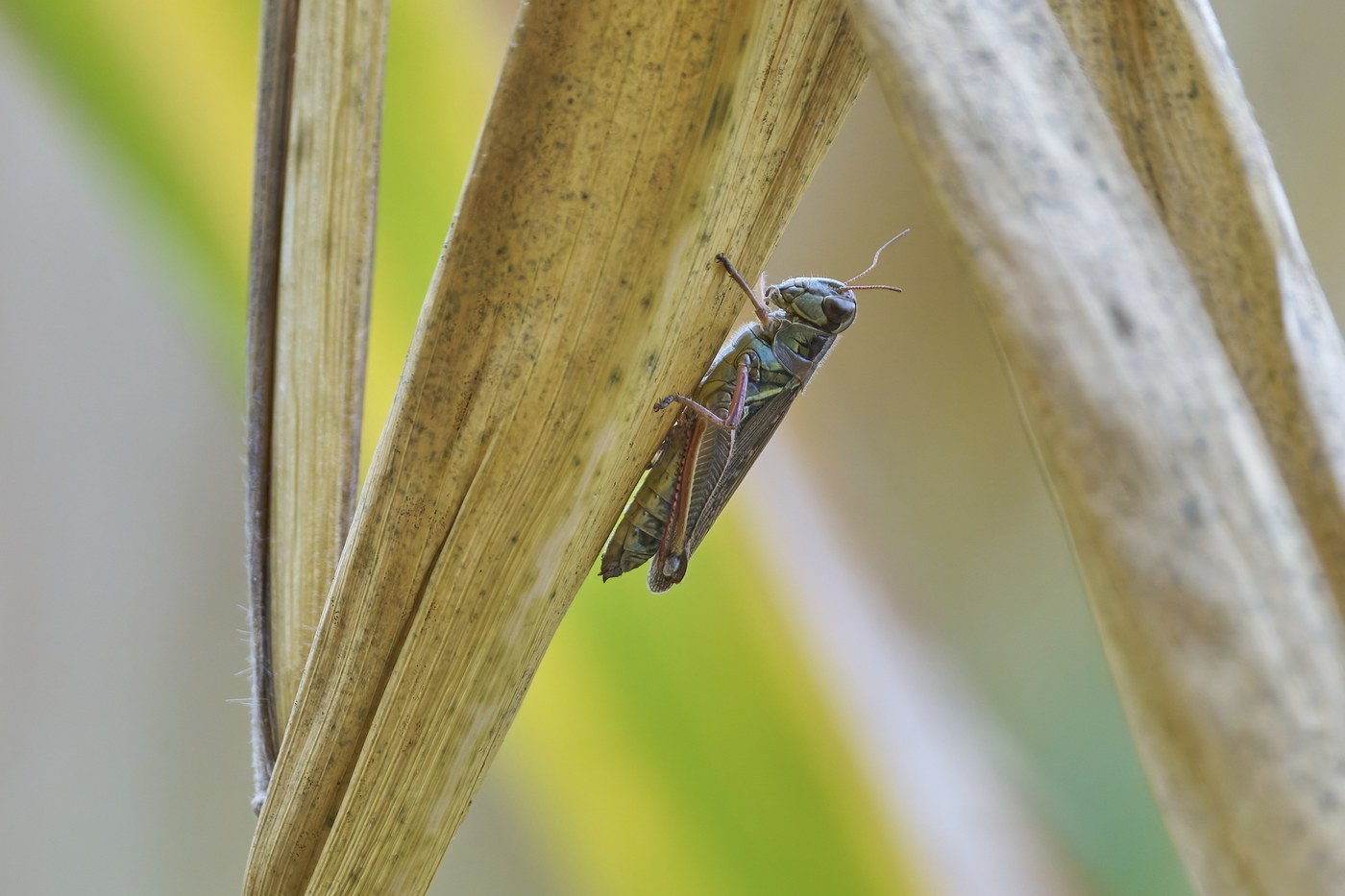
Red-legged Grasshopper
Meadows, pastures, field edges, and gardens across North America
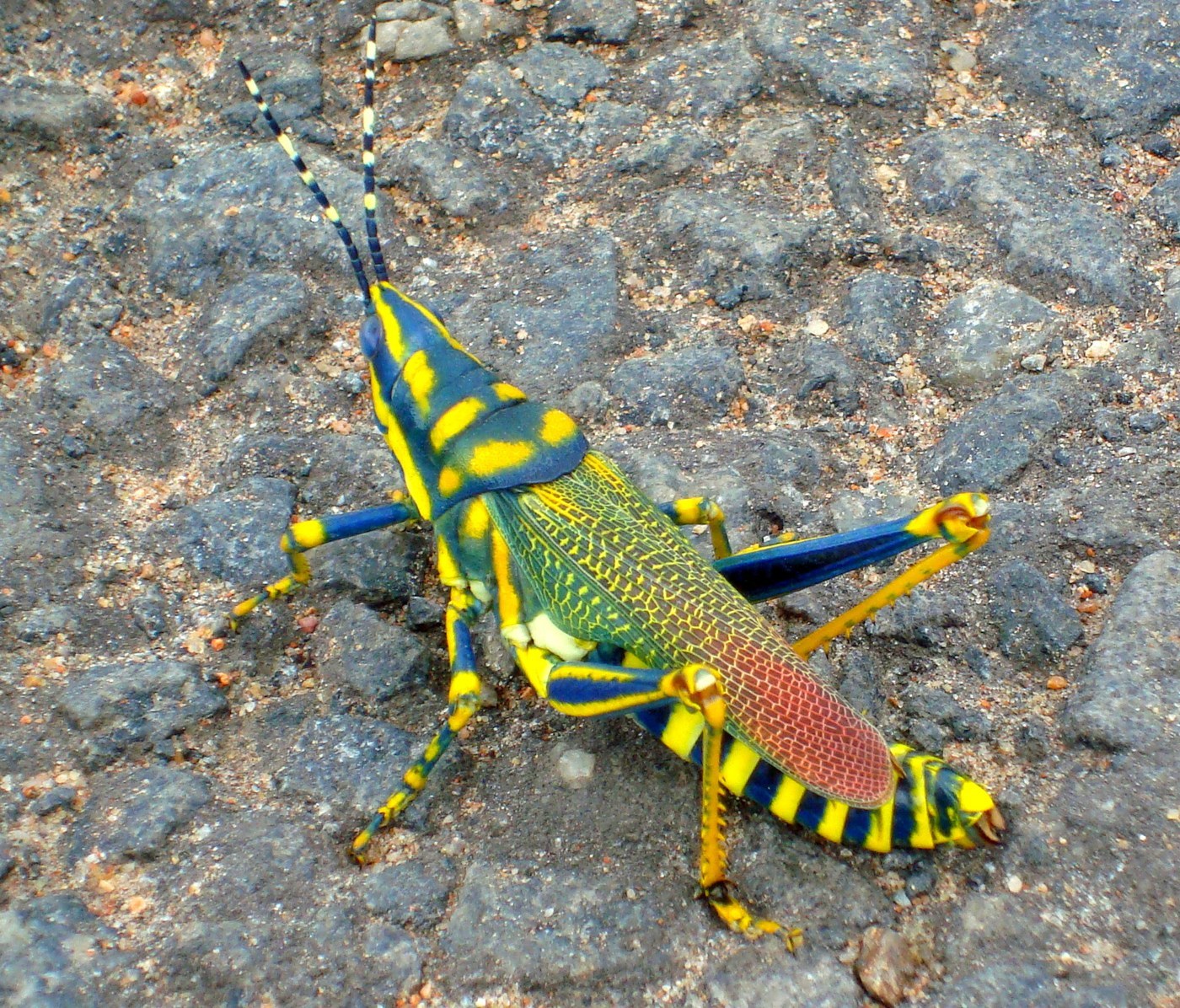
Painted Grasshopper
arid scrub, wastelands, and gardens of the Indian subcontinent, especially near milkweed plants
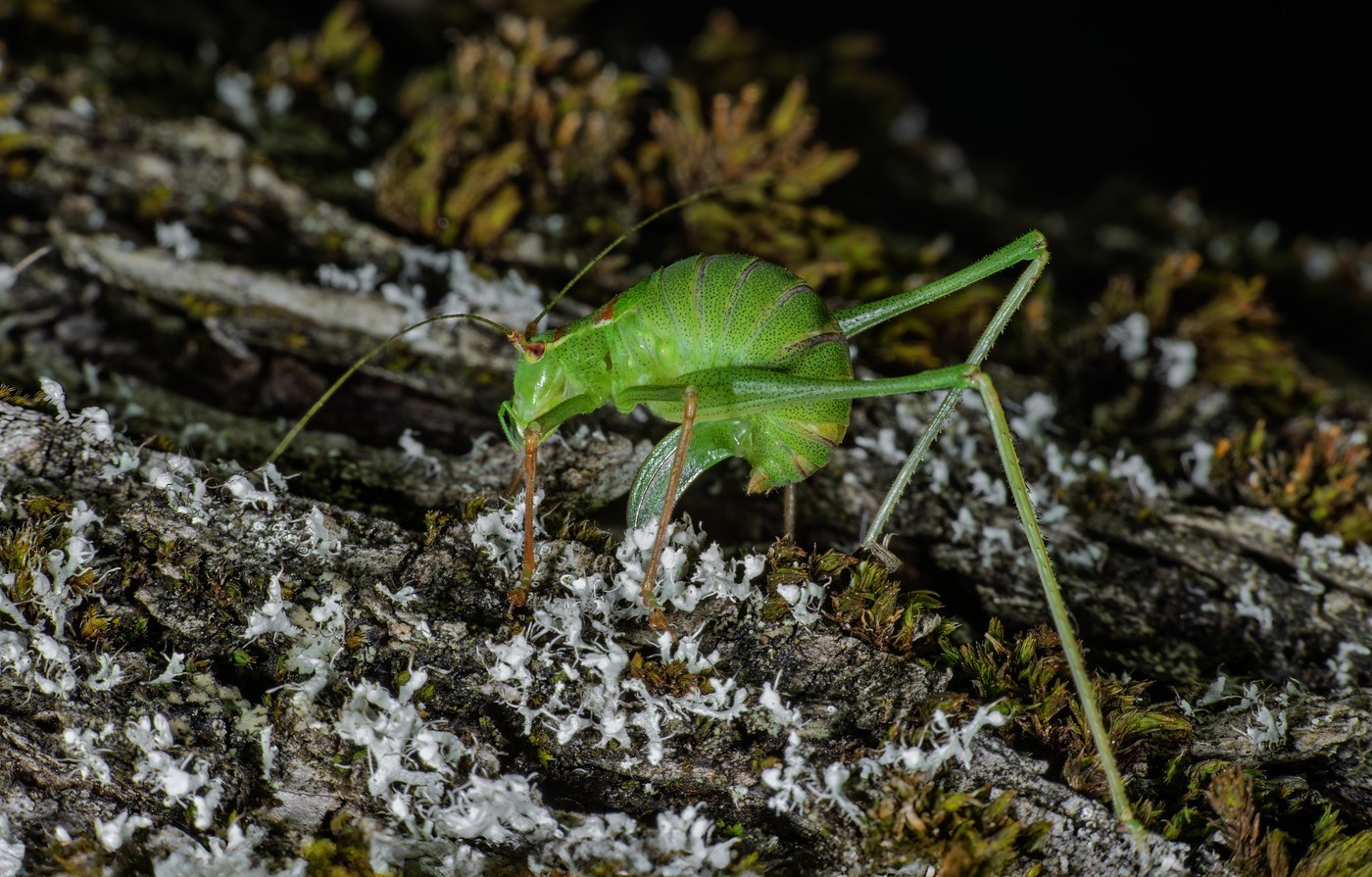
Speckled Bush Cricket
Brambles, hedgerows, nettles, and shrubby vegetation
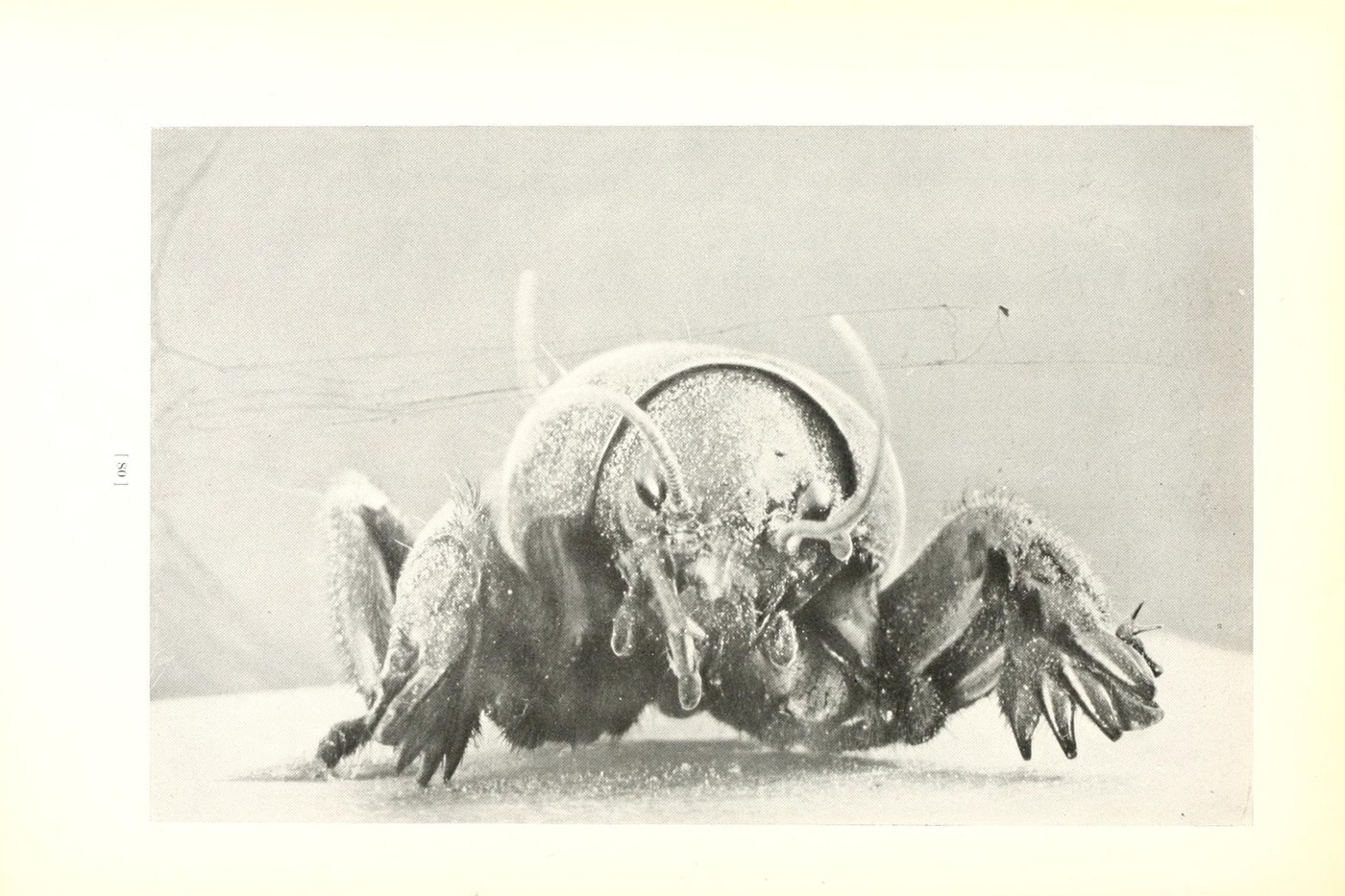
Northern Mole Cricket
wet soil, pond margins, and marshy ground across eastern and central North America