
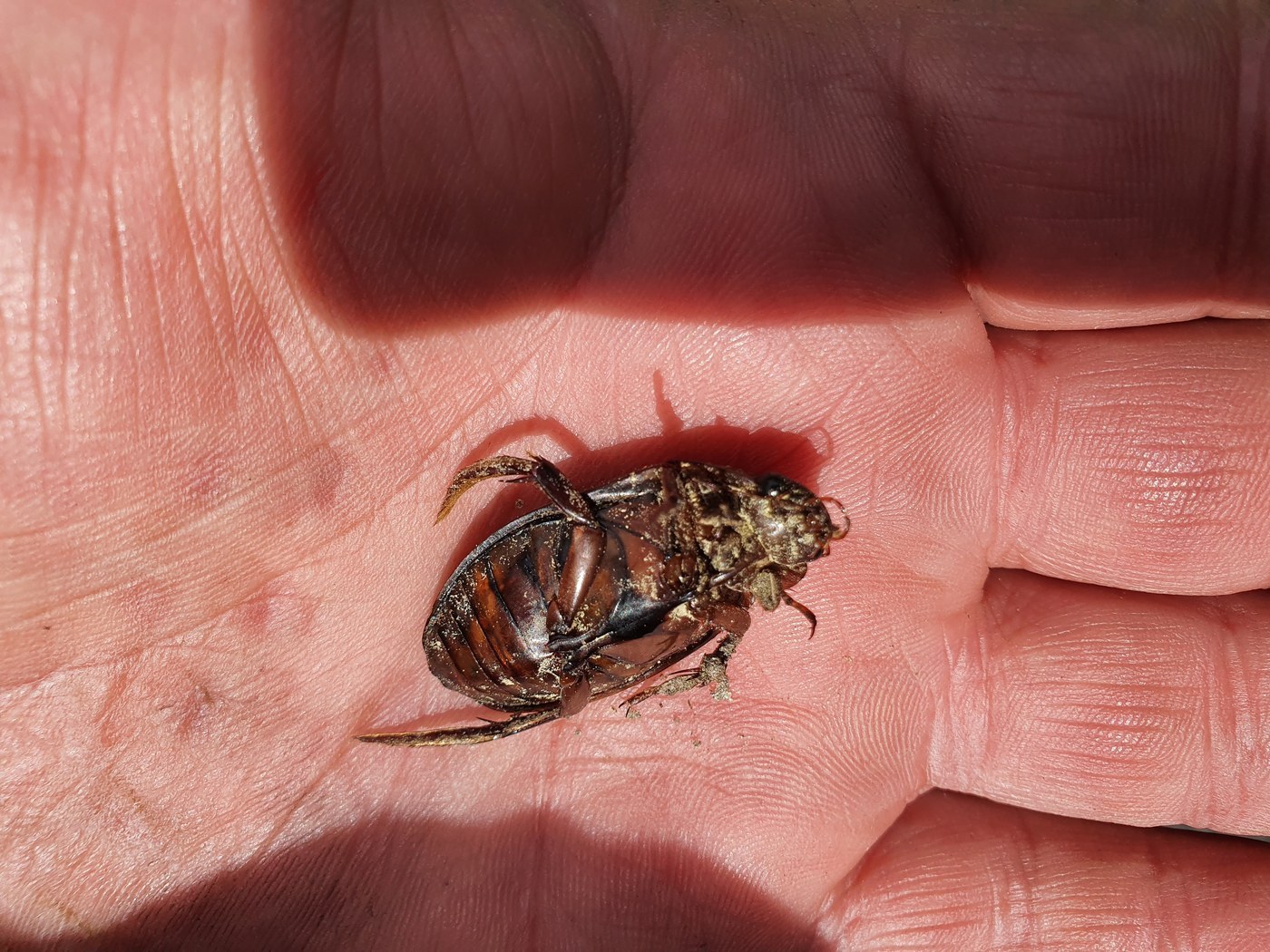
Great Diving Beetle
Dytiscus marginalis
One of Europe's largest water beetles, the great diving beetle is a streamlined, olive-brown predator that rows through ponds on fringed hind legs, surfacing periodically to trap a bubble of air beneath its wing covers.
- Size
- 27-35 mm
- Habitat
- Ponds, lakes, ditches, and slow streams
- Danger
- Bites
Spotted a bug like this?
Identify any bug or insect from a photo, free.
Overview
The great diving beetle is a large, powerfully built member of the predaceous diving beetle family (Dytiscidae), well known across Europe and parts of Asia for its impressive size and its role as a top invertebrate predator in freshwater ponds. Its smooth, oval, hydrodynamic body and oar-like hind legs make it an agile swimmer capable of pursuing fast-moving prey underwater.
Both larvae and adults of this species are active hunters that feed on other invertebrates, tadpoles, and small fish, and adults are also capable fliers that disperse between water bodies, particularly at night, sometimes drawn to lights. The species shows a notable difference between the sexes: female wing cases are typically grooved or ridged along their length, while male wing cases are smooth and glossy, an adaptation thought to help males grip females during mating.
As an air-breathing aquatic beetle, the great diving beetle must periodically return to the water's surface to renew an air supply held beneath its wing covers, allowing it to remain submerged for extended hunting bouts. It is a conspicuous and ecologically important predator, and its presence is often taken as a sign of a healthy, well-vegetated pond.
How to Identify
- Large, oval, streamlined body 27-35 mm long, olive-brown to blackish above with a narrow yellow-orange border running around the edge of the body
- Underside typically yellowish to reddish-brown
- Hind legs long, flattened, and fringed with hairs, used as paddles for swimming
- Smooth, glossy wing covers in males versus grooved or ridged wing covers in females of many populations
- Antennae thread-like and relatively short compared to the body
- Adults trap a silvery bubble of air beneath the wing covers when diving, visible at the rear of the abdomen
- Larger than most other diving beetles found in the same ponds, and distinguished from water scavenger beetles by its longer, more streamlined hind legs and different antennae shape
Habitat & Range
Great diving beetles inhabit ponds, lakes, canals, ditches, and slow-flowing streams with abundant submerged and emergent vegetation across much of Europe and temperate Asia. They favor still or slow water with plenty of cover for ambushing prey and are active year-round in many areas, overwintering as adults in deeper water or mud, becoming most visible during warmer months when they are also prone to nocturnal dispersal flights between ponds.
Behavior & Diet
Adult great diving beetles are strong, agile swimmers and voracious predators that hunt tadpoles, small fish, insect larvae, and other invertebrates, seizing prey with their legs and mandibles. They periodically rise to the water's surface to renew the air bubble trapped beneath their wing covers, which supplies oxygen while they hunt underwater. Adults are also capable of flight and will disperse overland at night between ponds, particularly when a habitat dries up or becomes overcrowded. As one of the largest invertebrate predators in many ponds, the species plays a significant role in regulating populations of smaller aquatic animals.
Life Cycle
Females lay eggs individually into slits cut in submerged plant stems using a specialized ovipositor. The larvae that hatch are elongated, active predators (see Diving Beetle Larva) that pass through three instars over several weeks, feeding heavily on other aquatic animals. When fully grown, the larva leaves the water to pupate in a chamber in damp soil near the pond edge. After several weeks, the adult beetle emerges, re-enters the water, and may live for a year or more, overwintering as an adult and breeding again the following season.
Frequently asked questions
How big does a great diving beetle get?
Adults typically measure 27-35 mm long, making it one of the largest water beetles found in Europe.
How can you tell males and females apart?
In many populations, female wing covers are grooved or ridged while male wing covers are smooth and glossy.
Can great diving beetles fly?
Yes, adults are capable fliers and disperse between ponds overland, especially at night, sometimes attracted to artificial lights.
How does it breathe while swimming?
It traps a bubble of air beneath its wing covers at the surface and carries this supply underwater, returning periodically to replenish it.
Great Diving Beetle guides
In-depth guides for identifying, understanding, and living alongside Great Diving Beetle.
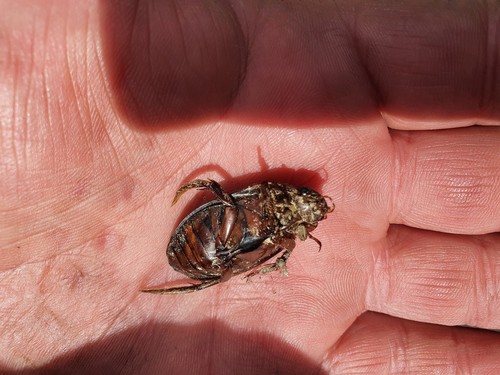
Great Diving Beetle identified by the community
Real finds identified with Bug Identifier.
Other bugs you may enjoy
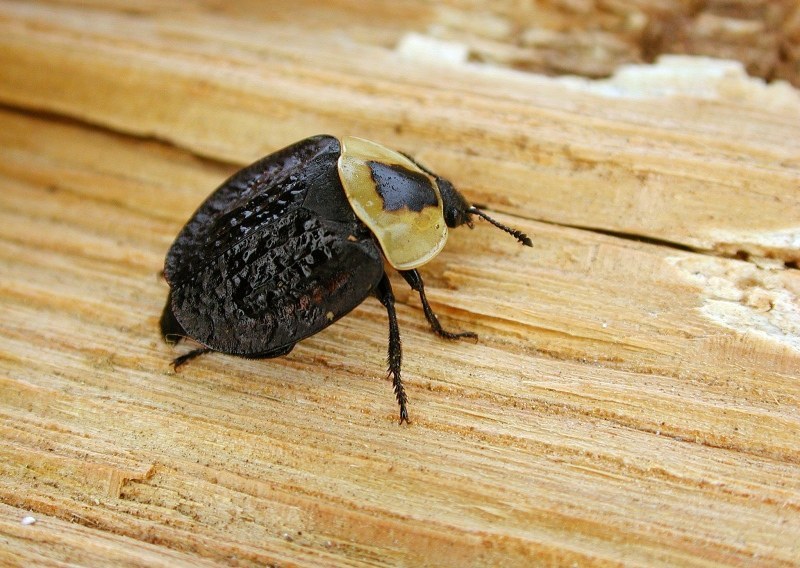
American Carrion Beetle
Forests, fields, and roadsides across North America, near decaying animal carcasses
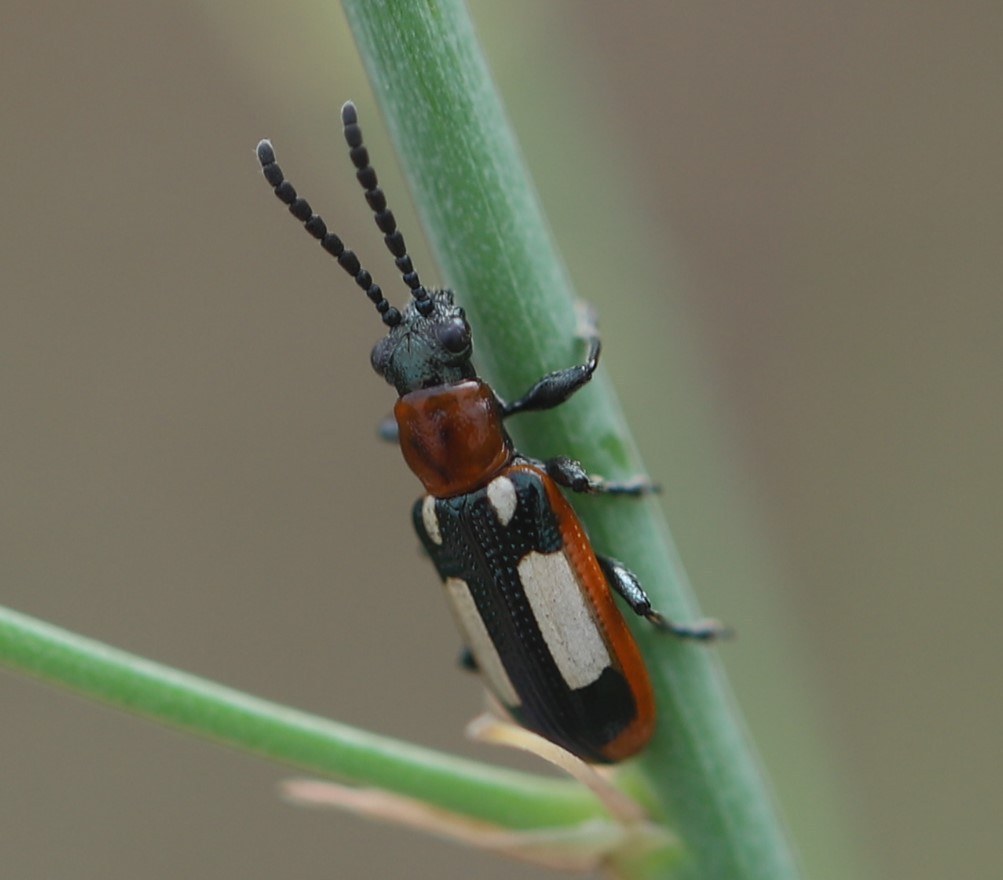
Asparagus Beetle
Asparagus patches, gardens, and farm fields
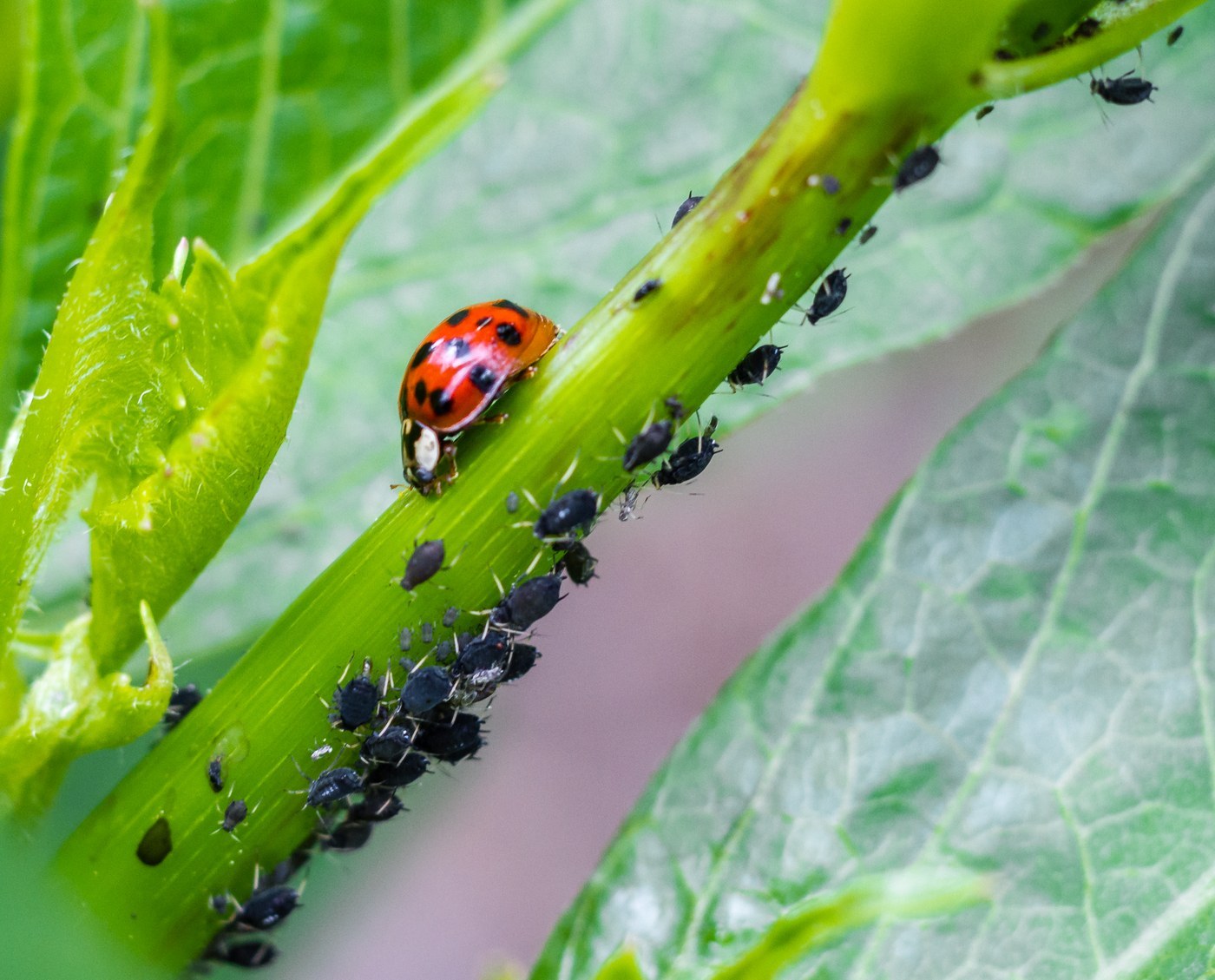
Asian Lady Beetle
Gardens, crop fields, woodlands, buildings
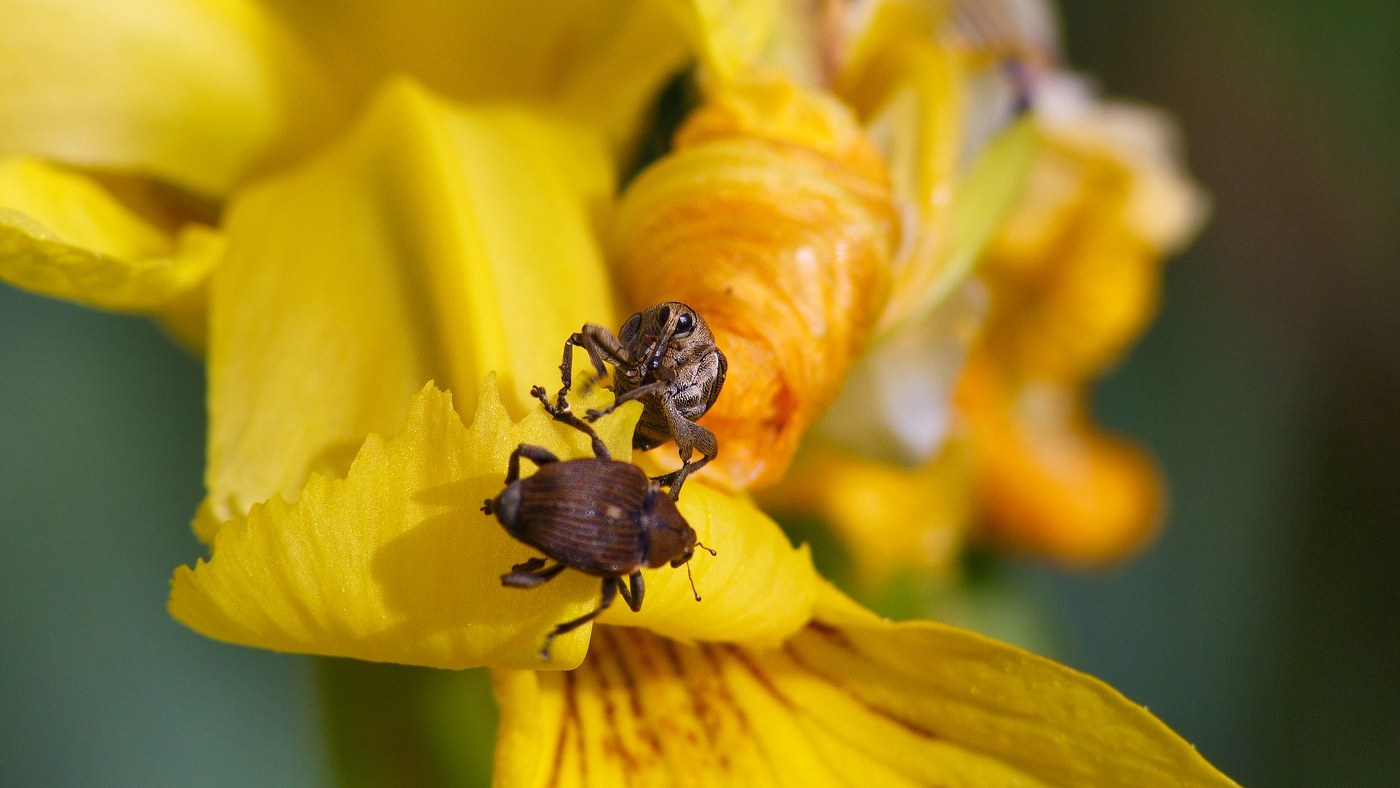
Acorn Weevil
Oak woodlands and forests, on and beneath oak trees
Wireworm
Soil of grasslands, gardens, and cultivated fields worldwide
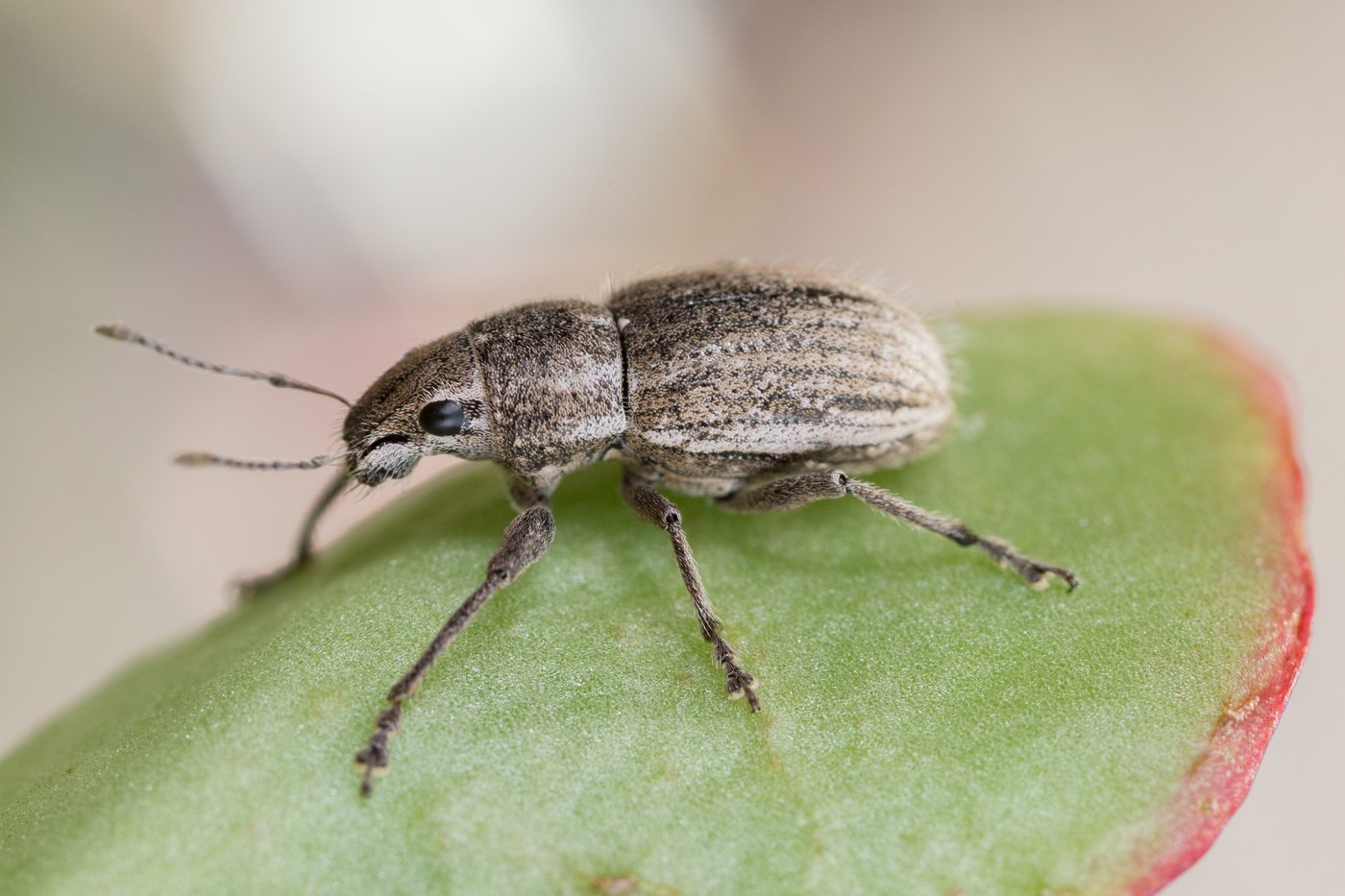
Whitefringed Beetle
Pastures, row crops, lawns, disturbed soils
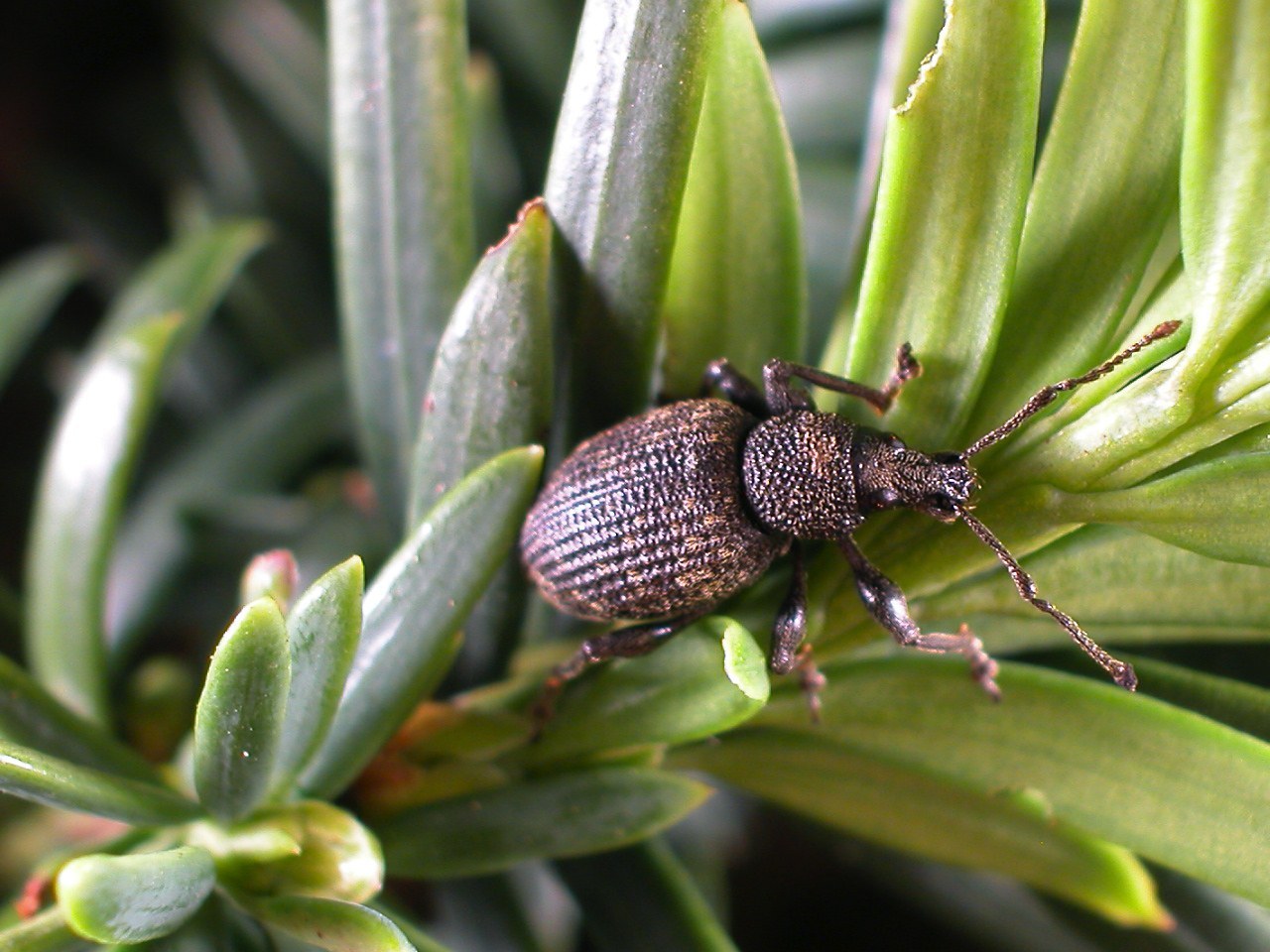
Vine Weevil
Gardens, nurseries, greenhouses, and container plantings
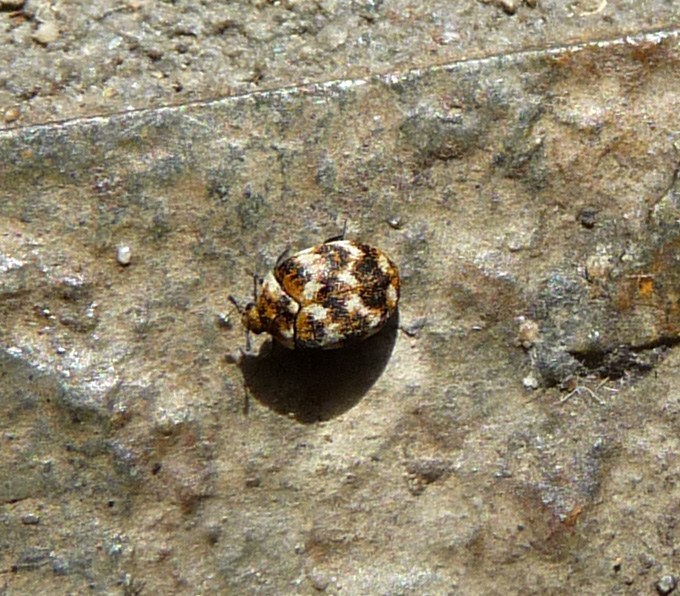
Varied Carpet Beetle
Homes, nests of birds and mammals, and flowers outdoors
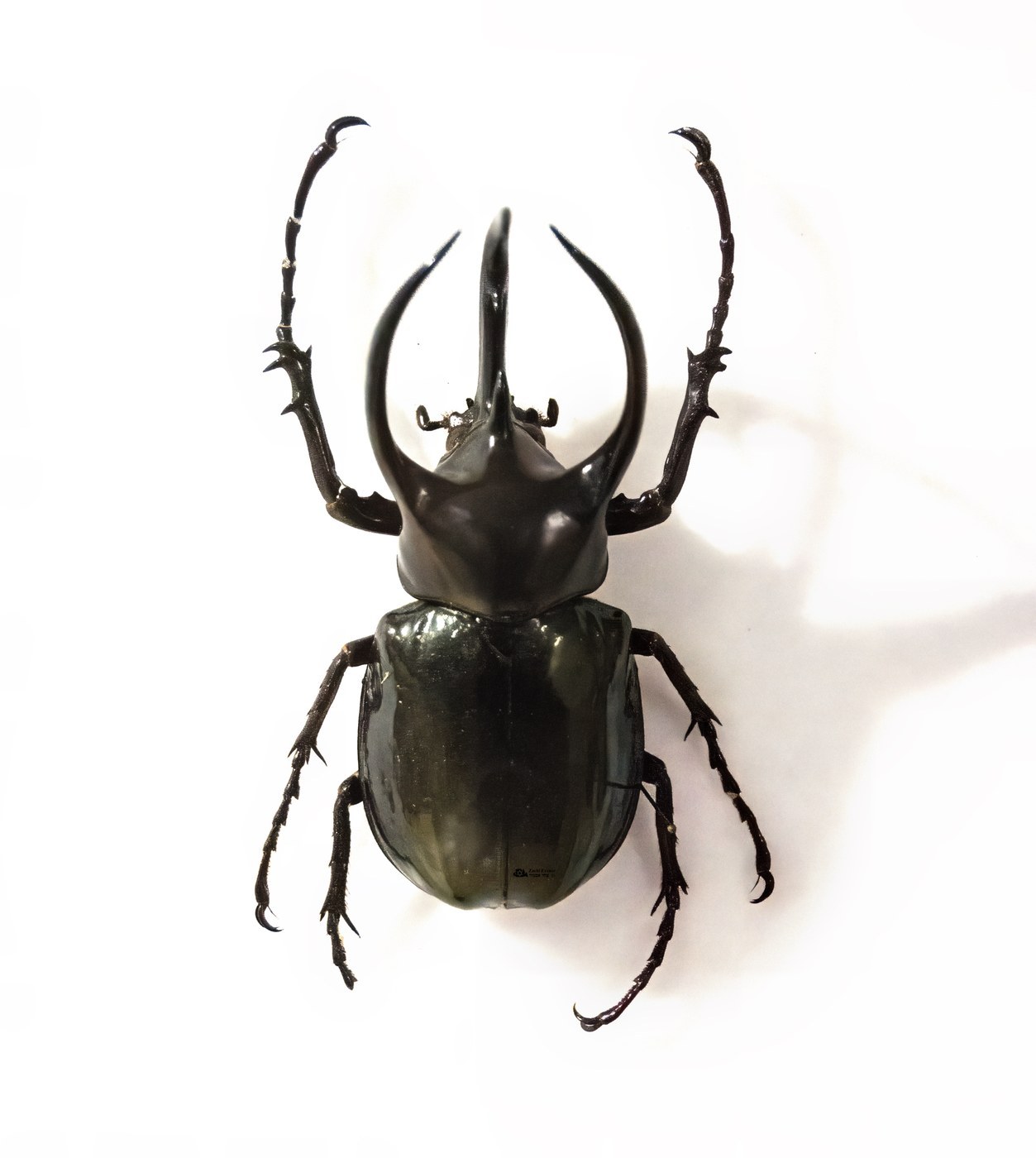
Atlas Beetle
Tropical forests of Southeast Asia
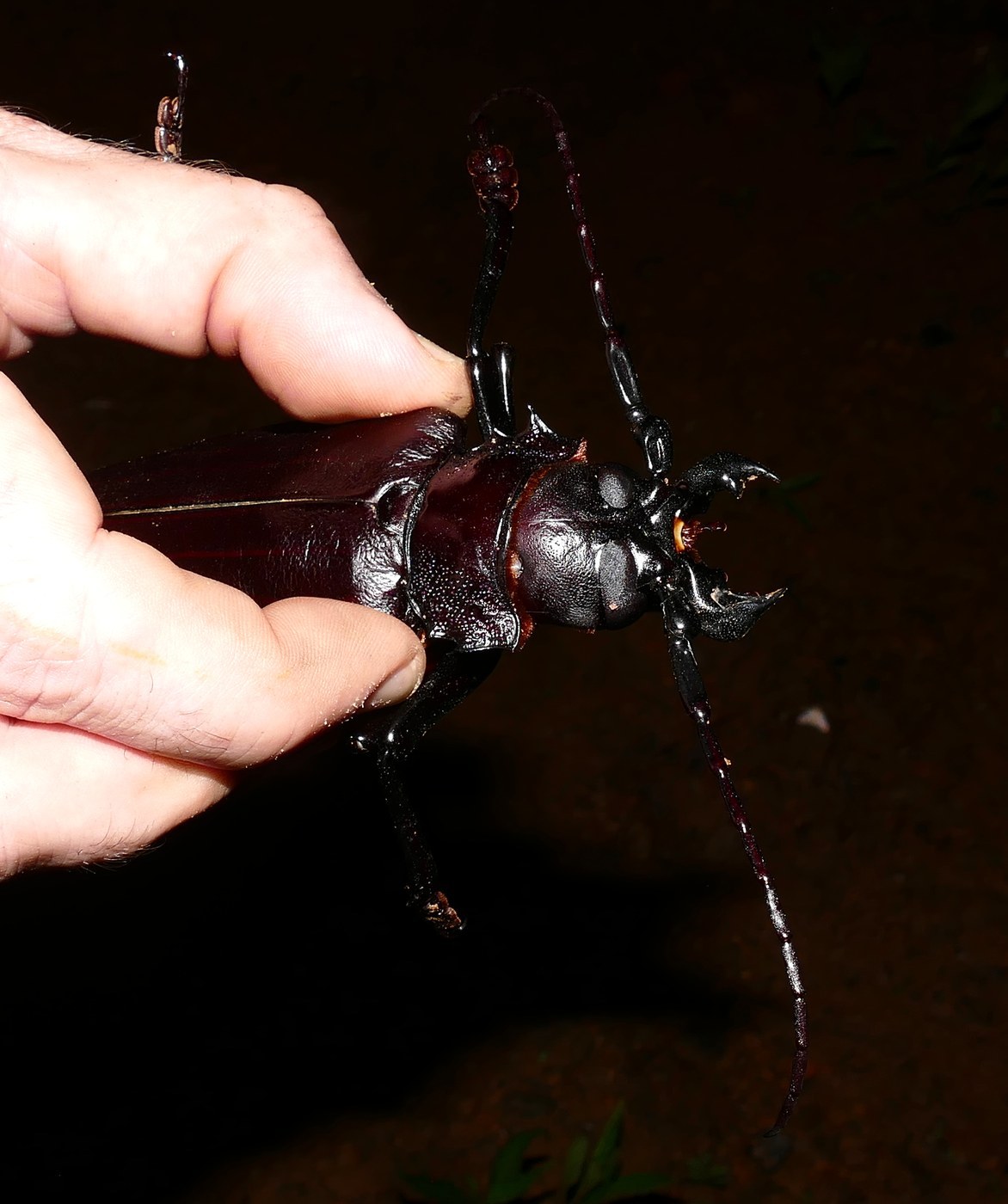
Titan Beetle
Amazon rainforest of South America
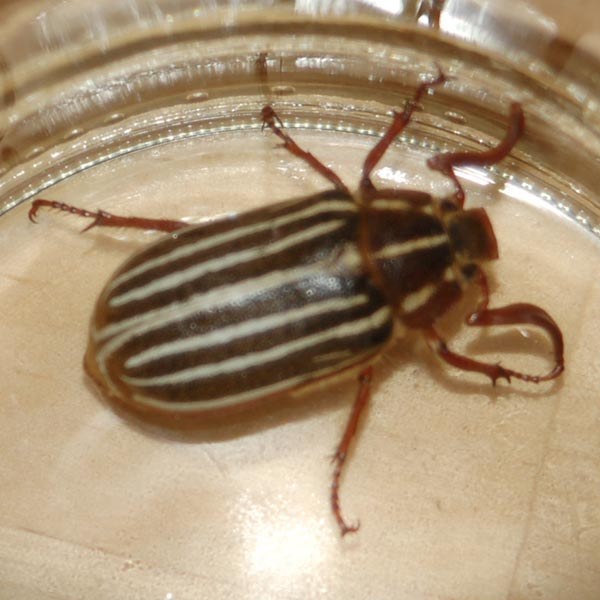
Ten-lined June Beetle
Sandy soils, pine forests, and orchards of western North America
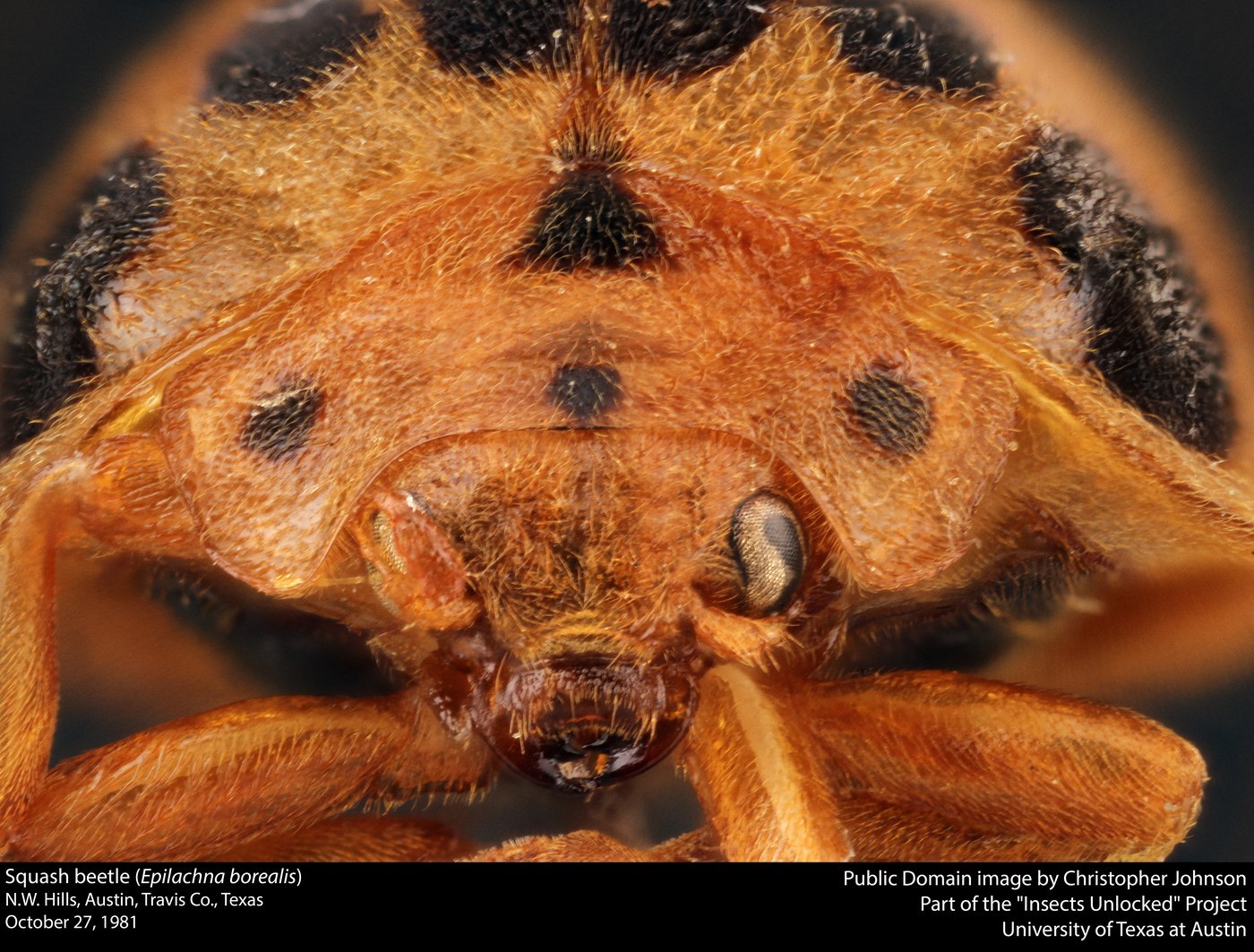
Squash Beetle
Vegetable gardens and fields growing squash, pumpkin, and other cucurbits