
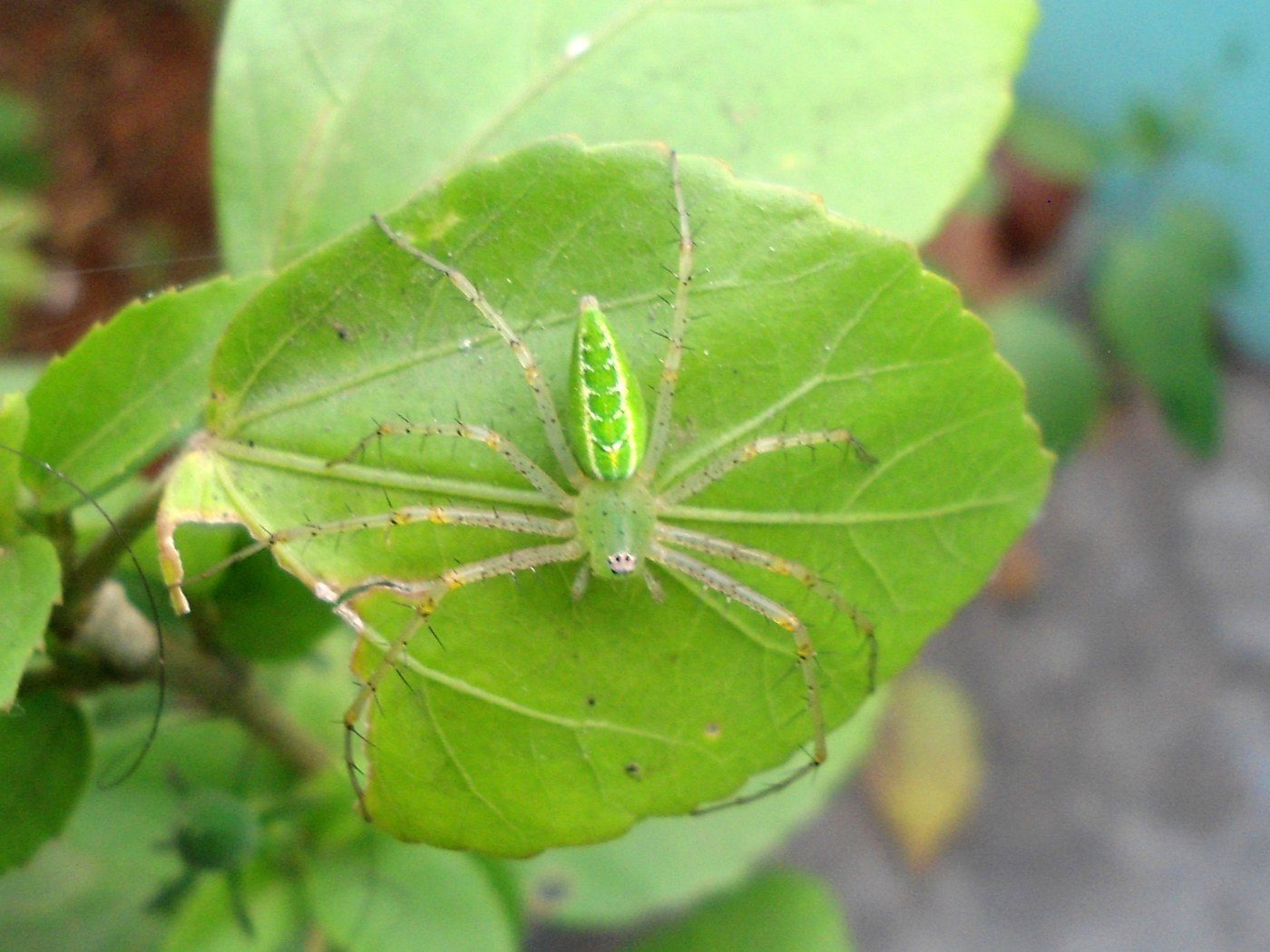
Green Lynx Spider
Peucetia viridans
A slender, bright green spider armed with long spiny legs that ambushes insects from flowers and shrubs without spinning a capture web.
- Size
- 12-22 mm body length
- Habitat
- Shrubby vegetation, gardens, and open fields with dense foliage
- Danger
- Bites
Spotted a bug like this?
Identify any bug or insect from a photo, free.
Overview
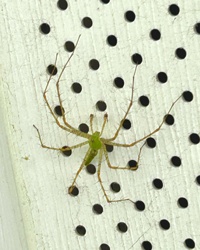
The green lynx spider is a vivid, translucent-green hunting spider common throughout the southern and southwestern United States, Mexico, and parts of Central America. Rather than building a snare web, it relies on excellent eyesight, speed, and long spiny legs to actively pursue and ambush insects among foliage, making it one of the more visible active hunters in gardens and grasslands.
Its bright green coloration, sometimes marked with small red or white flecks, provides effective camouflage among leaves and stems, where it typically waits motionless before lunging at passing prey. The species is named for its lynx-like agility, and females are notably larger and more robust than males, often guarding a distinctive spiky egg sac attached to plant stems.
Green lynx spiders are considered beneficial predators in agricultural and garden settings because they consume a wide range of plant-feeding insects, though they will also take beneficial pollinators that come within range.
How to Identify
- Slender, elongated body in bright translucent green, sometimes with small red, yellow, or white markings
- Long, thin legs covered in prominent black spines, giving a bristly appearance
- Large eyes arranged in a hexagonal pattern typical of the lynx spider family
- Females are noticeably larger and heavier-bodied than males
- Distinguished from crab spiders by its longer legs, active hunting style, and spiny leg armature
Habitat & Range
This species favors shrubby, sunlit vegetation such as goldenrod, cotton, citrus, and other flowering plants, where it can blend in and ambush visiting insects. It ranges across the southern United States, from coast to coast in the sunbelt region, south through Mexico and into parts of Central America. Adults are most conspicuous from summer through early fall, when females guard their egg sacs on exposed plant stems.
Behavior & Diet
Green lynx spiders are active, sit-and-wait ambush predators that do not build a snare web, instead relying on camouflage among foliage and a rapid pounce to capture prey. Diet includes flies, bees, wasps, moths, and other insects that visit the plants where the spider perches, making it both a predator of plant pests and an occasional consumer of pollinators. Females display notable maternal care, guarding their spiny egg sac and remaining near newly hatched spiderlings for a period after emergence, sometimes defending them by rearing up and displaying their fangs.
Life Cycle
Females attach a distinctive spiky, papery egg sac to plant stems or leaves in late summer and guard it closely until spiderlings emerge in early fall. Young spiders disperse on silk threads carried by wind (ballooning) or remain nearby, growing through successive molts over the following months. In most of their range, green lynx spiders overwinter as partially grown juveniles and mature the following year, completing one generation annually.
Frequently asked questions
Does the green lynx spider bite?
It can bite in defense if handled, but it is not aggressive and relies on camouflage among foliage to avoid notice.
Does the green lynx spider build a web?
No, it is an active hunter that ambushes prey among foliage rather than trapping insects in a web.
What does a green lynx spider eat?
It preys on a variety of insects, including flies, moths, and both pest and beneficial visitors to flowering plants.
Where do green lynx spiders live?
They inhabit shrubby, sunlit vegetation across the southern United States, Mexico, and parts of Central America.
Green Lynx Spider guides
In-depth guides for identifying, understanding, and living alongside Green Lynx Spider.
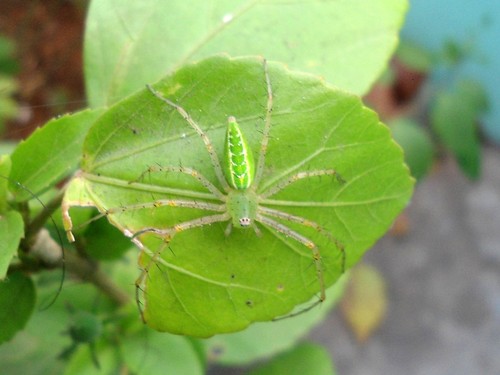
Green Lynx Spider identified by the community
Real finds identified with Bug Identifier.

Other bugs you may enjoy
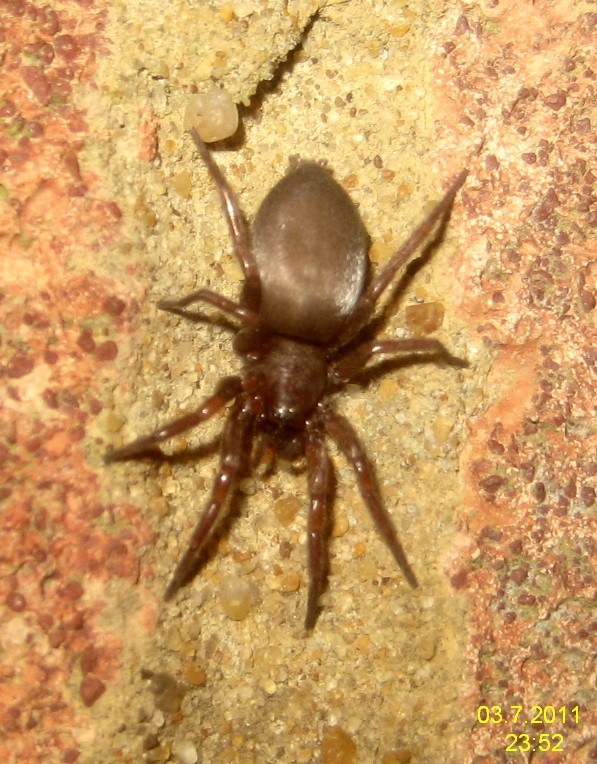
Woodlouse Spider
Damp leaf litter, under logs, stones, and mulch
Wolf Spider
Gardens, grasslands, forests, leaf litter, ground burrows
Wandering Spider
Tropical and subtropical forest floor, foliage, and banana plants
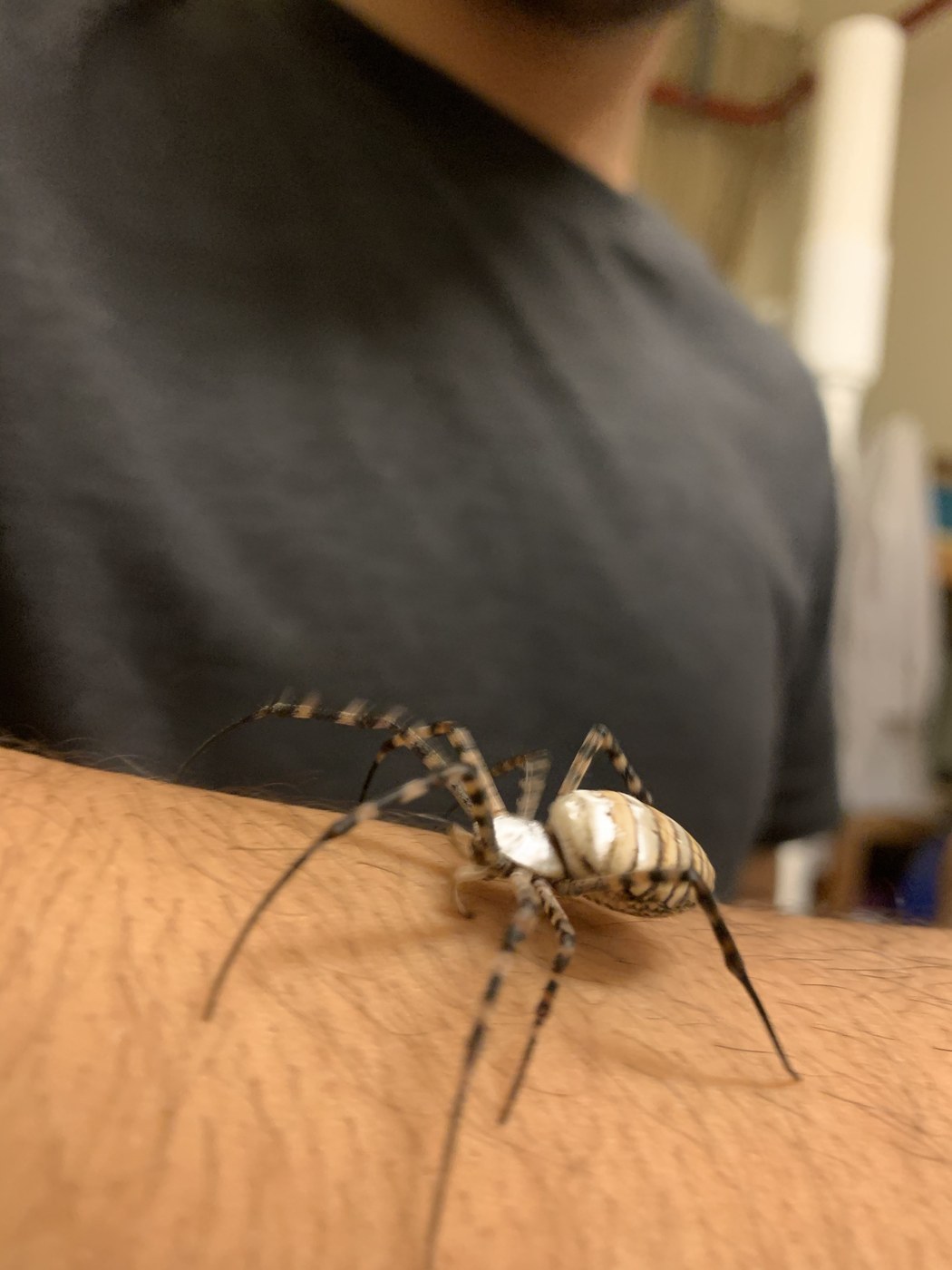
Banded Garden Spider
Tall grass, meadows, and gardens with open sunny vegetation
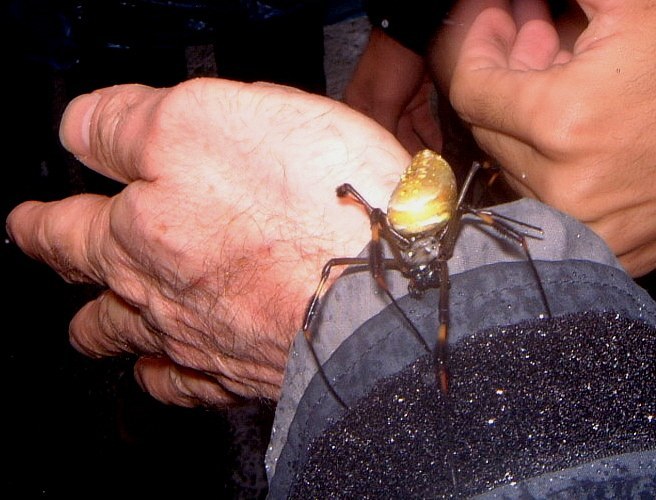
Banana Spider
Wooded trails, forest edges, and gardens across the southeastern U.S. and the American tropics
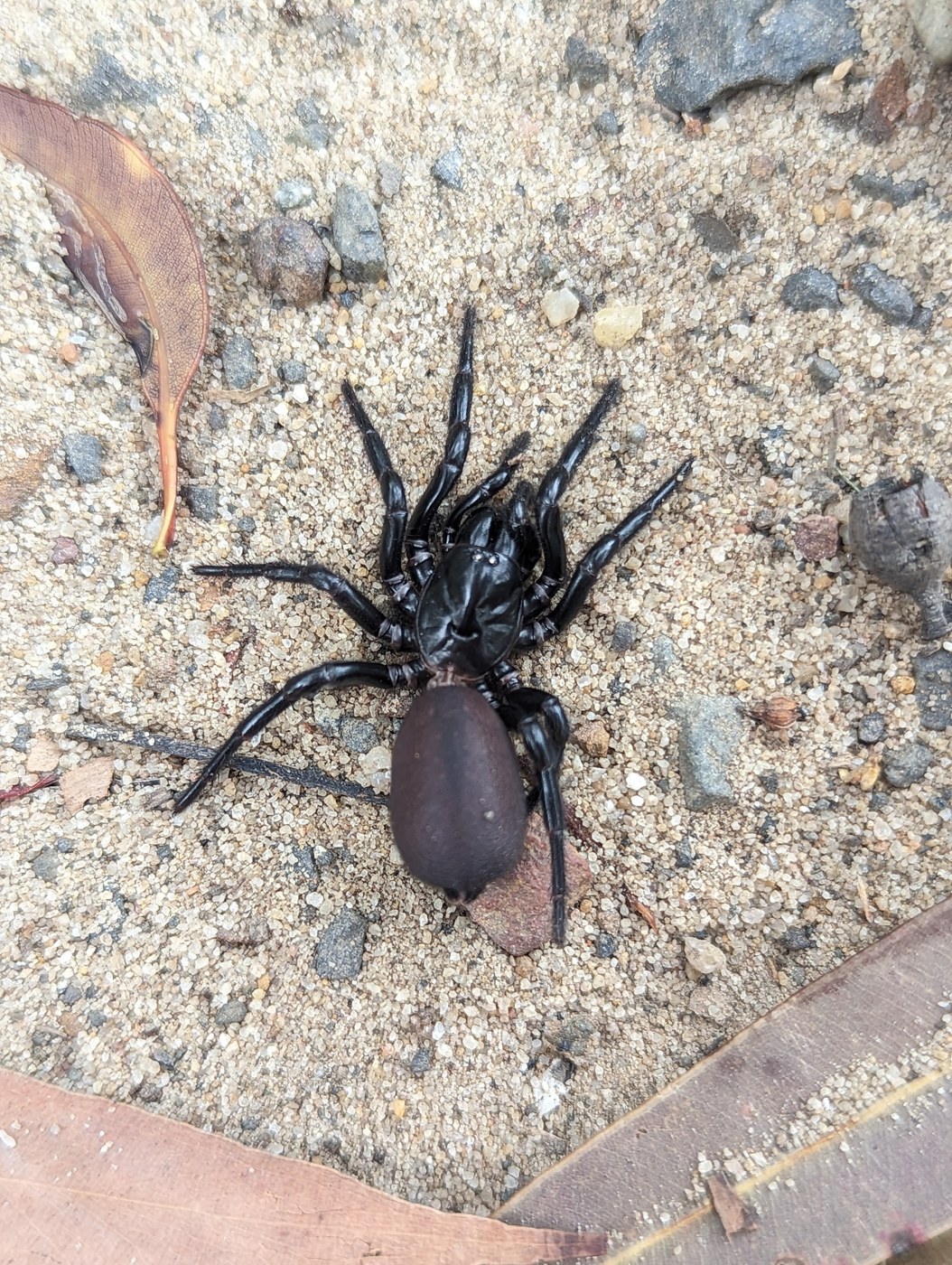
Sydney Funnel-web Spider
Burrows in moist soil, gardens, and forested gullies around the Sydney basin of eastern Australia
Trapdoor Spider
Self-dug silk-lined burrows with a camouflaged door, in dry, well-drained soil worldwide
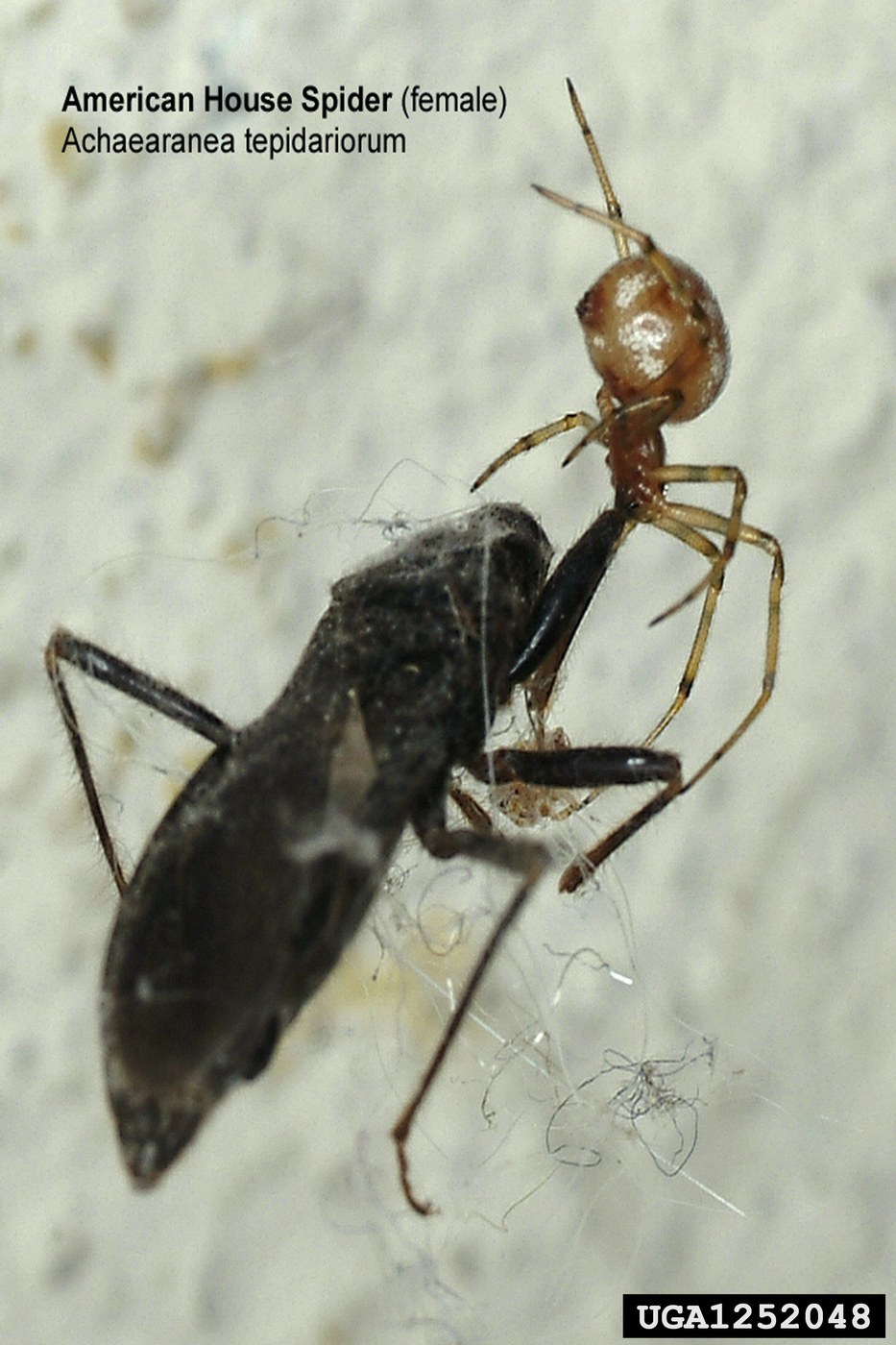
American House Spider
Corners, basements, garages, and outbuildings worldwide
Tube Web Spider
Wall crevices, bark, rockeries, and masonry
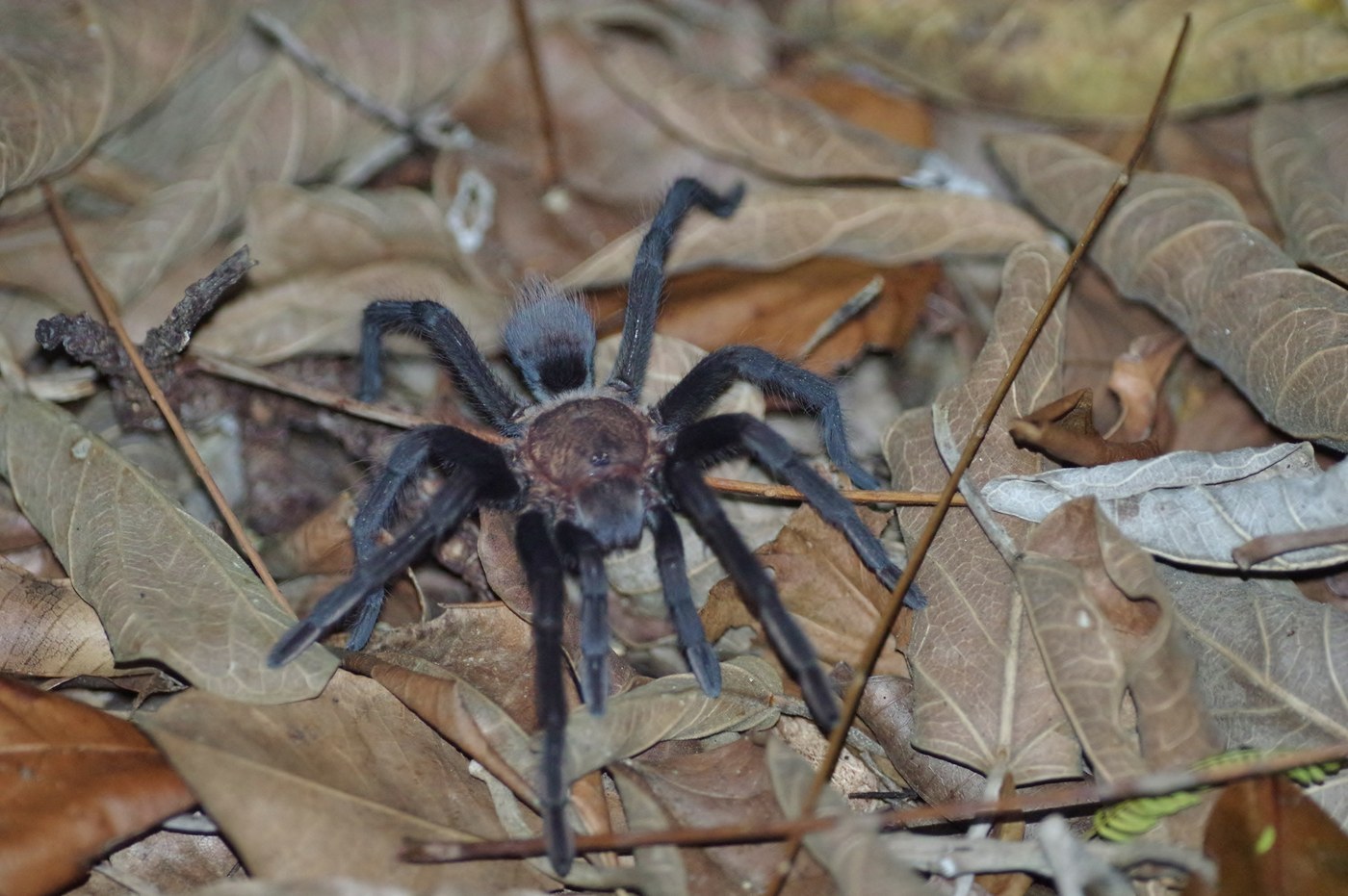
Tarantula
Burrows, rock crevices, and tree hollows in deserts, grasslands, and tropical forests worldwide
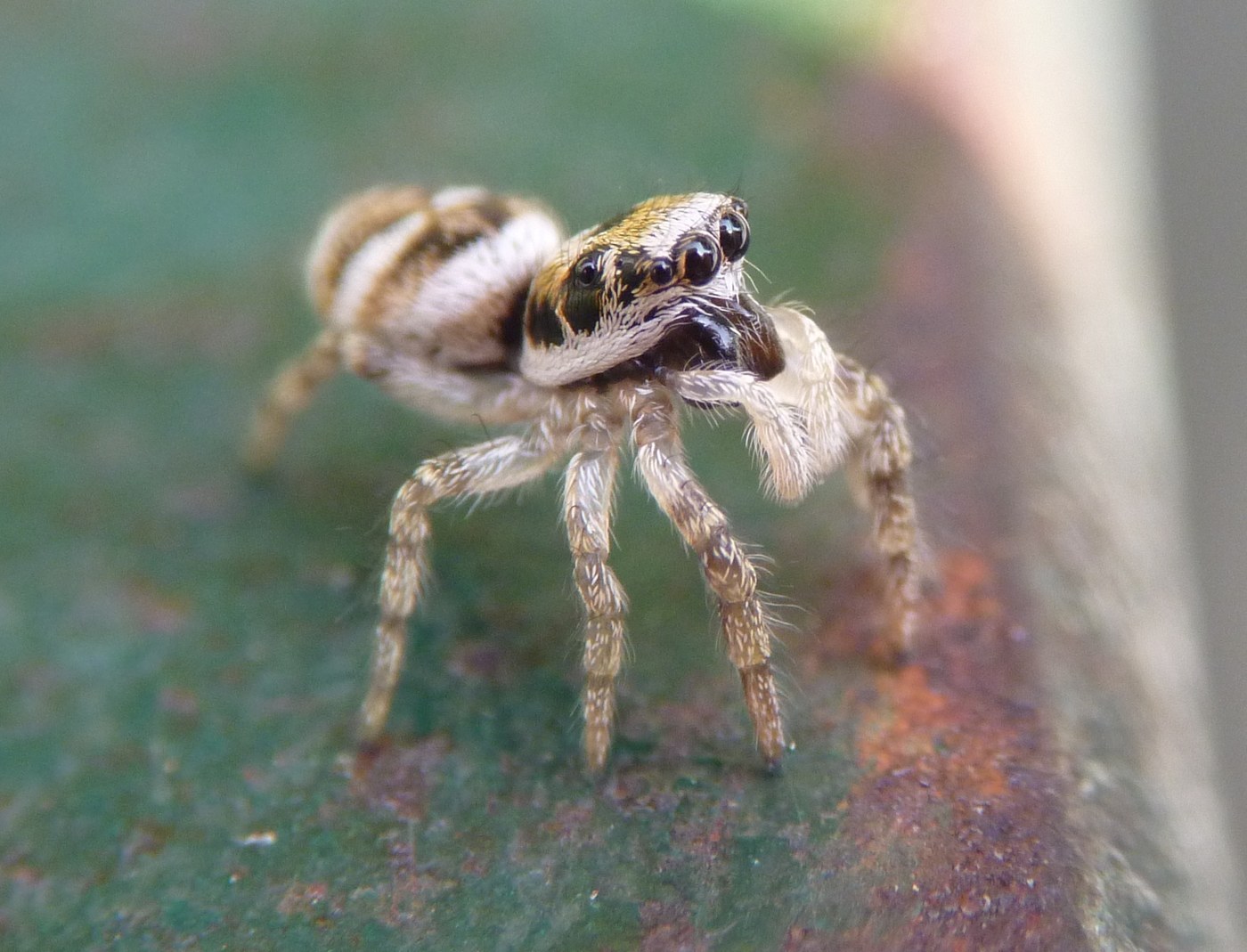
Zebra Jumping Spider
Sunny walls, fences, tree bark, and building exteriors
Wall Spider
Cracks and crevices on exterior and interior walls