
Gypsy Cutworm Moth
Agrotis spp.
A plain, mottled grey-brown night-flying moth whose stout, soil-dwelling larvae are known as cutworms for their habit of severing young plant stems near ground level.
- Size
- 1.2–1.6 in wingspan
- Habitat
- Grasslands, farmland, and gardens in temperate regions worldwide
- Danger
- Nuisance pest
Spotted a bug like this?
Identify any bug or insect from a photo, free.
Overview
The gypsy cutworm moth belongs to the large family Noctuidae, specifically the group of species commonly referred to as cutworms, whose larvae are notorious among gardeners and farmers for damaging young seedlings. Adults are drab, cryptically patterned moths built for blending into soil, bark, and leaf litter rather than for visual display.
As with many cutworm species, the adult moth itself attracts little attention, while its larval stage is the more commonly recognized and economically relevant form, feeding at or below the soil surface and severing plant stems as it moves.
Cutworm moths as a group are found across temperate regions worldwide and represent one of the most persistent categories of soil-dwelling caterpillar pests in agriculture and horticulture.
How to Identify
- Adult: medium-sized, stout-bodied moth with mottled grey, brown, or blackish forewings marked with faint kidney-shaped and oval spots typical of noctuid moths; hindwings are usually paler and less patterned.
- Body is furry and robust, held close to a surface at rest, aiding camouflage against bark or soil.
- Larva (cutworm): thick, smooth-skinned, greasy-looking caterpillar in grey, brown, or dull green tones, often curling tightly into a C-shape when disturbed.
- Lookalikes: many other Noctuidae species share similar drab forewing patterns, making genus-level identification difficult without close examination; the larval cutworm habit of severing stems at soil level is a more reliable field clue.
Habitat & Range
Cutworm moths of this type are found across temperate grasslands, farmland, and gardens on multiple continents, thriving wherever open soil and low vegetation provide both feeding and burrowing opportunities for larvae. Adults are active at night during the warmer months, while larvae remain hidden in soil or leaf litter by day, emerging after dark to feed on nearby plant stems and foliage.
Behavior & Diet
Adults are nocturnal, drawn to lights, and spend the day resting motionless on bark, soil, or debris, relying on cryptic coloration for concealment. Larvae are soil-dwelling and largely nocturnal as well, hiding just below the surface by day and emerging at night to feed on the stems and leaves of low-growing plants, often severing young seedlings near ground level as they graze, a habit that gives cutworms their common name. Ecologically, the species functions as a generalist herbivore within grassland and cultivated-field food webs, and its larvae serve as a food source for ground-foraging birds and other predators.
Life Cycle
Eggs are laid on or near host plants and low vegetation, hatching into small larvae that burrow into the soil surface as they grow. Larvae pass through several instars below ground or in leaf litter, feeding at night, before forming a smooth earthen pupal chamber in the soil. Depending on climate, cutworm moths may produce one to several generations per year, typically overwintering as a partially grown larva or as a pupa in the soil until conditions favor continued development.
Frequently asked questions
Why is it called a cutworm moth?
The name refers to the larval habit of chewing through and severing young plant stems near ground level, rather than any behavior of the adult moth.
Is the adult moth easy to identify to species?
Not usually; many cutworm moths in this group share similar mottled grey-brown wing patterns, and close examination is often needed to separate them.
Where do the larvae hide during the day?
They typically stay just below the soil surface or under debris during daylight hours, emerging at night to feed.
What kind of plants do cutworms feed on?
They are generalist feeders on low-growing vegetation, including grasses, seedlings, and garden plants.
Gypsy Cutworm Moth guides
In-depth guides for identifying, understanding, and living alongside Gypsy Cutworm Moth.
Gypsy Cutworm Moth identified by the community
Real finds identified with Bug Identifier.
Other bugs you may enjoy
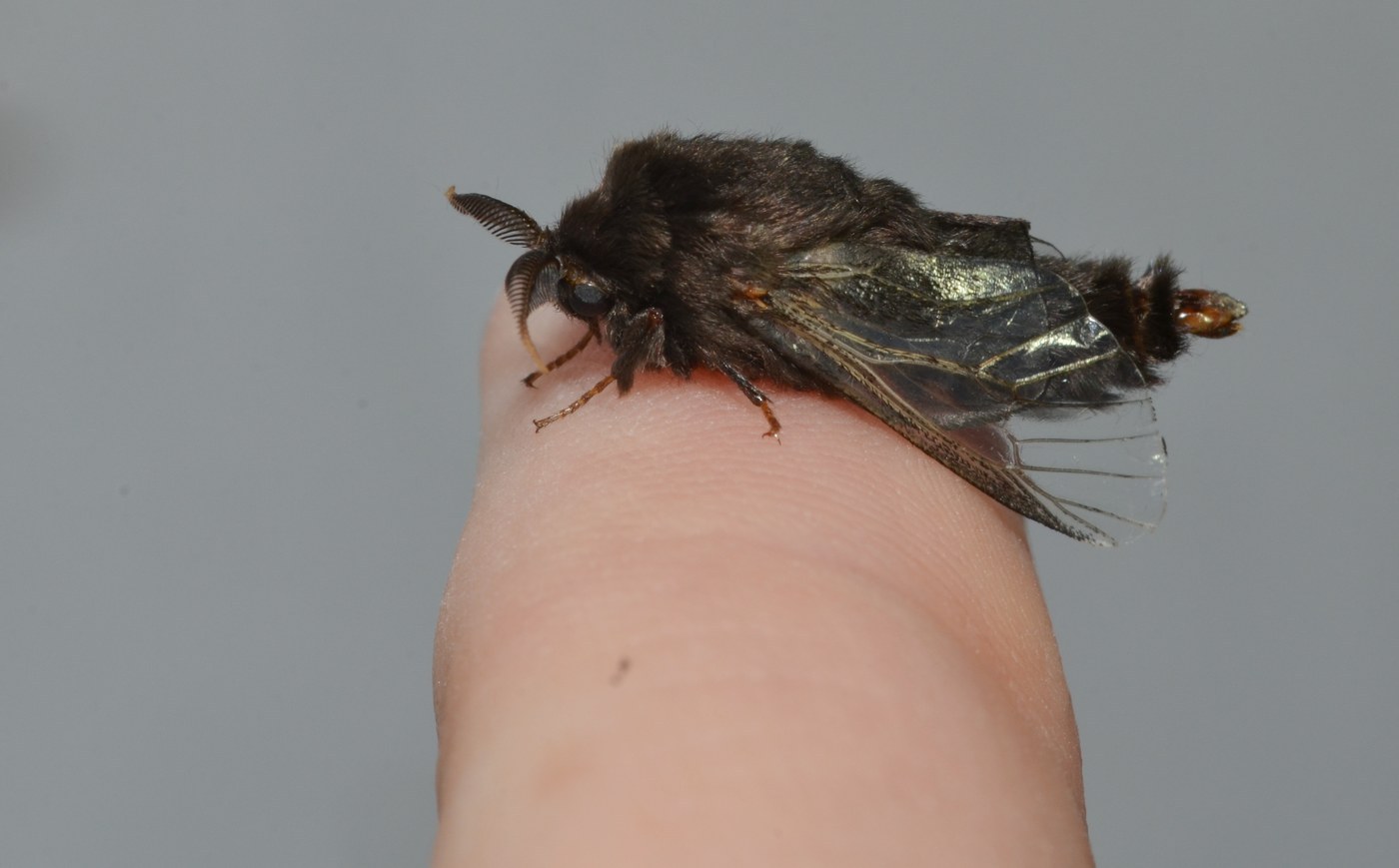
Bagworm Moth
Coniferous and deciduous trees, shrubs, hedges
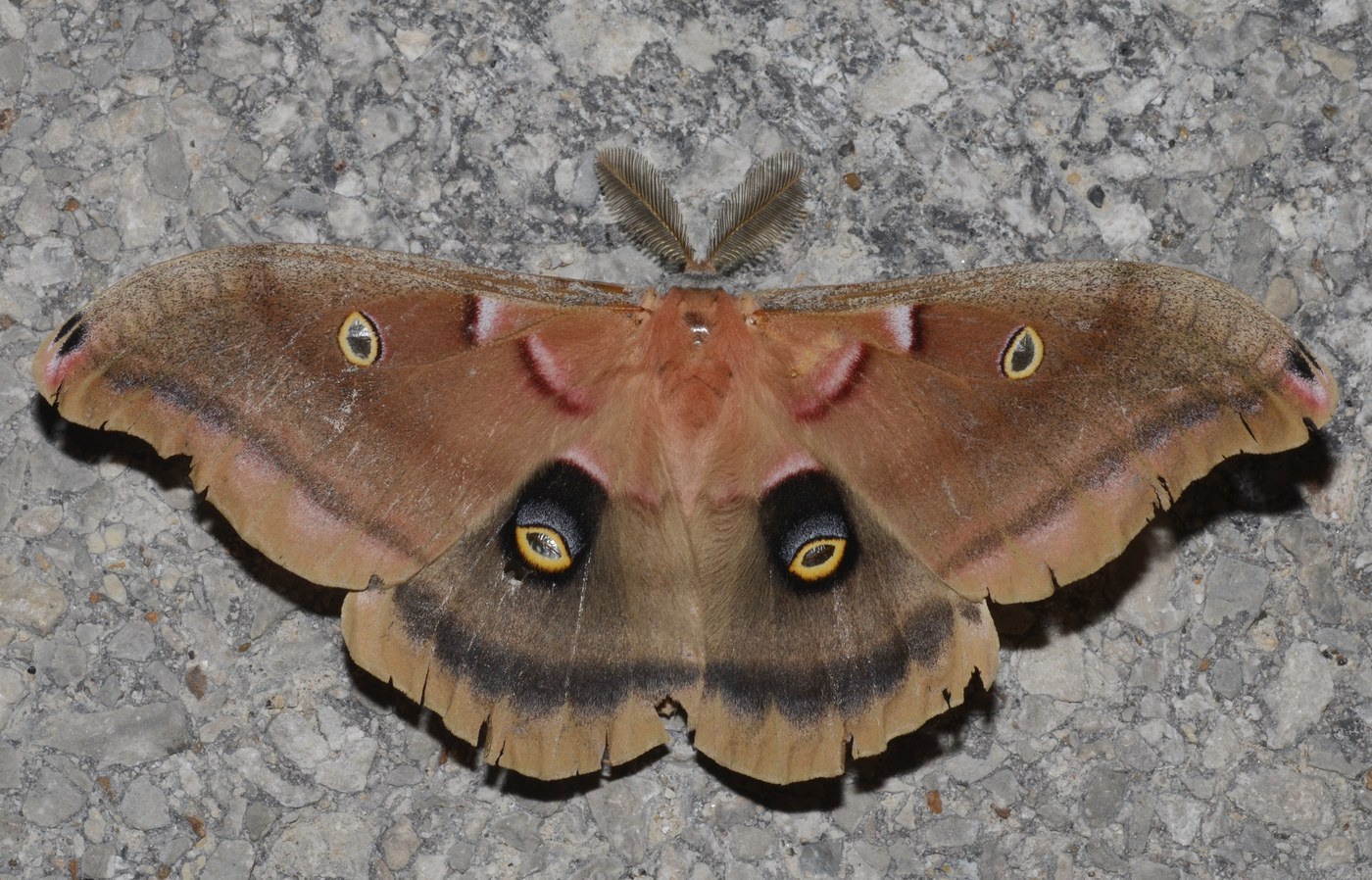
Antheraea Silkmoth
Deciduous forests, woodland edges, orchards
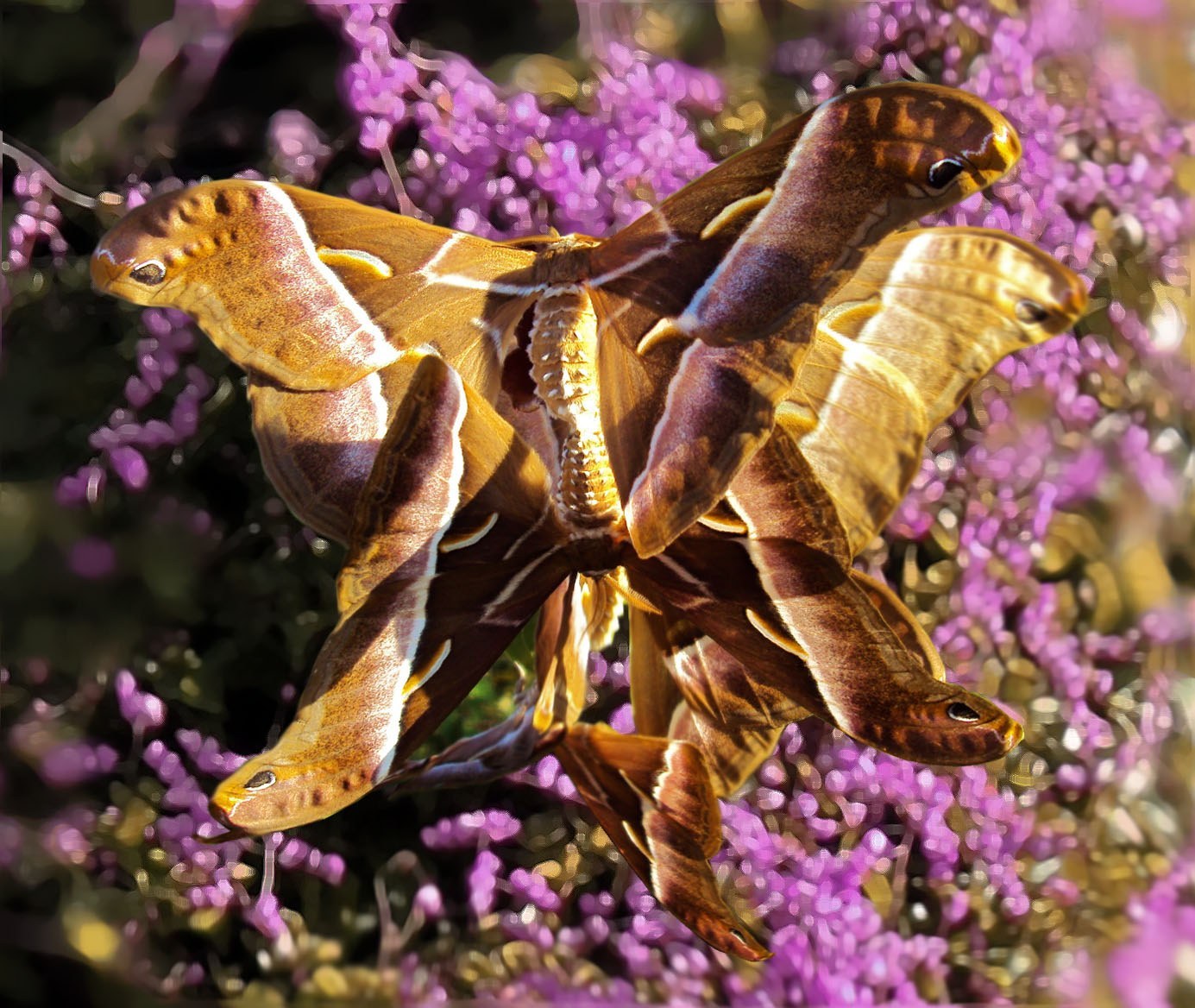
Ailanthus Silkmoth (Cynthia Moth)
Urban parks, wastelands, and woodland edges with tree-of-heaven; native to Asia, introduced in North America and Europe
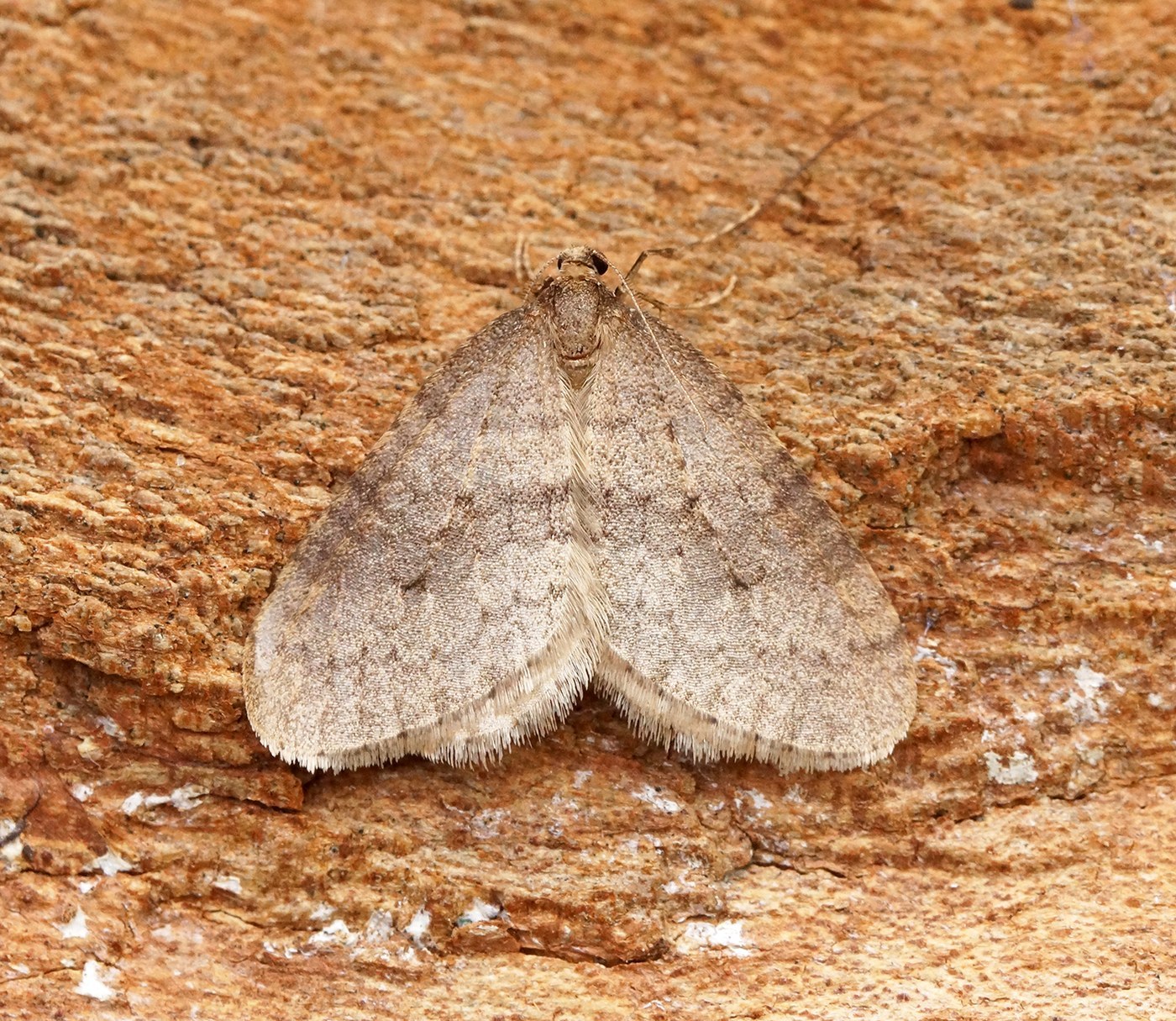
Winter Moth
Deciduous woodland, orchards, gardens, hedgerows
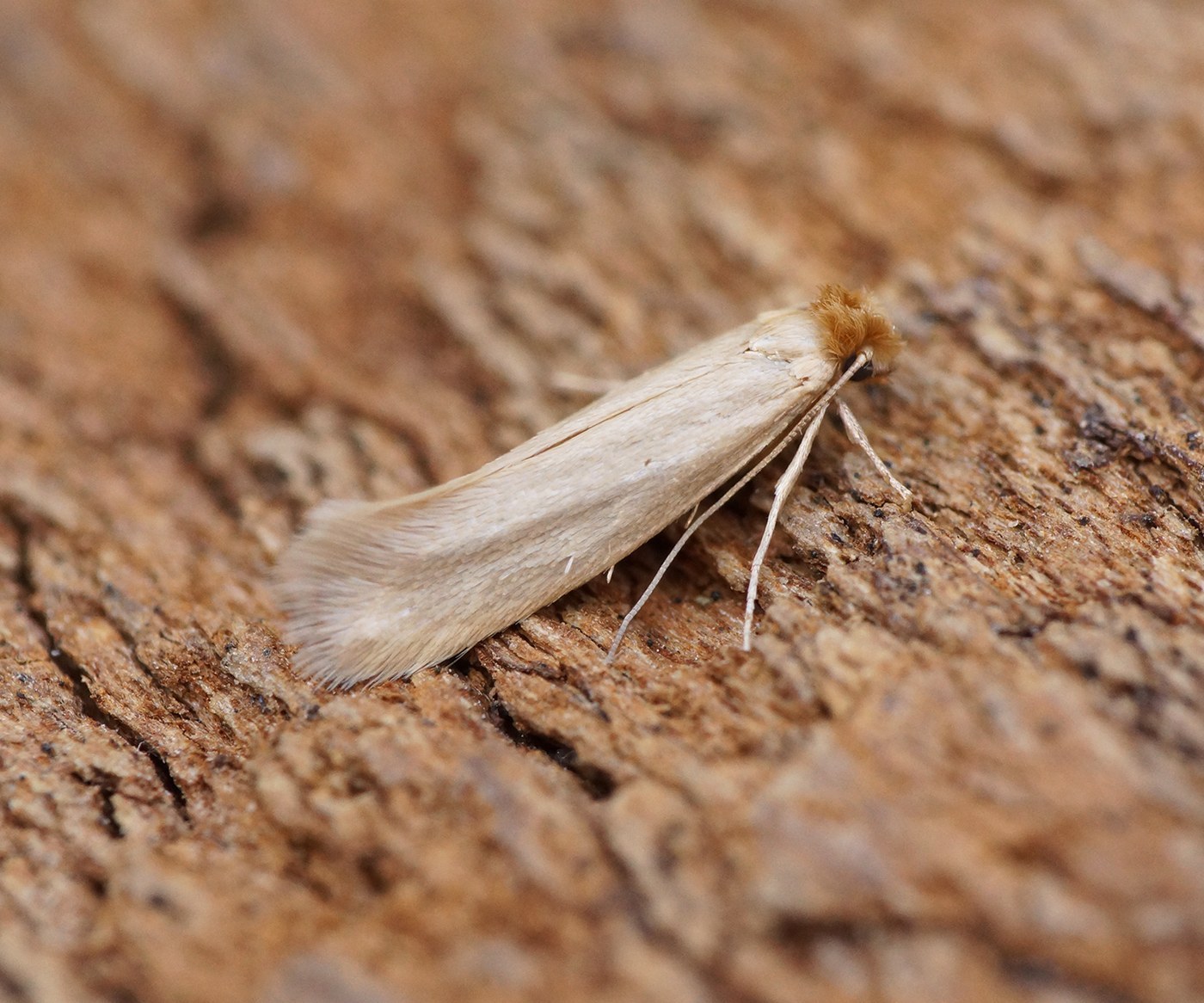
Webbing Clothes Moth
Dark closets, storage areas, and animal nests worldwide
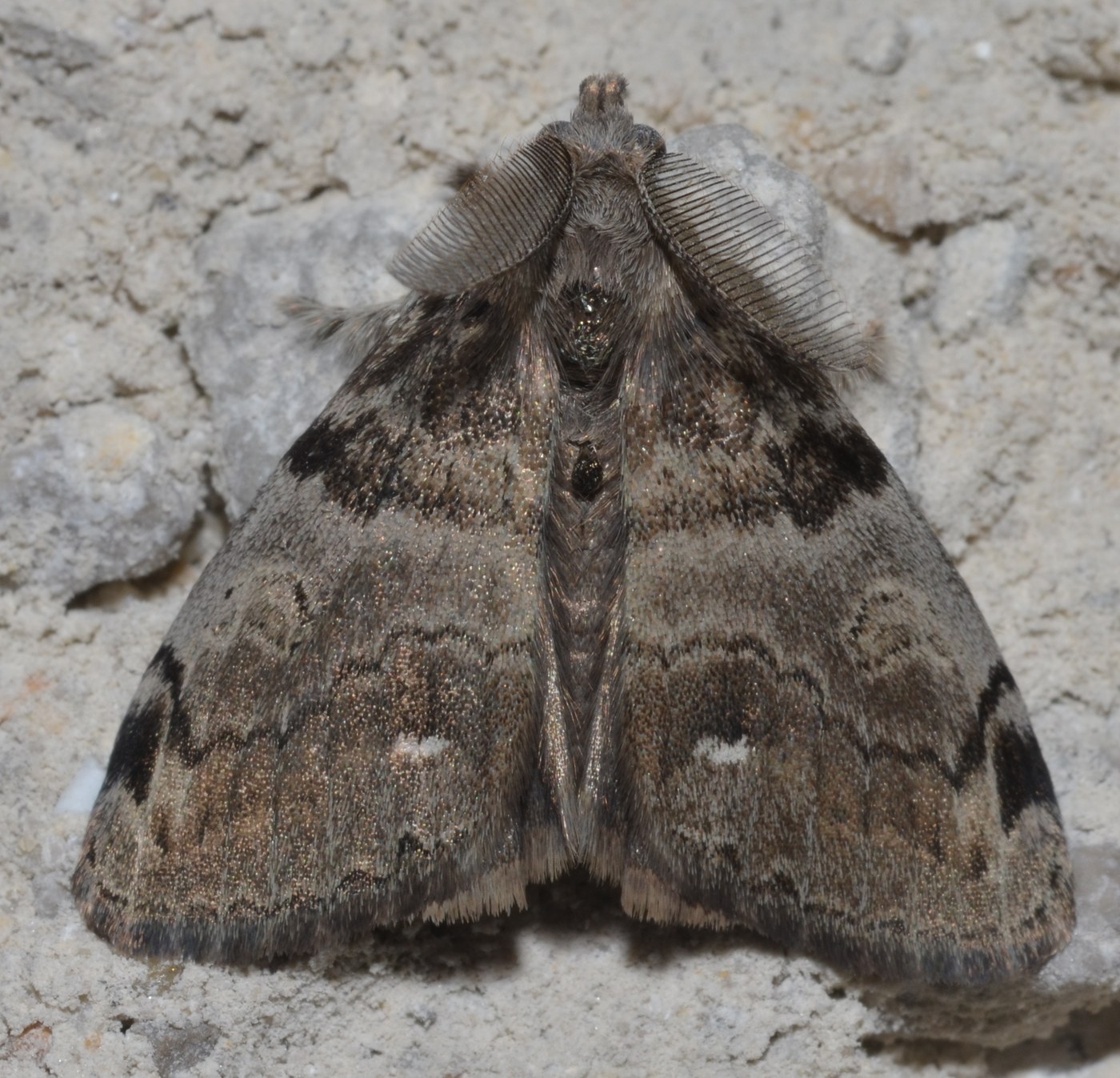
Tussock Moth
Deciduous forests, parks, gardens
Wax Moth
Beehives, apiaries, stored beeswax and comb
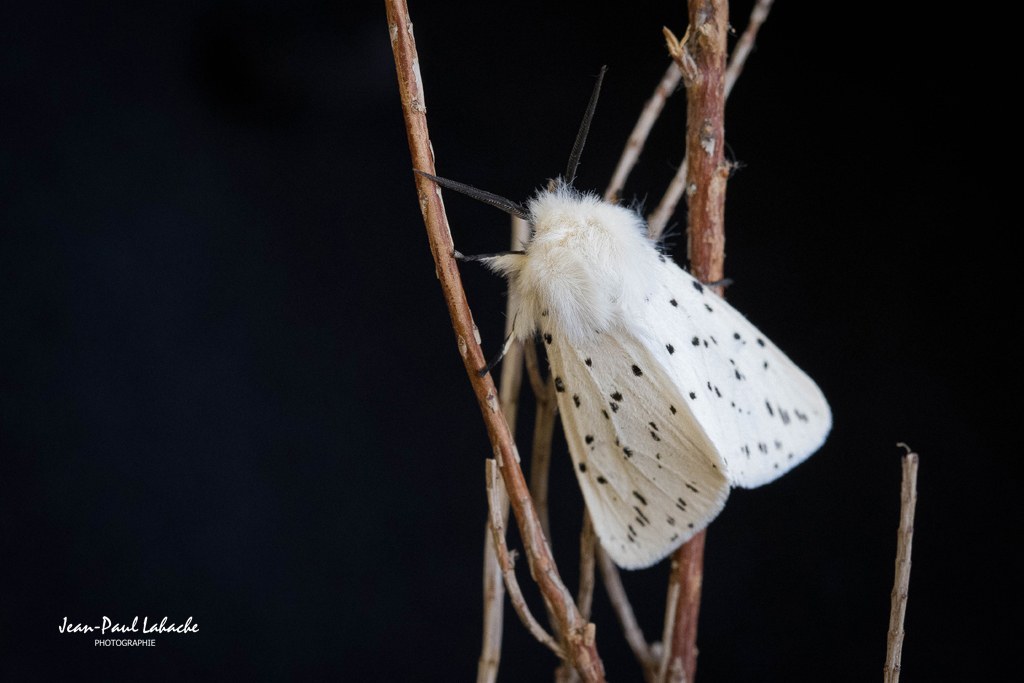
White Ermine Moth
Gardens, meadows, hedgerows
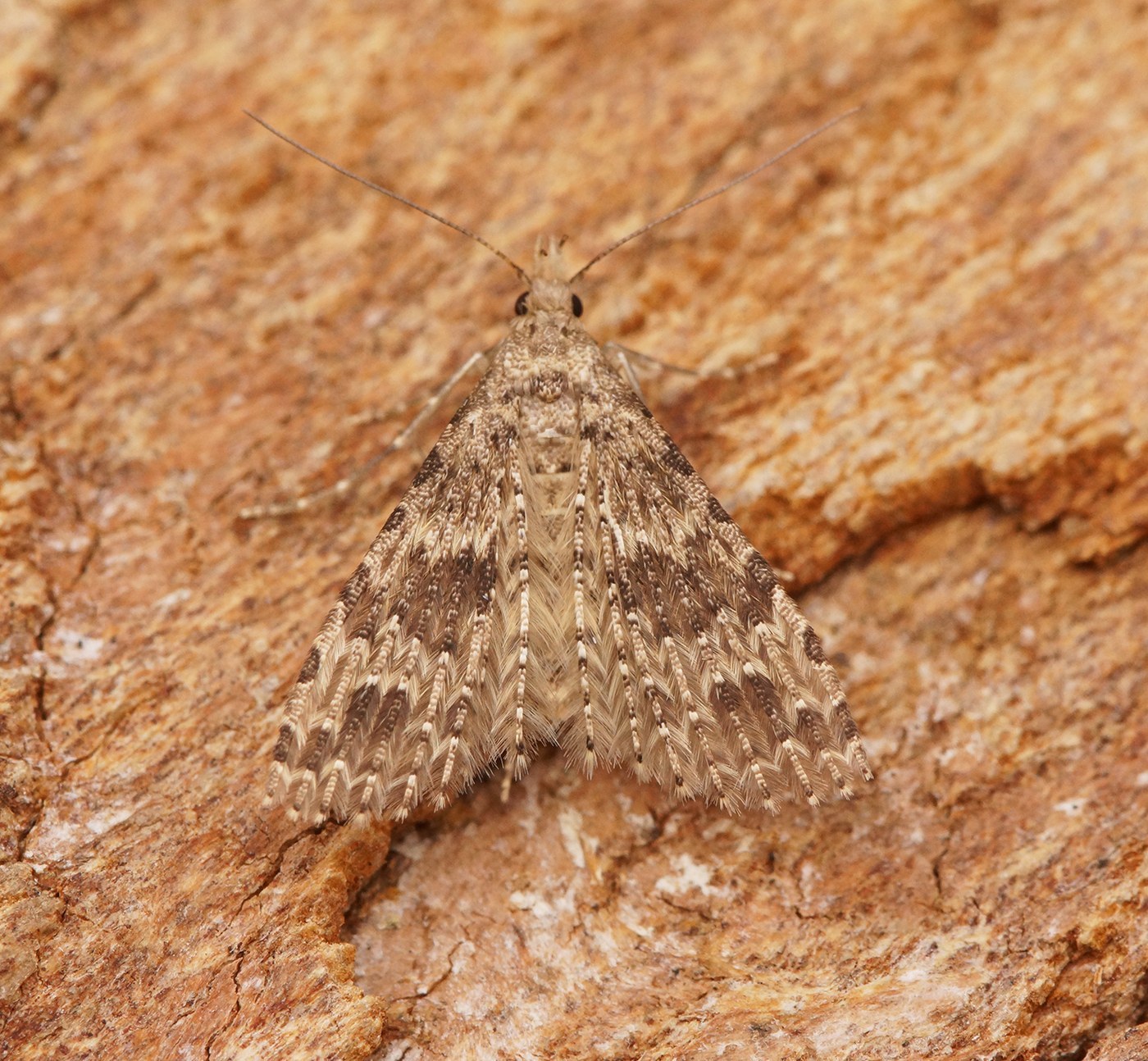
Twenty-plume Moth
Gardens, hedgerows, near honeysuckle
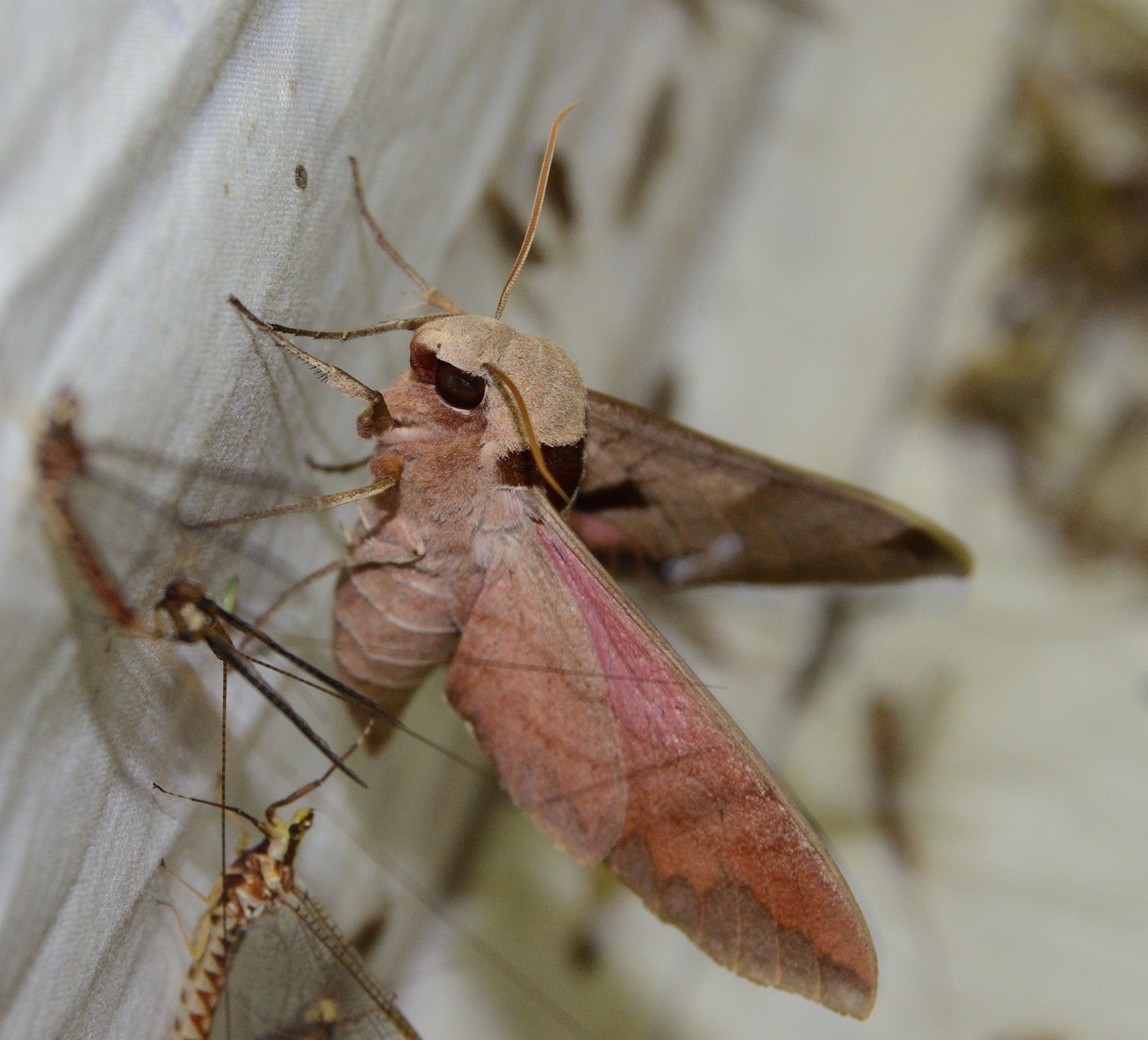
Achemon Sphinx Moth
Vineyards, woodland edges, gardens with wild grape
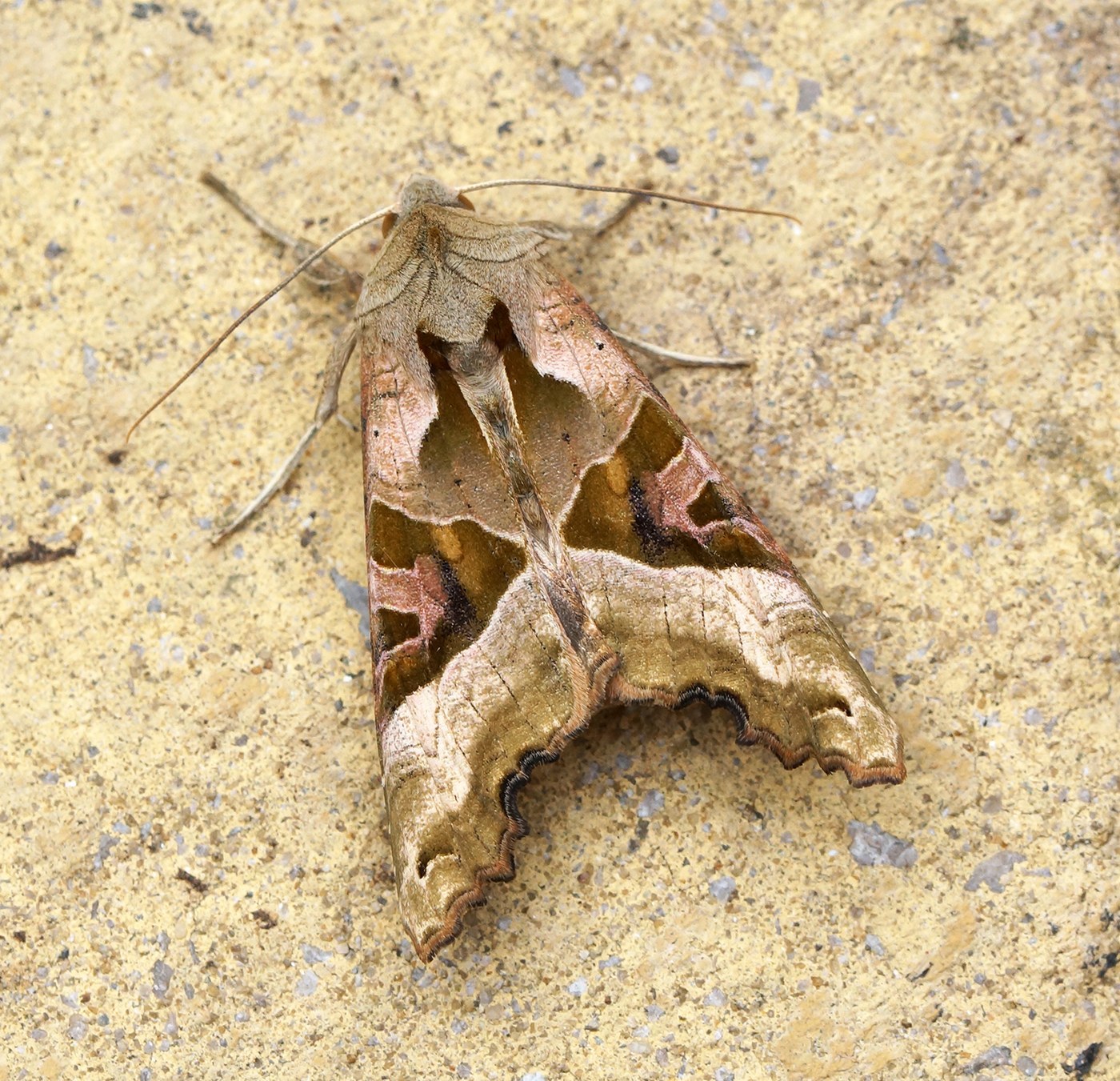
Angle Shades Moth
Gardens, hedgerows, woodland edges, urban parks
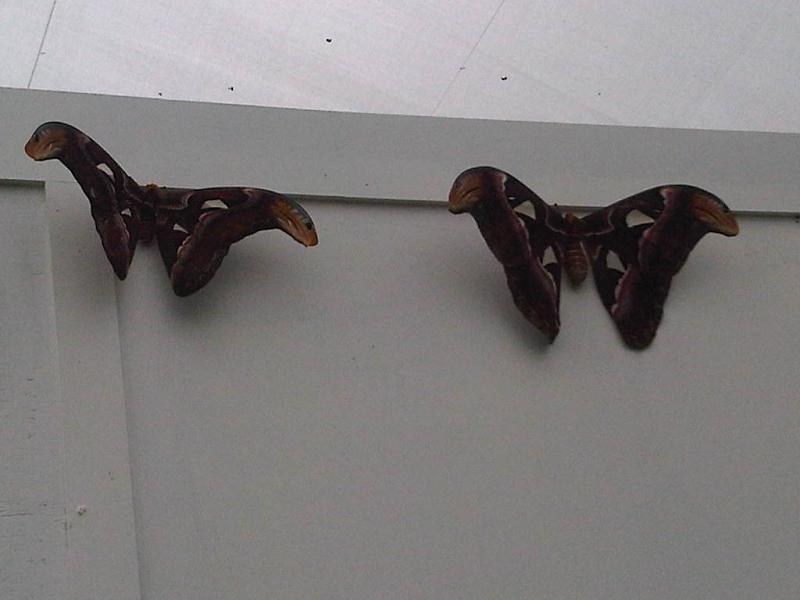
Atlas Moth
Tropical and subtropical lowland forests of Southeast Asia