
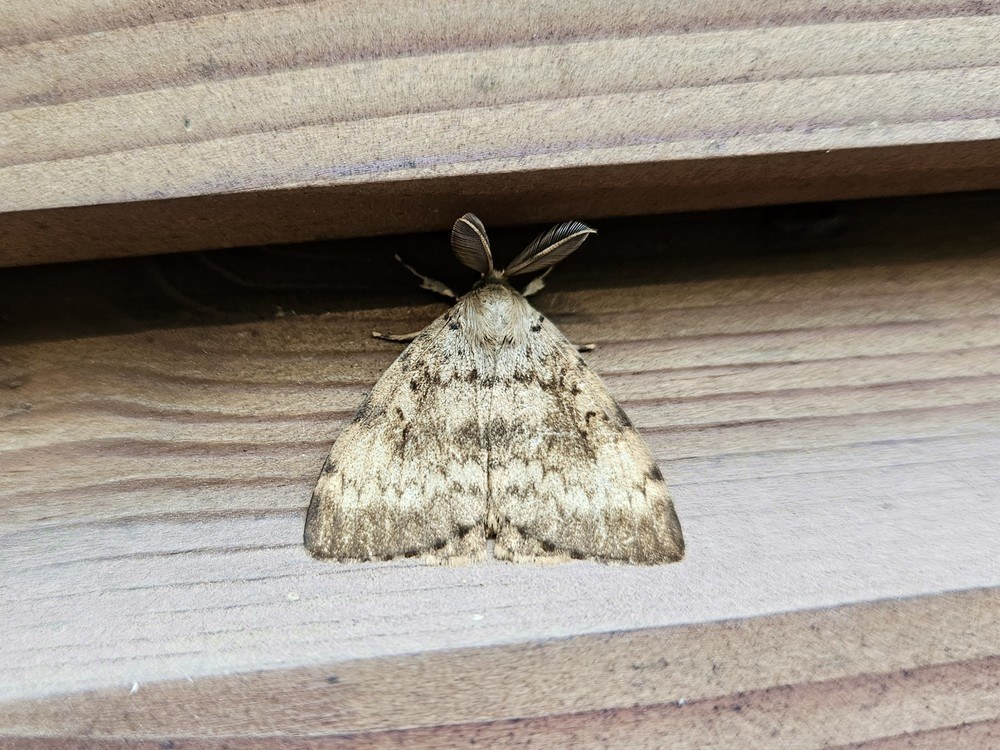
Gypsy Moth (Spongy Moth)
Lymantria dispar
A strongly sexually dimorphic moth, recently renamed the Spongy Moth for its distinctive spongy, tan egg masses, whose caterpillars are known for periodically defoliating oak and other hardwood trees in large outbreak years.
- Size
- 1.2–2.4 in wingspan
- Habitat
- Deciduous forests, woodlots, and urban trees across North America and Eurasia
- Danger
- Nuisance pest
Spotted a bug like this?
Identify any bug or insect from a photo, free.
Overview
The species now officially called the Spongy Moth (formerly widely known by an outdated common name referencing an ethnic slur, now retired by entomological societies) is a member of the tussock moth family Erebidae, native to Europe and Asia. It was introduced to North America in the 19th century and has since become an established, periodically outbreak-forming species across much of the northeastern and midwestern United States and eastern Canada.
The moth shows striking sexual dimorphism: males are smaller, brown, and strong fliers, while females are larger, cream-white, and nearly flightless, relying on pheromone signaling rather than active flight to attract mates. Females lay their eggs in distinctive spongy, buff-colored masses on tree trunks, rocks, or outdoor structures, the source of the species' current common name.
The species is ecologically notable for its boom-and-bust population cycles, with caterpillar populations periodically reaching very high densities in certain years, leading to widespread defoliation of oak and other preferred hardwood trees before natural predators, parasites, and disease bring numbers back down.
How to Identify
- Males are brown to grey-brown with darker wavy bands across the forewings and are active fliers, often seen during the day searching for females.
- Females are much larger, cream to white in color with faint dark markings, and are essentially flightless, usually found resting near their egg mass.
- Egg masses are distinctive: buff or tan colored, spongy or felt-textured, roughly one to one-and-a-half inches long, laid on tree bark, stones, or outdoor structures.
- Caterpillars are dark, hairy, and bear a double row of colored dots along the back: five pairs of blue dots followed by six pairs of red dots, a key identification feature.
- Similar tussock moth caterpillars lack this specific blue-then-red dot pattern, which is diagnostic for this species.
Habitat & Range
Native to Europe, North Africa, and temperate Asia, the species was introduced to North America in Massachusetts in the late 1860s and has since spread across much of the northeastern and midwestern United States and into eastern Canada, with quarantine efforts limiting further westward spread. It inhabits deciduous forests, woodlots, and urban and suburban trees.
Caterpillars are active from spring through early summer, while adults emerge and mate in mid-to-late summer, after which females lay overwintering egg masses that remain on tree bark and other surfaces through the cold months.
Behavior & Diet
Caterpillars feed on the foliage of a wide range of deciduous and some coniferous trees, with a strong preference for oak, though populations in outbreak years can consume the leaves of hundreds of different plant species. In outbreak years, dense caterpillar populations can strip host trees of leaves over large areas, a natural population cycle that typically subsides within a few years as natural predators, parasitic wasps, and disease reduce numbers.
Females, being flightless, remain near their pupal case after emerging and release pheromones that strongly flying males detect and follow, sometimes from considerable distances. Because of its status as an introduced species capable of periodic large-scale defoliation, it is considered a forest and garden pest in parts of its introduced North American range.
Life Cycle
Eggs overwinter in spongy masses of several hundred eggs laid on tree bark or other surfaces, hatching in spring as tiny, hairy caterpillars that disperse partly by ballooning on silk threads carried by wind. Caterpillars feed through the spring and early summer, passing through five to six instars and developing the diagnostic blue-and-red dotted pattern along the back.
Mature caterpillars pupate in a loose cocoon among leaf litter, bark crevices, or other sheltered spots, and adults emerge in mid-to-late summer. The species is univoltine, completing one generation per year, with the overwintering egg mass stage carrying the population through the colder months.
Frequently asked questions
Why was the common name of this moth changed?
Entomological societies retired the previous common name because it referenced an ethnic slur, replacing it with 'Spongy Moth' in reference to the moth's distinctive spongy egg masses.
Why do males and females look so different?
Males are smaller, brown, and capable fliers, while females are larger, cream-white, and essentially flightless, an unusual degree of sexual dimorphism among moths.
How can I recognize the caterpillar?
Look for a hairy dark caterpillar with a distinctive row of five pairs of blue dots followed by six pairs of red dots along its back.
Why are outbreak years associated with tree defoliation?
In certain years caterpillar populations rise dramatically and can strip host trees, especially oaks, of their leaves before natural population controls bring numbers back down.
Gypsy Moth (Spongy Moth) guides
In-depth guides for identifying, understanding, and living alongside Gypsy Moth (Spongy Moth).
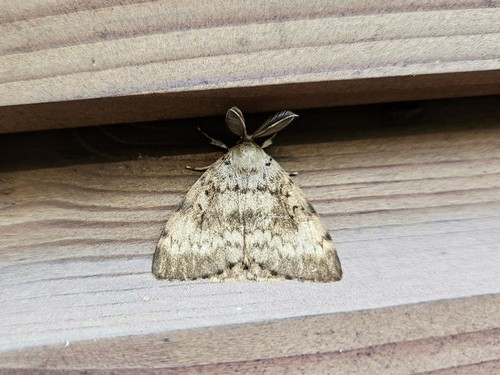
Gypsy Moth (Spongy Moth) identified by the community
Real finds identified with Bug Identifier.
Other bugs you may enjoy
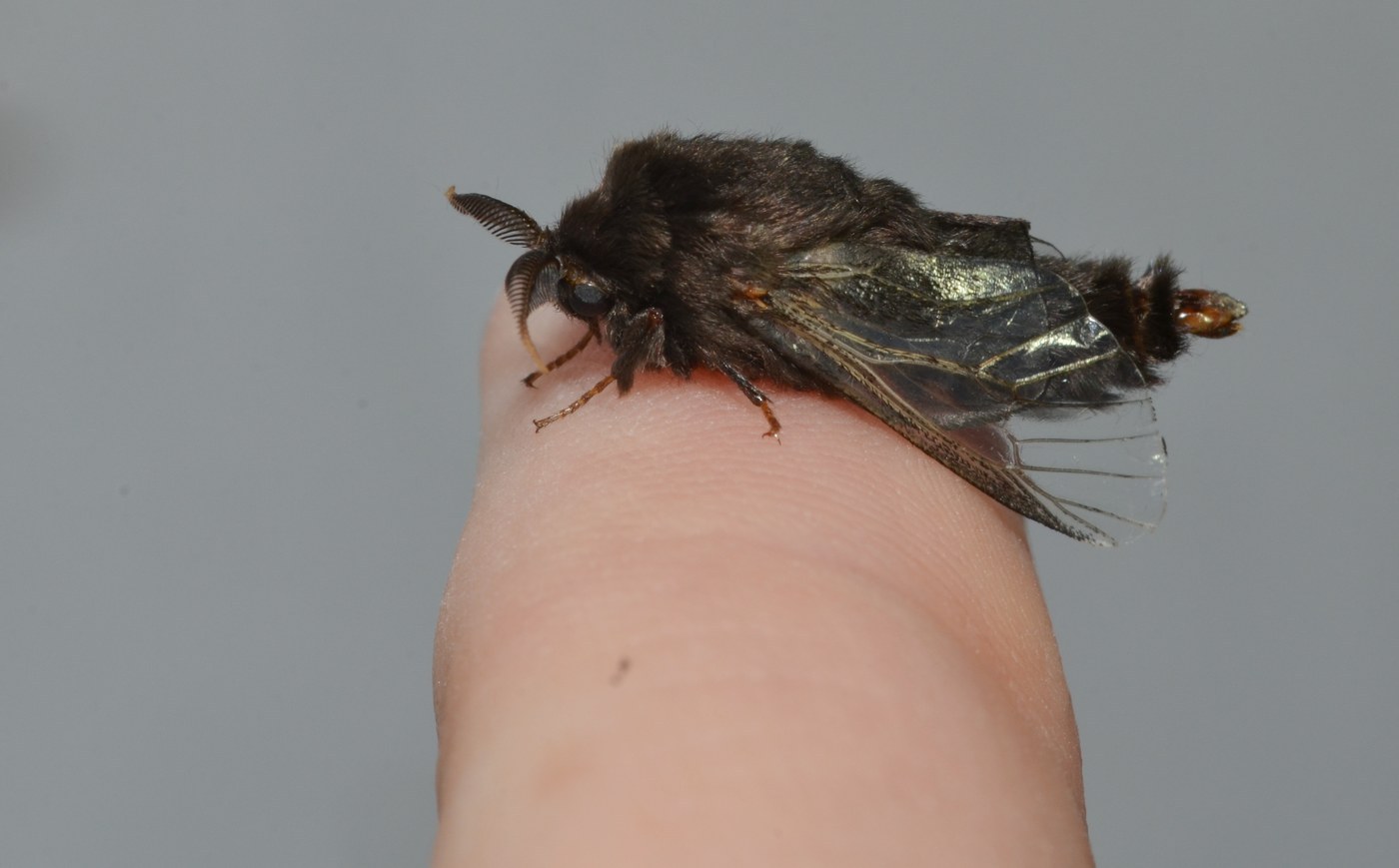
Bagworm Moth
Coniferous and deciduous trees, shrubs, hedges
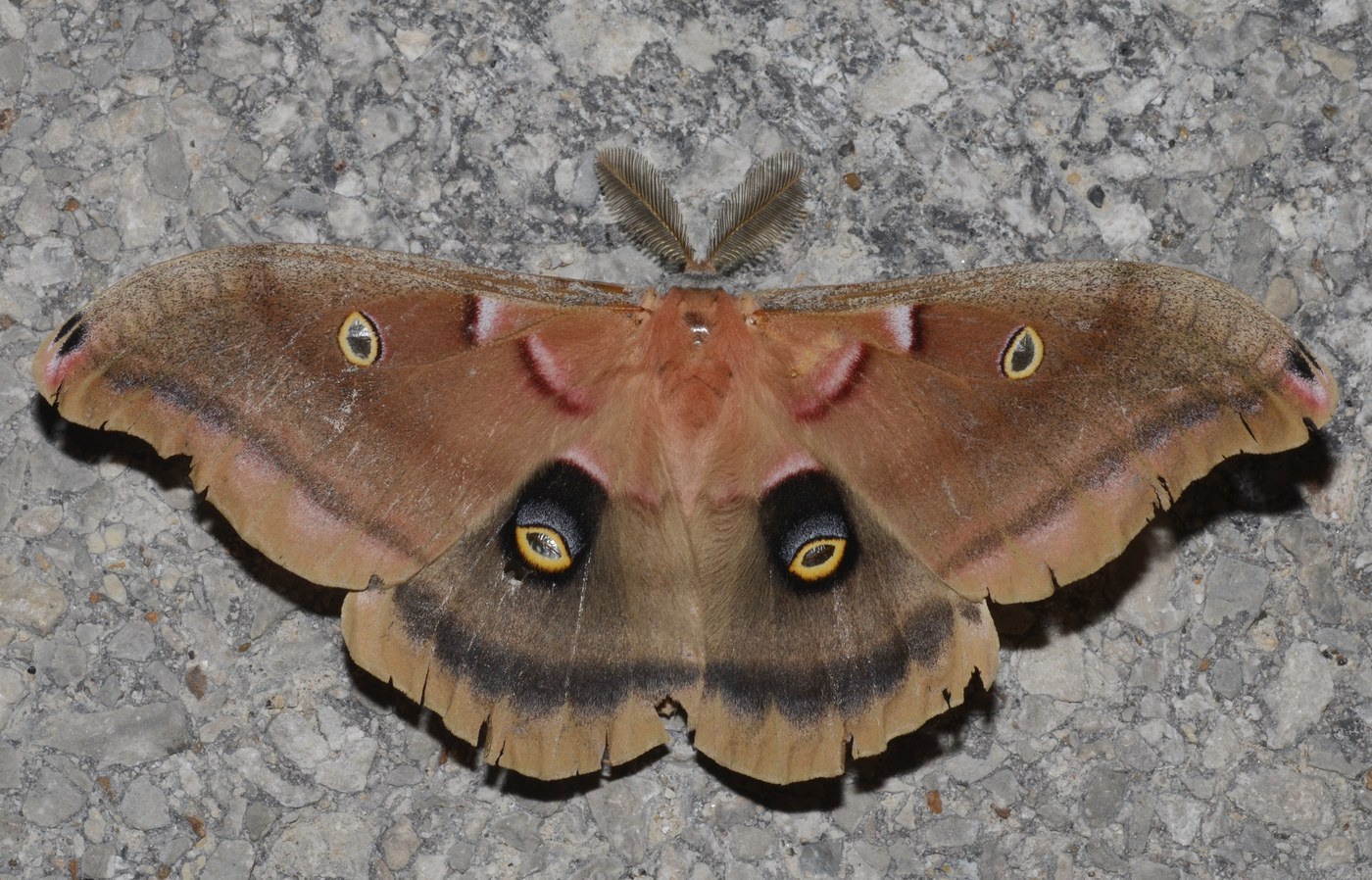
Antheraea Silkmoth
Deciduous forests, woodland edges, orchards
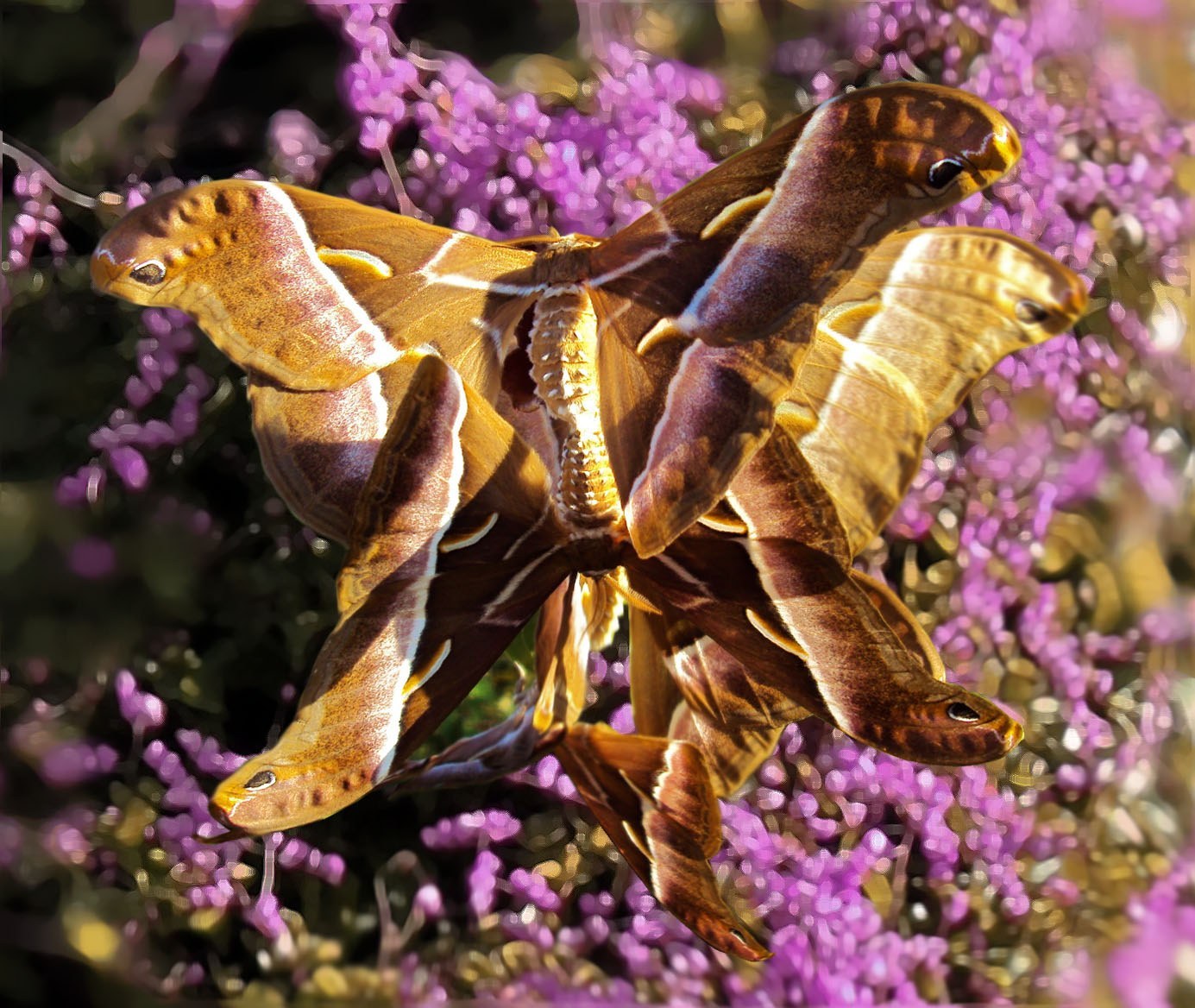
Ailanthus Silkmoth (Cynthia Moth)
Urban parks, wastelands, and woodland edges with tree-of-heaven; native to Asia, introduced in North America and Europe
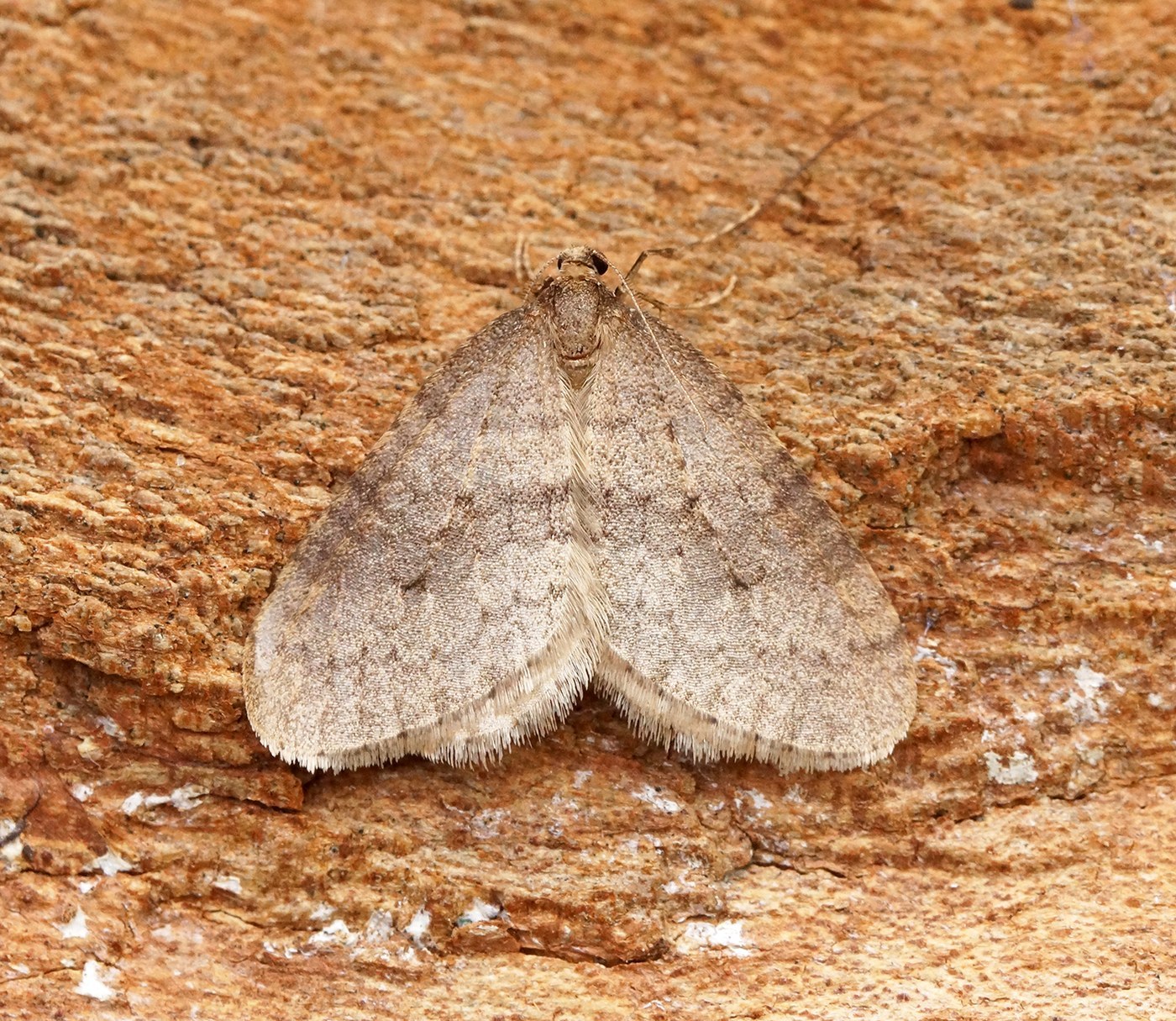
Winter Moth
Deciduous woodland, orchards, gardens, hedgerows
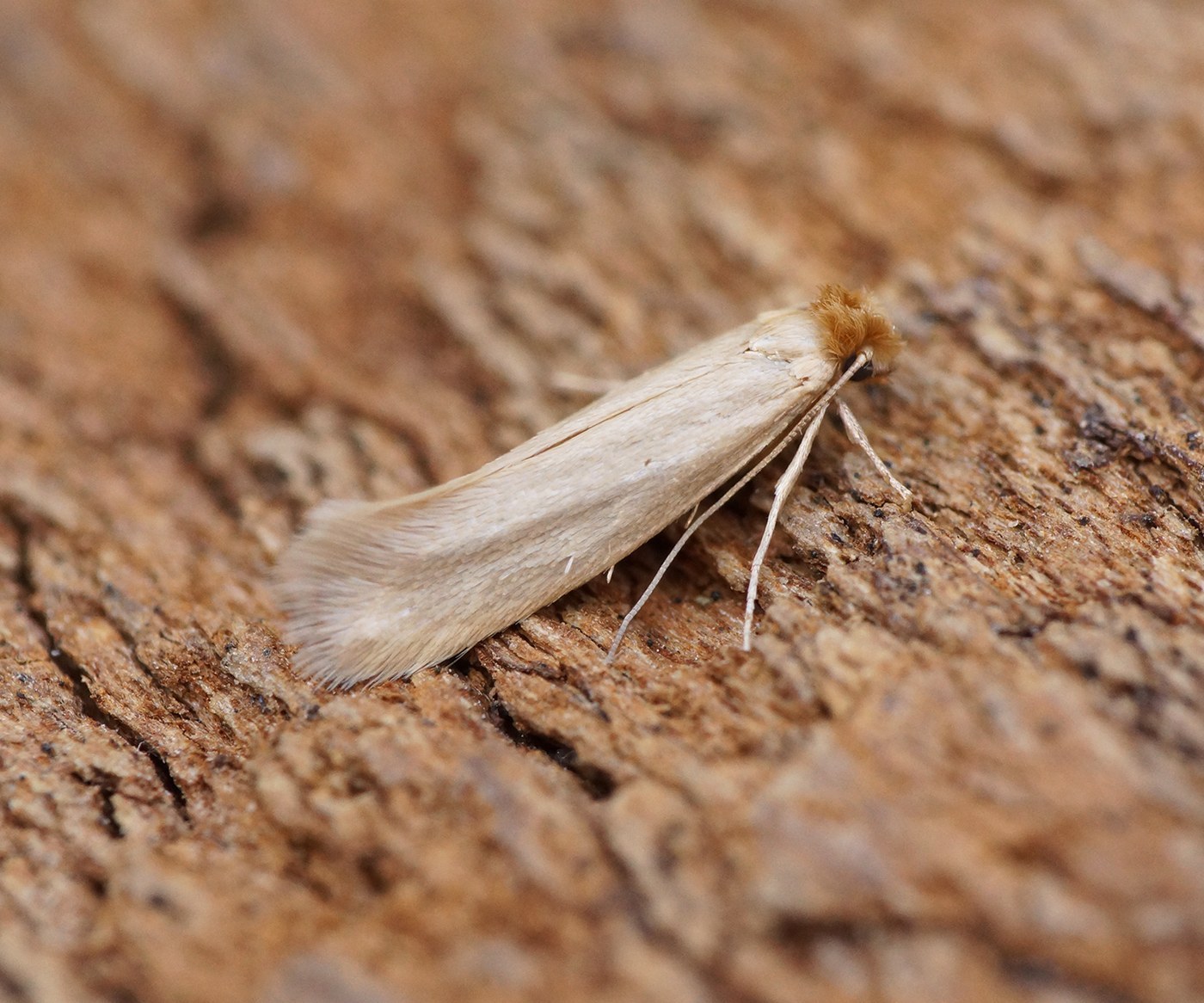
Webbing Clothes Moth
Dark closets, storage areas, and animal nests worldwide
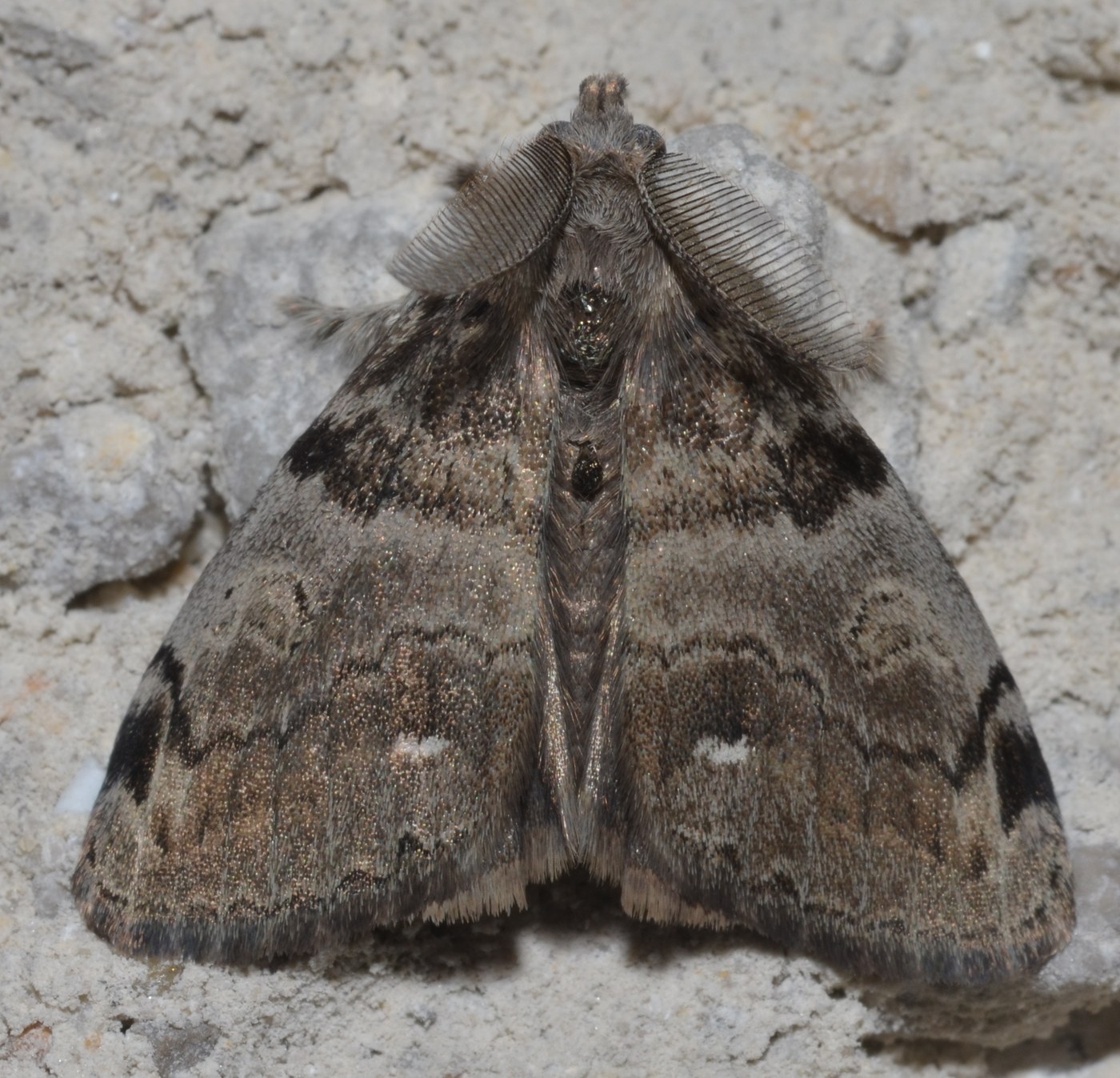
Tussock Moth
Deciduous forests, parks, gardens
Wax Moth
Beehives, apiaries, stored beeswax and comb
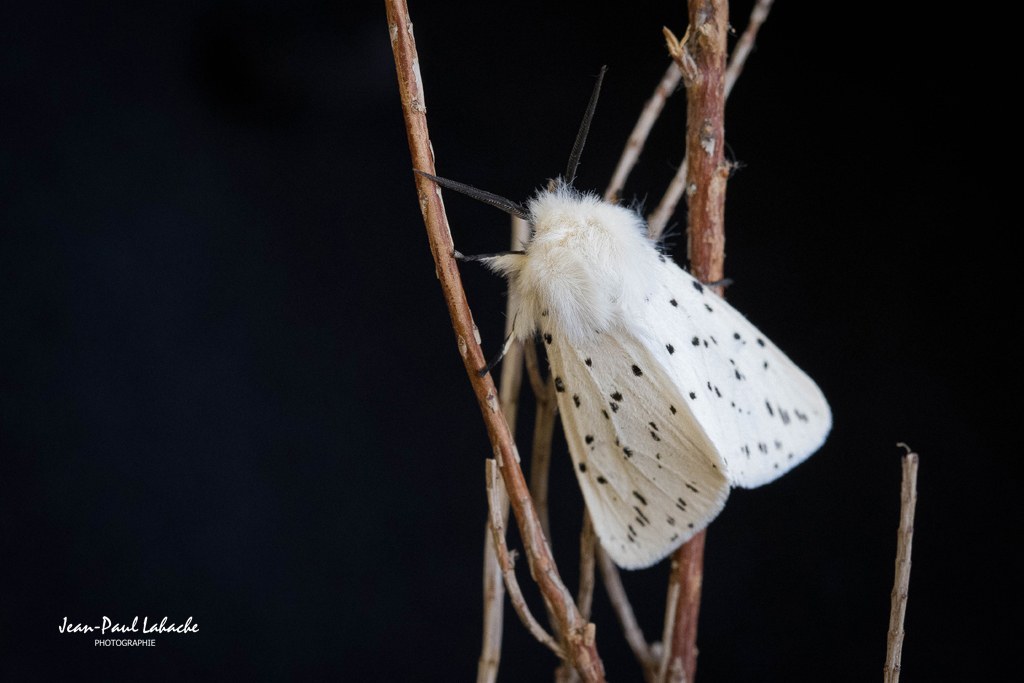
White Ermine Moth
Gardens, meadows, hedgerows
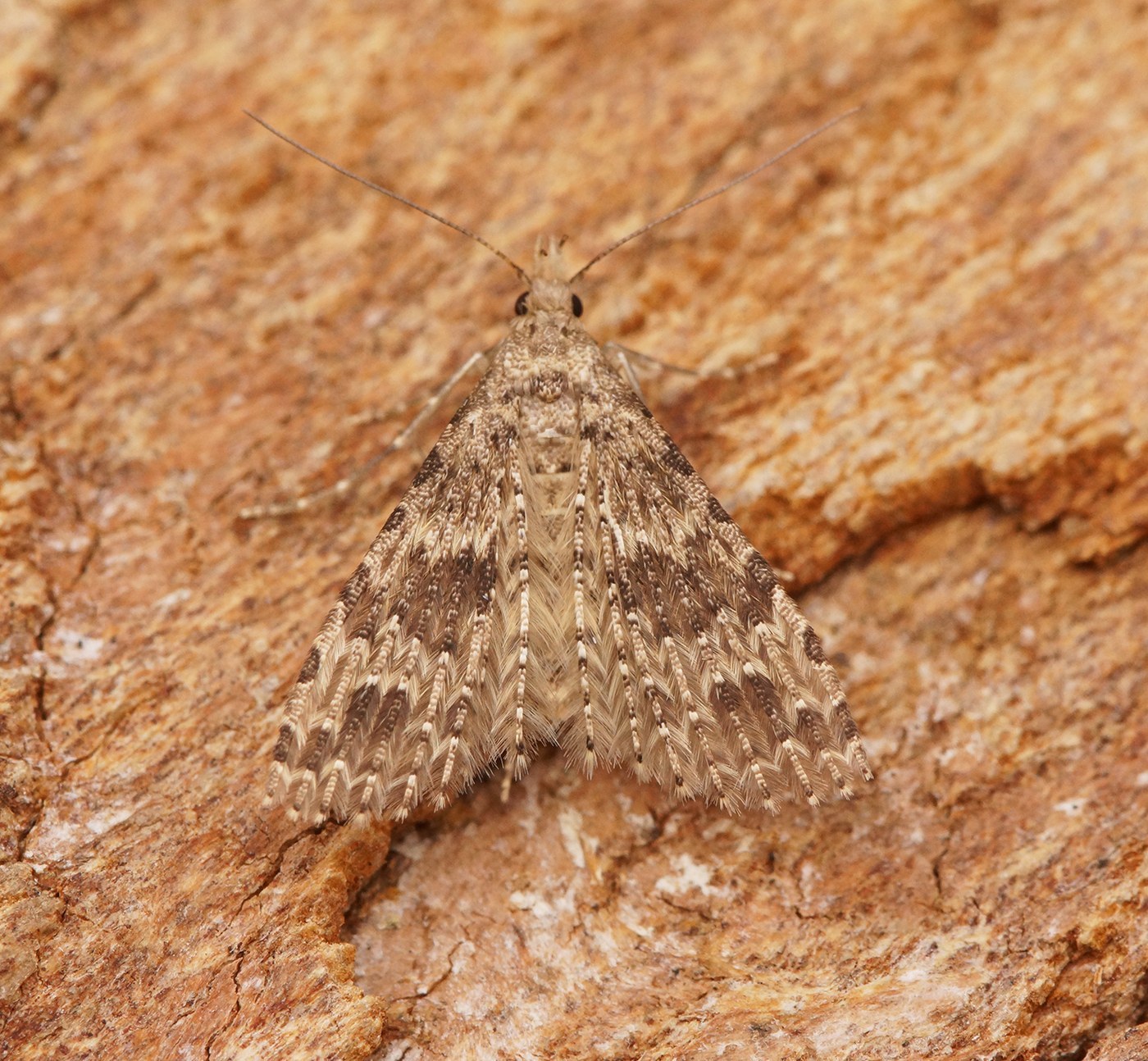
Twenty-plume Moth
Gardens, hedgerows, near honeysuckle
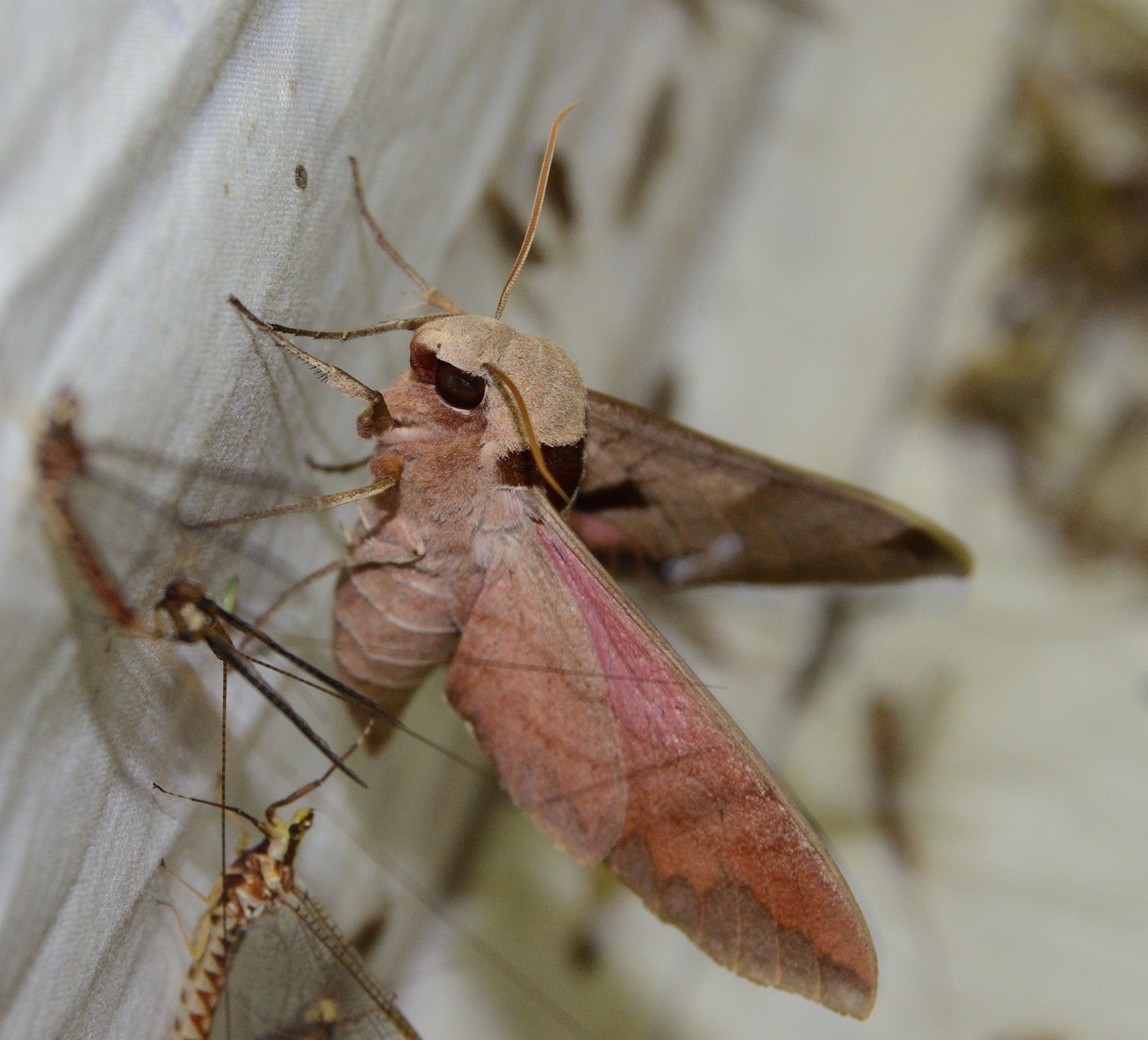
Achemon Sphinx Moth
Vineyards, woodland edges, gardens with wild grape
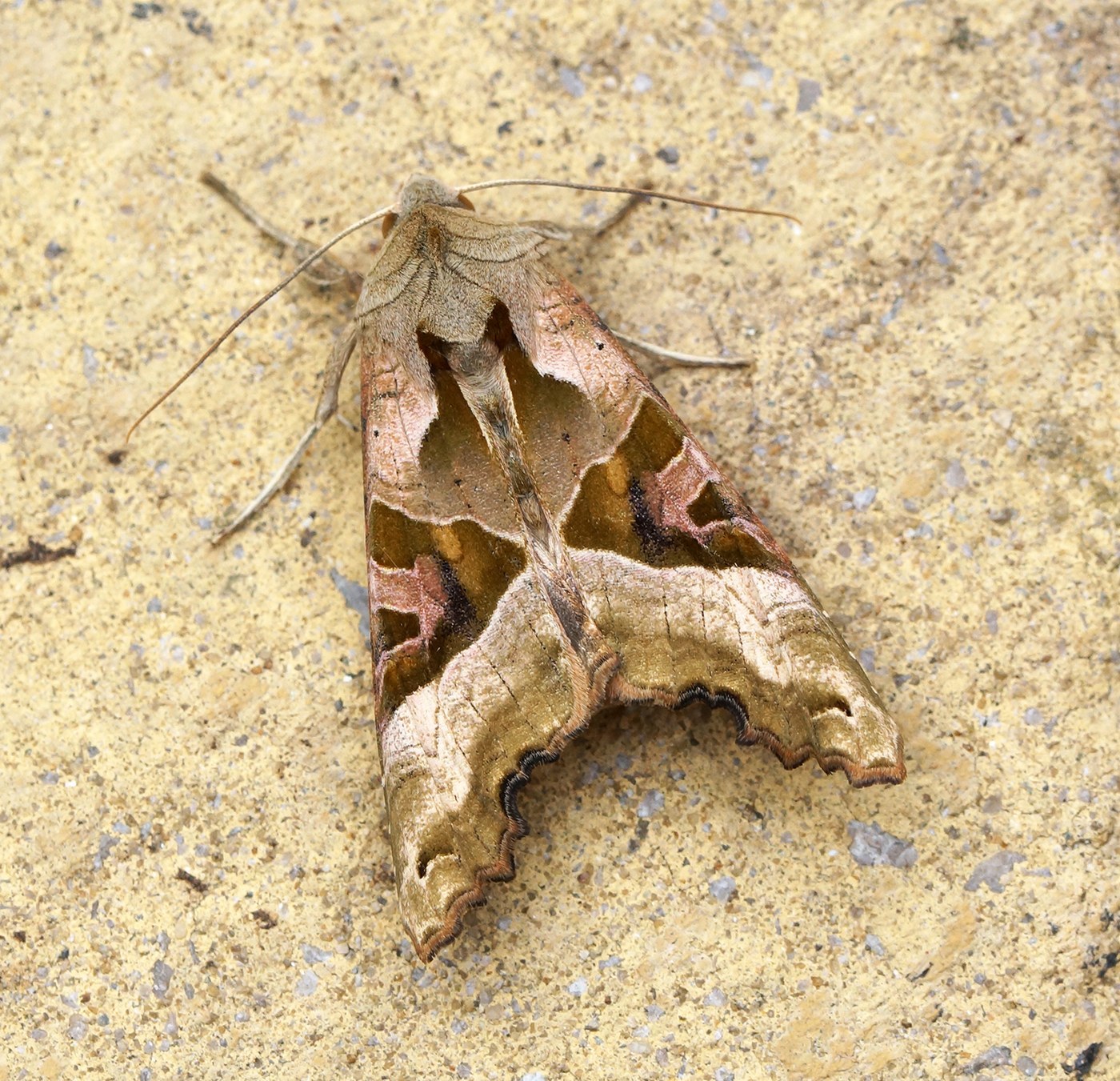
Angle Shades Moth
Gardens, hedgerows, woodland edges, urban parks
Atlas Moth
Tropical and subtropical lowland forests of Southeast Asia