
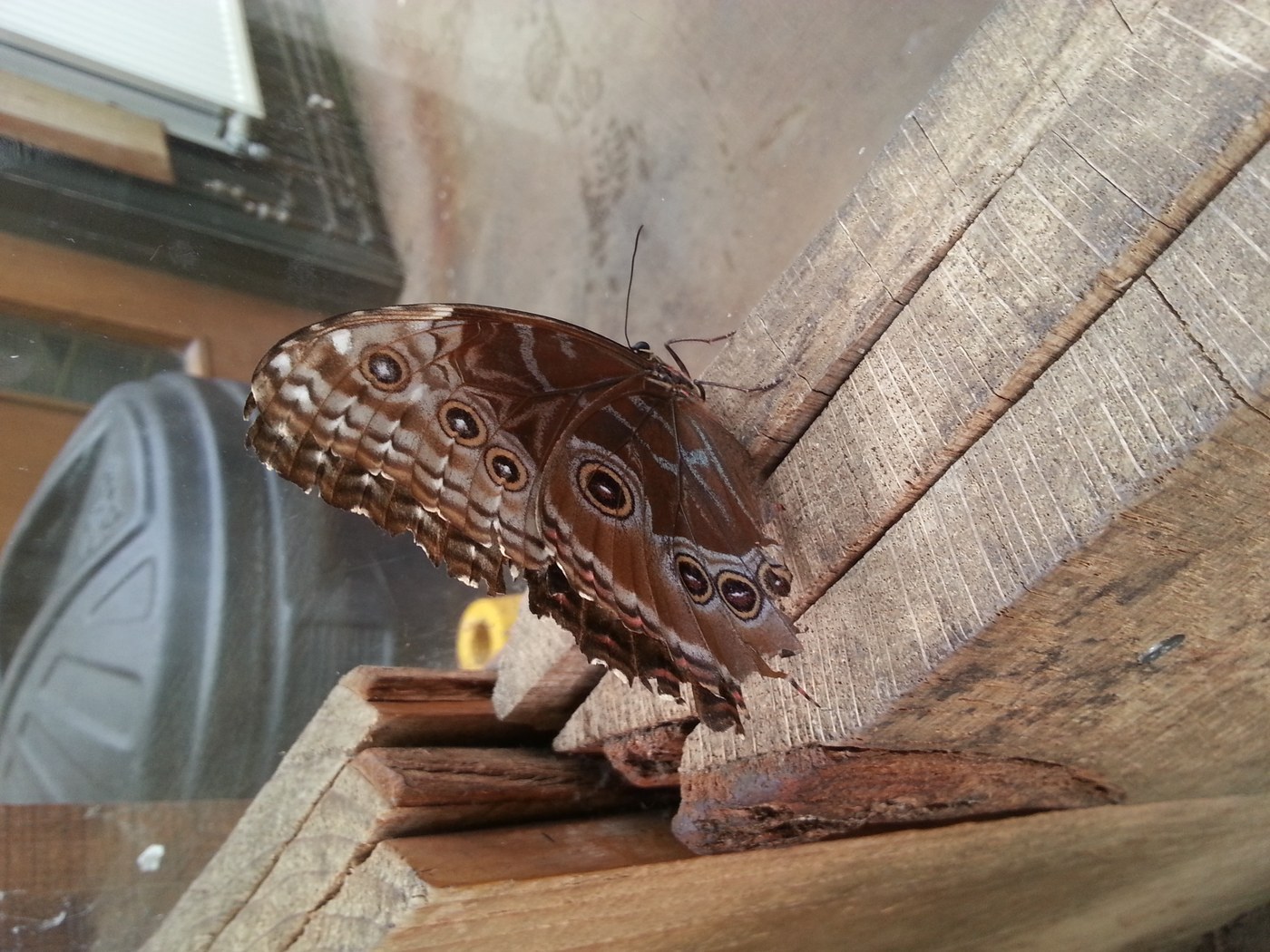
Hackberry Emperor
Asterocampa celtis
A brown-and-cream butterfly closely tied to hackberry trees, notable for its bold eyespots and habit of landing on people, cars, and other unusual surfaces rather than flowers.
- Size
- 1.75–2.5 in wingspan
- Habitat
- Woodlands and edges near hackberry trees, streambanks
- Danger
- Harmless
Spotted a bug like this?
Identify any bug or insect from a photo, free.
Overview
The Hackberry Emperor is a member of the brush-footed butterfly family Nymphalidae, in the genus Asterocampa — a small group of "emperor" butterflies whose caterpillars feed exclusively on hackberry trees. It is widespread across the eastern and central United States wherever its host tree grows.
Unlike most butterflies, Hackberry Emperors rarely visit flowers for nectar. Instead, adults are famous for gathering at mud puddles, animal droppings, sap flows, and rotting fruit, and for their bold, curious habit of landing on people's skin or clothing to obtain salts and moisture.
Its close association with a single host genus and its distinctive behavior make it a familiar sight to naturalists in wooded parks and river corridors throughout its range.
How to Identify
- Medium-sized butterfly with mottled brown-tan upperwings marked by cream-white bands and spots.
- A single prominent black eyespot near the forewing tip is a key identification feature.
- Hindwing bears a row of small dark eyespots along the outer margin.
- Underside is paler gray-brown with a similar pattern, providing camouflage against tree bark.
- Most easily confused with the Tawny Emperor, which lacks the forewing eyespot and tends to be more uniformly orange-brown.
Habitat & Range
Found throughout the eastern and central United States and into Mexico, wherever hackberry trees (Celtis species) grow — river bottoms, woodland edges, parks, and suburban yards with mature hackberries. Adults are active from late spring through early fall, often perching on tree trunks with wings spread.
Behavior & Diet
Adults are territorial and often perch head-down on tree trunks, darting out to investigate intruders before returning to the same spot. Rather than nectaring, they feed on tree sap, rotting fruit, animal dung, and mineral-rich mud, and are well known for alighting on sweaty skin or clothing. Caterpillars feed at night on hackberry leaves and rest camouflaged along leaf veins by day, occasionally basking gregariously in groups when young.
Life Cycle
Eggs are laid in clusters on hackberry leaves, and young caterpillars often remain together in small groups through their early instars, which is unusual among butterflies. Later instars become solitary and develop the characteristic green, striped, horned caterpillar form. There are typically two generations per year in most of the range, with the final-generation caterpillars overwintering partially grown in curled, silked leaves at the base of the host tree.
Frequently asked questions
Why does this butterfly land on people?
Hackberry Emperors seek salts and moisture from sweat, and will readily land on skin, clothing, or vehicles rather than visiting flowers.
How is it different from the Tawny Emperor?
The Hackberry Emperor has a distinct black eyespot near the forewing tip that the Tawny Emperor lacks, and tends to show more contrasting cream markings.
What tree is this butterfly associated with?
Its caterpillars feed exclusively on hackberry trees, and adults are usually found near these trees.
Does it visit garden flowers?
Rarely — it prefers sap, mud, dung, and rotting fruit over floral nectar.
Hackberry Emperor guides
In-depth guides for identifying, understanding, and living alongside Hackberry Emperor.
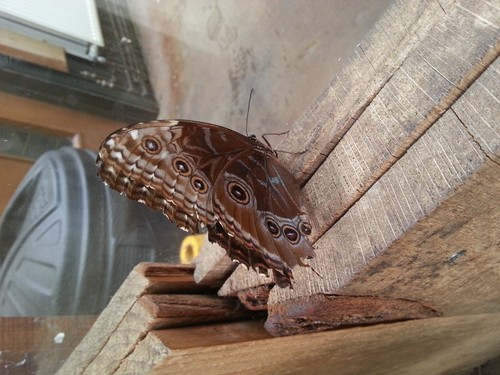
Hackberry Emperor identified by the community
Real finds identified with Bug Identifier.
Other bugs you may enjoy
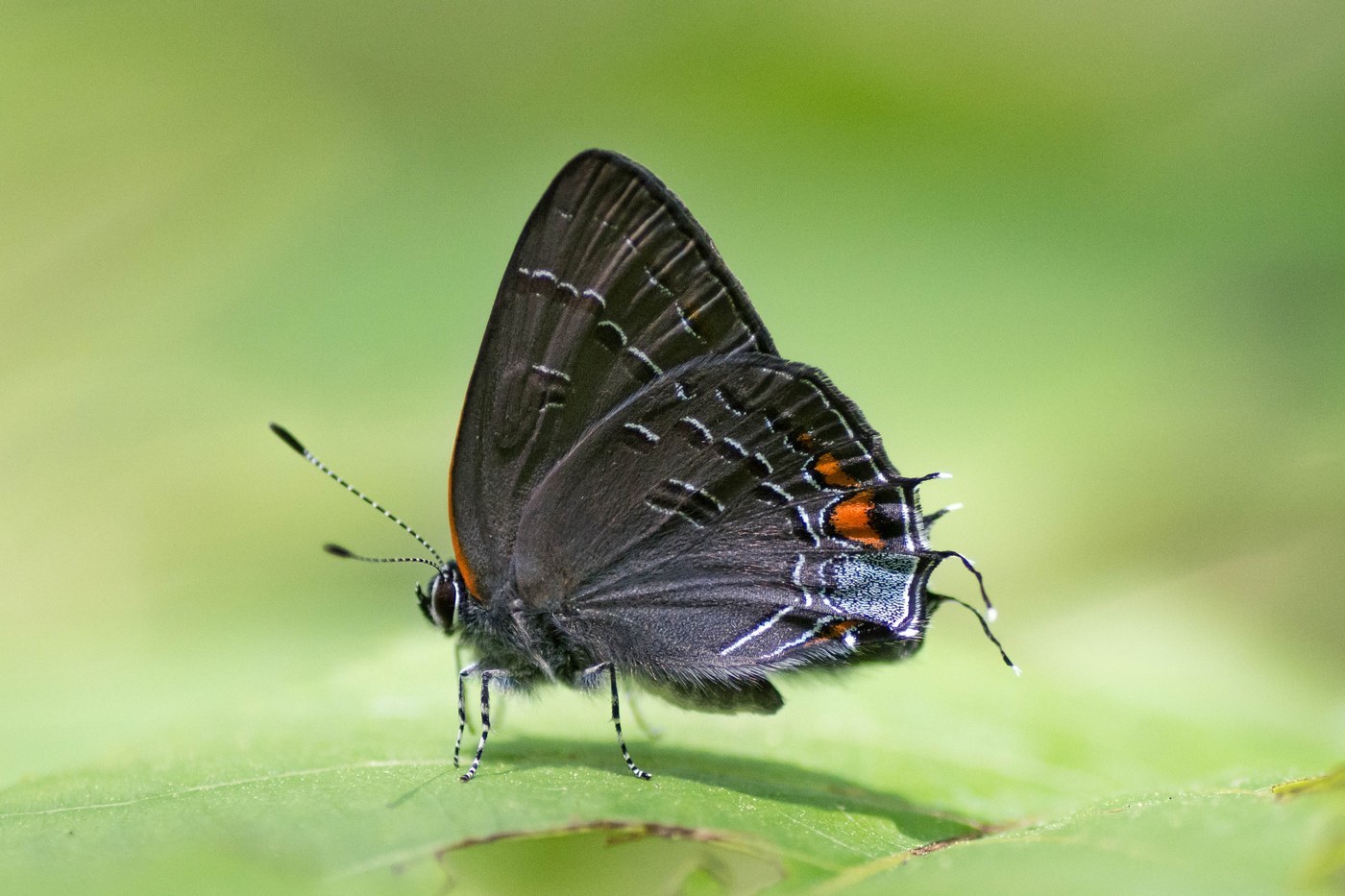
Banded Hairstreak
Deciduous woodlands and edges with oaks and hickories
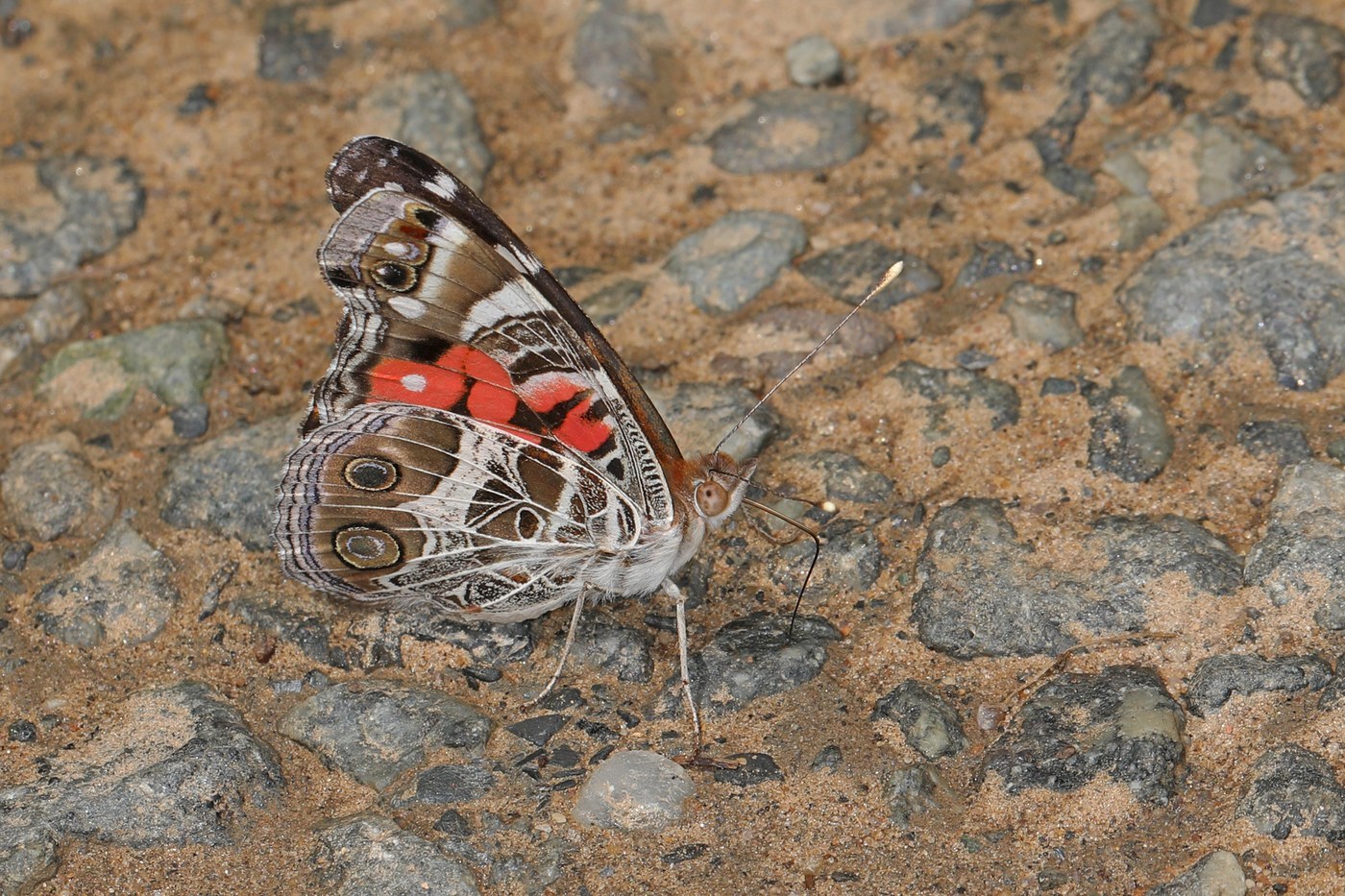
American Lady
Open fields, meadows, gardens, roadsides
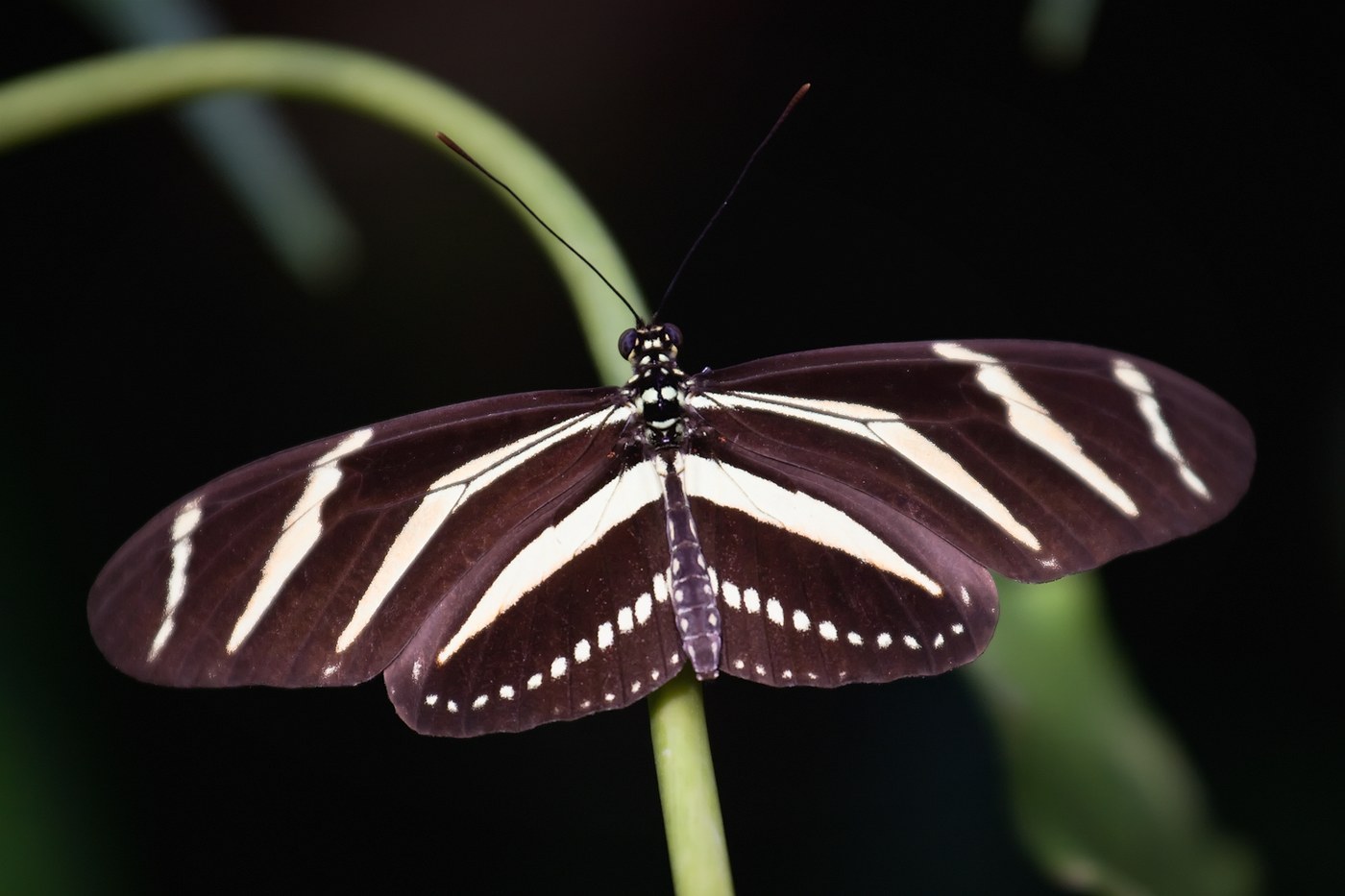
Zebra Longwing
Tropical hammocks, gardens, forest edges
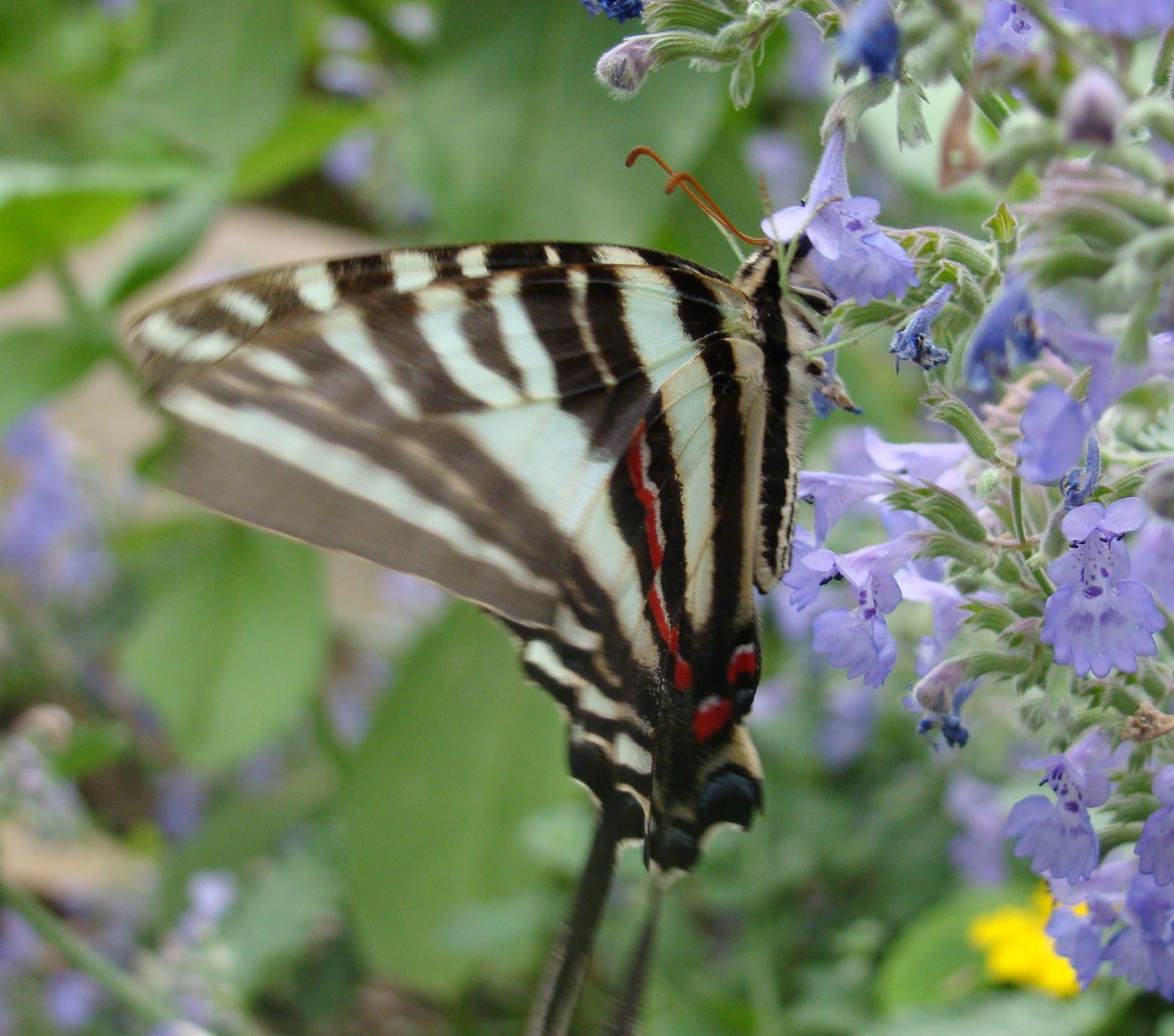
Zebra Swallowtail
Woodlands, floodplains, forest edges near pawpaw
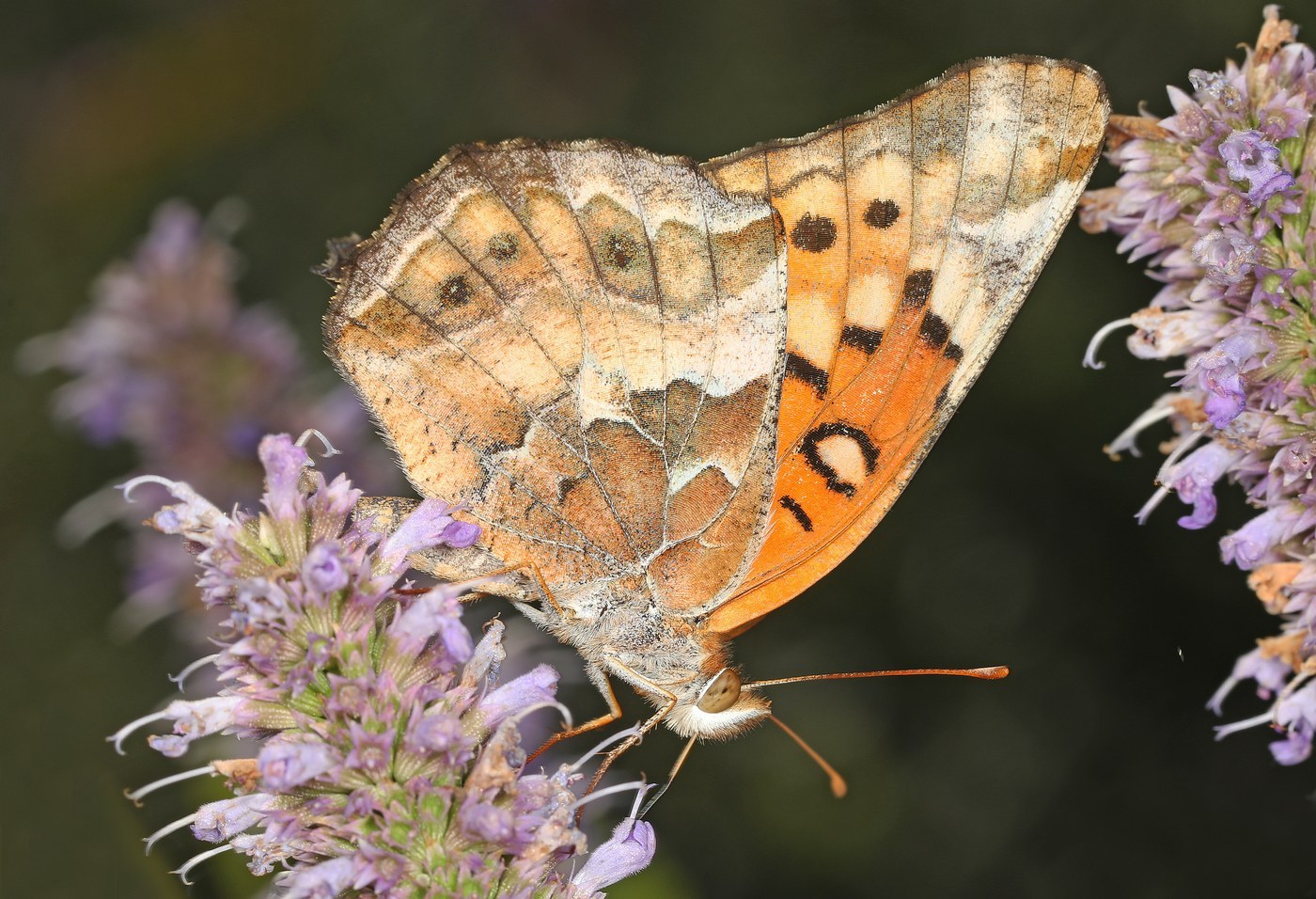
Variegated Fritillary
Open fields, prairies, roadsides, and disturbed ground across most of the United States
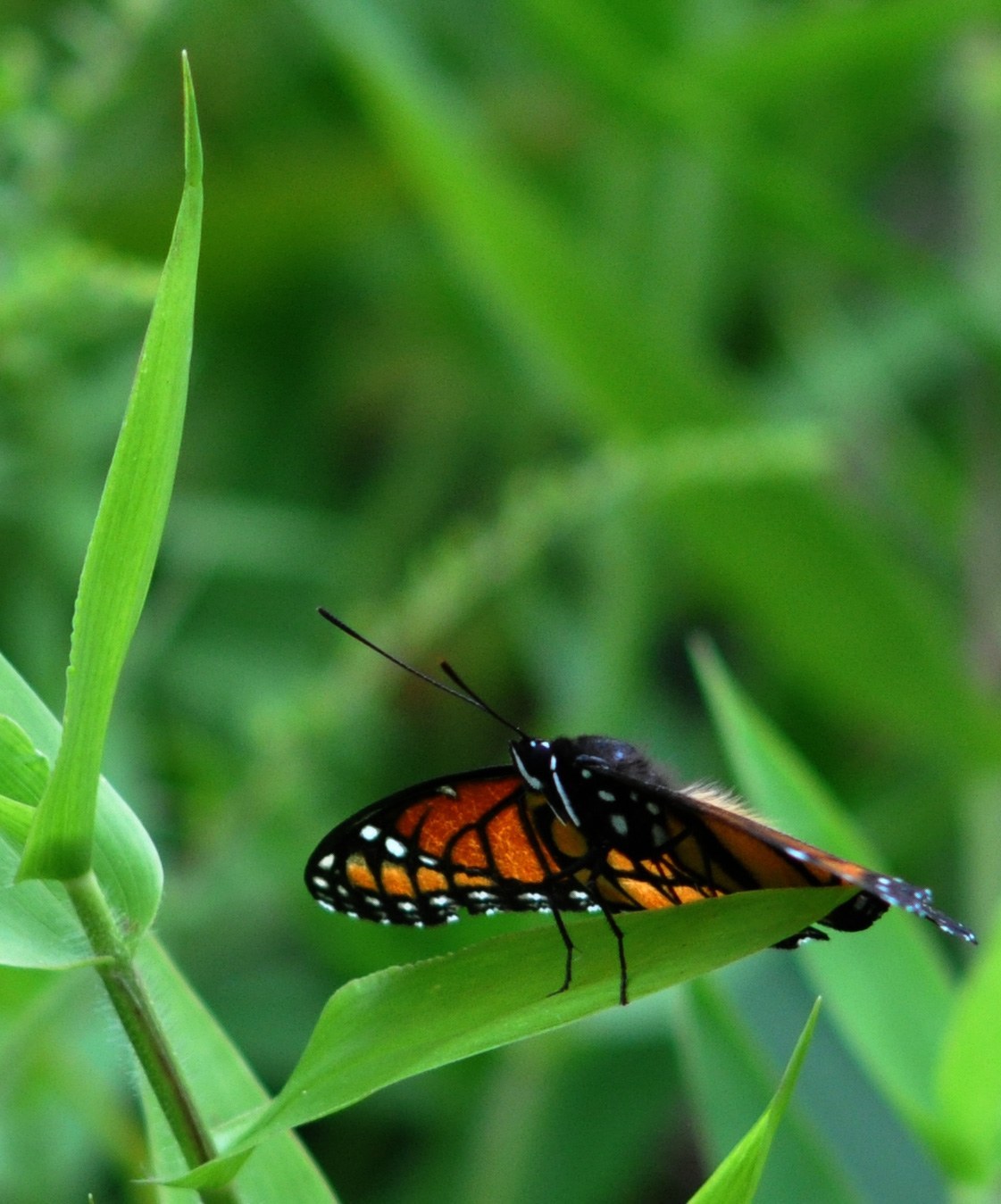
Viceroy Butterfly
Wetlands, meadows, riverbanks, willow thickets (North America)
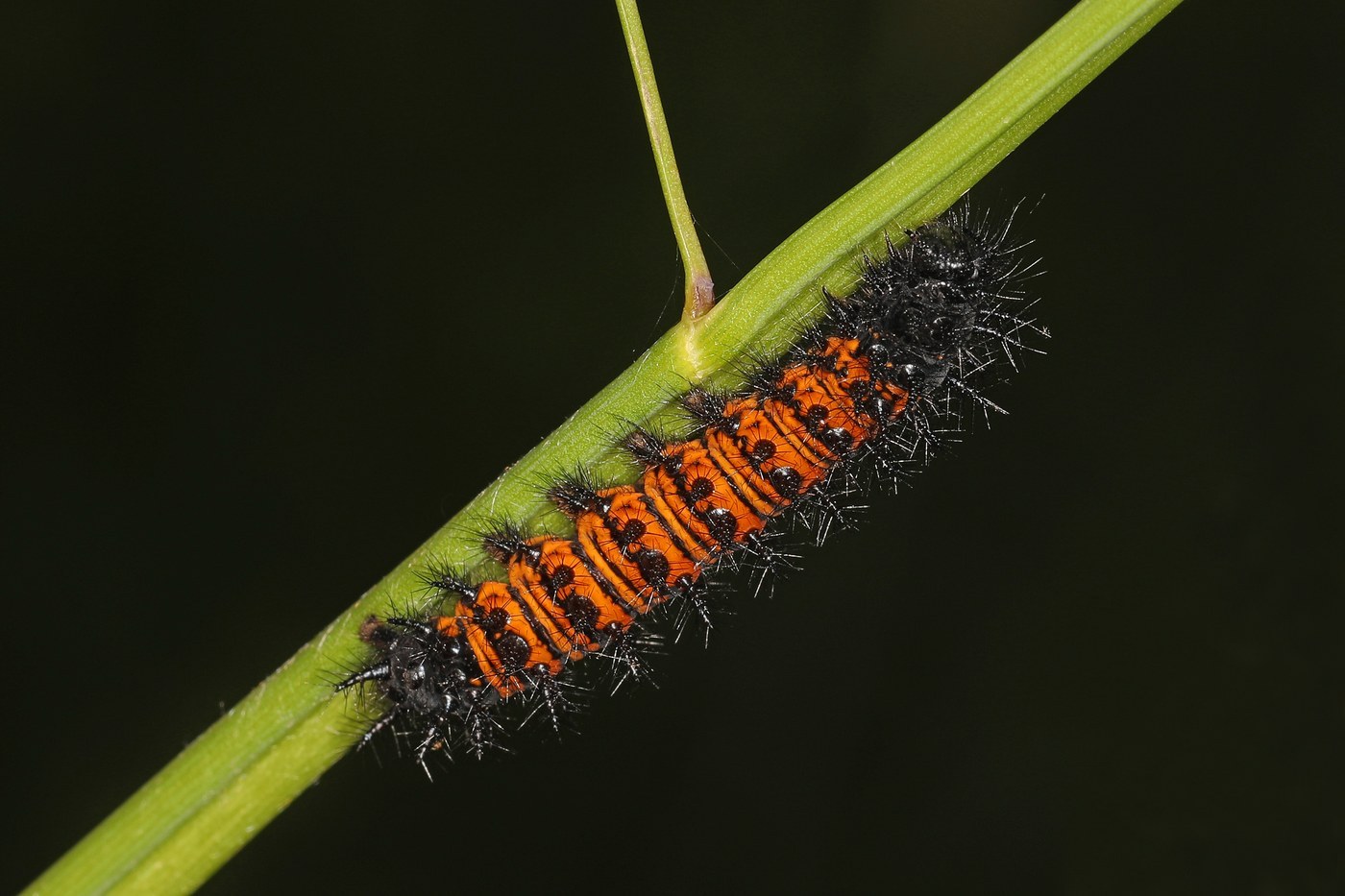
Baltimore Checkerspot
Wet meadows, bogs, and marshy fields in the northeastern and Appalachian US
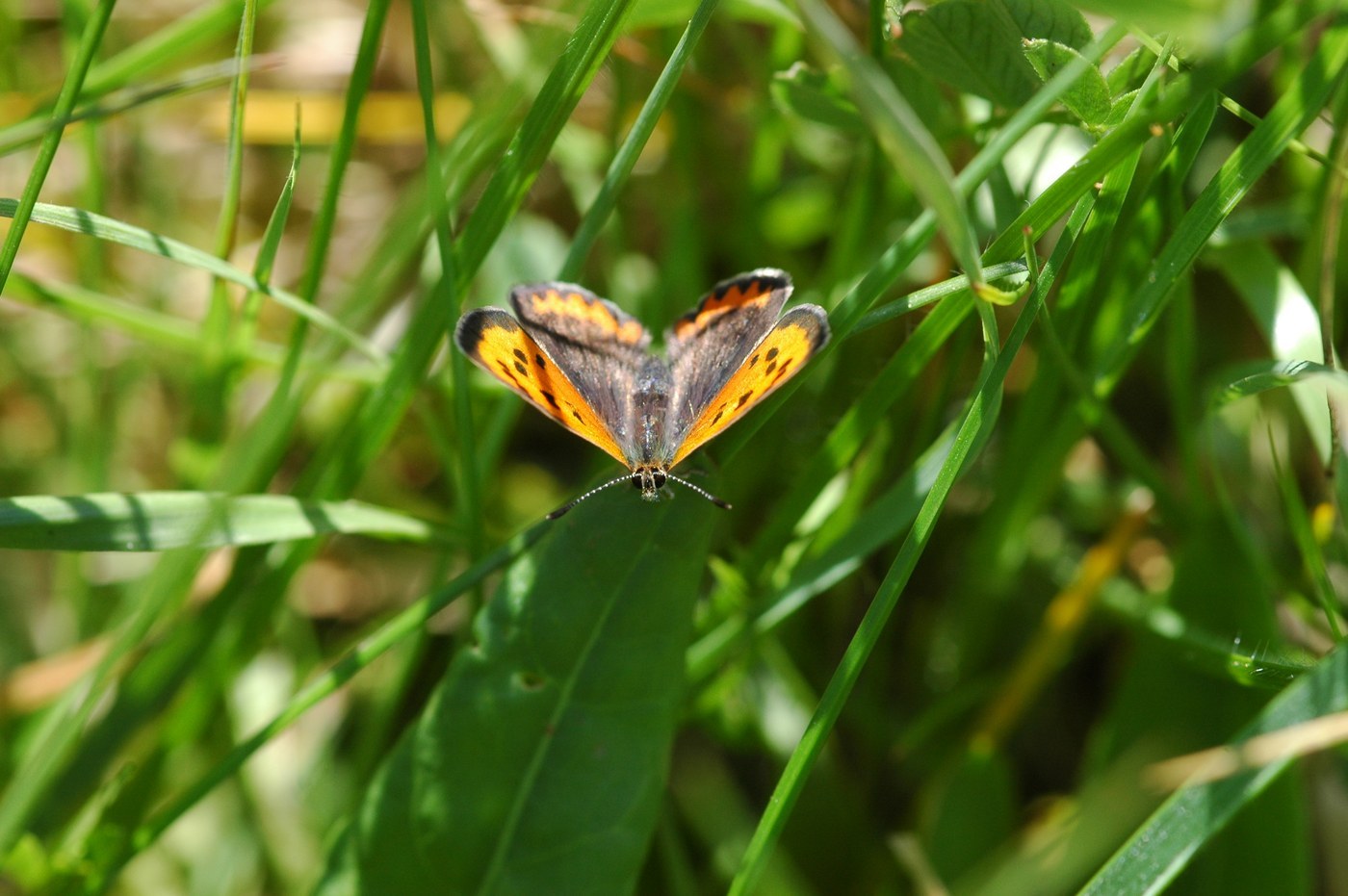
American Copper
Old fields, roadsides, and disturbed open ground with sorrel or dock
West Virginia White
Rich deciduous forest floors, especially near seeps and streams
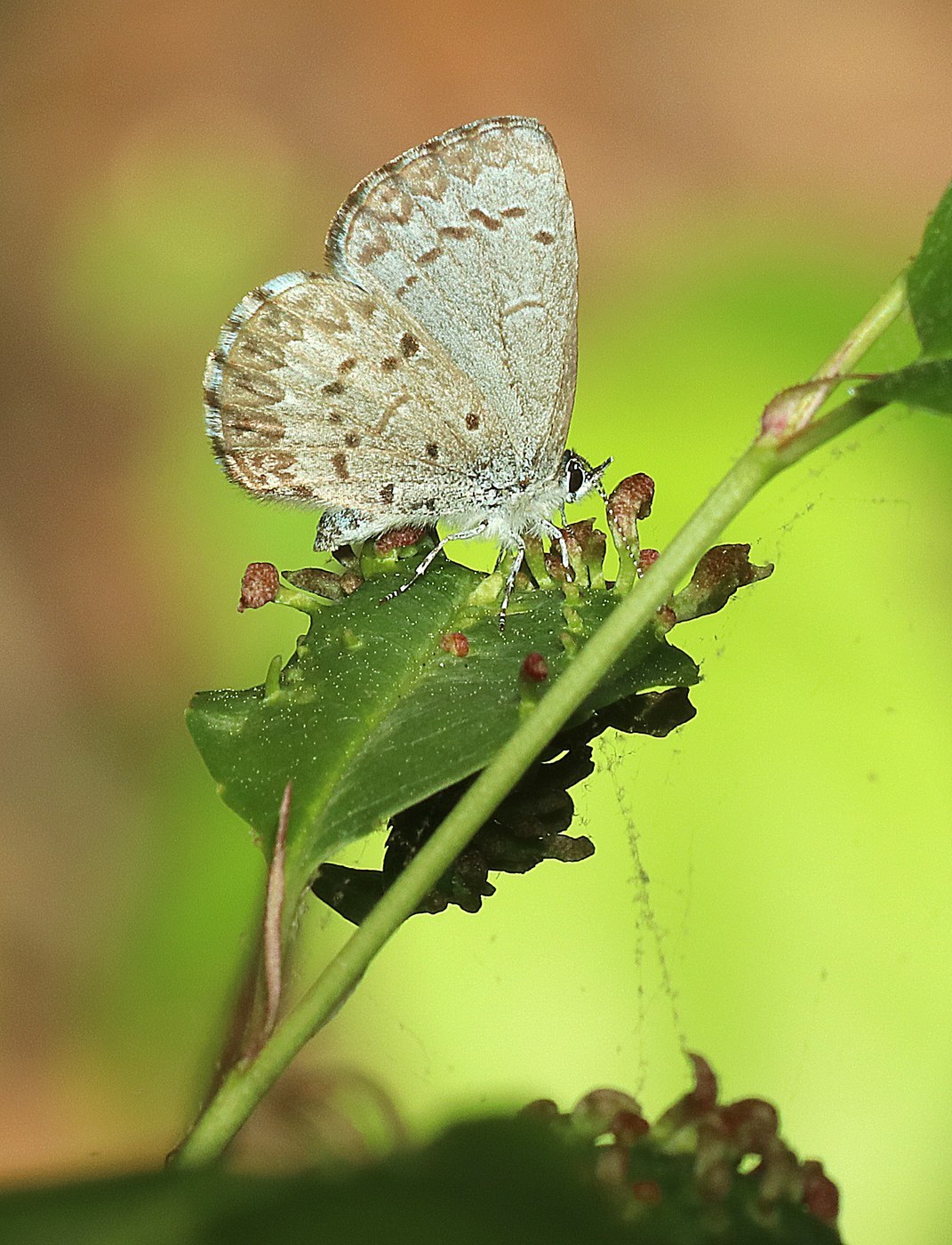
Spring Azure
Woodland edges, gardens, shrubby clearings
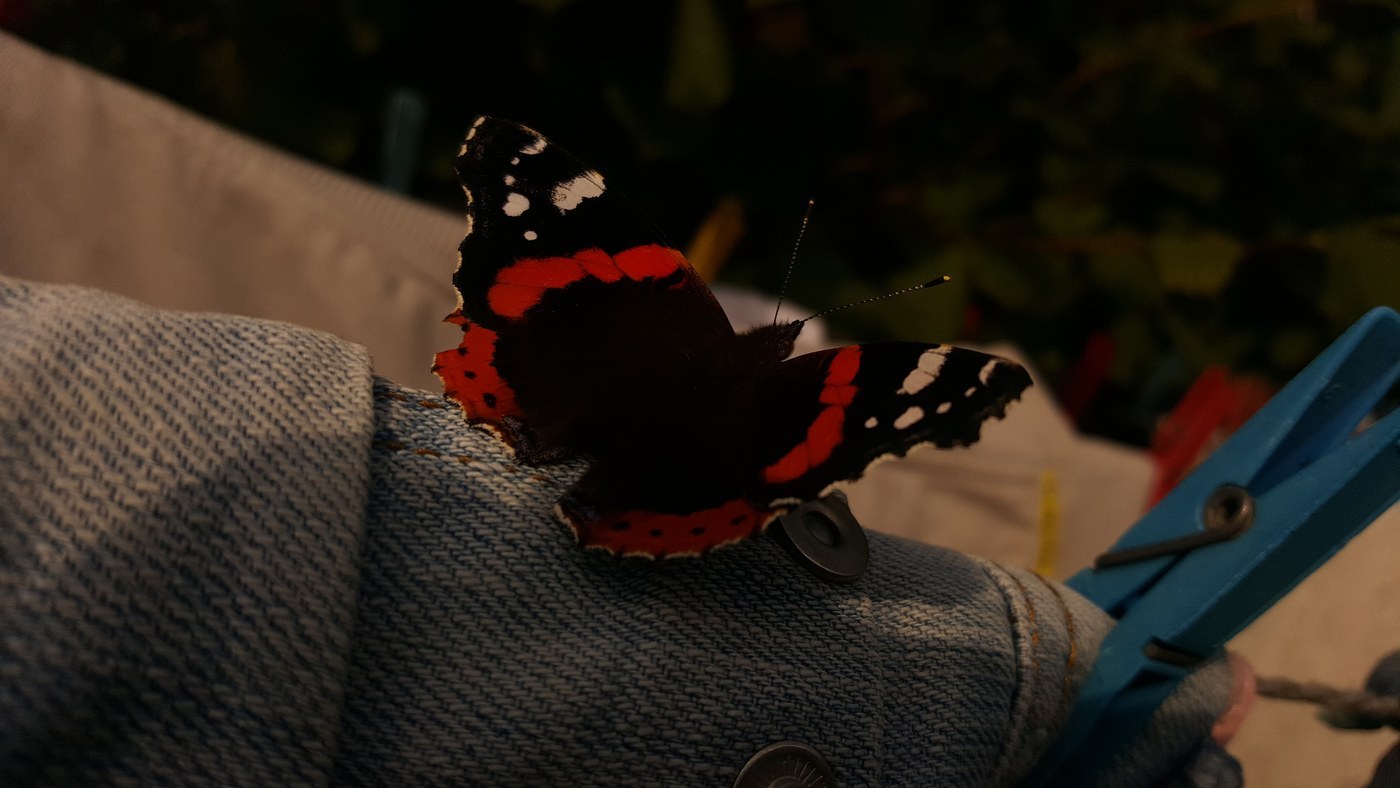
Red Admiral
Gardens, woodland edges, parks, meadows
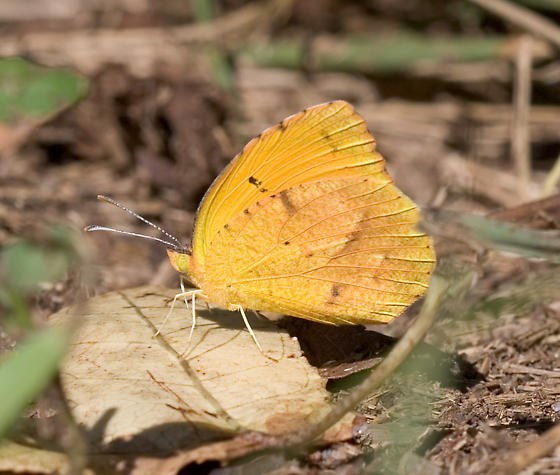
Sleepy Orange
Open woodland, fields, roadsides, and disturbed ground