
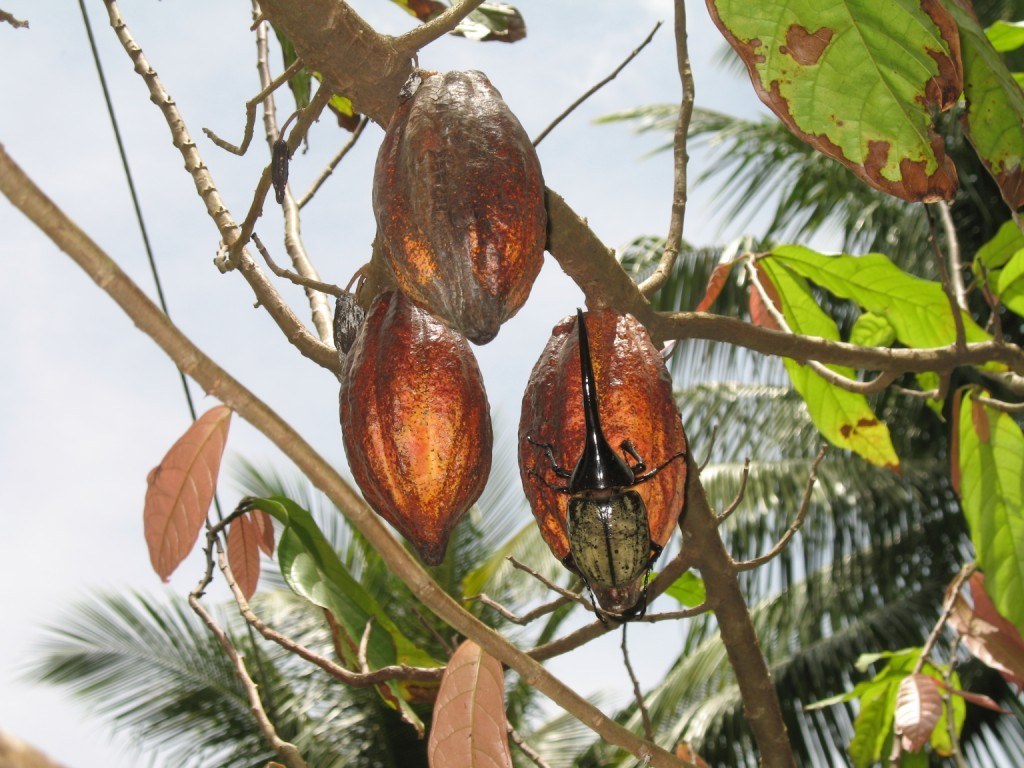
Hercules Beetle
Dynastes hercules
One of the largest beetles in the world, with males bearing dramatic, forceps-like horns nearly as long as the rest of their armored, olive-green body.
- Size
- 5–17 cm (males, including horn)
- Habitat
- Tropical rainforests of Central and South America
- Danger
- Harmless
Spotted a bug like this?
Identify any bug or insect from a photo, free.
Overview
The Hercules beetle, Dynastes hercules, is one of the largest beetles in the world and a member of the rhinoceros beetle group within the scarab family, Scarabaeidae, order Coleoptera. It is best known for the dramatic, elongated horns of the males, which can rival or exceed the length of the rest of the body.
Native to the rainforests of Central America, northern South America, and parts of the Caribbean, the Hercules beetle is a striking example of extreme sexual dimorphism and horn development among insects, traits studied by biologists interested in animal weaponry and mating competition.
Despite its intimidating size and armament, the Hercules beetle is a docile, plant-feeding insect that spends much of its life cycle out of sight as a large underground larva.
How to Identify
- Among the largest beetles by length, with males reaching up to roughly 17 cm including the horn, and females somewhat smaller and hornless
- Males possess two long, forward-projecting horns: a longer upper thoracic horn and a shorter lower head horn, used together like forceps
- Elytra (wing covers) often olive-green, gray, or yellowish with black spotting, sometimes changing shade with humidity
- Heavily armored, glossy exoskeleton with a broad, robust thorax
- Females lack horns and have a more uniformly dark brown to black, rounded body, distinguishing them from males
Habitat & Range
Hercules beetles inhabit tropical and subtropical rainforests of Central America, northern South America, and some Caribbean islands, favoring humid forest floors and decaying wood habitats. Larvae develop underground or within rotting logs, while adults are typically active at night.
Adults are most often encountered during the warmer, wetter months of the year, resting on tree trunks or foliage by day and becoming more active after dusk.
Behavior & Diet
Male Hercules beetles use their large horns in ritualized combat with rival males, grappling to pry opponents off tree branches in competition for mates, a behavior widely referenced in studies of sexual selection. Adults feed primarily on fruit, sap, and other plant material.
The subterranean larvae feed on decaying wood and leaf litter, playing a role in breaking down organic material in the forest floor. In the wider ecosystem, both larvae and adults are preyed upon by birds, mammals, and other forest predators despite their large size and armor.
Life Cycle
Hercules beetles undergo complete metamorphosis, with an unusually long larval stage relative to many beetles. Eggs are laid in decaying wood or rich forest soil, and the resulting grub-like larvae can take one to two years or more to develop, growing to a very large size by feeding on decomposing plant matter.
After reaching full size, the larva pupates within an earthen or wood-debris chamber before emerging as a winged adult. Adult Hercules beetles are comparatively short-lived, typically surviving a matter of months, during which mating and horn-based competition occur.
Frequently asked questions
Why do male Hercules beetles have such long horns?
The horns are used in combat with rival males, who grapple and try to pry each other off branches while competing for mating opportunities.
How big can a Hercules beetle get?
Males are among the longest beetles in the world, sometimes reaching close to 17 cm in total length when the horn is included; females are smaller and hornless.
Where do Hercules beetles live?
They are native to humid tropical rainforests in Central America, northern South America, and parts of the Caribbean.
What does a Hercules beetle eat?
Adults feed on fruit and sap, while the large underground larvae feed on decaying wood and leaf litter.
Hercules Beetle guides
In-depth guides for identifying, understanding, and living alongside Hercules Beetle.
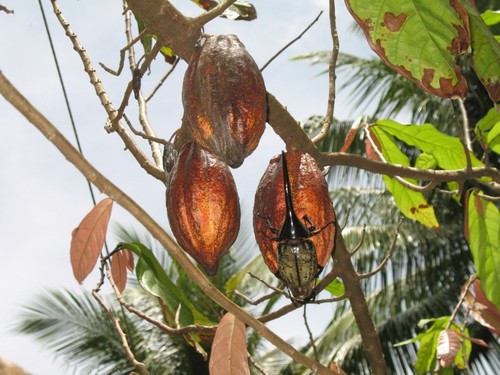
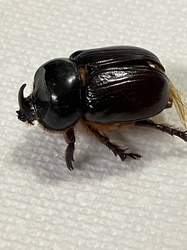
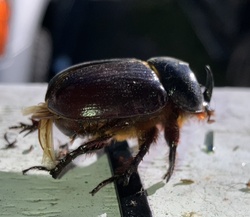
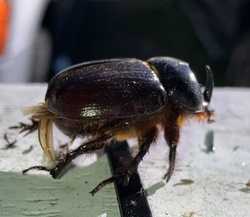
Hercules Beetle identified by the community
Real finds identified with Bug Identifier.
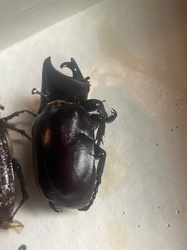
Other bugs you may enjoy
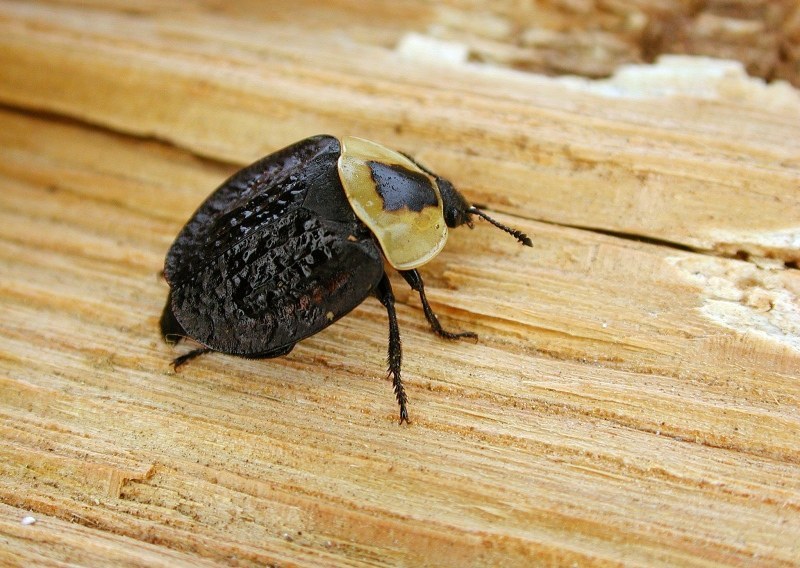
American Carrion Beetle
Forests, fields, and roadsides across North America, near decaying animal carcasses
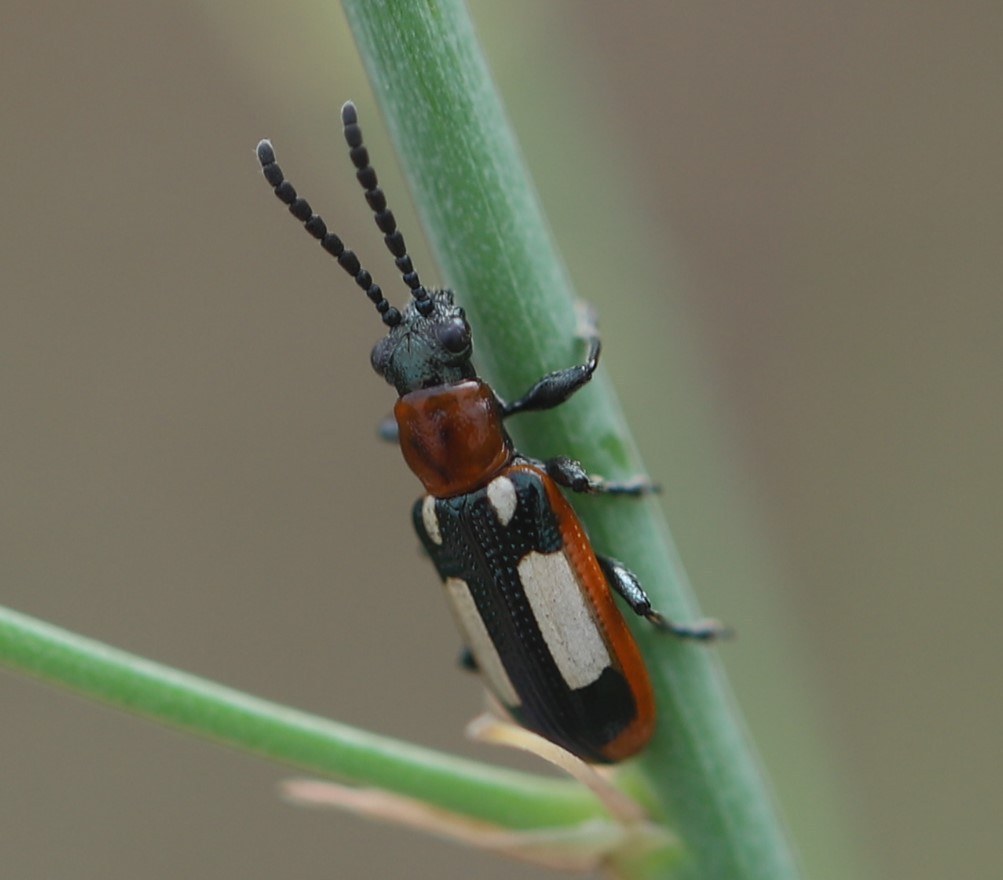
Asparagus Beetle
Asparagus patches, gardens, and farm fields
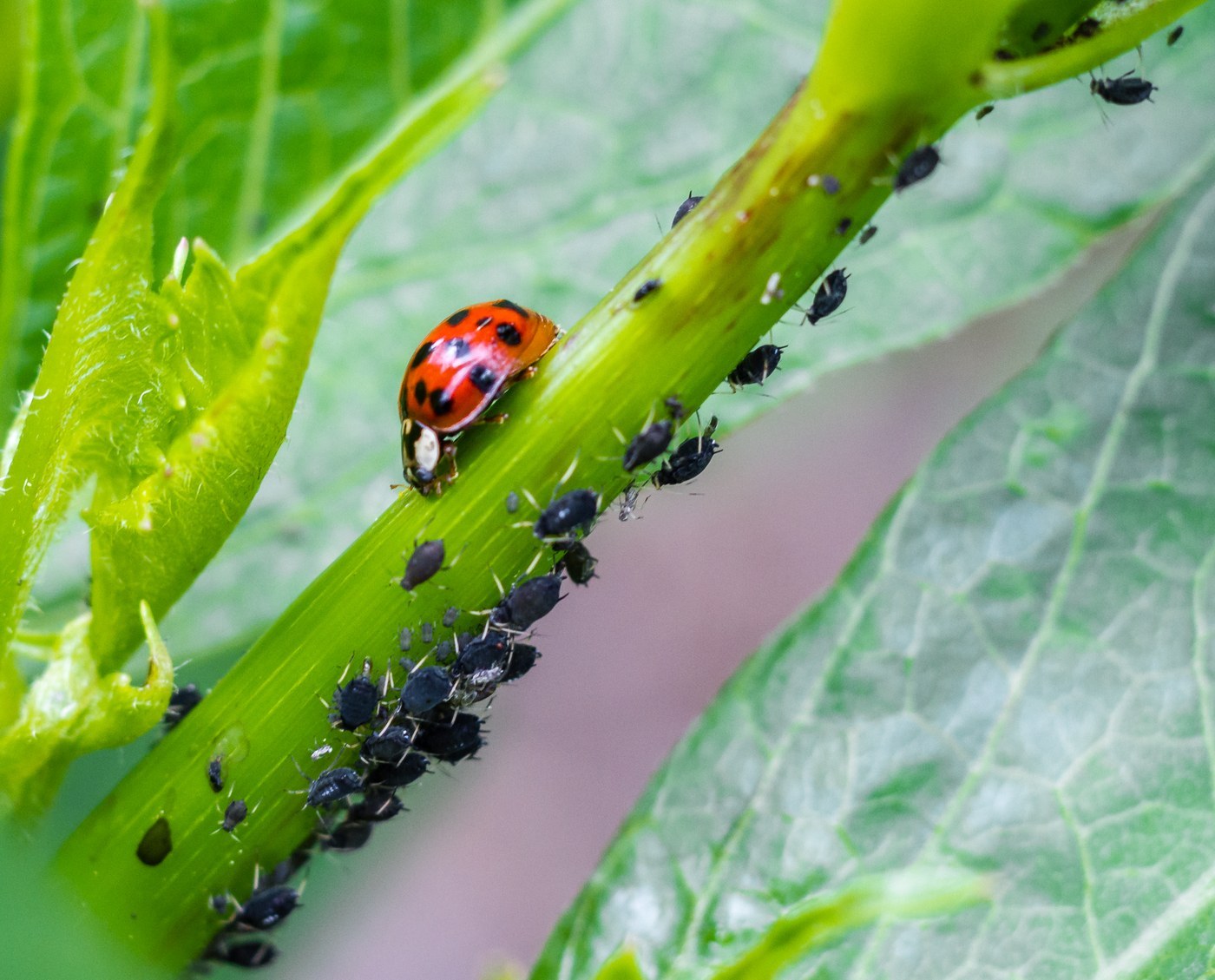
Asian Lady Beetle
Gardens, crop fields, woodlands, buildings
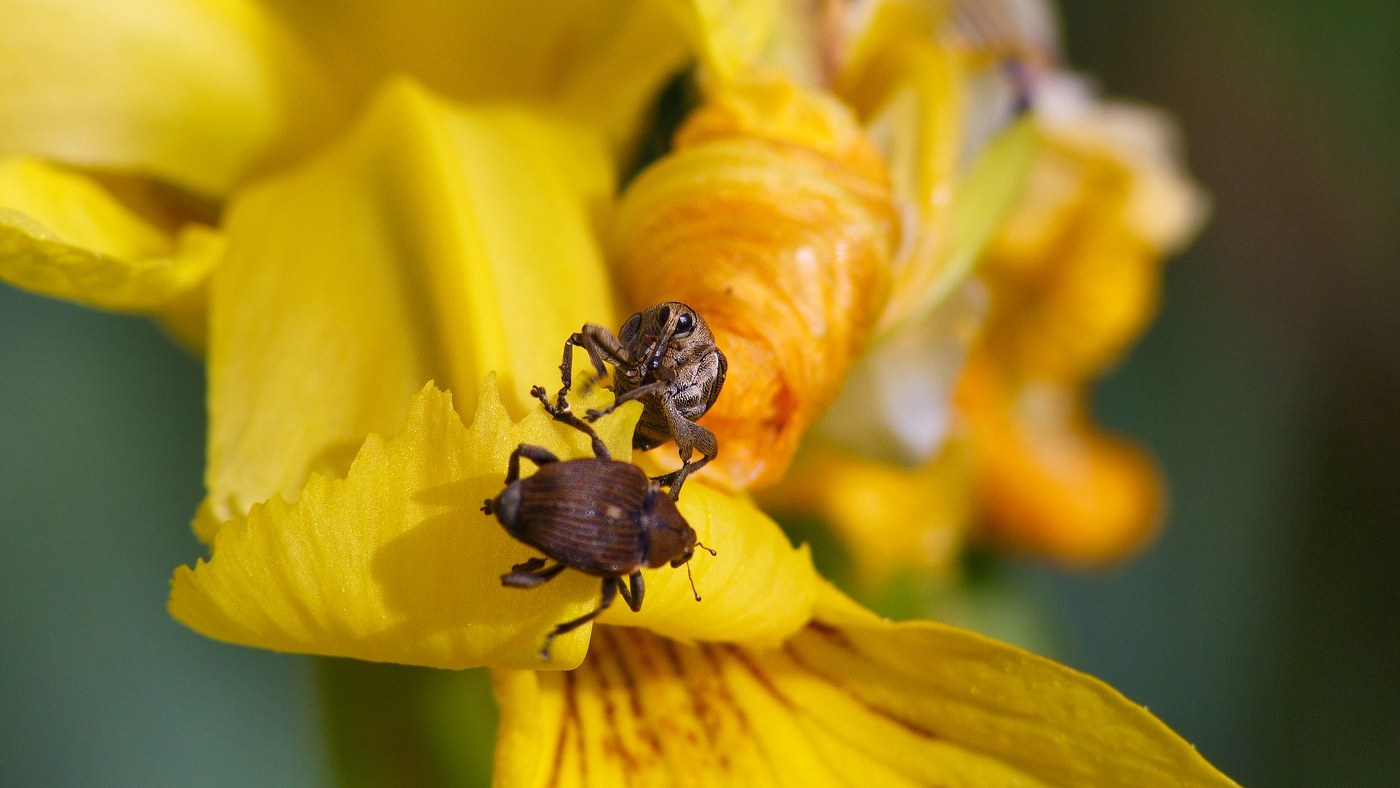
Acorn Weevil
Oak woodlands and forests, on and beneath oak trees
Wireworm
Soil of grasslands, gardens, and cultivated fields worldwide
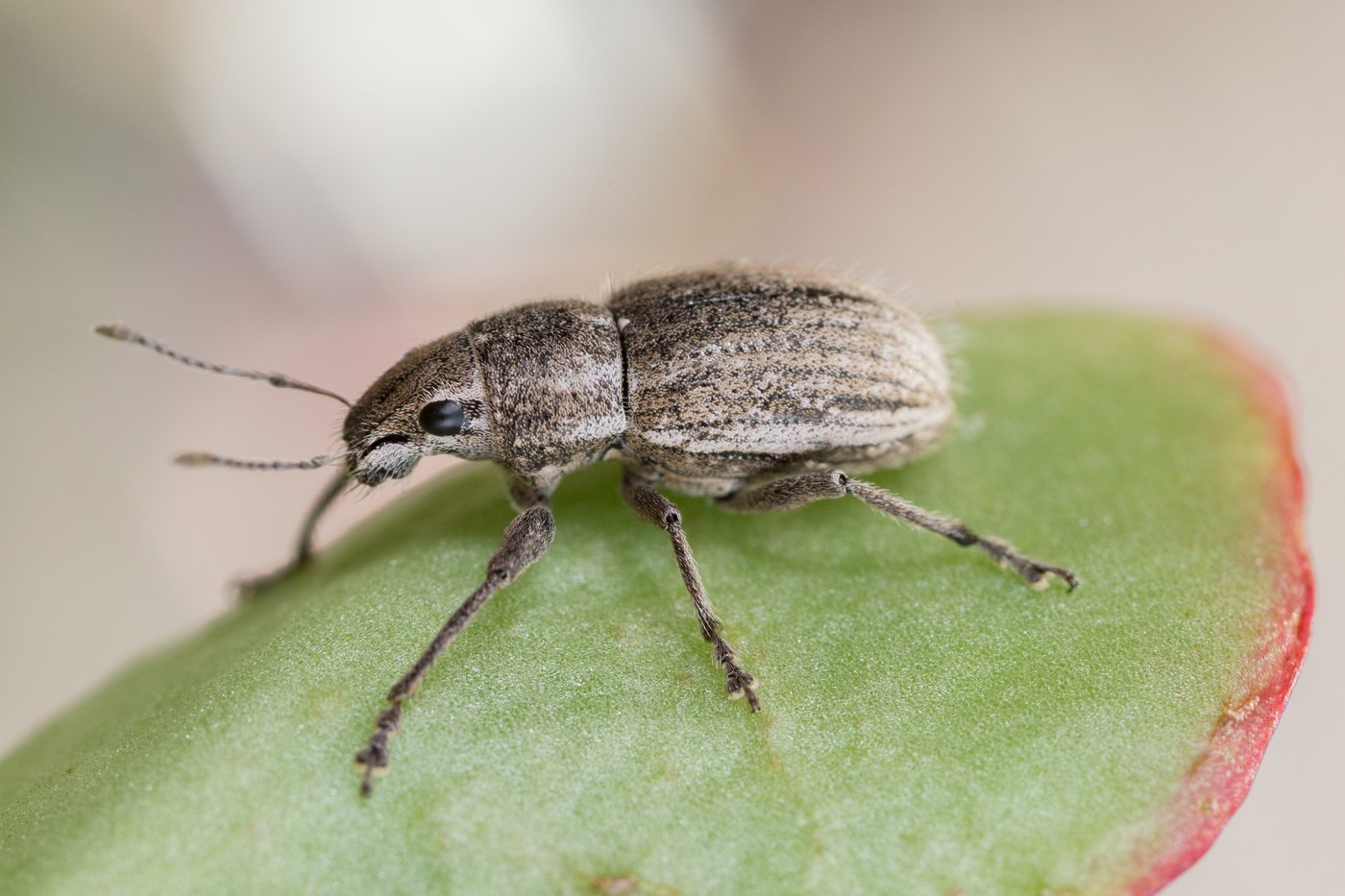
Whitefringed Beetle
Pastures, row crops, lawns, disturbed soils
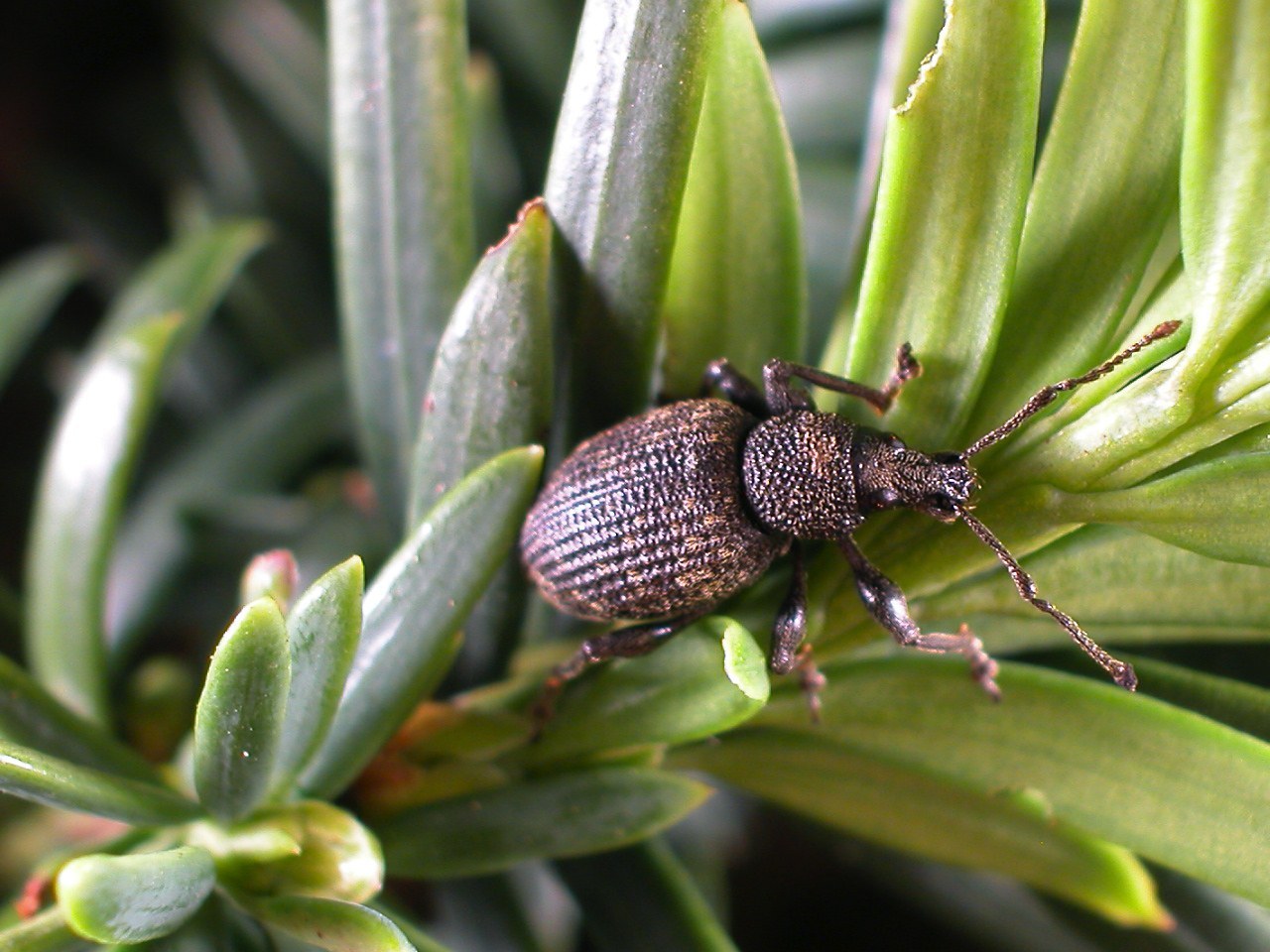
Vine Weevil
Gardens, nurseries, greenhouses, and container plantings
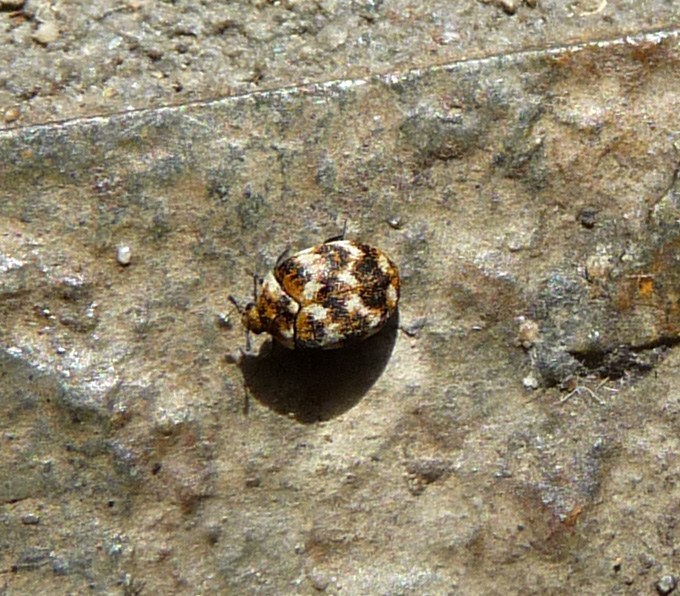
Varied Carpet Beetle
Homes, nests of birds and mammals, and flowers outdoors
Atlas Beetle
Tropical forests of Southeast Asia
Titan Beetle
Amazon rainforest of South America
Ten-lined June Beetle
Sandy soils, pine forests, and orchards of western North America
Squash Beetle
Vegetable gardens and fields growing squash, pumpkin, and other cucurbits