
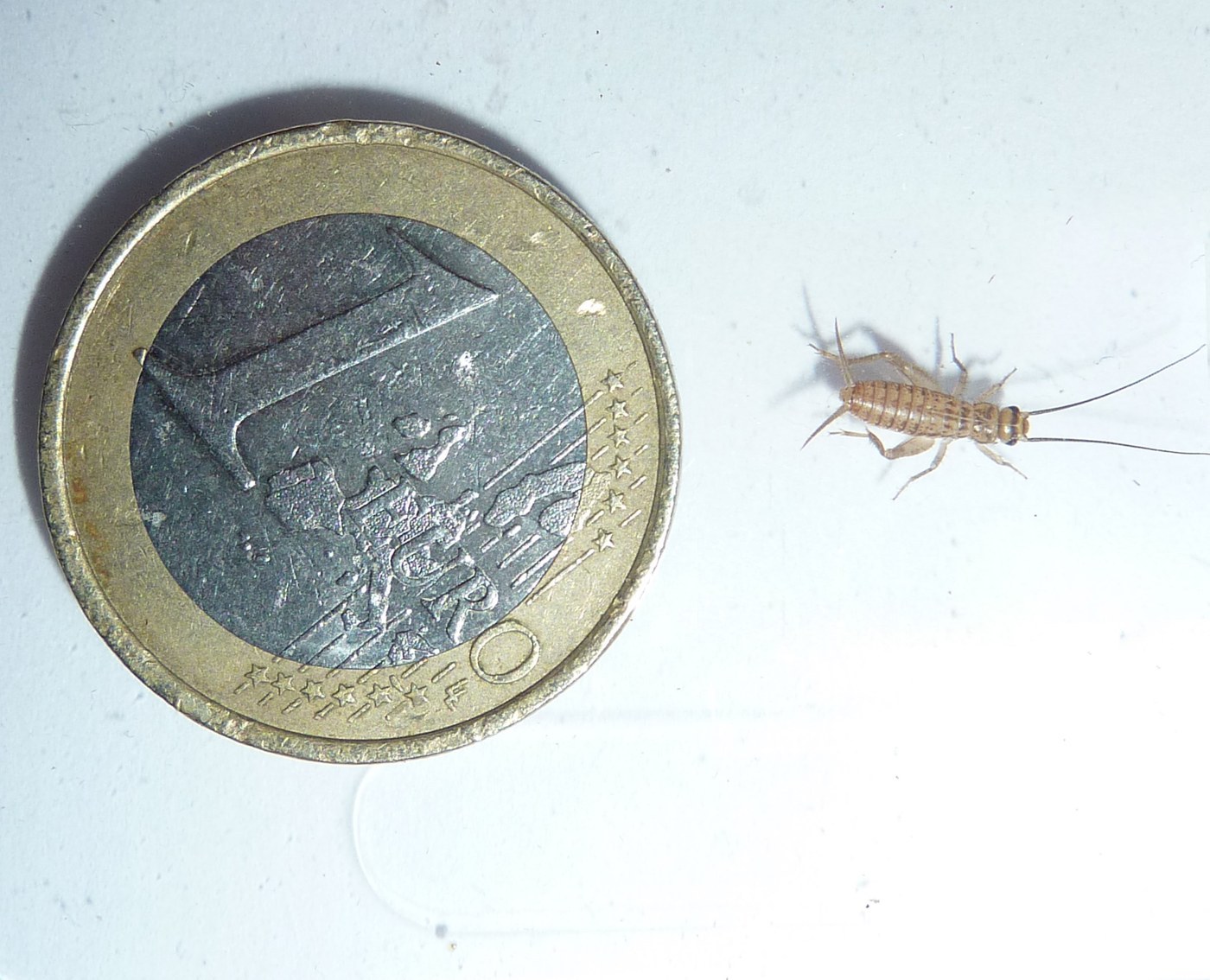
House Cricket
Acheta domesticus
A pale tan, dark-banded cricket originally from warm regions of Asia that has spread worldwide both as an occasional indoor nuisance and as a widely farmed feeder insect.
- Size
- 16–22 mm
- Habitat
- buildings, dumps, and warm sheltered areas; widely bred commercially
- Danger
- Nuisance pest
Spotted a bug like this?
Identify any bug or insect from a photo, free.
Overview
The house cricket, Acheta domesticus, is native to southwestern Asia but has been carried around the world through trade and, more recently, through the commercial insect-rearing industry, where it is one of the most widely farmed crickets for animal feed. In warm climates it can establish outdoor populations, while in cooler regions it is more often found around buildings, garbage areas, and other heated or sheltered spots.
Adults have a light tan to straw-colored body marked with three darker crossbands on the head, distinguishing them from the darker field crickets they are often confused with. Like other true crickets, males produce a loud, persistent chirping song by rubbing modified veins on their forewings together.
House crickets are omnivorous scavengers that will feed on almost any available organic material, a trait that makes them adaptable both in the wild and in commercial rearing facilities, where they are raised in enormous numbers as feed for reptiles, birds, and other captive animals.
How to Identify
- Light tan to yellowish-brown body, 16–22 mm long
- Three distinct dark bands across the top of the head
- Long, slender antennae and well-developed jumping hind legs
- Fully winged in adults, with wings folded flat over the abdomen
- Lookalikes: field crickets are darker overall and lack the head banding; camel crickets are wingless and humpbacked
Habitat & Range
Native to warm regions of Asia, house crickets have spread through human commerce to many parts of the world. They favor warm, sheltered environments and in temperate climates are most often found around buildings, refuse areas, greenhouses, and dumps, while outdoor populations persist year-round in warmer climates. They are also raised in massive numbers in commercial breeding facilities.
Behavior & Diet
House crickets are highly adaptable omnivorous scavengers, feeding on decaying plant and animal matter, fabric, and stored food products when they gain access indoors. Males sing to attract females and establish territory, producing a continuous chirp louder and higher-pitched than that of many field crickets. Because of their prolific breeding and easy rearing, house crickets have become a foundational species in the pet and research feeder-insect trade, in addition to their role as opportunistic wild scavengers.
Life Cycle
Females deposit eggs in moist soil or substrate using a long ovipositor, with a single female capable of laying hundreds of eggs over her lifetime. Nymphs hatch resembling miniature wingless adults and pass through roughly ten molts over several weeks to months, developing wings only at the final molt into adulthood. In warm conditions, whether outdoors in tropical climates or in climate-controlled breeding facilities, house crickets can complete multiple generations per year.
Frequently asked questions
How can I tell a house cricket from a field cricket?
House crickets are lighter tan with three dark bands on the head, while field crickets are typically darker, almost black, without that banding.
Where do house crickets normally live?
They are native to warm parts of Asia but are now found worldwide around buildings and warm sheltered sites, and are extensively farmed commercially.
What do house crickets eat?
They are opportunistic omnivores, scavenging decaying plant and animal matter as well as various household organic materials when present.
Why are house crickets bred commercially?
Their fast growth, easy rearing, and high reproductive rate make them a popular feeder insect for reptiles, birds, and other captive animals.
House Cricket guides
In-depth guides for identifying, understanding, and living alongside House Cricket.
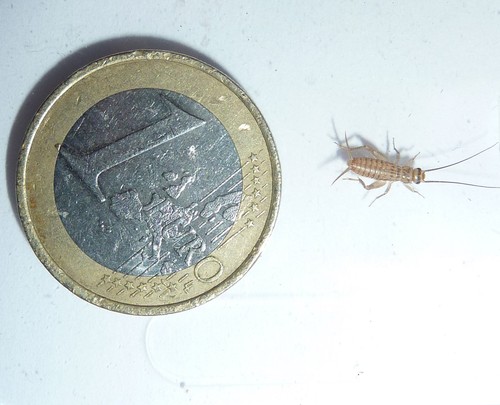
House Cricket identified by the community
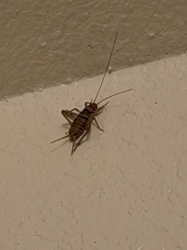
Real finds identified with Bug Identifier.

Other bugs you may enjoy
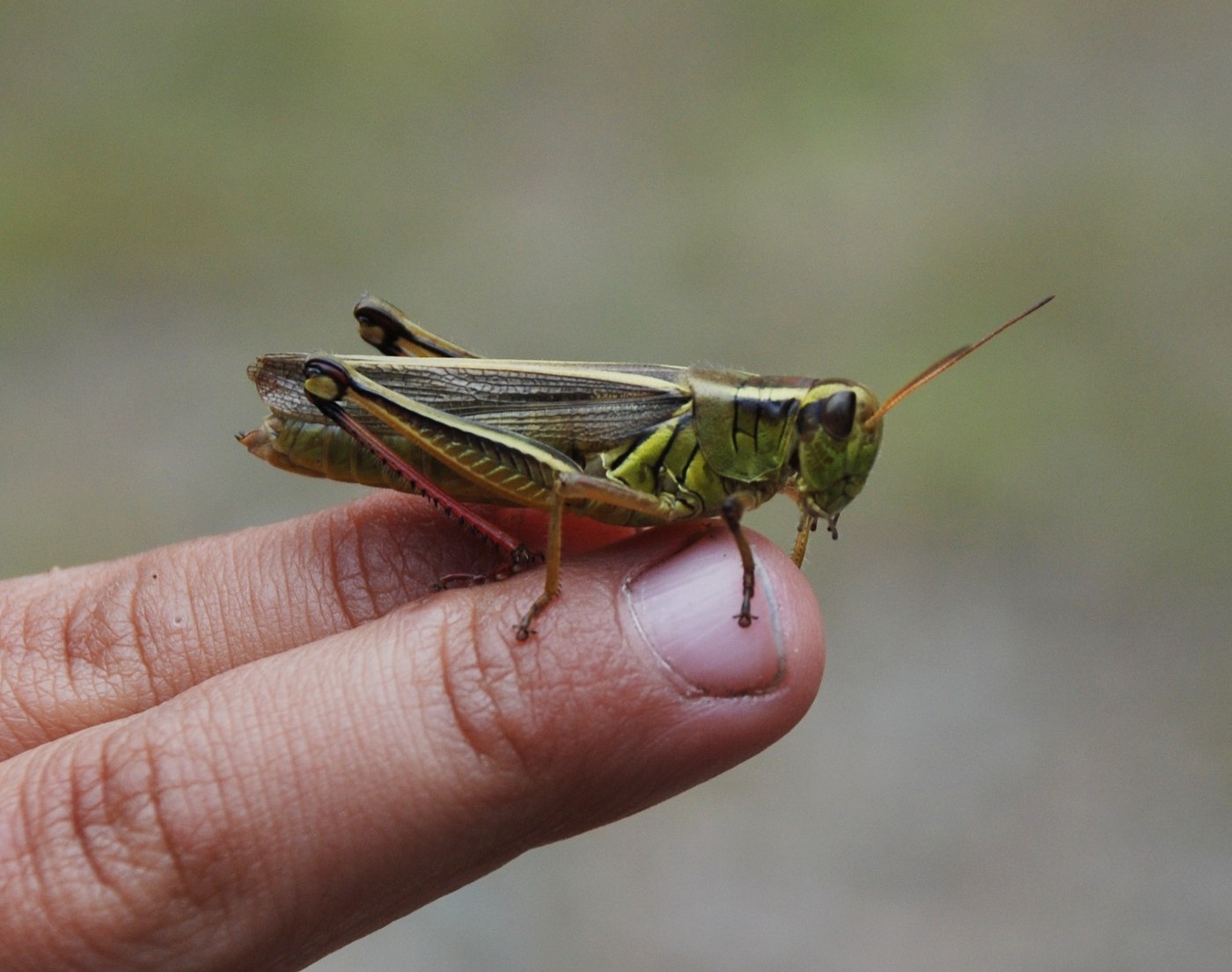
Two-striped Grasshopper
Meadows, pastures, riverbanks, and agricultural fields across North America
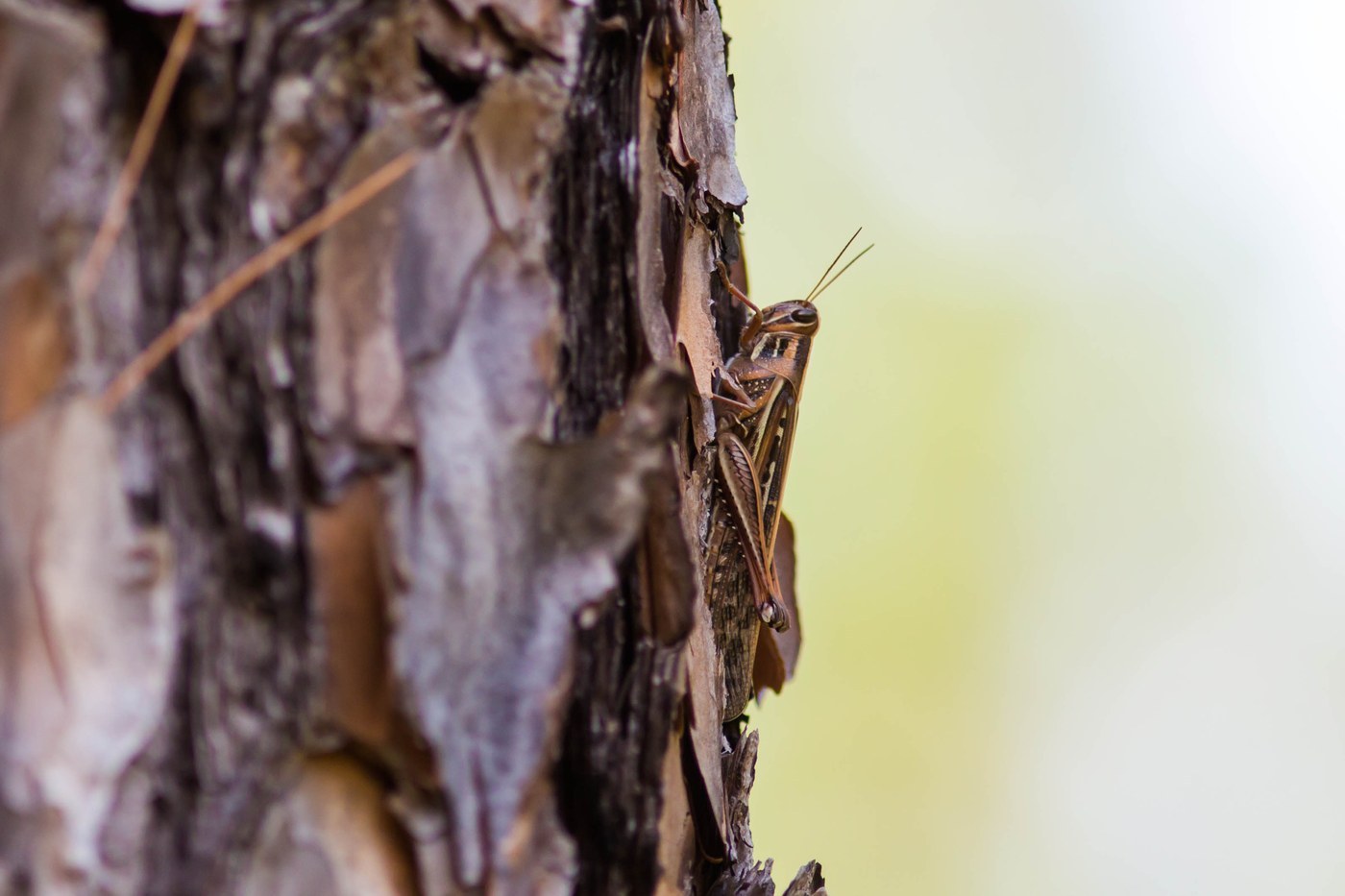
American Grasshopper
Woodland edges, citrus groves, gardens, and open fields across the southern and southeastern United States
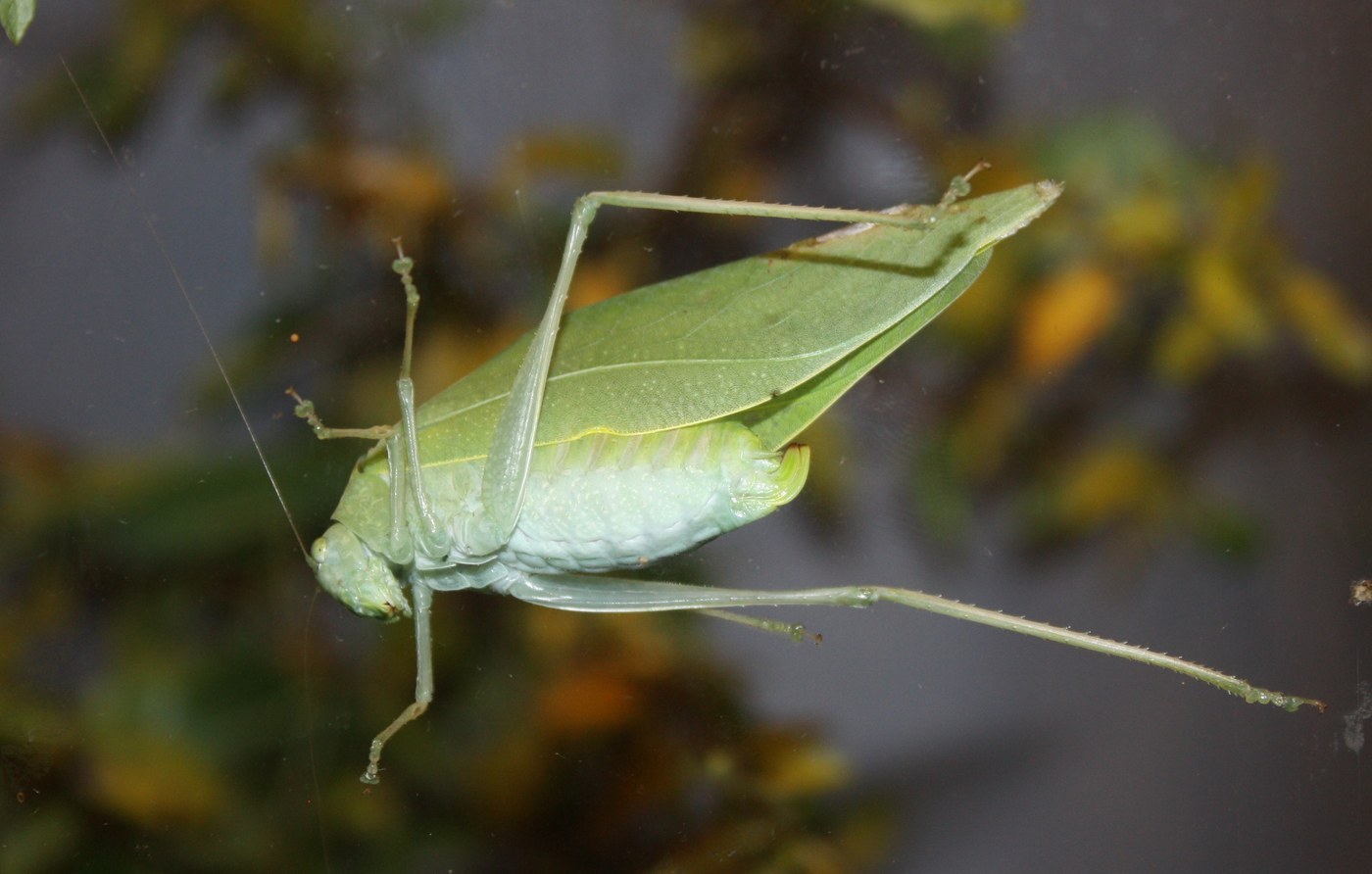
Angular-winged Katydid
deciduous trees, shrubs, and hedgerows across eastern and central North America
Spur-throated Grasshopper
grasslands, meadows, croplands, and roadsides across North America
Snowy Tree Cricket
Shrubs, trees, and tall vegetation across North America
Rocky Mountain Locust
historically open grasslands and river valleys of the Rocky Mountains and Great Plains (now believed extinct)
Spotted Camel Cricket
damp caves, crawl spaces, basements, leaf litter, and rotting logs in eastern North America
Pygmy Grasshopper
damp soil, mud, and low vegetation near ponds, streams, and marshes
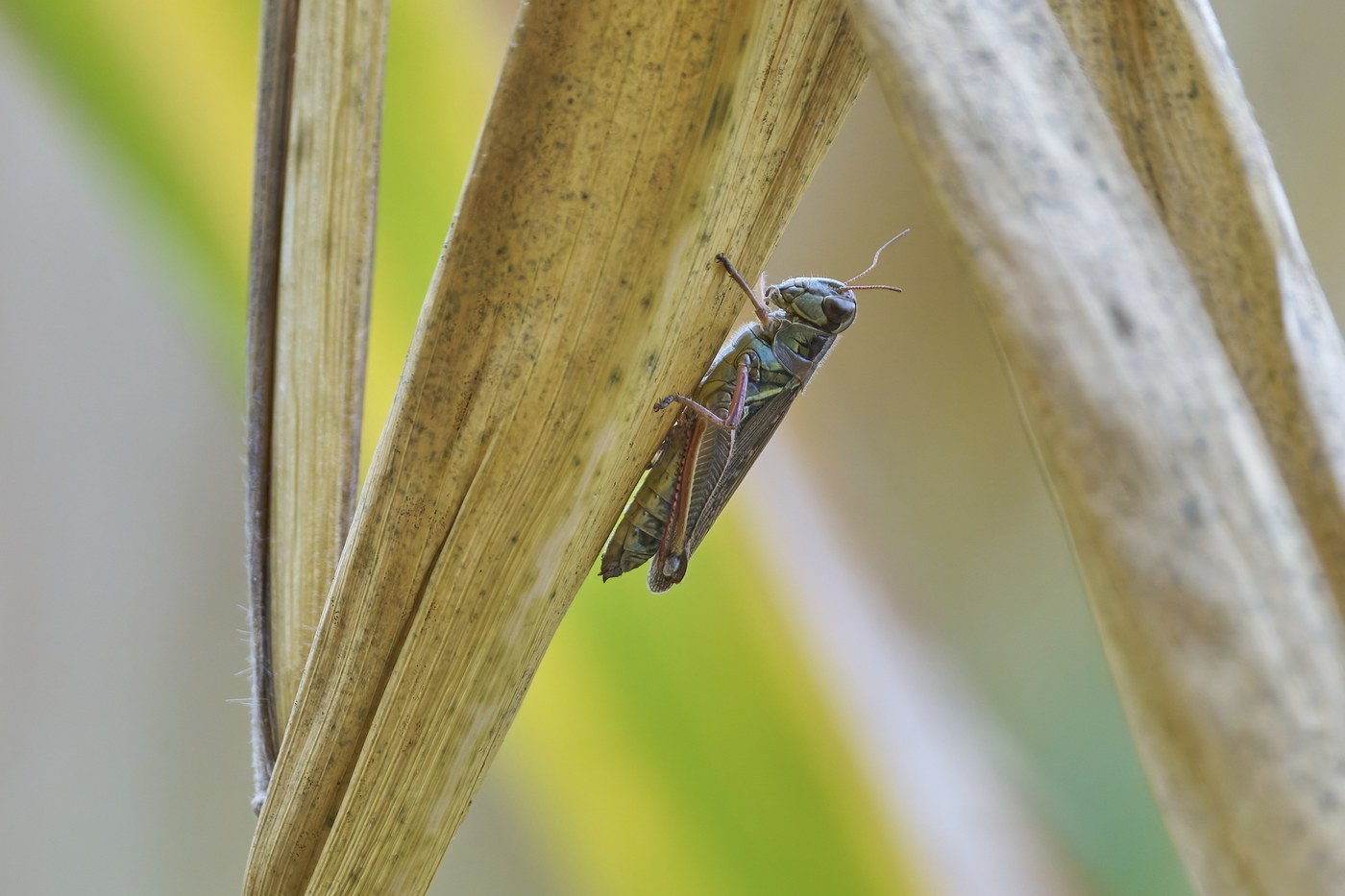
Red-legged Grasshopper
Meadows, pastures, field edges, and gardens across North America
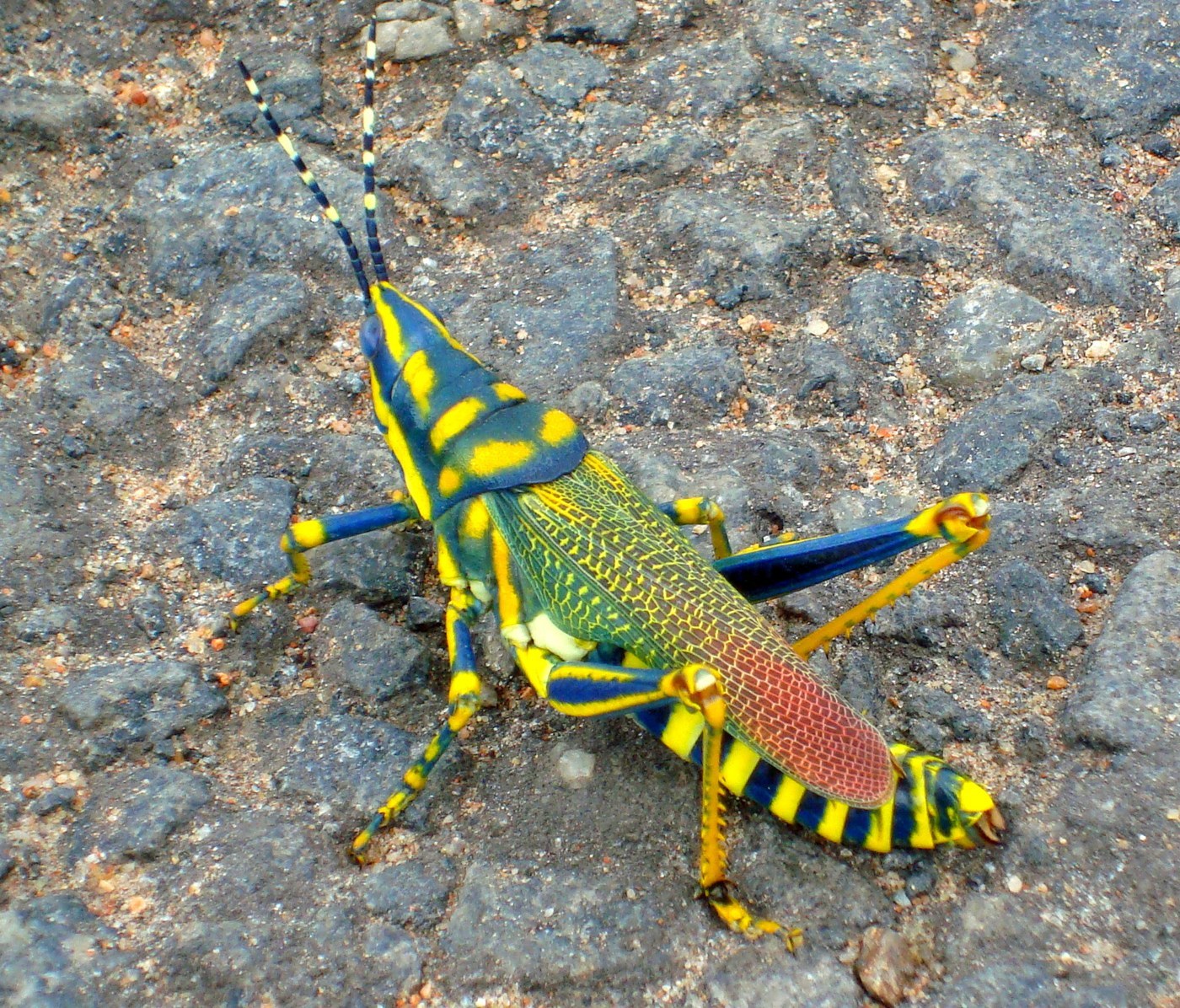
Painted Grasshopper
arid scrub, wastelands, and gardens of the Indian subcontinent, especially near milkweed plants
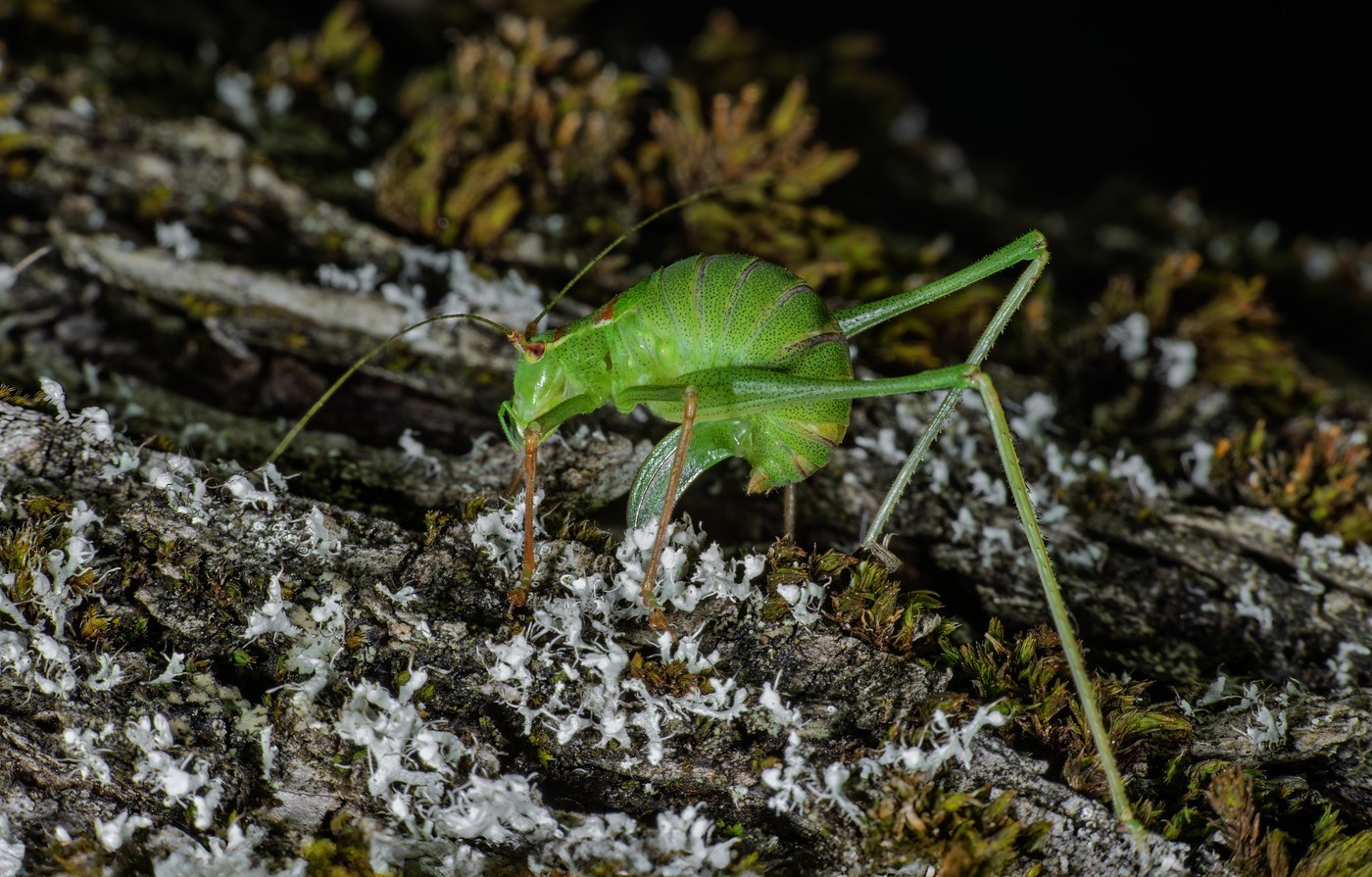
Speckled Bush Cricket
Brambles, hedgerows, nettles, and shrubby vegetation
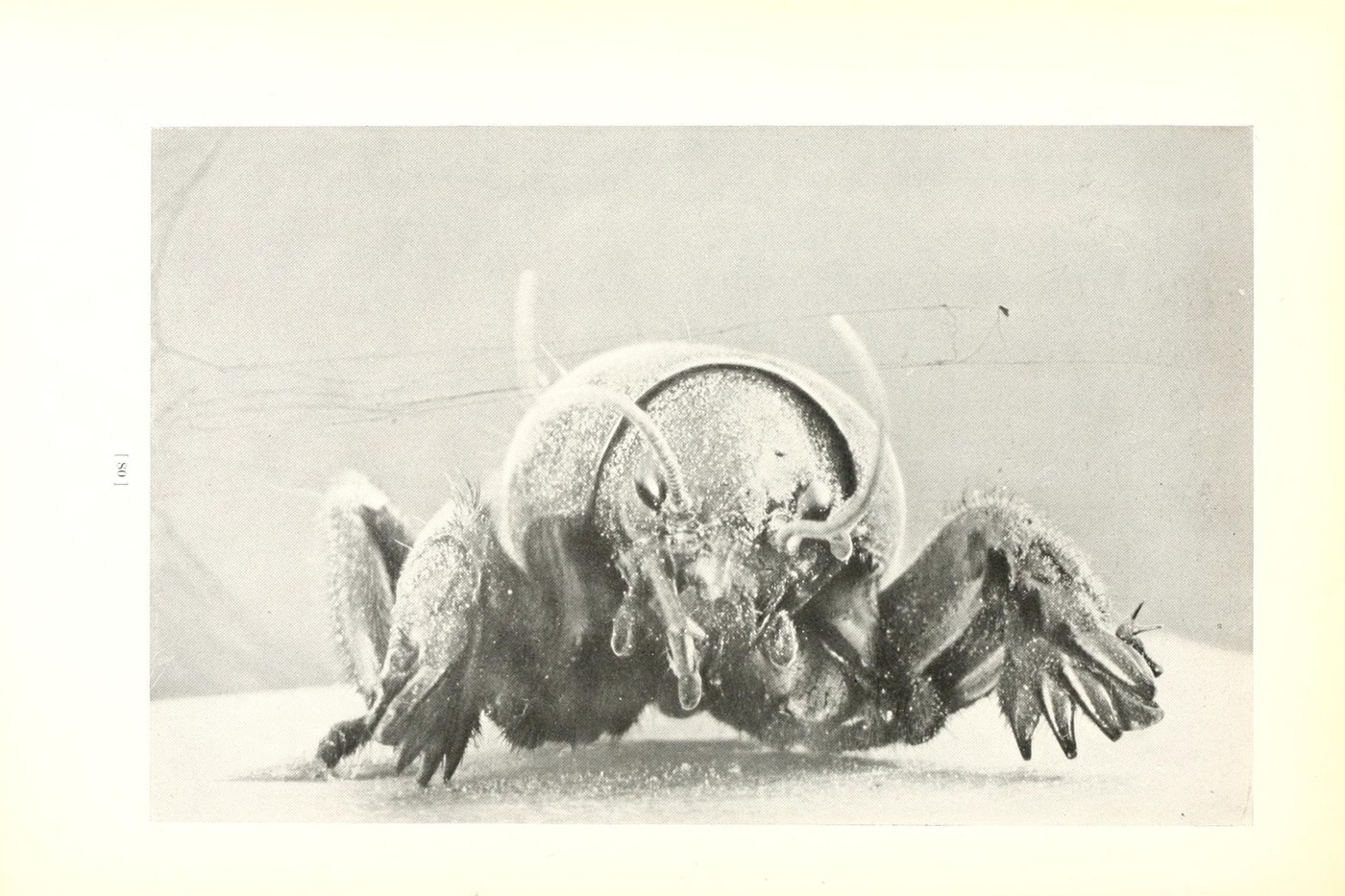
Northern Mole Cricket
wet soil, pond margins, and marshy ground across eastern and central North America