
House Spider
Parasteatoda tepidariorum
A small, round-bodied brown spider with mottled markings that spins tangled, irregular cobwebs in quiet corners, ceilings, and undisturbed indoor spaces.
- Size
- 4–8 mm body length (excluding legs)
- Habitat
- Corners of rooms, basements, garages, and sheds
- Danger
- Harmless
Spotted a bug like this?
Identify any bug or insect from a photo, free.
Overview
The common house spider, Parasteatoda tepidariorum, belongs to the family Theridiidae, known as the cobweb or tangle-web spiders. It is one of the most widespread synanthropic spiders, meaning it thrives in close association with human buildings across much of the world.
This species is notable for constructing loose, irregular three-dimensional webs rather than the neat orb webs many people associate with spiders, and for its habit of remaining in the same web for extended periods while it captures passing insects.
Ecologically, house spiders act as beneficial indoor predators, helping to naturally reduce populations of flies, mosquitoes, and other small insects that wander into their webs.
How to Identify
- Rounded, bulbous abdomen, typically brown to gray with darker mottled chevron-like markings.
- Long, thin, banded legs relative to body size.
- Eight eyes arranged in two rows, though eye pattern is rarely visible without close inspection.
- Builds messy, irregular tangle webs rather than symmetrical orb webs.
- Lookalikes: often confused with widow spiders, but house spiders have mottled brown patterning rather than a solid black body with a red hourglass marking.
Habitat & Range
House spiders are found across North America and many other regions worldwide, almost always in and around structures such as homes, garages, barns, and sheds. They favor undisturbed corners, window frames, and ceiling junctions, remaining active year-round indoors where temperatures stay stable.
Behavior & Diet
This spider builds a tangled, irregular web and waits at its center or in a nearby retreat for prey to become ensnared, then quickly wraps and subdues it with silk. Its diet consists of small flying and crawling insects that blunder into the web. House spiders are generally sedentary, rebuilding or repairing the same web site over long periods rather than relocating frequently.
Life Cycle
House spiders undergo simple development without metamorphosis, hatching from eggs as miniature versions of adults and growing through a series of molts. Females produce round, papery egg sacs that are guarded within or near the web and can contain dozens of eggs. Multiple generations can occur per year in heated indoor environments, with adults capable of living for a year or more.
Frequently asked questions
Is the common house spider the same as a widow spider?
No, house spiders have a mottled brown, patterned abdomen rather than the solid black body and red hourglass marking of widow spiders.
Why do house spiders build messy-looking webs?
Their tangle webs are irregular by design, forming a three-dimensional trap that is highly effective at snaring crawling and flying insects.
Do house spiders move around a lot?
They tend to stay near one web site for extended periods rather than wandering, unlike hunting spiders that actively roam for prey.
Where indoors are they most commonly found?
Quiet, undisturbed corners such as ceiling junctions, window frames, and basement areas are typical spots.
House Spider guides
In-depth guides for identifying, understanding, and living alongside House Spider.
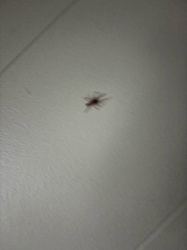
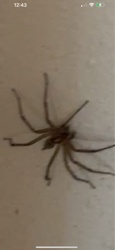
House Spider identified by the community
Real finds identified with Bug Identifier.
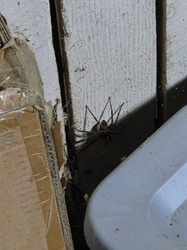
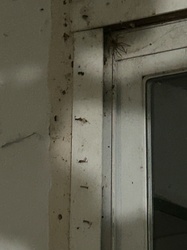
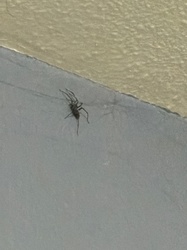
Other bugs you may enjoy
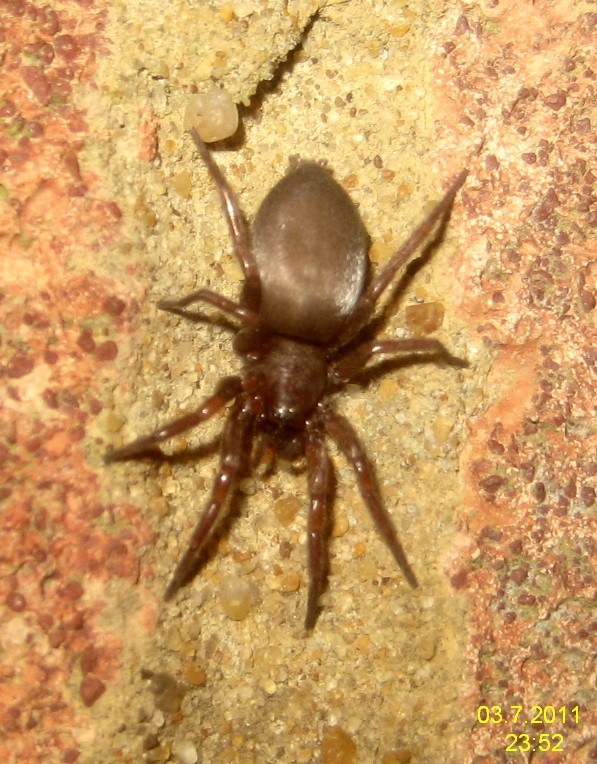
Woodlouse Spider
Damp leaf litter, under logs, stones, and mulch
Wolf Spider
Gardens, grasslands, forests, leaf litter, ground burrows
Wandering Spider
Tropical and subtropical forest floor, foliage, and banana plants
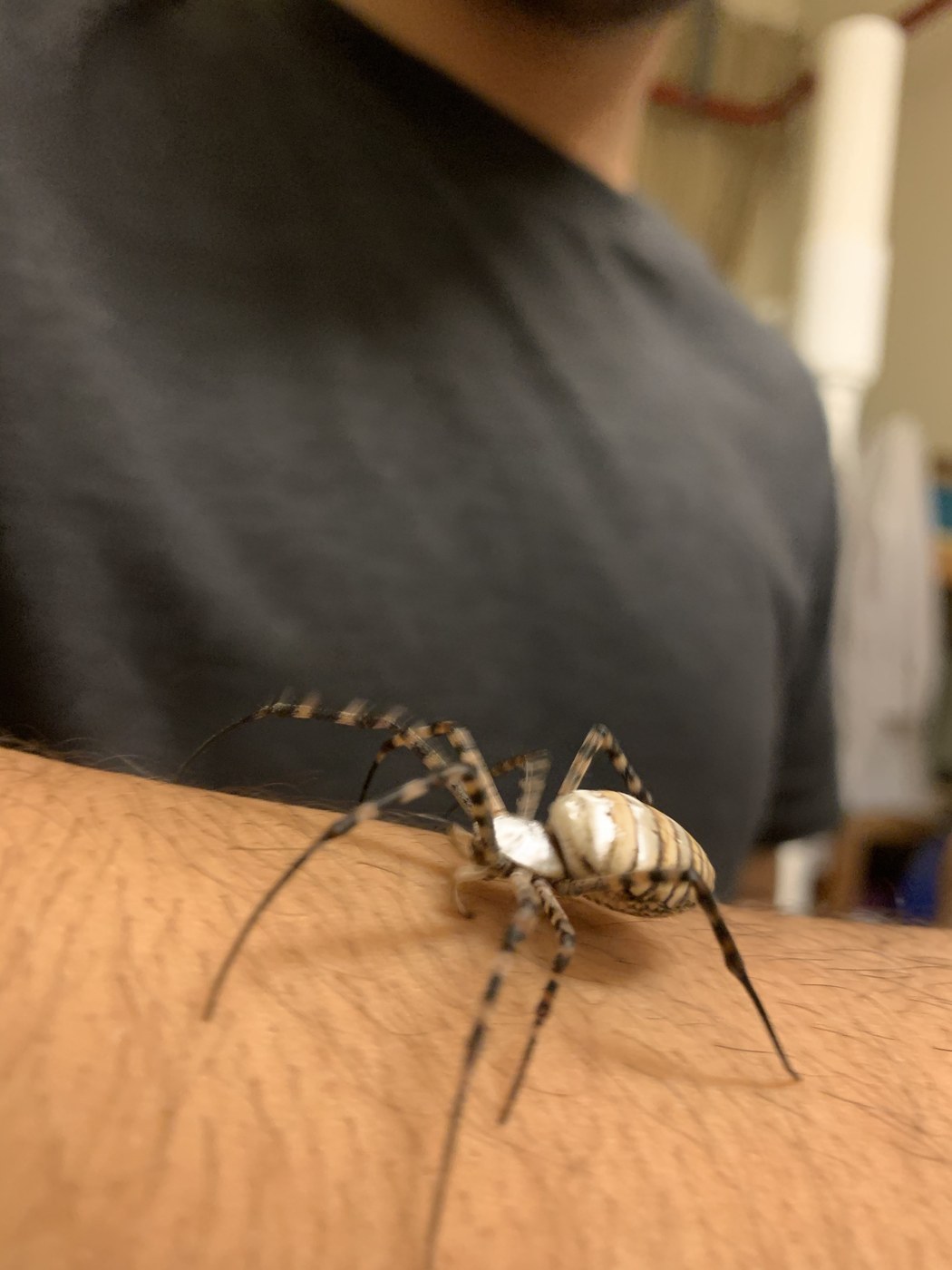
Banded Garden Spider
Tall grass, meadows, and gardens with open sunny vegetation
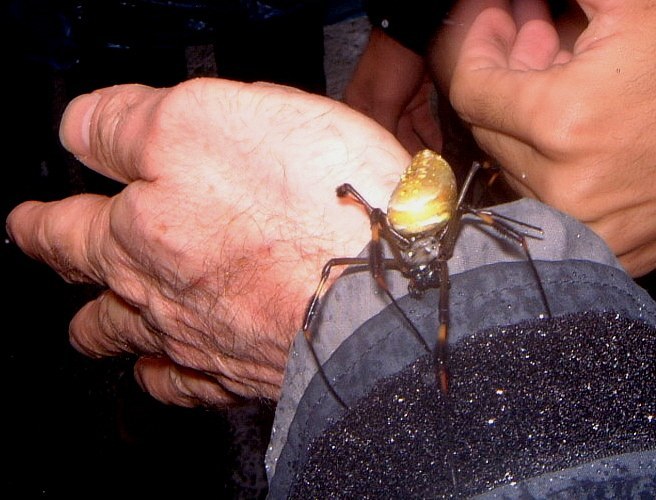
Banana Spider
Wooded trails, forest edges, and gardens across the southeastern U.S. and the American tropics
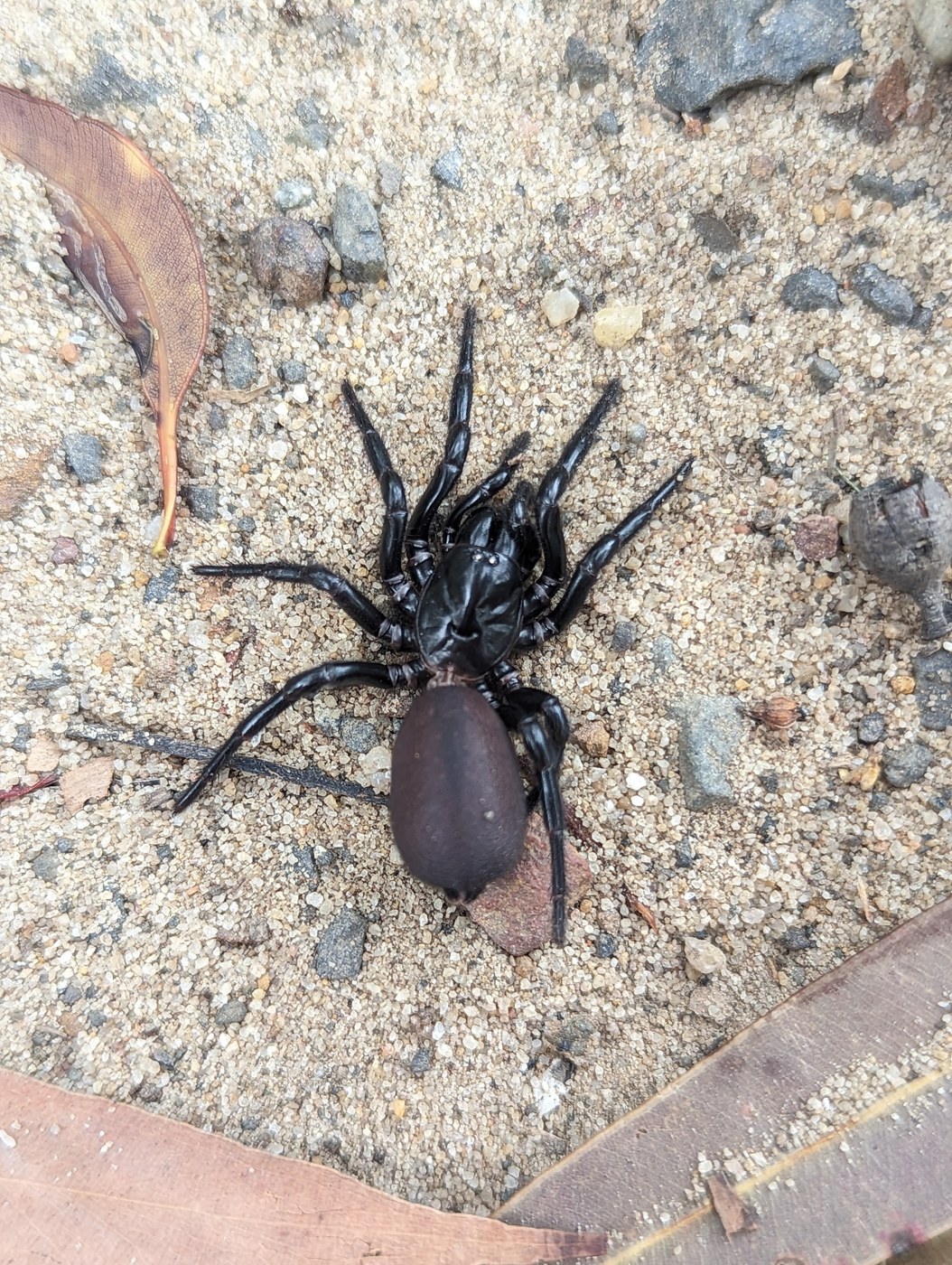
Sydney Funnel-web Spider
Burrows in moist soil, gardens, and forested gullies around the Sydney basin of eastern Australia
Trapdoor Spider
Self-dug silk-lined burrows with a camouflaged door, in dry, well-drained soil worldwide
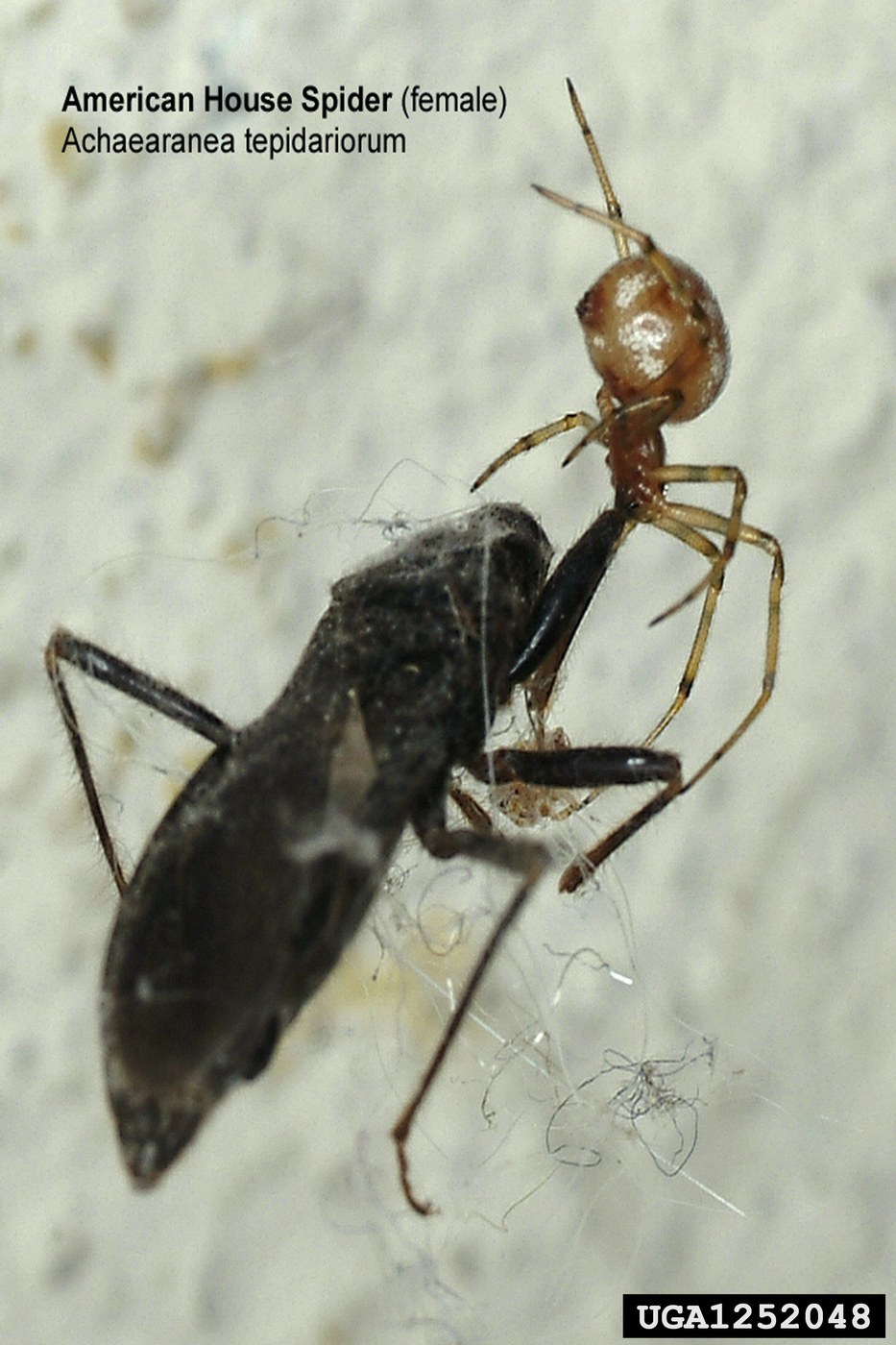
American House Spider
Corners, basements, garages, and outbuildings worldwide
Tube Web Spider
Wall crevices, bark, rockeries, and masonry
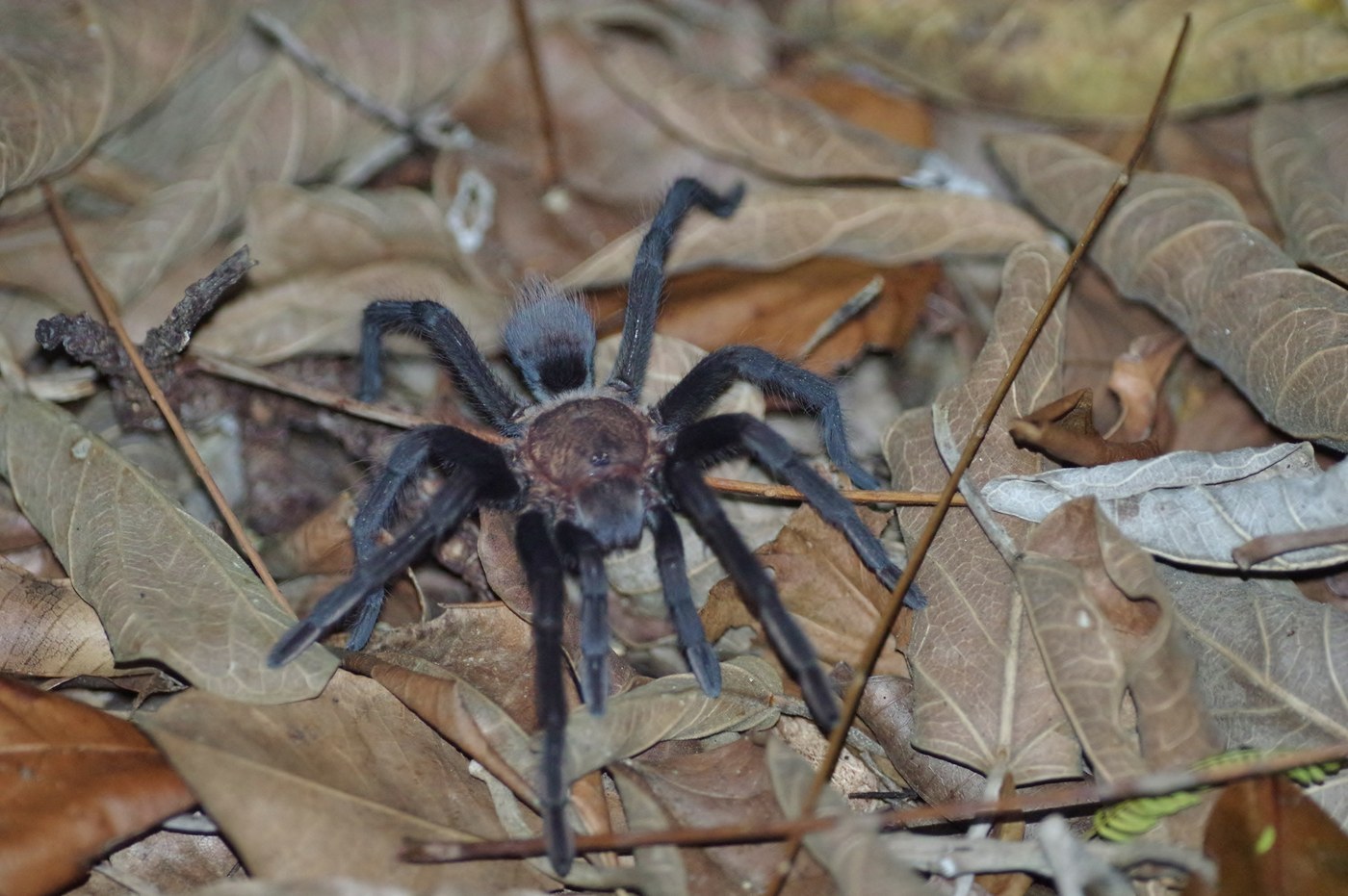
Tarantula
Burrows, rock crevices, and tree hollows in deserts, grasslands, and tropical forests worldwide
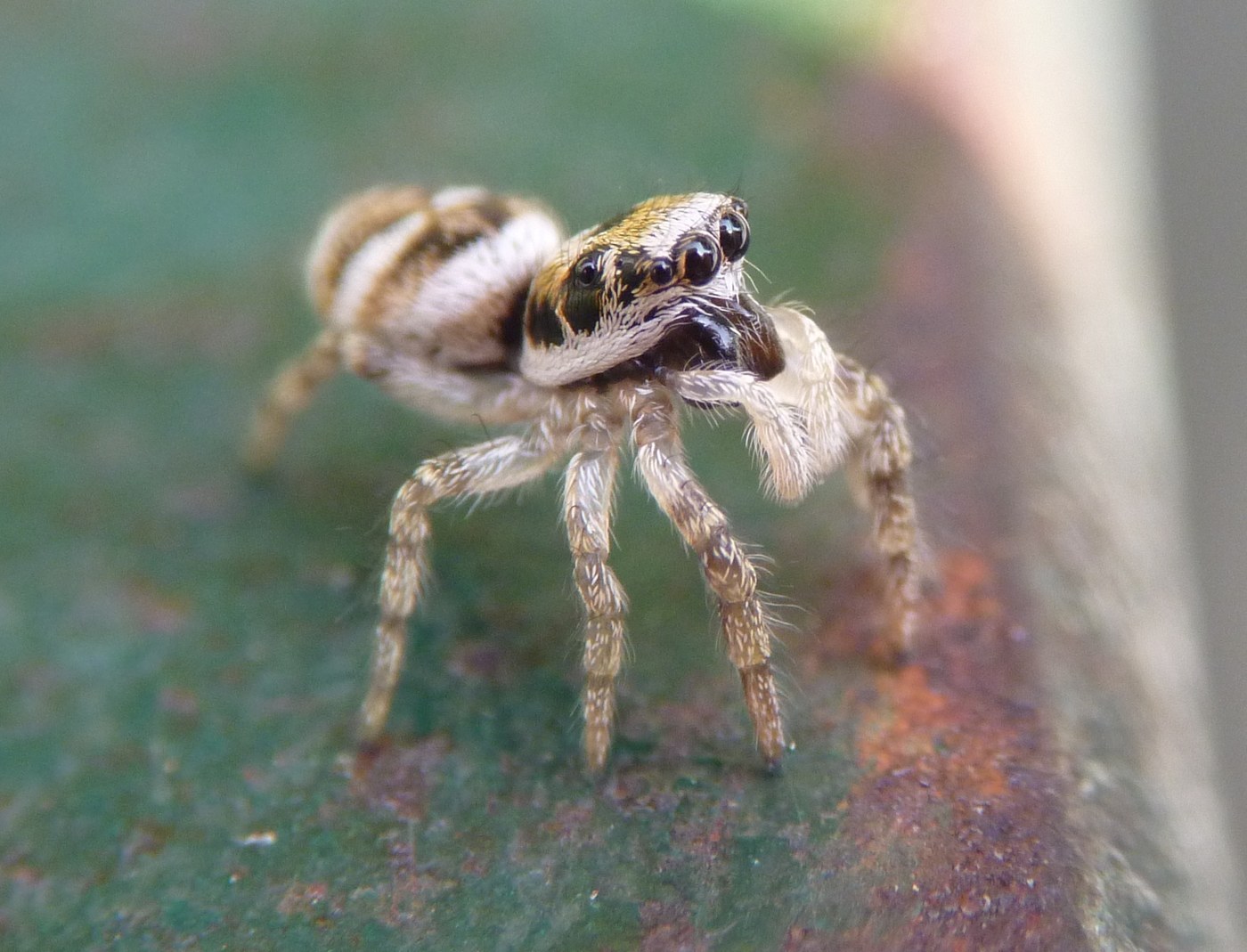
Zebra Jumping Spider
Sunny walls, fences, tree bark, and building exteriors
Wall Spider
Cracks and crevices on exterior and interior walls