
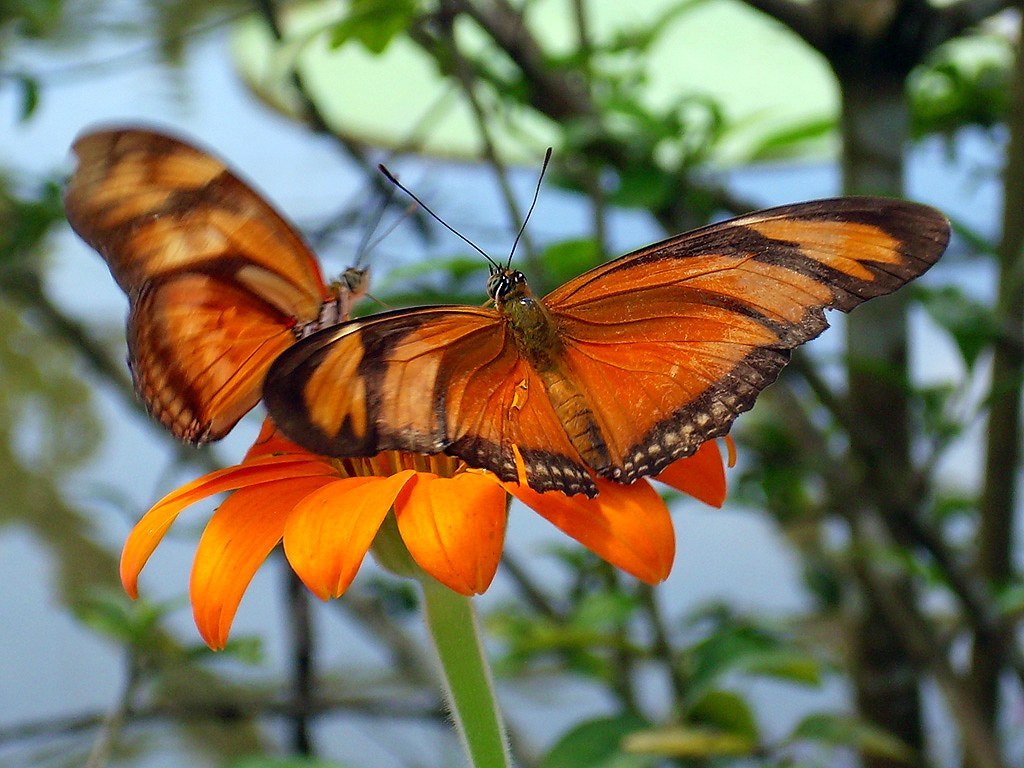
Julia Butterfly
Dryas iulia
A brilliant, elongated-winged orange butterfly of tropical and subtropical habitats, with males glowing an intense unmarked orange and females showing subtler markings and a hint of black striping.
- Size
- 3.3–3.9 in wingspan
- Habitat
- Tropical forest edges, gardens, open scrub
- Danger
- Harmless
Spotted a bug like this?
Identify any bug or insect from a photo, free.
Overview
The Julia Butterfly, also called the Julia Heliconian, is a member of the longwing subfamily Heliconiinae within Nymphalidae. It ranges from the southernmost United States through Mexico, Central America, and much of tropical South America, favoring warm, sunny habitats near its passionflower host plants.
Males are especially striking for their nearly unmarked, vivid orange wings, one of the most intensely colored butterflies found in the Americas, while females are typically duller orange-brown with more distinct black markings, particularly near the wing tips. This sexual dimorphism is a notable identification feature within the species.
As a longwing relative of the Heliconius genus, the Julia Butterfly shares many ecological traits with its relatives, including a strong dependence on passionflower vines for larval development and participation in mimicry and warning-coloration dynamics common among tropical longwings.
How to Identify
- Wings are long and narrow, similar in shape to other longwings; males are bright, nearly solid orange with minimal black markings, while females are duller orange-brown with more pronounced black spotting near the forewing tip.
- Body is elongated and slender, typical of the longwing group.
- Flight is fairly direct and gliding compared to the fluttery Zebra Longwing.
- Distinguished from the Gulf Fritillary by lacking silver underside spangles and heavy black spotting, and from the Zebra Longwing by its solid orange (rather than striped black-and-yellow) coloration.
Habitat & Range
Resident from southern Florida and southern Texas through Mexico, Central America, the Caribbean, and much of tropical South America; occasional stray farther north in the United States during warm months.
Adults favor sunny forest edges, open scrub, gardens, and disturbed habitats wherever passionflower vines are present, and are active year-round in its resident tropical and subtropical range.
Behavior & Diet
Adults are active, gliding fliers that visit a range of nectar flowers including lantana and shepherd's needle, and males in particular are often seen patrolling sunny open areas. Caterpillars feed exclusively on passionflower vine foliage, sequestering toxic compounds from the host plant that are believed to persist into the adult stage.
The species' bright, largely unmarked orange coloration in males is thought to serve as a warning signal to predators, similar to other chemically defended longwings. It contributes to pollination of tropical and subtropical flowering plants across its range.
Life Cycle
Females lay yellow, ridged eggs singly on the tendrils and growing tips of passionflower vines. Caterpillars are pale gray to white with black spots and branching spines, feeding on Passiflora foliage through several instars.
The chrysalis is brown and angular, resembling a dead curled leaf, suspended by a silk girdle. The species breeds continuously in frost-free tropical and subtropical areas with multiple overlapping generations per year through complete metamorphosis.
Frequently asked questions
Why do males and females look so different?
The species shows sexual dimorphism: males are nearly solid, vivid orange with minimal markings, while females are duller orange-brown with more distinct black spotting near the wing tips.
What is its host plant?
Passionflower vines (Passiflora species), which its caterpillars feed on exclusively.
Where would I typically see one?
In sunny forest edges, gardens, and open scrub throughout Florida, the Caribbean, Mexico, Central America, and tropical South America.
How is it different from the Gulf Fritillary?
The Julia Butterfly lacks the Gulf Fritillary's bold black spotting and metallic silver underside spangles, appearing more uniformly orange, especially in males.
Julia Butterfly guides
In-depth guides for identifying, understanding, and living alongside Julia Butterfly.
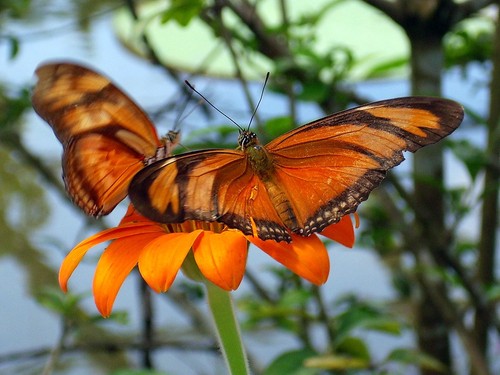
Julia Butterfly identified by the community
Real finds identified with Bug Identifier.
Other bugs you may enjoy
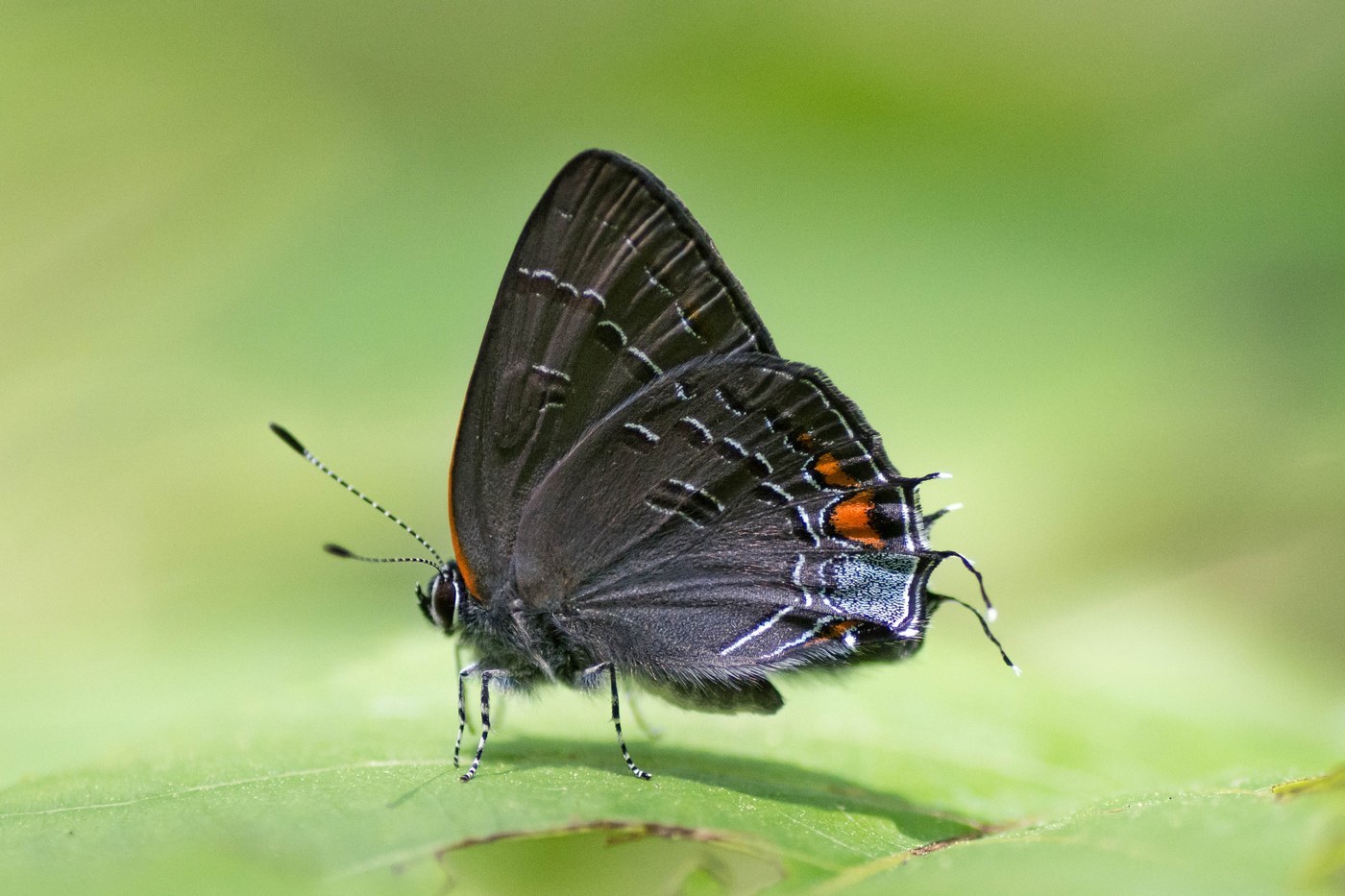
Banded Hairstreak
Deciduous woodlands and edges with oaks and hickories
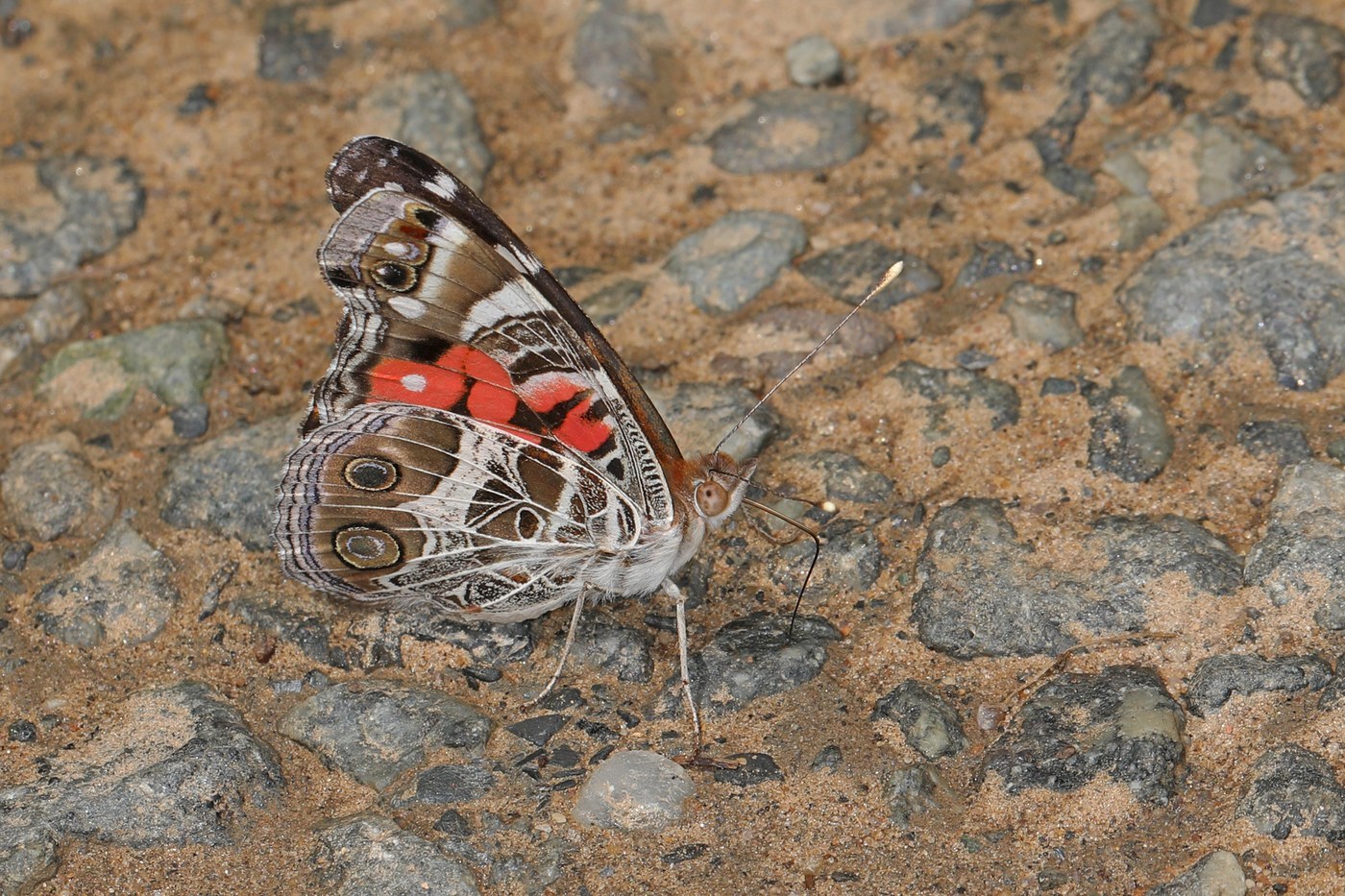
American Lady
Open fields, meadows, gardens, roadsides
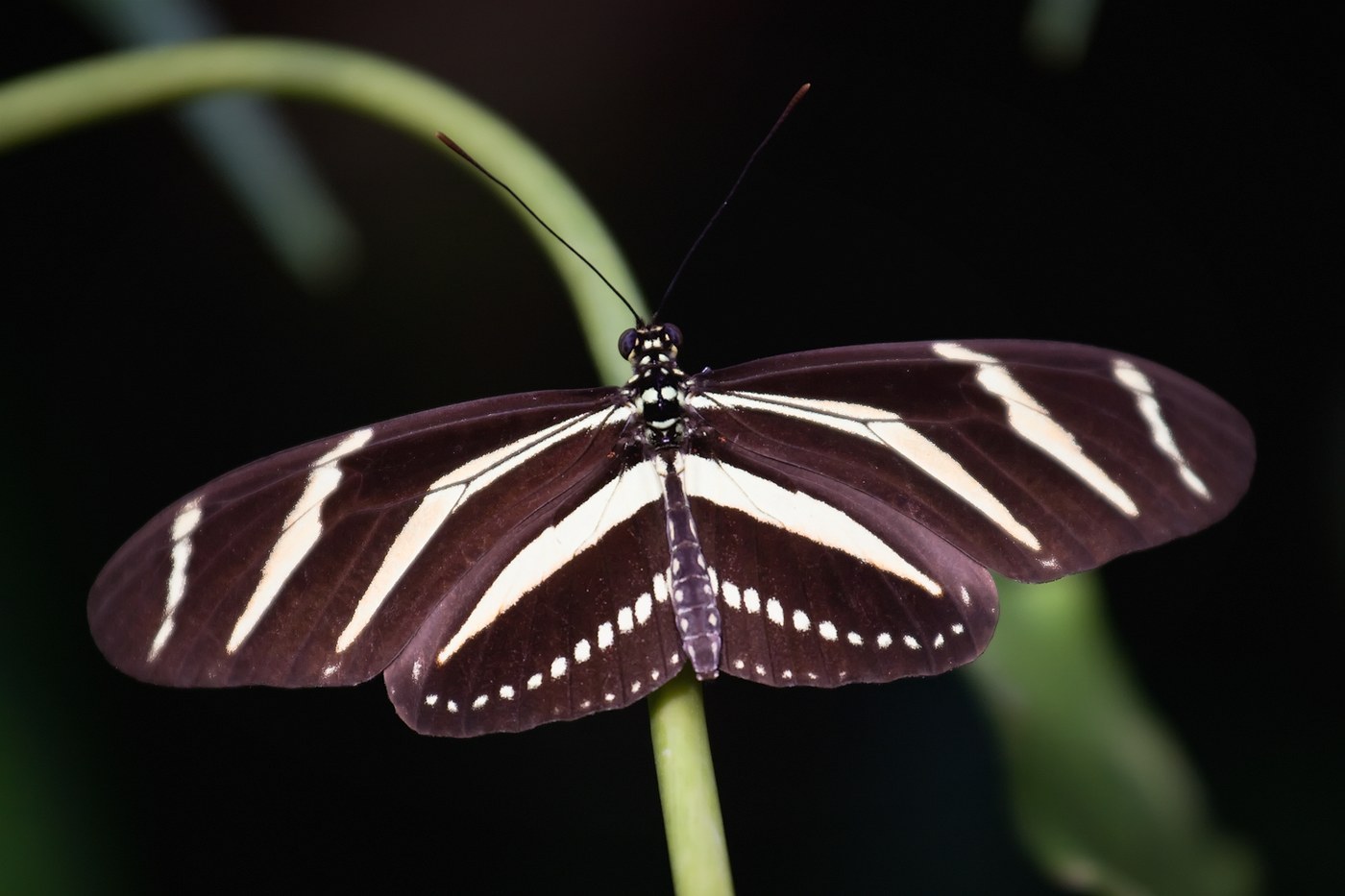
Zebra Longwing
Tropical hammocks, gardens, forest edges
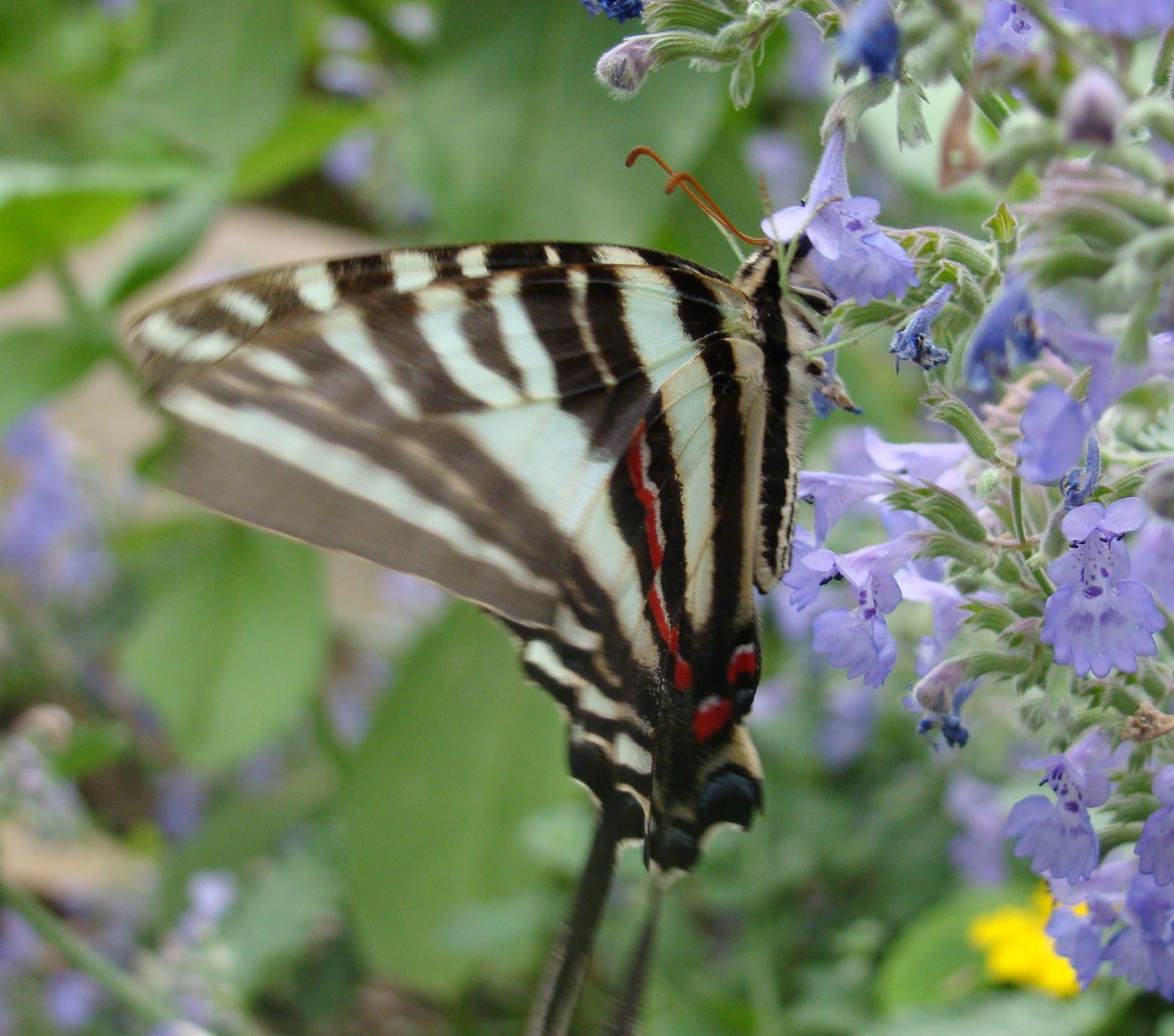
Zebra Swallowtail
Woodlands, floodplains, forest edges near pawpaw
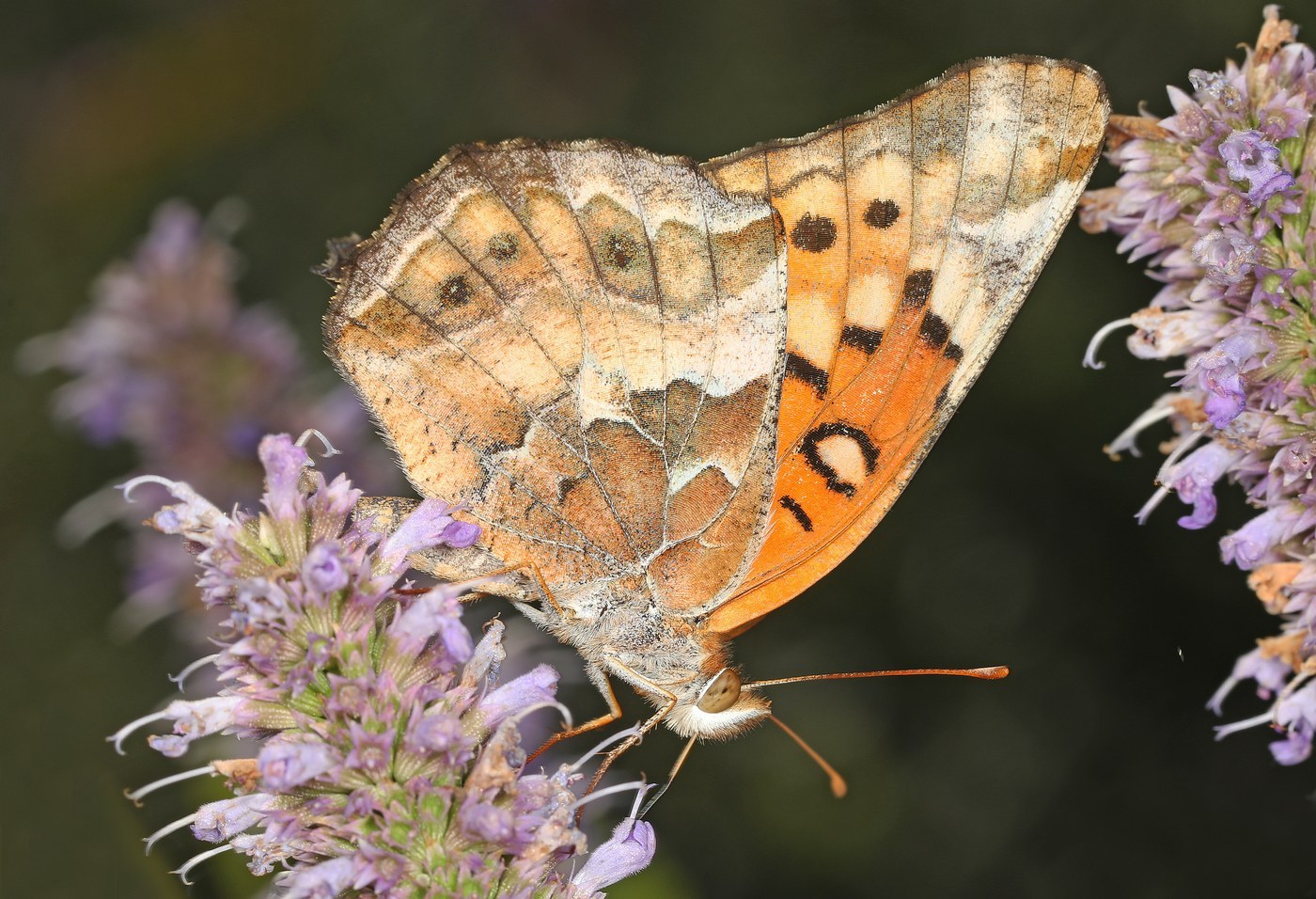
Variegated Fritillary
Open fields, prairies, roadsides, and disturbed ground across most of the United States
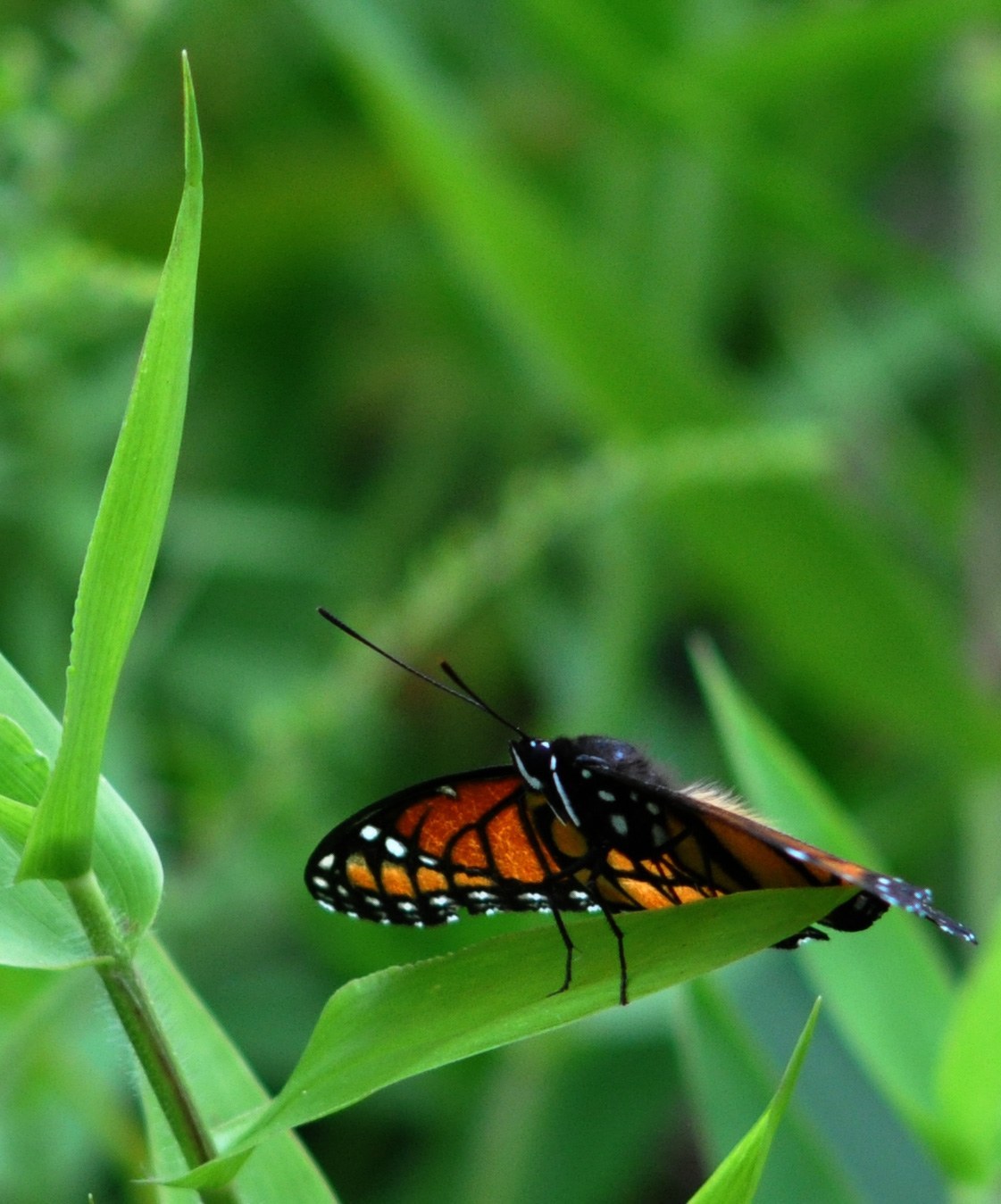
Viceroy Butterfly
Wetlands, meadows, riverbanks, willow thickets (North America)
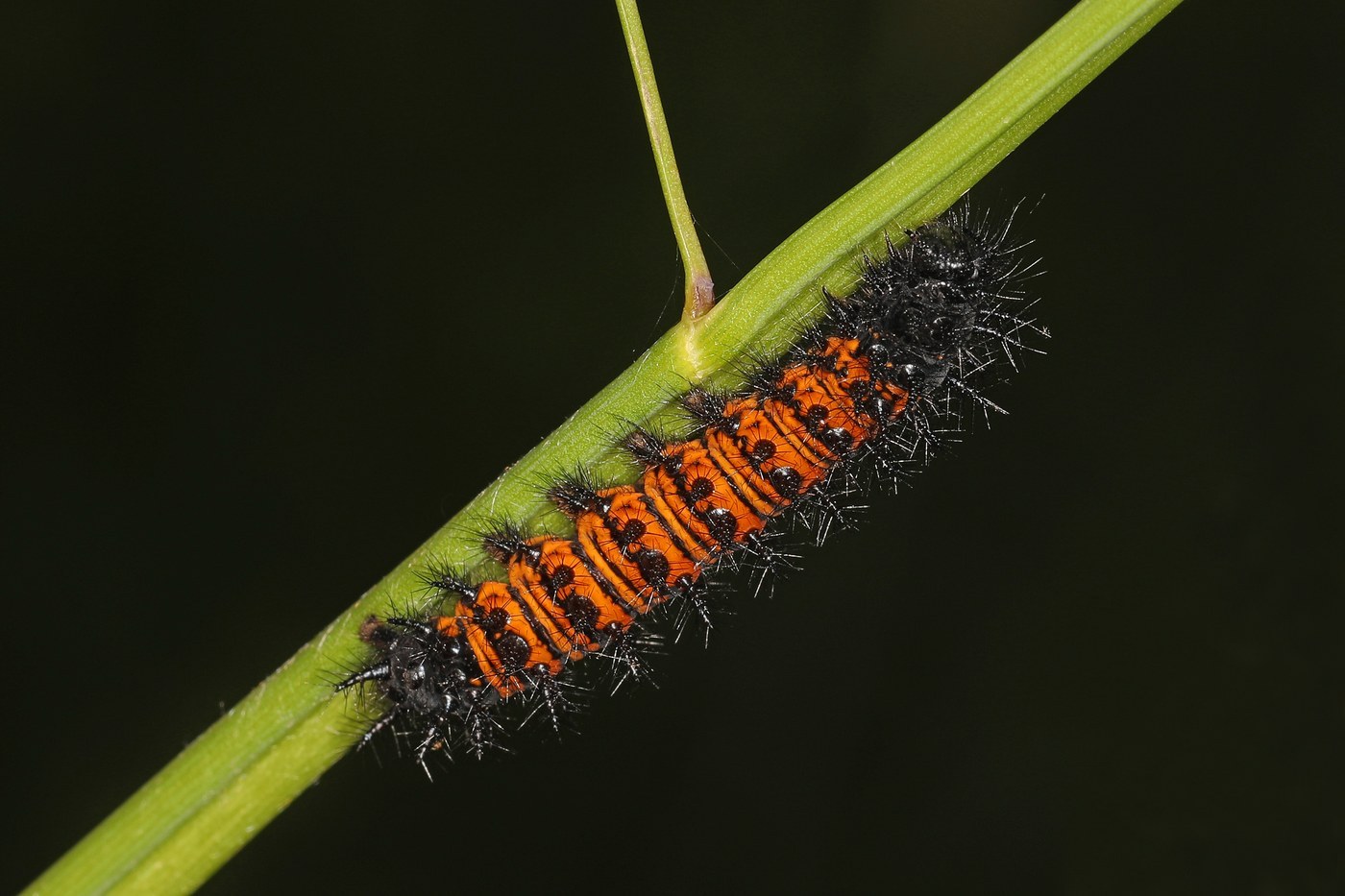
Baltimore Checkerspot
Wet meadows, bogs, and marshy fields in the northeastern and Appalachian US
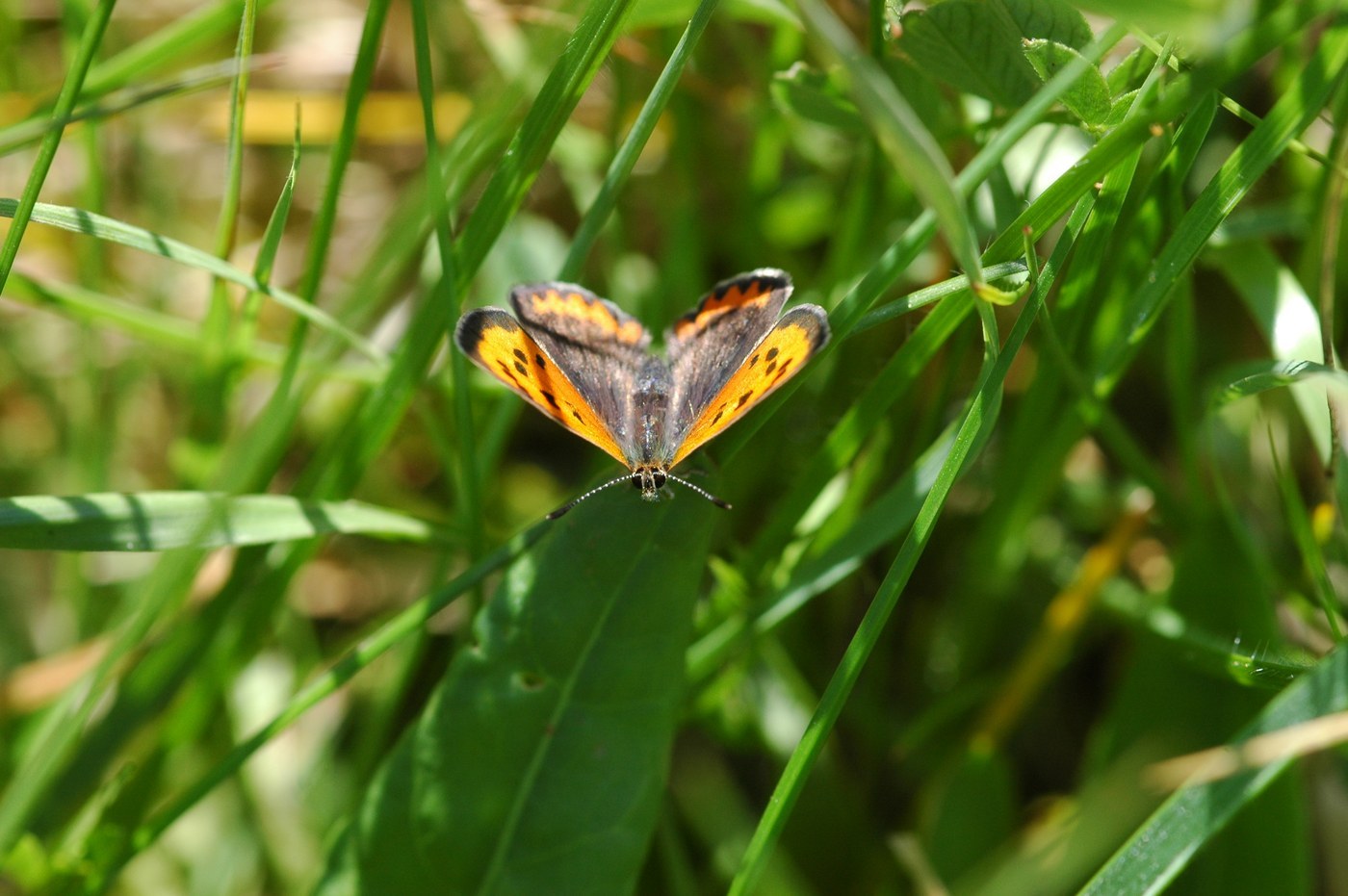
American Copper
Old fields, roadsides, and disturbed open ground with sorrel or dock
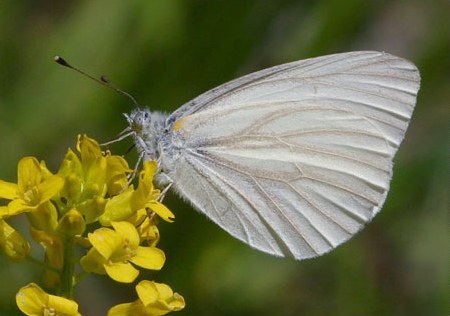
West Virginia White
Rich deciduous forest floors, especially near seeps and streams
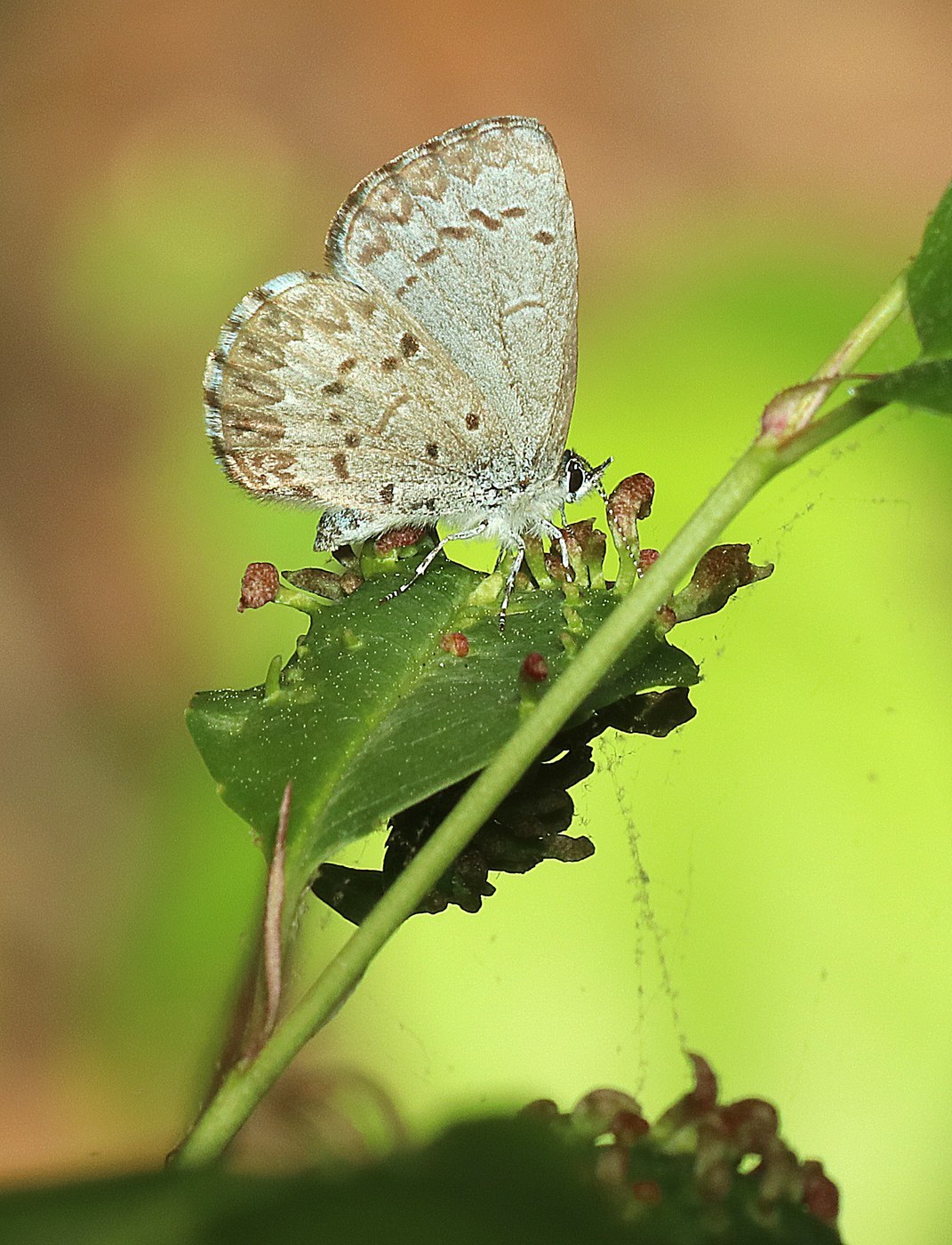
Spring Azure
Woodland edges, gardens, shrubby clearings
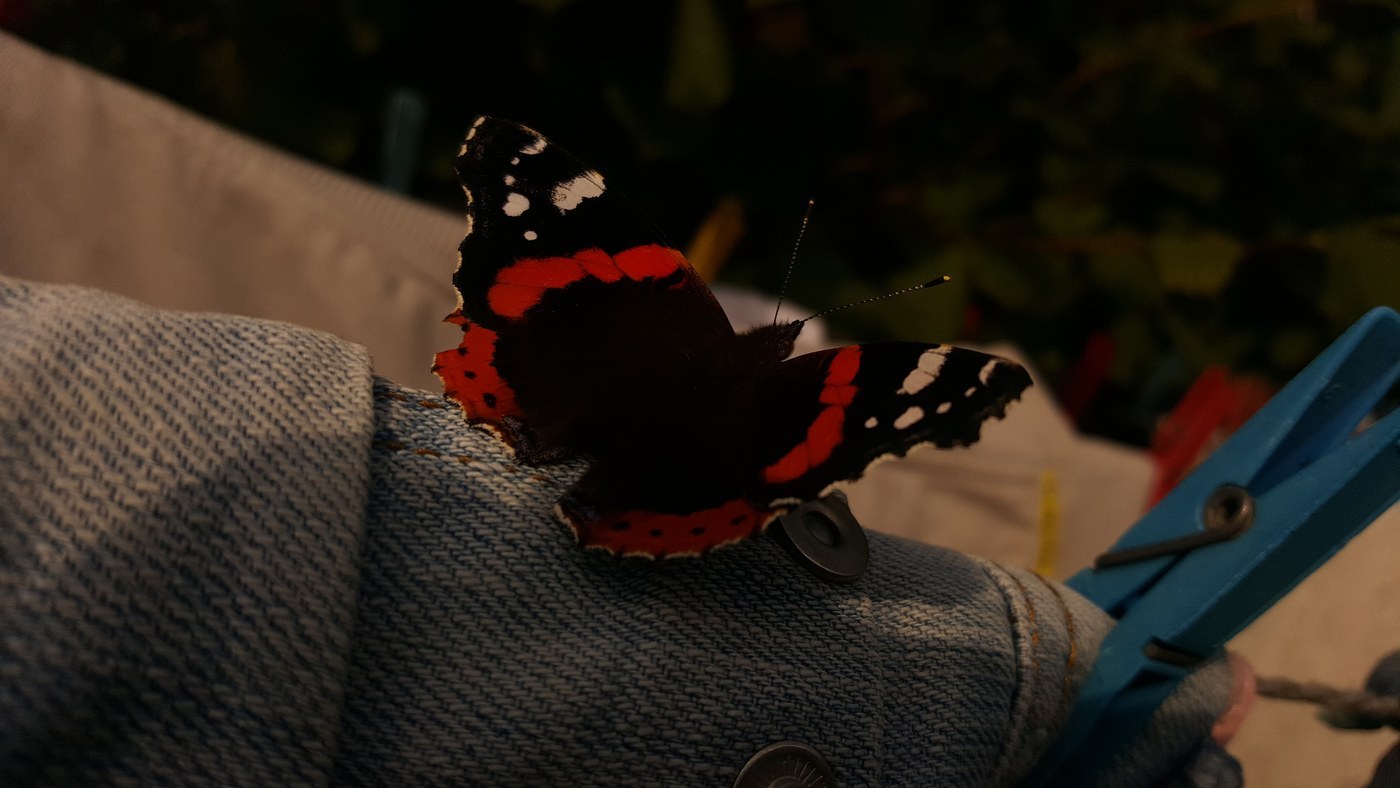
Red Admiral
Gardens, woodland edges, parks, meadows
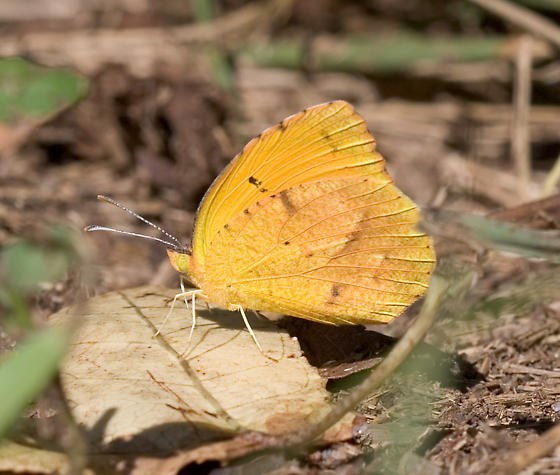
Sleepy Orange
Open woodland, fields, roadsides, and disturbed ground