
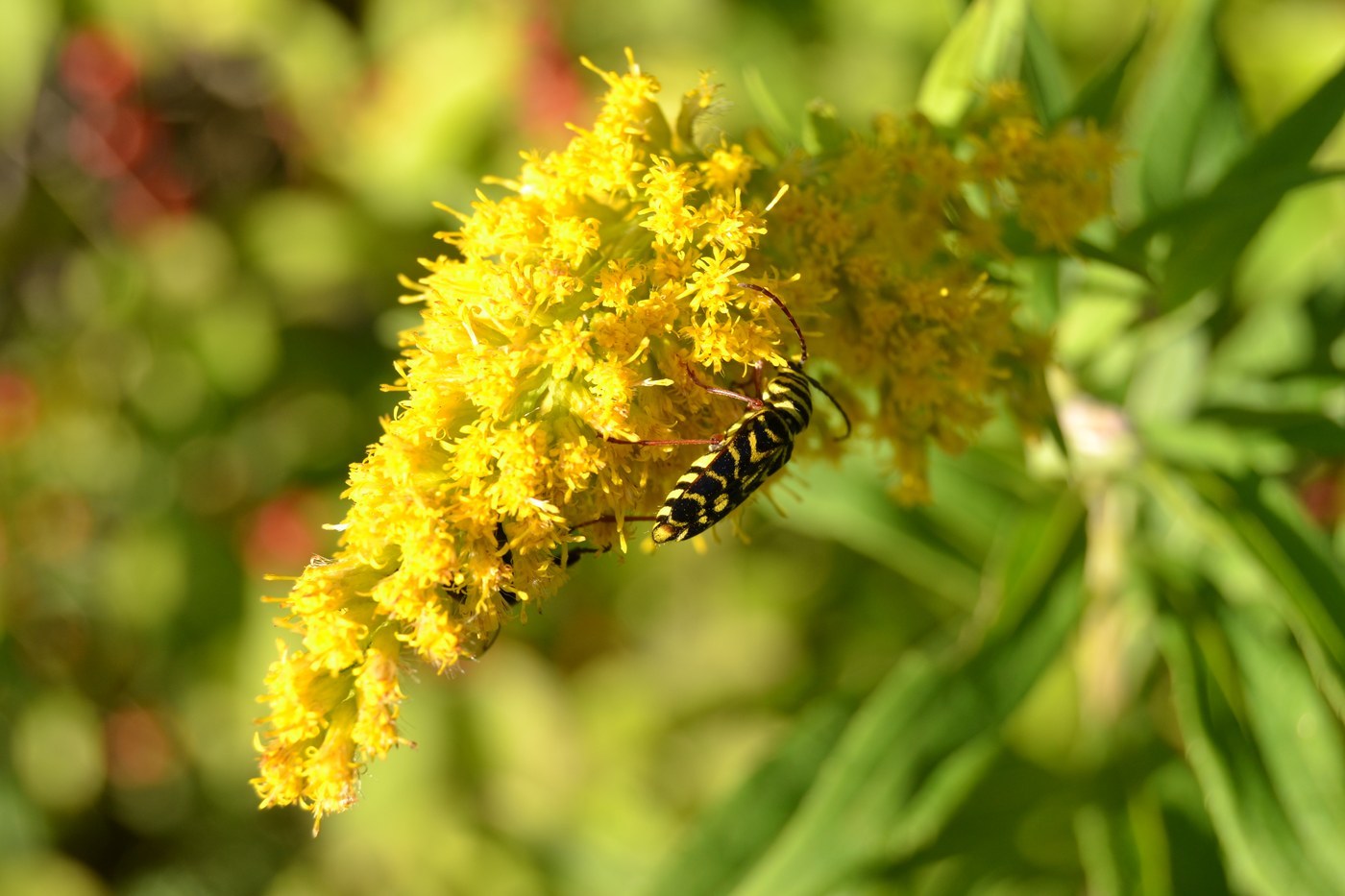
Locust Borer
Megacyllene robiniae
A slender black longhorn beetle boldly striped with yellow, closely resembling a wasp, commonly seen visiting goldenrod flowers in autumn near black locust trees.
- Size
- 13–20 mm
- Habitat
- Black locust trees, meadows and roadsides in fall on goldenrod flowers
- Danger
- Harmless
Spotted a bug like this?
Identify any bug or insect from a photo, free.
Overview
The locust borer is a native North American longhorn beetle in the family Cerambycidae, well known for its striking wasp-like appearance, which serves as a form of visual mimicry. As one of the more recognizable autumn beetles across much of eastern North America, it is frequently observed on goldenrod flowers at a time of year when few other longhorn beetles are active.
This species has a close ecological relationship with the black locust tree, whose living wood serves as the primary developmental host for its larvae. That relationship makes the locust borer a good example of a highly host-specific wood-boring beetle, distinguishing it from more generalist longhorn beetles.
Its black-and-yellow banded pattern, combined with fast, darting movements similar to a wasp, makes it a frequently noted example of insect mimicry among naturalists and beetle watchers.
How to Identify
- Slender, elongated body 13–20 mm long, black with bold yellow bands and markings across the thorax and elytra.
- One yellow band on the elytra forms a distinctive W-shaped or zigzag pattern, a key identification feature.
- Long, black antennae and reddish-orange legs contrast with the black-and-yellow body.
- Movement is quick and wasp-like, reinforcing its mimicry of stinging insects despite being harmless.
- Lookalikes include actual wasps and the related painted hickory borer, but the locust borer's zigzag elytral band and fall-season goldenrod visits help confirm identification.
Habitat & Range
Locust borers are found throughout much of eastern and central North America, wherever black locust trees grow, including open woodlands, fencerows, roadsides, and disturbed areas where the host tree is common. Adults are especially conspicuous in late summer and early fall, when they visit goldenrod and other late-blooming flowers for nectar and pollen.
Larvae develop within the trunks and branches of living or recently stressed black locust trees, seeking out bark crevices and old wounds for egg-laying sites.
Behavior & Diet
Adult locust borers feed on pollen and nectar from goldenrod and similar composite flowers, making them easy to spot in autumn meadows and roadsides. Their black-and-yellow coloring and quick, erratic movements mimic stinging wasps, likely offering some protection from predators through this visual resemblance.
Larvae feed within the wood of black locust trees, tunneling through the trunk and larger branches as they develop. In natural settings, the species contributes to the natural aging process of black locust stands, though heavily infested trees may show visible signs of larval activity such as sap staining and coarse frass at bark crevices.
Life Cycle
Development is by complete metamorphosis: egg, larva, pupa, and adult, with a single generation typically completed each year. Adult females lay eggs in bark crevices and wounds of black locust trees during late summer and early fall, and the newly hatched larvae overwinter as small larvae just beneath the bark.
In spring, larvae resume feeding and tunnel deeper into the sapwood and heartwood, growing considerably before pupating in early to mid-summer. Adults emerge in late summer, timed to coincide with the blooming of goldenrod, completing the annual cycle.
Frequently asked questions
Is the locust borer a type of wasp?
No, it is a beetle that closely mimics the coloring and movement of a wasp, but it belongs to the longhorn beetle family.
When is the best time to see a locust borer?
Late summer and early fall, when adults are commonly found feeding on goldenrod flowers.
What tree is most associated with this beetle?
The black locust tree, whose wood serves as the primary host for developing larvae.
How can I distinguish it from a wasp?
Look for the beetle's longhorn antennae, hardened elytra wing covers, and the distinctive zigzag yellow band pattern, none of which true wasps have.
Locust Borer guides
In-depth guides for identifying, understanding, and living alongside Locust Borer.
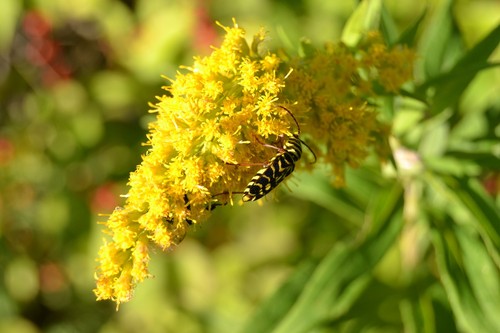
Locust Borer identified by the community
Real finds identified with Bug Identifier.
Other bugs you may enjoy
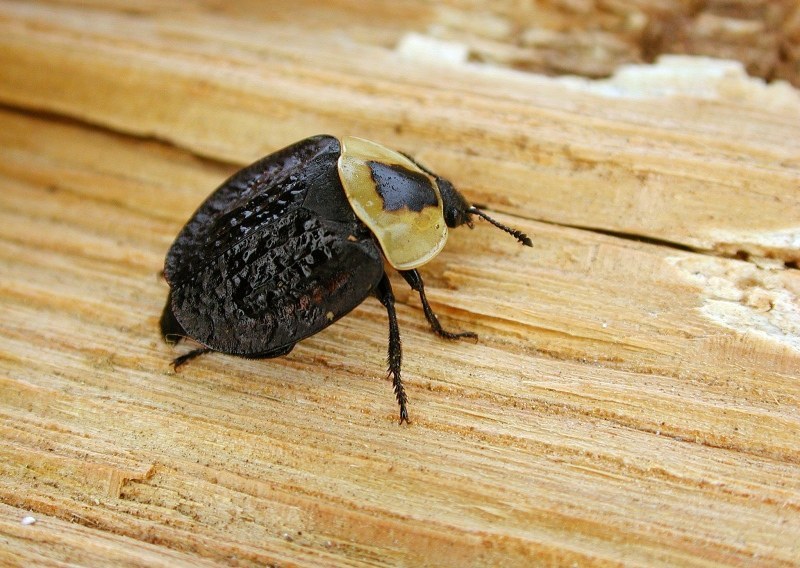
American Carrion Beetle
Forests, fields, and roadsides across North America, near decaying animal carcasses
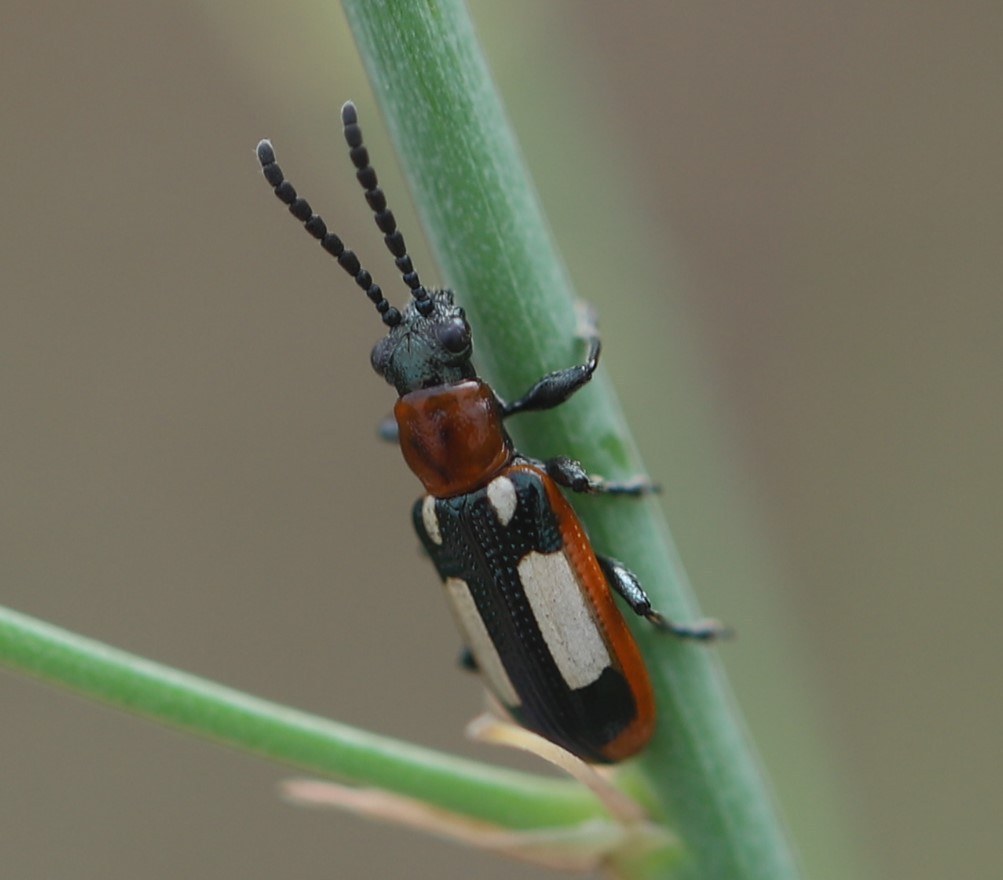
Asparagus Beetle
Asparagus patches, gardens, and farm fields
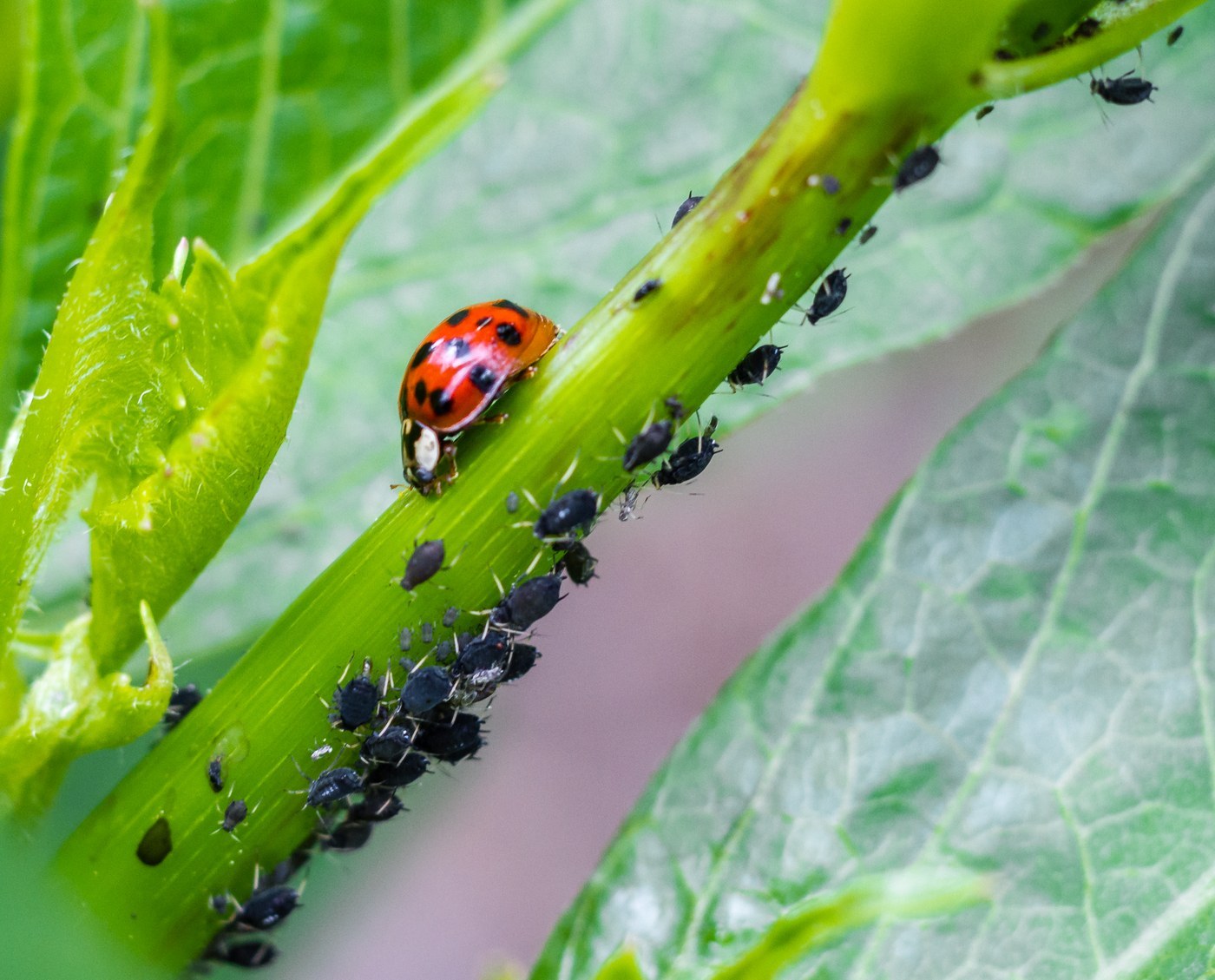
Asian Lady Beetle
Gardens, crop fields, woodlands, buildings
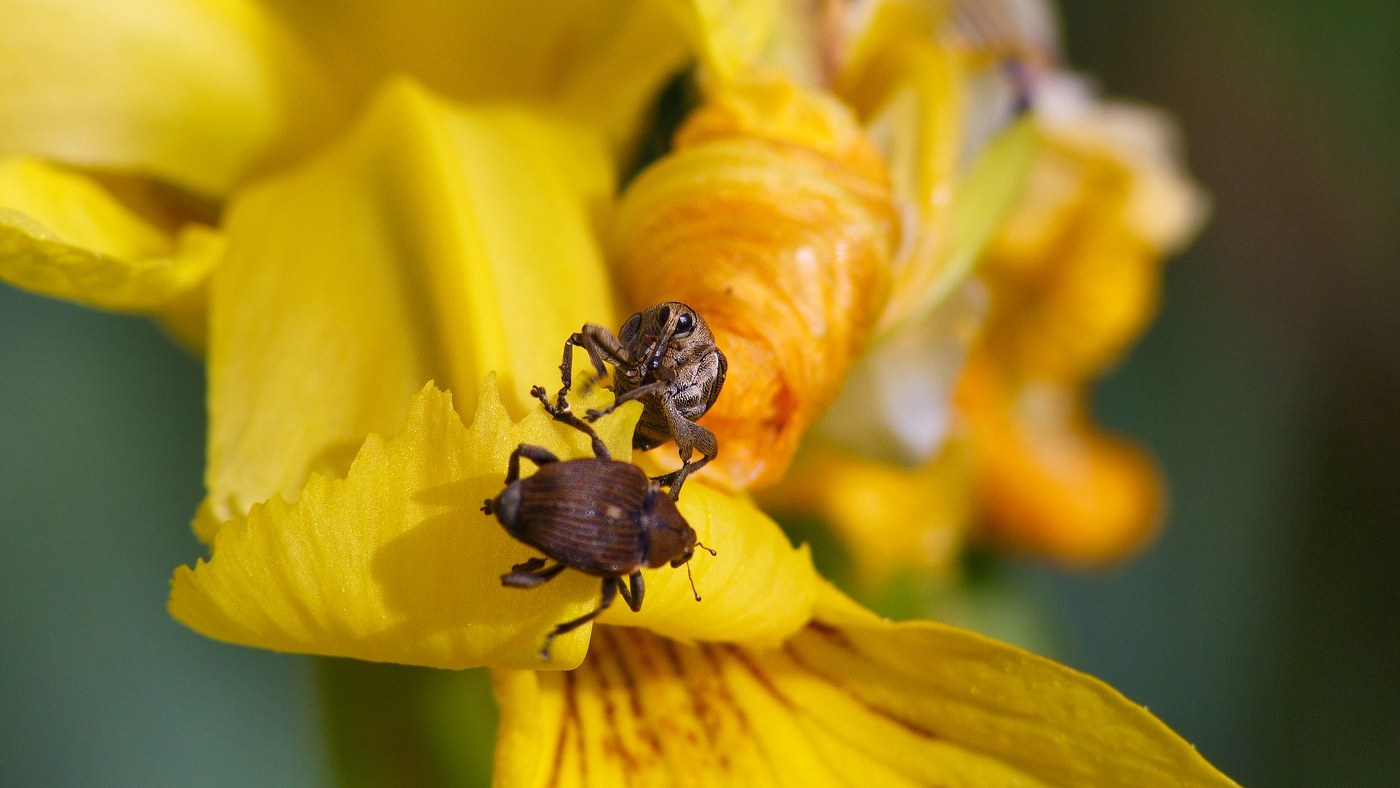
Acorn Weevil
Oak woodlands and forests, on and beneath oak trees
Wireworm
Soil of grasslands, gardens, and cultivated fields worldwide
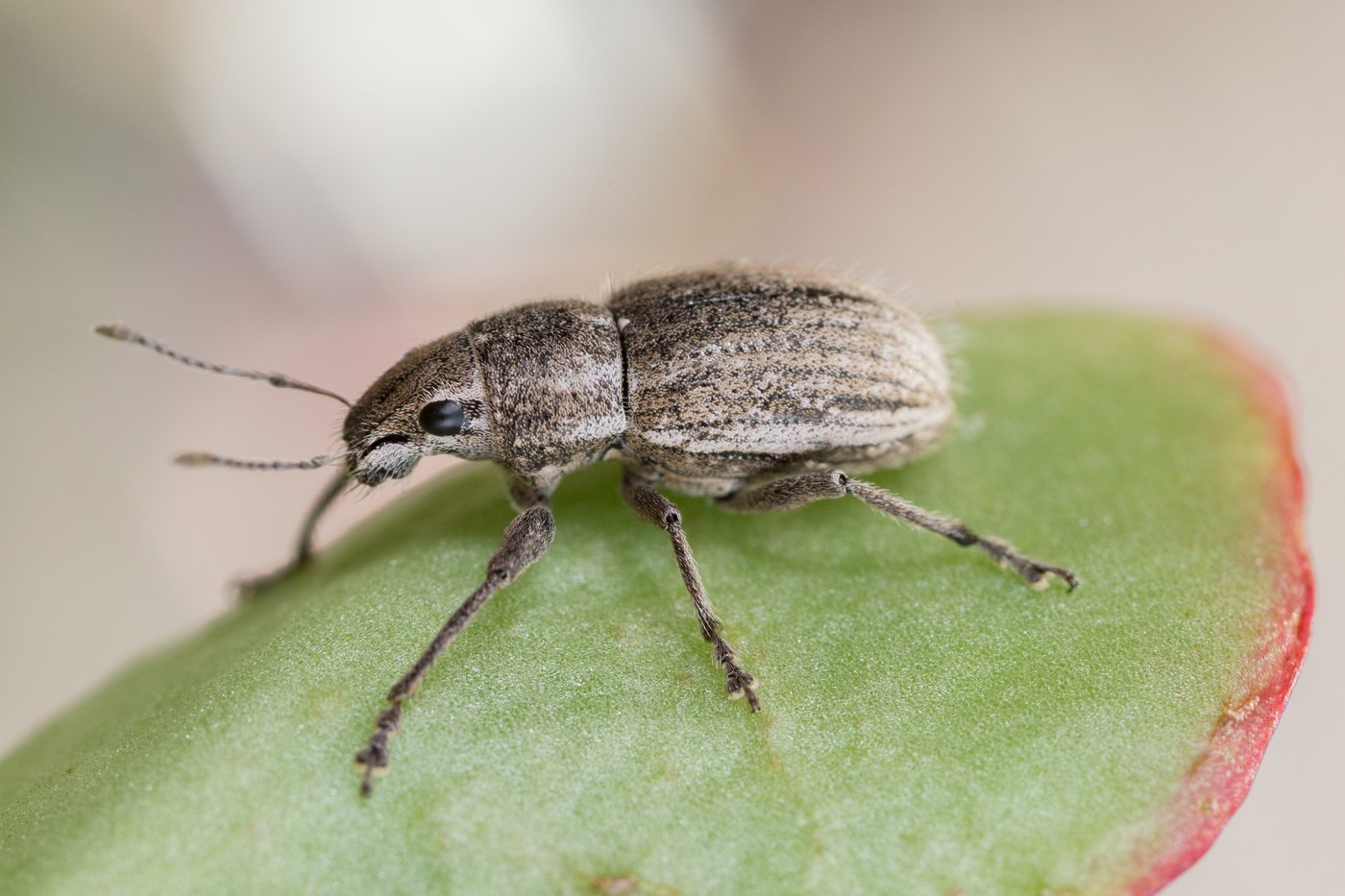
Whitefringed Beetle
Pastures, row crops, lawns, disturbed soils
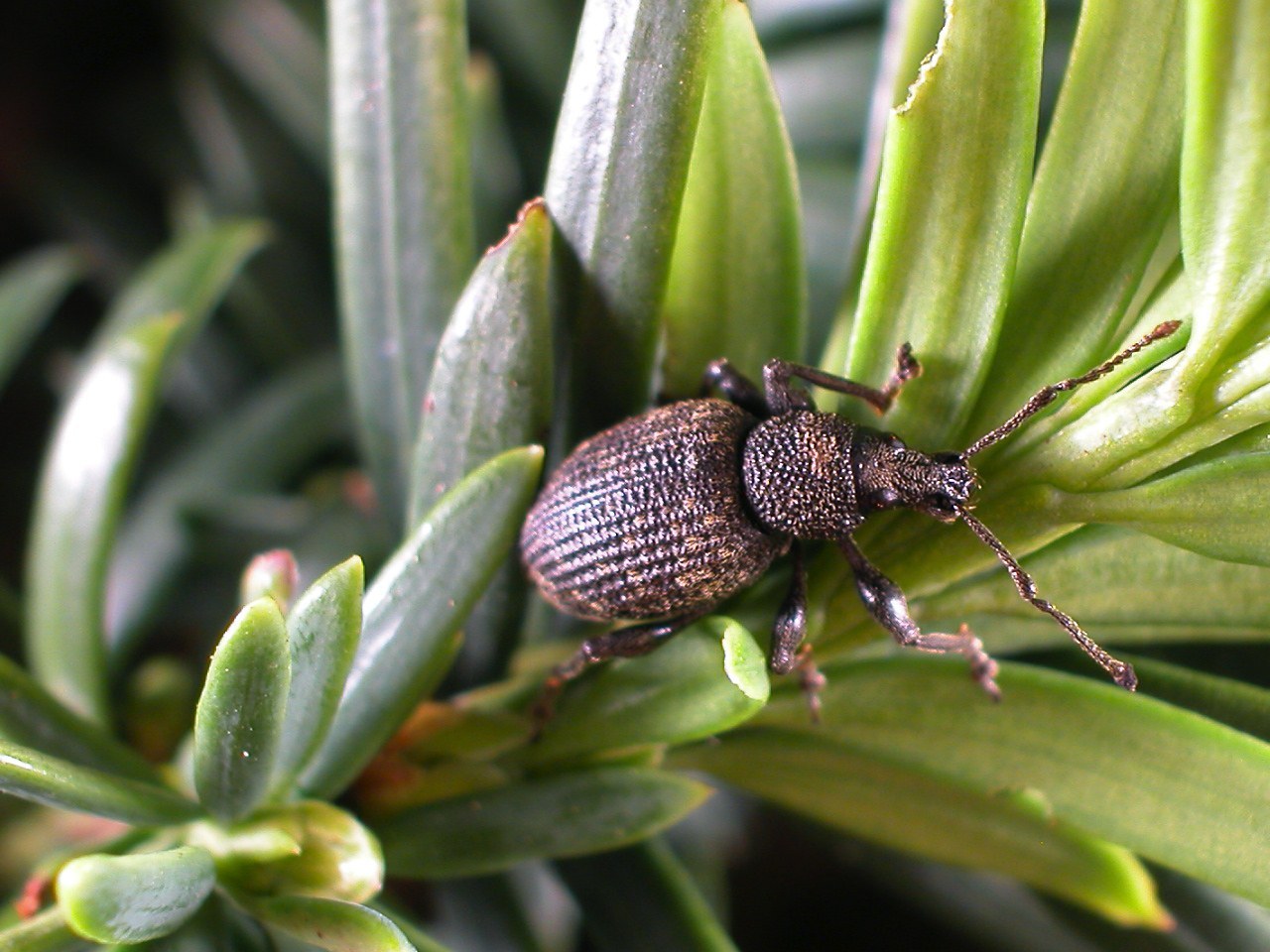
Vine Weevil
Gardens, nurseries, greenhouses, and container plantings
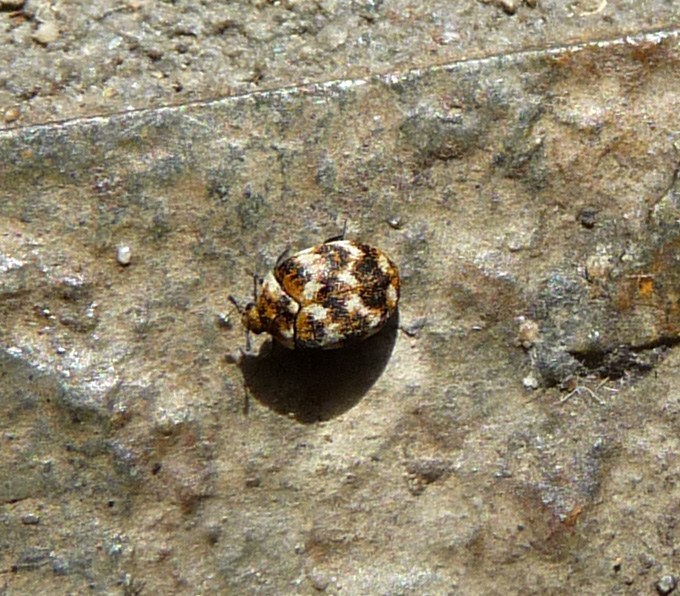
Varied Carpet Beetle
Homes, nests of birds and mammals, and flowers outdoors
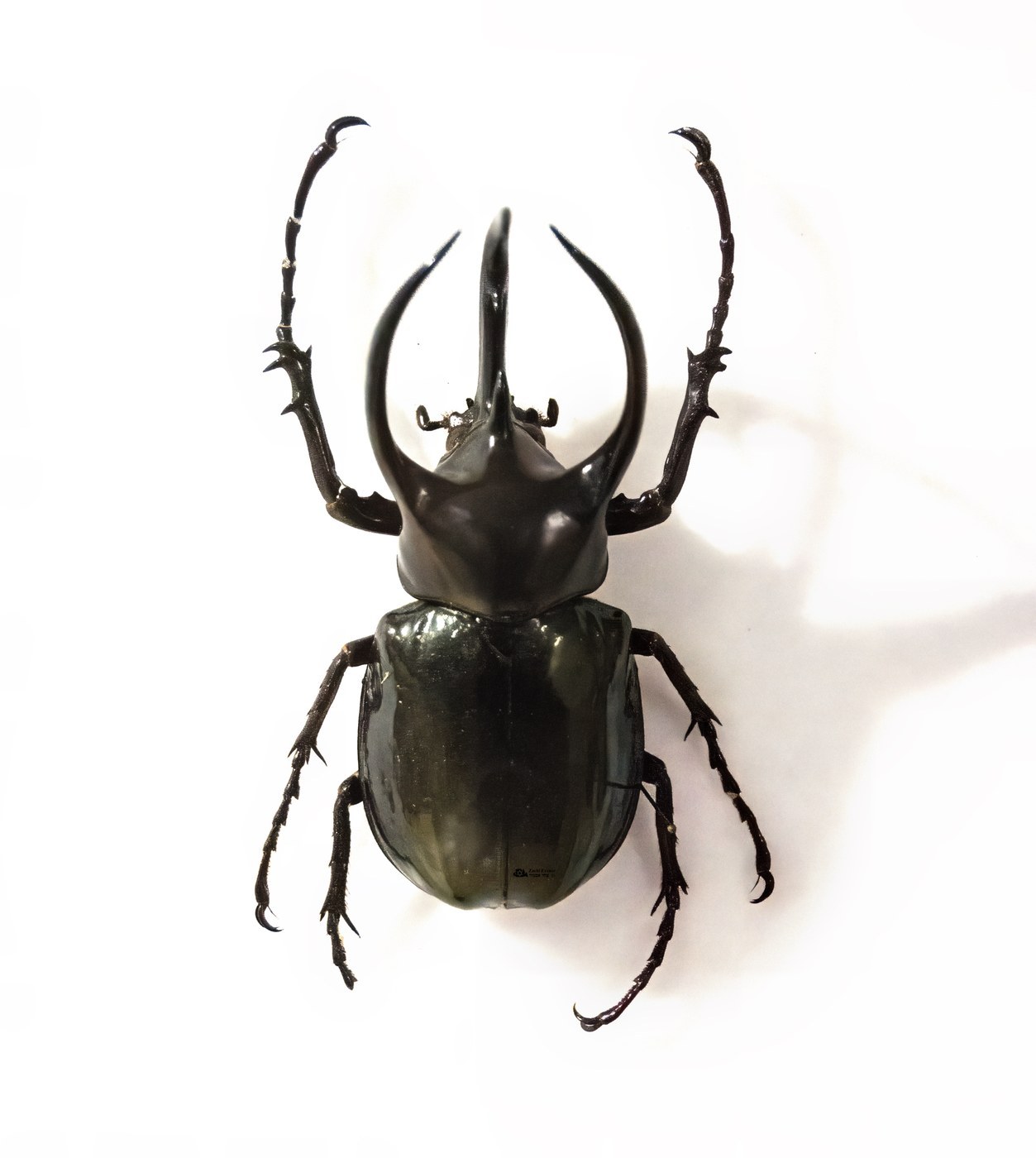
Atlas Beetle
Tropical forests of Southeast Asia
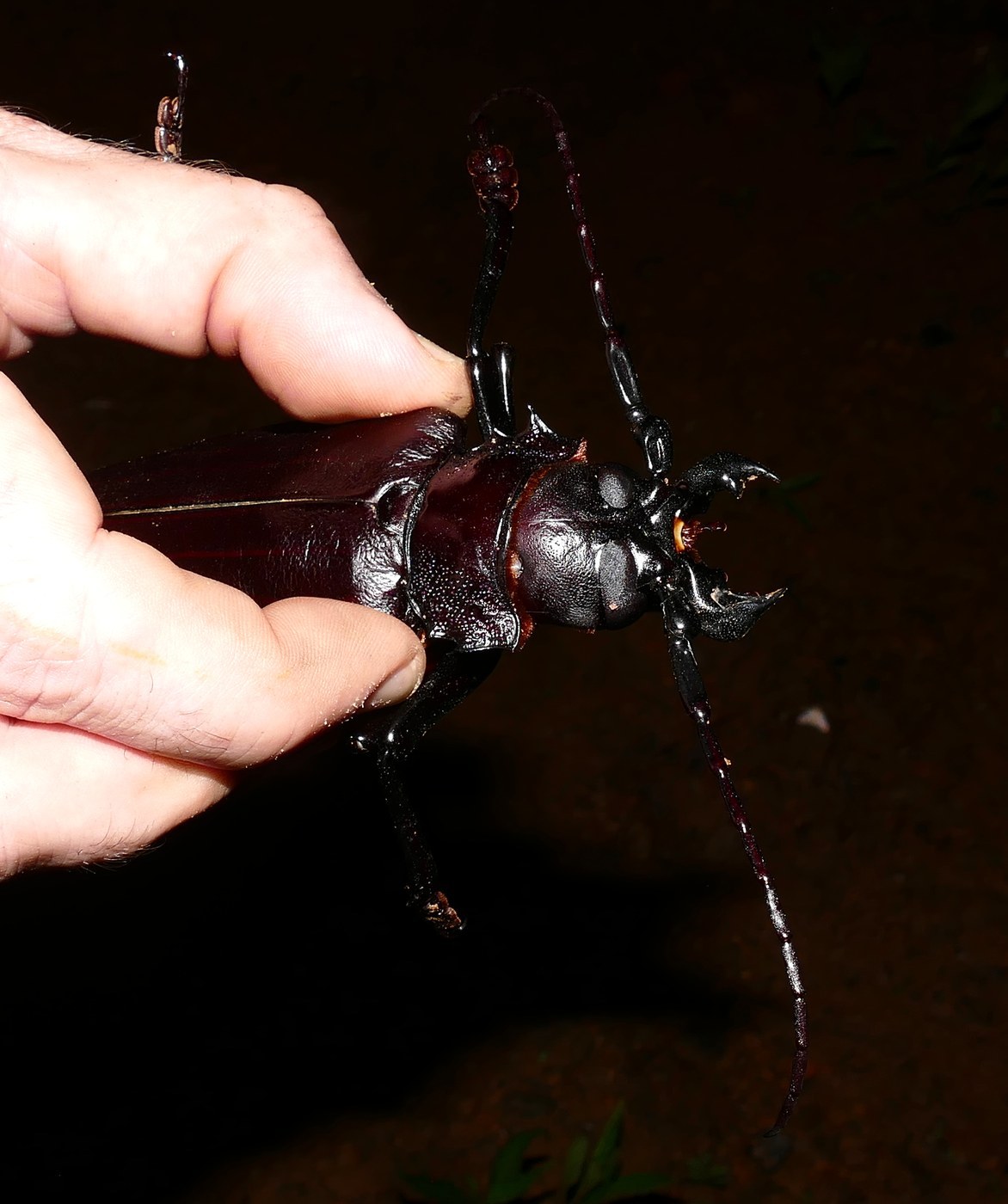
Titan Beetle
Amazon rainforest of South America
Ten-lined June Beetle
Sandy soils, pine forests, and orchards of western North America
Squash Beetle
Vegetable gardens and fields growing squash, pumpkin, and other cucurbits