
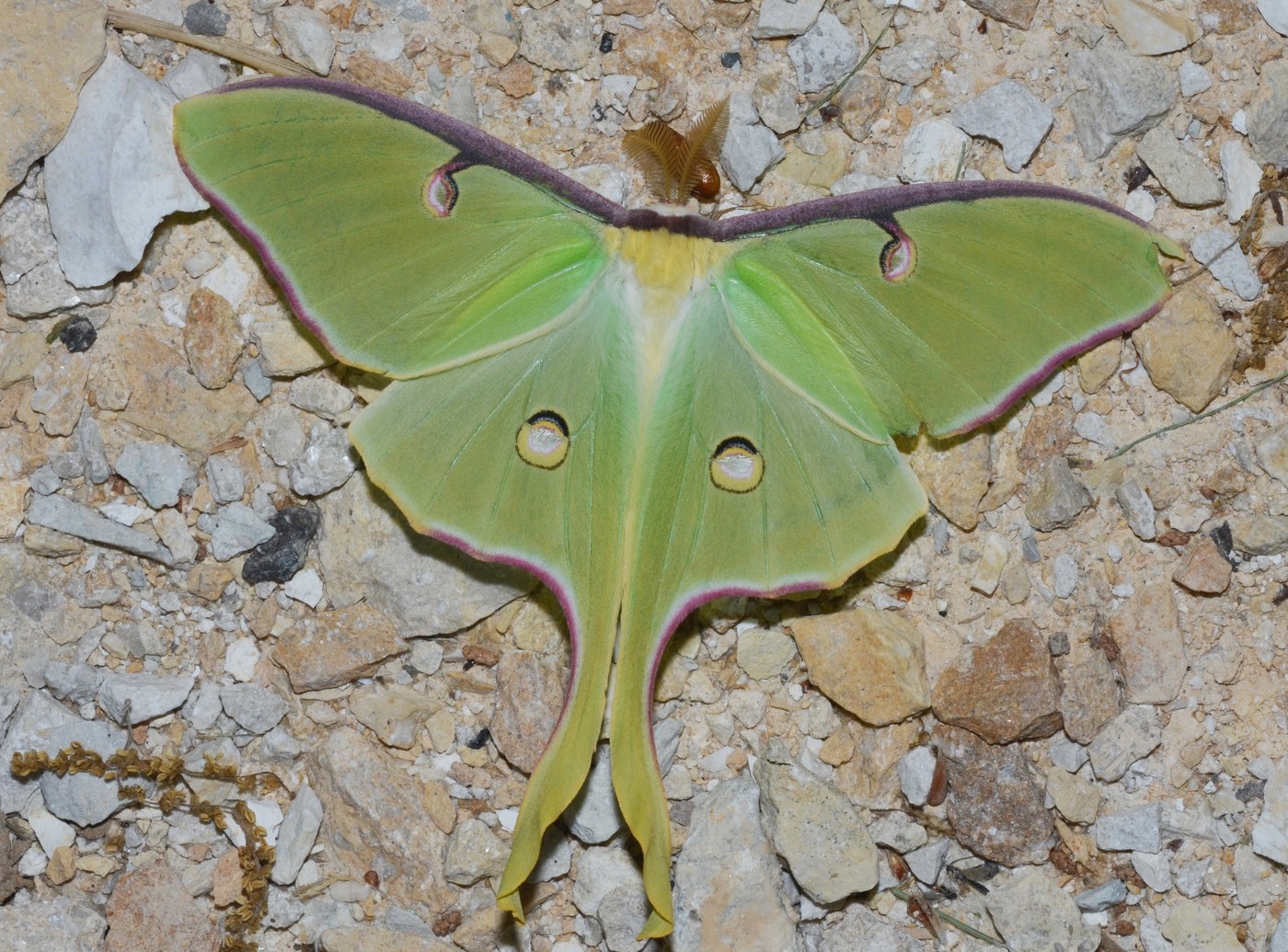
Luna Moth
Actias luna
A large, pale lime-green silk moth with long, elegant tails trailing from its hindwings, considered one of the most striking nocturnal insects in North America.
- Size
- 3–4.5 in wingspan
- Habitat
- Deciduous forests of eastern North America
- Danger
- Harmless
Spotted a bug like this?
Identify any bug or insect from a photo, free.
Overview
The luna moth, Actias luna, is a member of the family Saturniidae, the giant silk moths, renowned for their large size and often spectacular wing patterns. It is found only in North America, ranging across the eastern half of the continent from Canada down into parts of the southeastern United States.
Adult luna moths live only about a week, during which their sole purpose is to find a mate and reproduce; they lack functional mouthparts and do not feed at all as adults. Their ethereal pale green coloring and long tapering hindwing tails have made them a widely recognized and admired symbol of nocturnal insect beauty.
How to Identify
- Large moth with a wingspan of 3 to 4.5 inches, among the biggest moths in North America.
- Pale lime-green wings with a translucent quality and a thin reddish-brown or purplish leading edge on the forewings.
- Long, graceful, twisting tails extending from each hindwing.
- Each wing bears a small, eye-like transparent spot outlined in color.
- Lookalike: the polyphemus moth is similarly large but tan-brown with prominent eyespots and no tails, making the luna moth's green color and tails distinctive.
Habitat & Range
Restricted to eastern North America, from southern Canada through the eastern and southeastern United States, favoring deciduous forests with host trees like birch, hickory, walnut, and sweetgum. Adults fly at night from late spring through summer, with timing varying by latitude, and are most often seen near outdoor lights.
Behavior & Diet
Adult luna moths have no functional mouthparts and do not feed, living entirely off fat reserves accumulated as caterpillars during their brief one-week adult lifespan. Their primary nighttime activity is locating a mate using pheromone signals detected by their large, feathery antennae. As caterpillars, they feed on the leaves of various deciduous trees, contributing to the food web as prey for birds and other predators.
Life Cycle
Luna moths undergo complete metamorphosis. Eggs are laid on host tree leaves and hatch into green caterpillars that feed and molt through five stages over several weeks. Mature caterpillars spin a papery cocoon, often wrapped in a leaf, on the ground among leaf litter; depending on region, the species may produce one to three generations per year, overwintering as a pupa inside its cocoon.
Frequently asked questions
Do luna moths bite or sting?
No, adult luna moths lack functional mouthparts entirely and cannot feed, bite, or sting.
How long does an adult luna moth live?
Adults typically live only about one week, focused solely on finding a mate before dying.
Where would I most likely spot a luna moth?
Look near outdoor lights at night in deciduous forests of eastern North America, particularly in late spring and summer.
What is the biggest way to tell a luna moth apart from other silk moths?
Its pale green color combined with the long, trailing tails on the hindwings is unique among North American giant silk moths.
Luna Moth guides
In-depth guides for identifying, understanding, and living alongside Luna Moth.
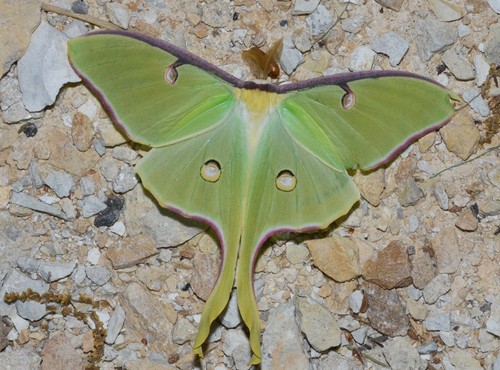
Luna Moth identified by the community
Real finds identified with Bug Identifier.
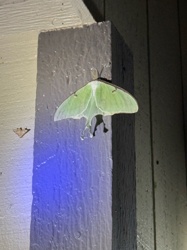
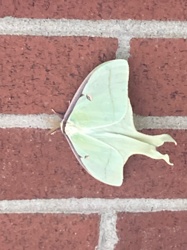
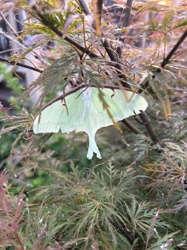
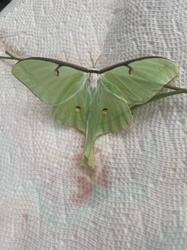
Other bugs you may enjoy
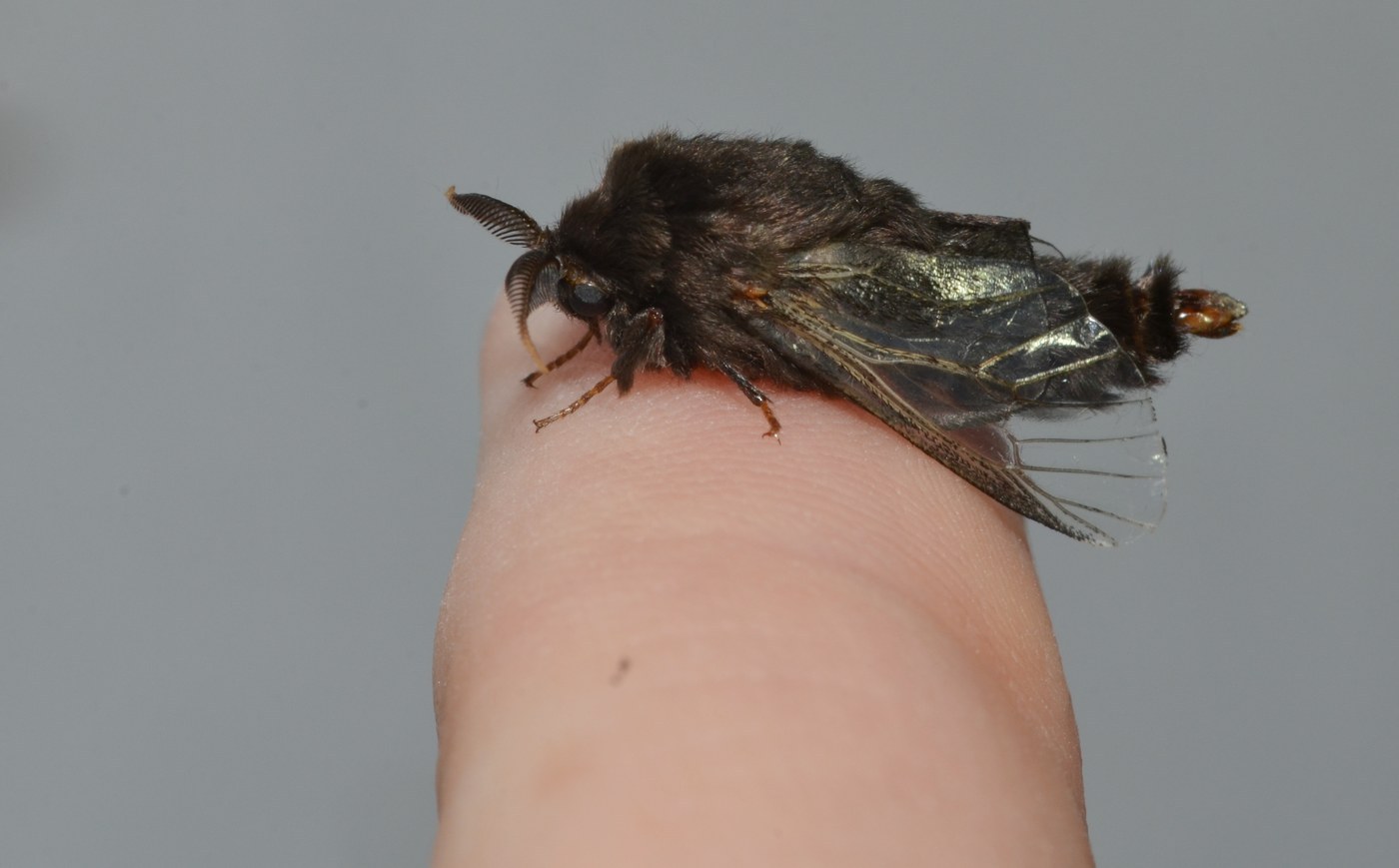
Bagworm Moth
Coniferous and deciduous trees, shrubs, hedges
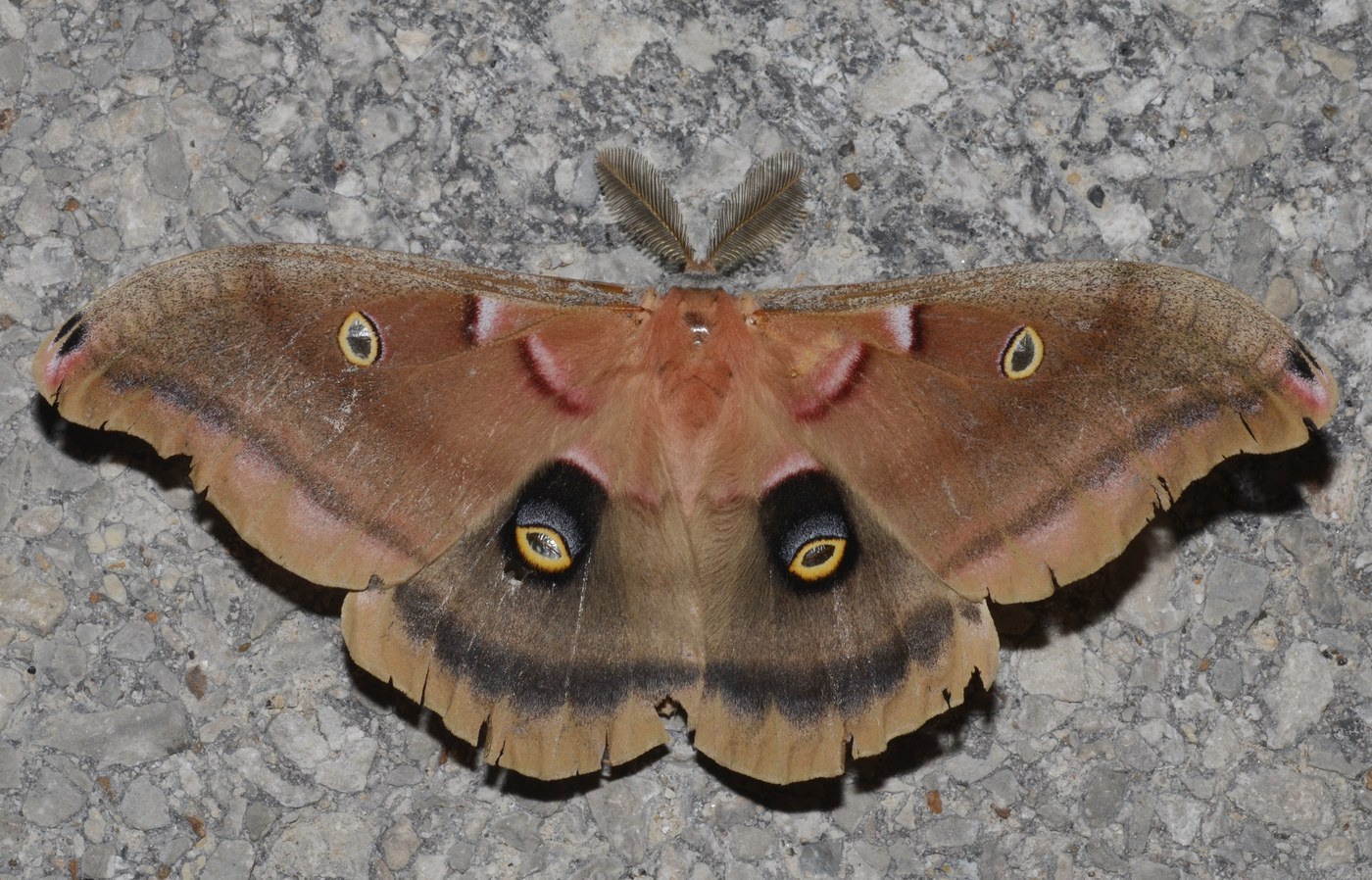
Antheraea Silkmoth
Deciduous forests, woodland edges, orchards
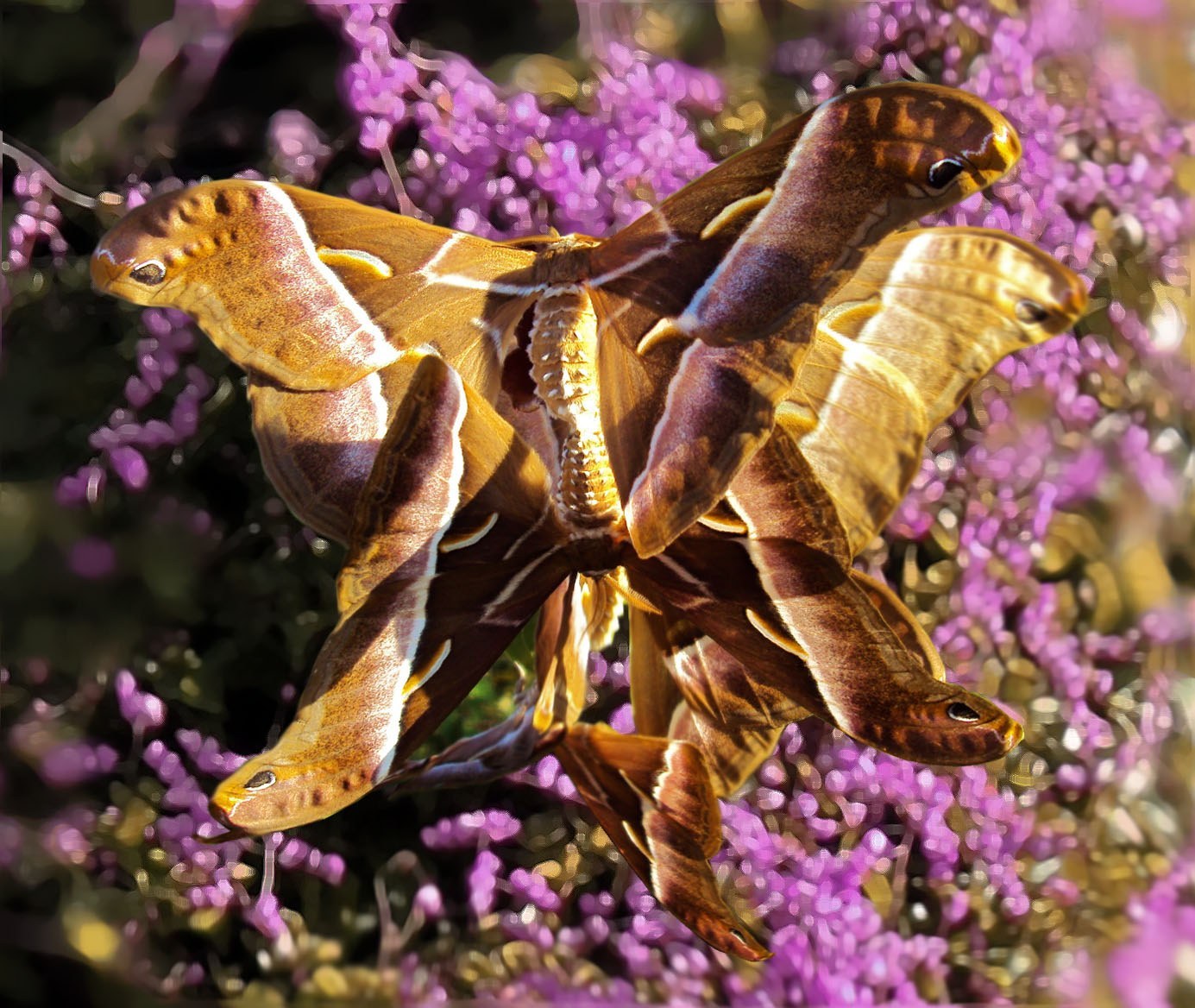
Ailanthus Silkmoth (Cynthia Moth)
Urban parks, wastelands, and woodland edges with tree-of-heaven; native to Asia, introduced in North America and Europe
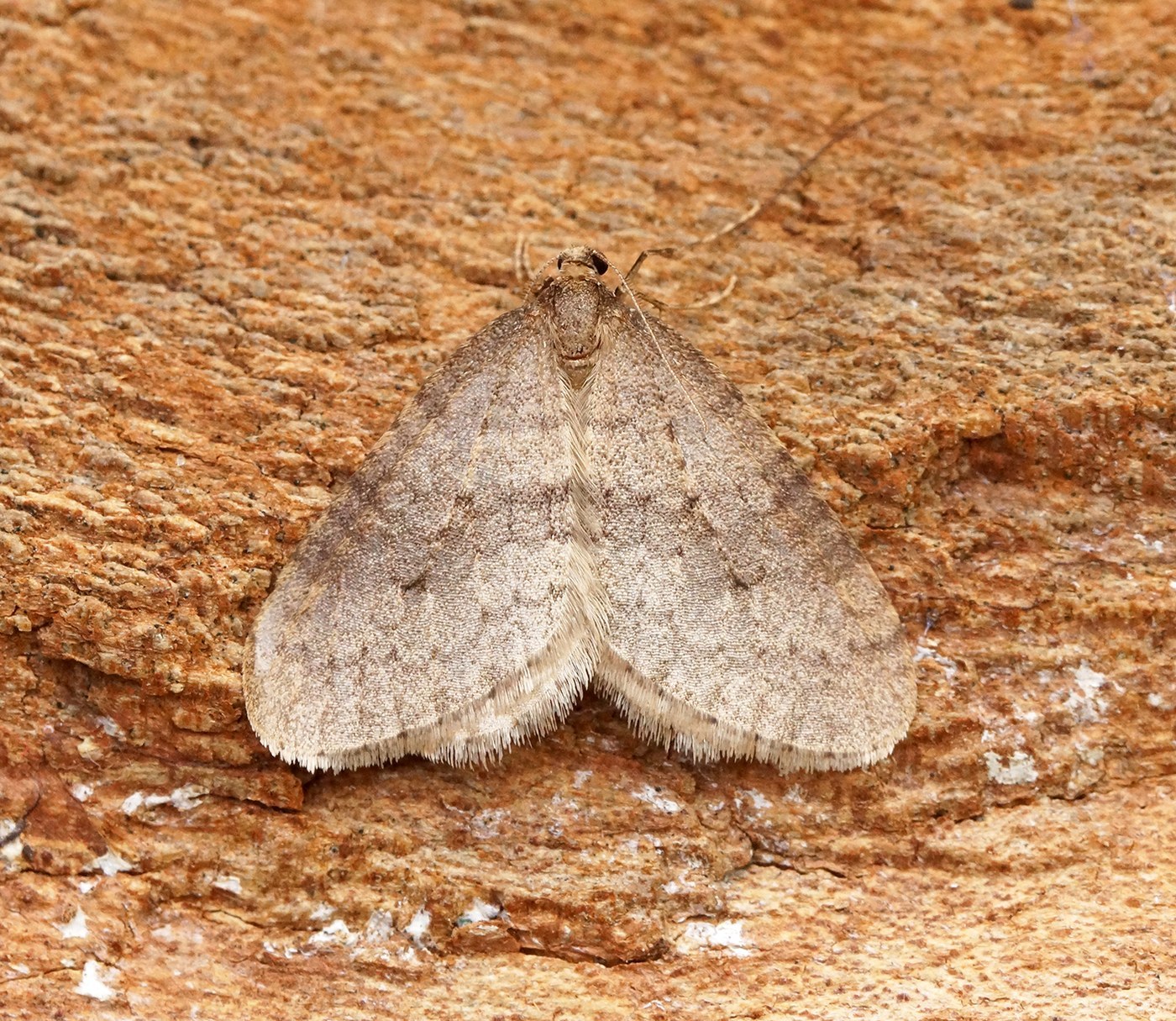
Winter Moth
Deciduous woodland, orchards, gardens, hedgerows
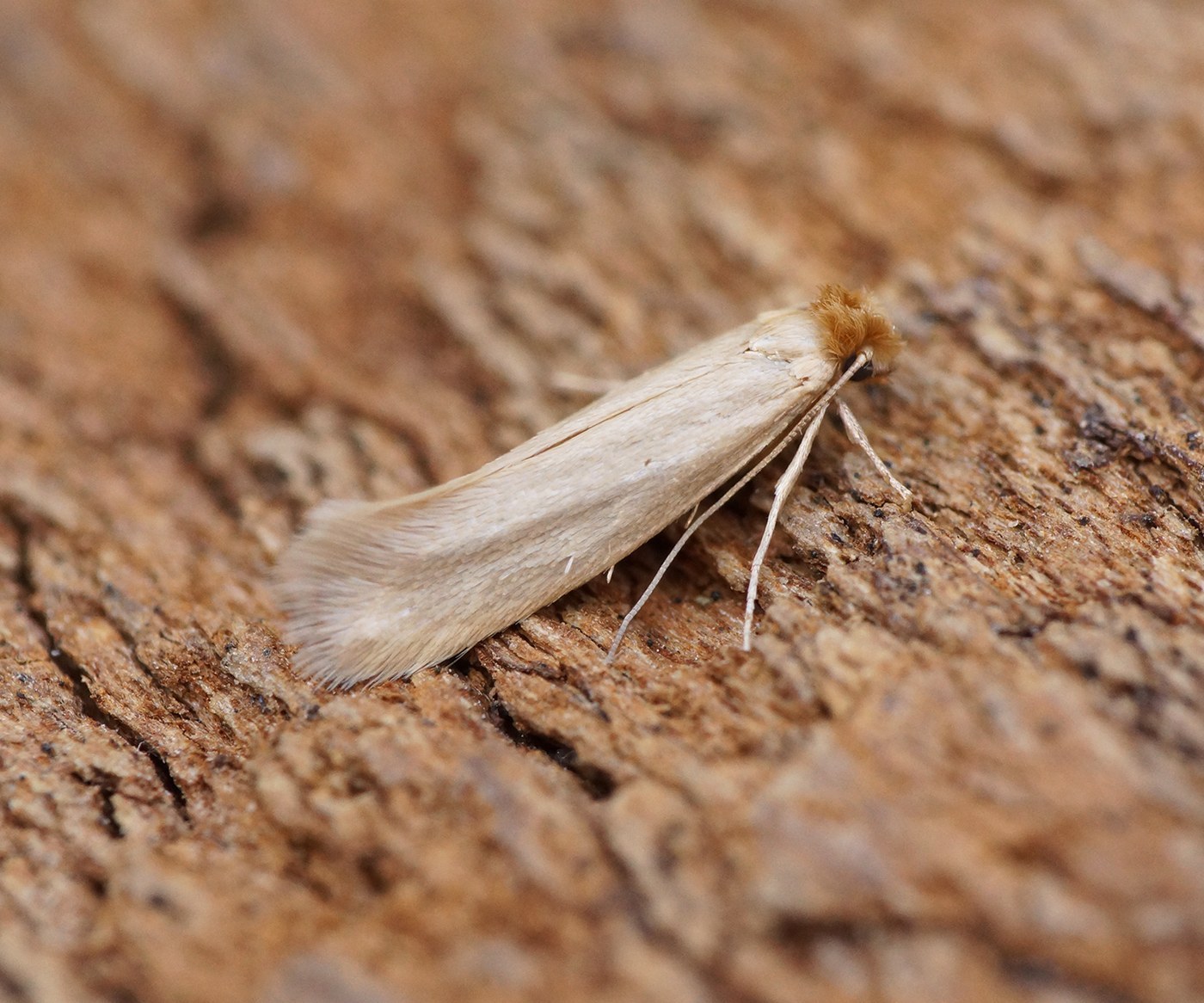
Webbing Clothes Moth
Dark closets, storage areas, and animal nests worldwide
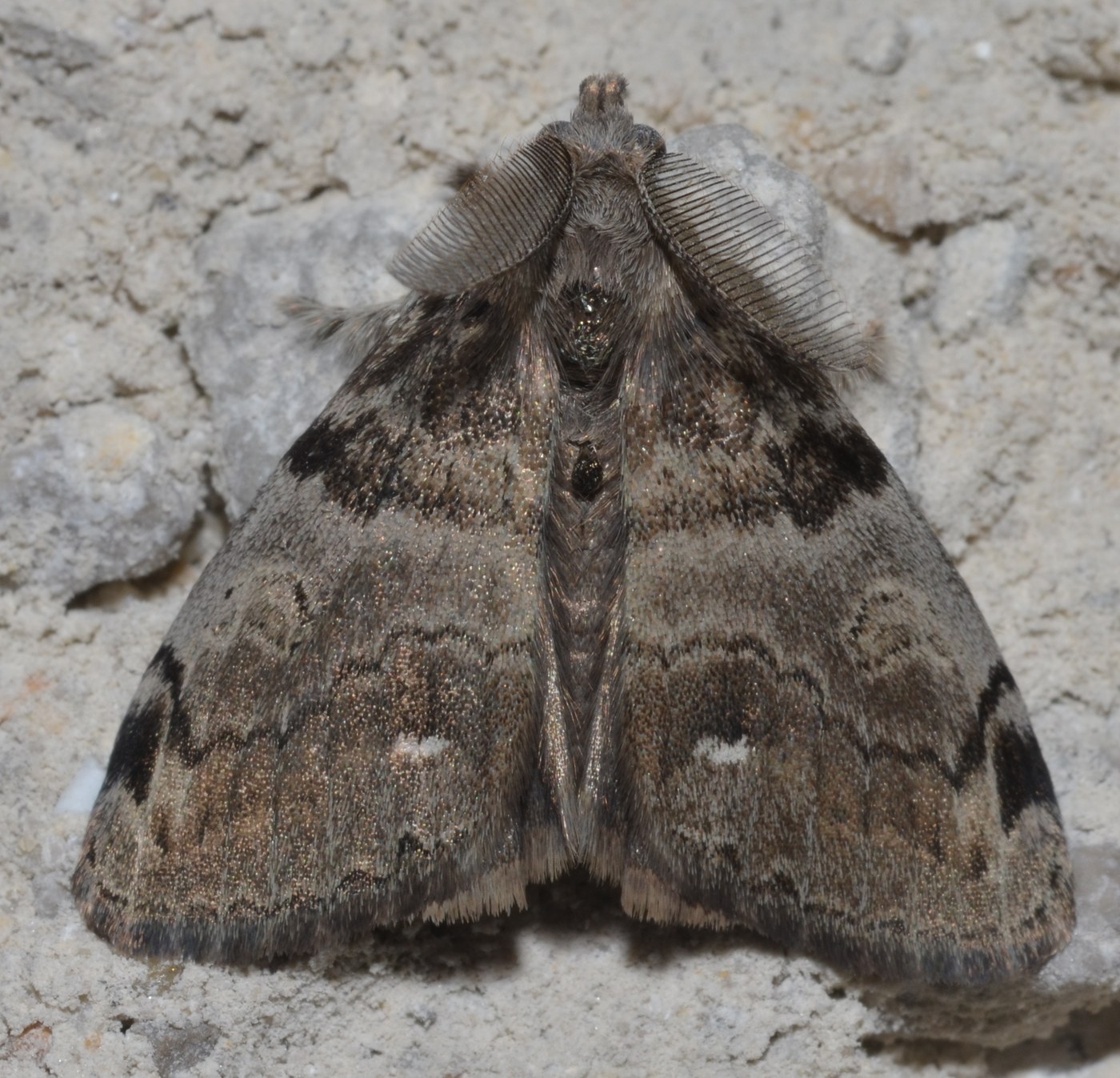
Tussock Moth
Deciduous forests, parks, gardens
Wax Moth
Beehives, apiaries, stored beeswax and comb
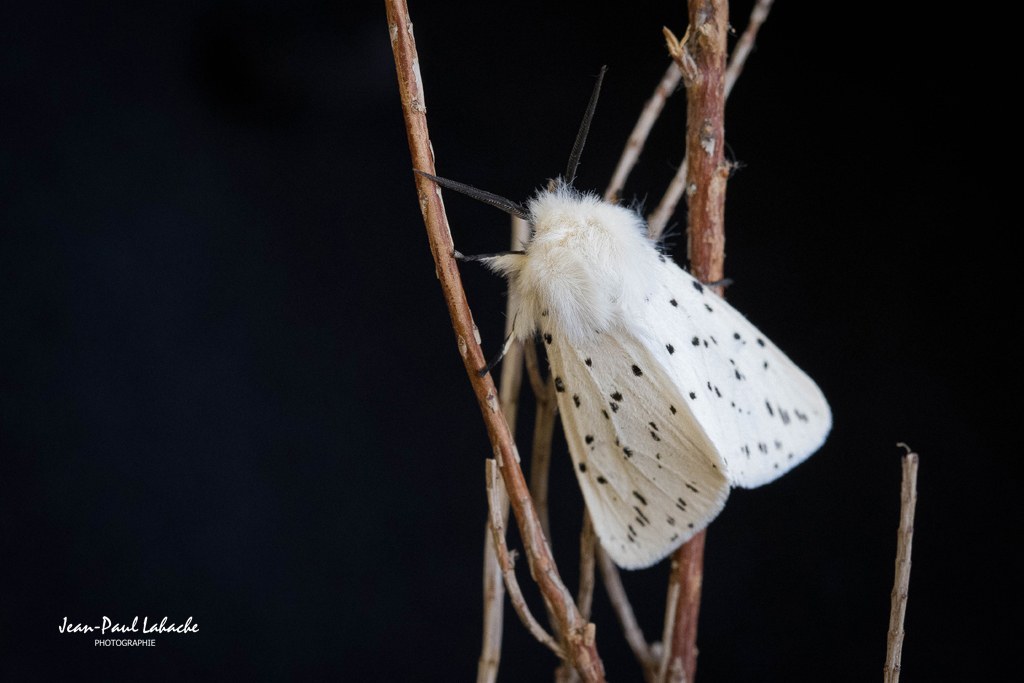
White Ermine Moth
Gardens, meadows, hedgerows
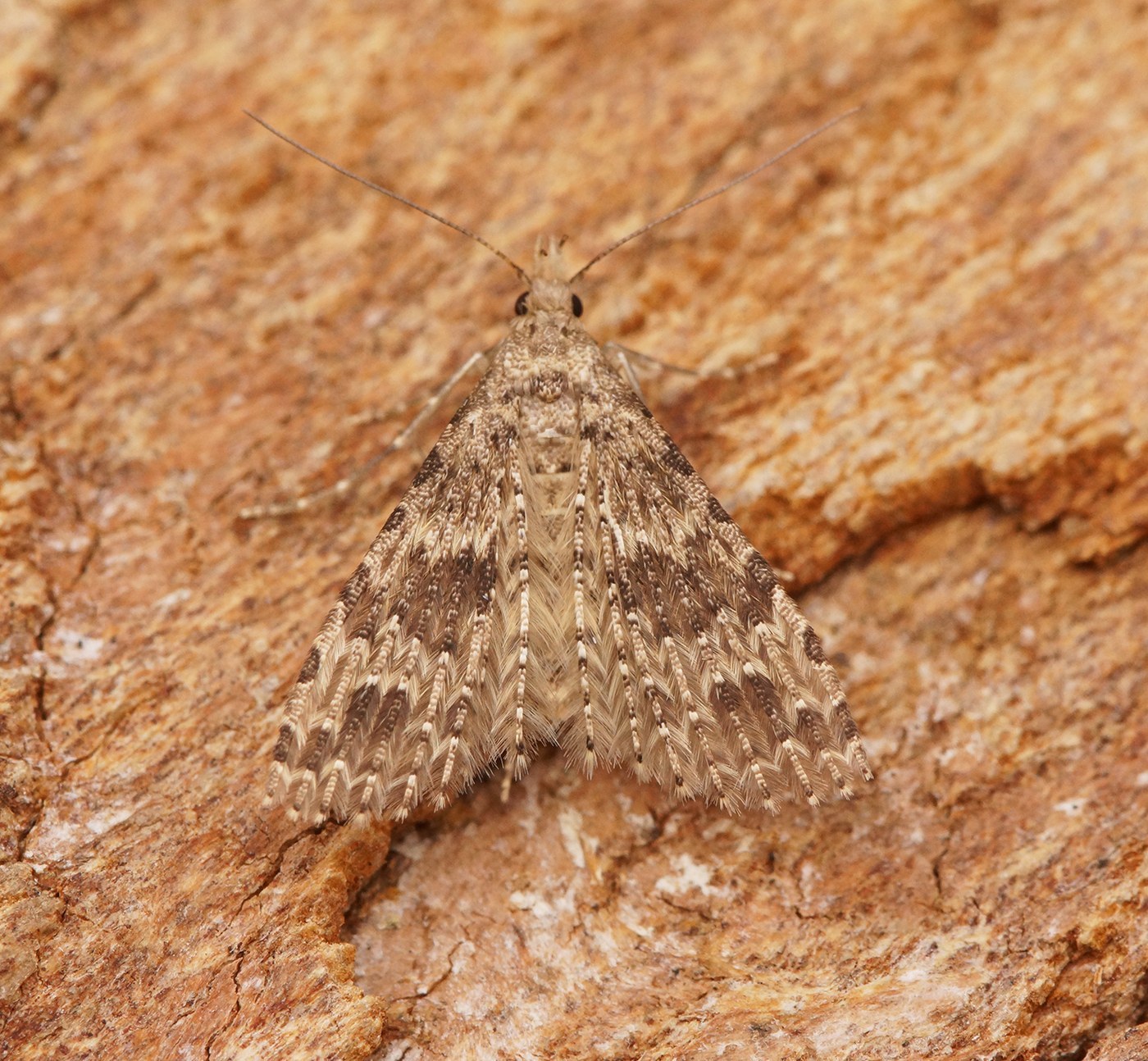
Twenty-plume Moth
Gardens, hedgerows, near honeysuckle
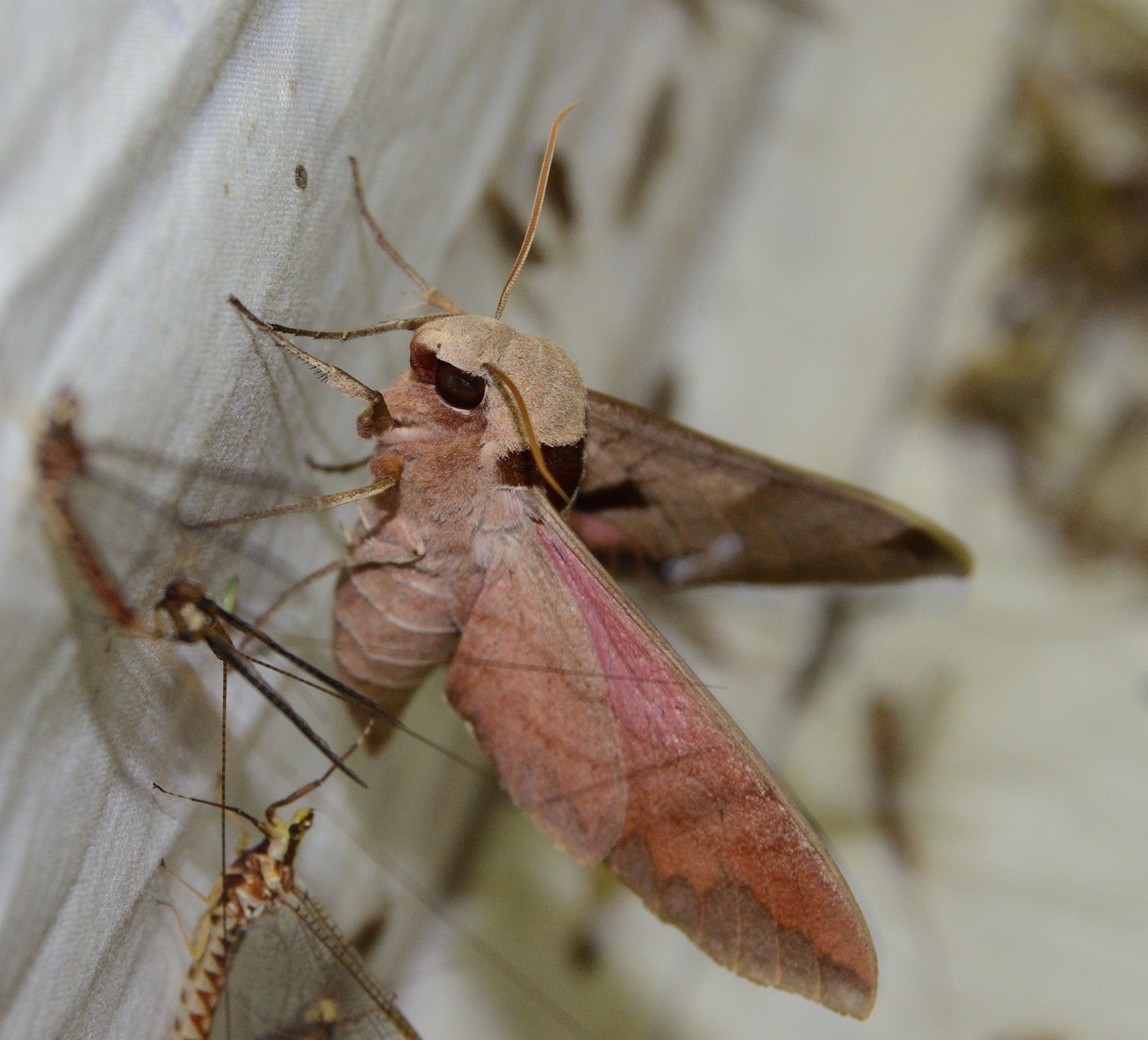
Achemon Sphinx Moth
Vineyards, woodland edges, gardens with wild grape
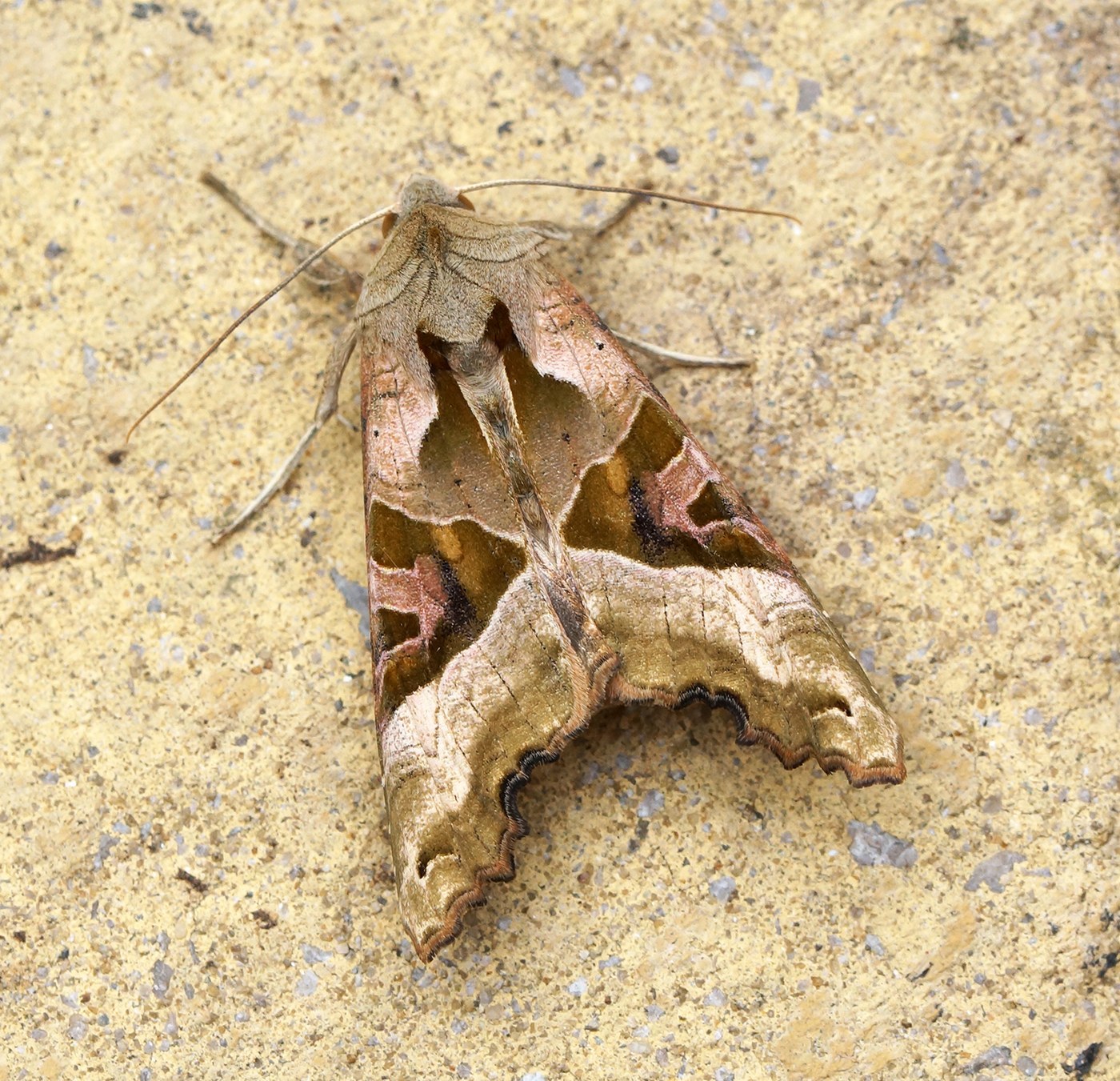
Angle Shades Moth
Gardens, hedgerows, woodland edges, urban parks
Atlas Moth
Tropical and subtropical lowland forests of Southeast Asia