
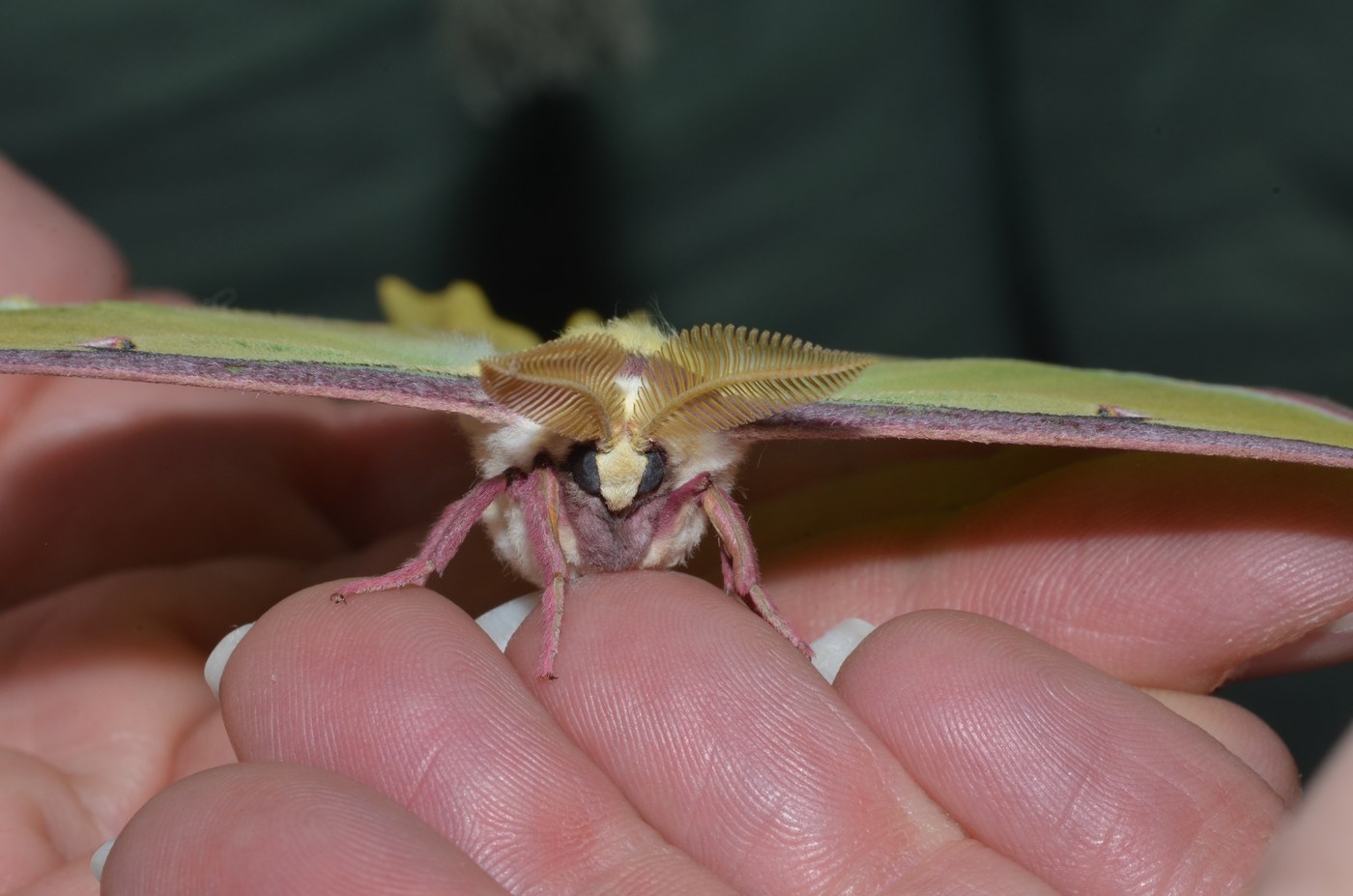
Luna Moth Caterpillar
Actias luna
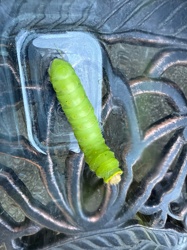
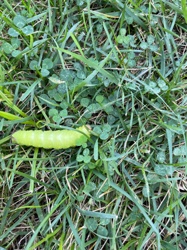
A large, plump, apple-green caterpillar with faint yellow side stripes and rows of small red-orange tubercles, the larval form of one of North America's most beautiful giant silk moths.
- Size
- up to 7-9 cm long
- Habitat
- deciduous forests with walnut, hickory, sweetgum, and birch
- Danger
- Harmless
Spotted a bug like this?
Identify any bug or insect from a photo, free.
Overview
The luna moth caterpillar is the larval stage of Actias luna, one of North America's largest and most celebrated moths, renowned for the adult's pale green wings and long trailing hindwing tails. Found across the eastern half of the United States and Canada, this caterpillar develops in the canopy of deciduous forests on a limited range of favored host trees.
The caterpillar itself is a plump, smooth-bodied, vivid green larva that spends nearly its entire development feeding high in the leaves of trees such as hickory, walnut, sweetgum, and birch, rarely coming down to the ground except to find a spot to spin its cocoon. Its coloring provides effective camouflage among the leaves it feeds on, and it relies on this concealment along with a defensive clicking or thrashing response rather than chemical or spine-based defenses.
As a member of the giant silk moth family (Saturniidae), the luna moth caterpillar and its adult form are of significant conservation interest, as luna moth populations can be affected by habitat loss, pesticide use, and introduced parasitic flies, making sightings of this species a notable event for naturalists.
How to Identify
- Large, plump, smooth-bodied caterpillar in a vivid apple-green color
- Faint yellow or pale stripe running along each side of the body
- Small reddish-orange tubercles with short bristles arranged in rows along the back and sides
- Grows to an impressive 7-9 cm at full size
- Body segments are distinctly rounded, giving a somewhat plump, cylindrical appearance
- Lookalikes: other giant silk moth caterpillars such as the polyphemus or cecropia, but the luna's more uniform green color and lack of large colorful tubercles distinguish it from the cecropia moth caterpillar
Habitat & Range
Luna moth caterpillars are found throughout the eastern United States and adjacent parts of Canada, from the Great Plains eastward. They live in deciduous forests and woodlands, feeding high in the canopy of host trees including hickory, walnut, sweetgum, persimmon, and birch. Caterpillars are present from late spring through early fall depending on the number of generations in a given region, with more generations occurring in the warmer southern parts of their range.
Behavior & Diet
Luna moth caterpillars feed exclusively on the leaves of specific host trees, remaining in the canopy for most of their development and rarely descending until ready to pupate. They are solitary feeders that rely primarily on their green camouflage to avoid detection by predators such as birds; when directly disturbed, they may thrash their bodies or make a clicking sound with their mandibles as a startle response. As members of the giant silk moth family, they do not feed as adults at all, since the adult moth lacks functional mouthparts and lives only about a week, focused solely on reproduction.
Life Cycle
Adult female moths lay eggs in small groups on the leaves of appropriate host trees. Eggs hatch within one to two weeks into tiny caterpillars that pass through five instars over about a month, growing substantially in size and turning from a spiny dark coloration in early instars to the smooth green appearance of later stages. When mature, the caterpillar descends to the ground and spins a papery cocoon among leaf litter, often incorporating a nearby leaf into the cocoon structure. Depending on region and generation, the pupa may develop into an adult within a few weeks or overwinter through the cold months, emerging the following spring. Adult luna moths live only about a week, during which they focus entirely on mating and egg-laying. The species can produce one generation per year in northern areas and two to three in the warmer south.
Frequently asked questions
What does the adult luna moth look like?
It is a large, pale green moth with long, trailing tails on its hindwings and a wingspan that can exceed 10 centimeters.
What trees do luna moth caterpillars feed on?
They favor hickory, walnut, sweetgum, persimmon, and birch, spending most of their development high in the tree canopy.
How does the luna moth caterpillar defend itself?
It relies mainly on green camouflage among leaves, and may thrash or click its mandibles if directly disturbed.
How long do adult luna moths live?
Adults live only about a week, as they lack functional mouthparts and cannot feed, focusing entirely on reproduction.
Luna Moth Caterpillar guides
In-depth guides for identifying, understanding, and living alongside Luna Moth Caterpillar.
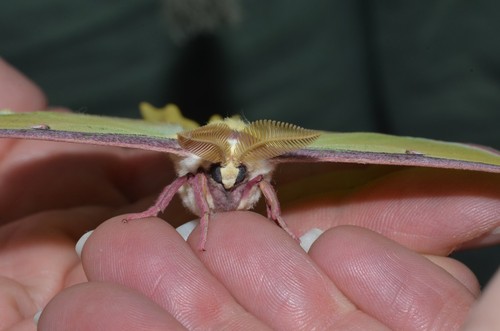
Luna Moth Caterpillar identified by the community
Real finds identified with Bug Identifier.
Other bugs you may enjoy
Bagworm
Trees and shrubs, especially conifers and ornamental landscaping
Armyworm
grasslands, pastures, and cereal crop fields
Zebra Longwing Caterpillar
Tropical and subtropical hammocks with passionflower vines
Tomato Hornworm
Gardens and fields with tomato, pepper, and other nightshade plants
Tent Caterpillar
Deciduous trees such as cherry, apple, and other rosaceous species
Tobacco Hornworm
tobacco, tomato, and pepper plants in gardens and fields
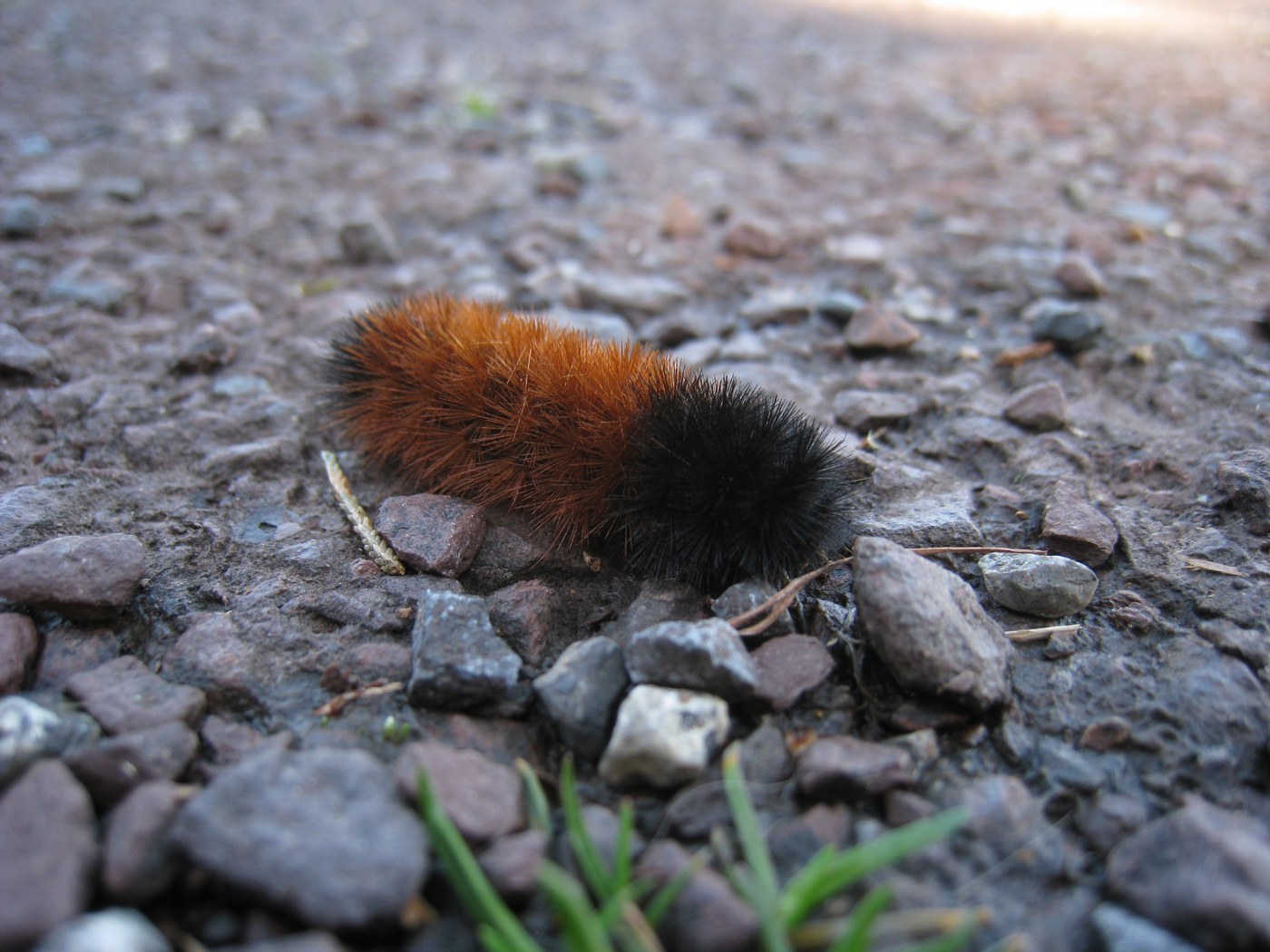
Woolly Bear Caterpillar
Gardens, meadows, roadsides, and woodland edges across North America
Sod Webworm
Turfgrass lawns, golf courses, pastures
Spiny Oak-slug Caterpillar
Deciduous forests and woodland edges with oak and other hardwoods
Saddleback Caterpillar
Deciduous trees and shrubs in eastern and southern North America
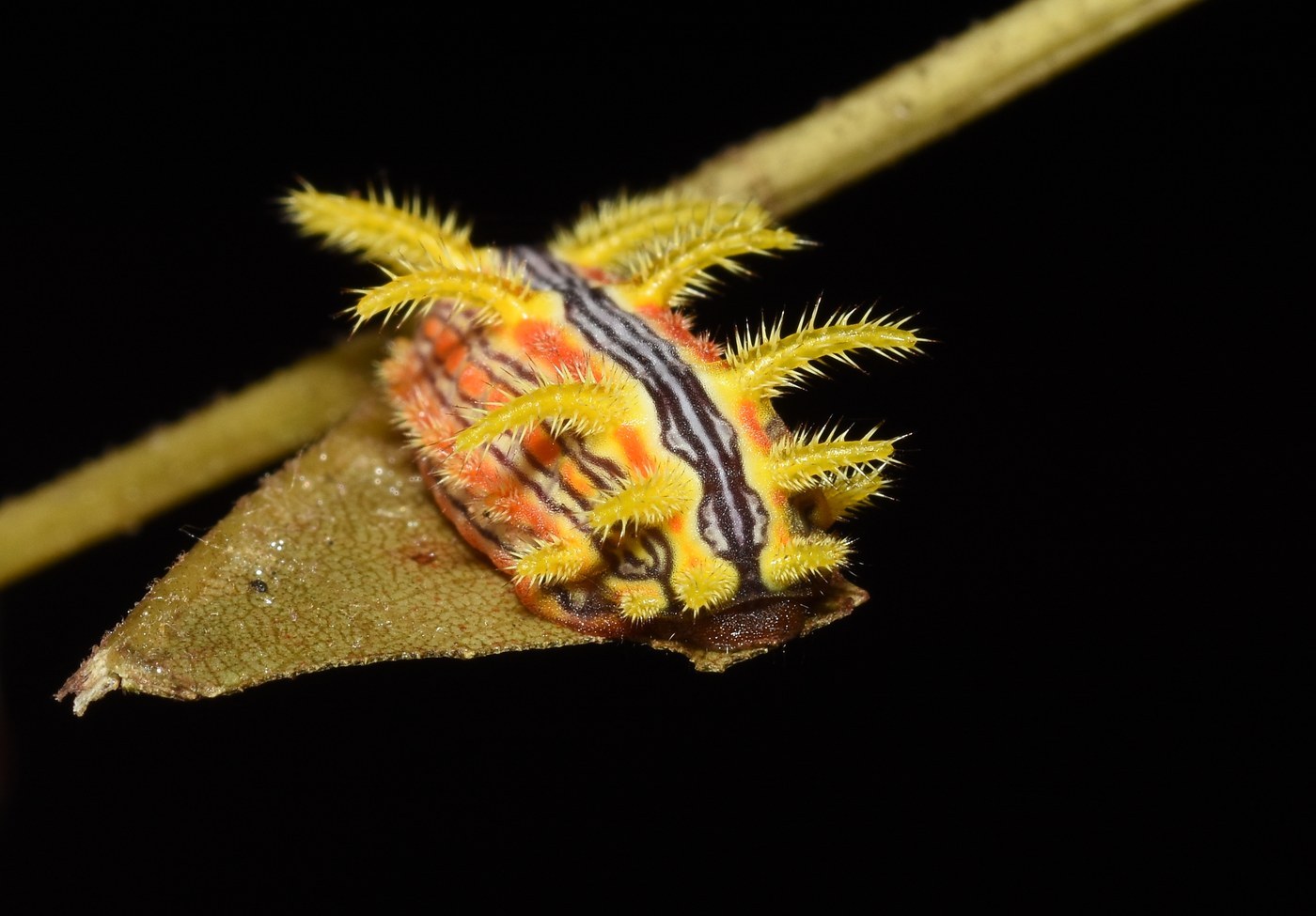
Stinging Rose Caterpillar
Gardens and woodlands with rose, dogwood, or oak
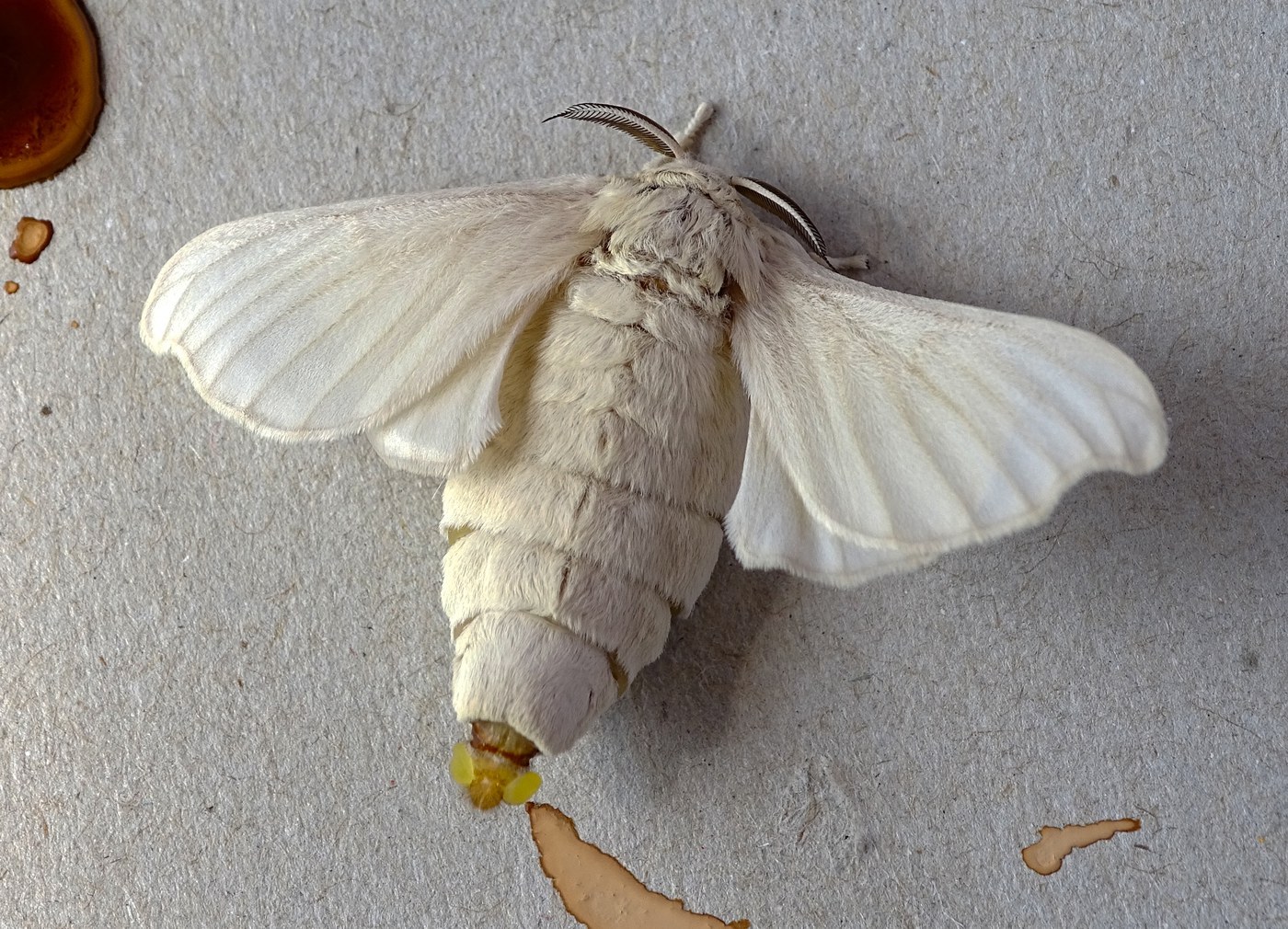
Silkworm
Reared exclusively in captivity on mulberry leaves; no independent wild population